Every set of birthdays comes with its own pile of gadgets, toys, and household heroes. Some made life easier, some made childhood louder, and some just made everyone feel very cool for a summer. Across different generations, certain products became shorthand for a whole era, from the first affordable family camera to the pocket-sized computer that now runs everything. Here are 15 products that defined different generations, plus a few surprising details that may make the nostalgia hit even harder.
1. Kodak Brownie Camera (1900): The Generation That Made Photography a Family Hobby
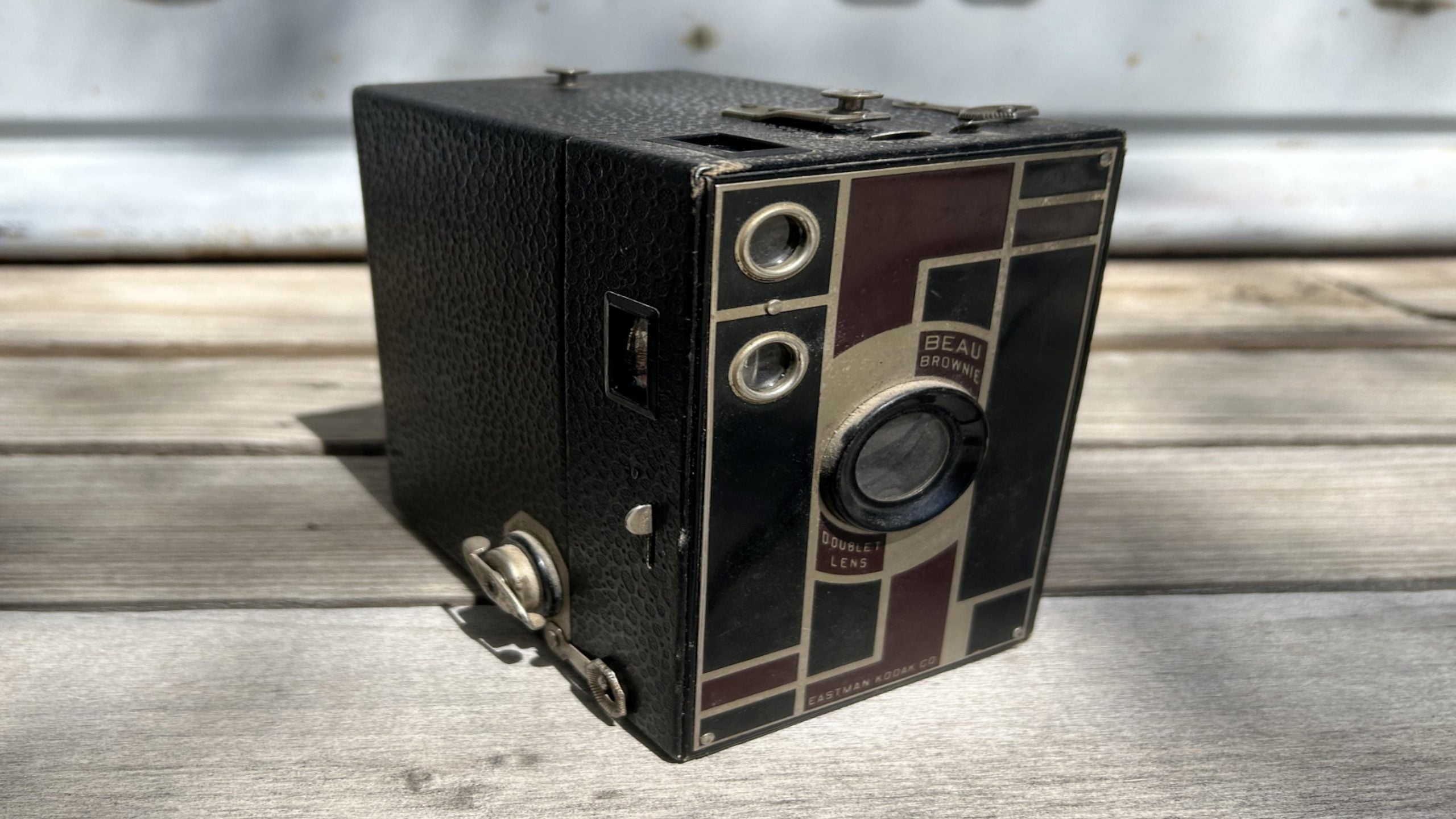
Before the Brownie, taking a photo felt like a project reserved for professionals with lots of equipment and patience. Kodak changed that in 1900 by launching a camera that cost just $1, with a roll of film priced at 15 cents, according to the company’s own milestones. Suddenly, ordinary families could document picnics, road trips, and embarrassing haircuts. It is safe to say that photo albums for generations owe polite thanks to a simple box camera with a lens.
2. Ford Model T (1908): The Generation That Discovered the Freedom of Driving
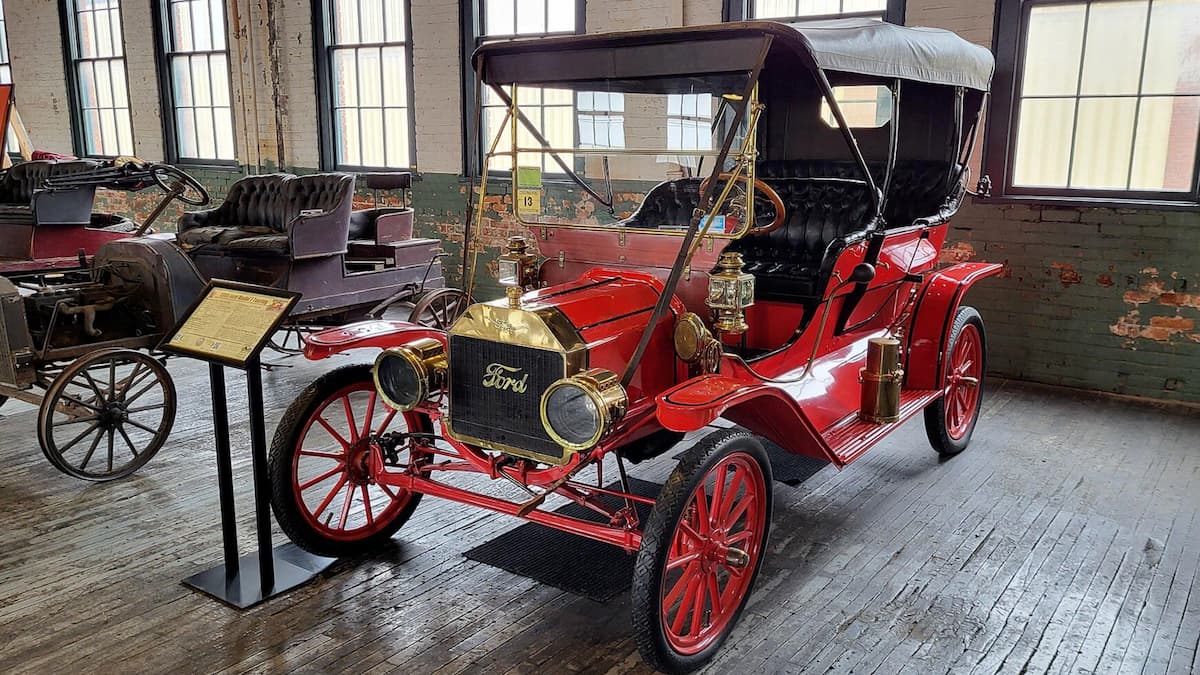
Henry Ford’s Model T hit the road on October 1, 1908, and it changed what a family could dream about. According to Ford, mass production eventually let the company sell the car for anywhere between $260 and $850, a wide range that put ownership within reach of far more Americans. The original price of $850 was a big commitment but a lot less intimidating than rival cars. Suddenly, a trip to visit relatives did not require a train ticket or a very patient horse.
3. Band-Aid Adhesive Bandages (1921): The Generation That Learned to Treat Small Injuries at Home

Earle Dickson, a Johnson & Johnson employee, came up with the idea in 1920, reportedly to help handle small kitchen cuts without fumbling with gauze and tape. The company began selling ready-made adhesive bandages in 1921, according to its heritage records, and a very small invention ended up in medicine cabinets everywhere. Parents, grandparents, and kids across generations have taken a tiny strip of sticky comfort for granted ever since. Skinned knees were never the same.
4. Polaroid Instant Camera (1948): The Generation That Didn’t Have to Wait for Photographs
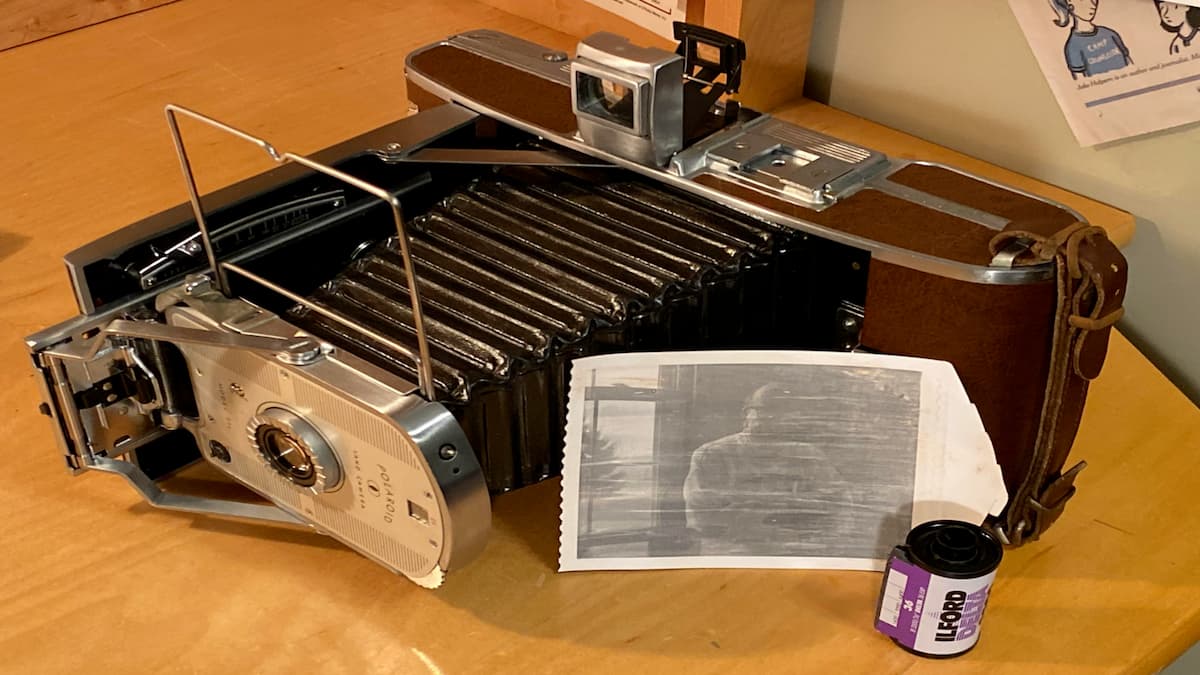
Waiting for film to be developed used to mean a trip to the drugstore and a few days of suspense. Then the first commercial Polaroid instant camera arrived in 1948 and made the wait feel almost magical, since pictures appeared within about a minute. Families waved the print in the air as if that helped, gathered around it and laughed at the blurry results. At parties, it became the entertainment itself, a tiny show that fit in the palm of a hand.
5. Tupperware Containers (1950s): The Generation That Turned Kitchen Products Into Social Events
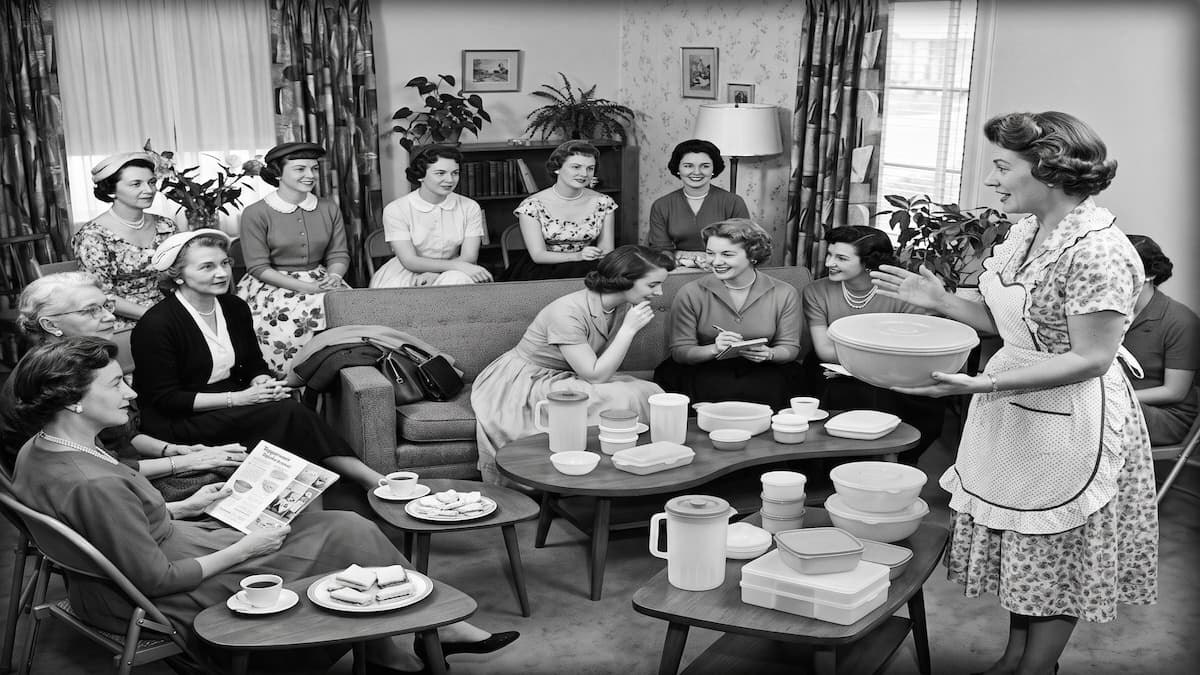
Tupperware had a rocky start because shoppers in the 1940s were baffled by flexible plastic bowls and lids that burped to seal. Then Brownie Wise turned the product into a party, demonstrating the airtight seal in living rooms and giving women a way to earn money along the way. By the 1950s and 1960s, Tupperware parties were an American ritual, and the leftover containers lived for generations in kitchen cabinets, usually missing at least one lid.
Trending on Wealth Gang


6. Regency TR-1 Transistor Radio (1954): The Teenagers Who Could Take Music Anywhere
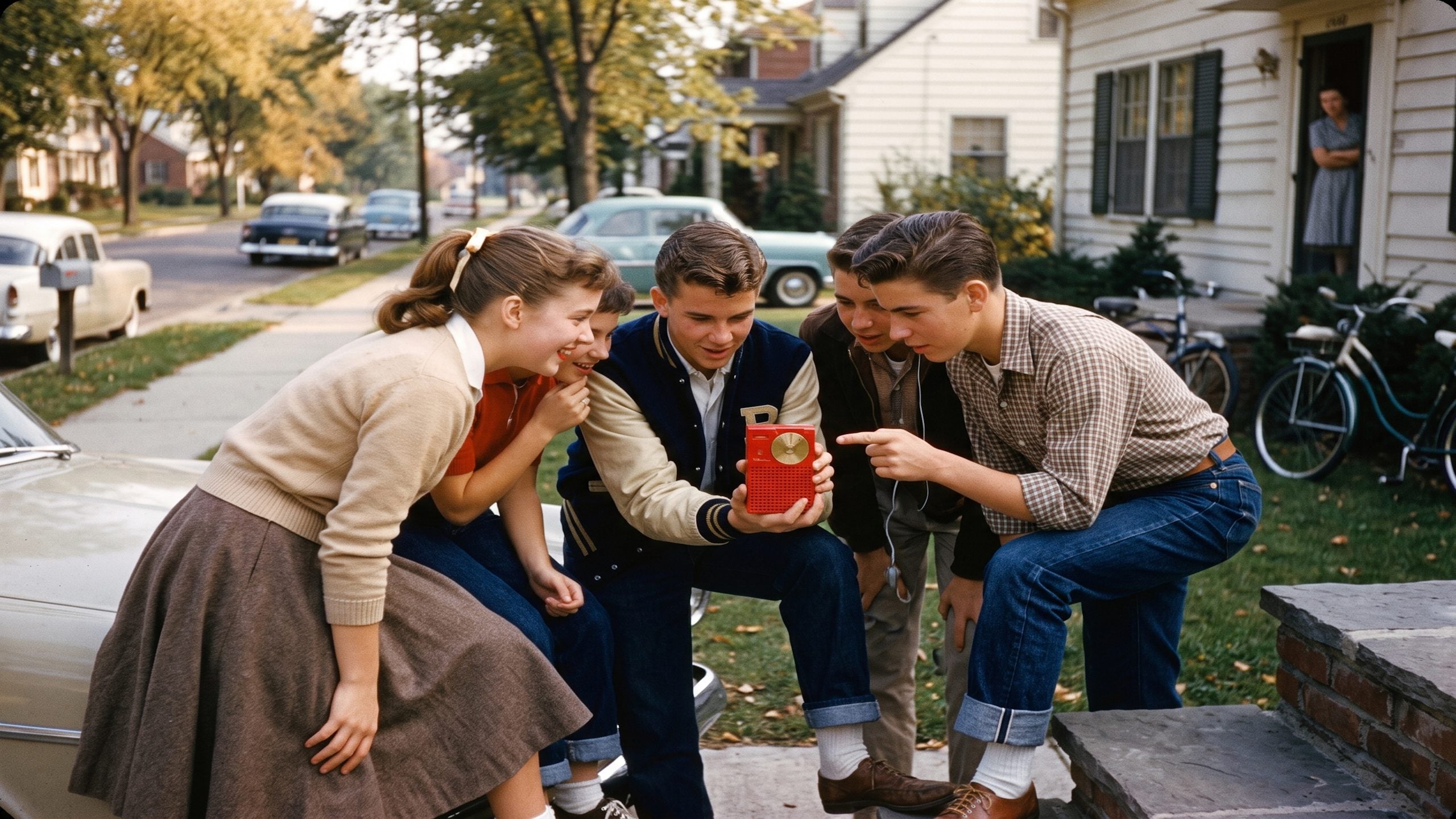
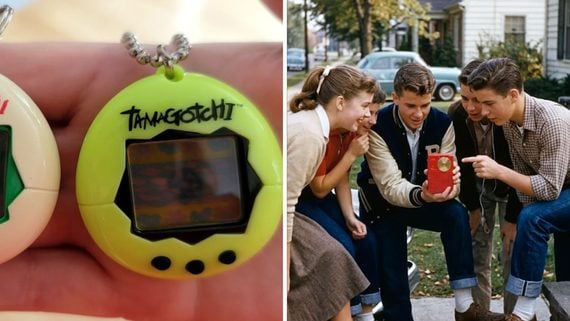
The Regency TR-1 was announced in October 1954 and went on sale in November, costing $49.95. That was a hefty price for a pocket radio, but it used just four transistors instead of bulky vacuum tubes and could slip into a shirt pocket. For teenagers, it meant music no longer had to be shared with the family radio in the living room. Parents suddenly lost control of the dial, and the sound of the decade walked out the front door.
7. LEGO Bricks (1958): The Baby Boomers Who Could Build Almost Anything
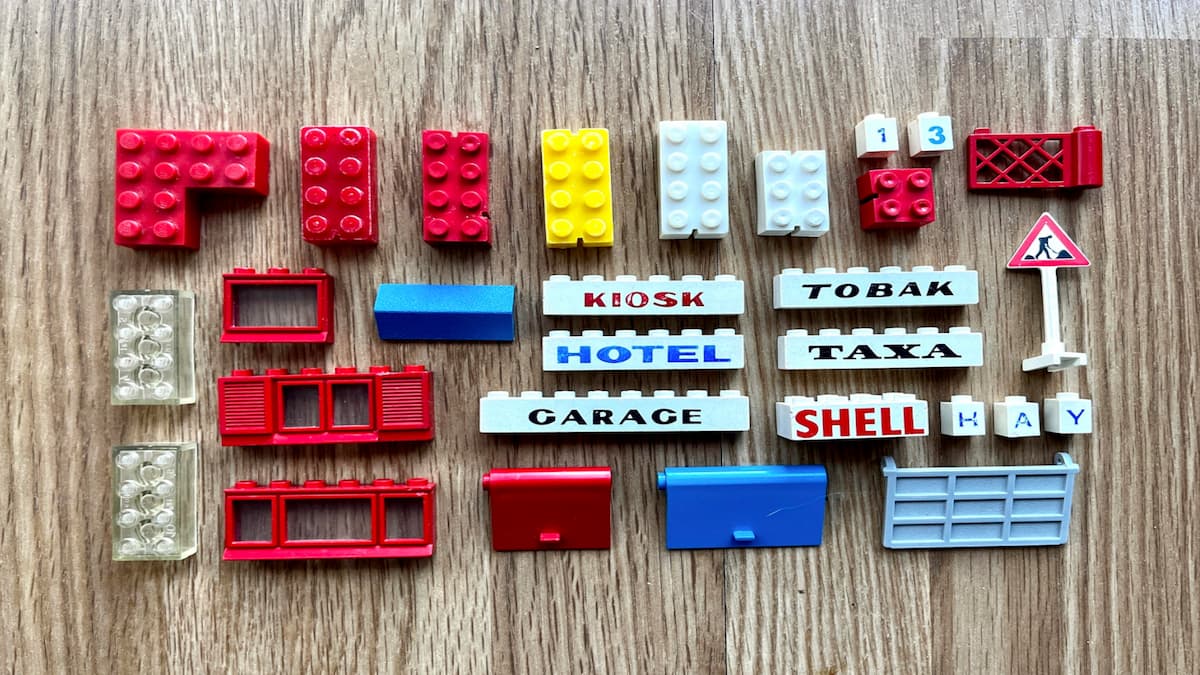
LEGO sold plastic bricks before 1958, but that year the company patented the stud-and-tube system that made them click together with satisfying, reliable force. The improvement meant children could build taller creations, take them apart and start over without wrecking anything. For many baby boomers, it was a toy powered by imagination instead of batteries. Even today, the design connects generations on the same living room floor, usually with one person stepping on a brick and the other apologizing.
8. Barbie Doll (1959): The Generation That Played With a Fashionable Adult
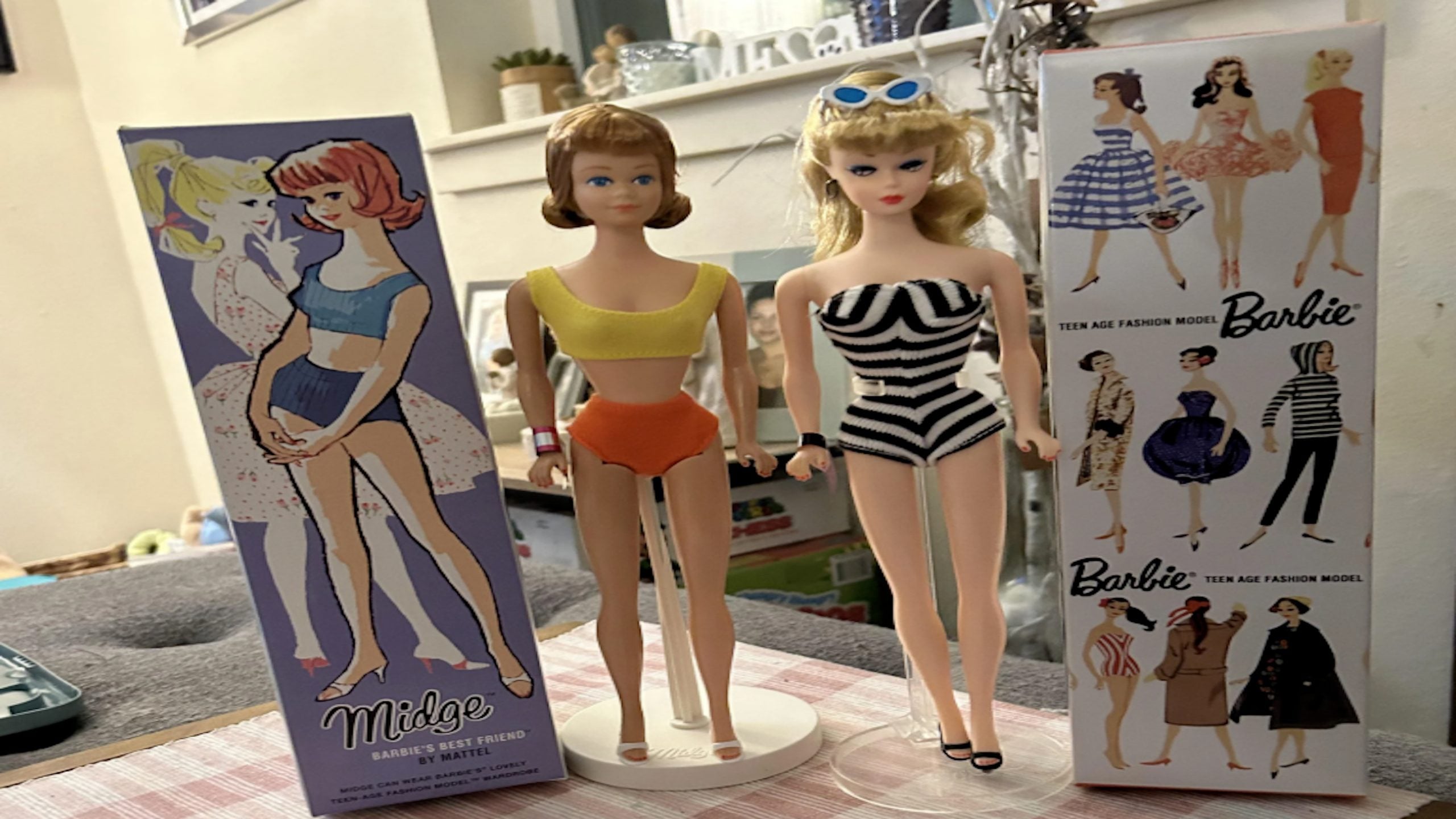
Barbie made her debut at the New York Toy Fair on March 9, 1959, wearing a black-and-white striped swimsuit, according to Mattel. Instead of the baby dolls that filled most toy boxes, she was a teenage fashion model with a wardrobe and a world of possibilities. Kids could imagine careers, parties and entire fashion collections, all in a very small closet. It was a new kind of play that felt grown-up, glamorous, and just a little bit sassy.
Sign up for our newsletter
9. Atari 2600 (1977): The Generation That Brought Video Games Into the Living Room
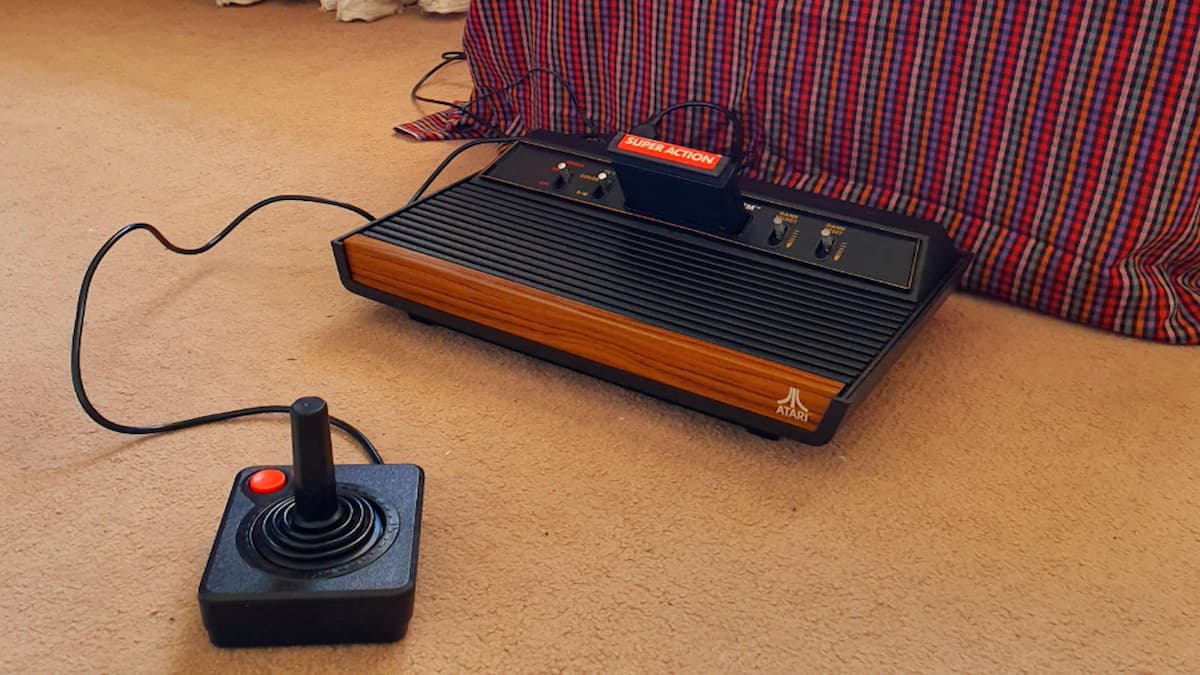
Released in 1977 as the Atari Video Computer System, the console later known as the 2600 put video games in the living room, where parents could no longer pretend they did not exist. Cartridges meant families could buy new games without replacing the console, and estimates put lifetime sales at around 30 million units. For many members of Generation X, joystick battles on the family television were a weekly ritual, and the wood-grain panel still sparks excitement among retro fans of all generations.
10. Sony Walkman (1979): Generation X and the Birth of Private Listening
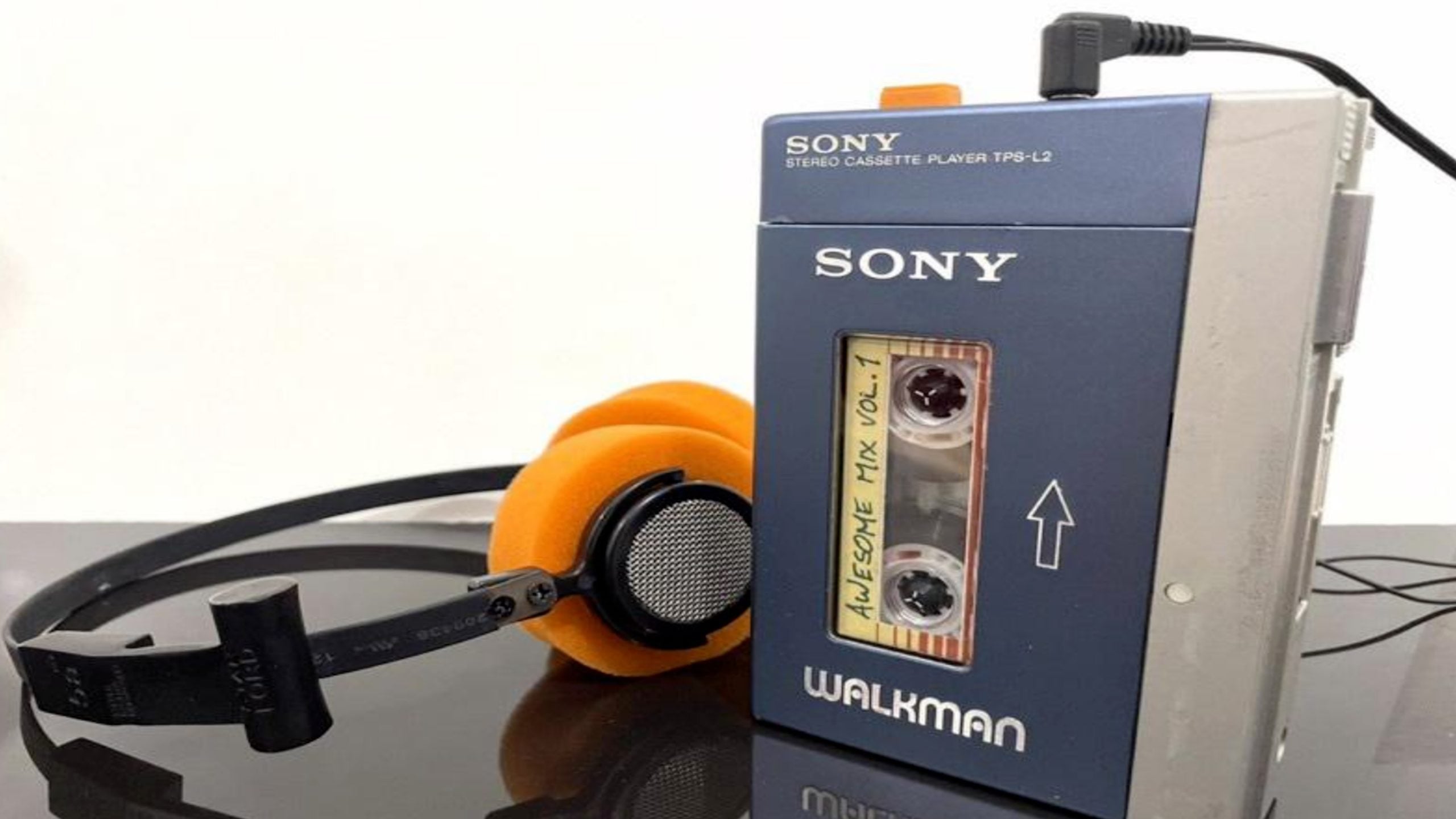
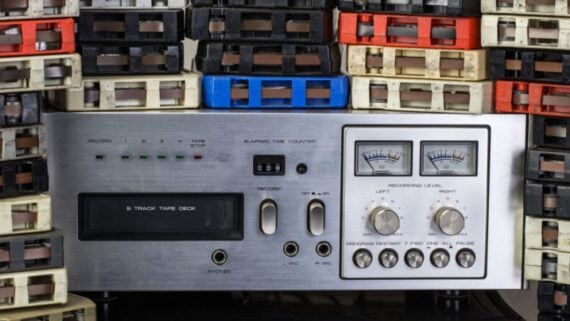
The original Sony Walkman arrived in Japan on July 1, 1979, and quietly invented the idea of a private soundtrack. It played stereo cassettes through lightweight headphones, so listeners could walk, ride the bus, or jog with their own music. Even Sony’s founders faced doubts at first, since the device could not record. The skeptics were wrong, and the idea paved the way for CD players, MP3 devices, and everything that sits in earbuds today.
11. Nintendo Game Boy (1989): The Generation That Took Video Games on Road Trips
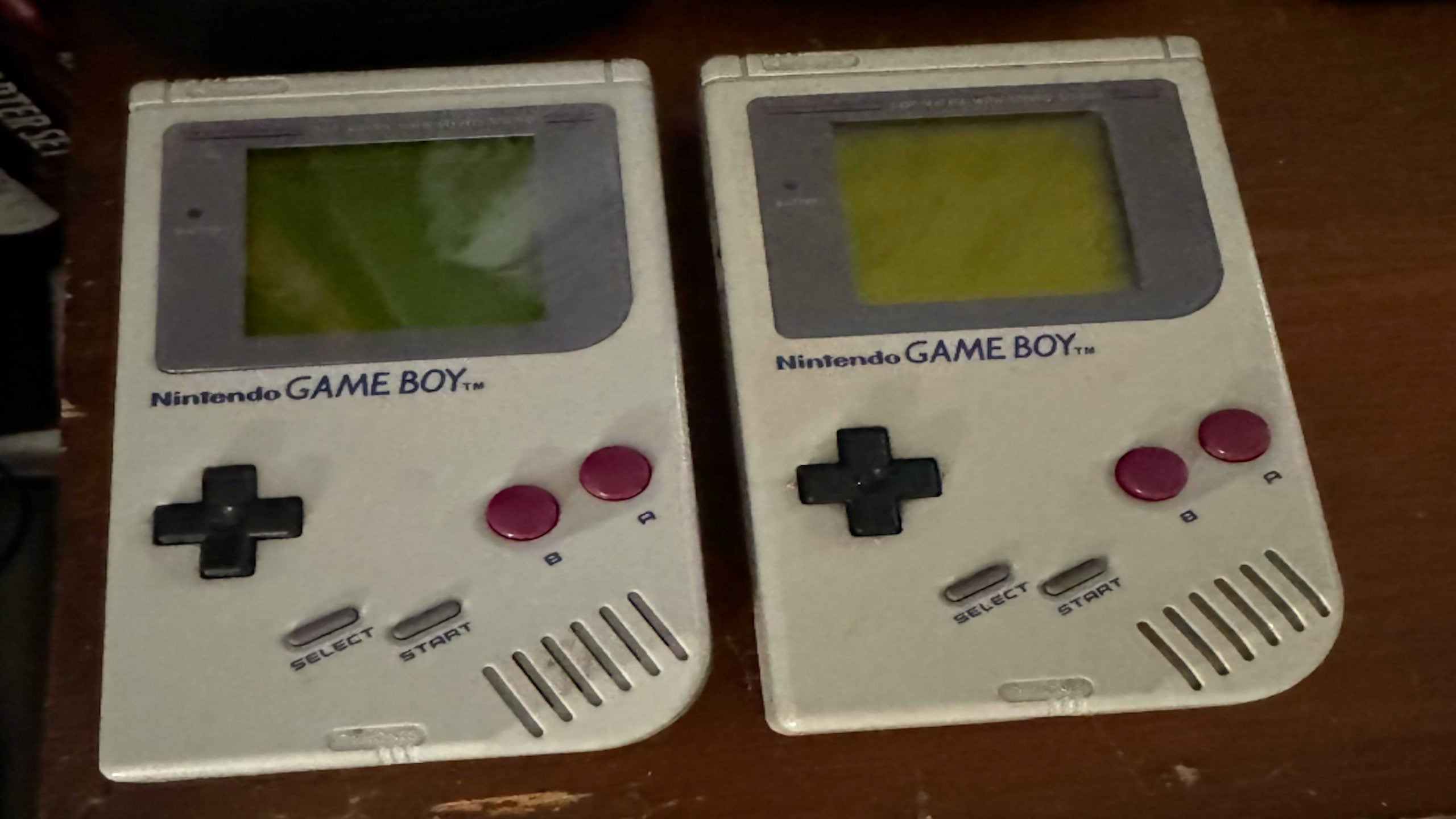
Nintendo launched the original Game Boy in Japan in April 1989, and its tiny gray-green screen looked basic even then. It did not matter, because the device ran on four AA batteries for roughly 10 to 14 hours of play, according to Smithsonian Magazine, which was enough to survive most road trips. Tetris, Super Mario, and later Pokémon turned it into the constant companion of kids in the late 1980s and 1990s, and into a favorite for generations of backseat travelers.
12. Tamagotchi (1996): The Millennials Who Had to Keep a Digital Pet Alive
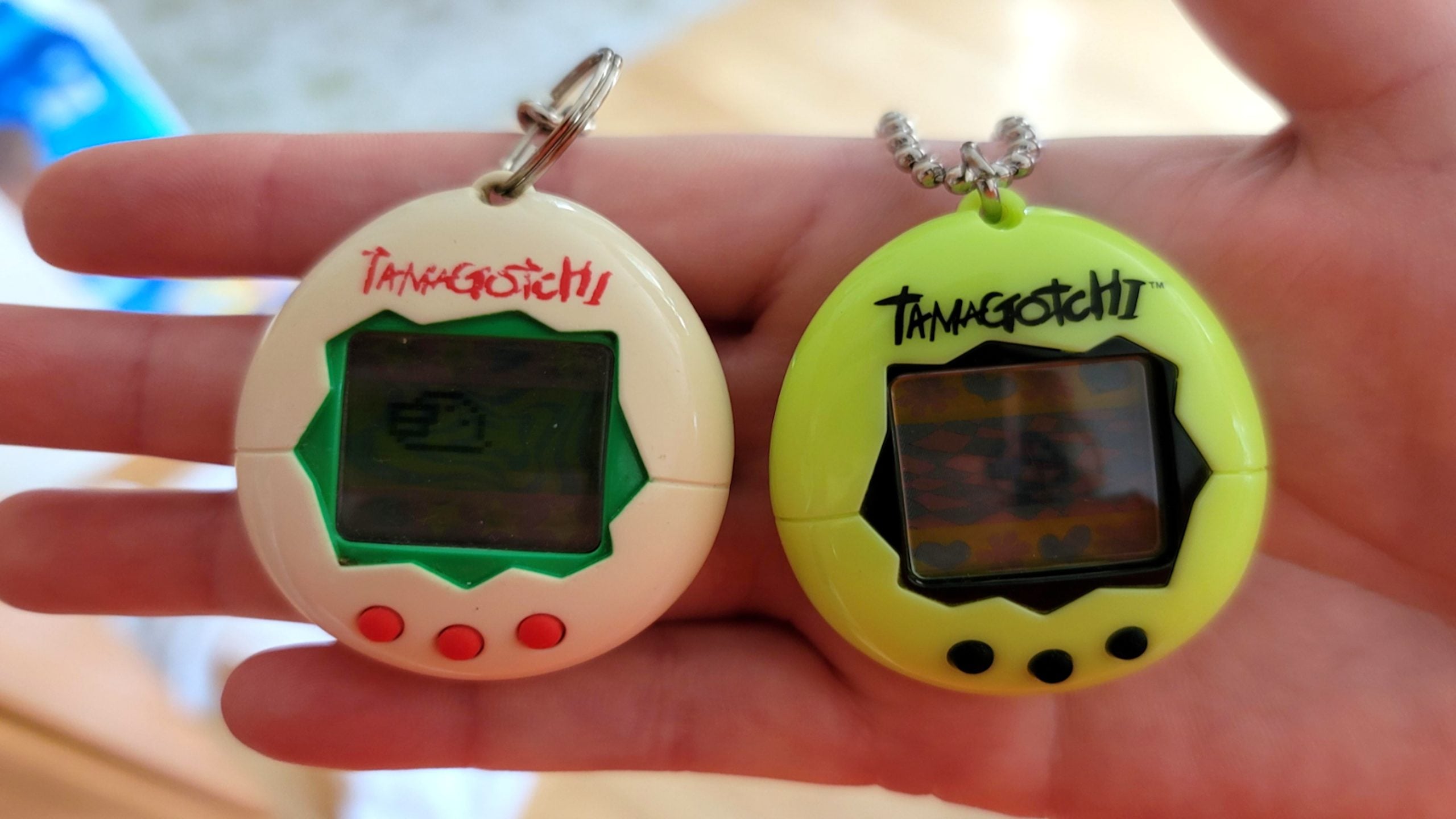
Bandai released Tamagotchi in Japan in November 1996, and suddenly children everywhere were responsible for a tiny digital creature. It needed feeding, entertainment, and cleanup, and it could die if ignored, which turned a pocket toy into a real emotional commitment. School schedules bent around beeping demands. According to Bandai, the franchise has now shipped more than 100 million units worldwide, proof that a digital pet can outlive almost every passing fad.
13. Netflix Red DVD Envelopes (1998): The Generation That Rented Movies Without Visiting a Store
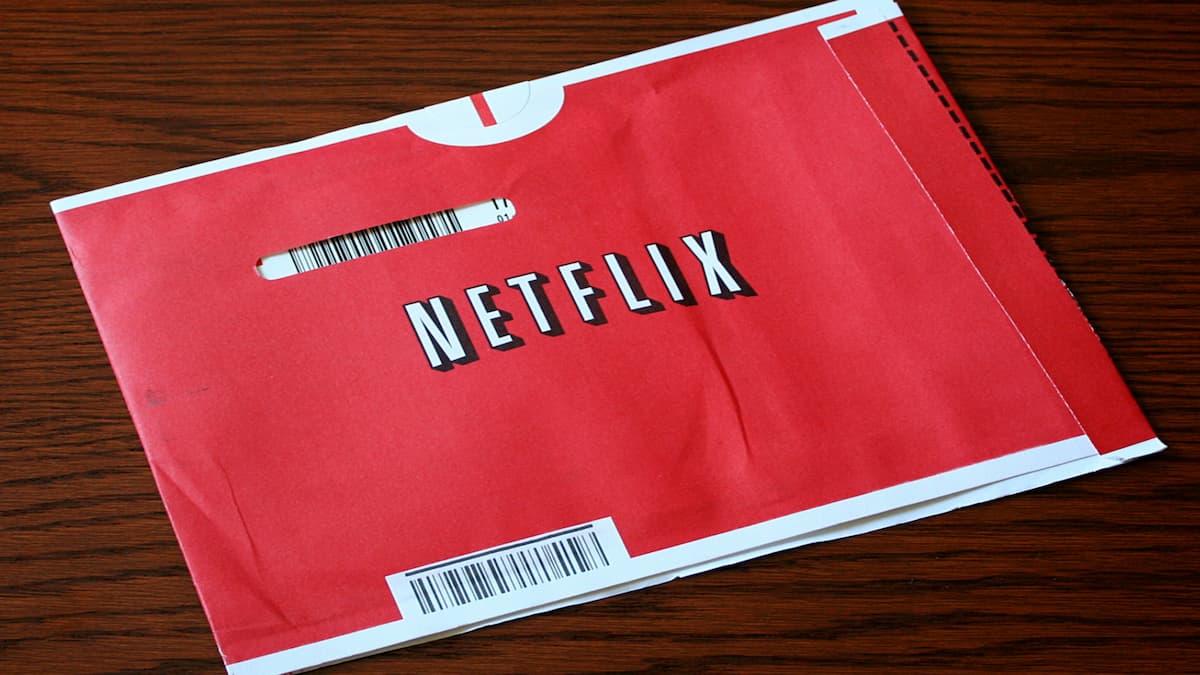
Netflix mailed its first DVD in 1998 and gave movie fans a revolutionary option: choose a title online, wait for a red envelope, and skip the store. No more late fees, no more fighting over the last copy of a hit. The company mailed its last DVDs in September 2023, ending a run of about 25 years that stretched across generations of movie nights. The red envelope now sits in the nostalgia museum, right next to the rental card.
14. Apple iPod (2001): The Millennials Who Carried Their Music Collections in Their Pockets
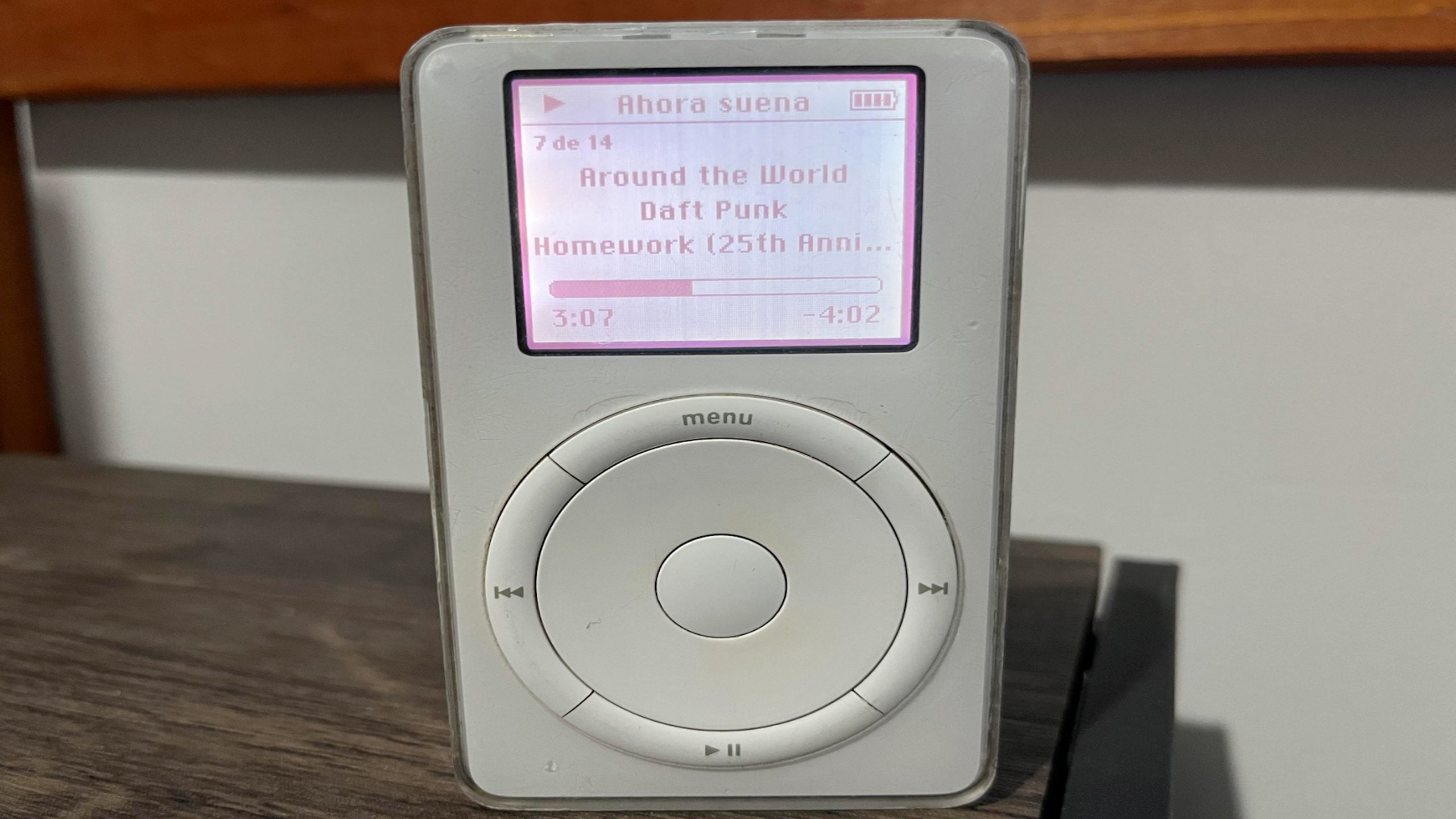
When Apple introduced the original iPod in October 2001, it promised enough room for about 1,000 songs in a player weighing just 6.5 ounces, according to the company’s announcement. Earlier portable players existed, but this one paired capacity with a clean design and easy computer syncing. Millennials growing up in the 2000s made playlists, bought white earbuds and carried an entire music collection in a pocket, which felt like a magic trick.
15. Apple iPhone (2007): The Generation That Started Carrying the Internet Everywhere
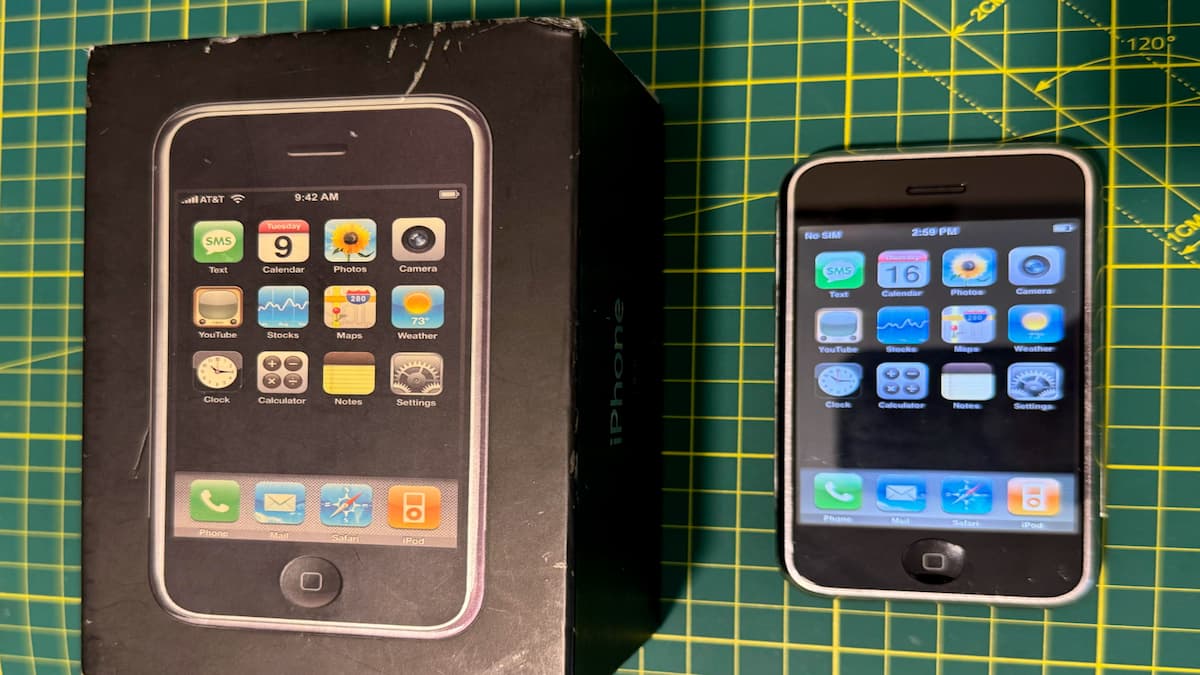
Steve Jobs introduced the original iPhone on January 9, 2007, presenting it as a phone, a widescreen iPod and an internet device in one. Its touchscreen helped smartphones leave the business world and enter everyone’s pockets. Over the next decade, communication, photography, navigation and entertainment moved onto a single glass rectangle. It is difficult to find another product that has shaped so many generations so quickly, or one that so many people check before breakfast.
Funny how a camera, a toy, or a phone can say so much about when someone grew up. Which of these products defined the memories of different generations in the family, and which one deserves a comeback? Tell us in the comments!