
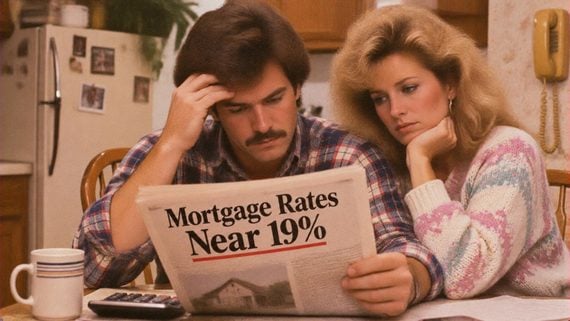
Buying a home has always been one of life’s biggest financial milestones, but the experience has changed dramatically over the decades. A house that once cost a fraction of today’s prices might have required an enormous down payment, and finding the right property meant searching newspaper ads instead of scrolling through online listings.
It’s easy to imagine that previous generations had a much simpler path to homeownership. In reality, each era came with its own challenges, from sky-high mortgage rates to lending restrictions that excluded entire groups of buyers. These 16 differences reveal just how much the American homebuying experience has changed.
1. Home Prices Were Much Lower, Even After Accounting for Inflation
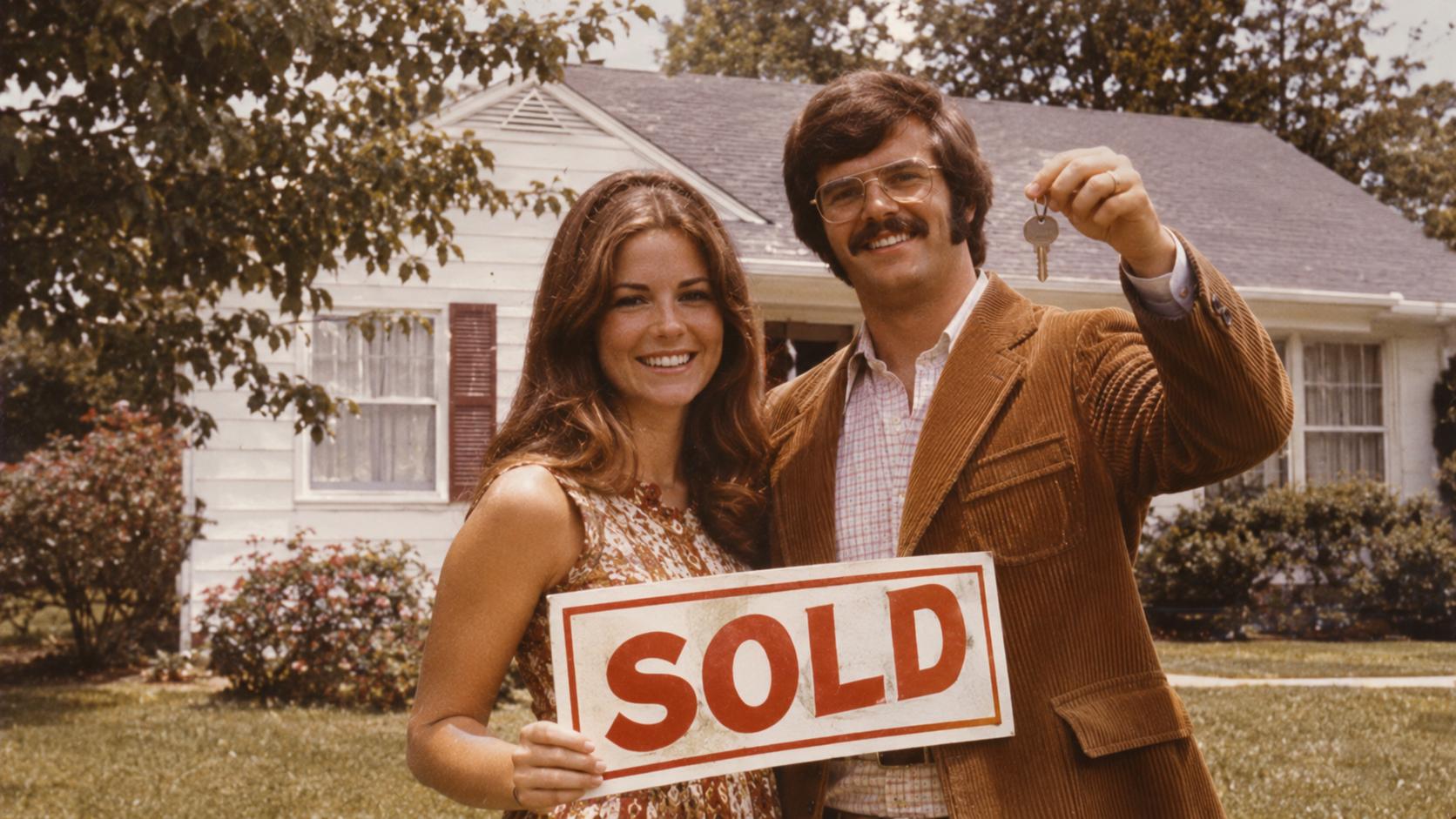
Looking at historical home prices can make today’s real estate market seem almost unbelievable. According to the U.S. Census Bureau, the median value of an owner-occupied single-family home was $30,600 in 1940, compared with $119,600 in 2000, with both amounts adjusted to 2000 dollars. That’s nearly four times as much in just 60 years. Of course, houses themselves changed over that period, and lower prices didn’t automatically mean every family could afford to buy one.
2. First-Time Buyers Were Usually in Their 20s
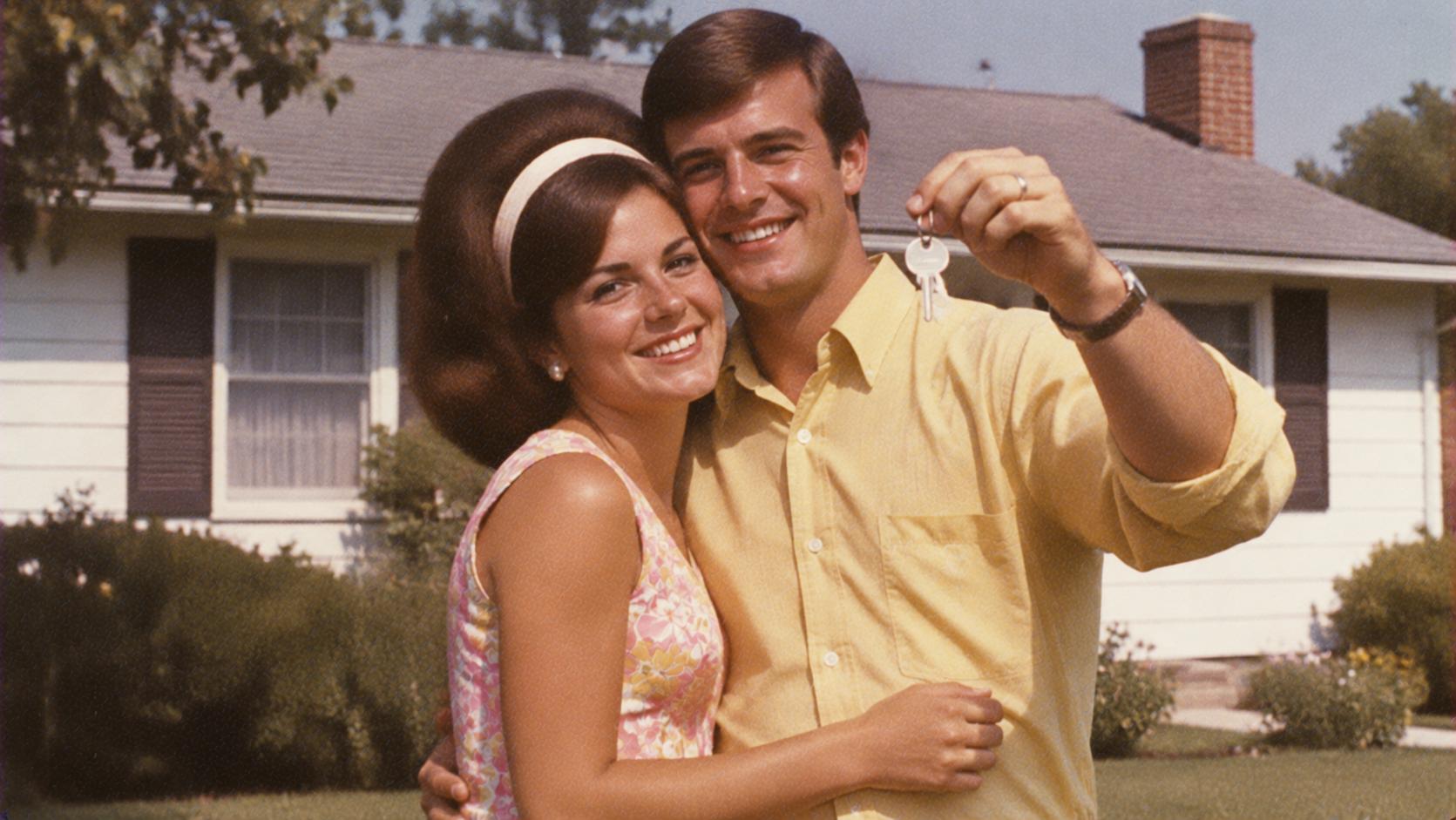
For many young adults in the 1980s, purchasing a first home before turning 30 was a realistic milestone. The National Association of Realtors reports that the typical first-time buyer was in their late 20s during that decade. Fast forward to 2025, and the median age had reached 40, a record high in the organization’s annual survey. Between rising property prices, limited housing inventory, and the challenge of saving enough money, many Americans now spend considerably more years renting before becoming homeowners.
3. Mortgage Rates Nearly Hit 19% in the Early 1980s
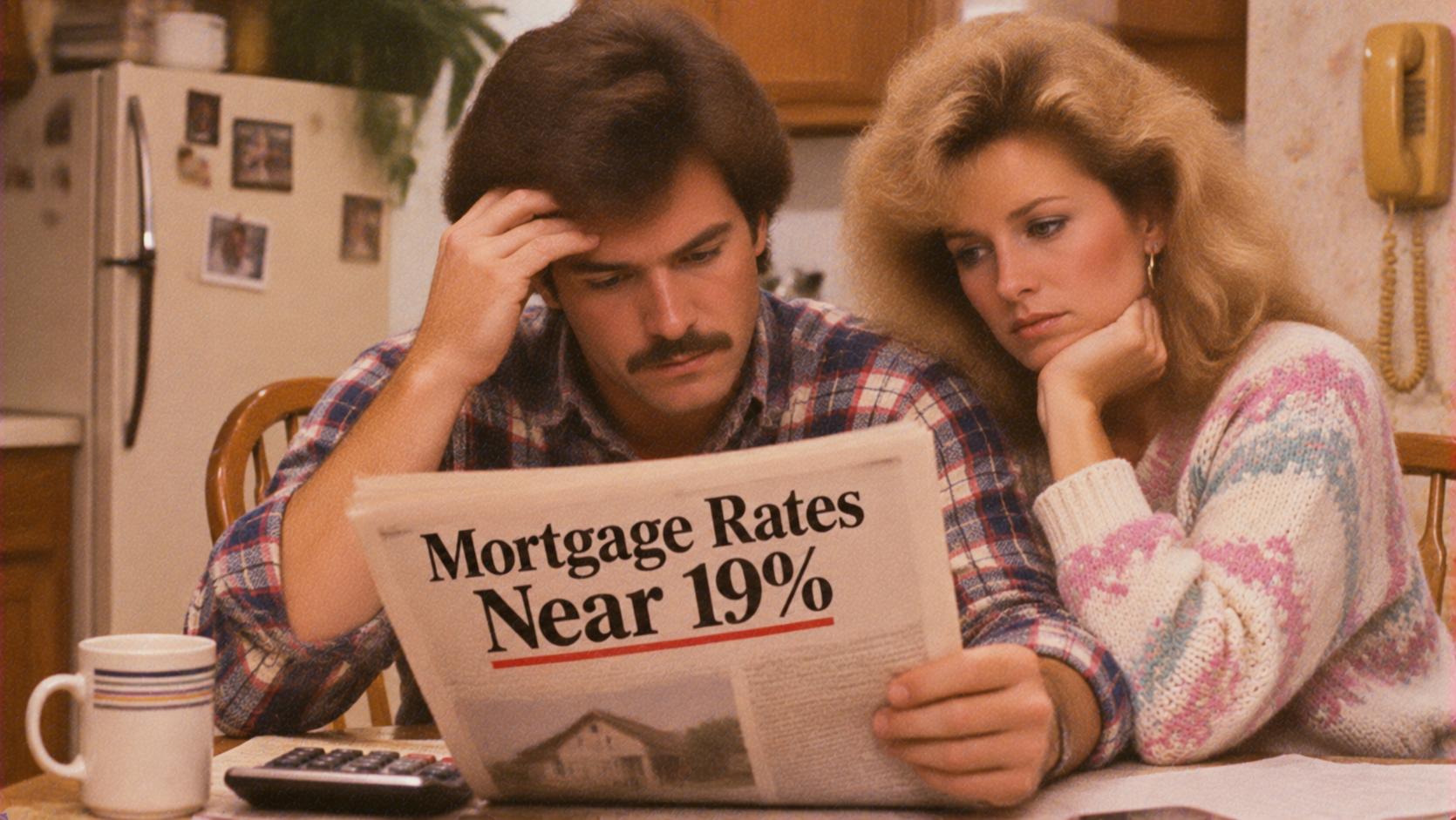
Anyone who thinks today’s mortgage rates are painful might want to look at October 1981. That month, the average 30-year fixed mortgage rate reached an astonishing 18.63%, according to Freddie Mac. Borrowing $100,000 at that rate meant paying approximately $1,559 every month in principal and interest. At 6%, the same loan would cost around $600 monthly. Houses might have been cheaper back then, but financing one could still put enormous pressure on a family’s budget.
4. Some Buyers Had to Put Down Half the Home’s Price
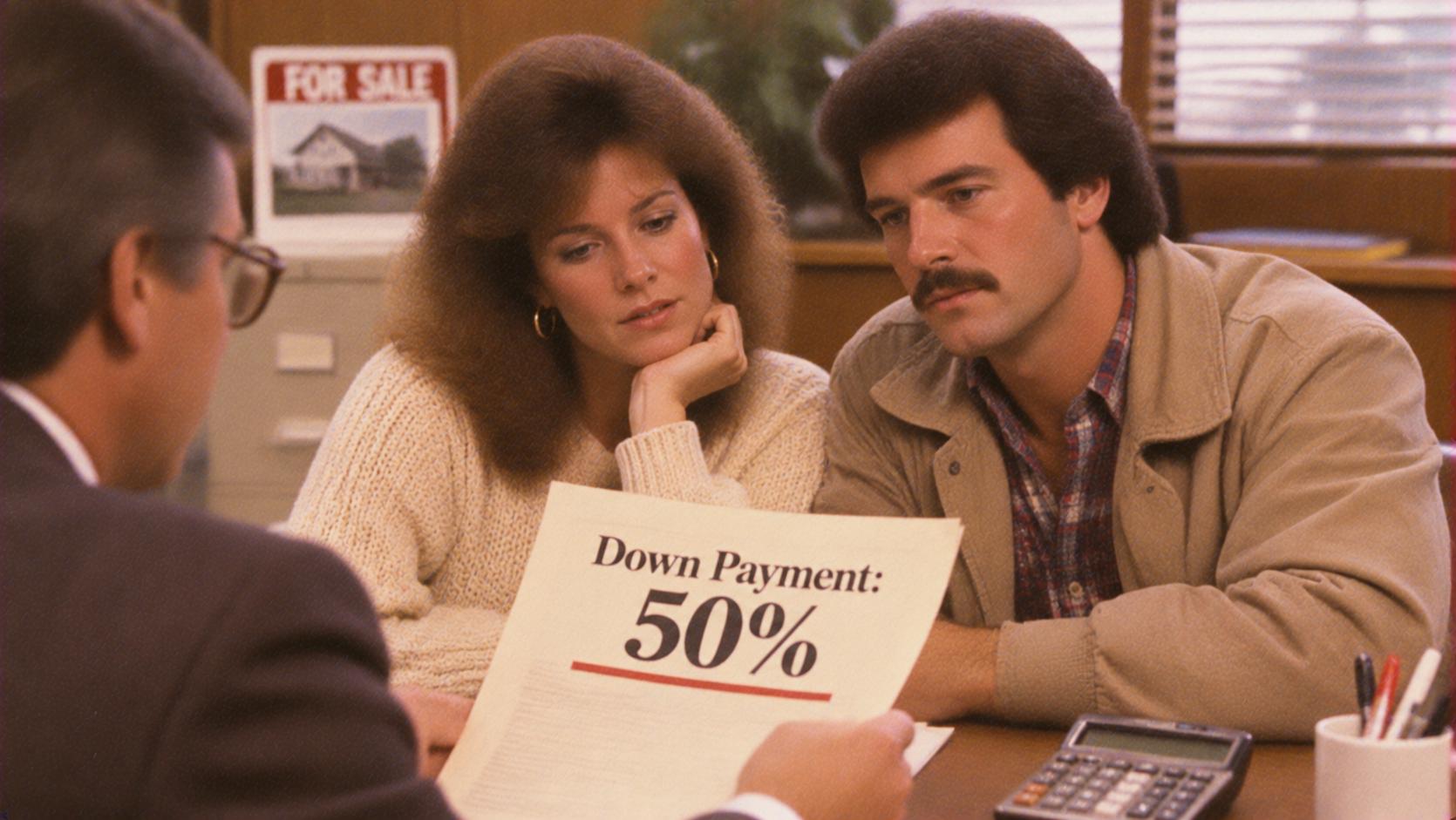
Saving for a down payment has never been particularly exciting, but imagine needing 50% of the purchase price before a lender would even consider your application. That was a reality for some Americans before the Great Depression, when certain mortgages financed only half a property’s value. The creation of the Federal Housing Administration in 1934 helped change those expectations by supporting loans with smaller down payments. It was a major shift toward making homeownership possible for people who didn’t already have substantial savings.
5. Mortgage Payments Could End With an Enormous Bill
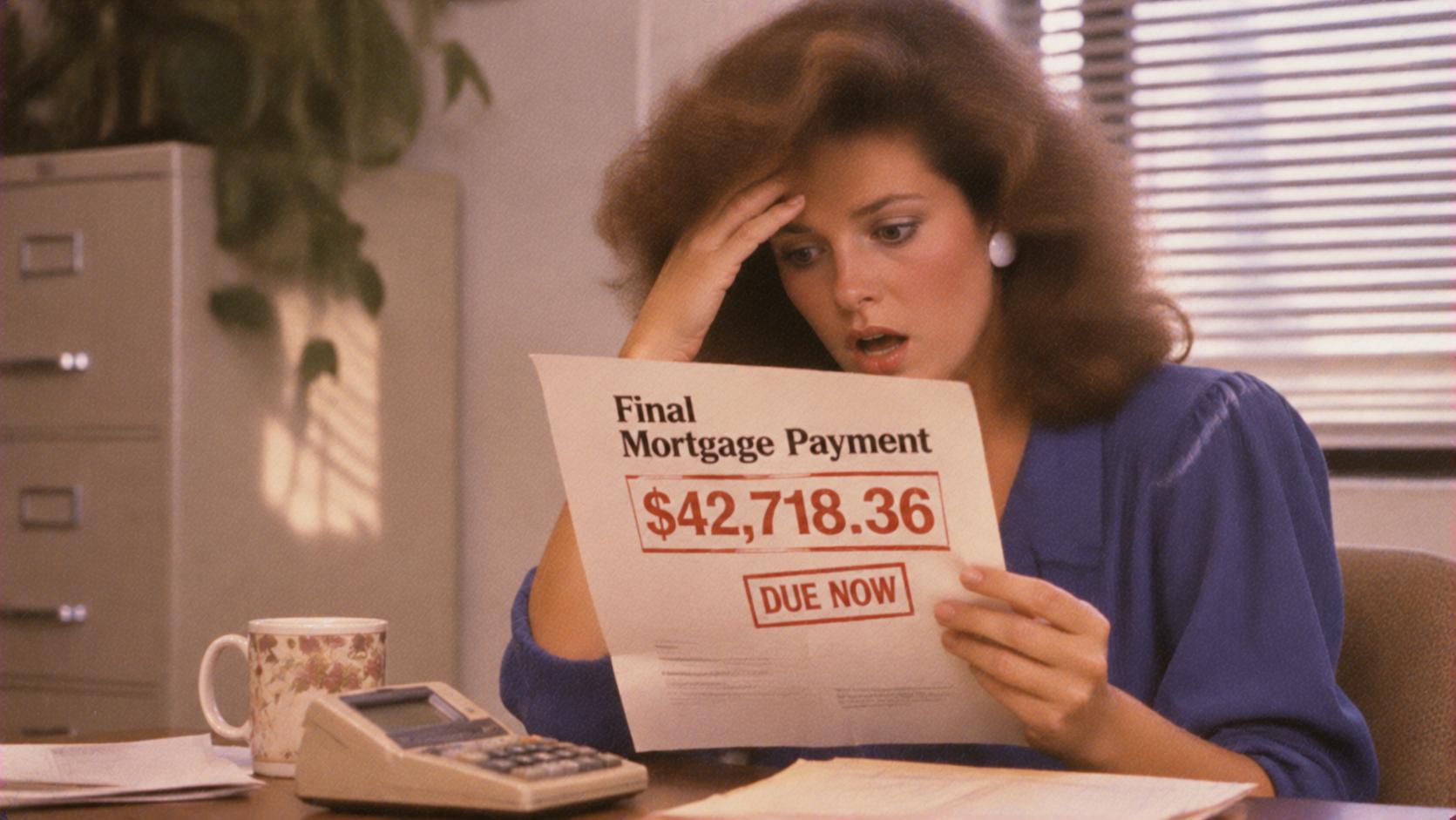
Imagine making your mortgage payments for several years, only to discover that you still owed a massive amount all at once. That was how many early home loans worked. Instead of gradually paying down the entire balance, borrowers faced a large final payment known as a balloon payment. Refinancing was often the only practical solution, which became especially dangerous when lending dried up during the Great Depression. Mortgage reforms in the 1930s helped establish repayment structures that steadily reduced the debt over time.
Trending on Wealth Gang


6. Thirty-Year Mortgages Weren’t Always Available
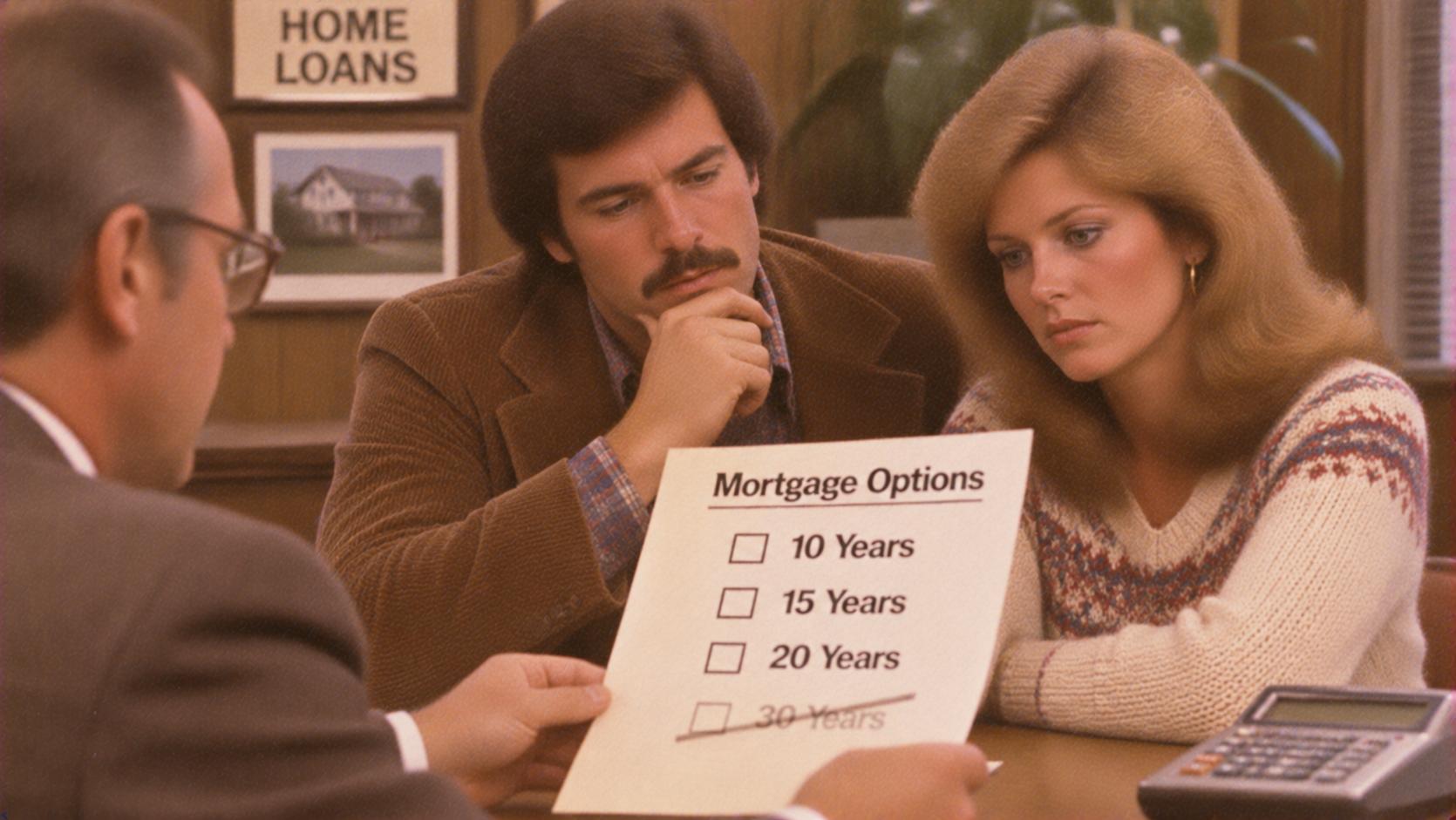
The familiar 30-year mortgage wasn’t always a standard part of buying a house. Before the 1930s, some home loans lasted only a few years, while certain building and loan arrangements were structured around repayment periods of approximately 12 years. That left buyers with much less time to pay back substantial amounts of money. Federal housing reforms eventually helped make fully amortizing mortgages lasting 20 to 30 years more common, allowing families to spread their payments across decades rather than rushing to repay the debt.
7. World War II Veterans Received Special Homebuying Benefits

Returning from World War II came with an opportunity that changed the lives of millions of American veterans. The GI Bill of 1944 introduced mortgage benefits that made purchasing a home more accessible, sometimes without requiring a down payment. By 1955, approximately 4.3 million home loans had been granted through the program. However, those opportunities weren’t shared equally. Discriminatory lending and housing practices prevented many Black veterans from enjoying the same benefits, particularly in predominantly white neighborhoods.
8. Entire Suburbs Were Built Almost Like Assembly Lines
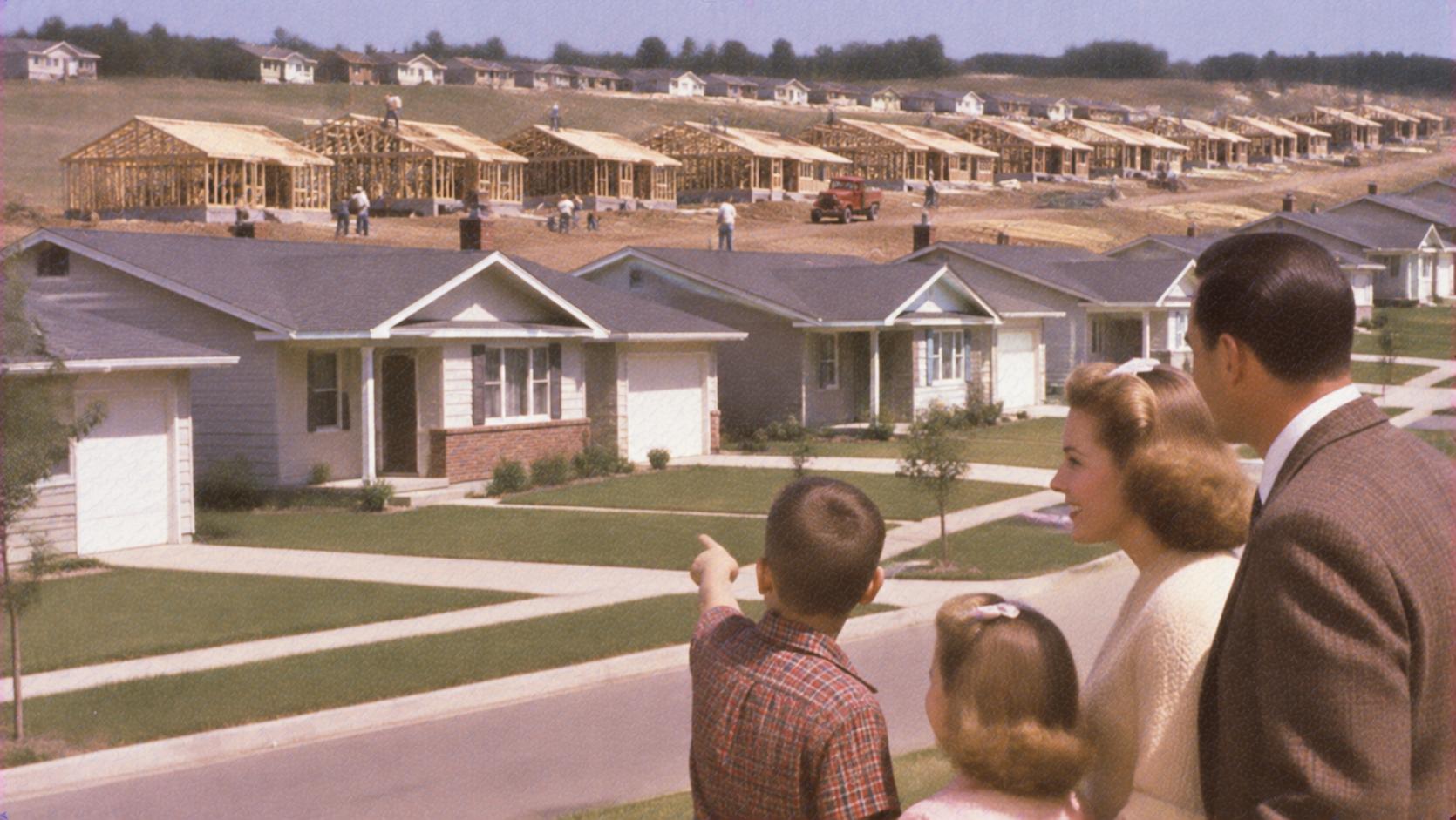
The suburban neighborhoods that became symbols of postwar American life didn’t appear by accident. Developers such as William Levitt transformed home construction by using standardized floor plans, specialized workers, and carefully organized building schedules. Levittown, New York, became one of the most recognizable examples of this approach. Instead of commissioning an individually designed house, families could purchase homes in large developments where construction followed a repeatable process. The method helped produce housing on a scale that would have been difficult using traditional building practices.
Sign up for our newsletter
9. Race Could Determine Which Neighborhoods Buyers Could Enter
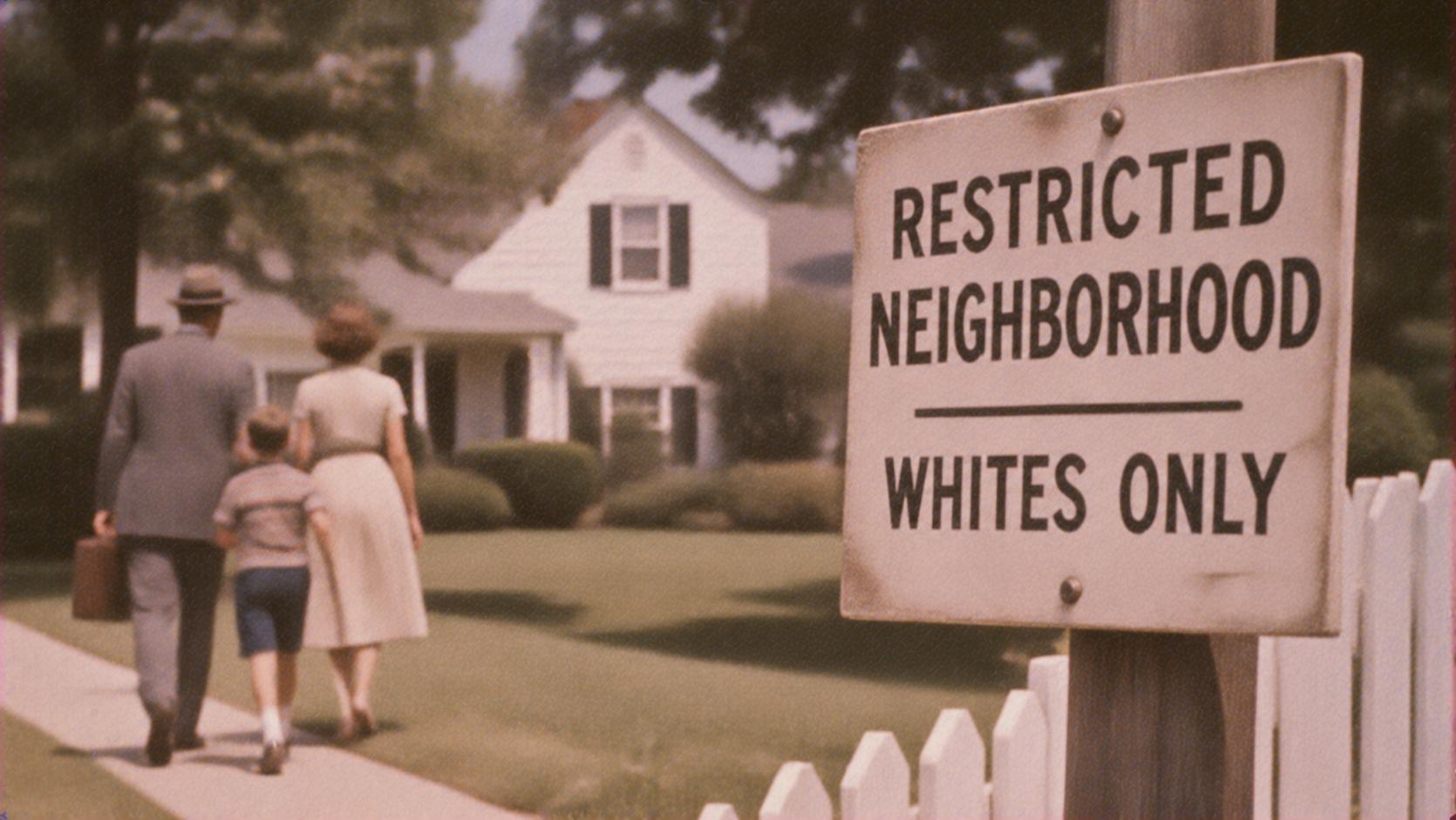
For many American families, finding an affordable home wasn’t enough to guarantee they could purchase it. Throughout much of the 20th century, racially restrictive property agreements, discriminatory mortgage policies, and exclusionary real estate practices limited where minority families could live. The Fair Housing Act of 1968 prohibited housing discrimination based on race, color, religion, and national origin. Although the law marked an important turning point, it couldn’t immediately reverse decades of unequal access to neighborhoods, mortgages, and opportunities to build wealth through property ownership.
10. Women Faced Extra Obstacles When Applying for Mortgages

A woman with a steady job and reliable income could still encounter difficulties obtaining a mortgage independently during earlier decades. Some lenders expected married women to apply alongside their husbands, while others discounted women’s earnings when deciding whether to approve a loan. The Equal Credit Opportunity Act of 1974 made discrimination based on sex or marital status illegal in credit transactions. Women had been legally permitted to own property long before that legislation, but the ability to secure financing wasn’t always treated equally.
11. House Hunting Required Newspapers and Long Drives

Before real estate websites and smartphone apps, finding a home involved considerably more legwork. Buyers checked newspaper classifieds, visited real estate offices, studied printed listings, and drove through neighborhoods looking for sale signs. In 1995, just 2% of homebuyers searched online, according to the National Association of Realtors. By its 2024 survey, that figure had reached 100% of respondents. Earlier generations couldn’t instantly compare dozens of properties, examine hundreds of photographs, or explore houses across the country without leaving their living rooms.
12. Local Savings and Loan Associations Were Popular Mortgage Providers

There was a time when obtaining a mortgage often meant visiting a local savings and loan association rather than choosing among national banks and online lenders. These institutions collected deposits and specialized in financing residential properties, making them an important part of American homeownership for decades. However, rising interest rates and risky lending decisions contributed to a major financial crisis during the 1980s and early 1990s. Approximately 1,300 savings and loan institutions failed, helping reshape the mortgage industry for future generations.
13. Mortgage Applications Were Reviewed Mostly by Hand

Long before computer systems could evaluate financial information in seconds, mortgage approvals depended heavily on people reviewing paperwork. Bank employees examined income records, credit histories, and other documents to determine whether applicants qualified. Automated underwriting systems became increasingly common during the 1990s, bringing statistical models and computerized evaluations into the process. By early 2006, more than 90% of lenders were participating in automated underwriting systems, according to the Federal Reserve Bank of Richmond. The technology made evaluations faster and more standardized, although it also introduced new concerns about how lending decisions were made.
14. Closing Costs Weren’t Always Clearly Explained
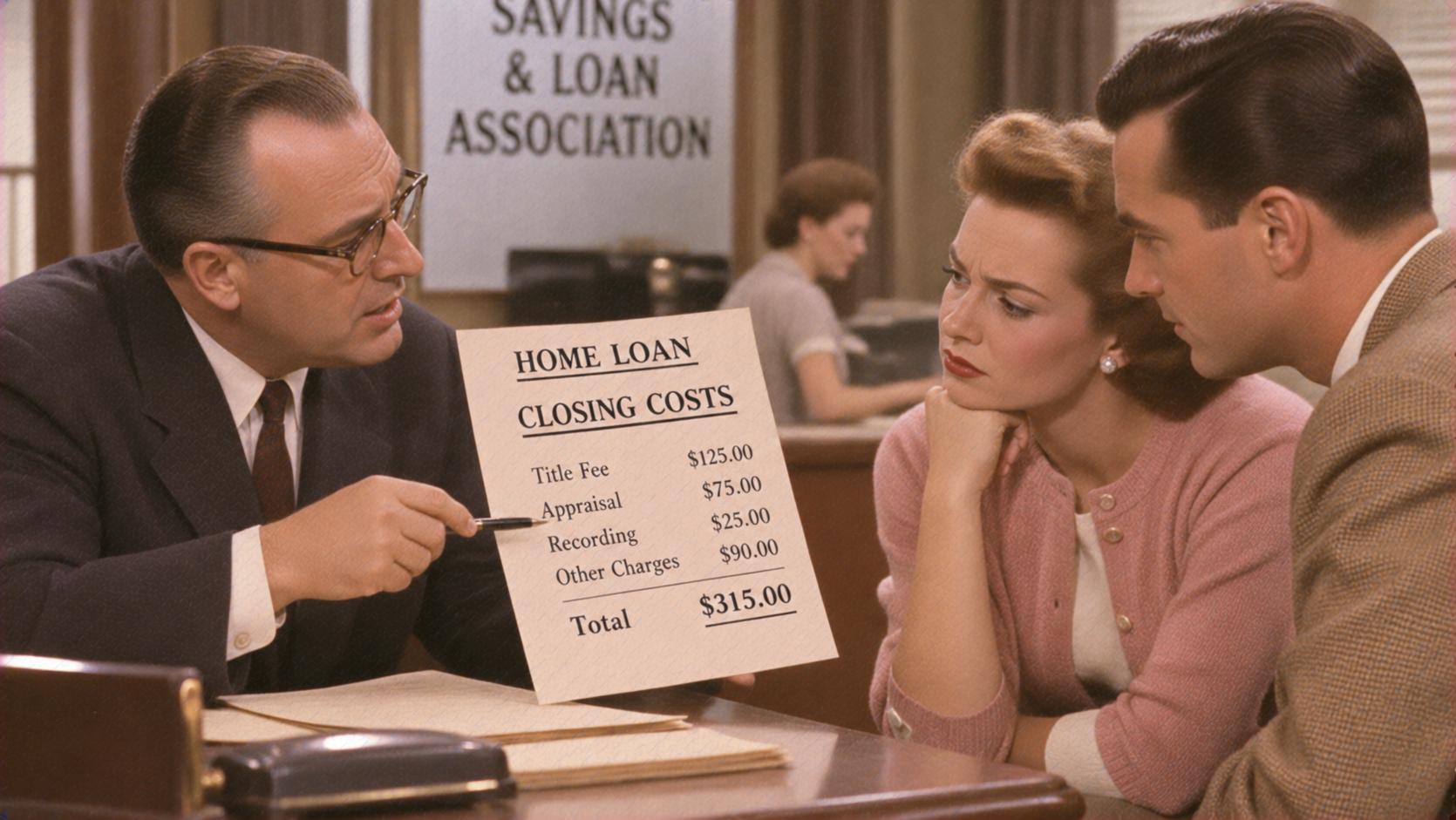
Buying a house comes with expenses beyond the advertised purchase price, but earlier generations didn’t always receive the detailed cost breakdowns that buyers expect today. The Real Estate Settlement Procedures Act of 1974 introduced federal protections intended to make settlement charges more transparent. Additional changes arrived in October 2015 with the introduction of standardized Loan Estimate and Closing Disclosure forms for most closed-end consumer mortgages. These documents help buyers understand their loan terms, compare expenses, and avoid arriving at closing without a clear picture of what they owe.
15. Sellers Didn’t Always Have to Reveal Lead Paint Hazards
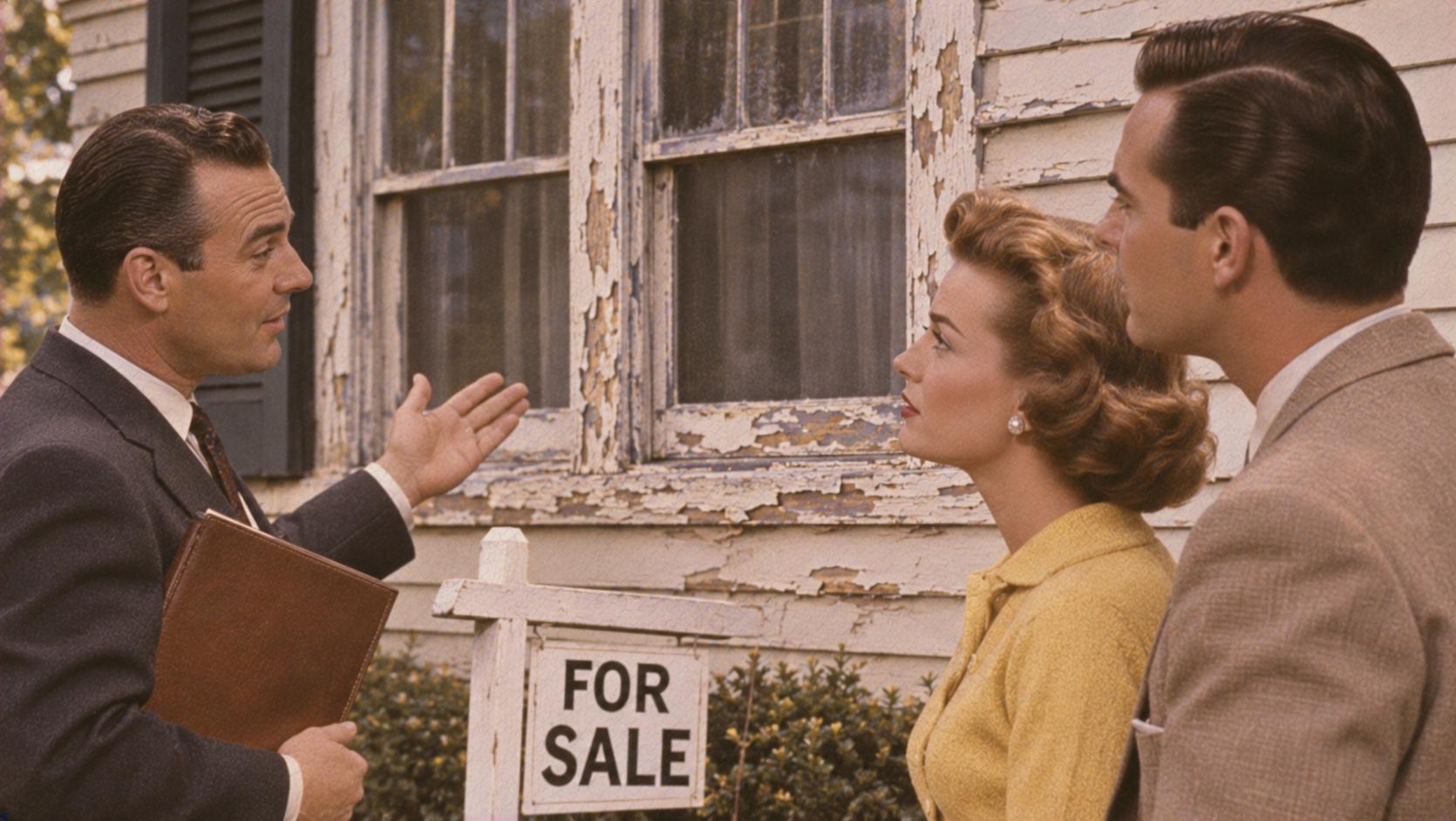
An older house might have beautiful hardwood floors and charming architectural details, but it could also contain hazards that previous generations of buyers weren’t properly warned about. Lead-based paint was widely used in American homes before federal restrictions took effect in 1978. During the 1990s, federal disclosure requirements introduced additional protections for people purchasing most pre-1978 housing. Sellers generally must share known information and relevant records about lead-based paint, while buyers are typically offered a 10-day opportunity to arrange an inspection or risk assessment unless that period is waived or modified by agreement.
16. Cash Buyers Became a Much Bigger Part of the Market
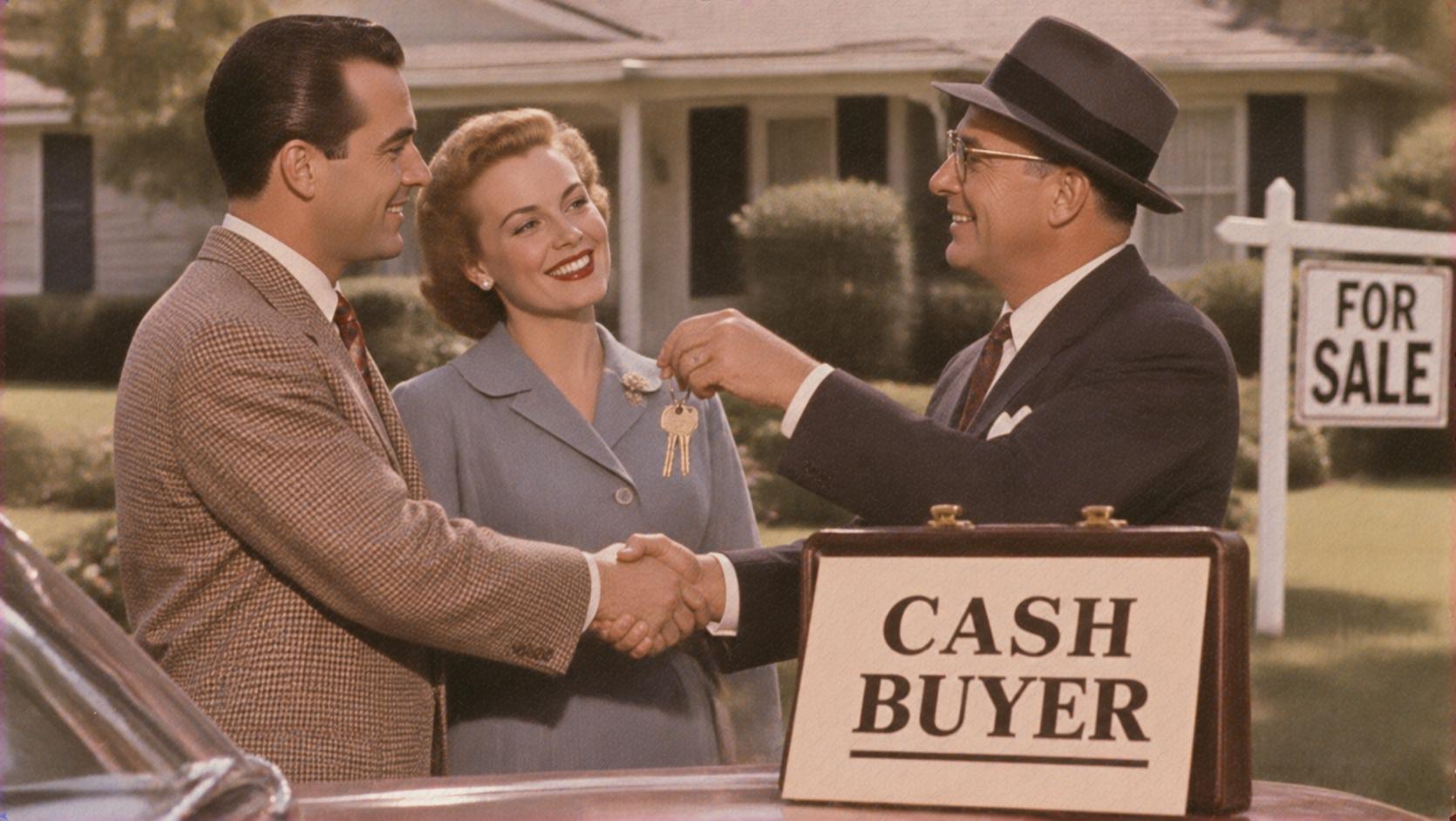
Competing against another buyer is difficult enough, but competing against someone who doesn’t need mortgage approval can make the situation even more challenging. According to the National Association of Realtors’ 2025 survey, 26% of primary-residence buyers paid entirely in cash. Between 2003 and 2010, that share was below 10%. Many repeat buyers can use equity from previous properties to fund their next purchase, giving them an advantage over first-time buyers who still need financing. In markets with limited available homes, that difference can significantly influence who gets the keys.
More Related Notes
• 8 Ways Homeownership Was More Affordable for Boomers
Explore how earlier generations approached buying their first homes, when lower property prices, different lending conditions, and stronger purchasing power made homeownership more attainable for many families.
• 15 Things Previous Generations Saved For That People Finance Differently Today
Discover how saving for major life purchases has changed over time, from building a down payment to navigating modern mortgages, financing options, and rising housing costs.
• 9 Financial Victories Boomers Claimed That Millennials Might Never Get
Take a closer look at the financial opportunities that shaped earlier generations, including buying a home at a younger age, building property wealth, and reaching milestones that have become more challenging for today’s buyers.