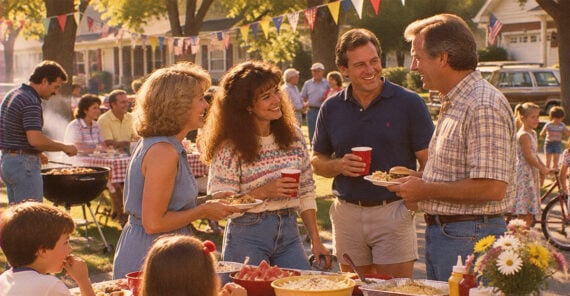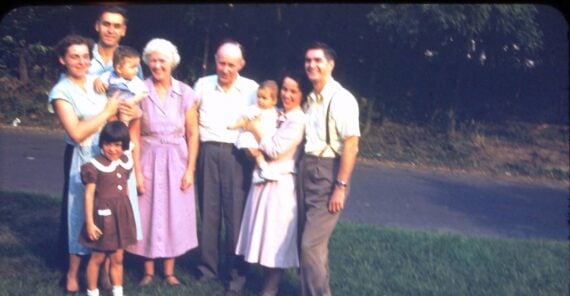
Having people over used to be a much bigger production than it is today. Long before someone could send a quick text saying they were five minutes away, hosting meant planning ahead, cleaning every corner, and making sure the house looked like nobody actually lived there. Even a casual visit from neighbors could turn into an afternoon of preparation.
For many American families in the 1960s, 1970s, and 1980s, welcoming guests was about more than offering a place to sit. There were certain traditions that seemed almost automatic, from bringing out the good dishes to preparing snacks nobody was allowed to touch beforehand. Some of these habits have faded, but they bring back memories of homes filled with conversation, homemade food, and the excitement of company arriving.
1. Cleaning the Entire House
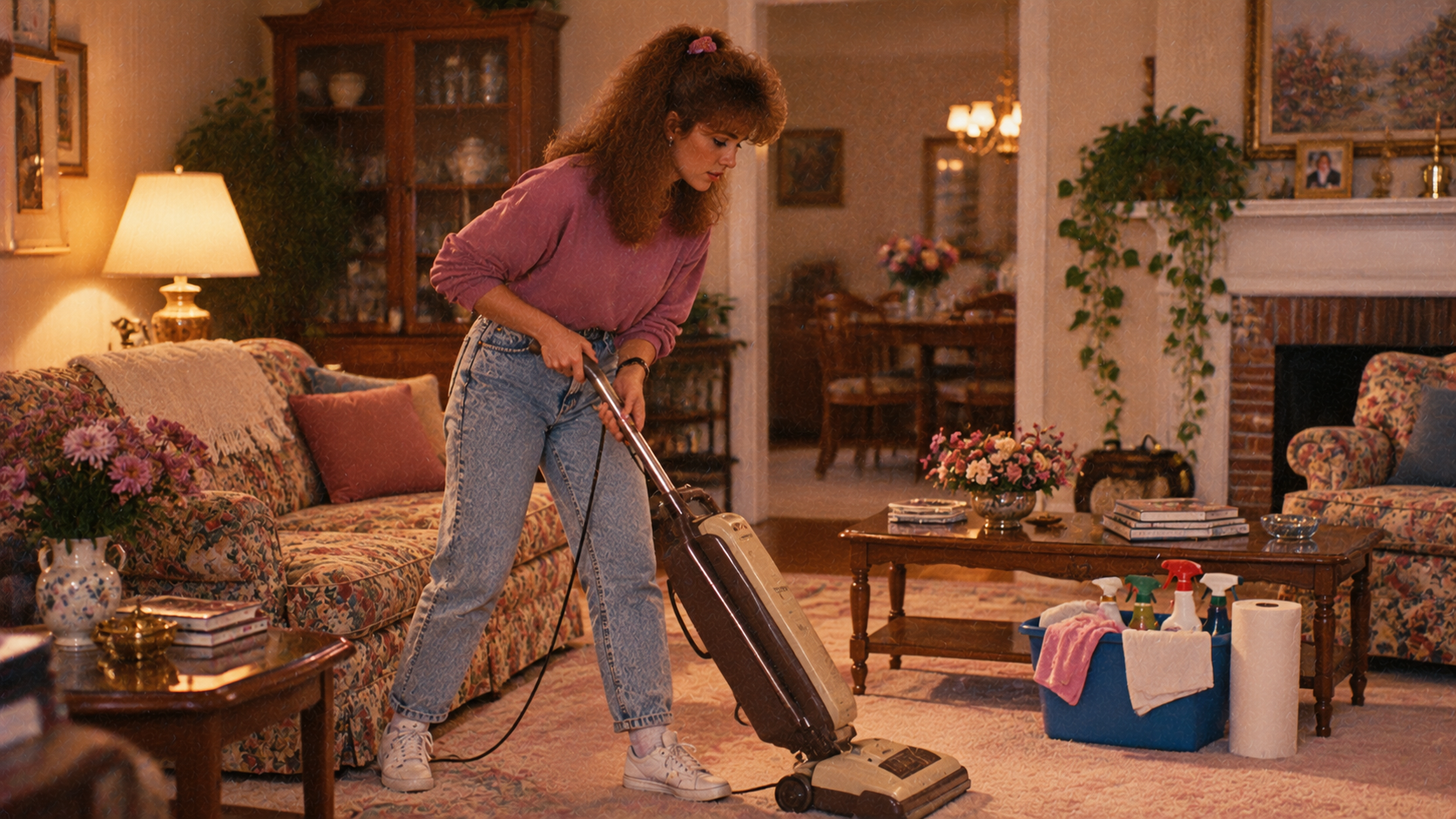
A visit from friends or relatives could trigger a cleaning marathon that started early in the morning. Floors were swept, furniture was dusted, and rooms guests would probably never enter received just as much attention. Mothers often recruited the entire family, turning an ordinary Saturday into a race against the clock before the doorbell rang.
2. Bringing Out the Good China
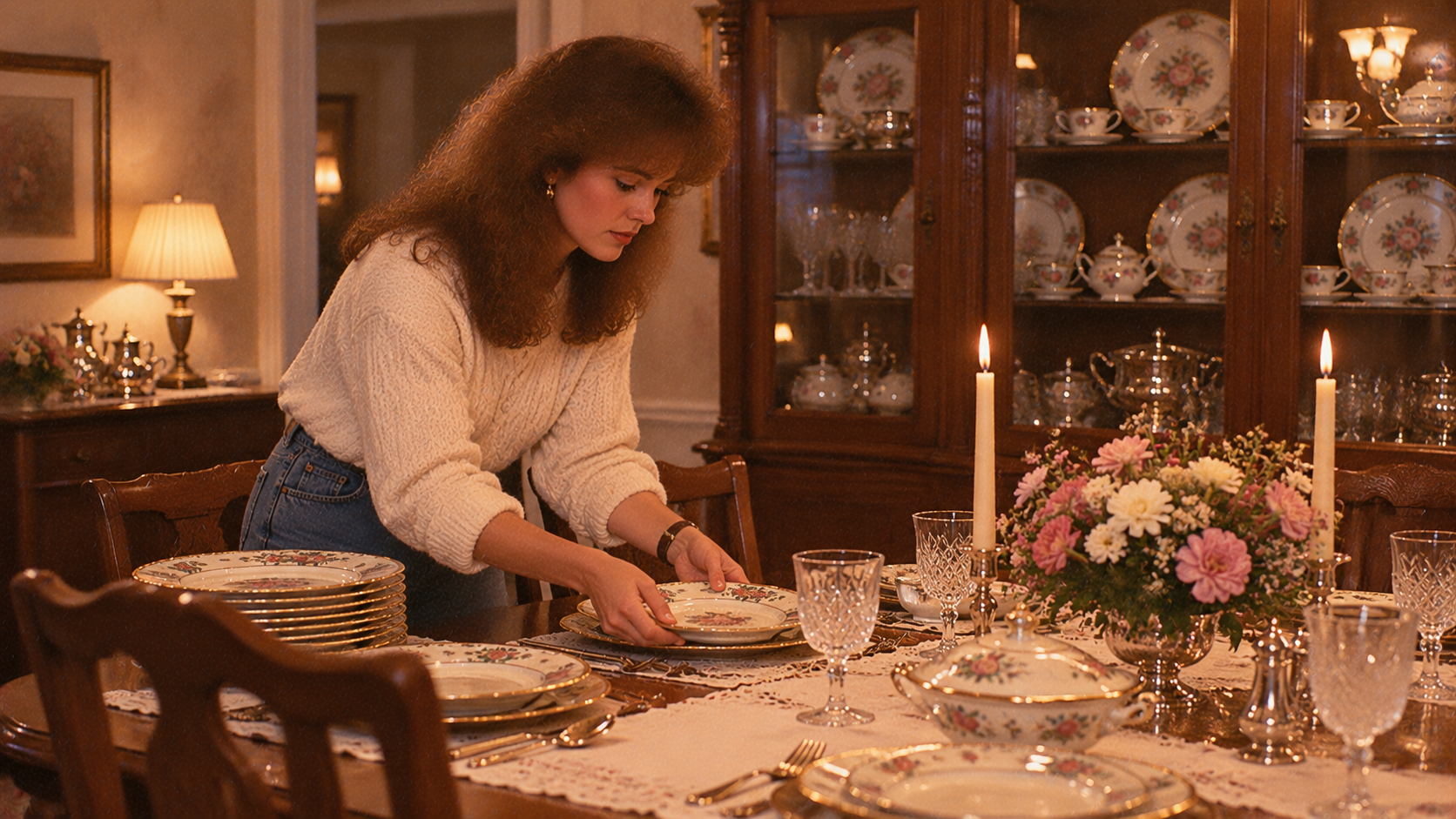
Almost every family seemed to have a set of dishes reserved for special occasions. They lived behind glass cabinet doors or inside carefully packed boxes, waiting for holidays and dinner guests. Using those plates made an ordinary meal feel important, even if everyone was eating the same roast chicken they had enjoyed countless times before.
3. Putting Fresh Towels in the Bathroom
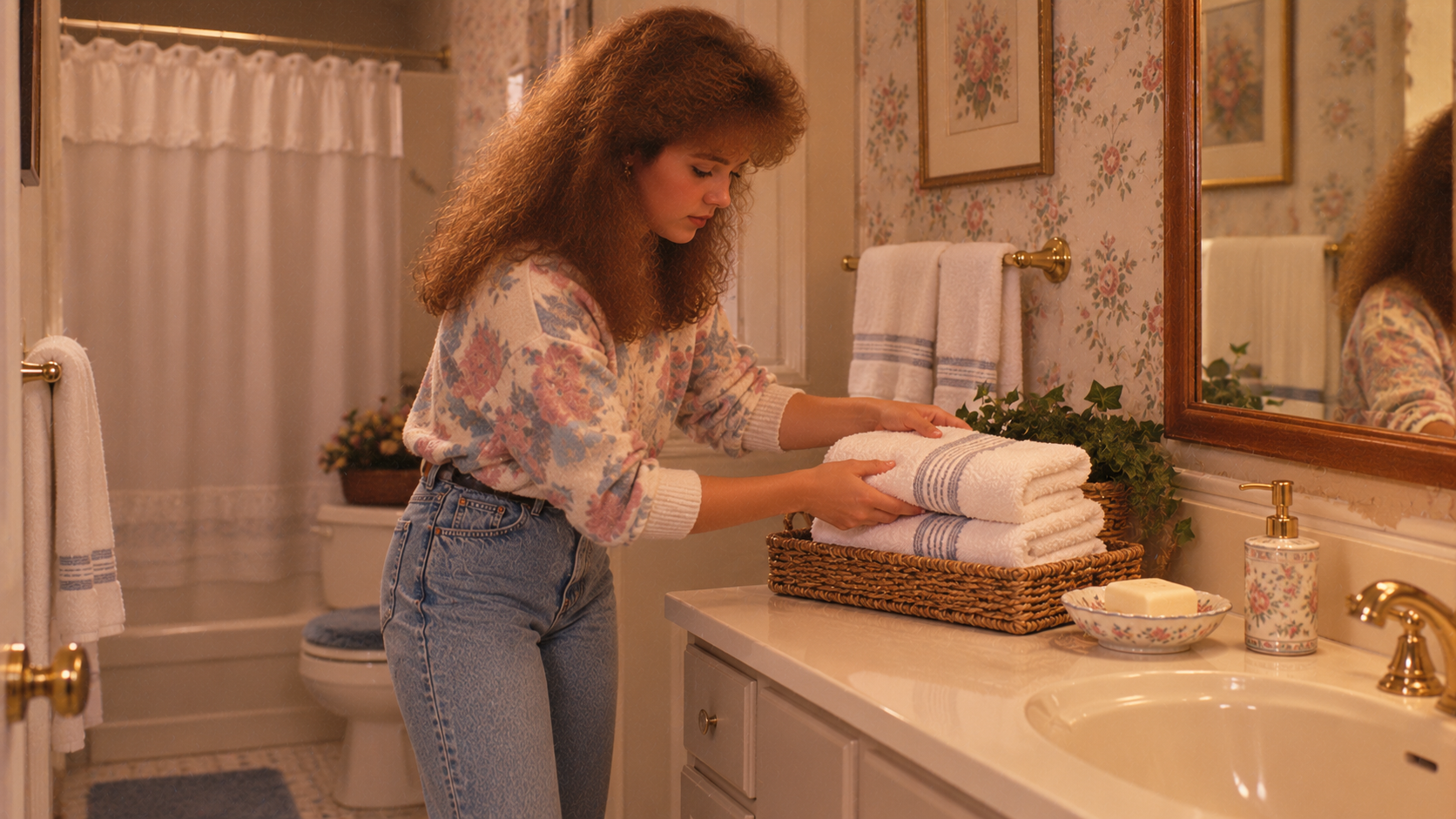
The bathroom had to look perfect before company arrived. Fresh hand towels appeared beside the sink, sometimes embroidered or decorated with delicate patterns. There were even decorative soaps shaped like flowers or seashells that nobody was supposed to use. Children knew better than to touch anything once the guest bathroom was ready.
4. Making Homemade Appetizers
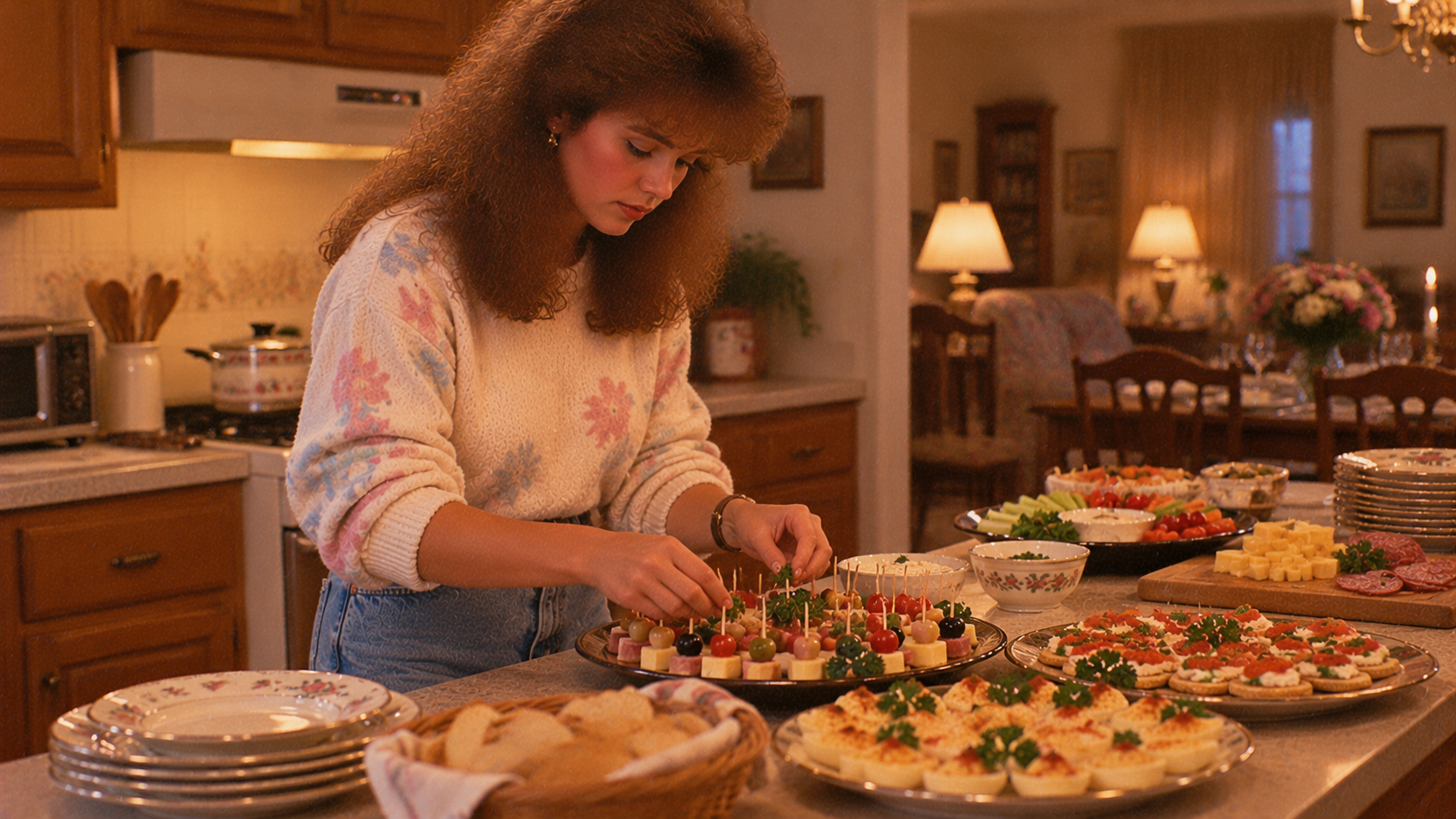
Before supermarket party platters became an easy solution, hosts often spent hours preparing little bites for visitors. Deviled eggs, cheese balls, stuffed celery, and cocktail meatballs were familiar favorites. The kitchen counter would fill with plates, and sneaking a snack before the guests arrived was practically a childhood tradition.
5. Polishing the Silverware
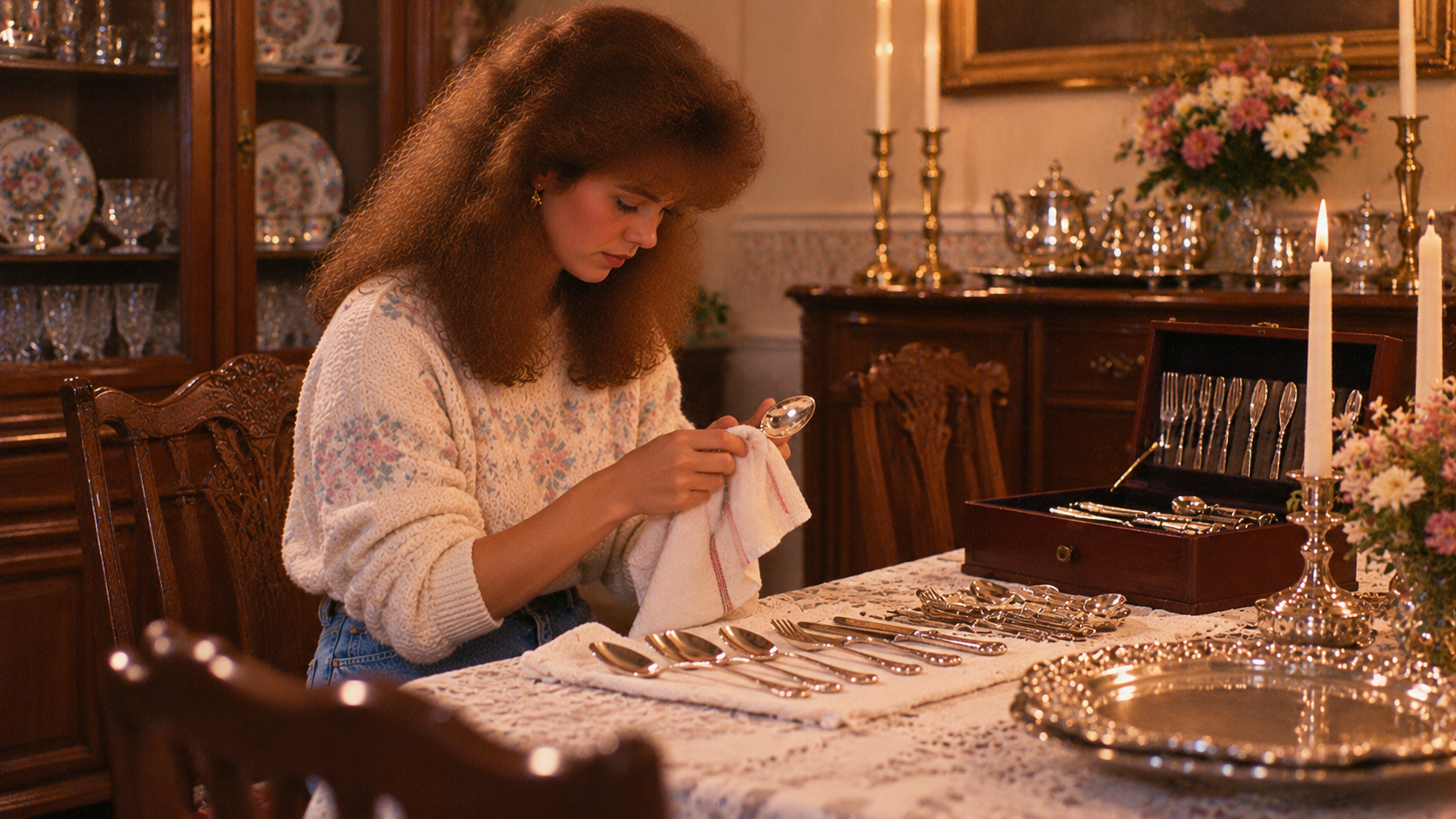
For families who owned silver or silver-plated utensils, having guests over meant checking every fork and spoon for tarnish. Someone would sit at the kitchen table with a polishing cloth, carefully restoring the shine. It was one of those chores that seemed unnecessary to children but mattered enormously to the adults preparing dinner.
Trending on Wealth Gang

6. Setting the Table Hours in Advance
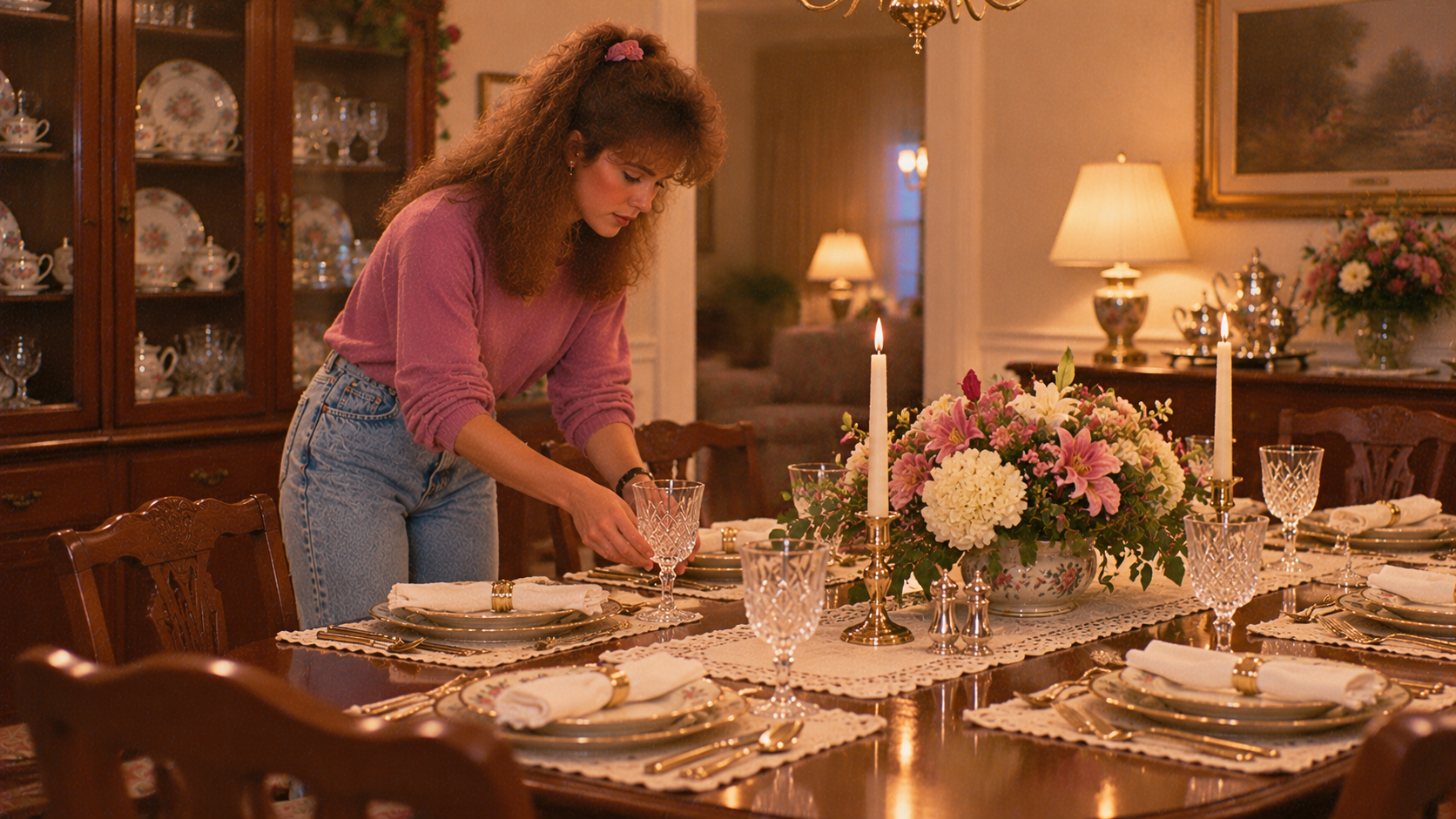
Dinner tables were often completely arranged long before anyone knocked on the door. Napkins were folded, glasses were positioned, and serving dishes were placed exactly where they belonged. Some families even used tablecloths that required ironing. By the time guests arrived, the dining room looked like a scene from a department store catalog.
7. Dressing Up to Welcome Company
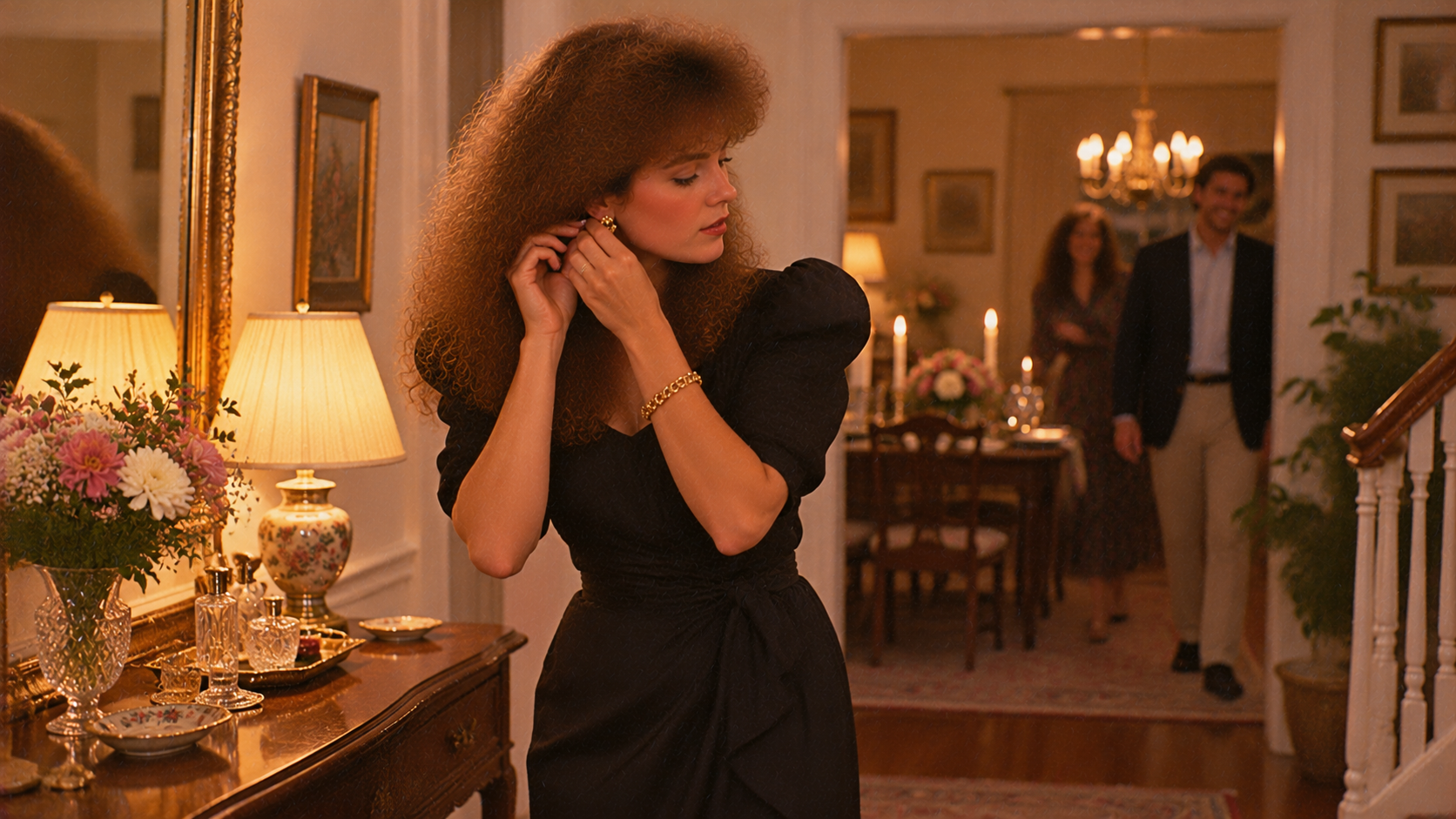
Having guests over once meant changing into something nicer, even when the gathering happened at home. Men might wear collared shirts, while women chose dresses or carefully coordinated outfits. Children were sometimes told to change out of their play clothes. The idea of welcoming dinner guests in pajamas would have seemed unusual in many households.
8. Preparing a Special Dessert
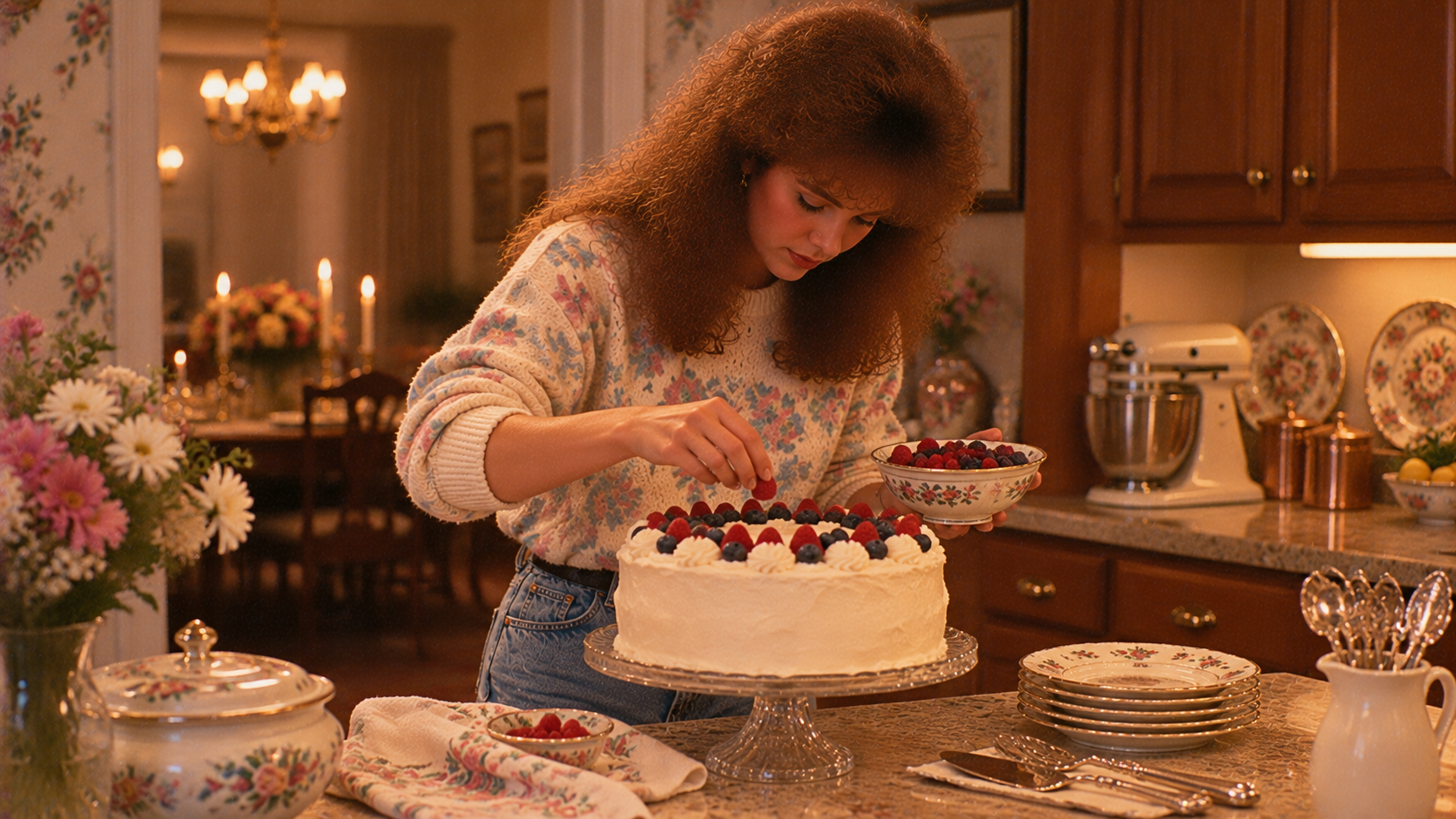
A homemade cake, pie, or pudding often waited in the kitchen before visitors arrived. Recipes came from handwritten cards, family traditions, or well-worn cookbooks. The dessert was rarely an afterthought. It was something the host proudly brought to the table after dinner, usually accompanied by coffee and another hour of conversation.
Sign up for our newsletter
9. Putting Away the Children’s Toys
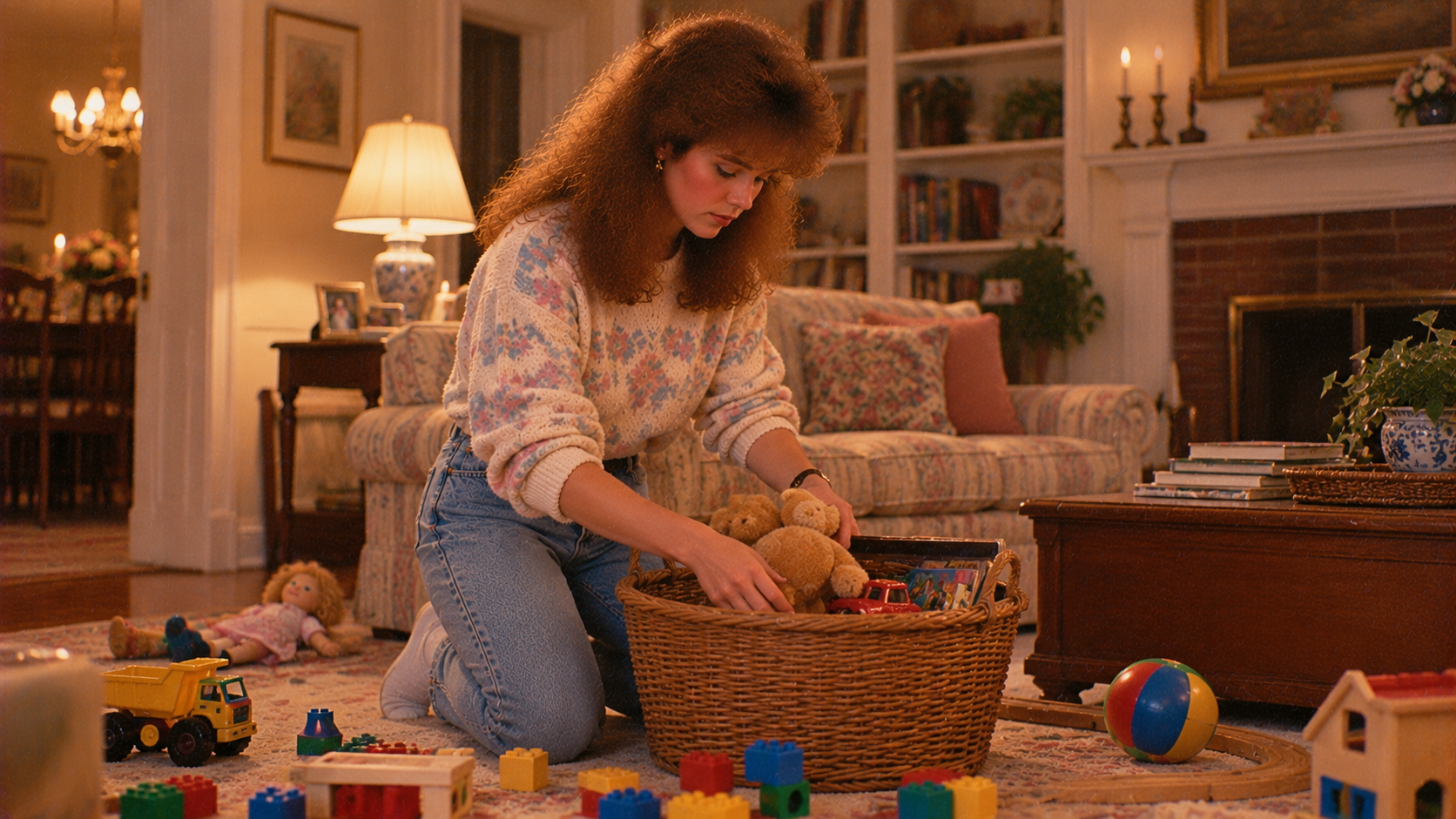
Living rooms had to look like adult spaces when company came over. Toys disappeared into bedrooms, board games were stacked in closets, and anything left on the floor became an emergency. Children were frequently warned not to make another mess. Naturally, the temptation to pull everything back out became even stronger once the house was spotless.
10. Taking Out the Fancy Glassware
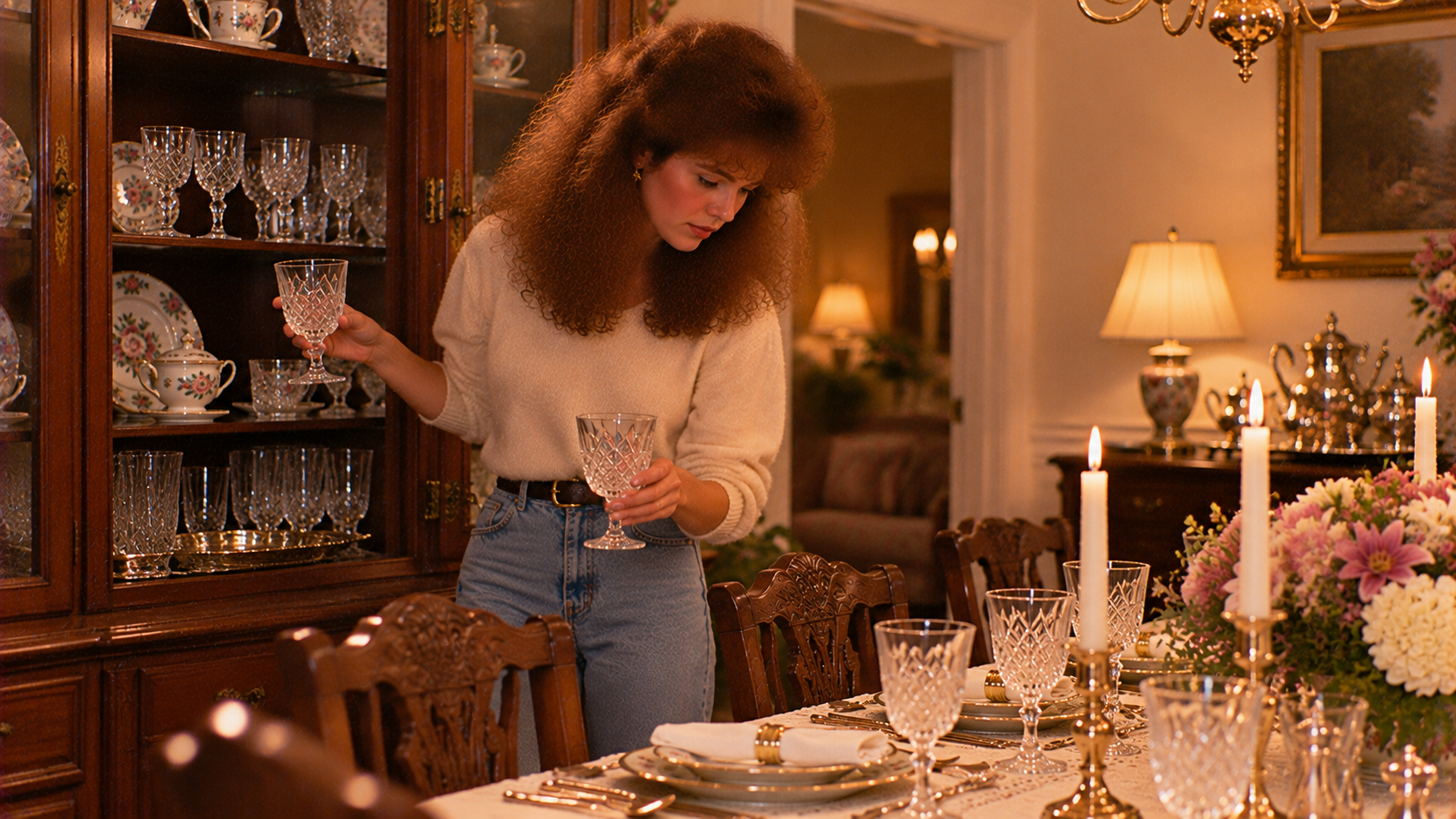
Some homes had an entire collection of glasses that only appeared when visitors were expected. Crystal tumblers, delicate wine glasses, and matching cocktail sets were carefully washed and arranged. Even a simple drink felt more sophisticated when served in glassware that normally spent its life inside a dining room cabinet.
11. Buying Fresh Flowers for the Table
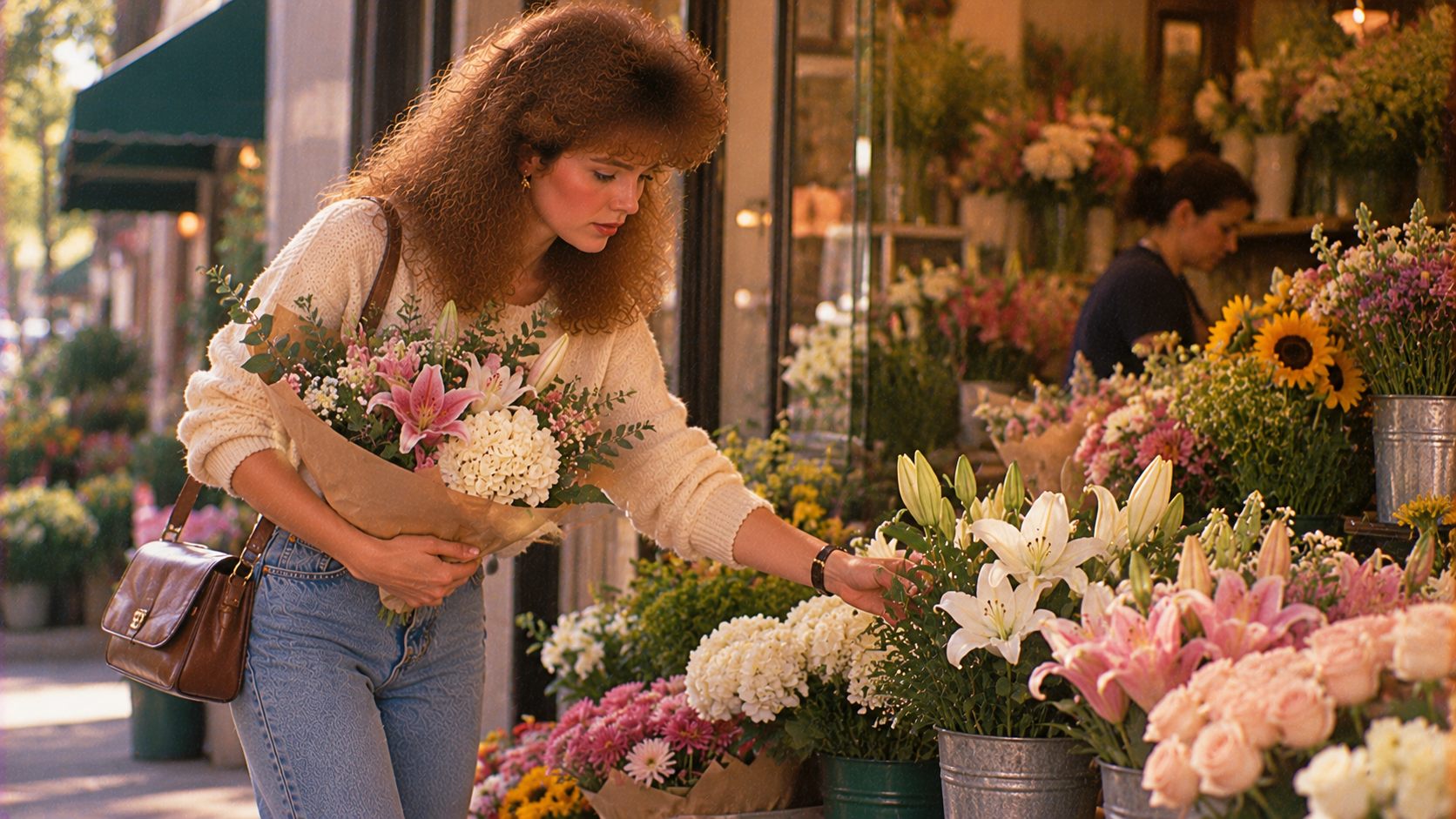
A vase of fresh flowers could make the whole house feel ready for company. Hosts picked up bouquets at the grocery store or clipped roses and other blooms from their gardens. The arrangement usually ended up on the dining table or in the living room, adding a little color to a room that had already been cleaned from top to bottom.
12. Making Sure the Record Player Was Ready
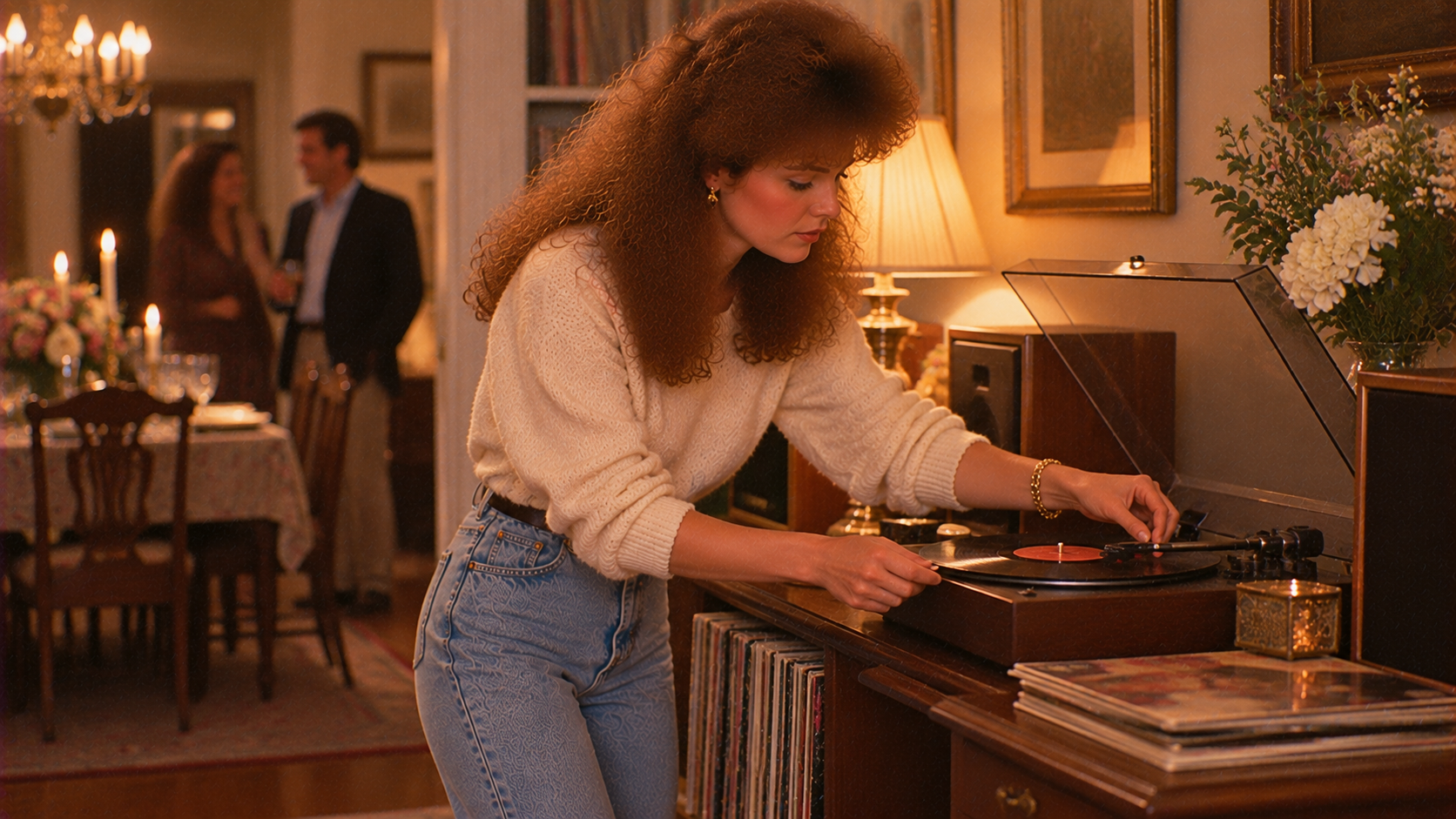
Music helped set the mood long before streaming playlists existed. Hosts selected records ahead of time, often choosing jazz, easy listening, or favorite albums that would play quietly in the background. Someone might even stack several records on an automatic changer. The gentle sound of a record beginning to play became part of the atmosphere of an evening with friends.
13. Preparing Coffee Before Anyone Asked
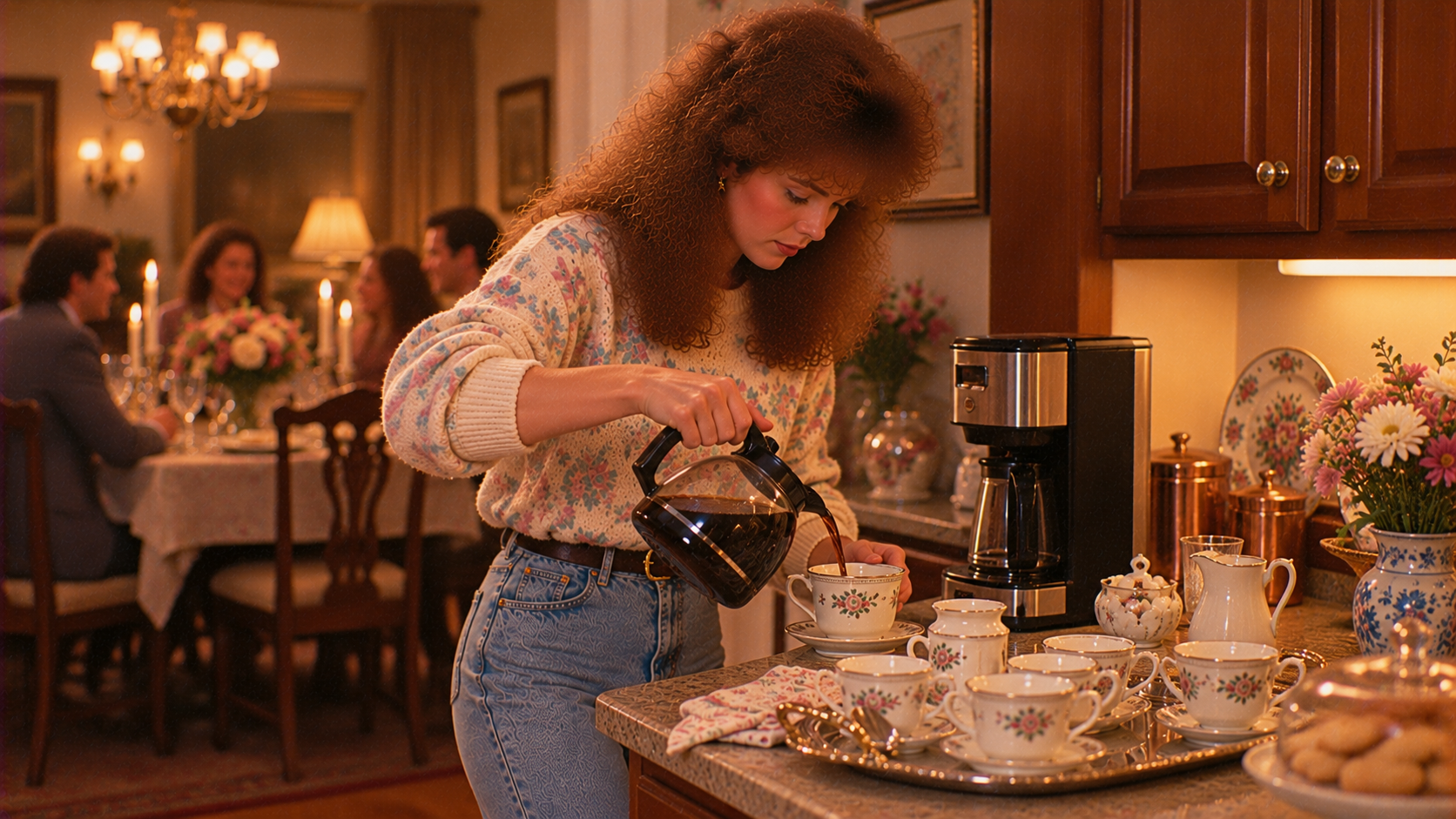
Coffee was practically guaranteed when guests visited, especially after dinner. Hosts filled the percolator or prepared the coffee maker ahead of time, making sure there was enough for everyone. A plate of cookies or slices of cake often appeared alongside the cups. Nobody seemed particularly eager to end the evening once the coffee started flowing.
14. Setting Up Extra Chairs
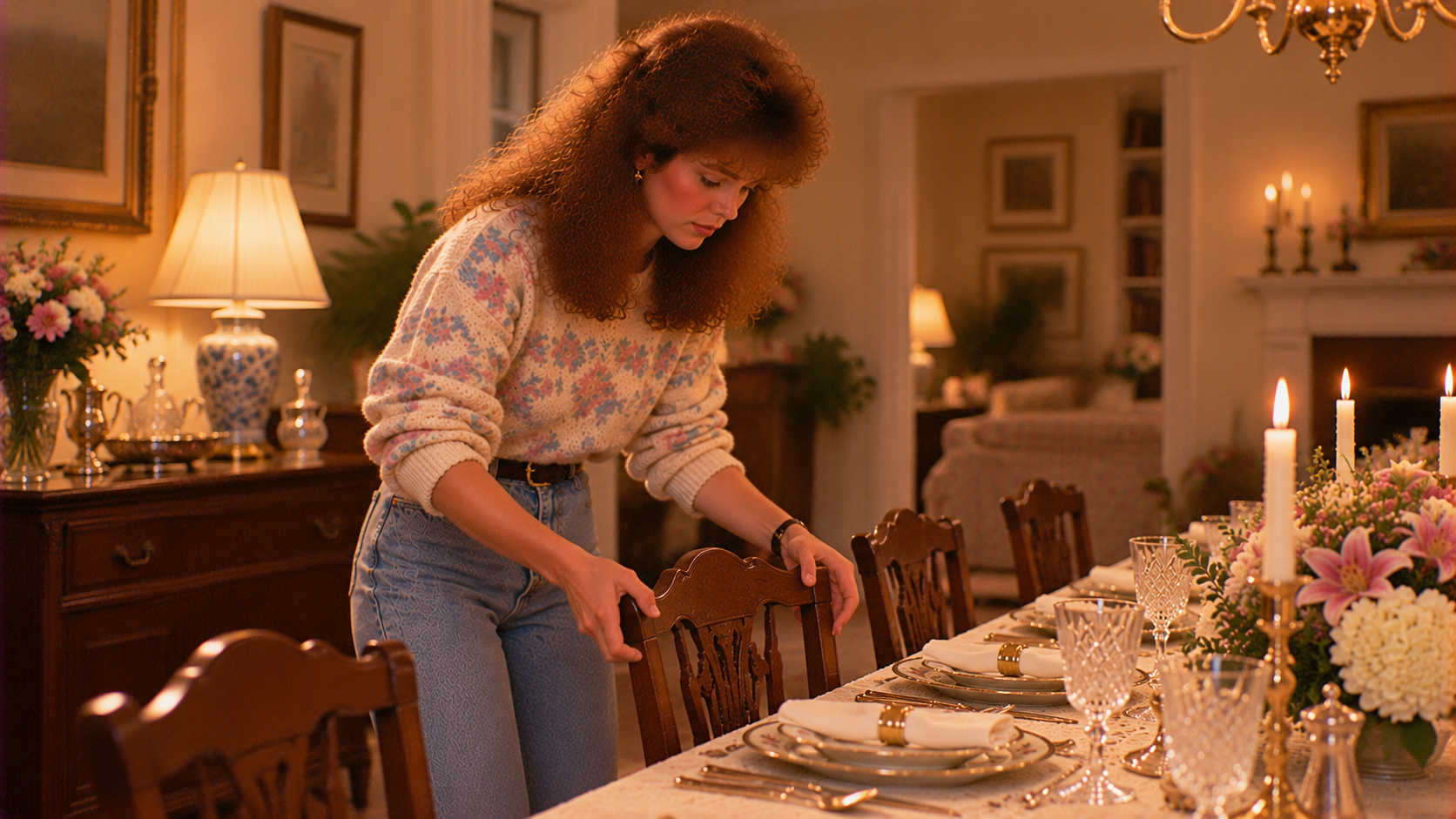
When more people were coming than the living room could comfortably accommodate, families borrowed chairs from the kitchen, dining room, or even the basement. Folding chairs appeared around coffee tables, and children sometimes ended up sitting on the floor. Nobody worried too much about matching furniture. The important thing was making room for everyone.
15. Reminding the Kids to Use Their Best Manners
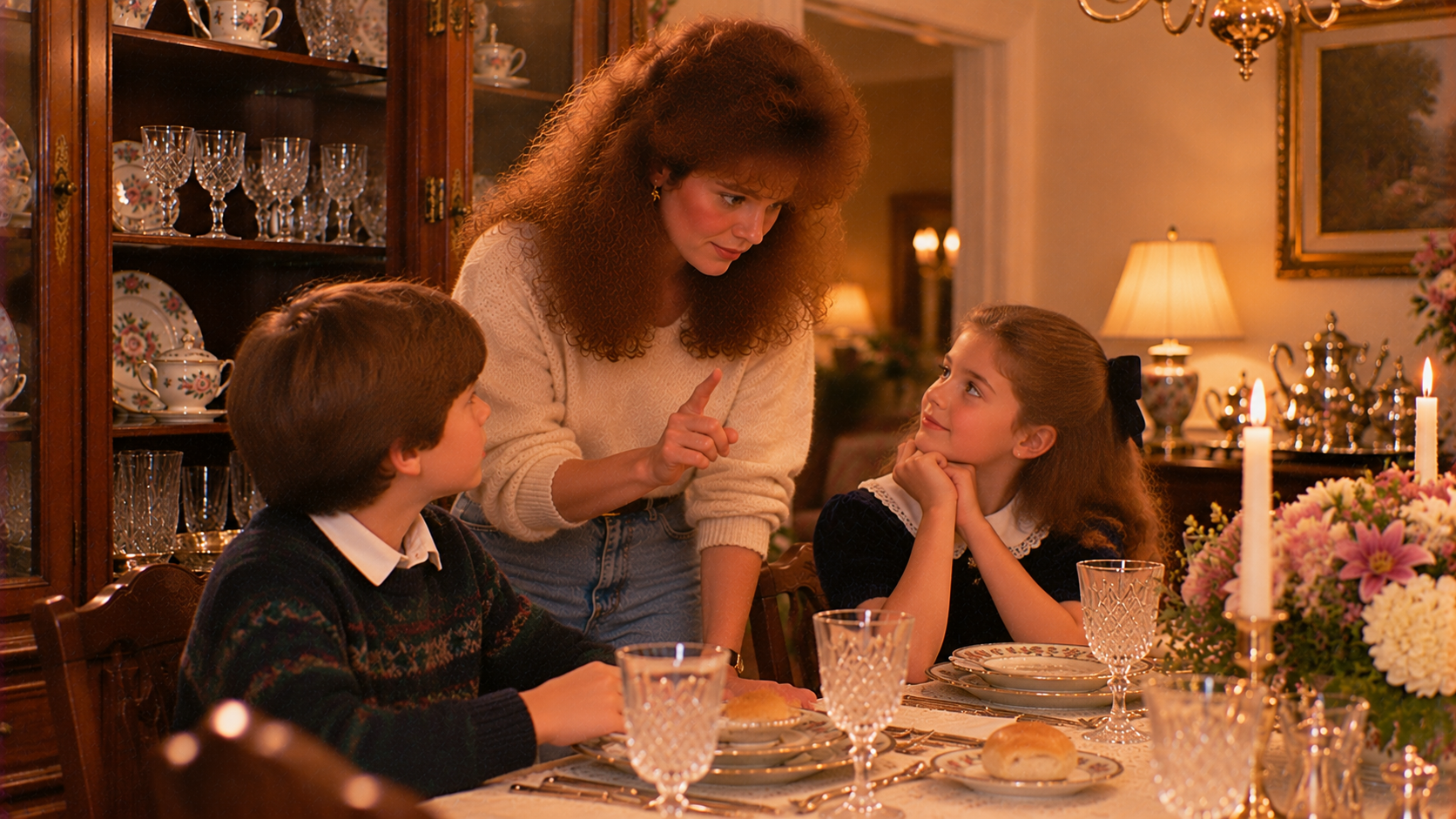
Before the first guest arrived, children often received a familiar speech about behaving properly. They were expected to greet adults politely, avoid interrupting conversations, and remember their please and thank yous. Some were instructed to stay out of the living room unless invited. Of course, that rarely stopped them from listening to the grown-ups from the hallway.
16. Waiting by the Window for Guests to Arrive
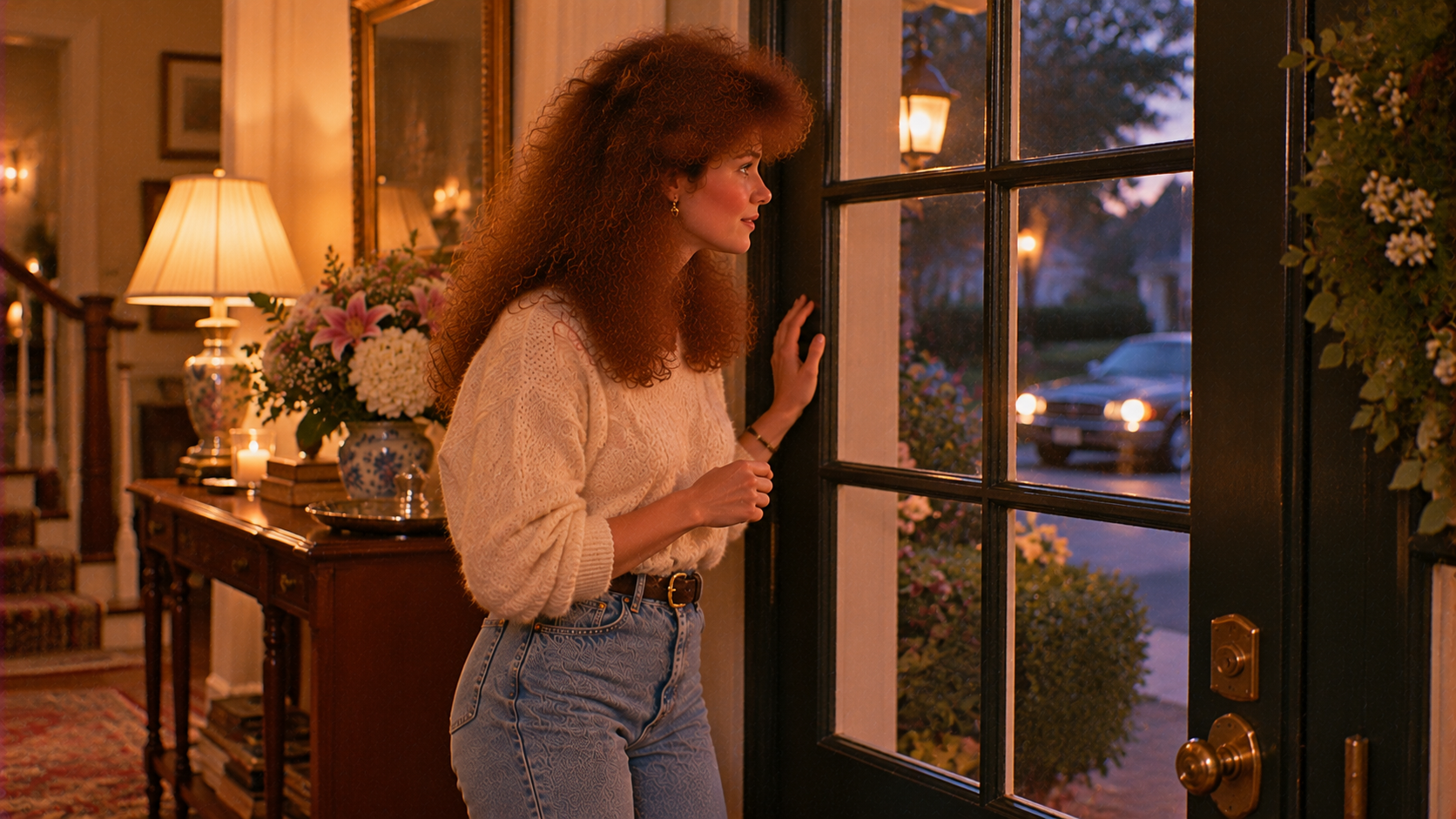
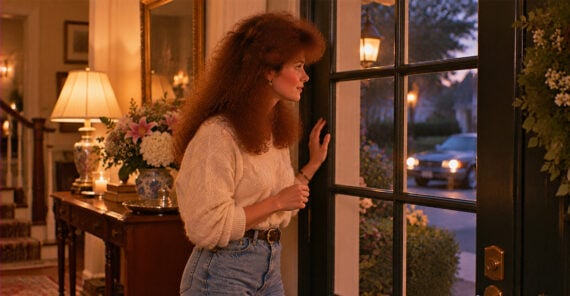
Before smartphones and live location sharing, knowing exactly when someone would arrive was mostly guesswork. Families kept an eye on the driveway or watched through the living room curtains for a familiar car. The moment headlights appeared, someone would announce that company was here. After hours of preparation, the sound of the doorbell finally meant the evening could begin.
More Related Notes
• 12 Things Guests Notice the Moment They Walk Into Your Home
Discover the little details visitors notice when entering a home, from cleanliness and lighting to the atmosphere that makes guests feel comfortable and welcome.
• 15 Old Customs That Reveal How Different Daily Life Once Was
Revisit forgotten social customs and everyday etiquette from a time when welcoming visitors, dressing appropriately, and making a good impression were important parts of daily life.
• 10 Beloved Family Traditions From the ’70s That Are Long Gone
Take a nostalgic look at family dinners, holiday gatherings, and familiar household rituals that once brought relatives and friends together around the table.