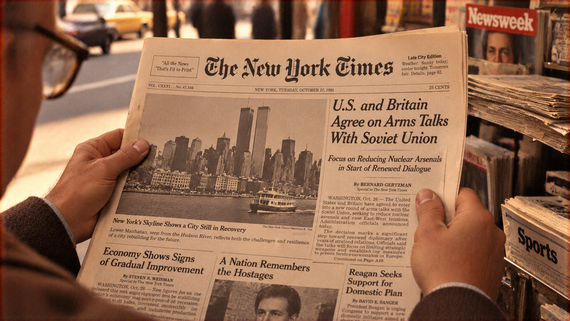
There was a time when a handful of coins could turn an ordinary afternoon into something memorable. A quarter tucked into a pocket might buy a cold soda, a few minutes of entertainment, or a treat from the corner store. Kids learned to recognize the sound of change jingling in their pockets because it meant possibilities, even if those possibilities were little.
Back then, coins weren’t just the leftovers from a dollar bill. They had real buying power, and people knew exactly what they could get with them. Prices varied depending on the decade and where you lived, but for much of the 20th century, loose change could cover everyday pleasures that now cost several dollars. Here are 16 things Americans once bought with coins, back when a little change could go a surprisingly long way.
1. A Bottle of Coca-Cola
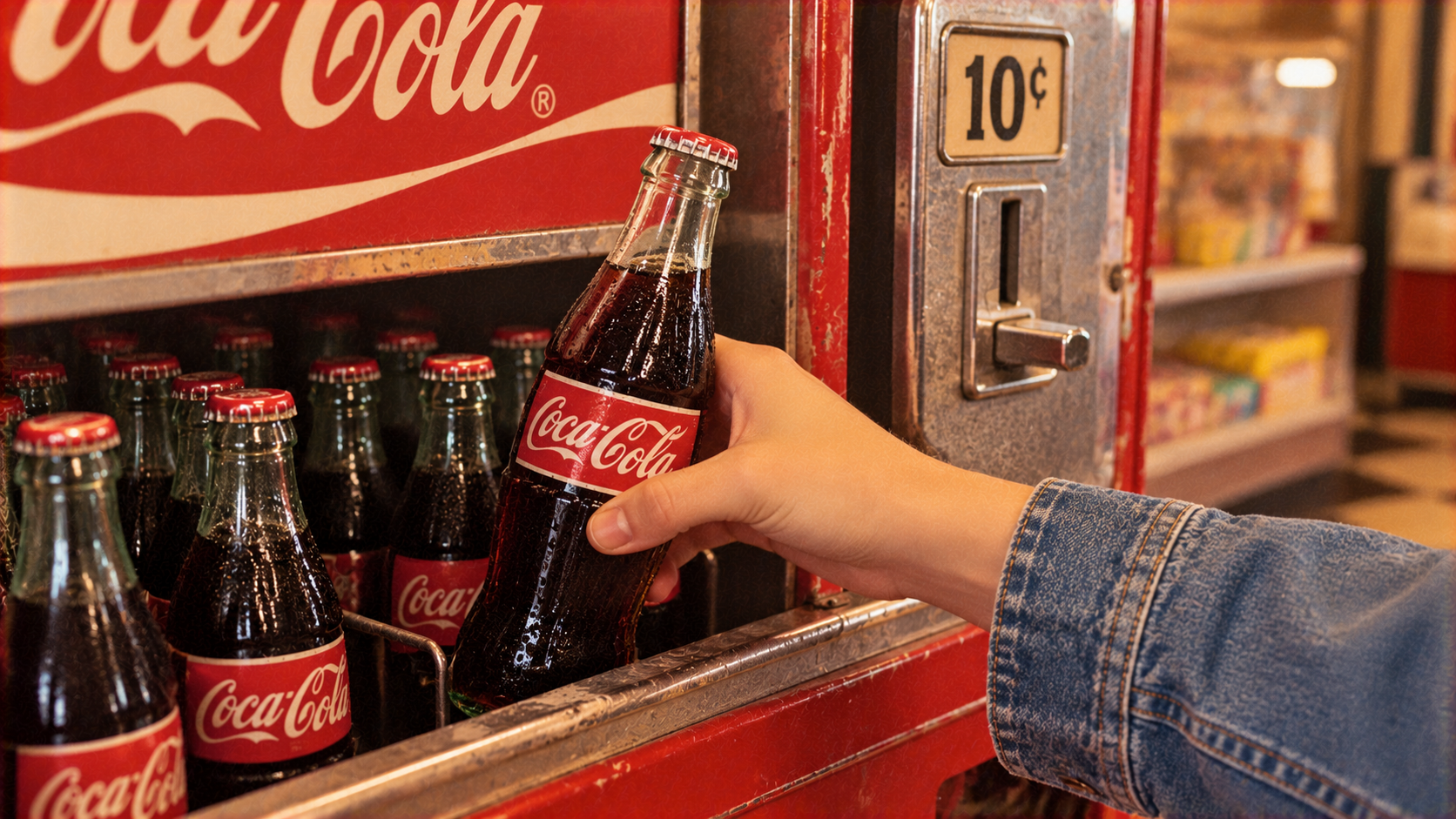
For decades, a nickel could buy a cold bottle of Coca-Cola, making it one of the most recognizable bargains in American history. The familiar glass bottles sat inside metal coolers at gas stations, drugstores, and neighborhood shops. There was something satisfying about pulling one from the icy water, popping off the cap, and taking that first sip. Even after prices increased, buying a soda with a few coins remained an everyday pleasure for generations.
2. A Candy Bar
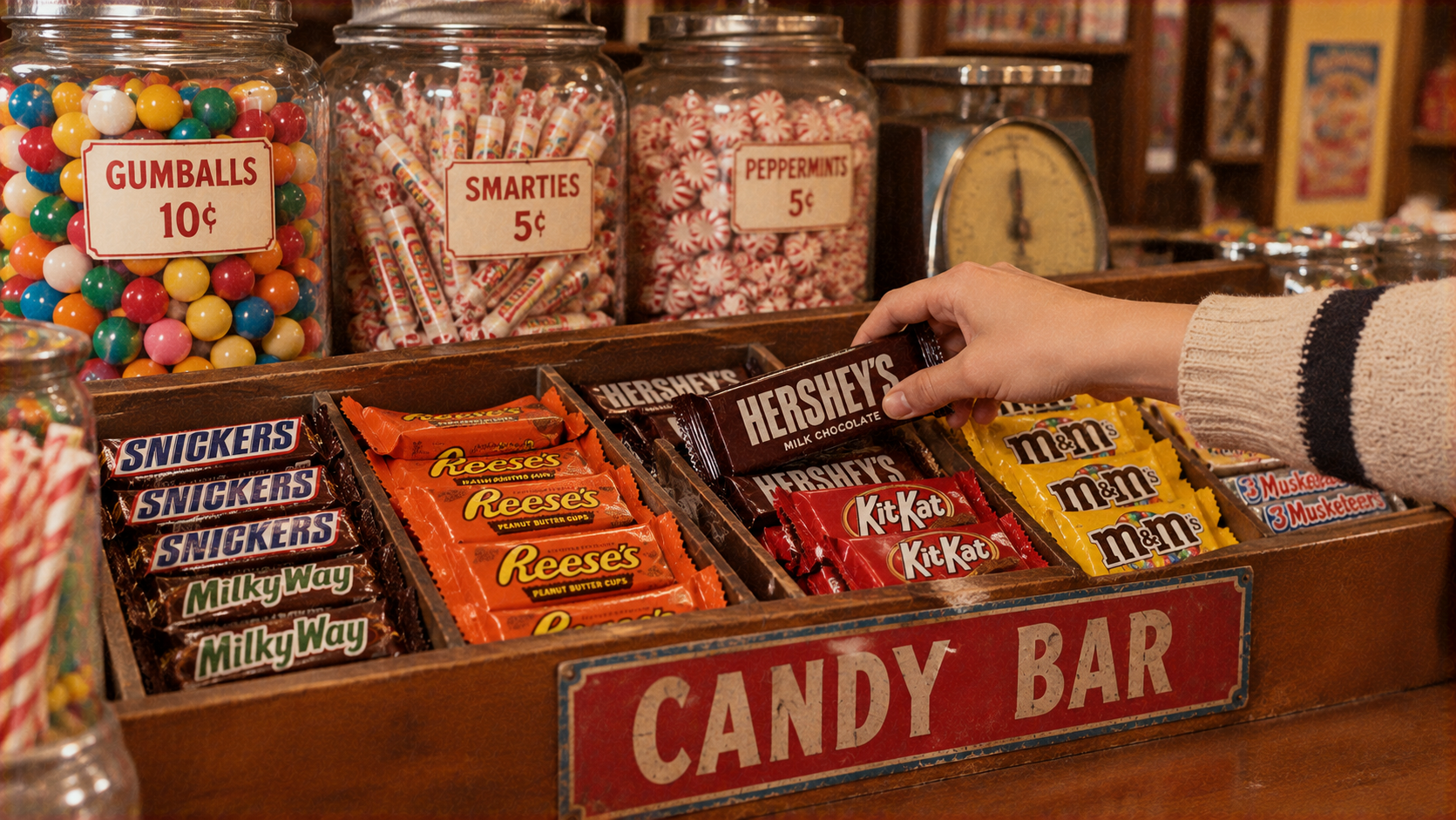
Walking into a corner store with a nickel or dime once meant having enough money for a real decision. Hershey’s bars, Milky Ways, and other familiar favorites lined the shelves, waiting to be chosen. Kids could spend several minutes debating which candy offered the most satisfaction for their money. The best part was walking out with something sweet and still occasionally having a penny or two left over.
3. A Ride on the City Bus
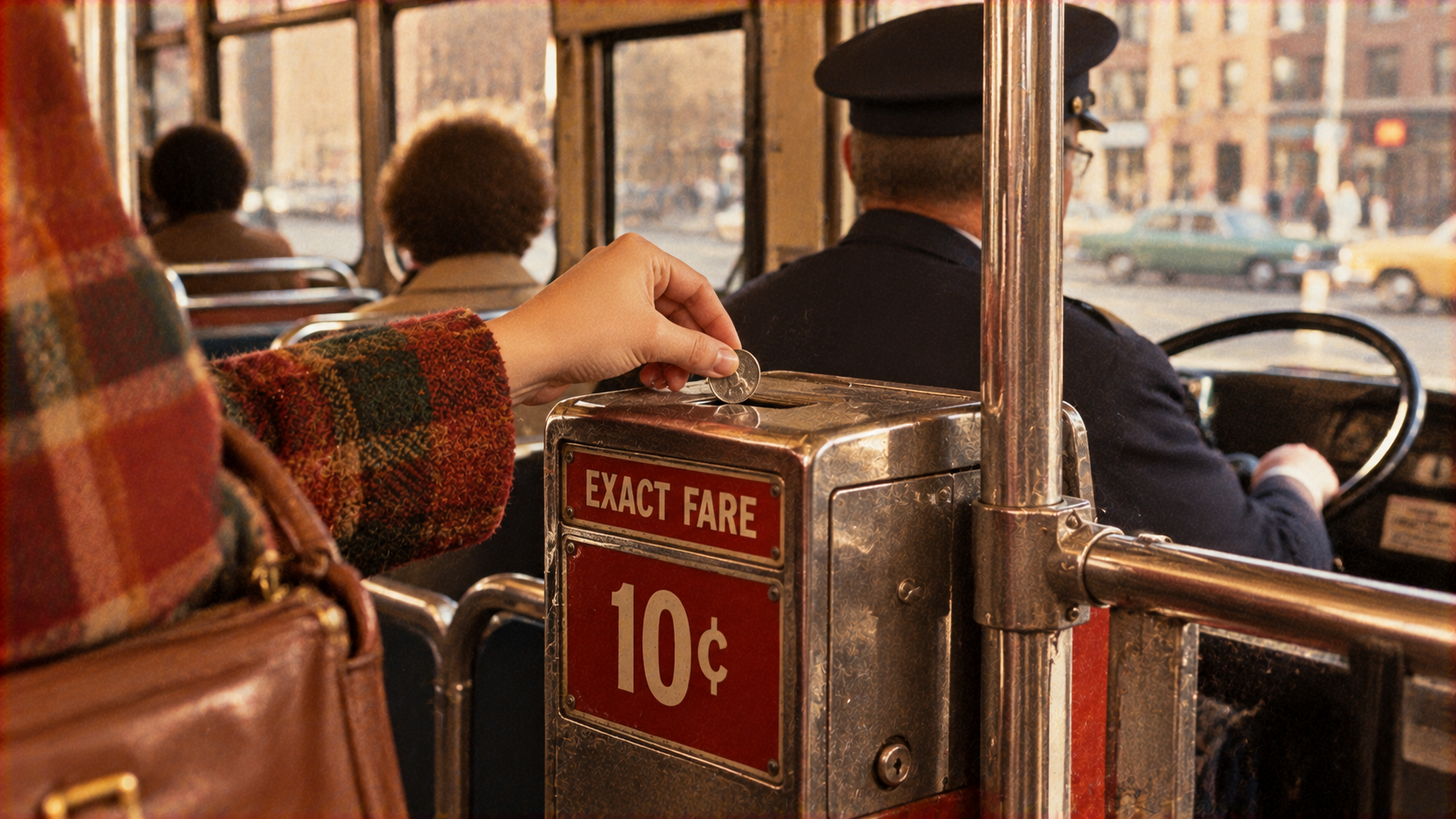
Before electronic fare cards and mobile payments, bus riders dropped coins directly into the farebox beside the driver. In many American cities, a nickel or dime once covered a ride across town, although fares gradually climbed over the decades. Commuters often kept exact change ready in their coat pockets, knowing the driver wasn’t always able to make change. The sound of coins falling into the metal box became part of the daily rhythm of city life.
4. A Newspaper
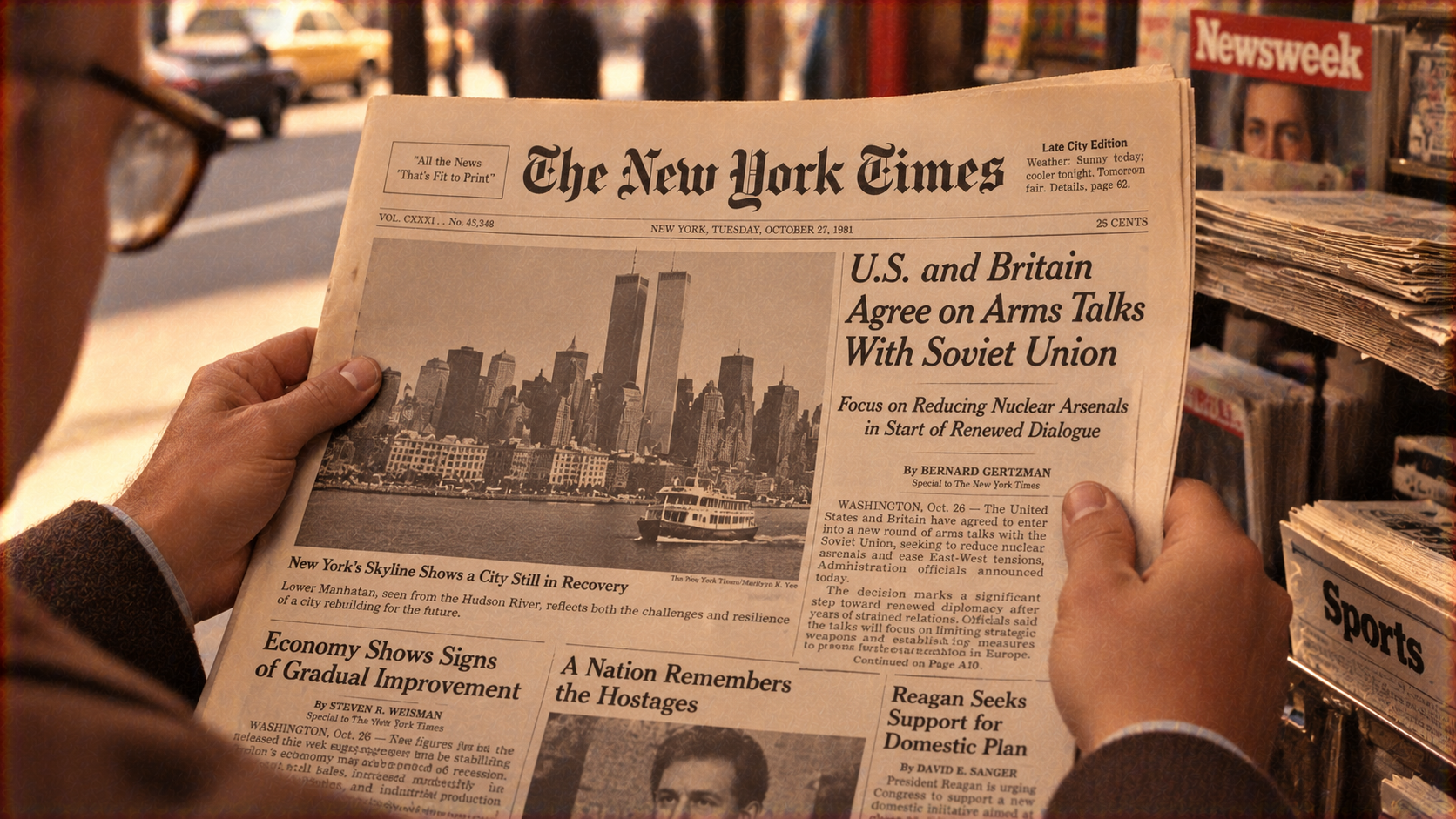
A few pennies once bought an entire newspaper filled with local stories, sports scores, advertisements, and comic strips. Newsstands displayed neatly stacked editions, while newspaper boxes on sidewalks made grabbing the morning headlines almost effortless. People read them over breakfast, on trains, or during lunch breaks. A newspaper might cost only a nickel or dime, but it could provide hours of reading and conversation.
5. A Pack of Chewing Gum
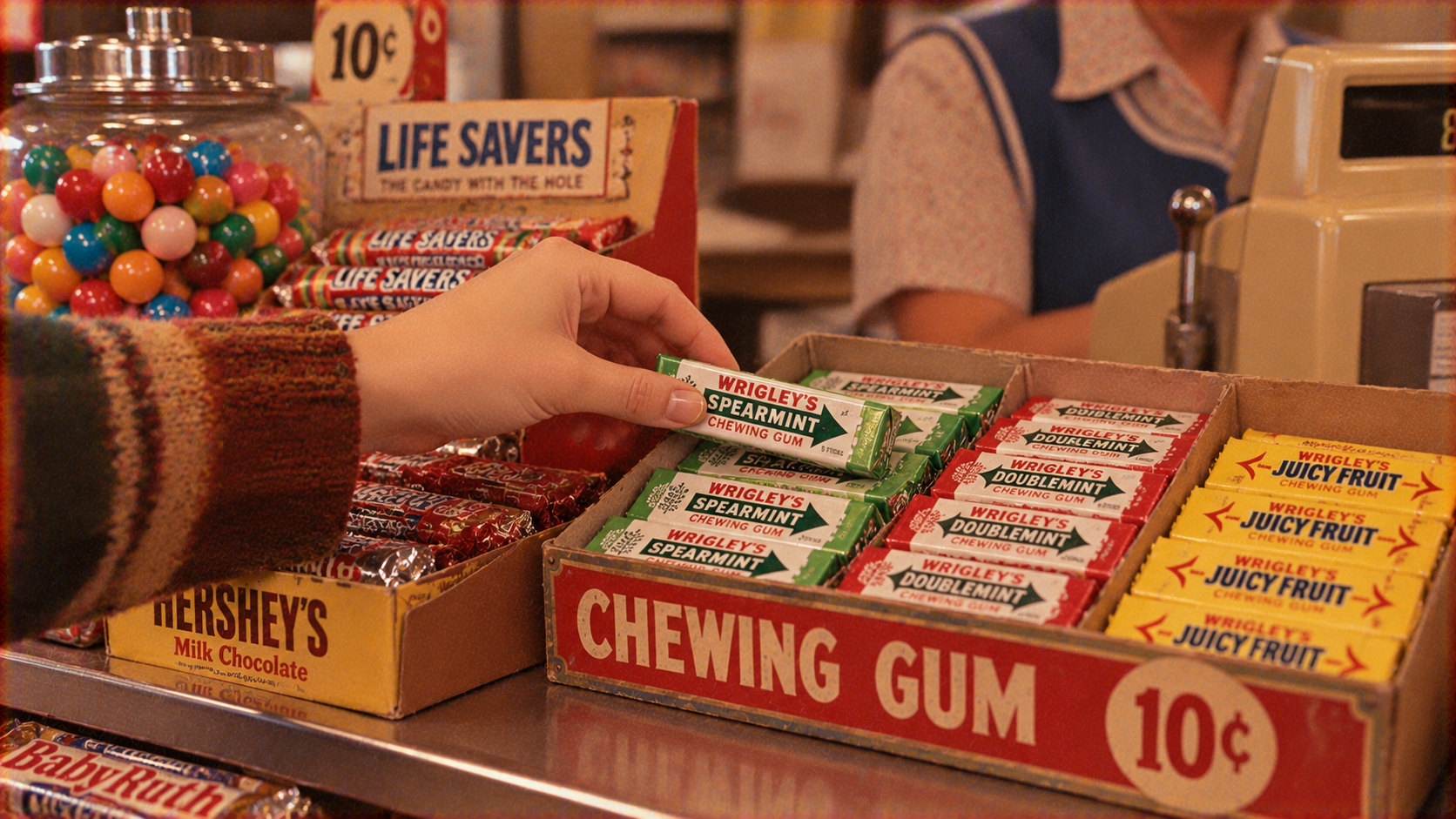
A nickel could once buy a pack of chewing gum, and sometimes individual pieces cost just a penny. Brands like Wrigley’s Spearmint, Juicy Fruit, and Doublemint were familiar sights near cash registers. Kids carefully unwrapped each stick, sometimes saving the shiny foil wrappers or sharing a piece with a friend. It was one of those tiny purchases that made an ordinary trip to the store feel special.
Trending on Wealth Gang


6. A Game of Pinball
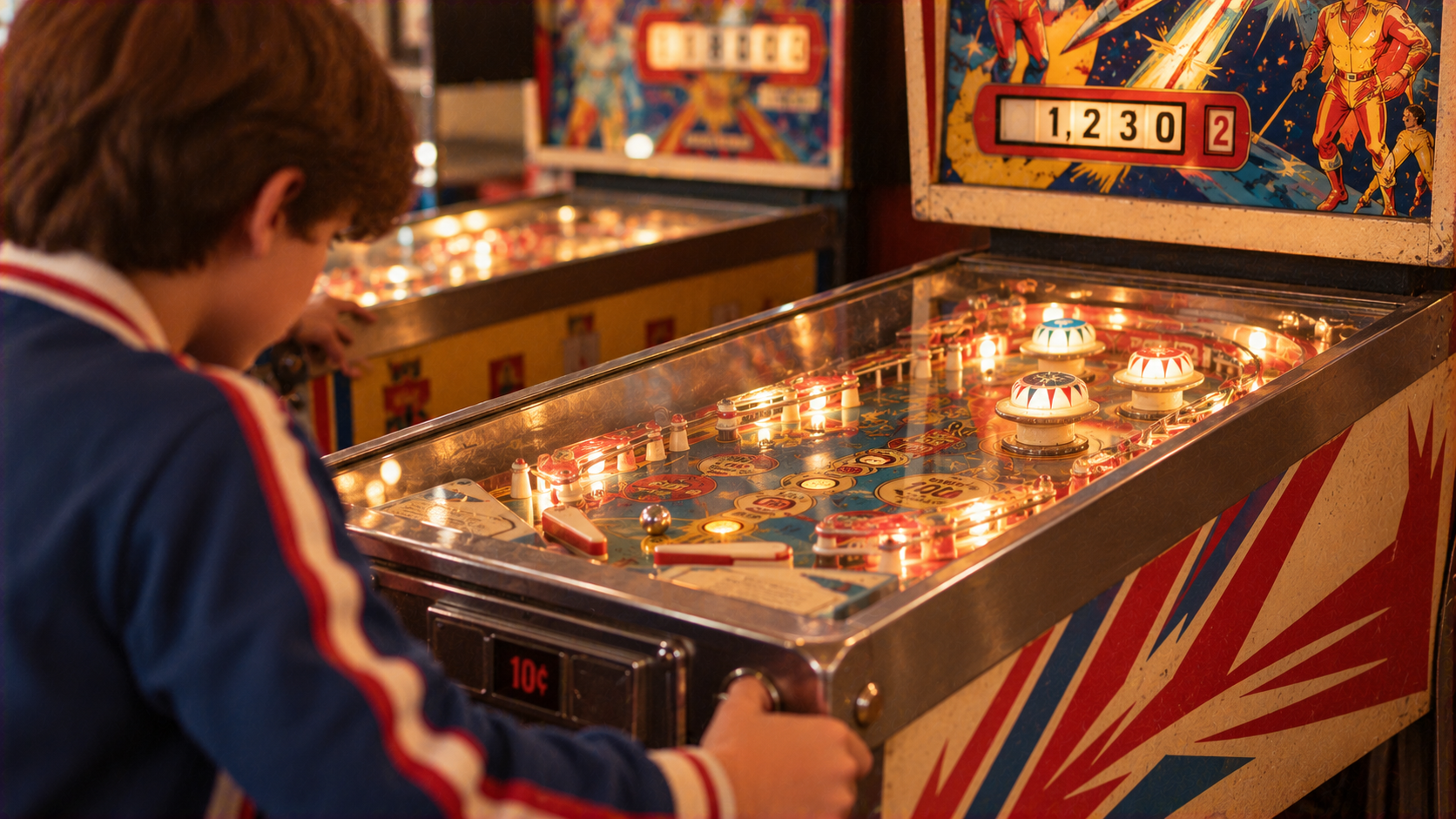
Long before home gaming consoles became common, a nickel or dime could buy a game of pinball at a neighborhood arcade, bowling alley, or diner. Players stood in front of brightly lit machines, working the flippers and hoping to keep the silver ball moving long enough to beat the high score. A good player could stretch one coin into several minutes of excitement, especially when free games were awarded for high scores.
7. A Cup of Coffee
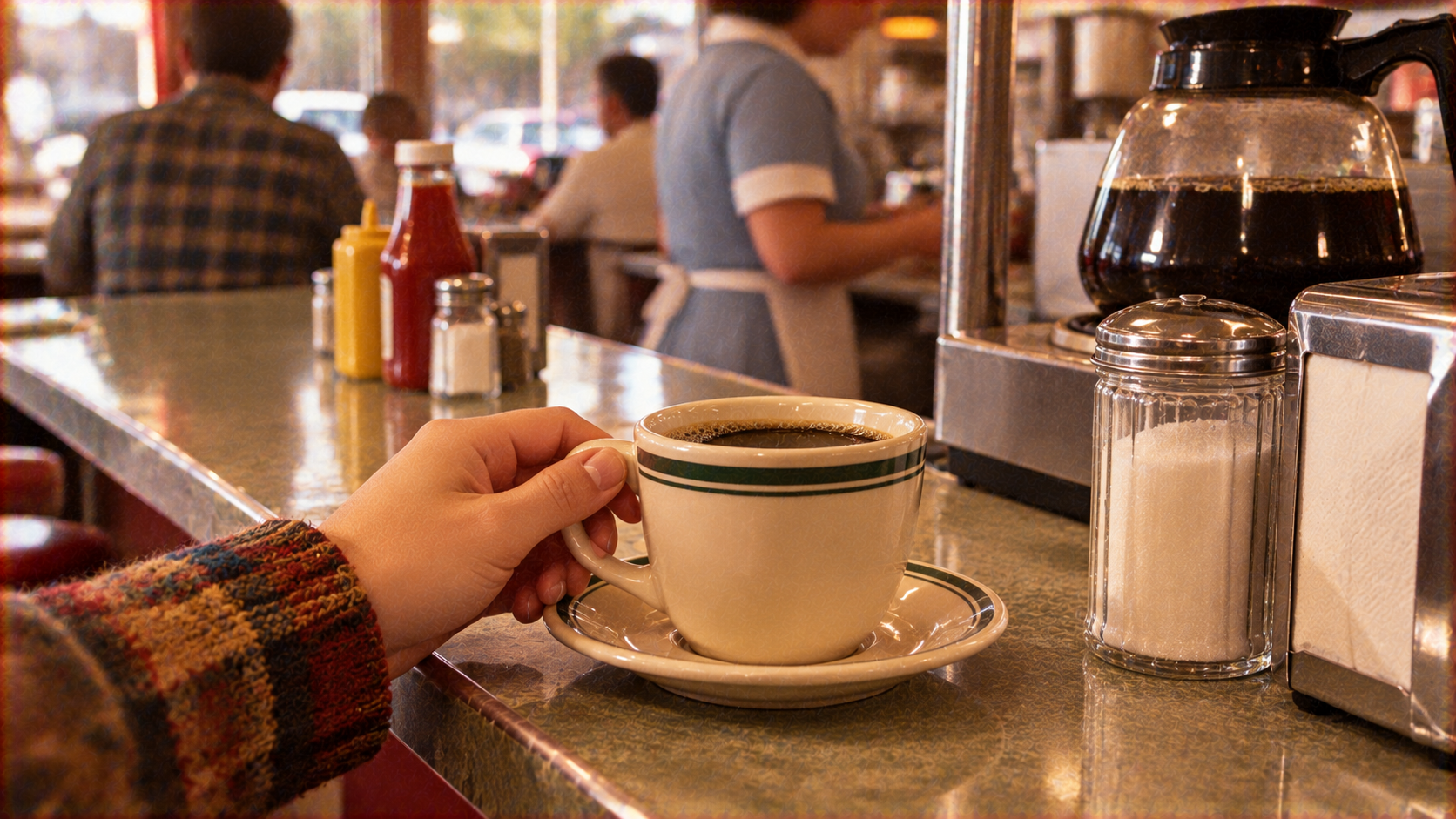
There was a time when a dime could buy a cup of coffee at a diner, particularly in the earlier decades of the 20th century. Waitresses moved between booths carrying glass coffee pots, offering refills while customers read newspapers or talked about the day’s events. The coffee wasn’t fancy, and nobody expected elaborate flavors or decorative foam. It was hot, familiar, and affordable enough to become a daily ritual.
8. A Postage Stamp
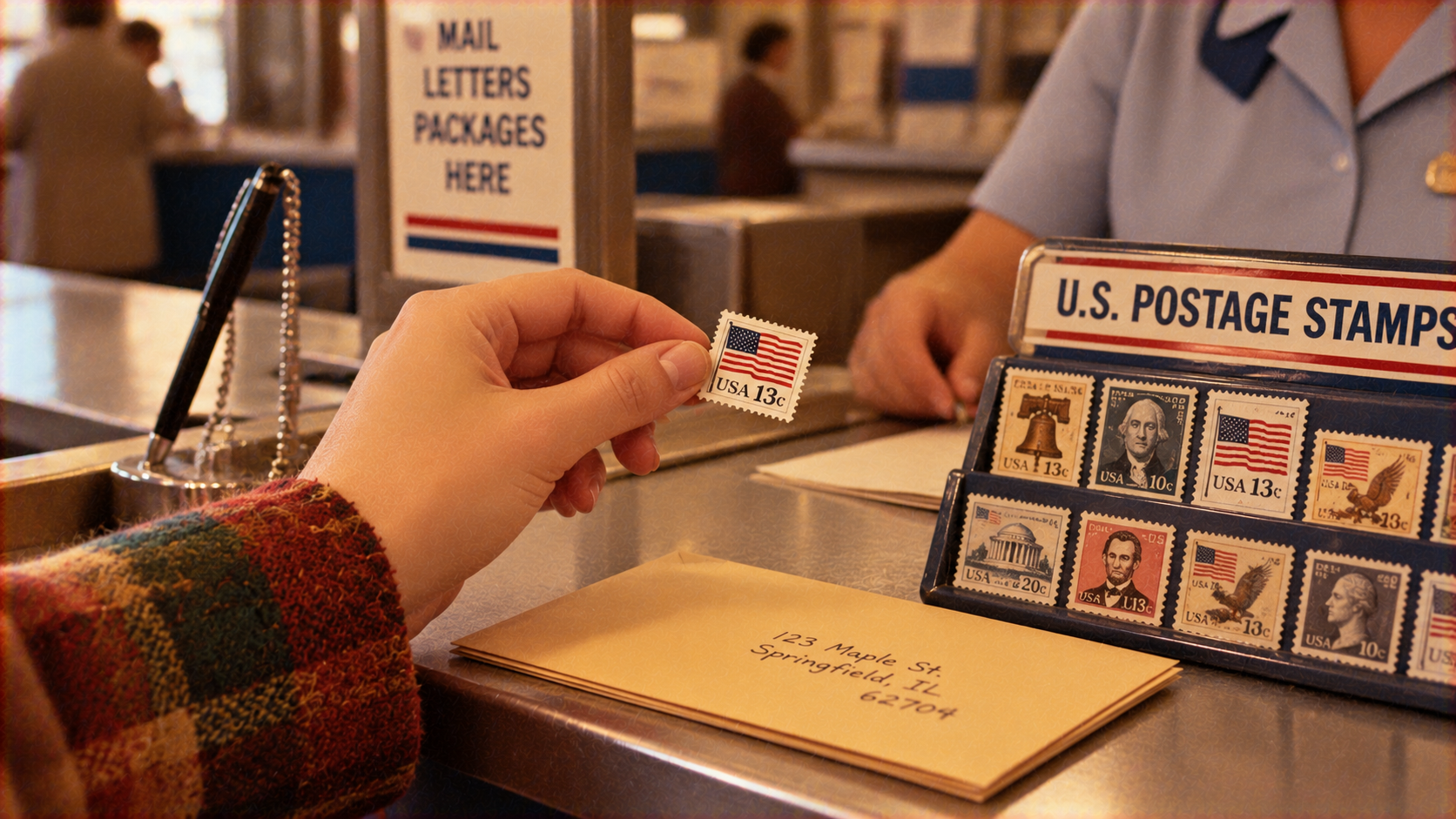
Mailing a letter once required only a few pennies. In 1958, a first-class postage stamp cost four cents, and even by the early 1970s, it was still possible to mail a letter for less than a dime. People kept stamps in kitchen drawers, desk organizers, and small address books. Sending a birthday card or handwritten note didn’t require much money, only an envelope, a stamp, and a few minutes to write something meaningful.
Sign up for our newsletter
9. A Song on the Jukebox
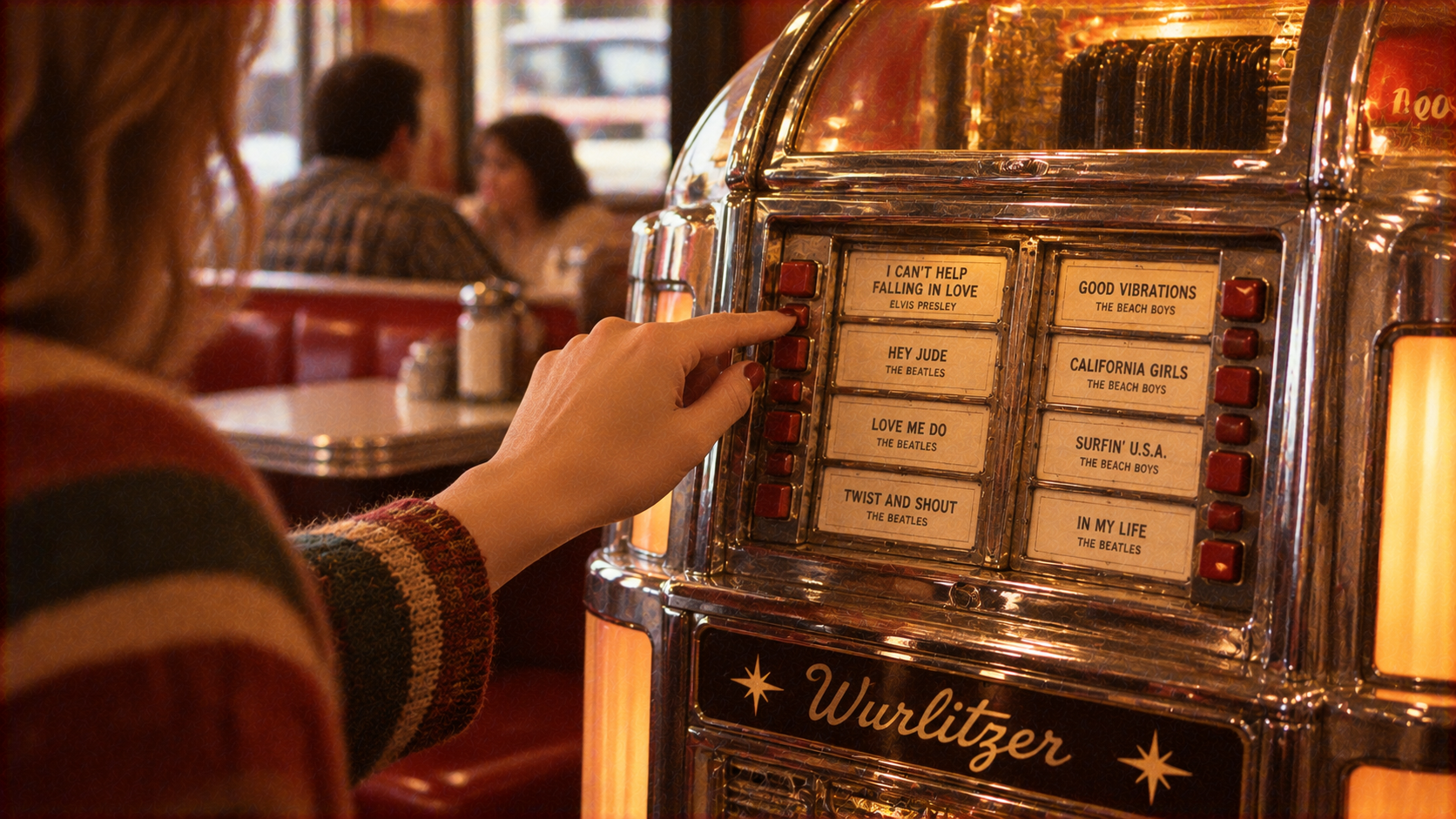
A nickel or dime could once bring a favorite song to life inside a diner or soda fountain. Teenagers gathered around jukeboxes, studying the song selections and deciding which record deserved their precious change. Once the coin dropped, everyone waited for the familiar opening notes to fill the room. Sometimes the right song could change the entire mood of an afternoon, especially when someone special happened to be sitting nearby.
10. A Gumball From a Machine
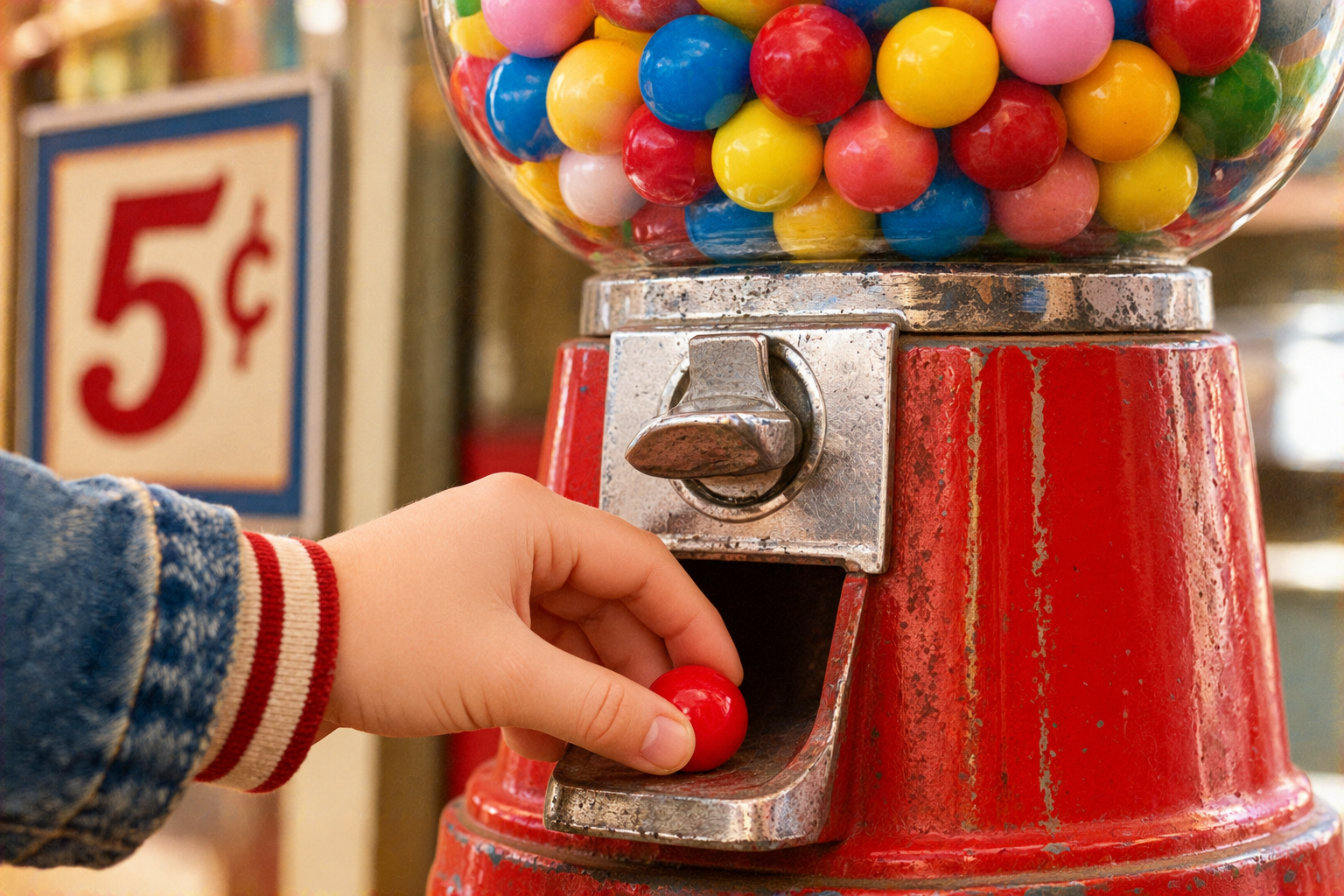
Few things were as tempting to a child as a colorful gumball machine standing near the entrance of a grocery store. For a penny, nickel, or later a quarter, turning the metal handle delivered a bright, round piece of gum into the little opening below. There was always the excitement of wondering which color would come out. The gum usually lost its flavor quickly, but the small ritual of buying it was half the fun.
11. A Comic Book
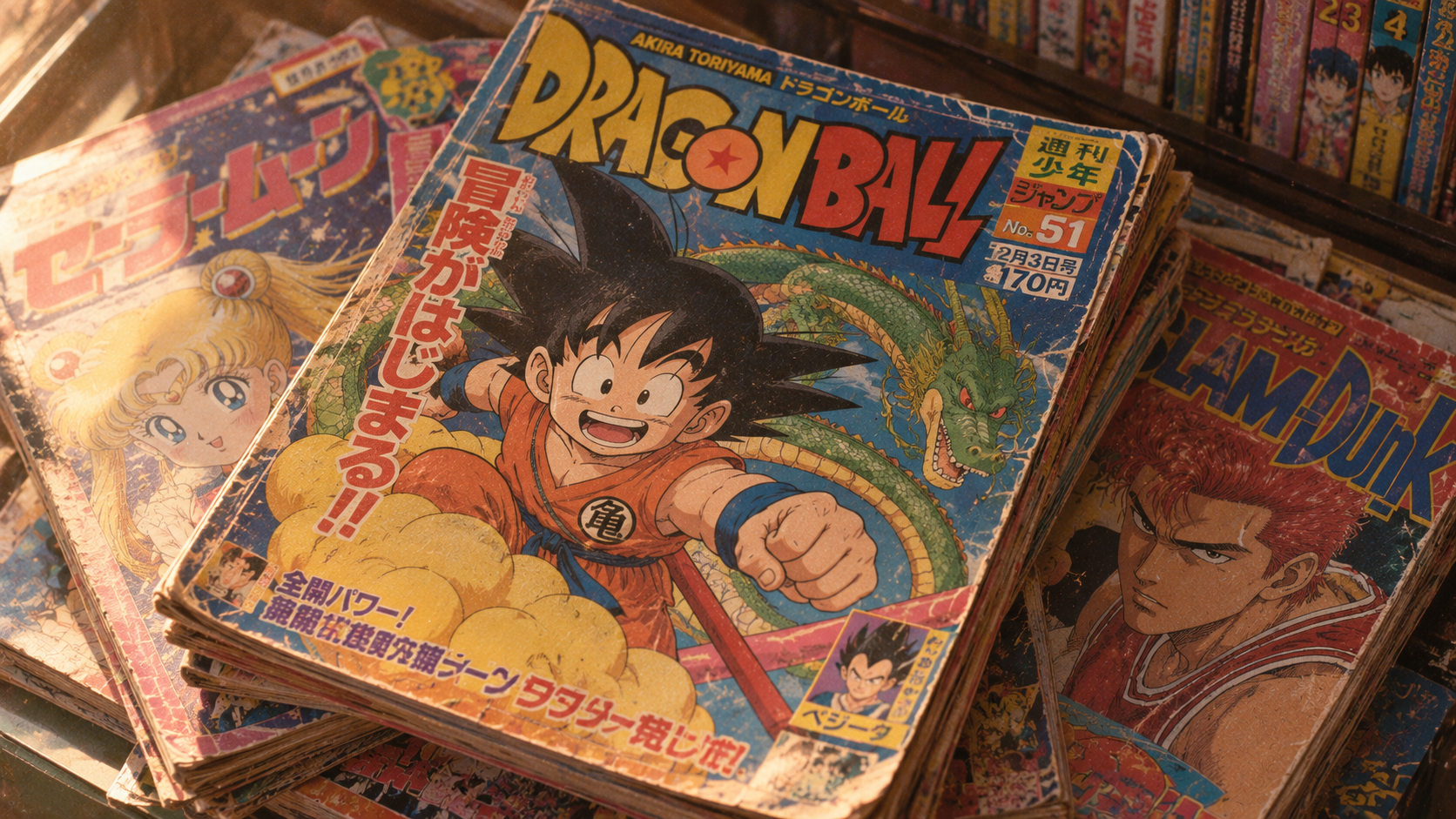
In the 1940s and 1950s, a dime could buy a comic book filled with superheroes, mysteries, adventures, and colorful illustrations. Children browsed spinning racks at drugstores, searching for the latest issue of their favorite series. Once purchased, comics were read repeatedly, traded with friends, and sometimes stored in shoeboxes under beds. What seemed like inexpensive entertainment at the time occasionally became a valuable collectible decades later.
12. A Pay Phone Call
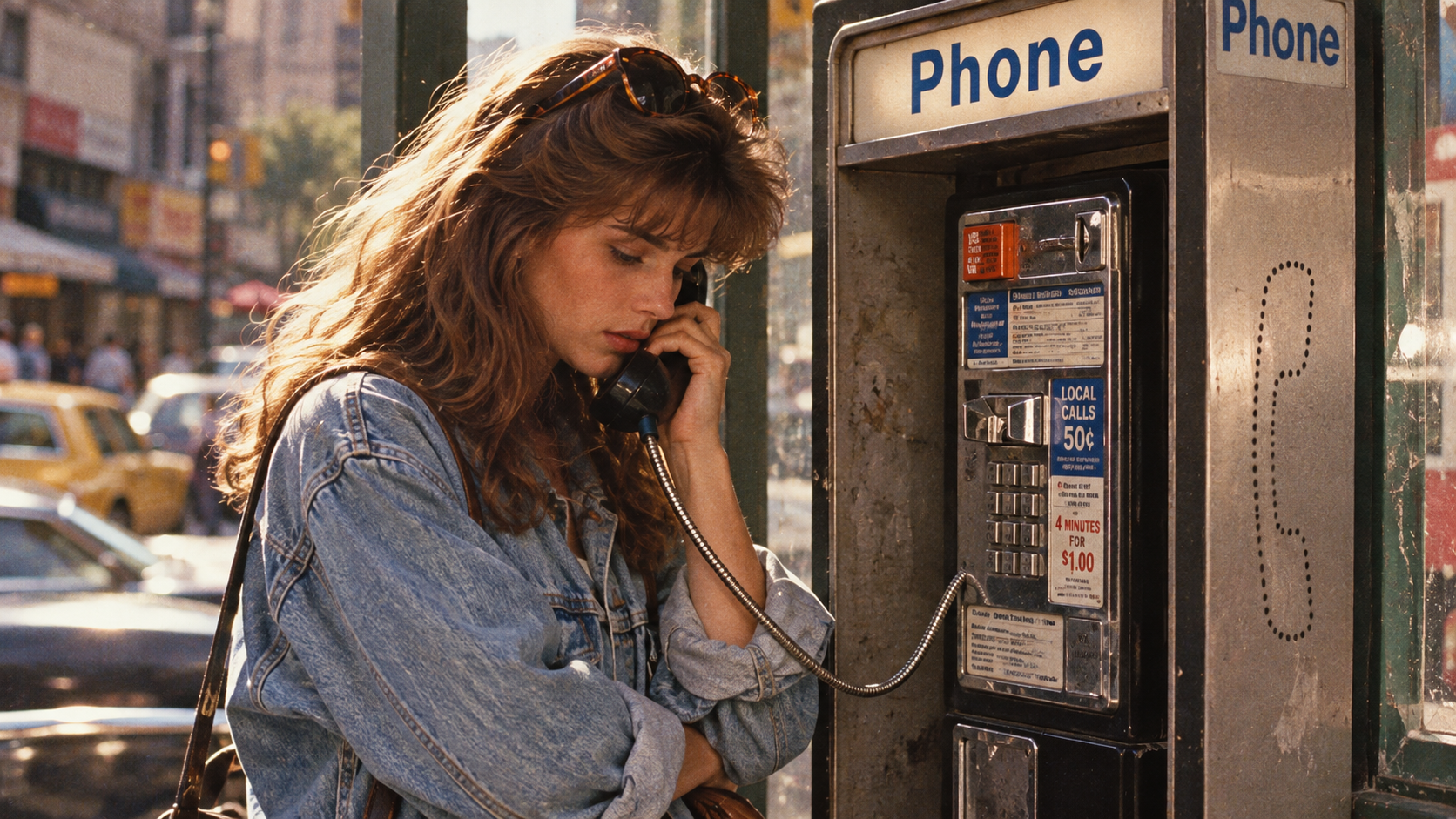
For years, a dime was all someone needed to make a local call from a public telephone. Phone booths stood outside gas stations, inside restaurants, and along busy sidewalks, offering a way to contact home while away. People kept coins handy for unexpected calls, especially before cell phones existed. Hearing the coins drop into the mechanism and the dial tone begin was a familiar experience that has almost completely disappeared.
13. A Bag of Popcorn
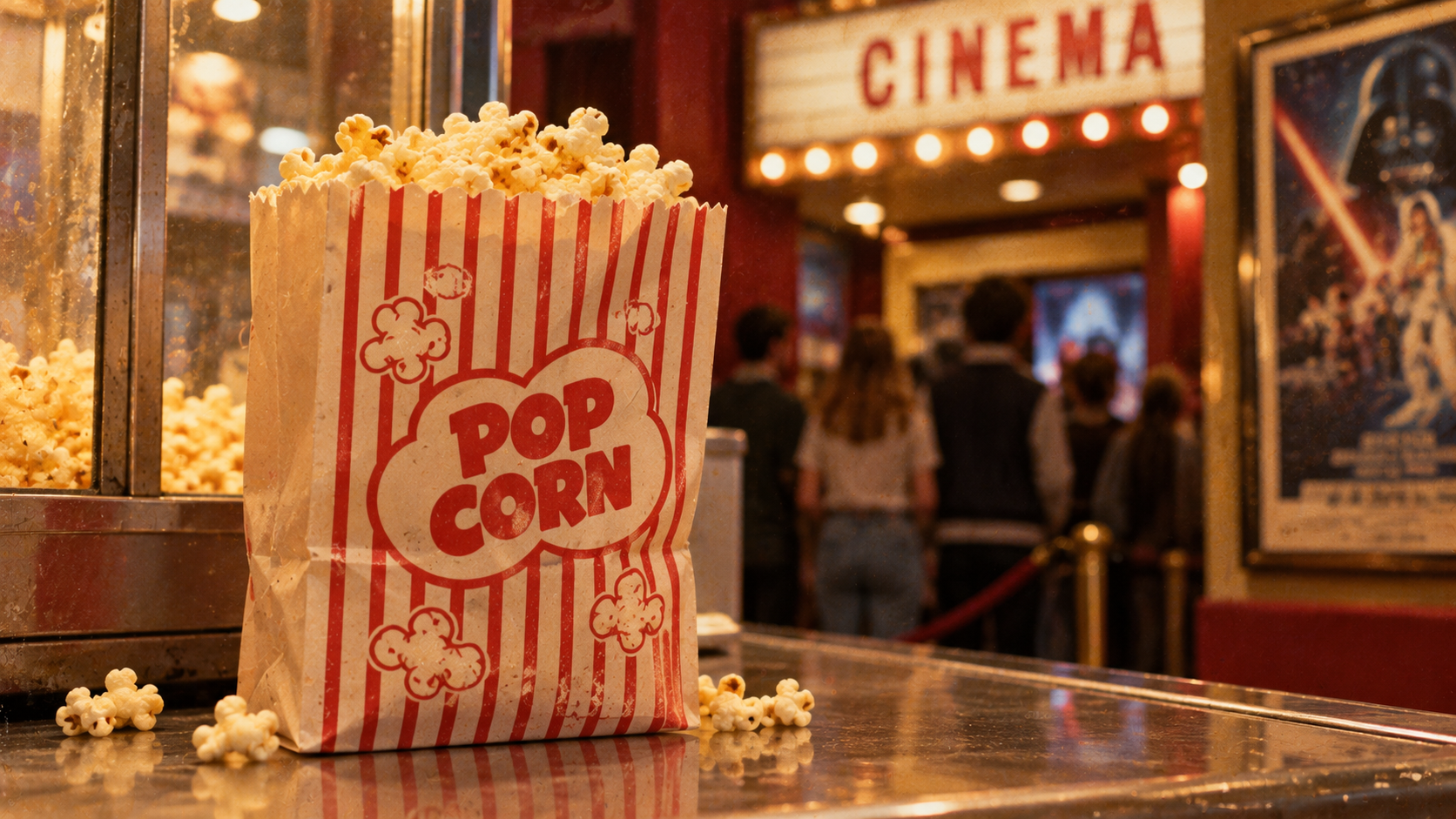
At movie theaters, carnivals, and neighborhood concession stands, a small bag of popcorn could once be purchased with a few coins. The smell of freshly popped kernels drifted through the air, making it difficult to walk past without stopping. Simple paper bags were filled with warm popcorn, sometimes topped with melted butter or a generous shake of salt. It wasn’t an oversized snack meant for sharing with several people, but it was enough to make a movie or afternoon outing feel complete.
14. A Pencil or Small School Supply
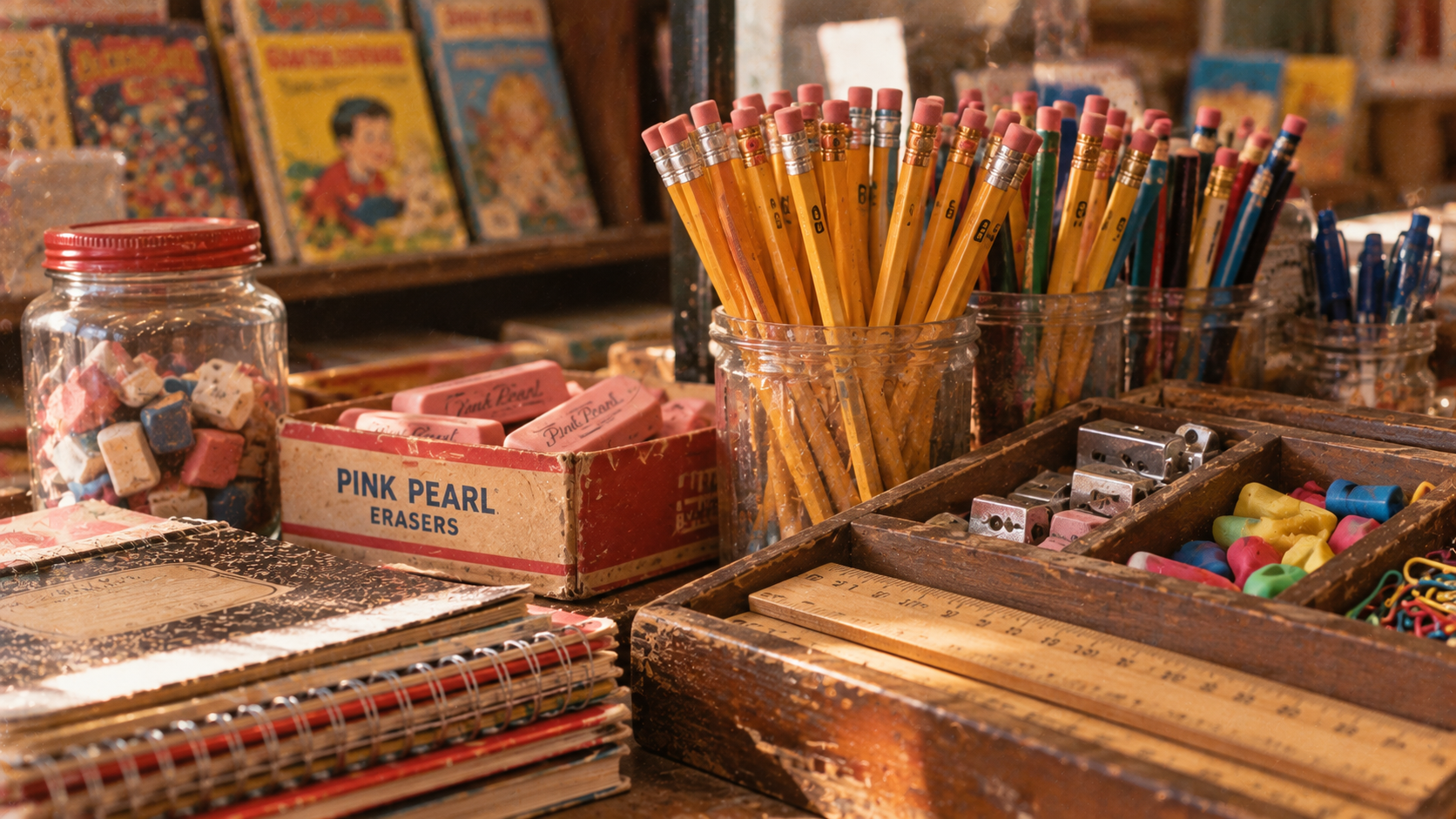
Schoolchildren once found pencils, erasers, and other basic supplies priced at just a few pennies in stationery stores and school shops. A new yellow pencil with a pink eraser might not sound exciting today, but buying one with your own change felt like a small accomplishment. Some children carefully saved their pencils until they were almost too short to hold. These inexpensive supplies were everyday necessities that didn’t require much more than the coins in a pocket.
15. A Ride on a Mechanical Horse
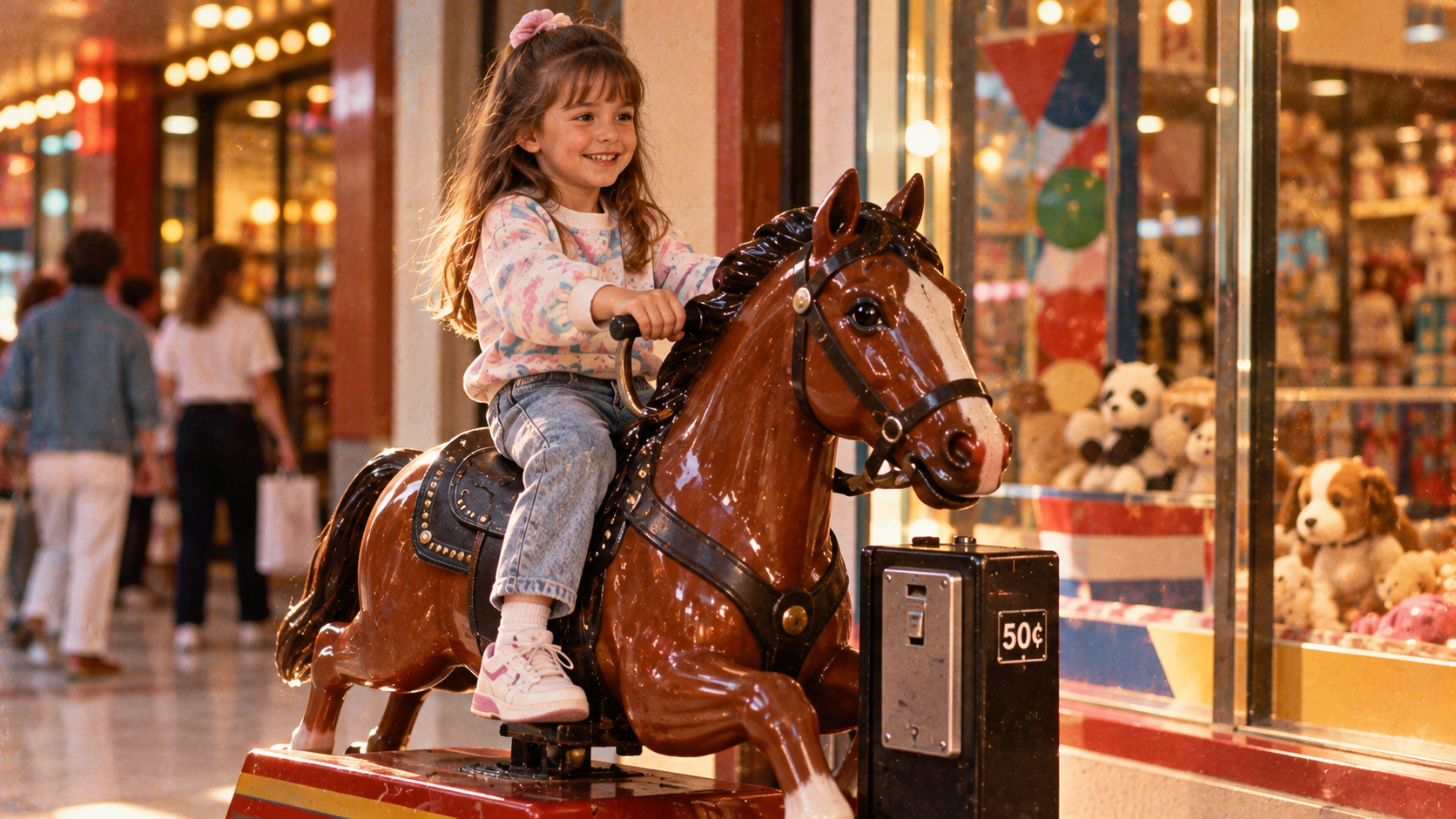
Outside supermarkets and department stores, brightly painted mechanical horses and other coin-operated rides waited for young customers. A dime or quarter could start the machine rocking and moving for a minute or two. Parents often promised one ride after the shopping was finished, turning an otherwise boring errand into something children looked forward to. The rides weren’t particularly sophisticated, but to a small child, they felt like a real adventure.
16. A Postcard
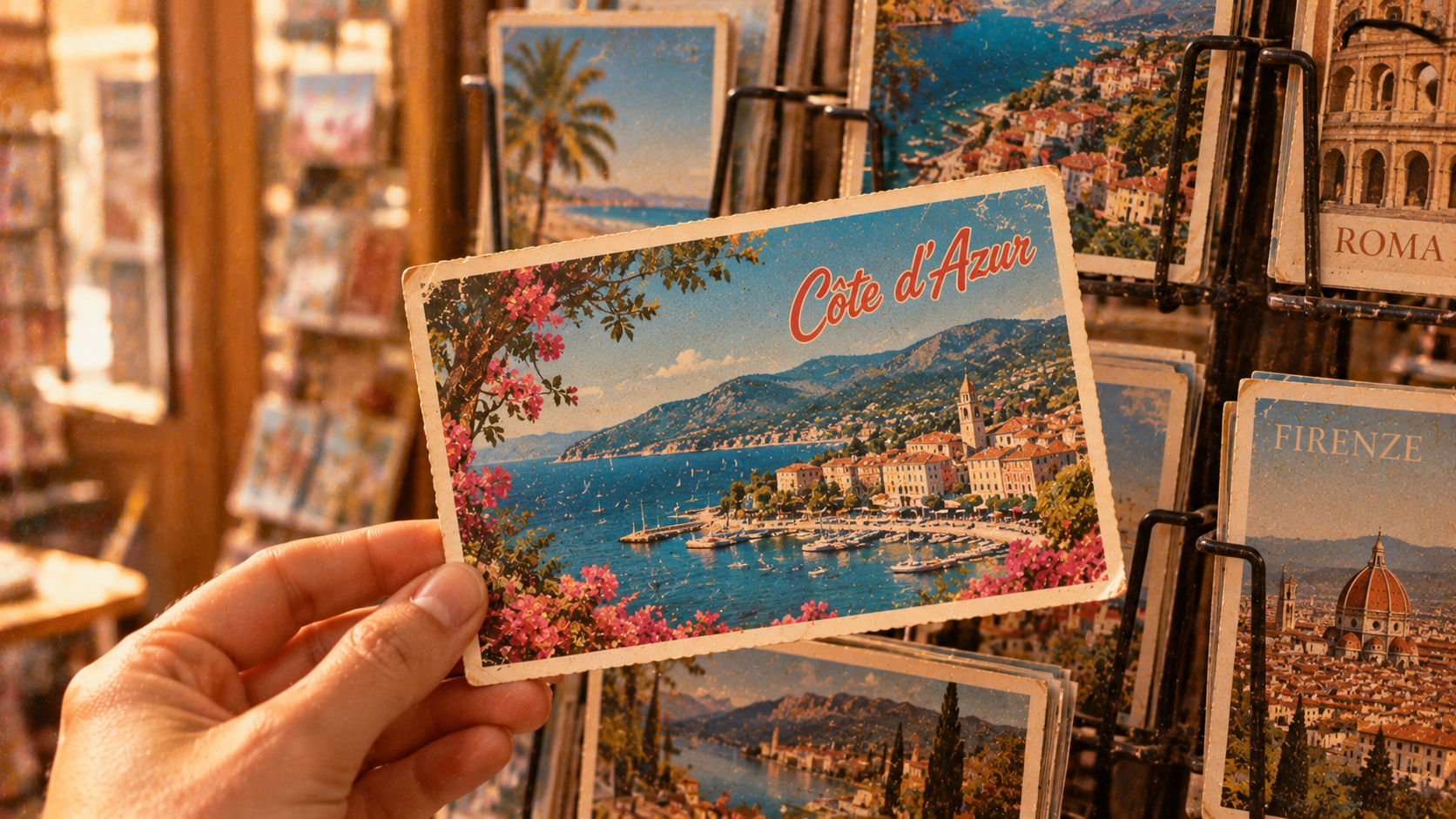
Souvenir postcards once cost only a few pennies at tourist attractions, roadside stands, and gift shops. Families traveling on vacation picked out colorful cards showing beaches, mountains, hotels, and famous landmarks. A short handwritten message on the back was enough to let relatives know everyone was having a wonderful time. For the price of a few coins, someone could send a little piece of their vacation across the country, creating a keepsake that might remain in a family drawer for decades.
More Related Notes
• 16 Things Americans Used to Buy at the Corner Store That Have Nearly Disappeared
Remember when a handful of coins could buy penny candy, chewing gum, or a cold soda? Revisit the inexpensive treats and everyday purchases that made neighborhood corner stores such memorable places.
• 15 Foods That Used to Be Sold in Completely Different Ways
Take a nostalgic look at how Americans once shopped for everyday foods, from individually sold items to products measured and packaged right at the counter.
• 18 Things Almost Everyone Had in the ’80s That You Almost Never See Anymore
Rediscover the affordable snacks, childhood favorites, and familiar products that were once part of everyday life in the 1980s but have gradually disappeared.