A dream vacation does not always have to come with a painful price tag. Some of the world’s most popular destinations combine beautiful scenery, fascinating culture, and memorable food with everyday prices that can feel surprisingly affordable compared with major U.S. and Western European cities.
Of course, airfare and upscale resorts can still push a trip’s total cost much higher. But once travelers arrive, these destinations can offer relatively inexpensive meals, transportation, attractions, and other daily expenses, making it easier to enjoy more without constantly watching the budget.
1. Hanoi, Vietnam
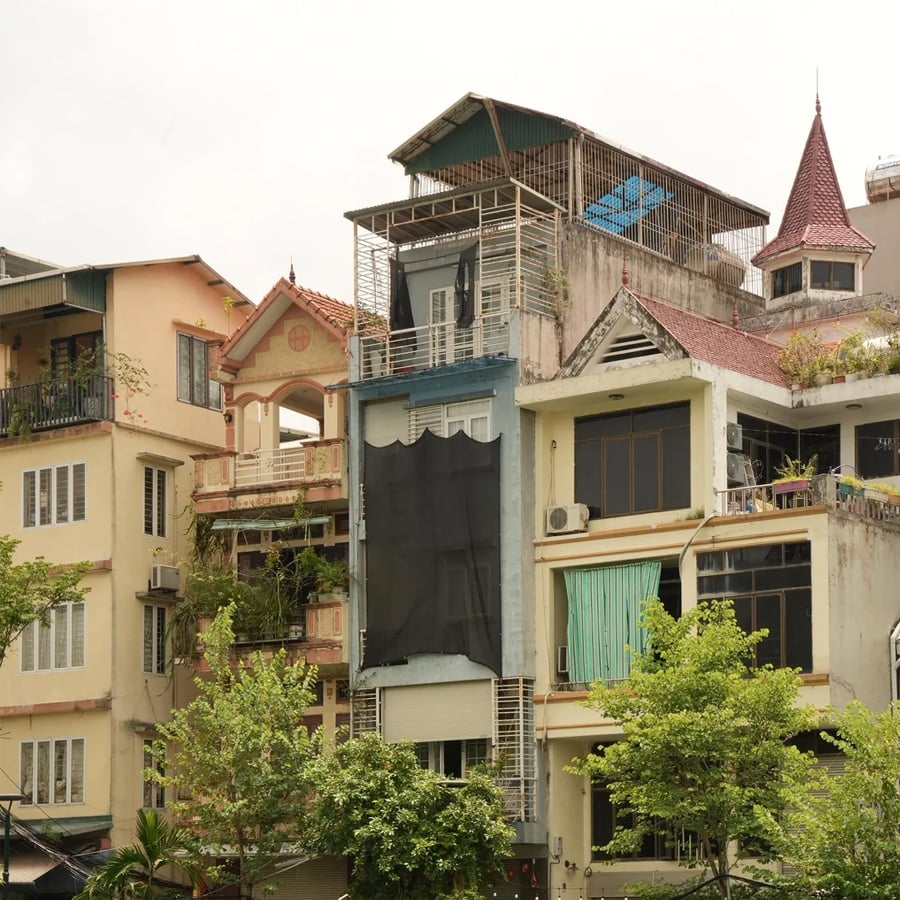
Vietnam’s capital is famous for its street food, historic neighborhoods, and energetic atmosphere, but affordability is another major attraction. Local dishes such as pho and banh mi can cost only a few dollars, while taxis, coffee, and many everyday services remain inexpensive by international tourism standards.
2. Chiang Mai, Thailand
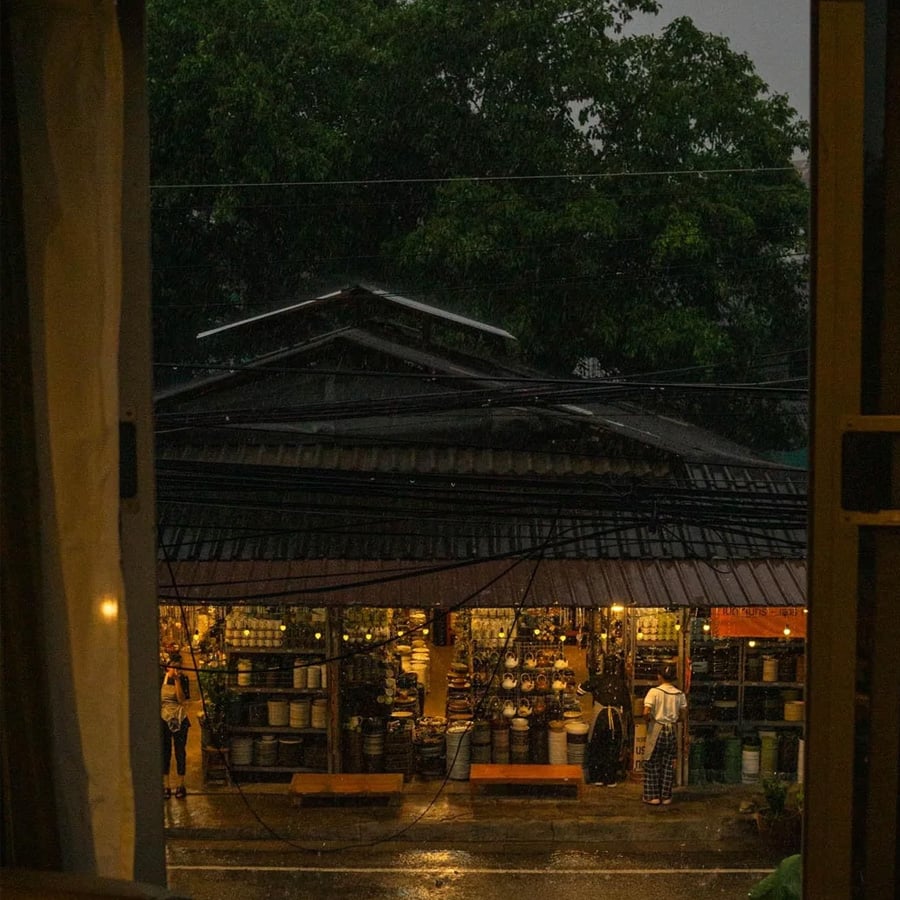
Chiang Mai has long attracted travelers looking for a lower-cost alternative to Thailand’s beach resorts and Bangkok. Affordable guesthouses, inexpensive local restaurants, bustling markets, and low transportation costs make it possible to explore the city without spending heavily each day.
3. Bali, Indonesia
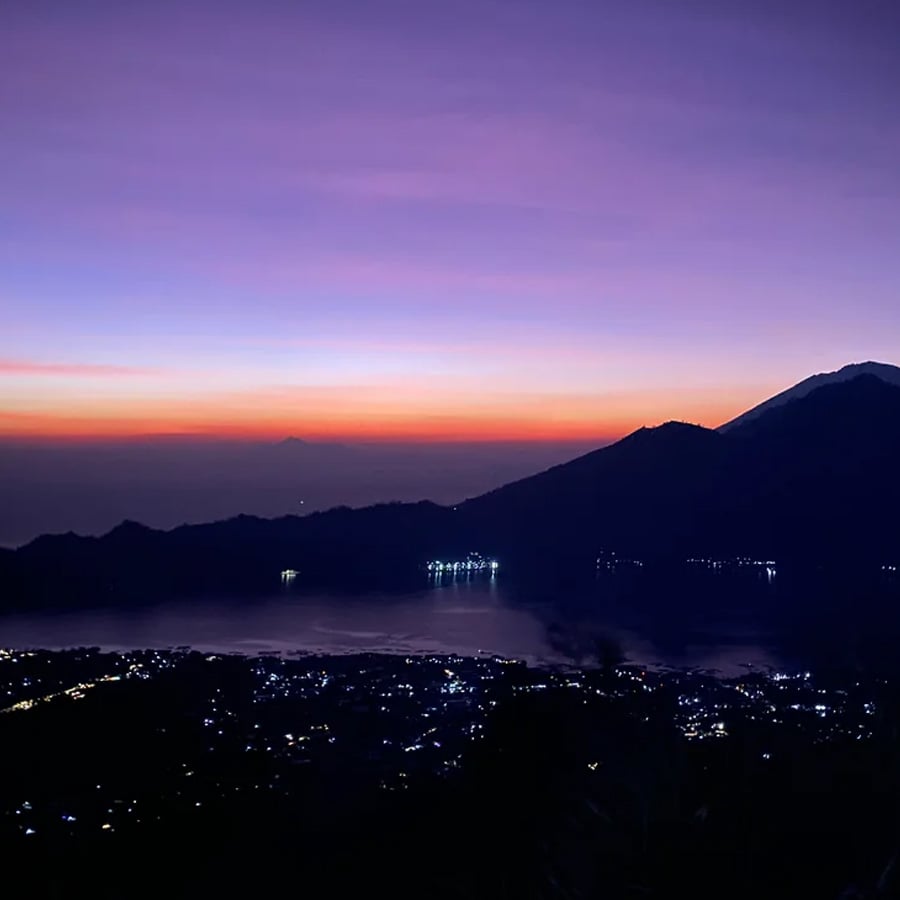
Bali can certainly be expensive if the trip revolves around luxury resorts, but everyday life outside the most exclusive properties can be remarkably affordable. Local restaurants, scooter transportation, massages, cafés, and smaller accommodations often cost much less than comparable experiences in major Western vacation destinations.
4. Lisbon, Portugal
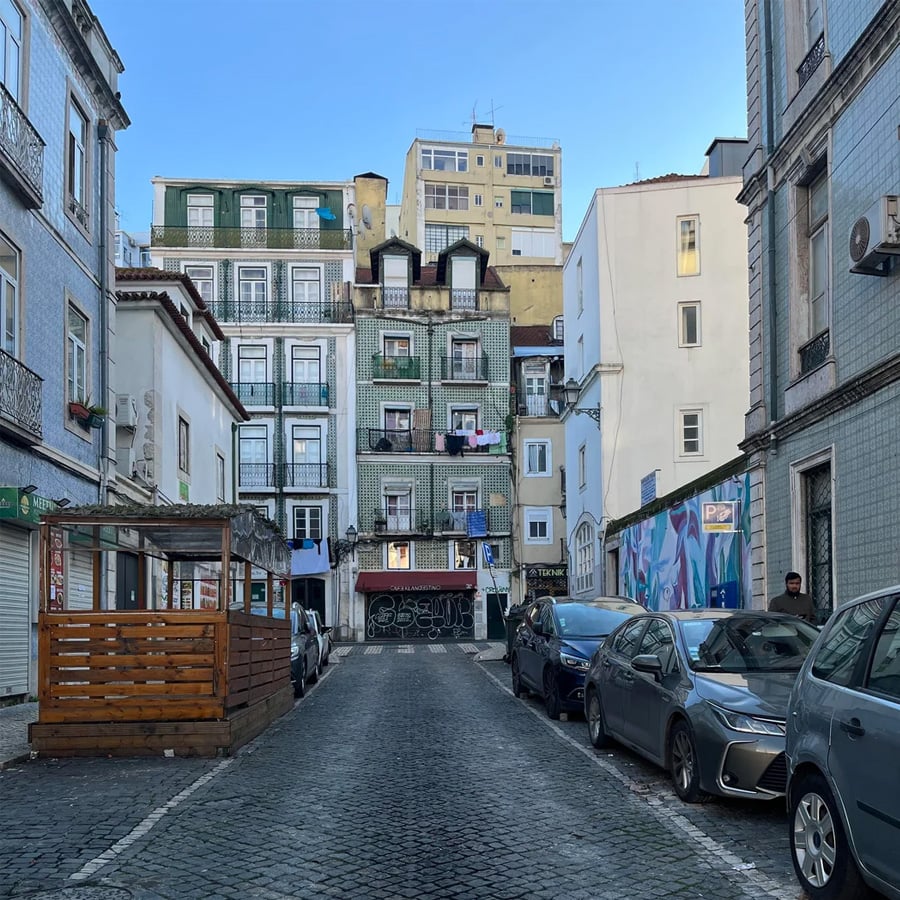
Lisbon has become more expensive as its popularity has grown, yet many everyday costs can still compare favorably with other major Western European capitals. Public transportation is practical, traditional bakeries and neighborhood restaurants can be reasonable, and many of the city’s best experiences involve simply exploring its streets and viewpoints.
5. Kraków, Poland
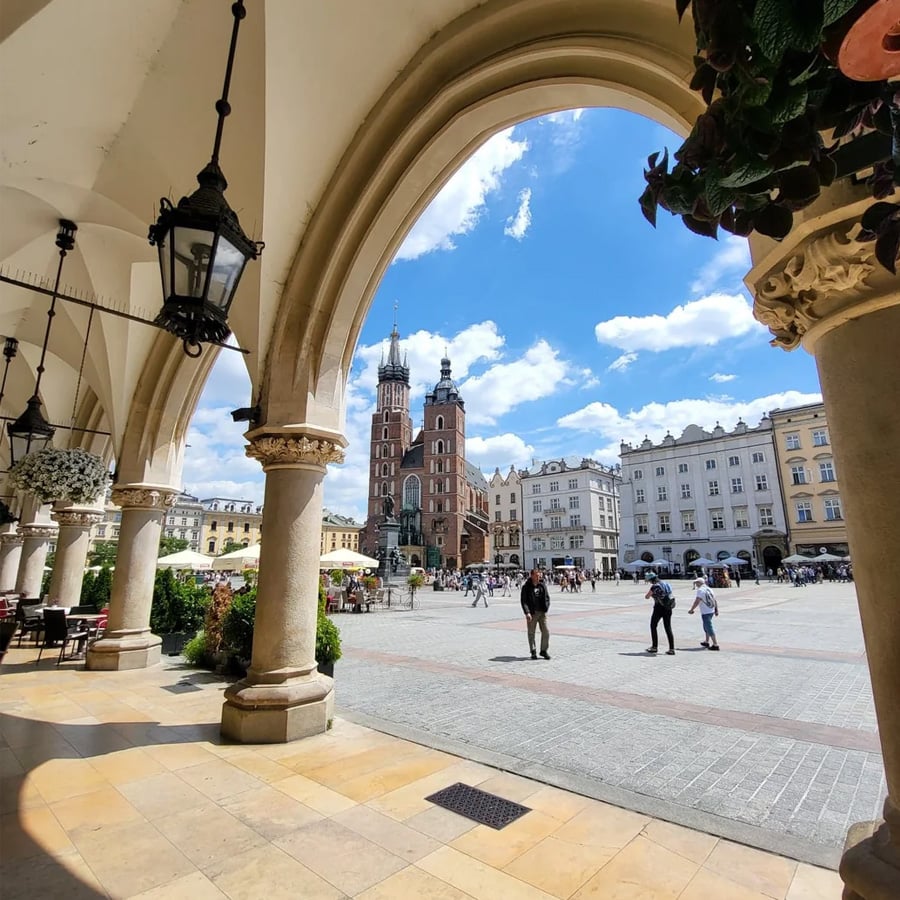
Kraków offers historic architecture and a lively cultural scene without the prices associated with cities such as London or Paris. Traditional meals, public transportation, and local entertainment can remain relatively affordable, particularly for travelers who spend time outside the most tourist-heavy areas.
Trending on Wealth Gang


6. Budapest, Hungary

Budapest has long been considered one of Europe’s better-value major cities. Public transit makes getting around inexpensive, while bakeries, casual restaurants, markets, and many cultural attractions allow visitors to experience the Hungarian capital without requiring an enormous daily budget.
7. Mexico City, Mexico
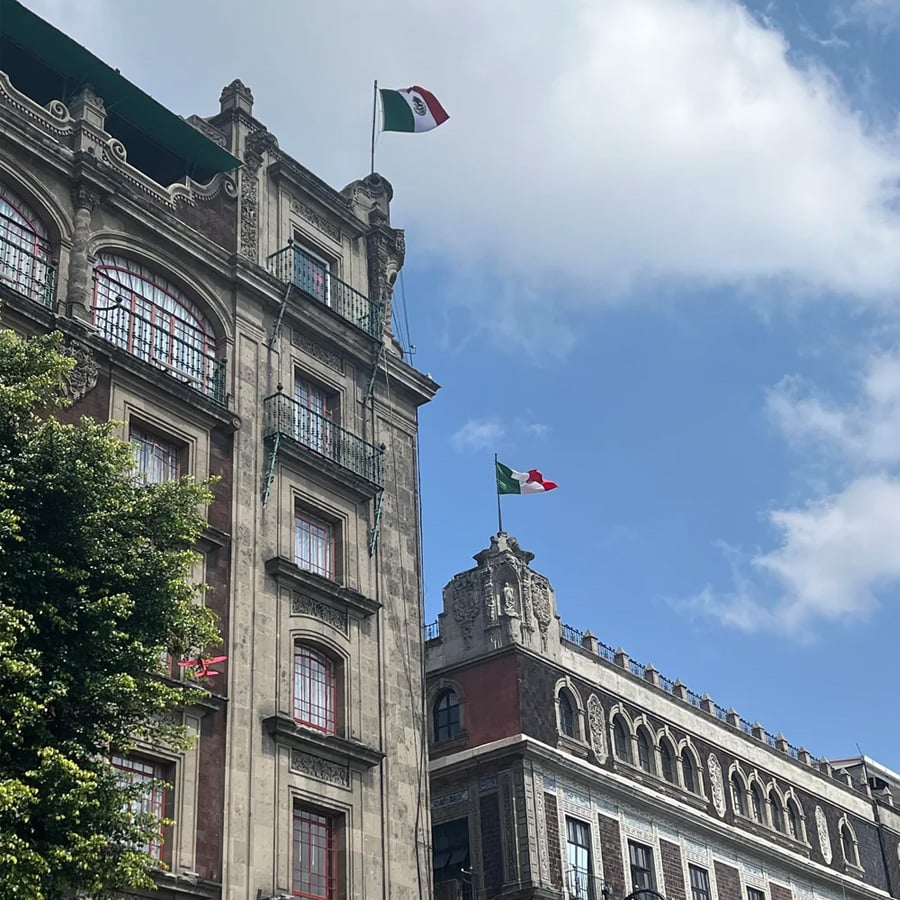
Mexico City combines world-class museums, celebrated food, historic neighborhoods, and a huge range of accommodations. Street tacos and neighborhood restaurants can be remarkably inexpensive, while the metro provides one of the cheapest ways to move around a major global city.
8. Cartagena, Colombia
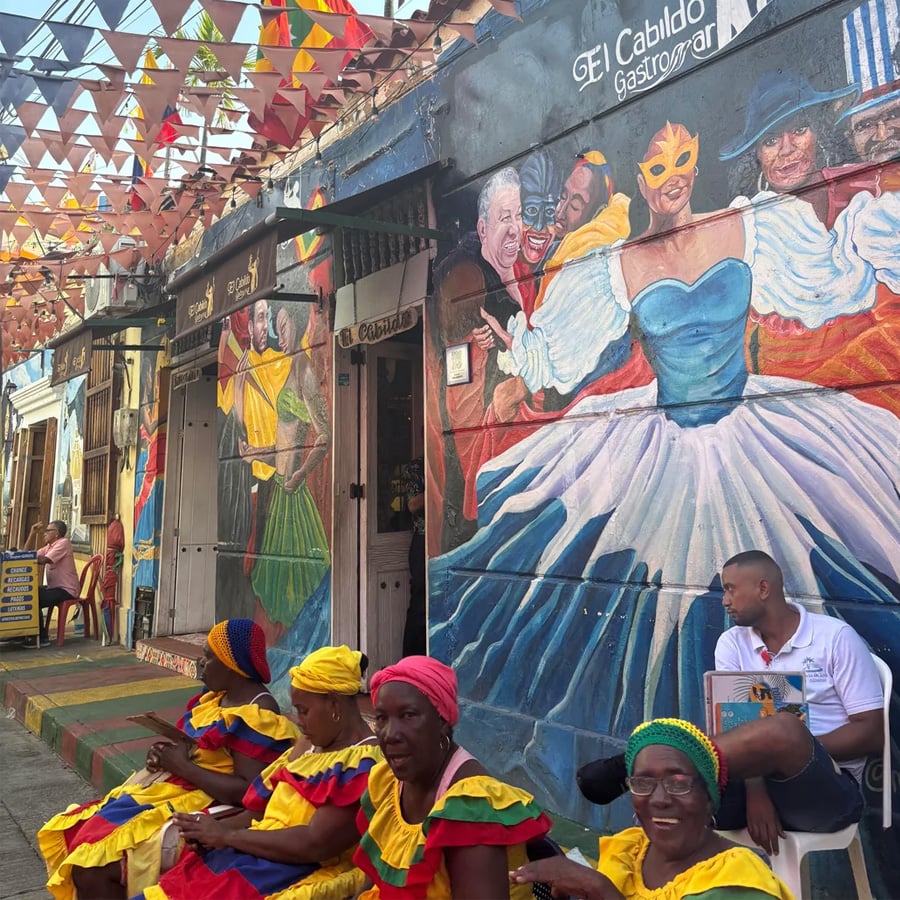
Cartagena’s luxury hotels and beachfront properties can carry premium prices, but travelers who look beyond those options can still find affordable food and transportation. Local restaurants, street snacks, buses, and neighborhood businesses make it possible to experience the Caribbean city on a more moderate budget.
Sign up for our newsletter
9. Cusco, Peru

As the gateway to Machu Picchu, Cusco receives visitors from around the world, yet many ordinary expenses remain relatively inexpensive. Local set-menu lunches, taxis, markets, and smaller hotels can offer good value, even if major excursions such as Machu Picchu significantly increase the overall trip budget.
10. Sofia, Bulgaria
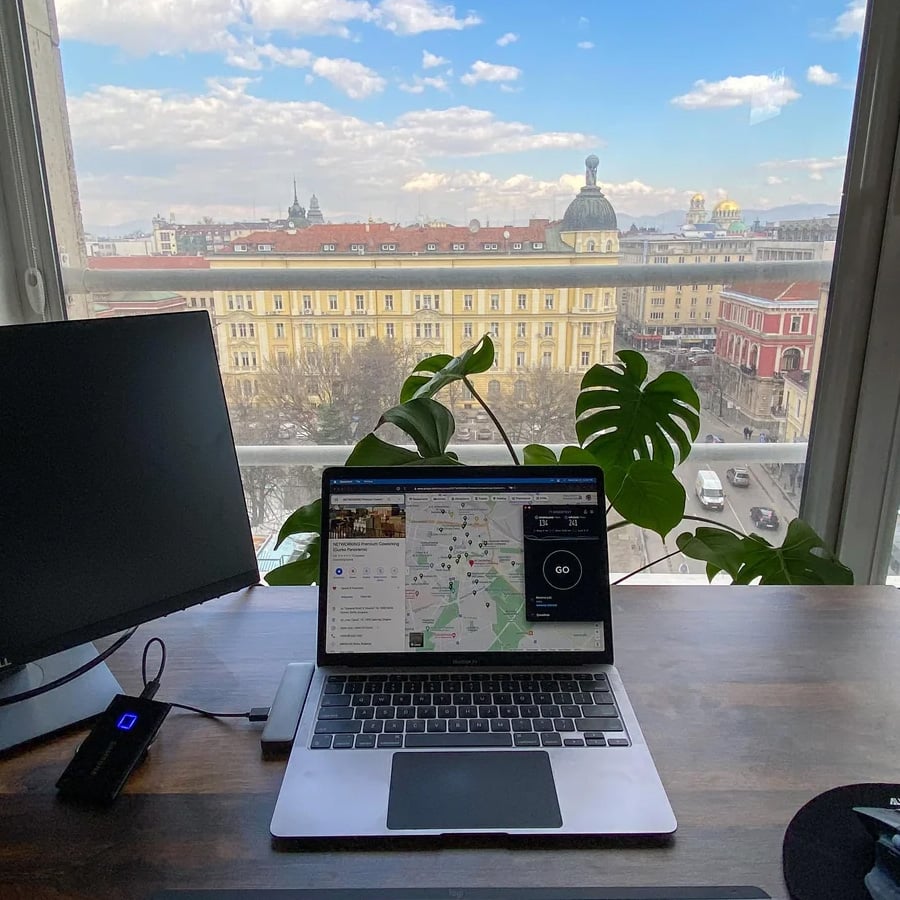
Sofia is one of the European capitals where travelers can often stretch their money further. Public transportation, casual dining, bakeries, and locally produced food and drinks generally cost less than they do in many better-known Western European destinations.
11. Marrakech, Morocco
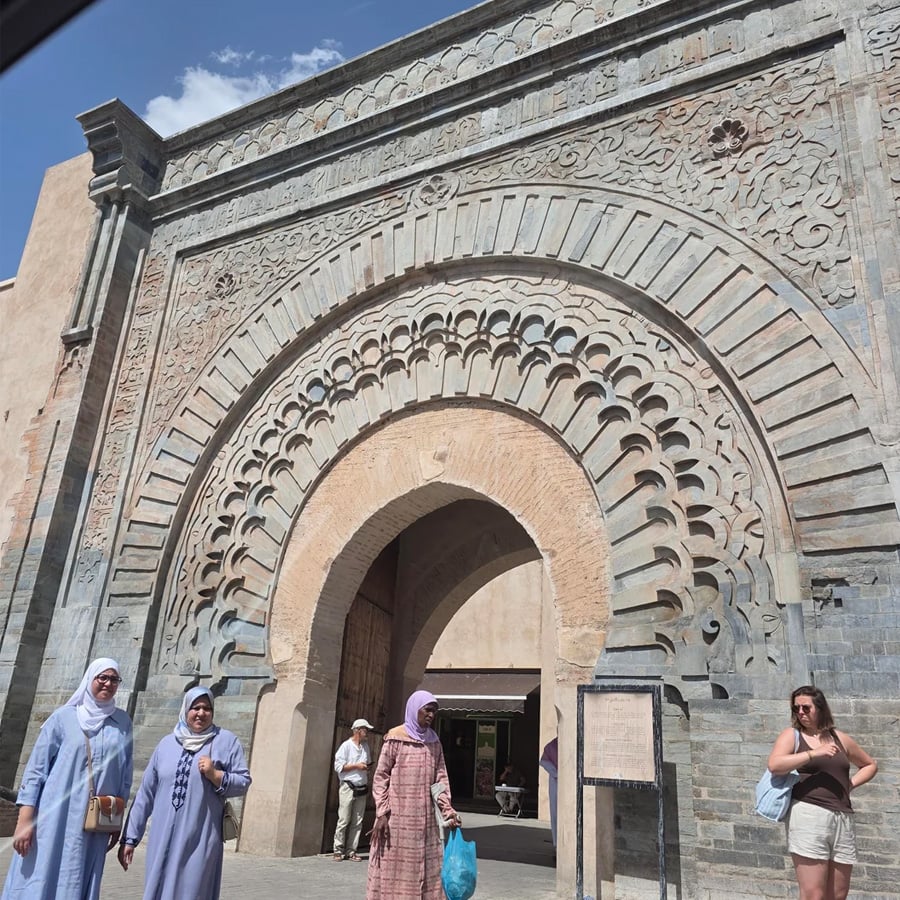
Marrakech offers an experience that can feel luxurious without necessarily requiring luxury-level spending. Travelers can find inexpensive local meals, traditional markets, reasonably priced transportation, and affordable riads, although bargaining and avoiding heavily tourist-oriented businesses can make a substantial difference.
12. Istanbul, Turkey
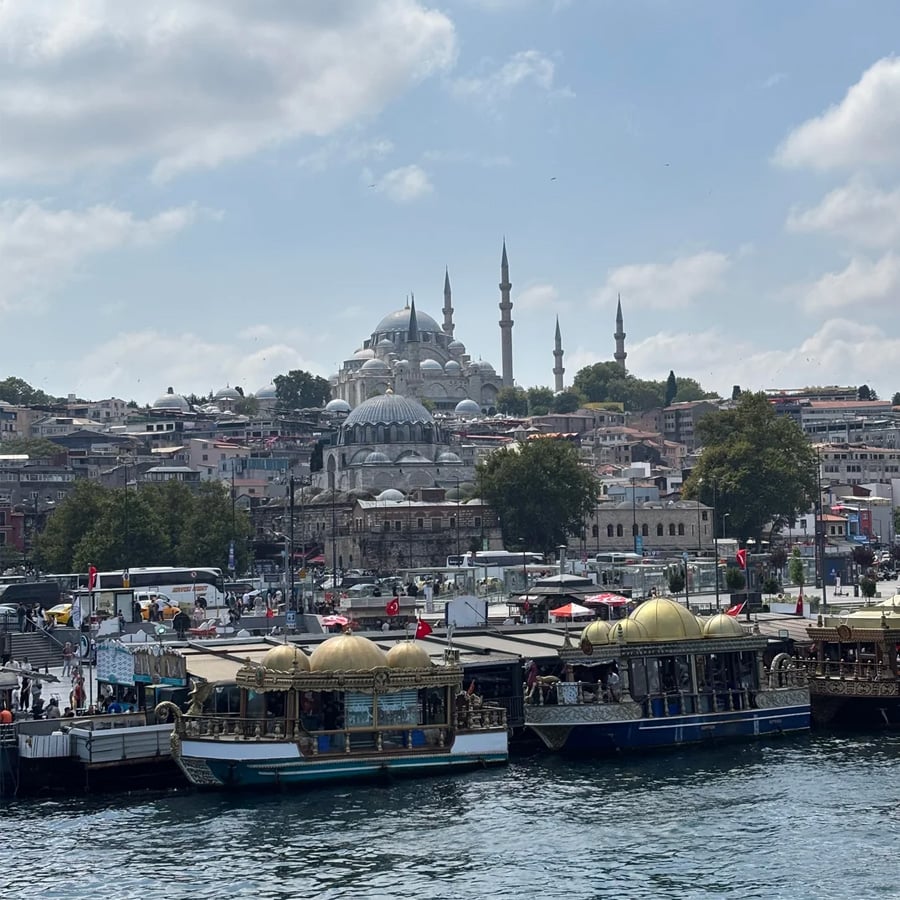
Istanbul’s changing economy means prices can fluctuate considerably, particularly in tourist districts. Still, local bakeries, ferries, public transportation, street food, and neighborhood restaurants can offer strong value compared with many other major international cities.
13. Siem Reap, Cambodia

Siem Reap is best known as the base for visiting Angkor Wat, but daily expenses outside the famous temple complex can be quite low. Local meals, tuk-tuk rides, massages, and accommodations are available at prices that make longer stays relatively accessible to budget-conscious travelers.
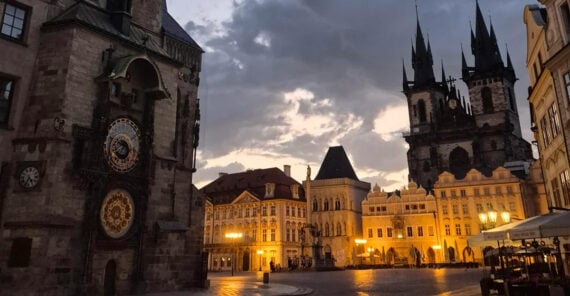
14. Prague, Czech Republic
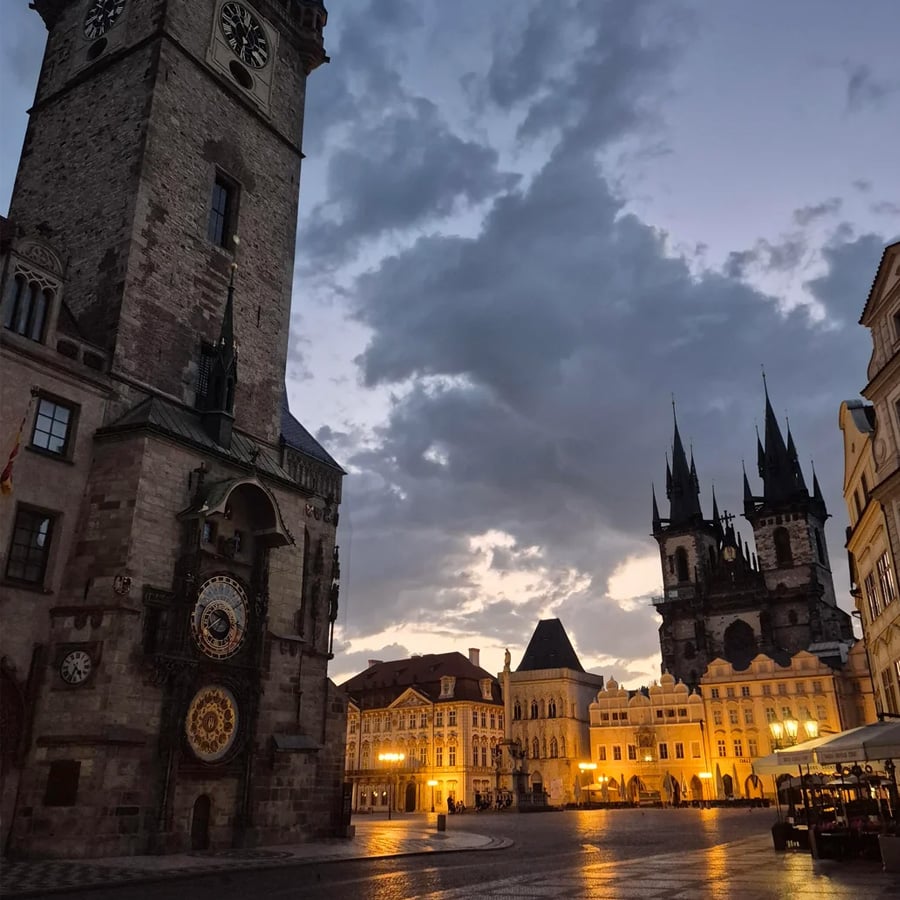
Prague is no longer the bargain destination it once was, especially around Old Town, but careful travelers can still find good value. Public transportation is affordable, and restaurants and cafés away from the most heavily visited streets can cost noticeably less than comparable establishments in many Western European capitals.
15. Kuala Lumpur, Malaysia
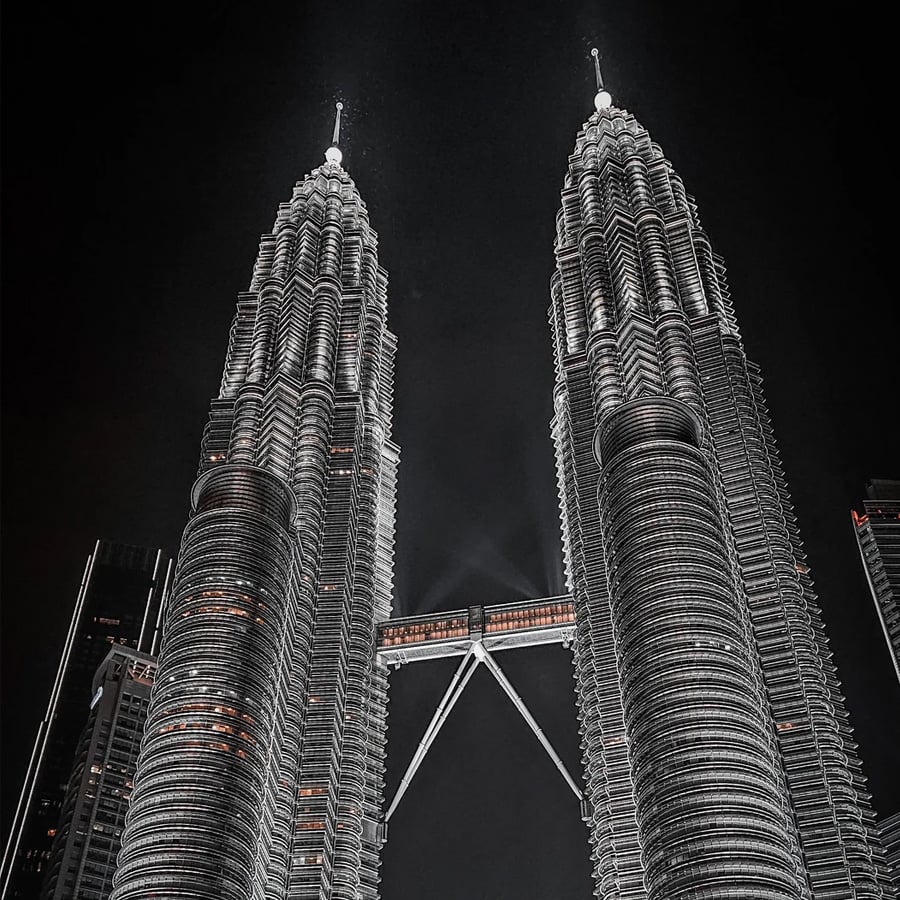
Kuala Lumpur delivers the amenities of a modern international city while keeping many everyday expenses surprisingly manageable. Food courts and street-food areas offer inexpensive meals, public transportation is affordable, and travelers can often find comfortable accommodations for considerably less than in other major Asian cities.
More Related Notes
• 18 Cities Where a $100,000 Salary Still Goes a Long Way.
Explore cities where everyday expenses remain relatively manageable, allowing residents to get significantly more value from their income.
• 16 States Where Retirees Can Make Their Savings Last Much Longer.
Discover affordable places where lower housing, taxes, and everyday expenses can help savings stretch further over time.
• 10 Rural Towns Experiencing Surprising Economic Revivals.
Take a look at smaller destinations experiencing renewed growth while maintaining the lower everyday costs that can make less expensive locations increasingly attractive.