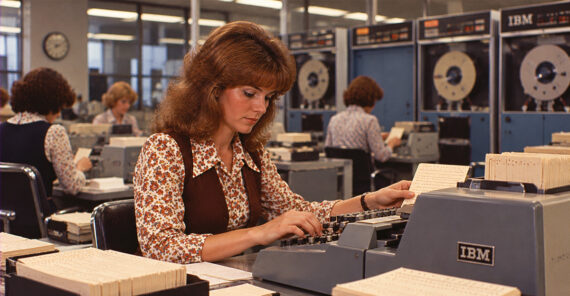

Technology is no longer something that simply supports work it actively shapes how, where, and why we work. From automation to remote collaboration, the workplace is evolving faster than ever. Understanding these changes isn’t just useful it’s essential to stay relevant, adaptable, and competitive in today’s environment.
1. Artificial Intelligence in Daily Tasks

AI tools are now handling repetitive and time-consuming tasks like data analysis, content generation, and customer service. This allows professionals to focus more on strategic and creative work, increasing overall productivity.
2. Remote Work as the New Standard
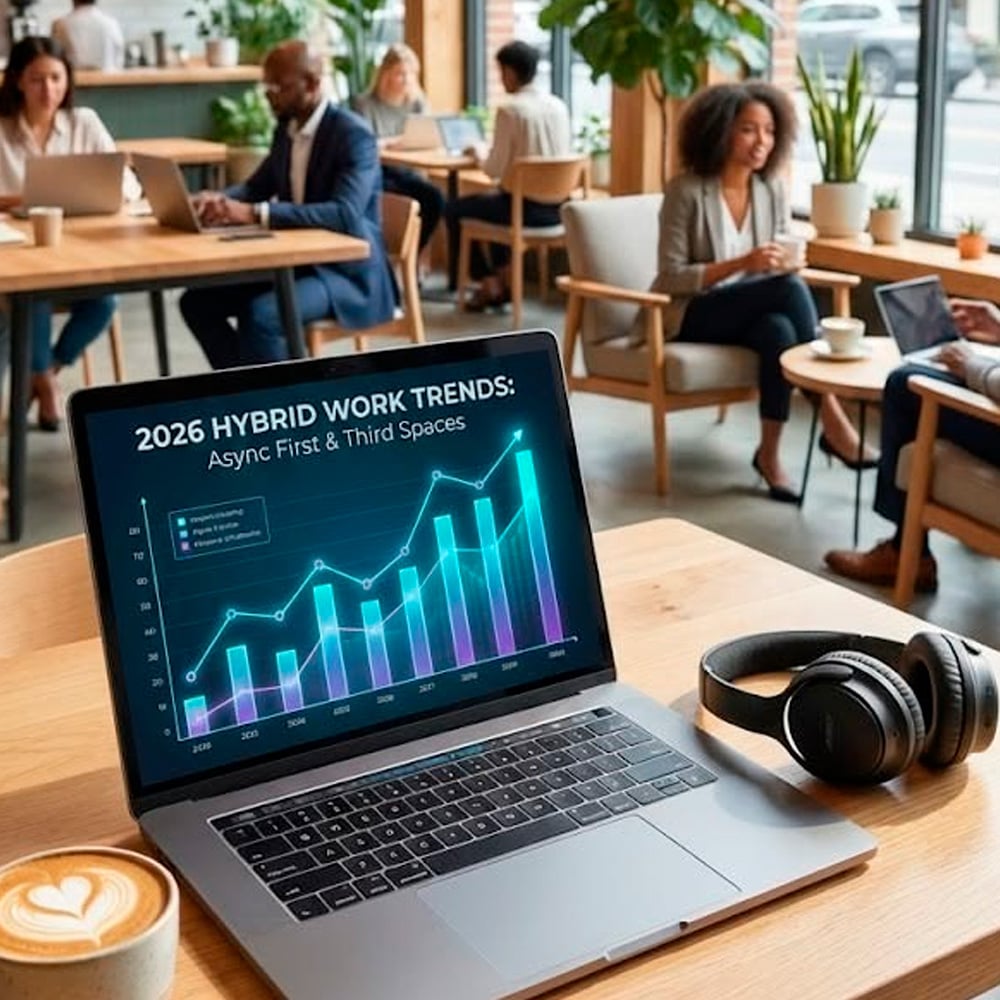
What started as a temporary solution has become a long-term shift. Companies are embracing remote and hybrid models, giving employees more flexibility while expanding access to global talent.
3. Automation of Routine Processes

From scheduling to invoicing, automation tools are reducing manual work across industries. This not only saves time but also minimizes human error and improves efficiency.
4. Rise of Digital Collaboration Tools
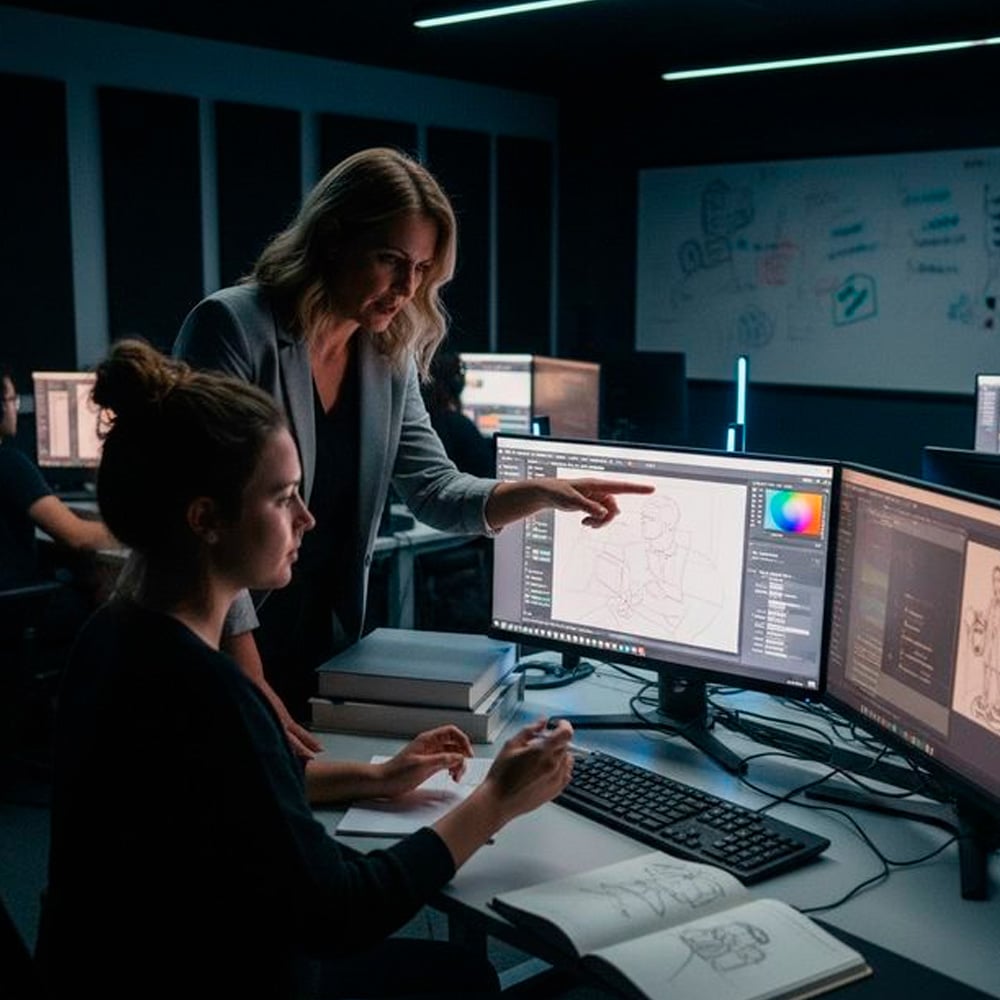
Platforms for communication and project management have transformed teamwork. Teams can now collaborate in real time, regardless of location, making workflows faster and more transparent.
5. Data-Driven Decision Making

Businesses are relying more on data than intuition. Analytics tools help teams make informed decisions, predict trends, and measure performance with greater accuracy.
Trending on Wealth Gang


6. Cloud-Based Work Environments

Cloud technology allows access to files, systems, and tools from anywhere. This has made work more flexible and secure, while also enabling seamless collaboration.
7. Gig Economy and Freelance Growth

More professionals are choosing freelance or project-based work. Companies are also hiring specialized talent on demand, creating a more dynamic and flexible workforce.
8. Cybersecurity as a Priority

As digital work expands, so do security risks. Businesses are investing more in protecting data, training employees, and implementing stronger cybersecurity measures.
Sign up for our newsletter
9. Continuous Learning and Upskilling

Technology evolves quickly, and so must workers. Learning new digital skills has become a constant requirement rather than a one-time effort.
10. Integration of Smart Tools and Platforms
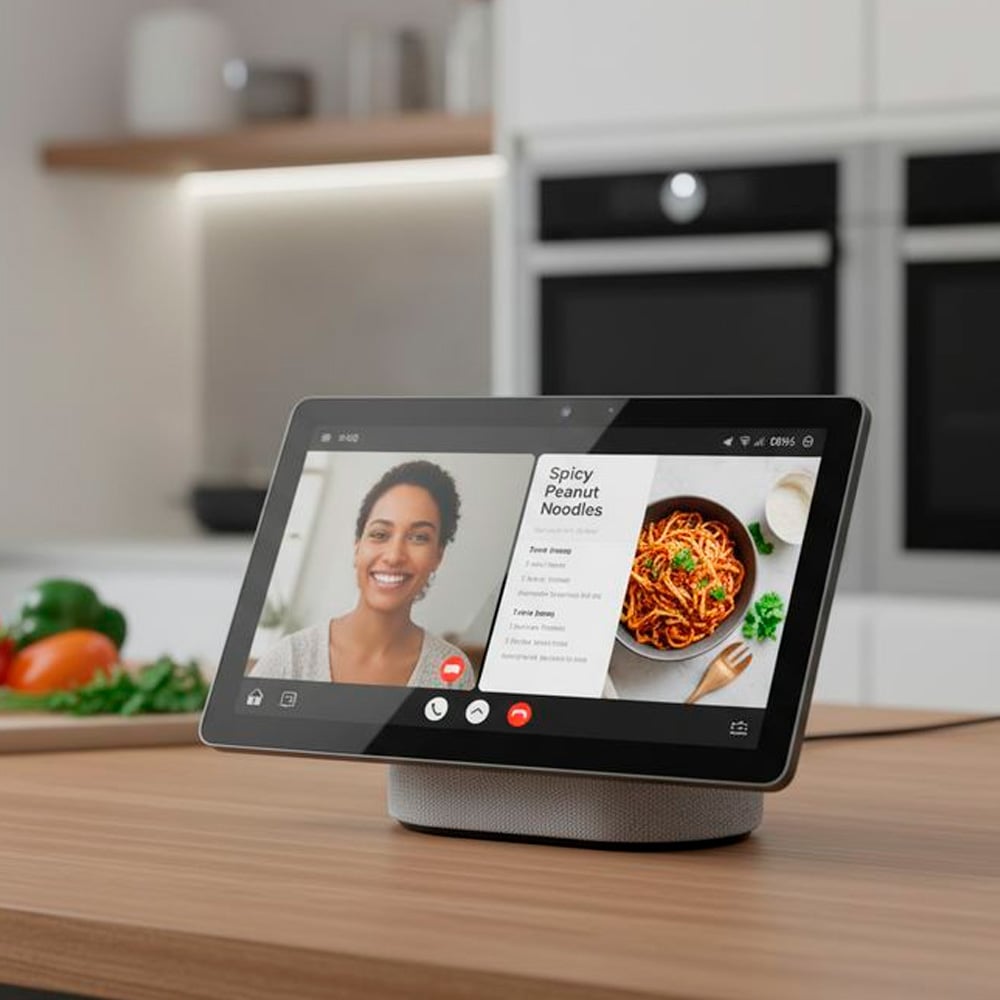
Work tools are becoming more interconnected. CRMs, marketing platforms, and analytics systems now integrate seamlessly, creating more efficient and unified workflows.
More Related Notes
10 Daily Decisions AI Has Quietly Started to Automate
A closer look at how automation is already shaping everyday choices, complementing broader workplace transformations.
15 Professions That Are at Risk Due to AI
This article explores how technological disruption is impacting careers, reinforcing the urgency of adapting to new work realities.
11 Digital Skills Worth Learning Today
A practical guide to the skills needed to stay relevant as technology continues to redefine how we work.