New York City has been photographed, filmed, and written about more than almost any place on Earth, yet it still manages to surprise even the people who think they know it best. Beneath the postcard images of Times Square and the Statue of Liberty lies a city built on strange laws, forgotten history, and pecularities of geography that most visitors and even lifelong residents, never learn. From subterranean rivers to a hidden apartment inside the Metropolitan Museum, the five boroughs hold stories stranger than fiction.
What makes these facts so fun is how they reveal the layers of a city that’s constantly reinventing itself while never erasing its past. New York wears its history right on the surface if you know where to look. Here are 12 facts that prove the city still has plenty of secrets left to tell.
1. Manhattan Was Almost Called New Orange
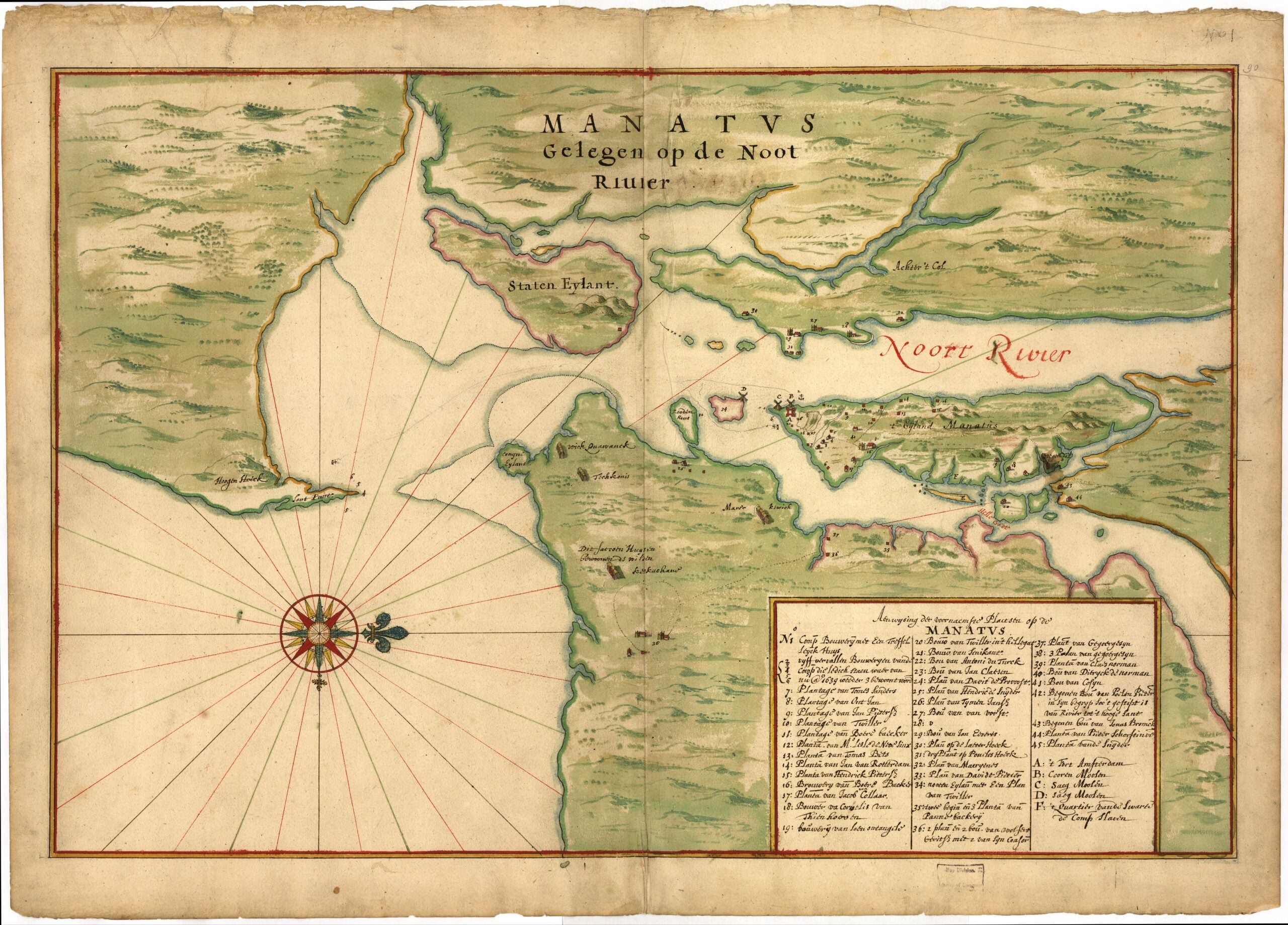
Before it was New York, the Dutch colony of New Amsterdam briefly became “New Orange” in 1673 when the Dutch recaptured it from the British. The name honored William of Orange, but it didn’t stick for long. Just a year later, the territory was traded back to the English as part of a peace treaty, and the name New York returned for good.
2. Hidden Apartment Inside the Met
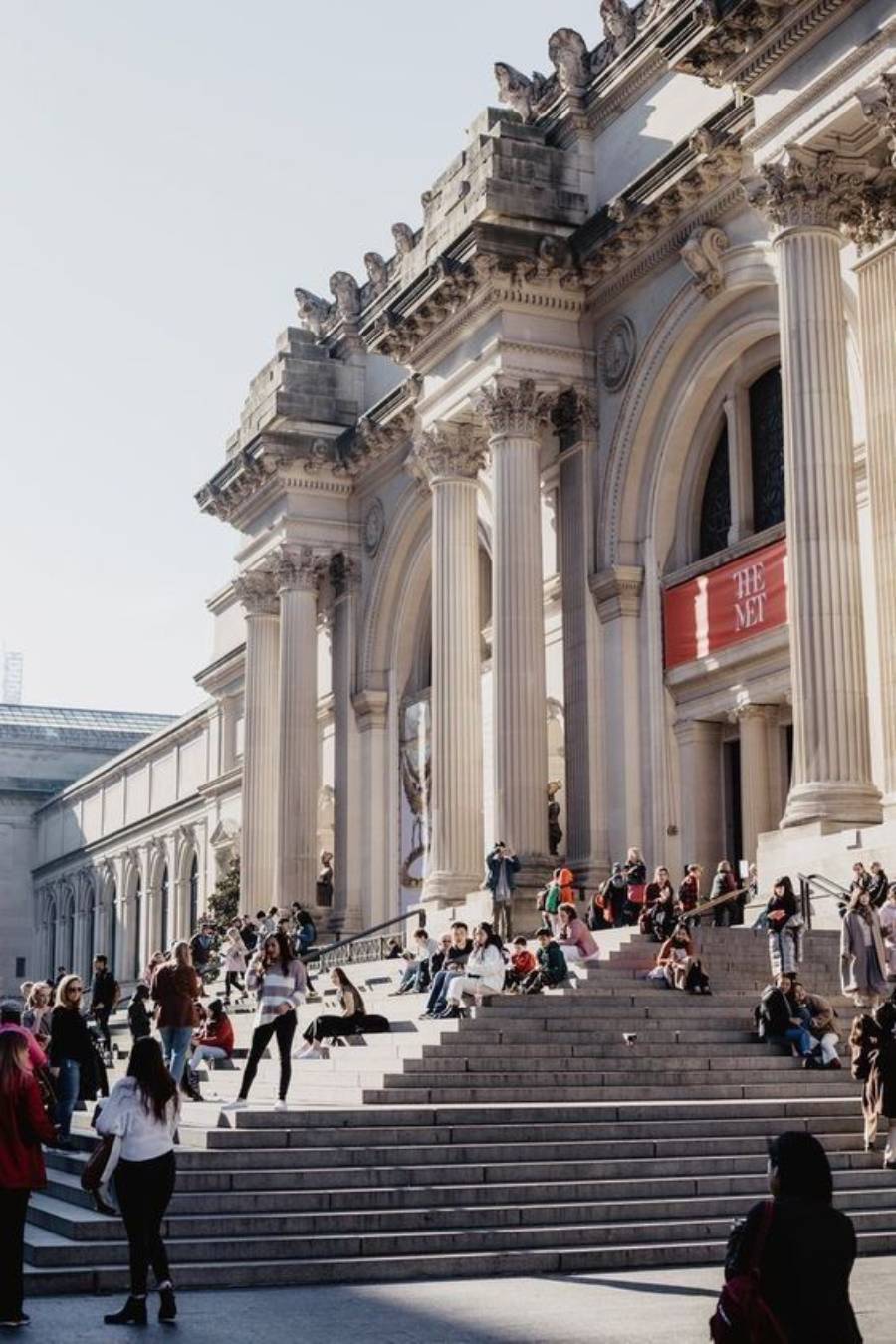
The Metropolitan Museum of Art once had a real apartment inside its walls, built for the museum’s vice director and chief curator in the early 1900s. Complete with a kitchen, bedrooms, and views of Central Park, it served as an actual residence for decades before eventually being converted into office and storage space.
3. New York City Was the U.S. Capital
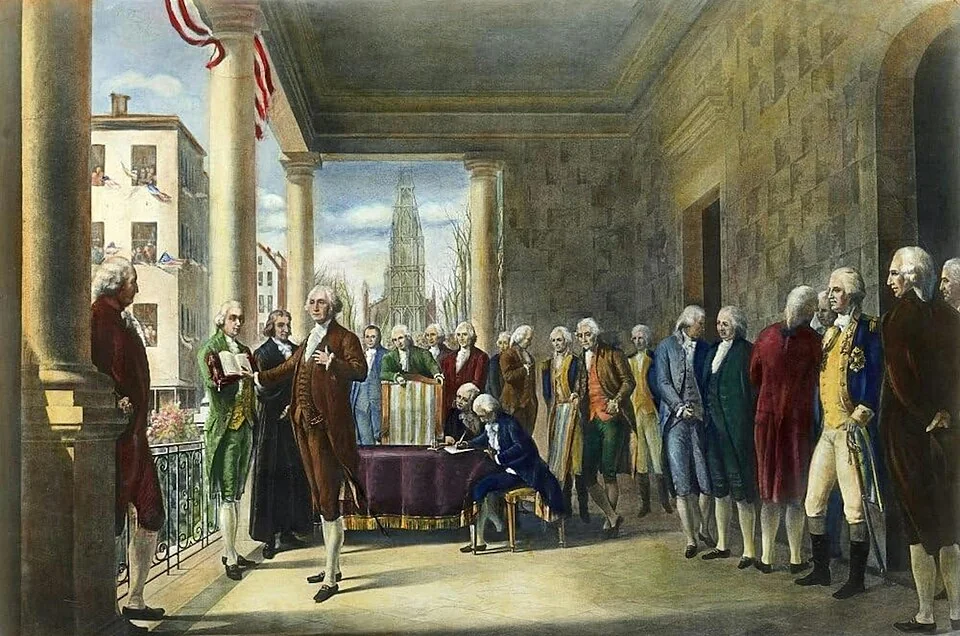
Before Washington, D.C. existed, New York City served as the first capital of the United States under the new Constitution. George Washington was inaugurated on the balcony of Federal Hall on Wall Street in 1789, and the city hosted Congress for about a year afterward. The role shifted to Philadelphia and eventually to DC in 1800, but Wall Street’s Federal Hall still marks the spot where the presidency itself began.
4. There’s a Buried River Under Canal Street
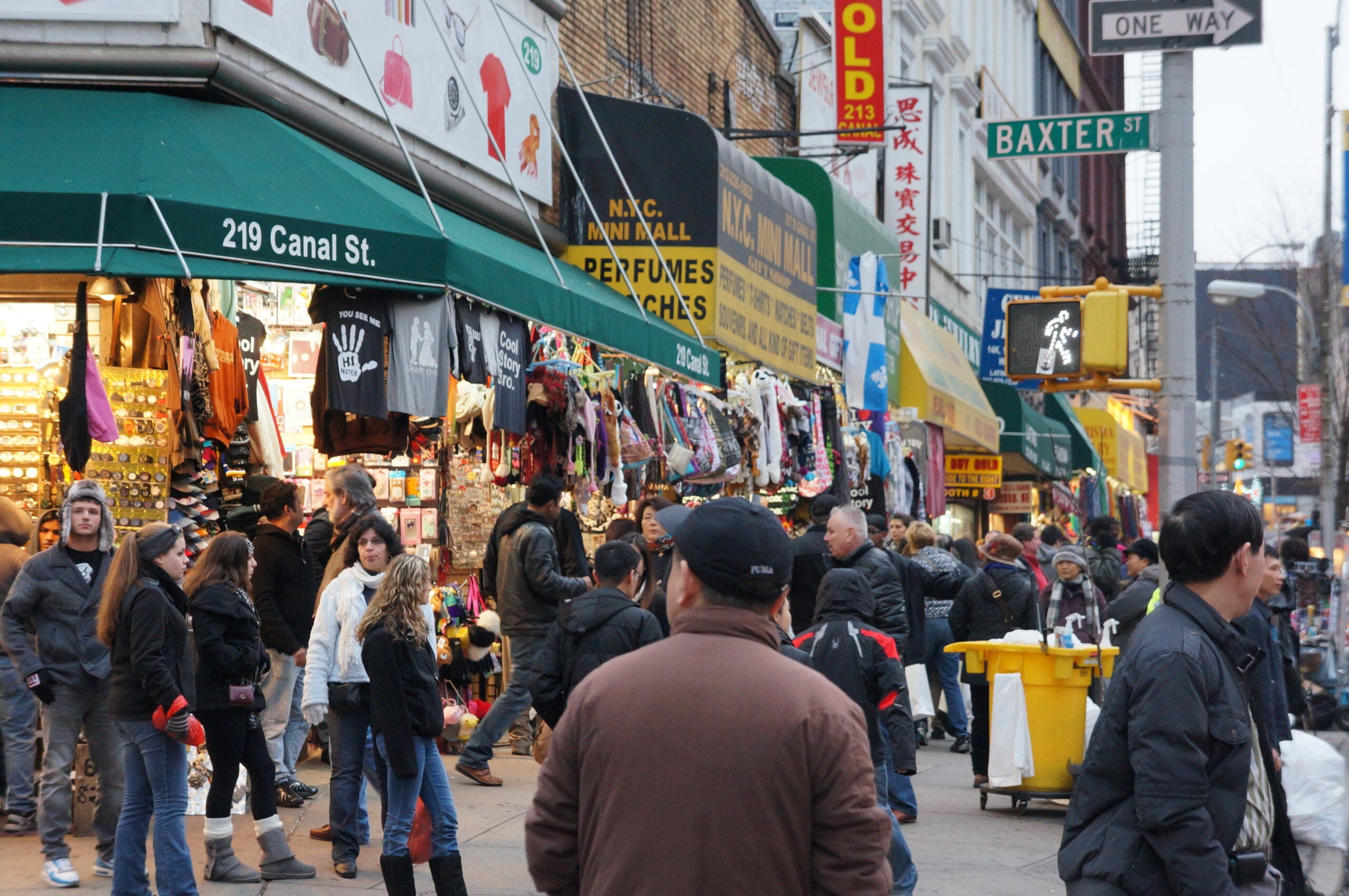
Canal Street gets its name honestly. It used to be an actual canal built in the early 1800s to drain the polluted Collect Pond, a former freshwater lake that had become a dumping ground for the city’s tanneries and slaughterhouses. When the canal was eventually filled in and paved over, the street kept the name, a permanent reminder of the waterway that once ran.
5. Grand Central Has a Secret Train Platform
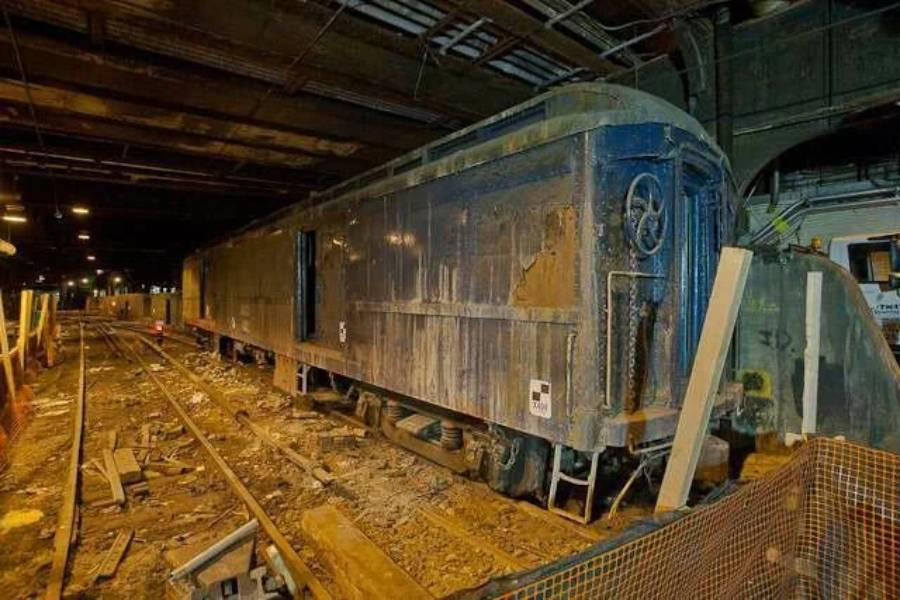
Beneath Grand Central Terminal sits a hidden platform, Track 61, rumored to have been used by Franklin D. Roosevelt so he could arrive in an armored train car without revealing his paralysis to the public. The platform connected directly to the Waldorf Astoria hotel above. Whether or not every detail of the legend is true, the track is real, sealed away from the millions of commuters passing through the terminal every year.
Trending on Wealth Gang


6. The City’s Street Grid Was a 19th-Century Master Plan
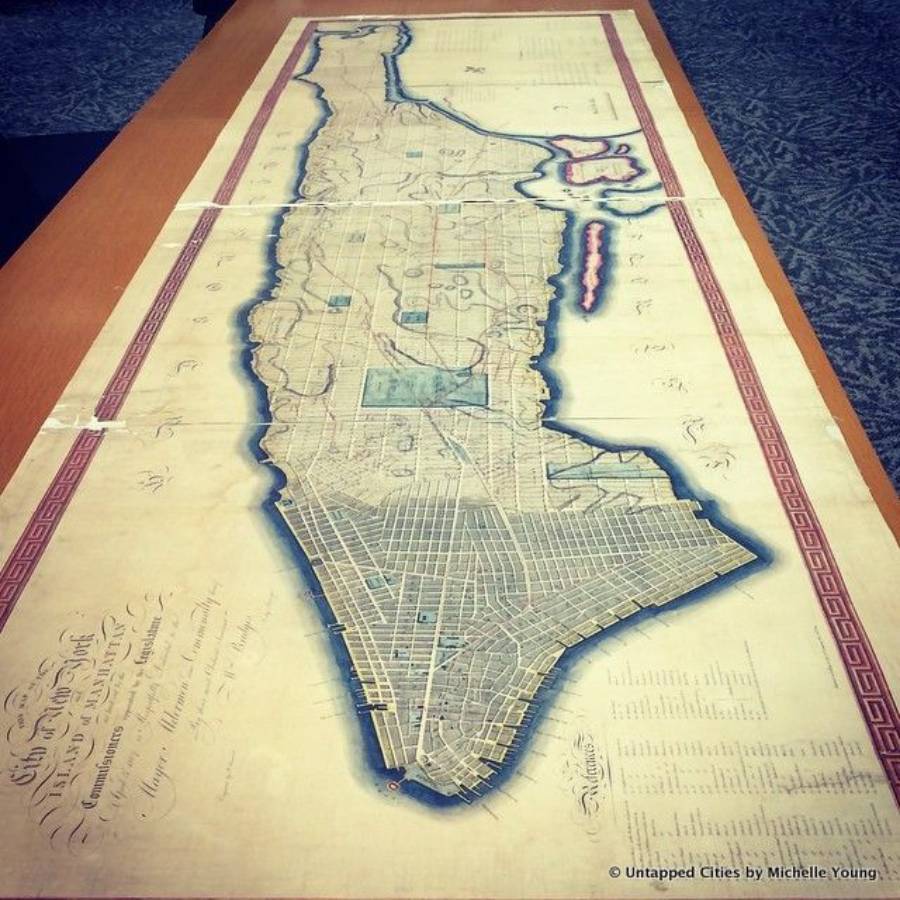
Manhattan’s famous grid of numbered streets and avenues wasn’t a natural development. It was imposed all at once by the Commissioners’ Plan of 1811, which laid out a rigid grid over what was mostly farmland and forest north of Houston Street. The plan was controversial at the time for ignoring the borough’s hills and streams, but it’s the reason Manhattan is so easy to navigate.
7. The Statue of Liberty Wasn’t Always Green
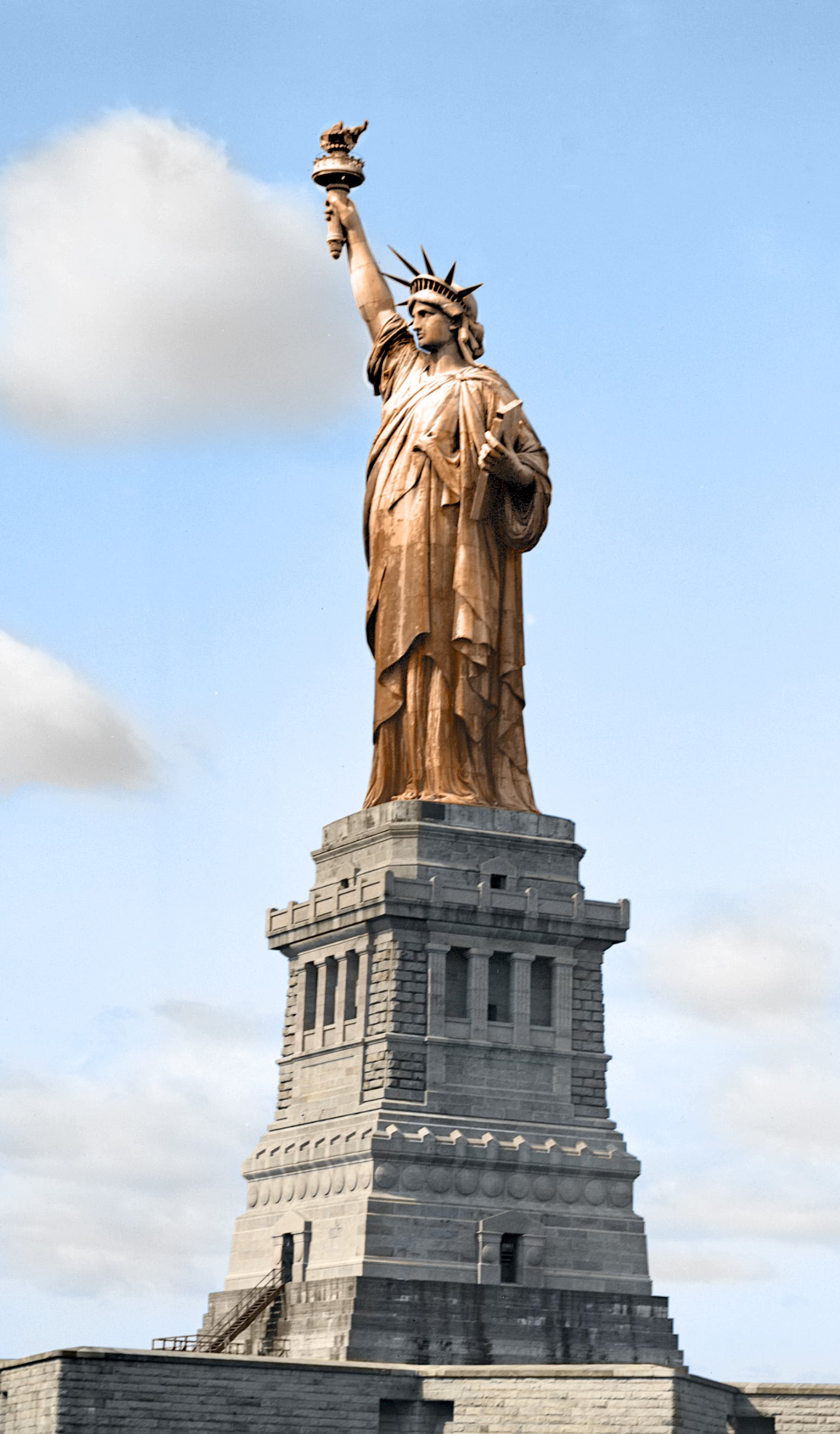
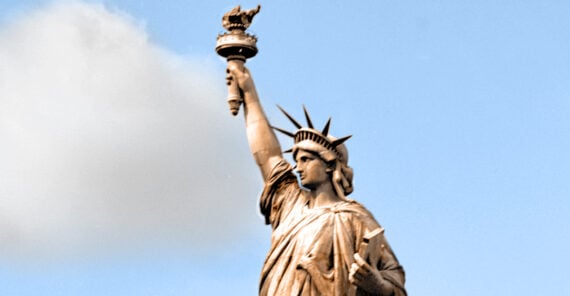
When the Statue of Liberty first arrived from France in 1885, its surface was a shiny brown, closer to a new penny than the green color it’s known for today. Over the following decades, natural oxidation slowly turned the copper skin the familiar patina color, a process that was complete by around 1920. Some officials at the time actually considered painting the statue to preserve its original bronze look.
8. Central Park Is Man-Made
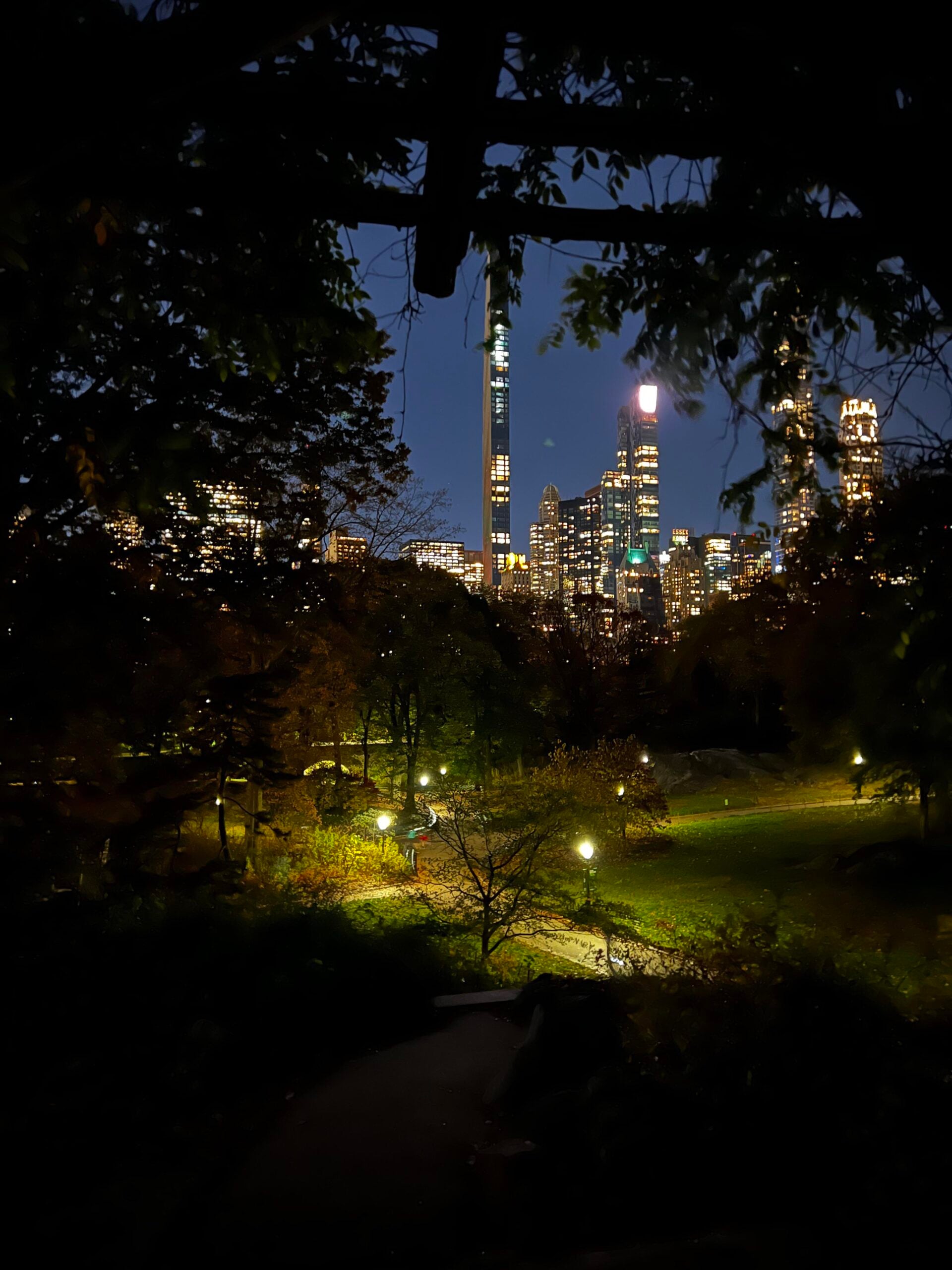
Central Park is a completely artificial landscape, designed by Frederick Law Olmsted and Calvin Vaux in the mid-1800s. Its lakes and hills were engineered and constructed, and the project required moving more earth than was moved to build the Suez Canal. Before construction, the land was home to a working-class community called Seneca Village, which was displaced.
Sign up for our newsletter
9. The City Has Its Own Official Muffin
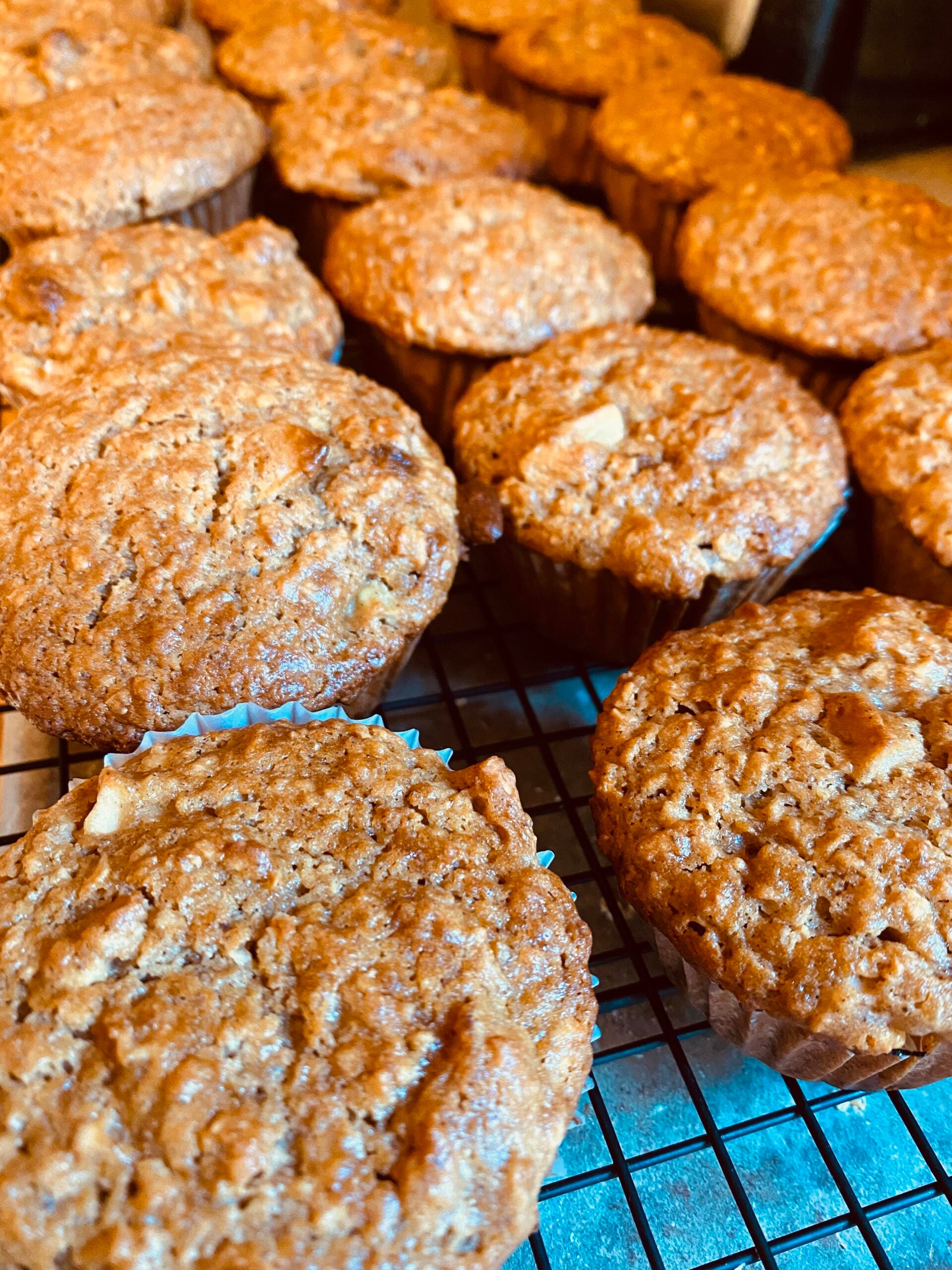
New York State designated the apple muffin as its official state muffin in 1987, a small but real piece that surprises most residents. The choice ties into New York’s long agricultural history as a major apple-growing state.
10. The Empire State Building Has Its Own Zip Code
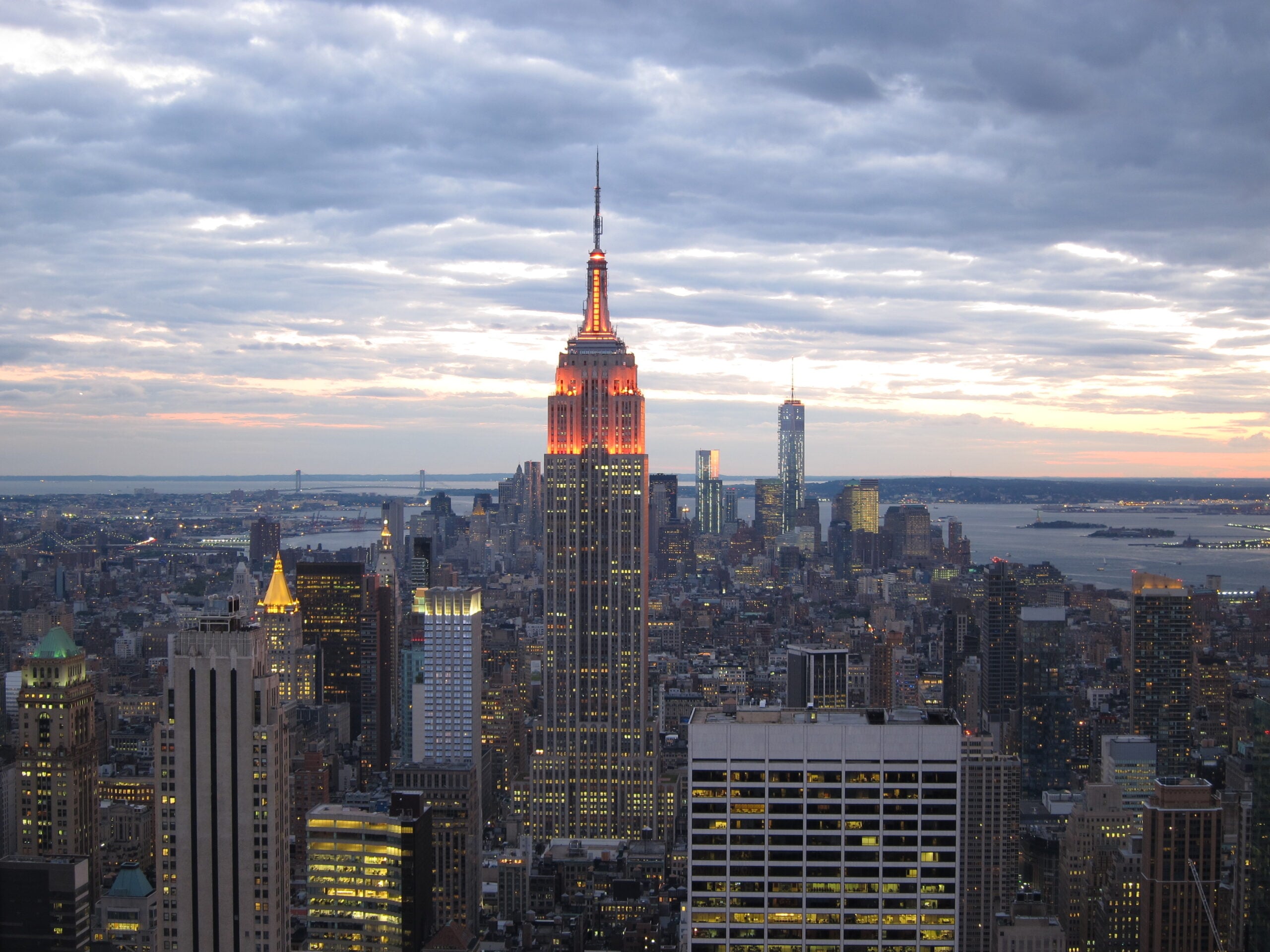
The Empire State Building is so large and receives so much mail that it has its own dedicated zip code, 10118, separate from the surrounding neighborhood. It’s one of the individual buildings in the country with that distinction.
11. There’s a Tiny Alley Where Aaron Burr Once Lived
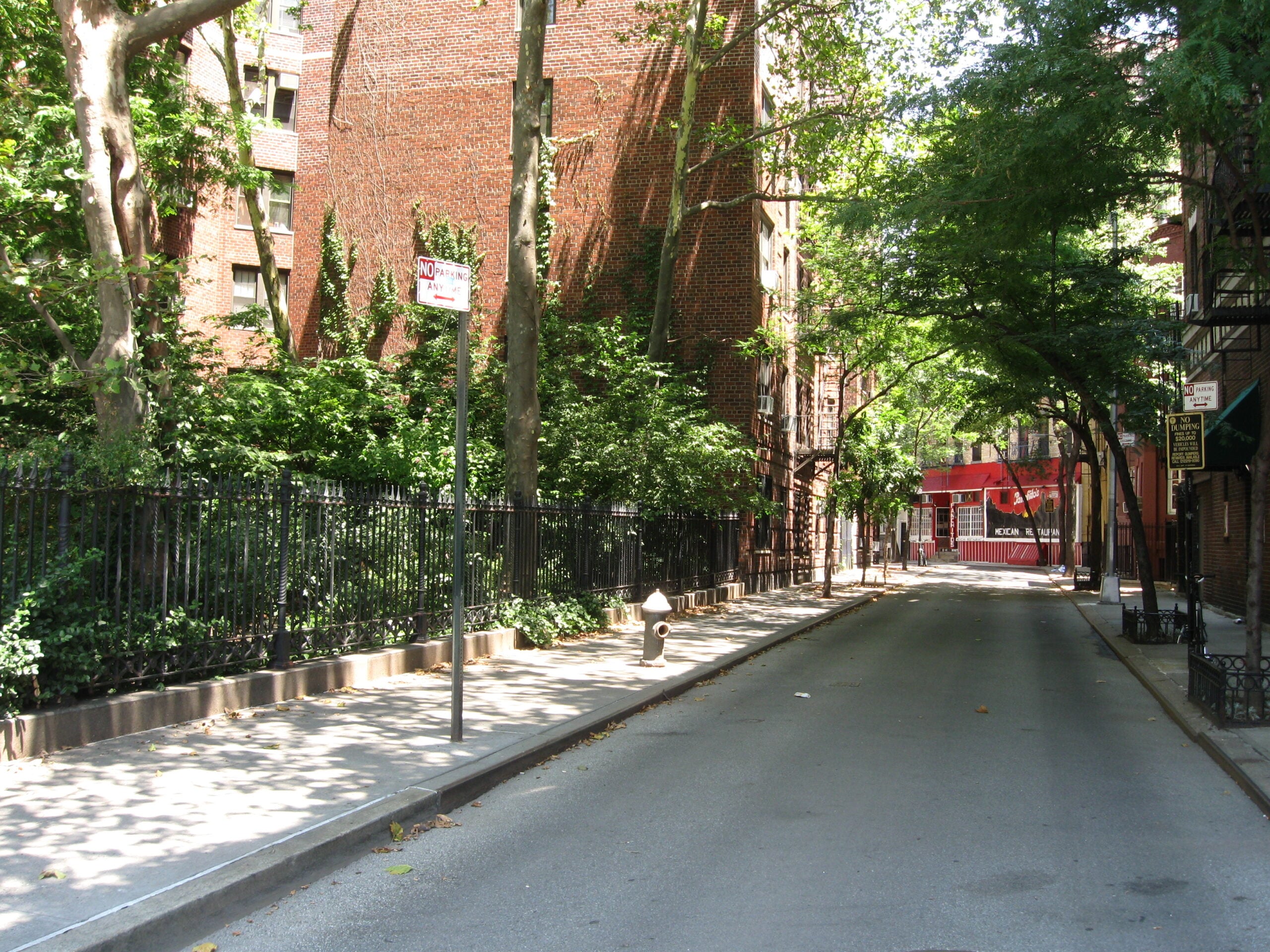
Minetta Lane in Greenwich Village follows the exact path of a stream called Minetta Creek that once ran through the area and is rumored to still flow underground beneath it. Aaron Burr, the country’s third vice president, owned property in the area.
12. The New York Public Library’s Lions Have Names
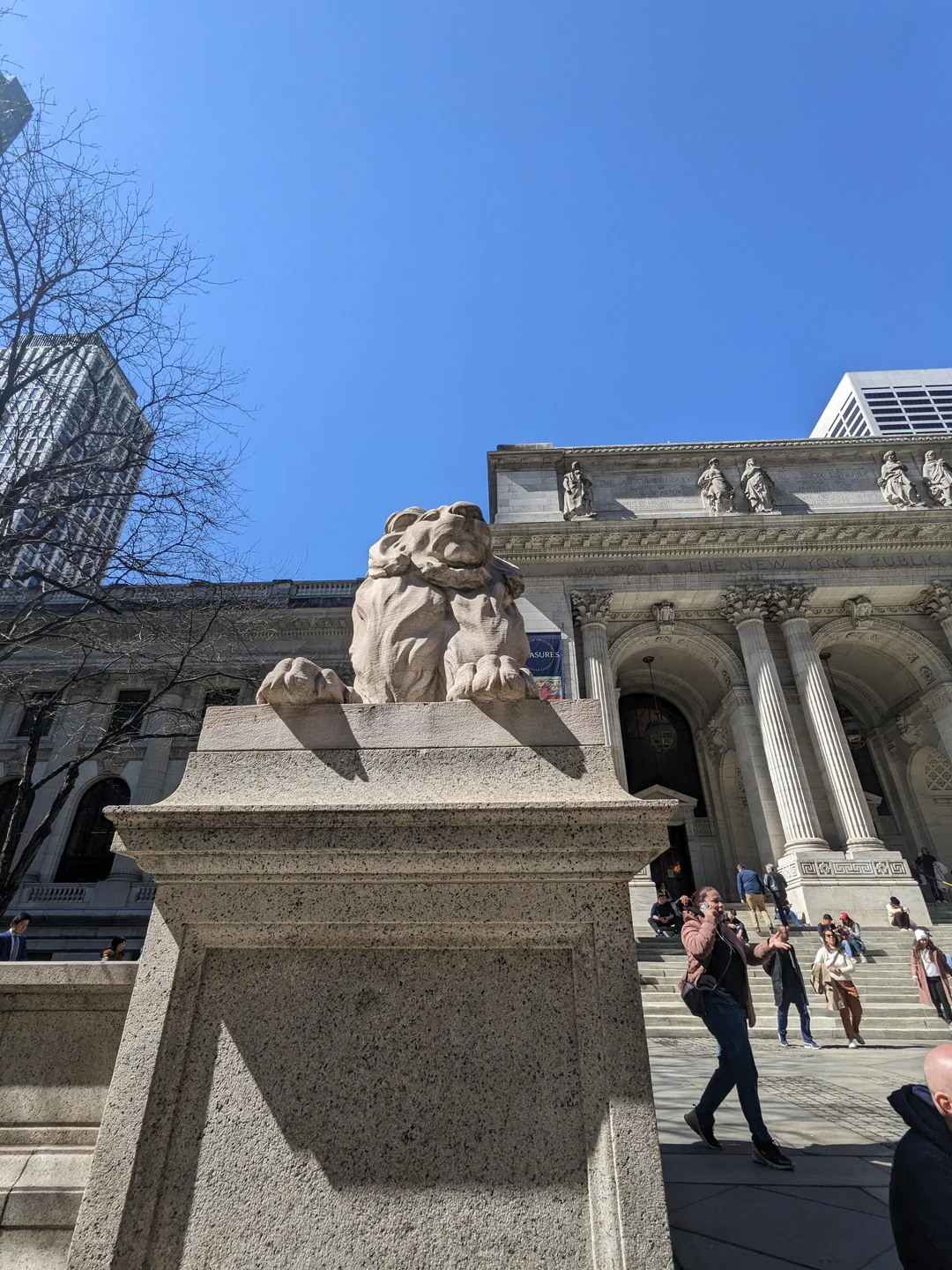
The two marble lions guarding the entrance to the main branch on Fifth Avenue are named Patience and Fortitude, nicknamed by Mayor Fiorello La Guardia during the Great Depression as a reminder of the qualities New Yorkers needed to get through hard times. They’ve stood there since 1911 and have been dressed up in hats and even face masks over the decades depending on the moment.
Want more fun facts?
Check out 20 Secrets of ’80s Child Stars You’ve Never Heard Before for a nostalgic look at the hidden lives behind your favorite childhood screen icons. Then head over to 10 Disney Parks Fun Facts You Didn’t Know to uncover the secrets behind the magic of the most beloved theme parks on Earth. And if you’re ready to look beyond our planet, 19 Strange Facts About the Moon That Sound Fake (But Aren’t) will change the way you look at the night sky for good.