Everyday things that once seemed impossible to live without have quietly disappeared as technology transformed nearly every aspect of daily life. Many of these objects were used countless times a day, becoming such familiar parts of routines that few people imagined they would ever become obsolete.
Today, smartphones, cloud storage, streaming services, and digital apps have replaced countless physical items. Looking back at these everyday essentials offers a reminder of just how quickly technology has changed the way we communicate, work, travel, and entertain ourselves.
1. Paper Road Maps
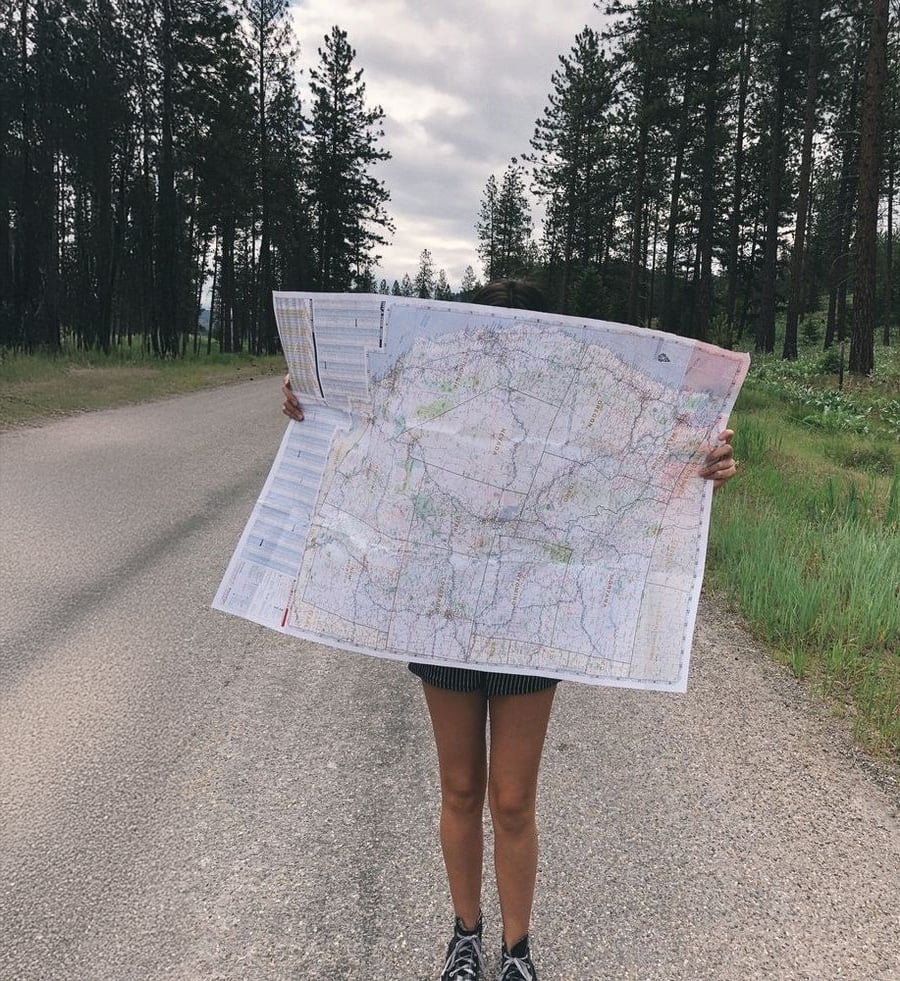
Before GPS navigation became standard, drivers relied on large folded road maps to plan trips and find their way. Long drives often included stopping to unfold maps at gas stations or roadside rest areas.
2. Phone Books
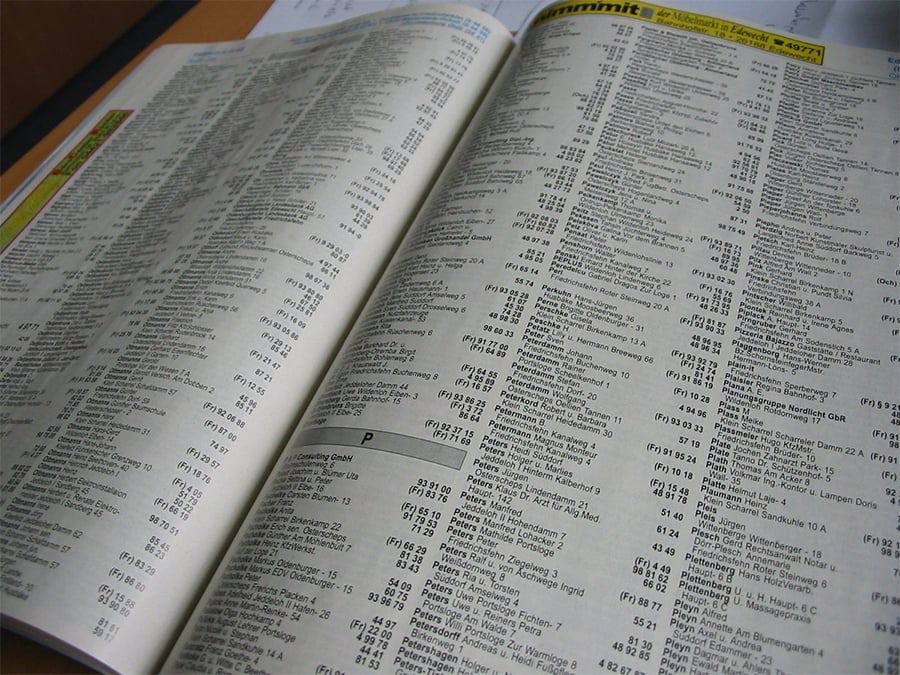
Finding someone’s phone number once meant flipping through thick printed directories delivered to nearly every home each year. Today, online searches have made them almost completely obsolete.
3. Film Cameras
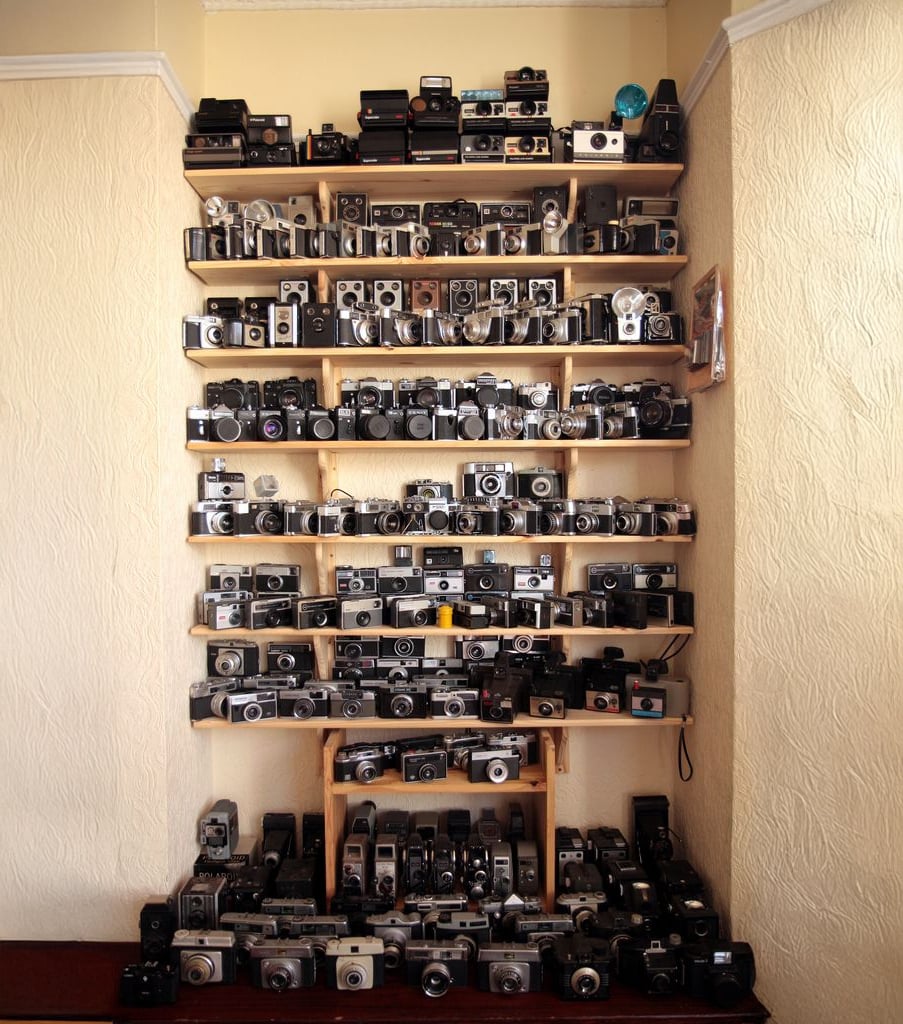
Every photograph counted when film was limited. People waited days or even weeks to develop pictures before seeing the results, making photography a much slower process.
4. Answering Machines
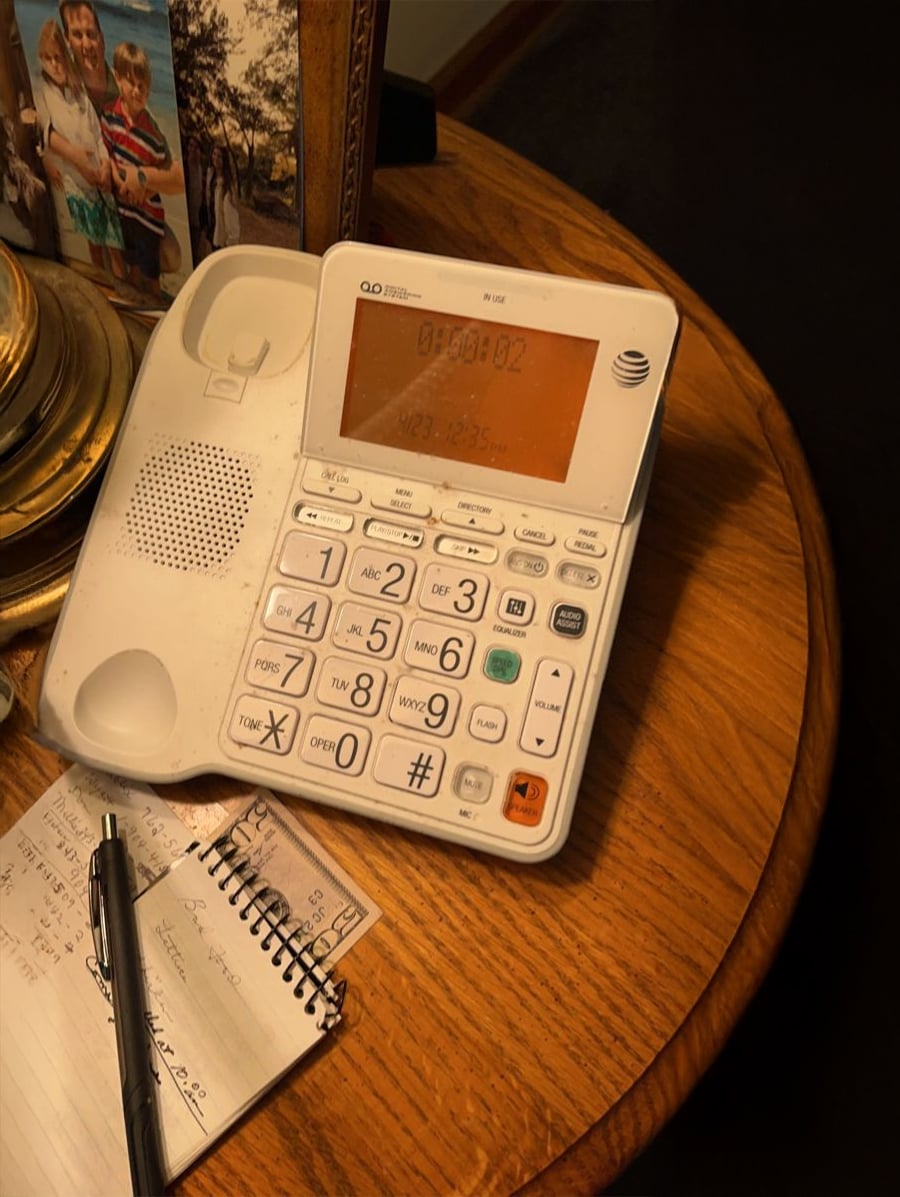
Before voicemail became part of every cellphone, answering machines recorded messages on cassette tapes whenever someone wasn’t home to answer the phone.
5. VHS Tapes
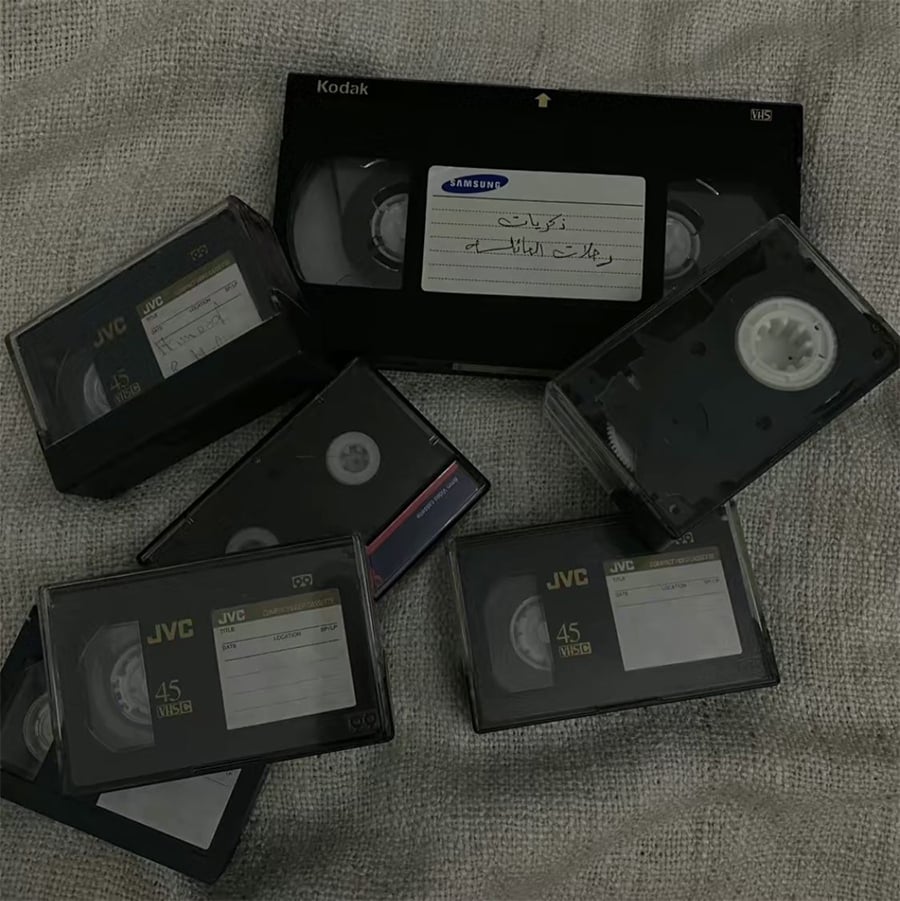
Watching a movie once meant renting a VHS tape from the local video store. Rewinding tapes before returning them became common courtesy for millions of families.
Trending on Wealth Gang


6. Cassette Tapes
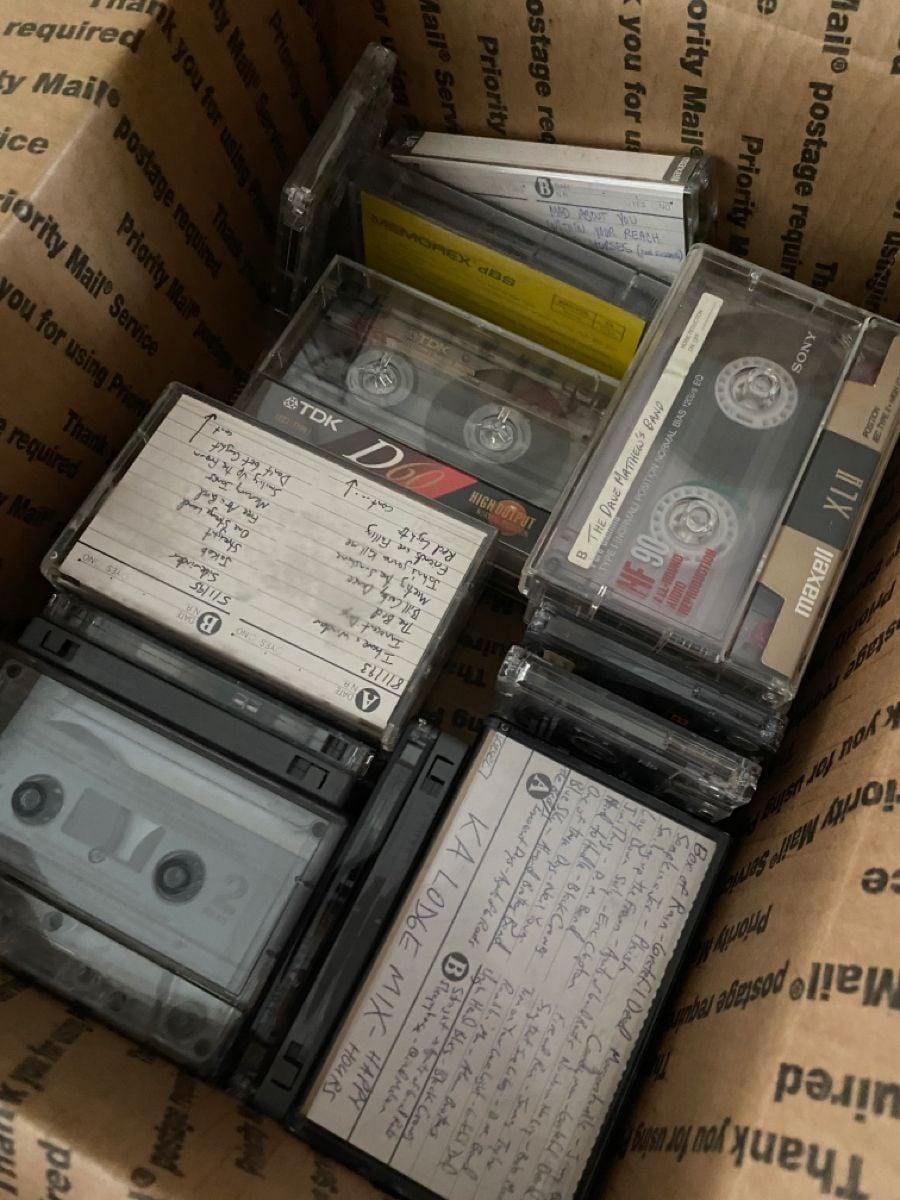
Portable cassette players allowed people to carry their favorite music anywhere. Many spent hours creating personalized mixtapes for friends and family.
7. Pagers
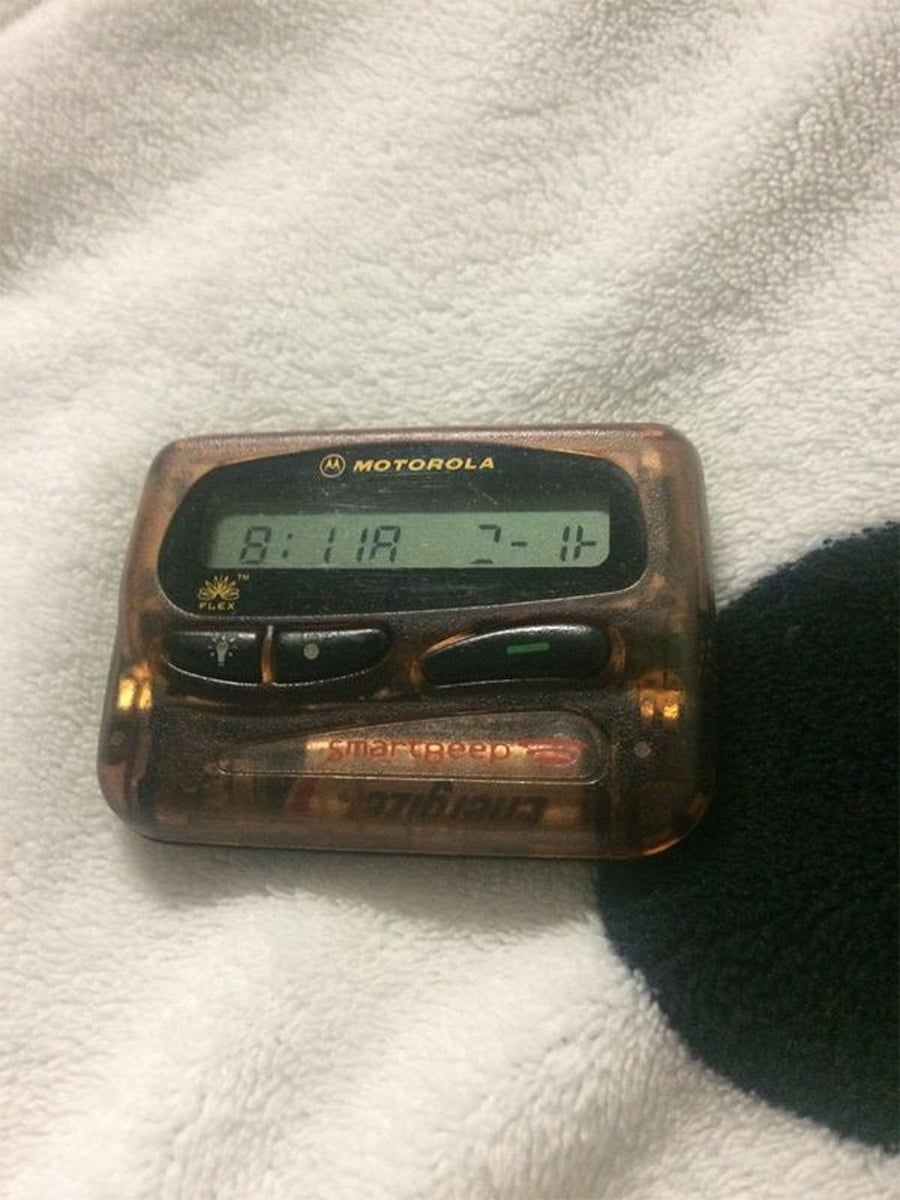
Doctors, business professionals, and emergency workers depended on pagers to receive important messages before mobile phones became widespread.
8. Pay Phones
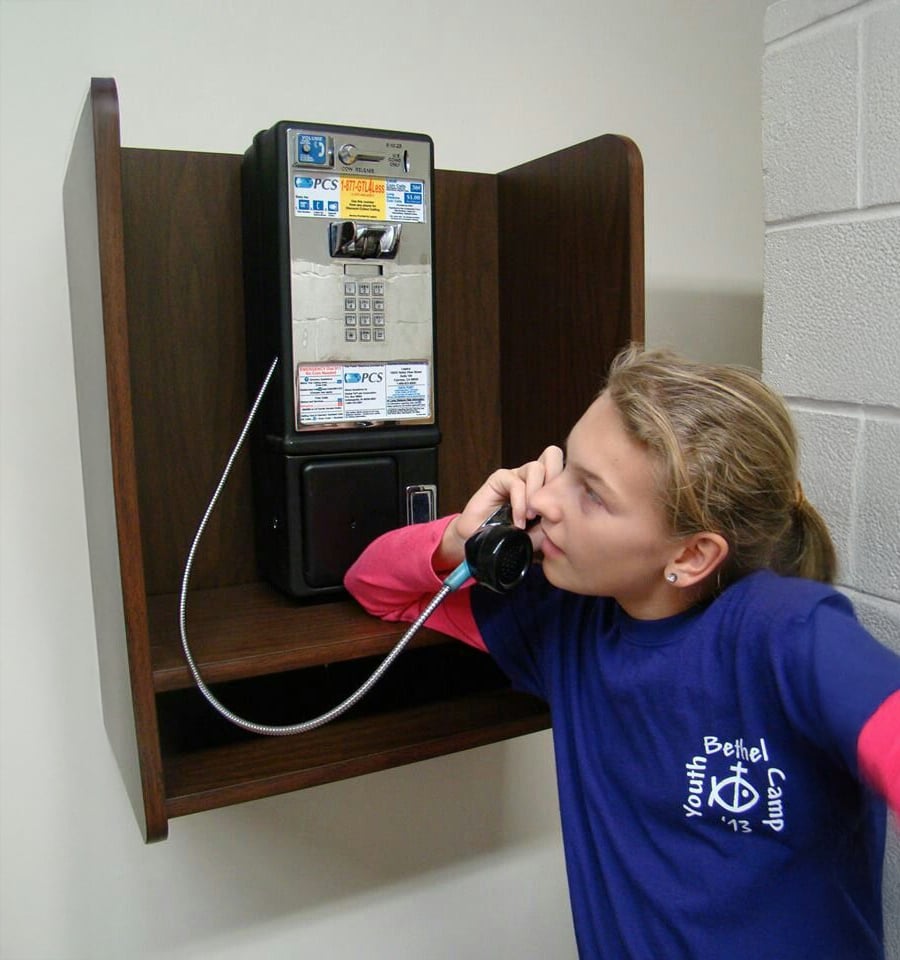
Public pay phones stood on nearly every busy street corner, allowing people to make calls while away from home using coins or calling cards.
Sign up for our newsletter
9. Printed Encyclopedias
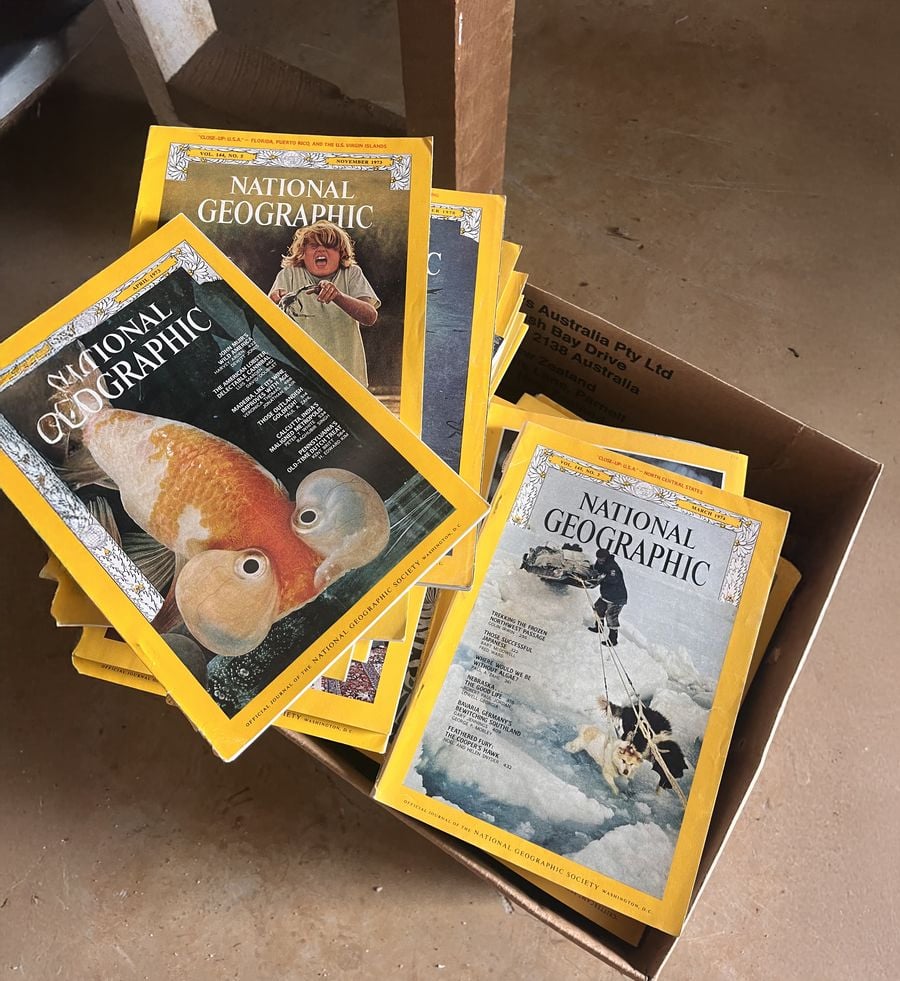
Before online research, students turned to multi-volume encyclopedia sets for homework and general knowledge. Many families proudly displayed them on bookshelves.
10. Fax Machines
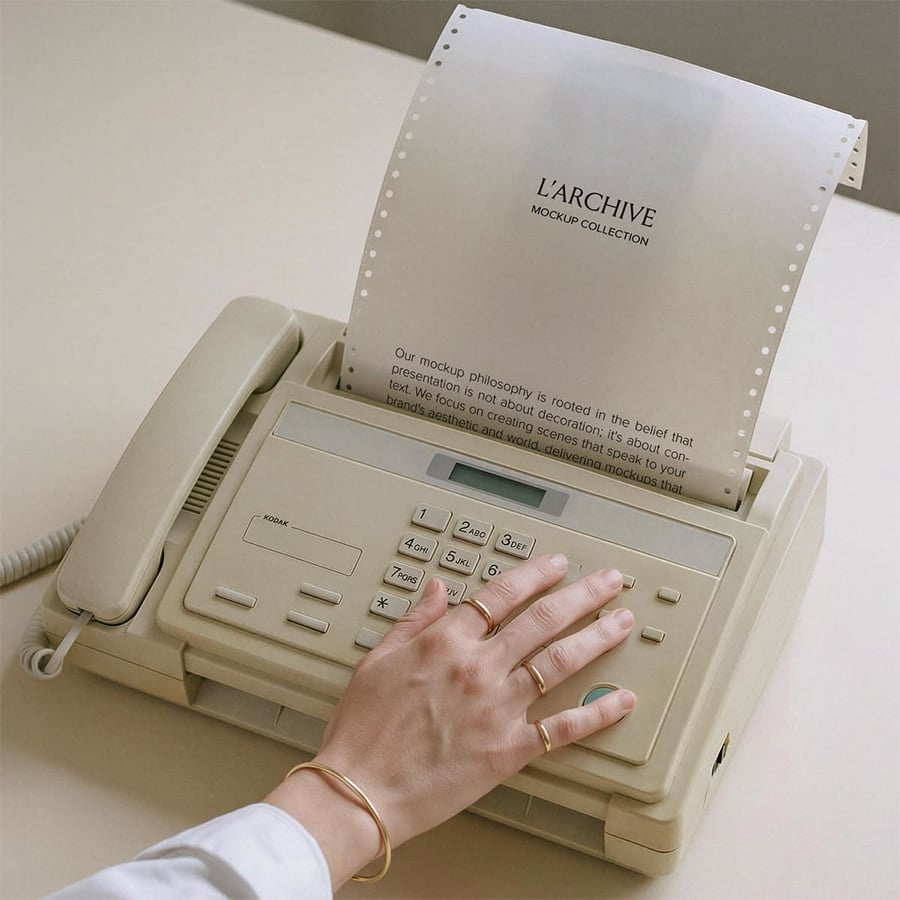
Businesses relied on fax machines to send signed documents almost instantly, a major improvement over traditional mail before email attachments became standard.
11. Pocket Calculators
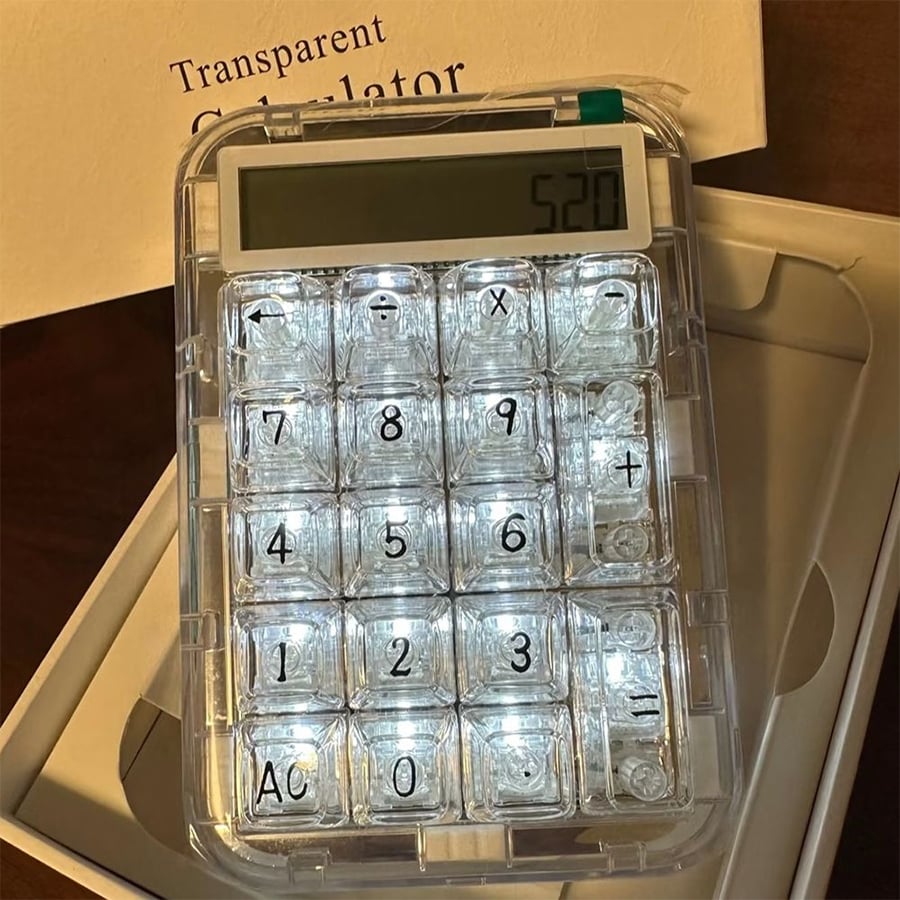
Although calculators still exist, most people now simply open the calculator app on their smartphones instead of carrying a separate device.
12. Rolodex Card Files
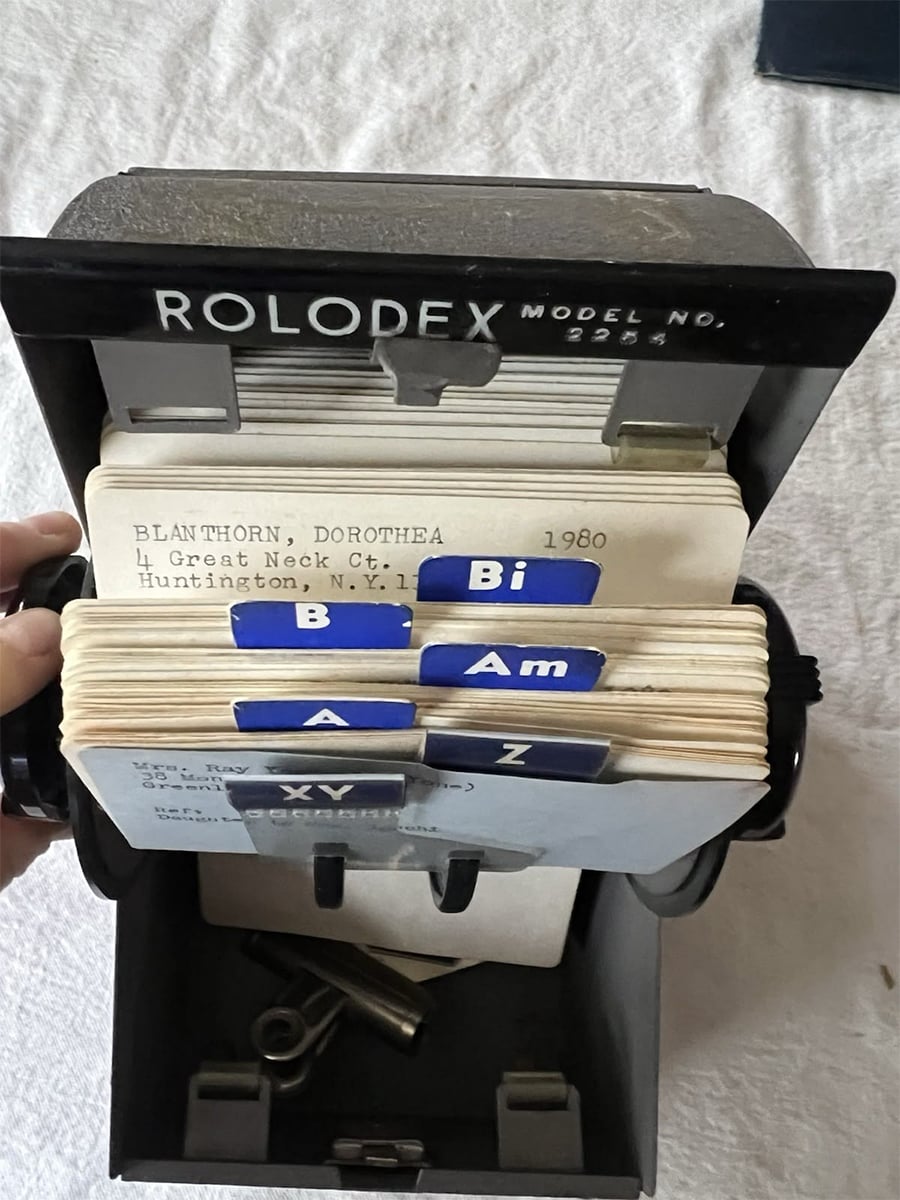
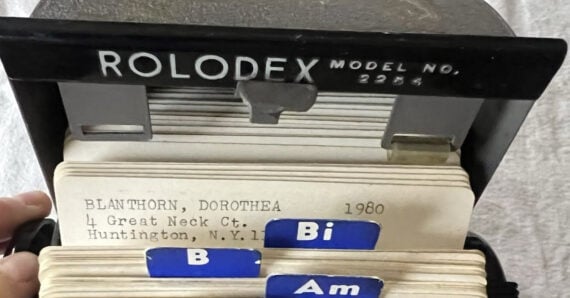
Professionals organized business contacts on rotating Rolodex cards for decades before digital contact lists replaced them.
13. Printed TV Guides
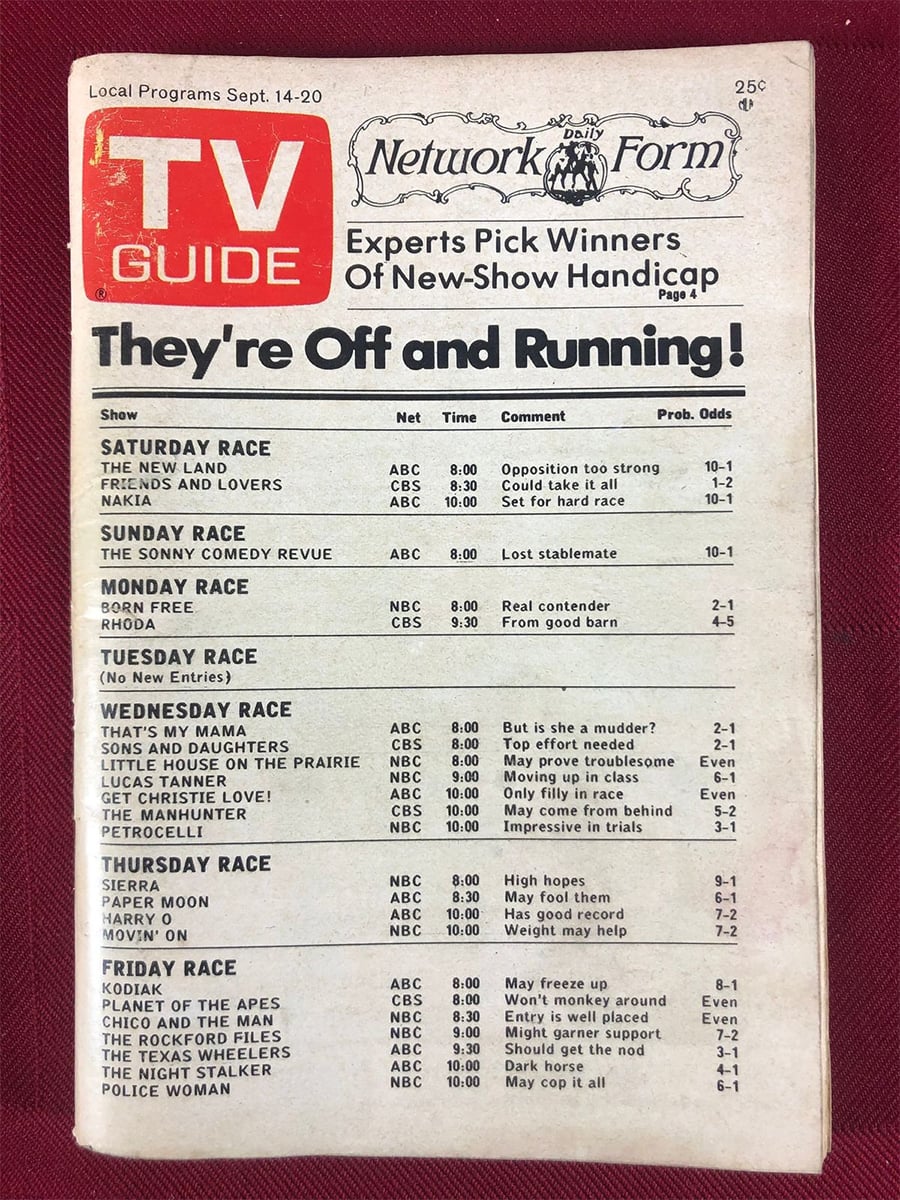
Families planned their evenings around printed television schedules found in newspapers or dedicated TV Guide magazines. Today, streaming platforms display everything instantly.
14. Disposable Cameras
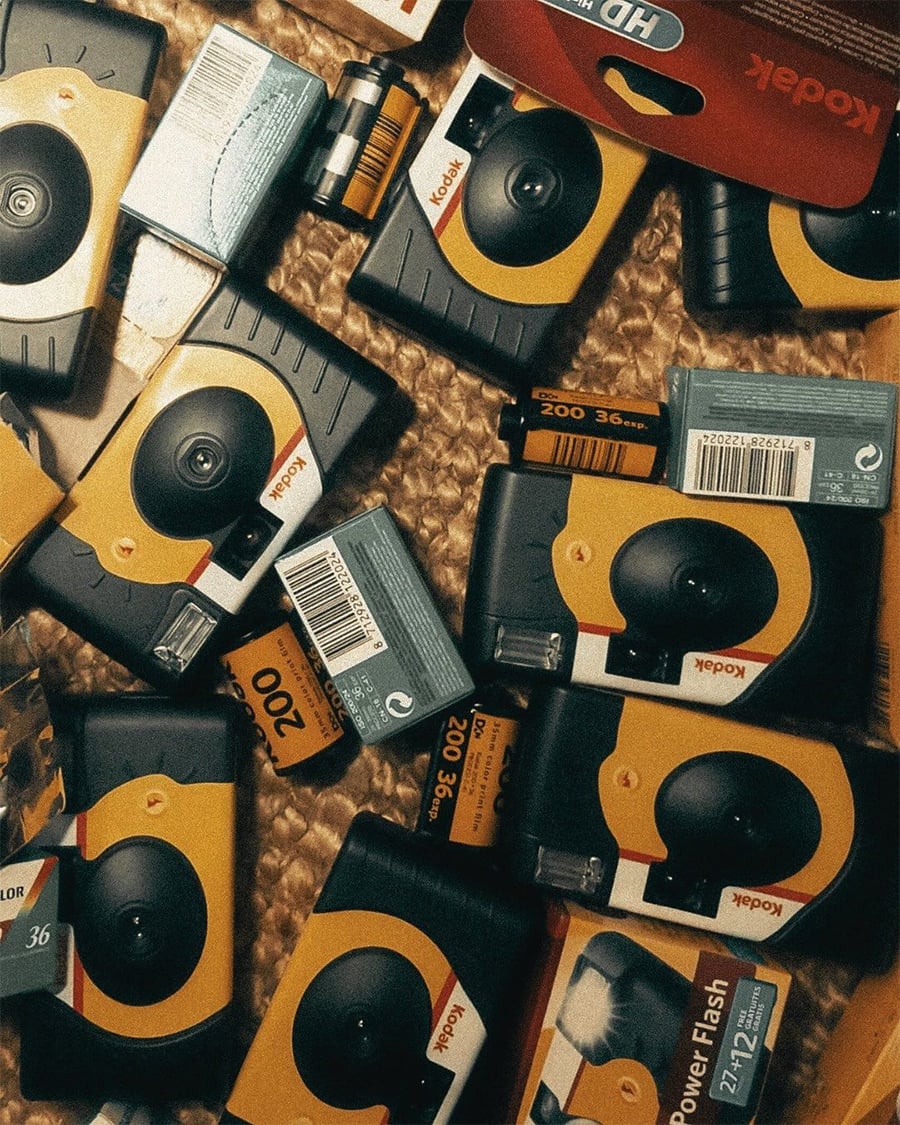
These inexpensive cameras became vacation staples because they required no maintenance and could be developed after the trip. Smartphones have largely eliminated their everyday use.
More Related Notes
• 10 Everyday Costs That Have Changed the Most Since 2000.
A closer look at the rising prices of common expenses, showing how inflation has reshaped the cost of everyday living.
• 15 Things the Average Family Could Afford in 1980 but Struggles With Today.
This article explores how declining purchasing power has made many once-routine purchases increasingly difficult for modern households.
• 16 Purchases That Felt Affordable in the 1990s but Seem Like Luxuries Today.
A complementary read highlighting products and experiences that were once inexpensive but now come with a much higher price tag.