The FIFA World Cup is more than just the biggest sporting event on the planet. It’s also one of the most expensive marketing stages in the world, attracting billions of viewers across television, streaming platforms, and social media. For global brands, securing a sponsorship isn’t simply about putting a logo on a stadium; it’s about reaching audiences in nearly every country on Earth.
Over the years, companies from industries as diverse as technology, automotive, finance, beverages, and consumer goods have invested hundreds of millions of dollars to become official World Cup sponsors. While the price tag is enormous, many brands consider it one of the most powerful marketing opportunities available. Here are 18 companies that spent millions to sponsor the World Cup.
1. Coca-Cola
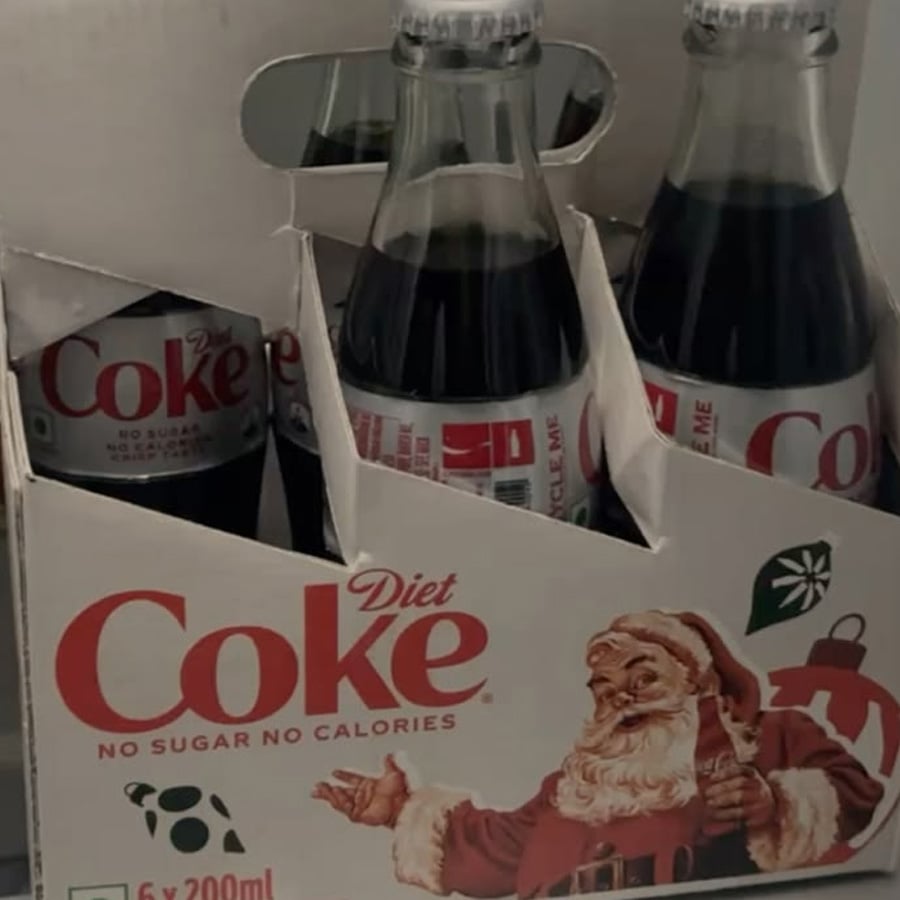
Coca-Cola has been involved with the FIFA World Cup since 1978, making it one of the tournament’s longest-running sponsors. The company invests heavily in advertising campaigns, stadium branding, fan experiences, and collectible promotions during every edition of the tournament, reinforcing its image as a global celebration brand.
2. Adidas
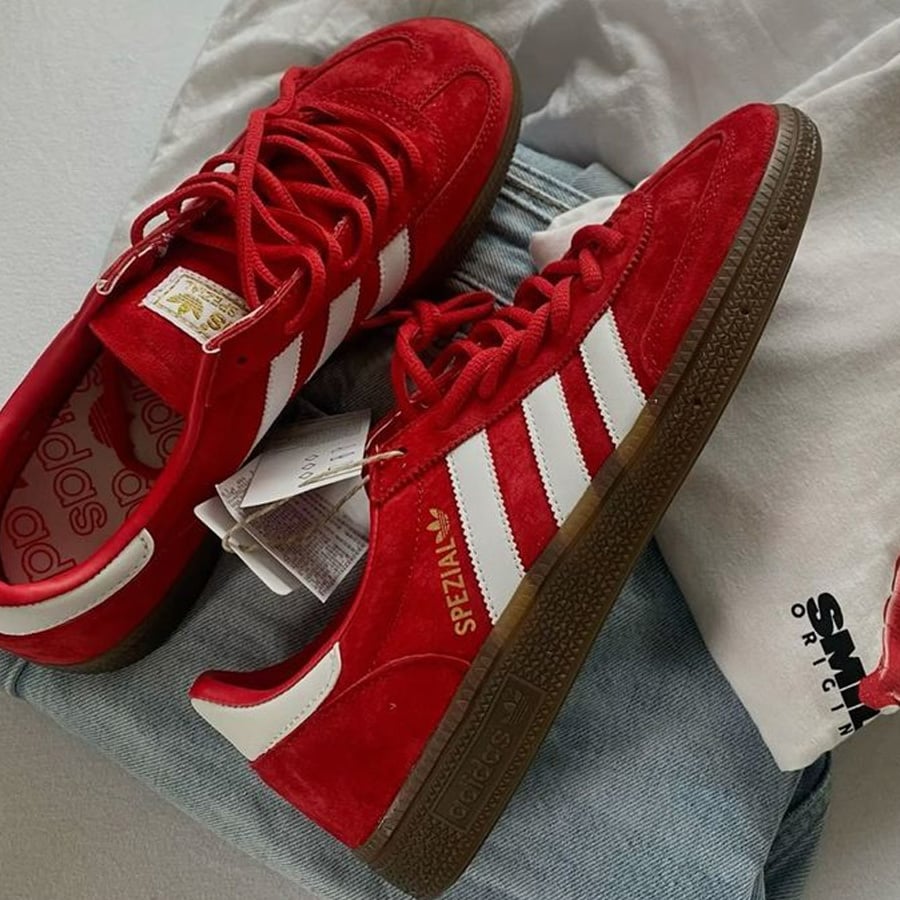
As FIFA’s official sportswear partner for decades, Adidas supplies the official match ball and outfits referees while launching special-edition boots, jerseys, and apparel tied to the tournament. The company consistently spends massive sums to maintain one of the most recognizable sponsorships in sports.
3. Visa
Visa became an official FIFA partner after replacing MasterCard in 2007. The payment giant uses the World Cup to promote cashless transactions, exclusive ticketing offers, and fan experiences while showcasing its global financial network to billions of viewers.
4. Hyundai
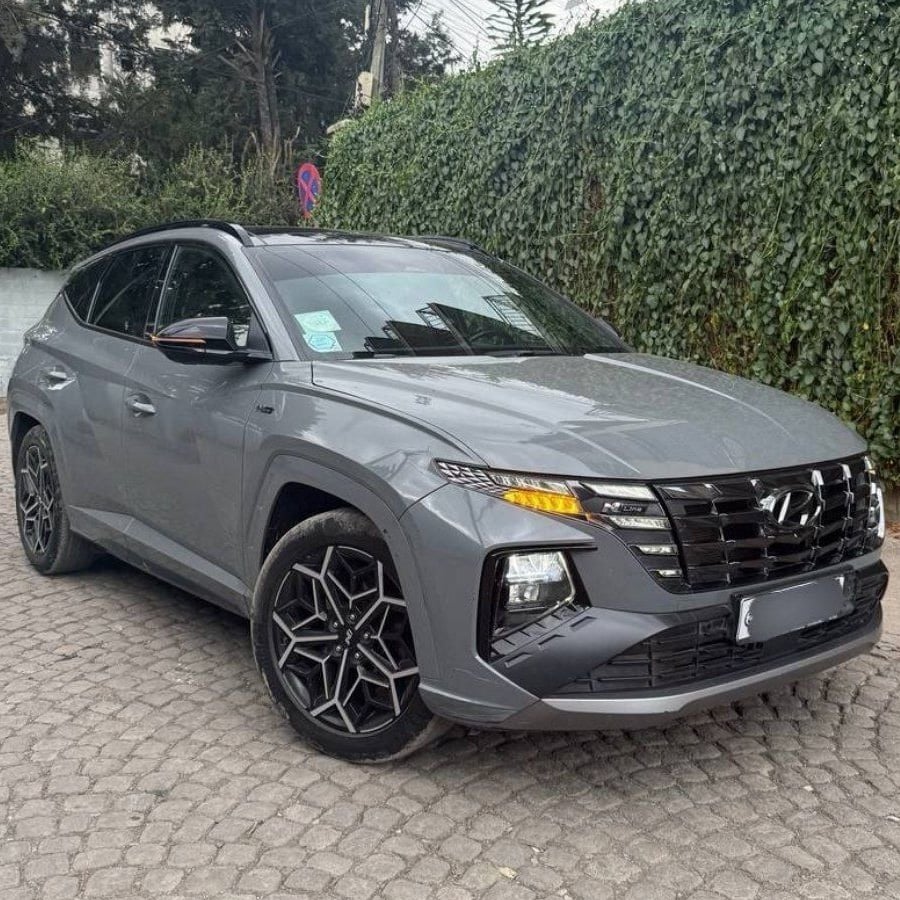
Hyundai has sponsored multiple World Cups alongside its affiliate Kia. Beyond advertising, the automaker provides hundreds of official tournament vehicles used by organizers, teams, and VIPs while launching extensive international marketing campaigns around the event.
5. Kia
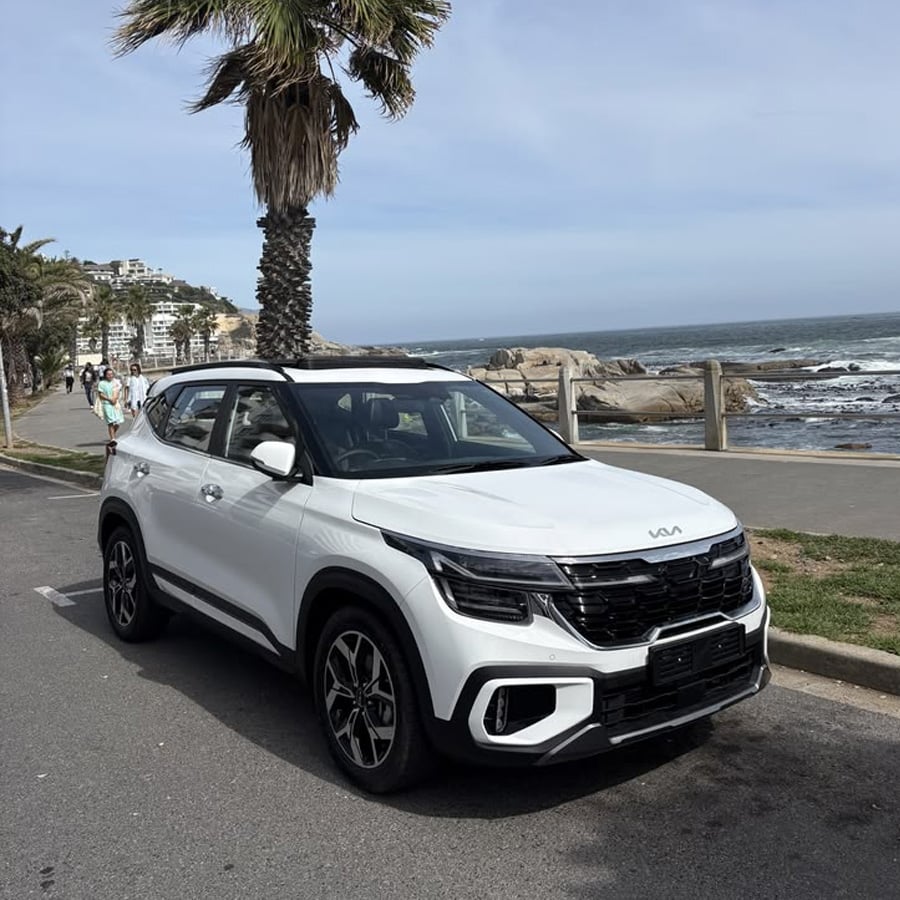
Working alongside Hyundai, Kia has leveraged the World Cup to expand its global recognition. The company frequently introduces limited-edition promotions, fan contests, and automotive showcases tied directly to FIFA’s biggest tournament.
Trending on Wealth Gang


6. McDonald’s
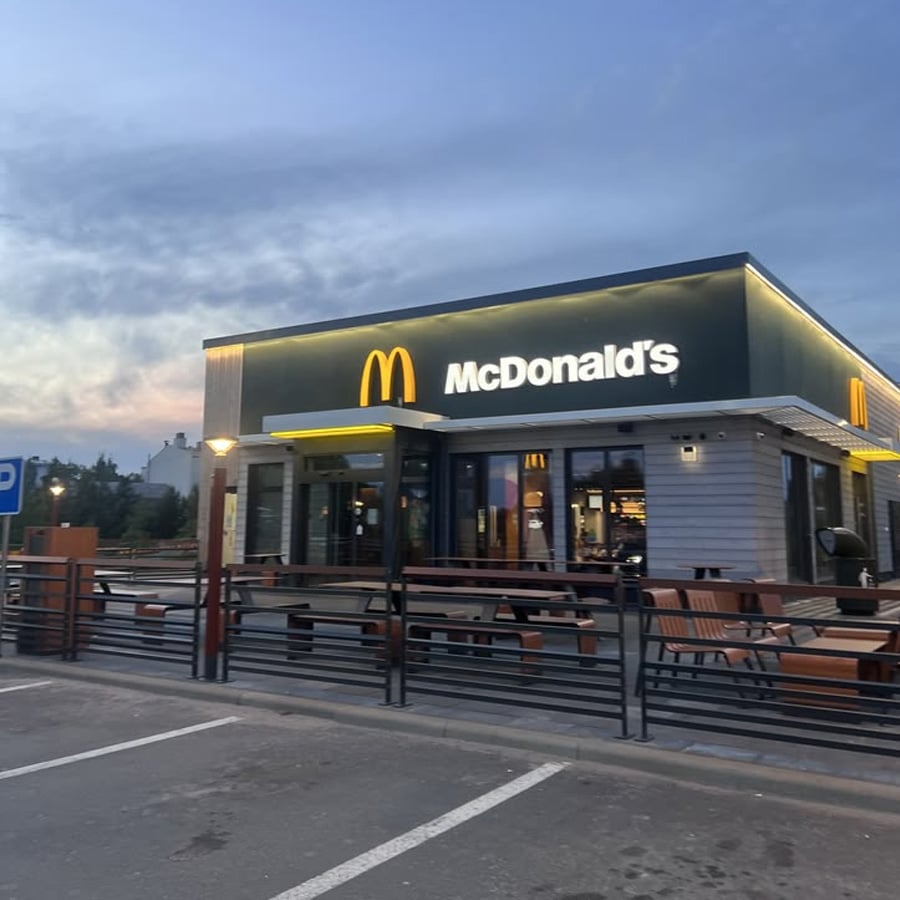
McDonald’s has long connected its family-friendly image with the World Cup through promotions, children’s programs, and the famous Player Escort initiative, where young fans accompany players onto the field before kickoff.
7. Budweiser
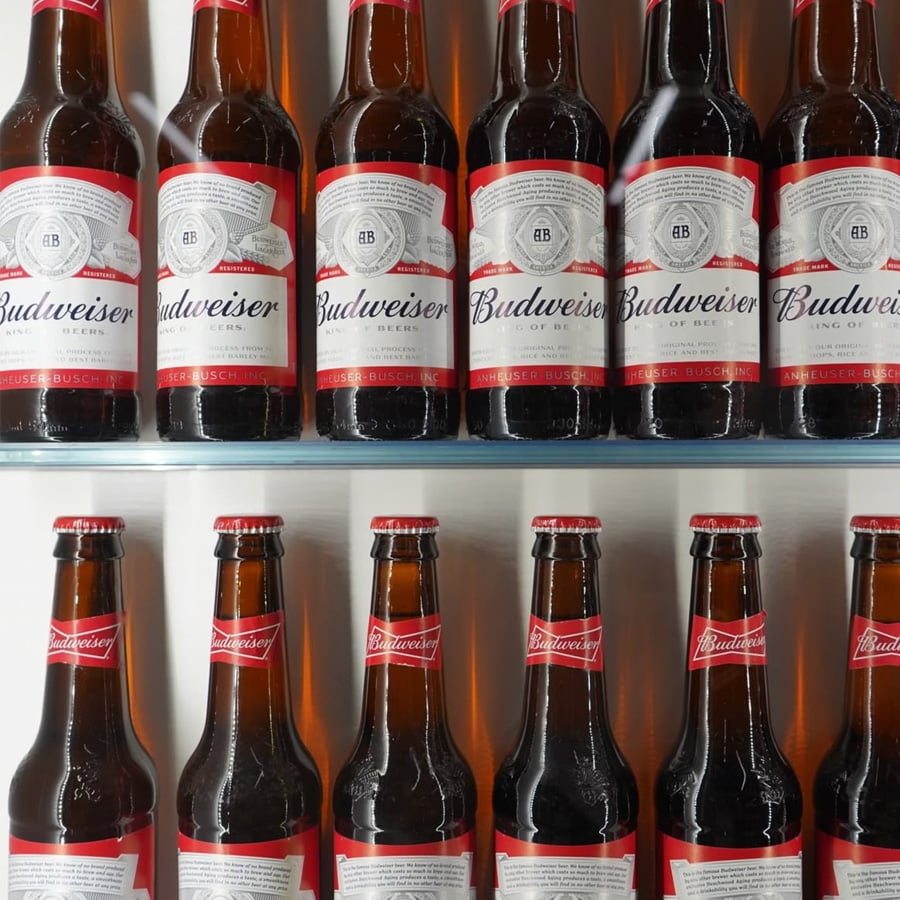
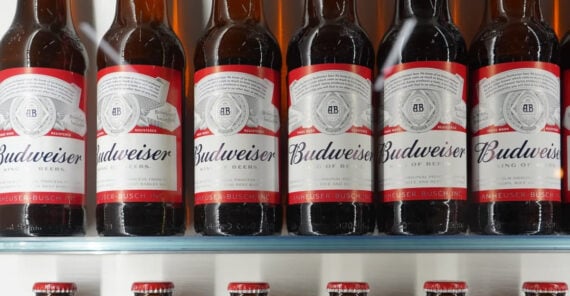
Budweiser has invested heavily to become one of the tournament’s signature beverage sponsors. Its World Cup campaigns often feature major football stars, collectible packaging, and large-scale advertising designed specifically for international audiences.
8. Qatar Airways
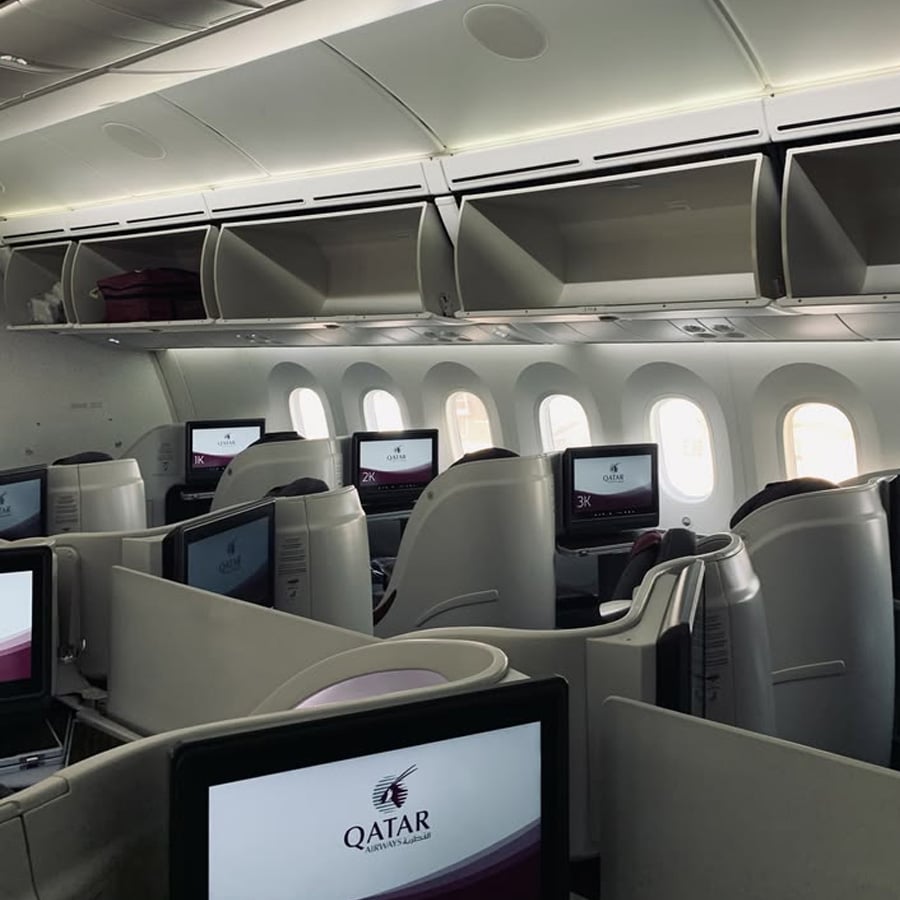
Qatar Airways became a prominent FIFA partner ahead of the 2018 World Cup and remained closely associated with the tournament through extensive branding, hospitality packages, and global travel promotions connected to football fans.
Sign up for our newsletter
9. Wanda Group
China’s Wanda Group signed one of FIFA’s largest sponsorship agreements, becoming its first top-tier Chinese corporate partner. The real estate and entertainment conglomerate viewed the World Cup as a way to strengthen its international business profile.
10. Hisense
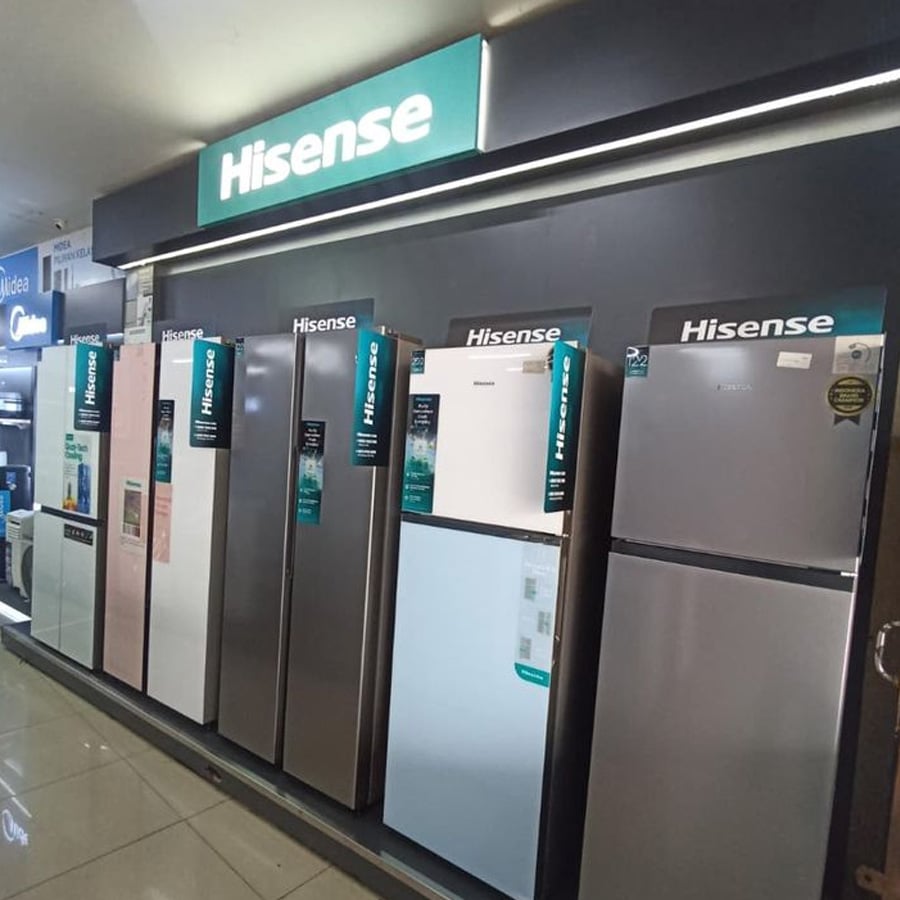
Hisense dramatically increased its global visibility through World Cup sponsorships, using the event to advertise televisions, appliances, and electronics. The company credits the tournament with helping accelerate international brand recognition.
11. Lenovo
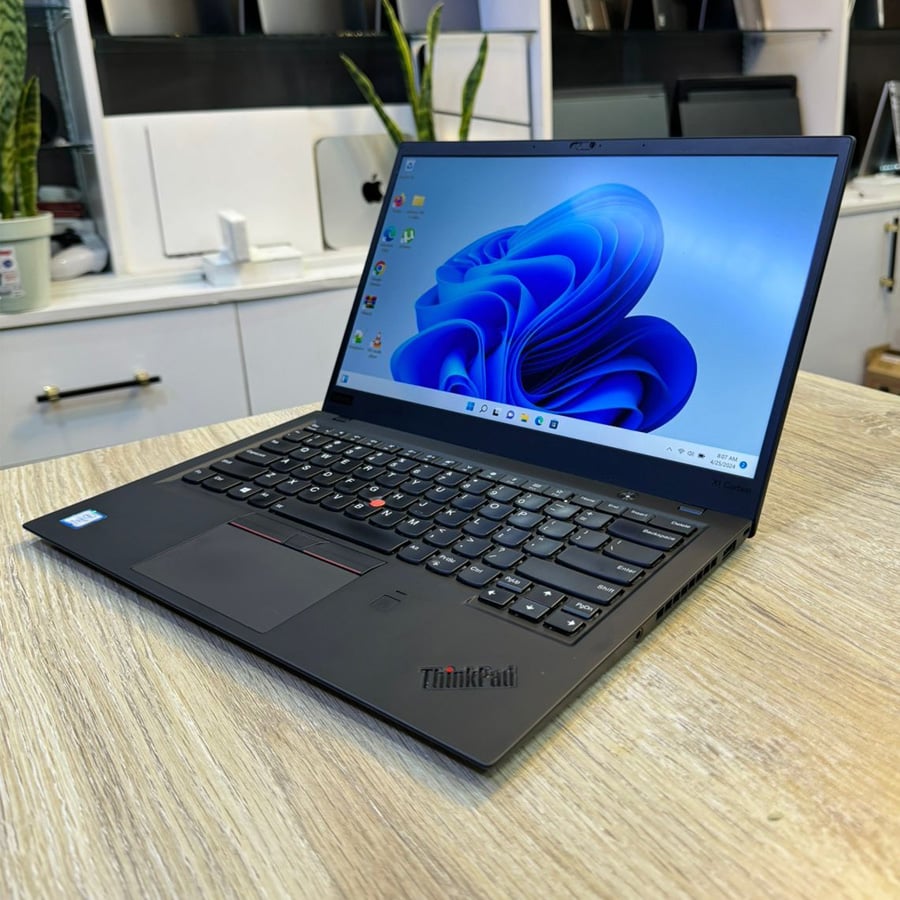
Lenovo joined FIFA as an official technology partner, using the World Cup to highlight its computers, servers, and artificial intelligence capabilities. The partnership supports tournament operations while promoting Lenovo’s expanding global presence.
12. Vivo
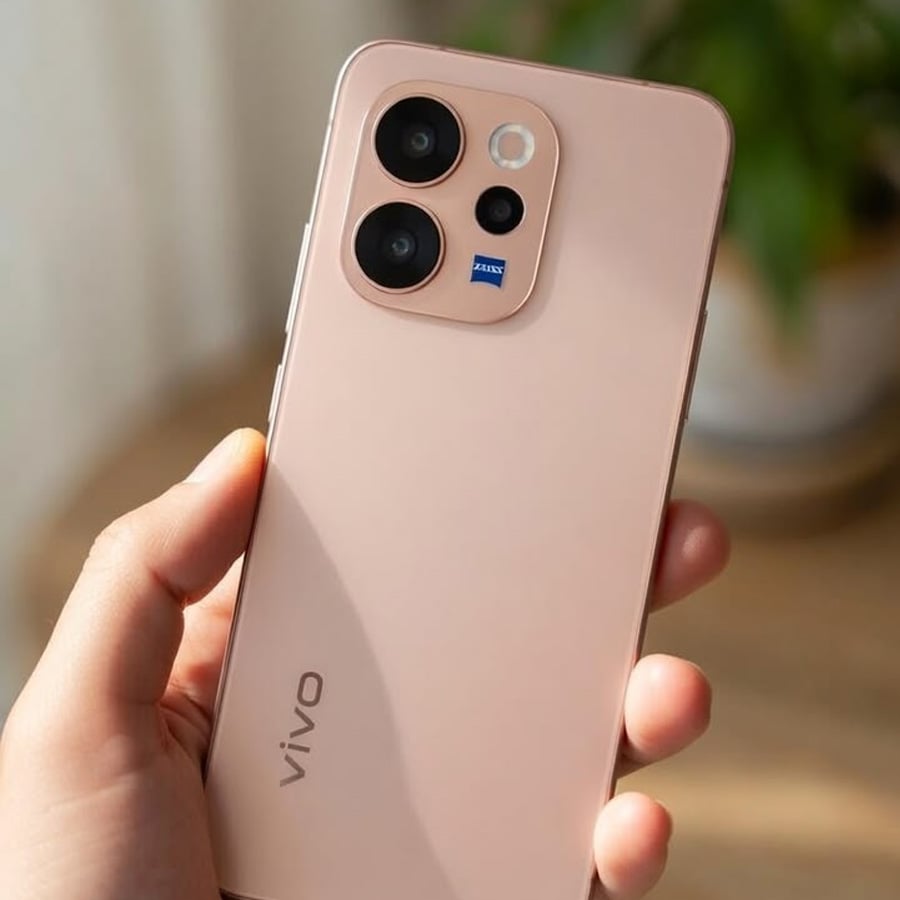
Smartphone manufacturer Vivo became an official FIFA sponsor as part of its strategy to expand beyond Asia. World Cup advertising helped position the brand alongside some of the world’s largest technology companies.
13. Aramco
Saudi energy giant Aramco entered a major FIFA sponsorship agreement, becoming one of the organization’s highest-profile commercial partners. The deal reflects the company’s broader effort to increase its international brand visibility.
14. Mastercard
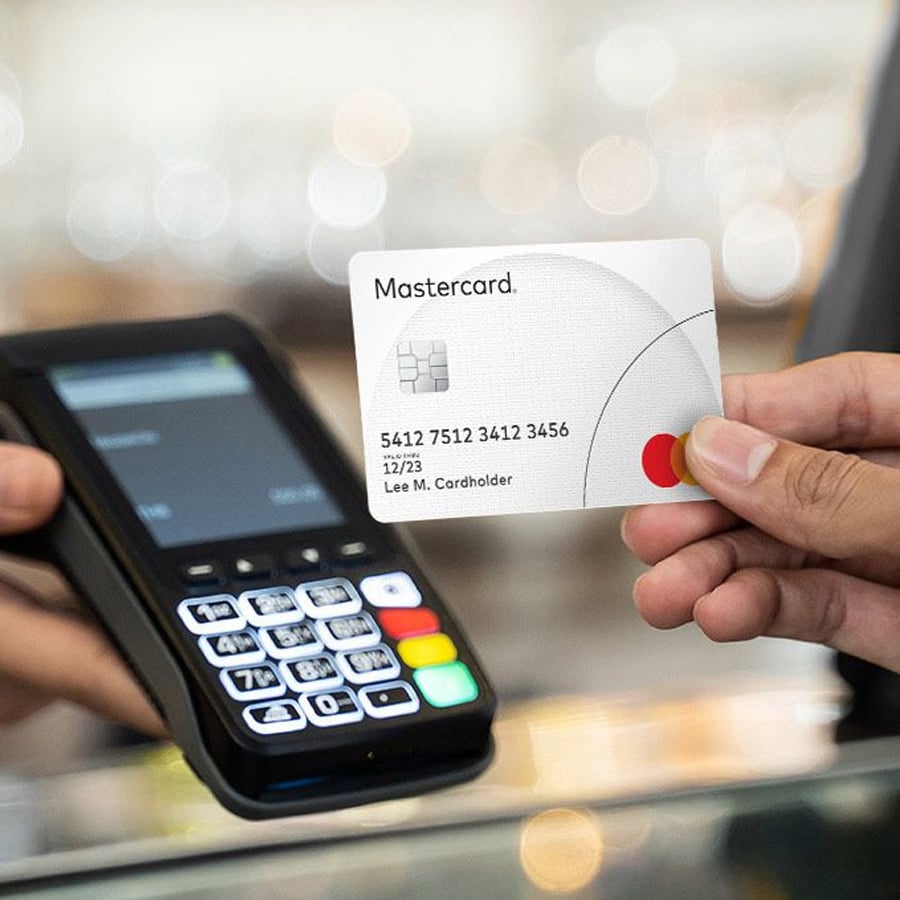
Before Visa secured FIFA’s payment sponsorship rights, Mastercard invested heavily in World Cup marketing for years. The company used exclusive promotions and financial services branding to connect with millions of football fans worldwide.
15. Sony
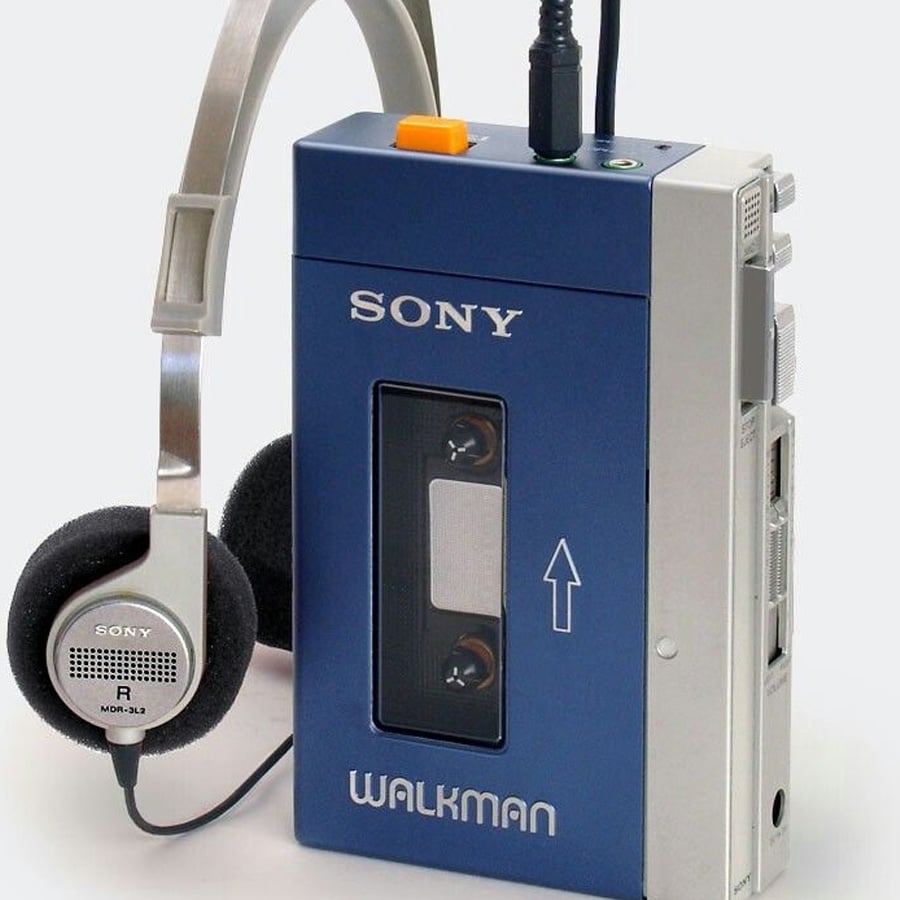
Sony previously served as an official FIFA partner, showcasing its televisions, cameras, gaming technology, and broadcast innovations during the tournament. The World Cup provided a global stage for demonstrating cutting-edge consumer electronics.
16. Emirates
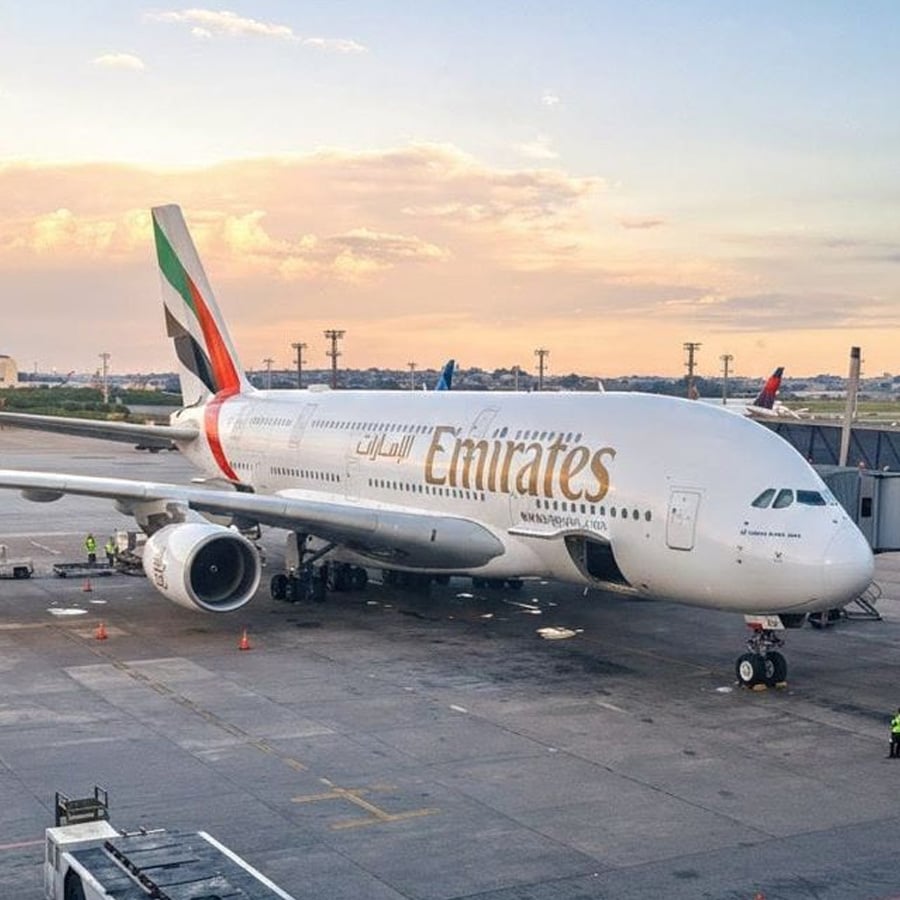
Although Emirates has sponsored numerous football competitions and clubs, it also invested in FIFA partnerships during previous World Cup cycles. Its sponsorship campaigns emphasized international travel and premium customer experiences tied to the world’s biggest sporting event.
17. BYD
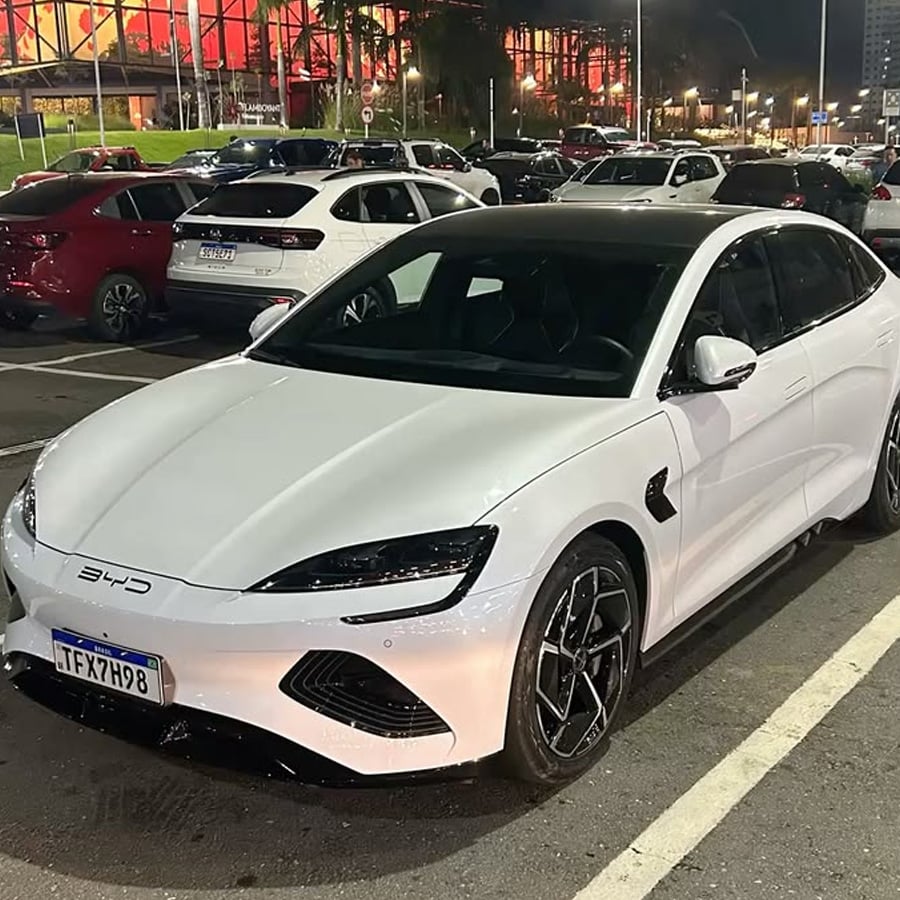
Chinese electric vehicle manufacturer BYD became one of FIFA’s newest major sponsors, using the World Cup to accelerate global brand awareness. The partnership reflects the growing influence of electric vehicle companies in international sports marketing.
18. Bank of America
Bank of America joined FIFA as an official sponsor for the 2026 FIFA World Cup, marking one of the tournament’s biggest recent commercial partnerships. The company aims to use the event to strengthen customer engagement across North America during the first 48-team World Cup.
More Related Notes
• 14 World Cup Legends Who Built Lasting Fortunes.
Discover how football’s biggest stars turned World Cup success into long-term wealth through endorsements, business ventures, and global brand recognition.
• 12 Players Who Changed Their Careers in a Single World Cup.
Learn how standout World Cup performances dramatically increased players’ market value and attracted lucrative sponsorship opportunities.
• 18 Companies That Quietly Became Marketing Giants.
Explore the marketing strategies behind some of the world’s most recognizable brands, many of which have leveraged major sporting events like the World Cup to reach global audiences.