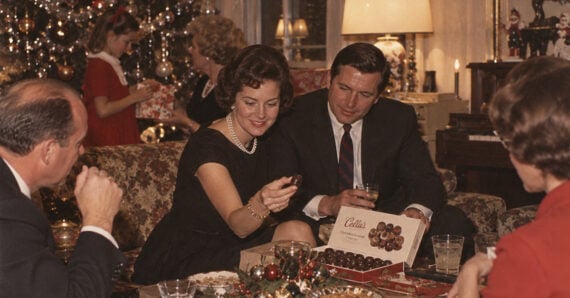

Before the internet could settle an argument in three seconds, your grandparents had their own system for making sense of the world, and a lot of it came down to superstition. Spill the salt, walk under a ladder, or open an umbrella in the living room, and you’d hear about it immediately. These weren’t just old wives’ tales tossed around for fun. For plenty of families in the 1960s, they were treated as real, practical rules for keeping bad luck out of the house and good fortune in.
What’s funny is how many of these habits have quietly stuck around. You probably still avoid stepping on a sidewalk crack or knock on wood after saying something hopeful, without stopping to ask why. Take a look back at 14 superstitions that shaped everyday life for an entire generation.
1. Never put a hat on the bed.
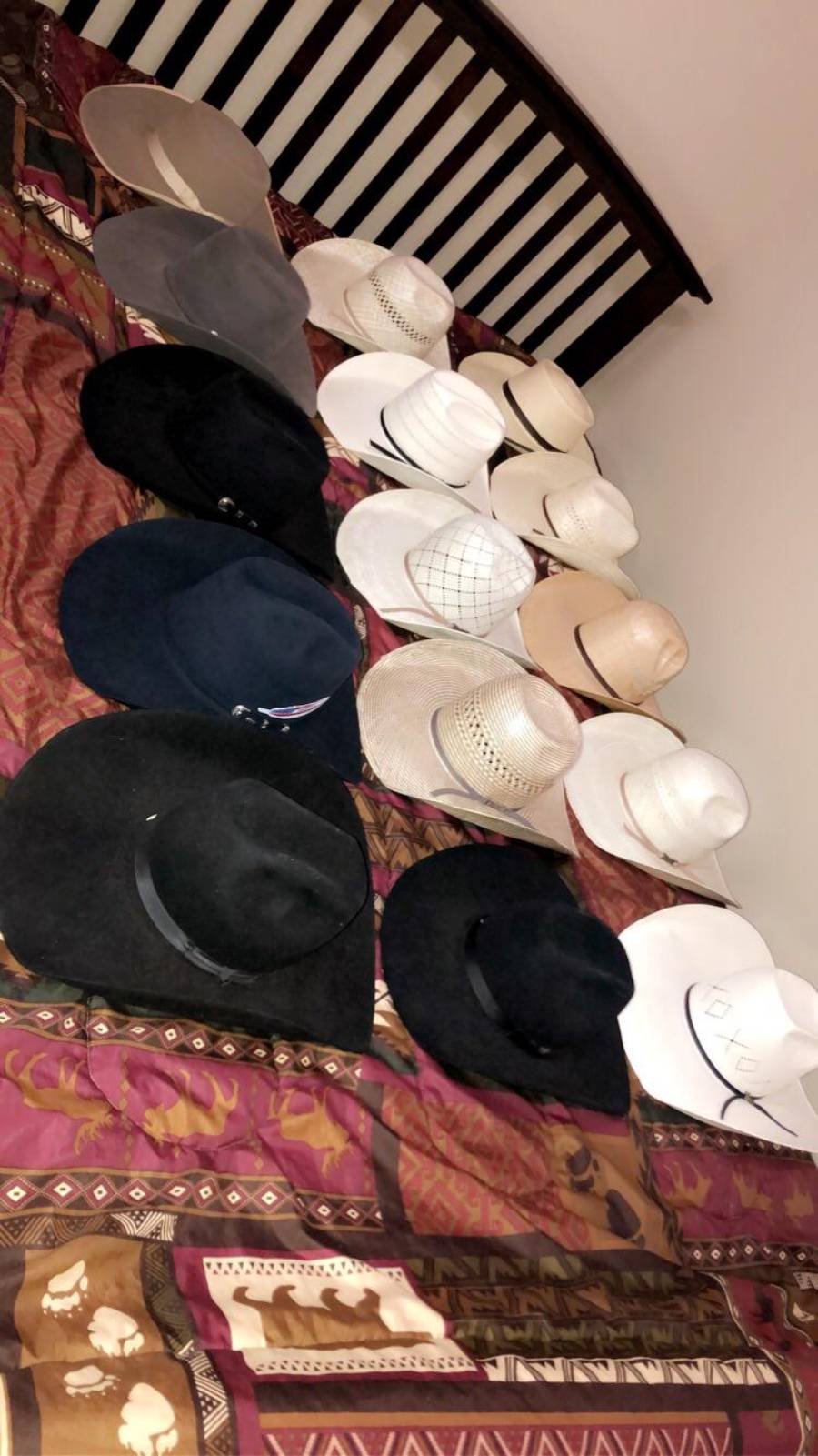
Bad luck was said to fall on anyone careless enough to toss their hat into the bedspread. Some traced it to old barber-shop and funeral-home habits, where a hat on the bed meant someone was sick or worse. Either way, grandma had a rule for it, and nobody argued.
2. Don’t open an umbrella indoors.
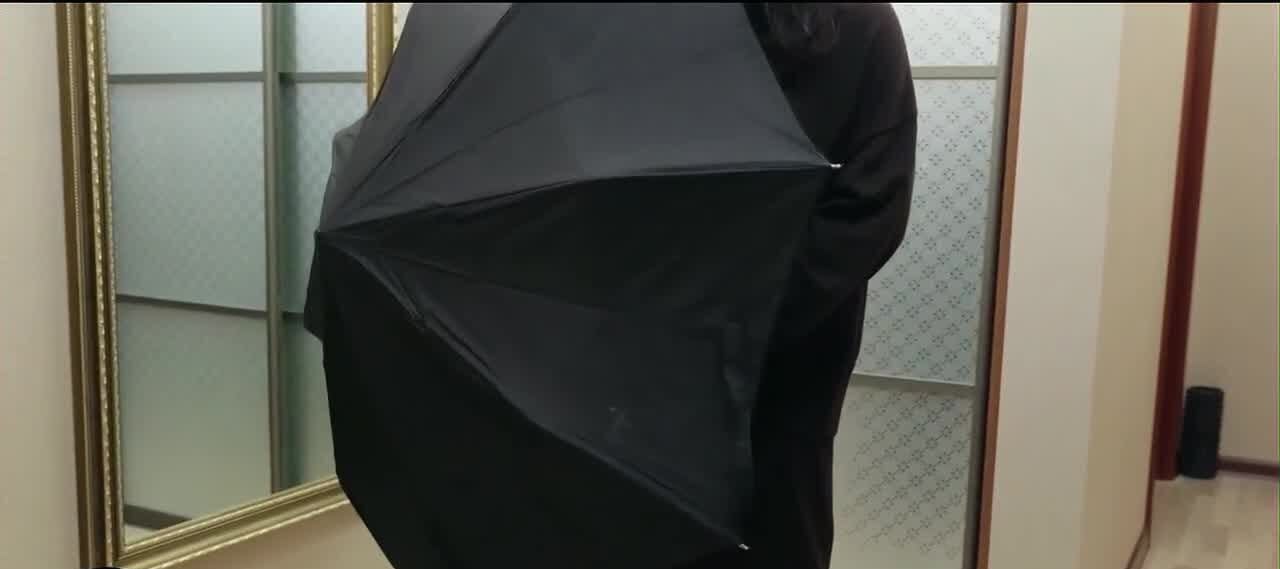
This one felt almost like a law of physics in some houses. Open it inside and you were inviting an argument, a broken friendship, or a spell of rotten luck for the whole family. Kids learned fast to wait until they hit the porch.
3. A broken mirror meant seven years of bad luck.
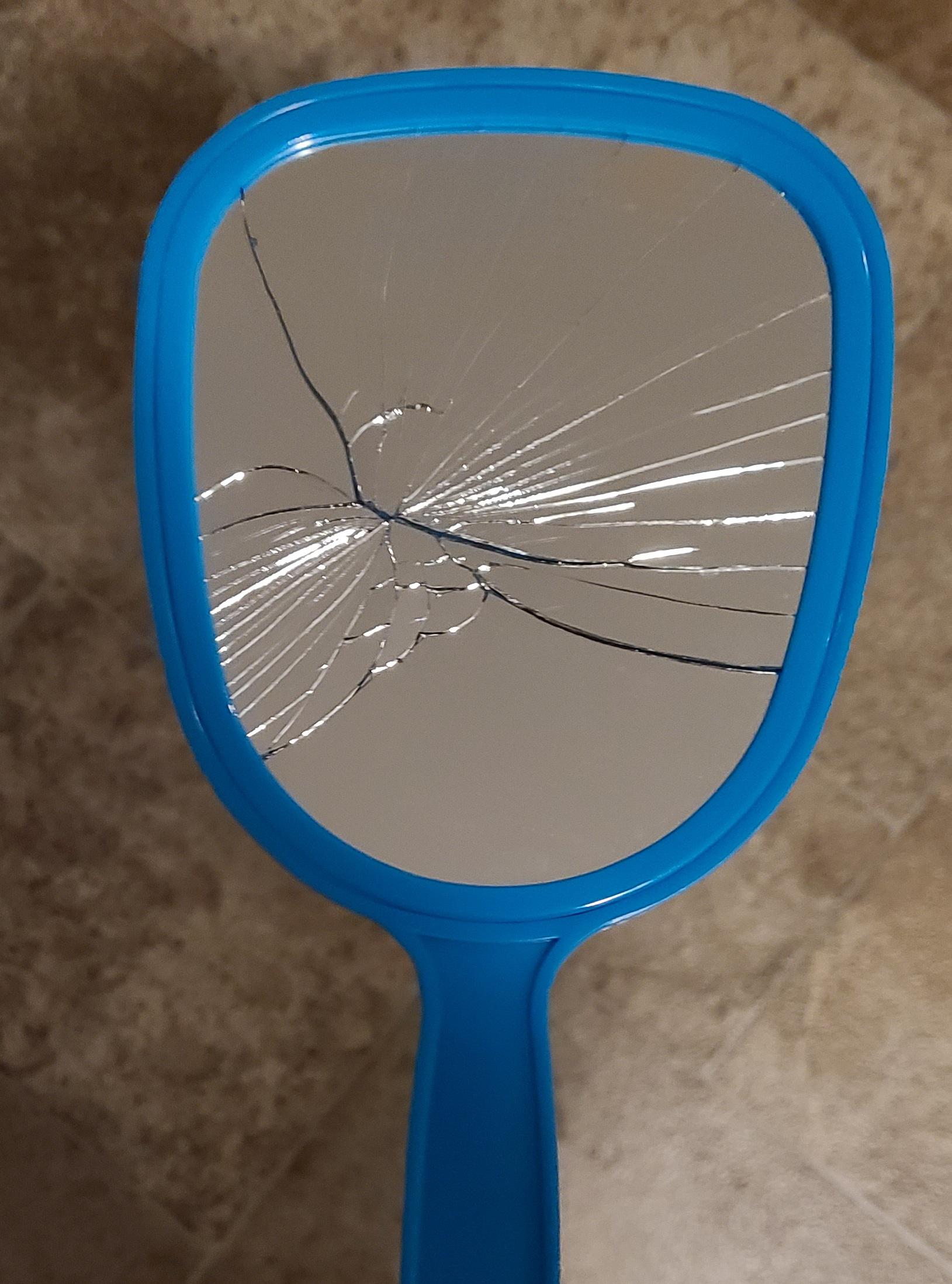
This belief was old even by the 1960s, but it hadn’t lost its grip. Some houses even had a ritual for reversing the curse, like burying the shards under moonlight.
4. Walking under a ladder was asking for trouble.
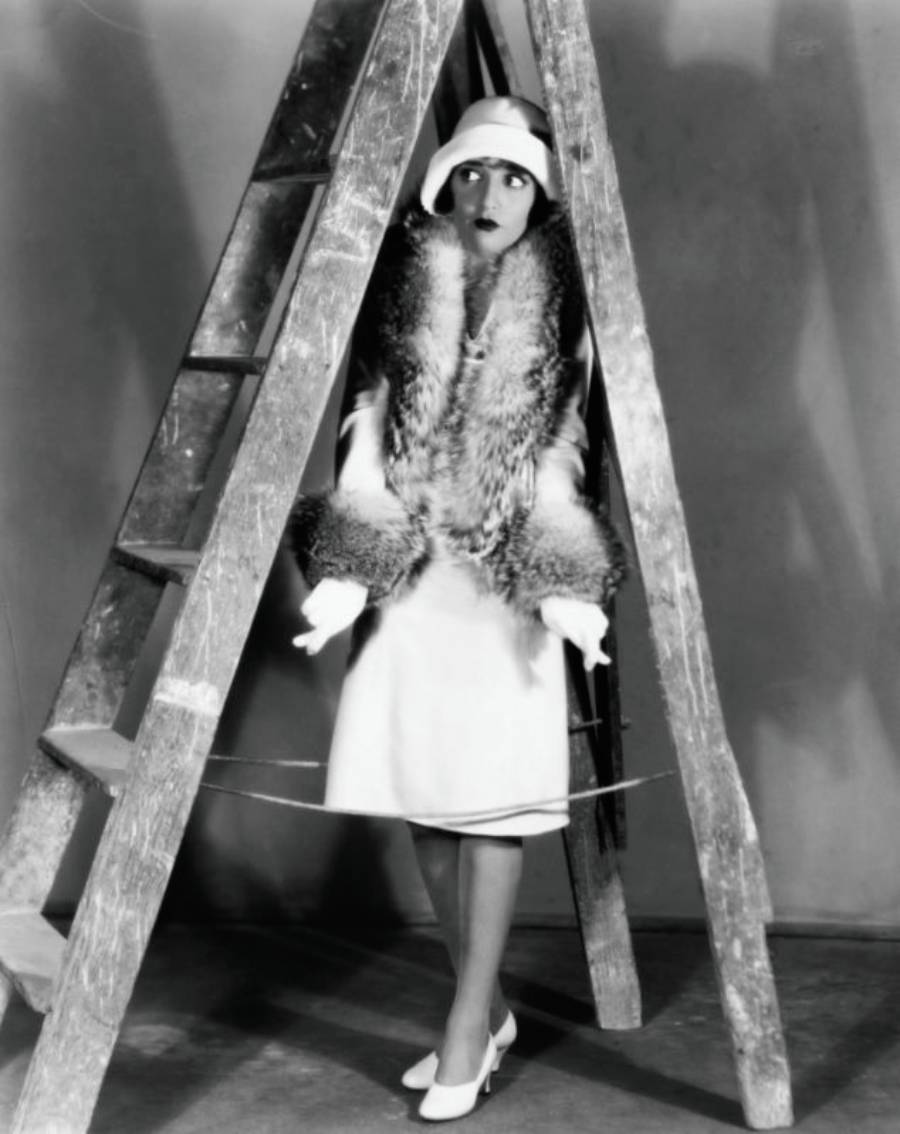
Practical safety reasons aside, the superstition ran deeper than falling paint cans. It was thought to break the “triangle” formed by the ladder and the wall, a shape some believed carried spiritual protection. Grandparents would rather walk into traffic than pass beneath one.
5. Spilled salt had to be tossed over your left shoulder.
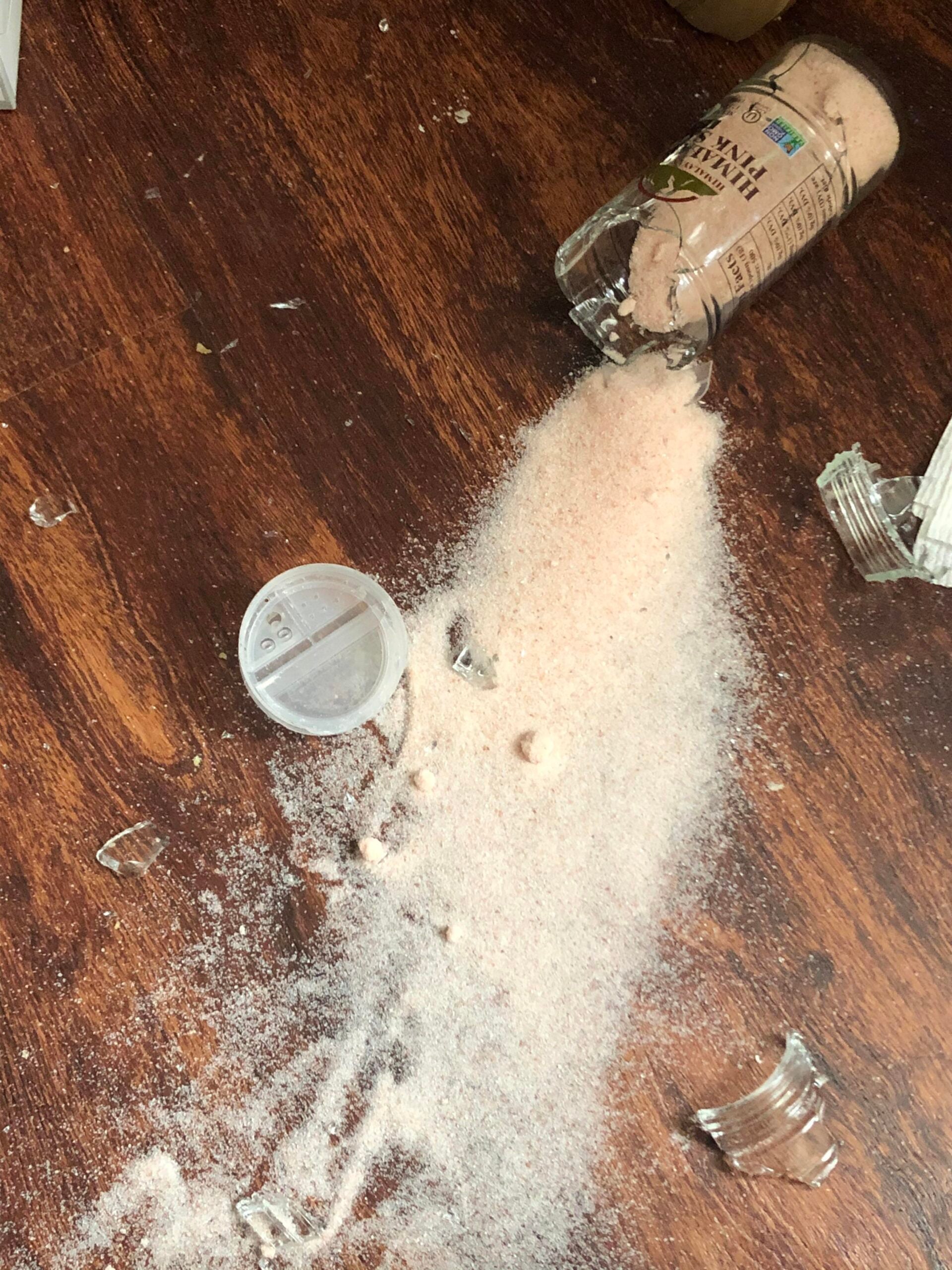
A spilled saltshaker sent an immediate reflex through the room. The pinch went over the left shoulder specifically, aimed at blinding the devil supposedly lurking there.
Trending on Wealth Gang


6. Black cats crossing your path meant bad news ahead.
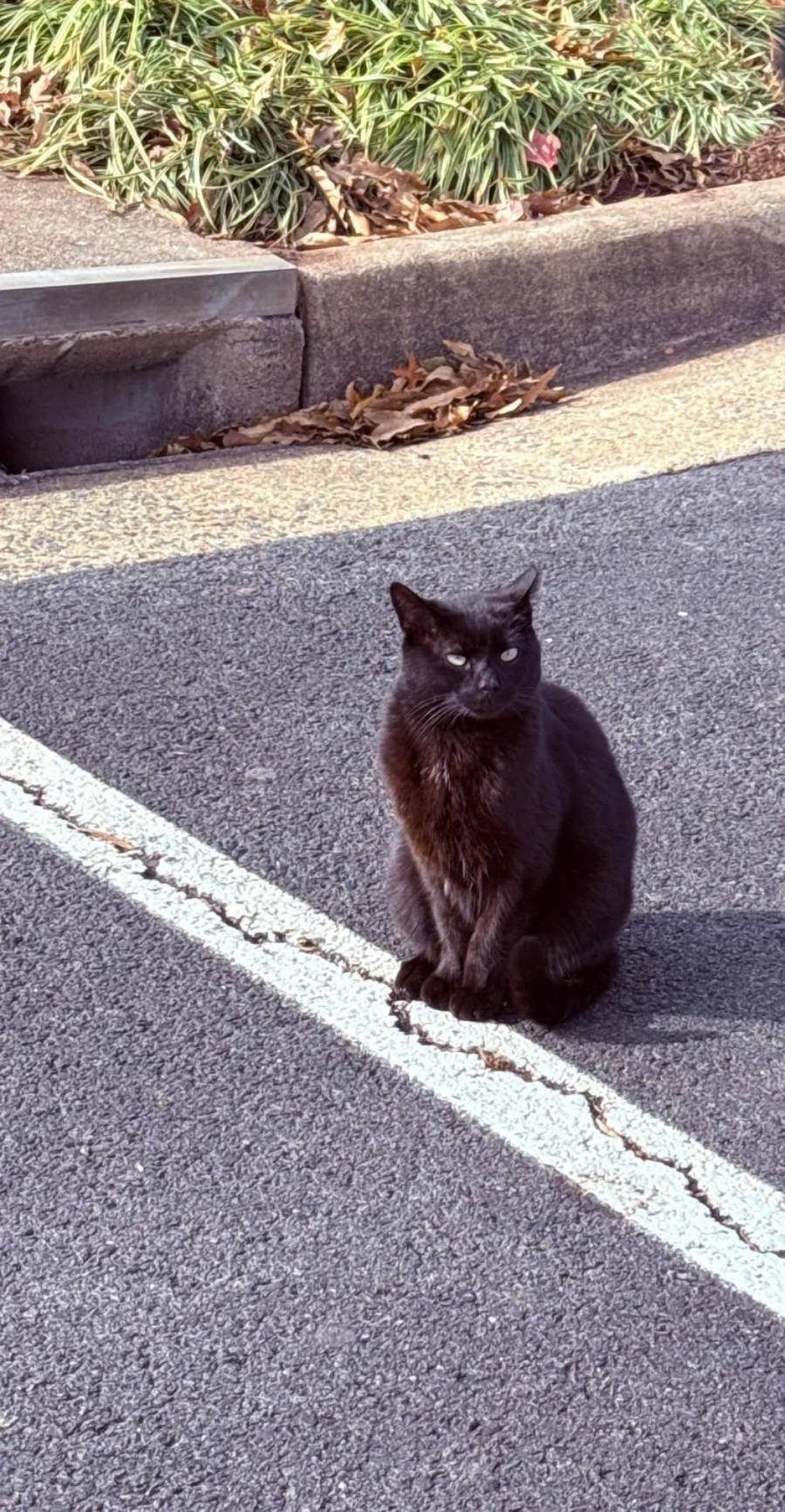
Depending on which grandparent you asked, this was either dead serious or something to laugh about later, but almost nobody kept walking in a straight line. Some would turn around entirely and take a different route to avoid tempting fate.
7. Knocking on wood kept good fortune from souring.

Say something hopeful out loud, like a clean bill of health or a good harvest, and someone’s knuckles were rapping the nearest table within seconds. The idea was that spirits living in trees might undo your luck.
8. Friday the 13th was a day to lay low.
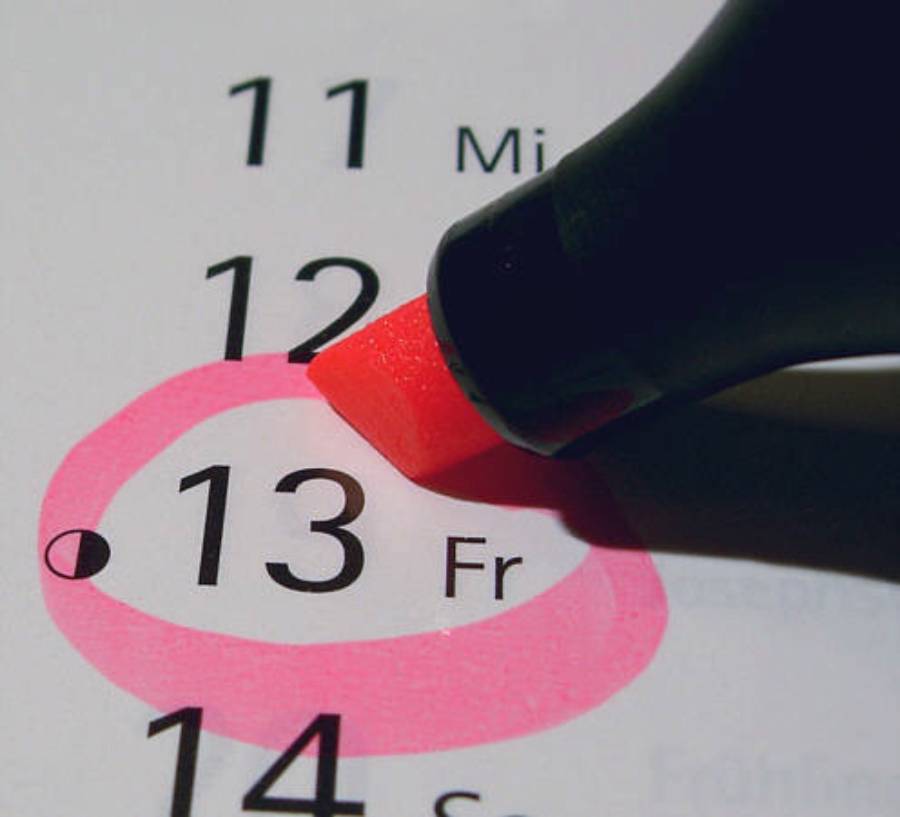
Plans got rescheduled, big purchases got postponed, and some people simply stayed home if they could manage it. It wasn’t panic, but there was a quiet agreement that it was smarter not to test fate that day.
Sign up for our newsletter
9. An itchy palm meant money was coming, or going.
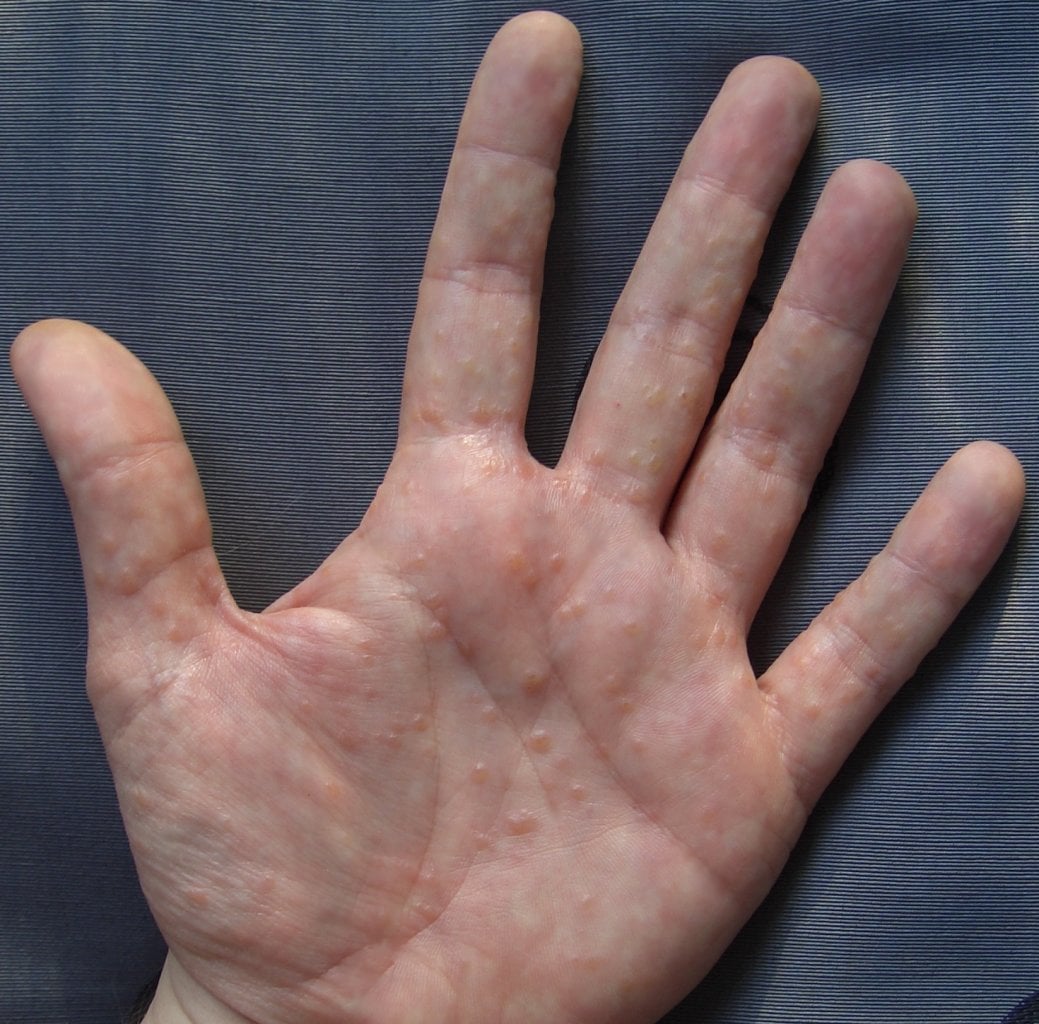
A right palm meant cash was on its way in, a left palm meant it was about to leave your pocket. Some folks swore by rubbing the itchy hand on wood to keep the money coming and not going.
10. Stepping on a crack really would break your mother’s back.

This one lived on the sidewalk and in the schoolyard, chanted by kids who’d picked it up from parents who’d picked it up from their own.
11. A bird getting into the house was a sign of death.
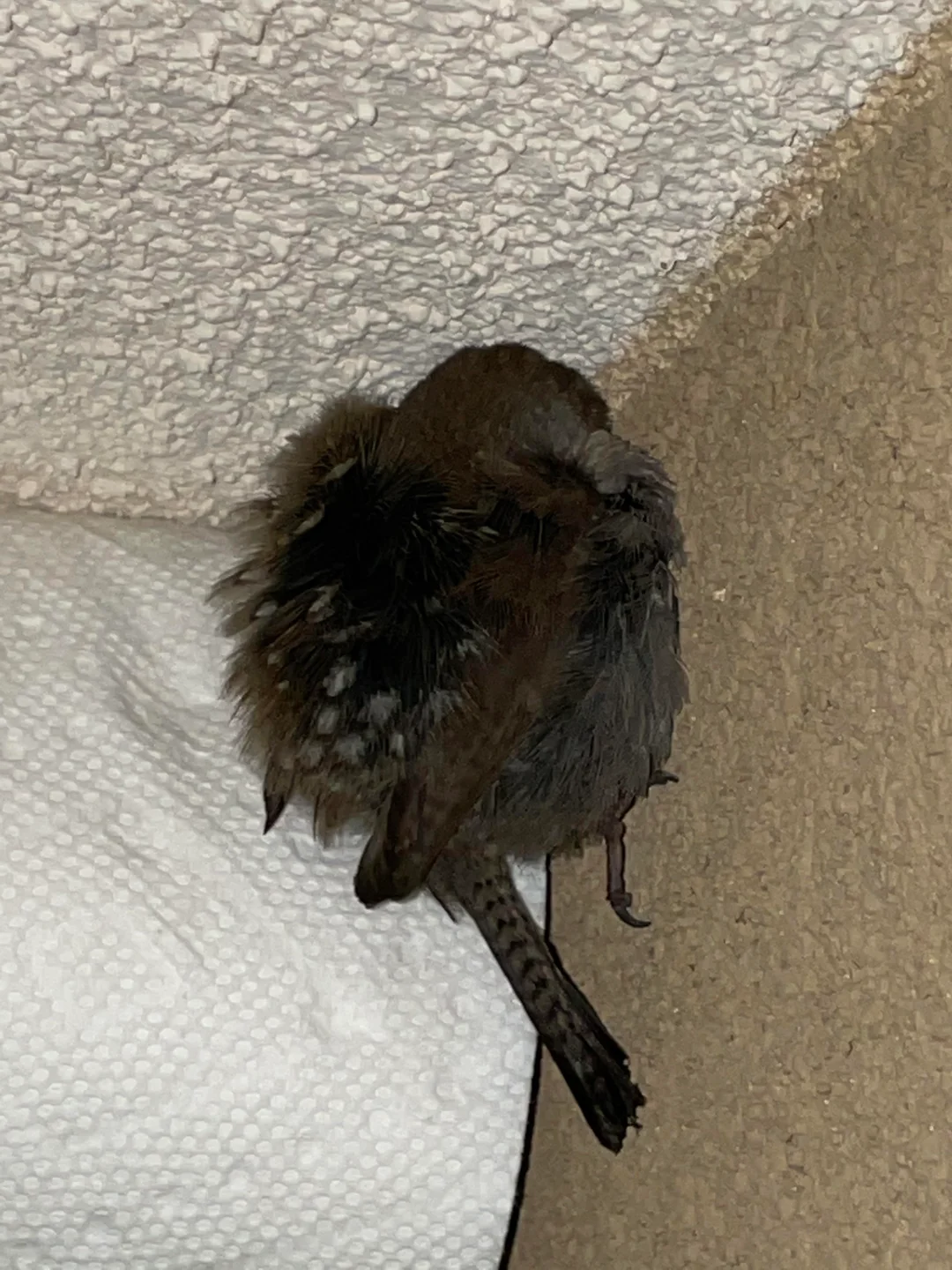
Few things sent a household into panic faster than a bird flying in through an open window. It was treated as an omen serious enough that some families wouldn’t rest until the bird was safely back outside.
12. Giving a knife as a gift would cut the friendship.
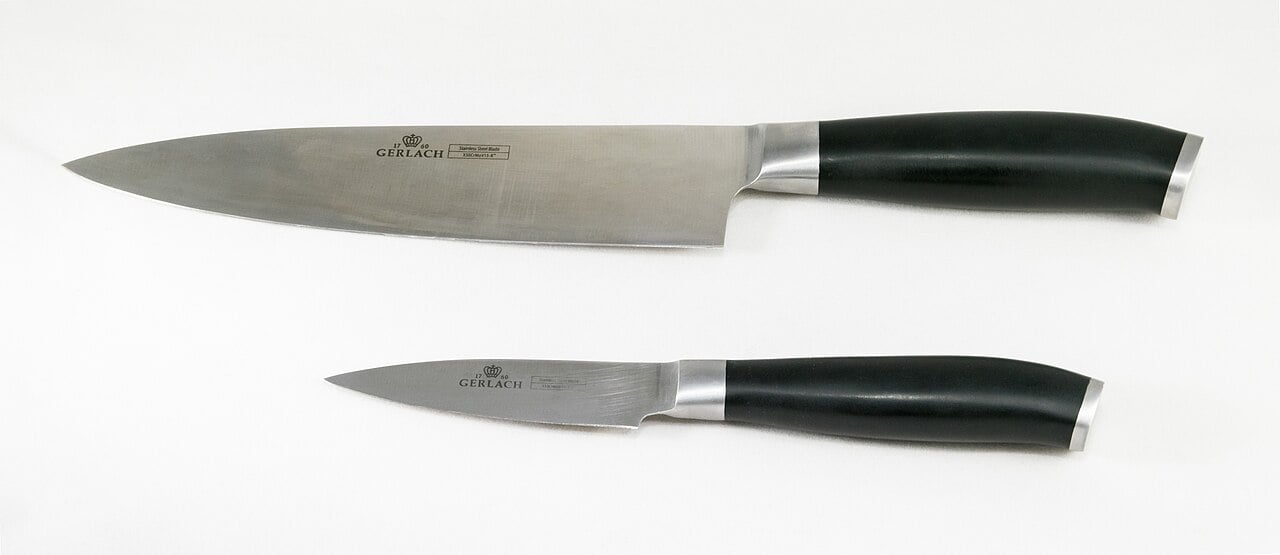
To dodge the curse, the giver would ask for a penny in return, turning the gift into a sale instead. It sounds like a small workaround, but plenty of grandparents refused to hand over a blade without it.
13. The bride shouldn’t see the groom before the wedding.
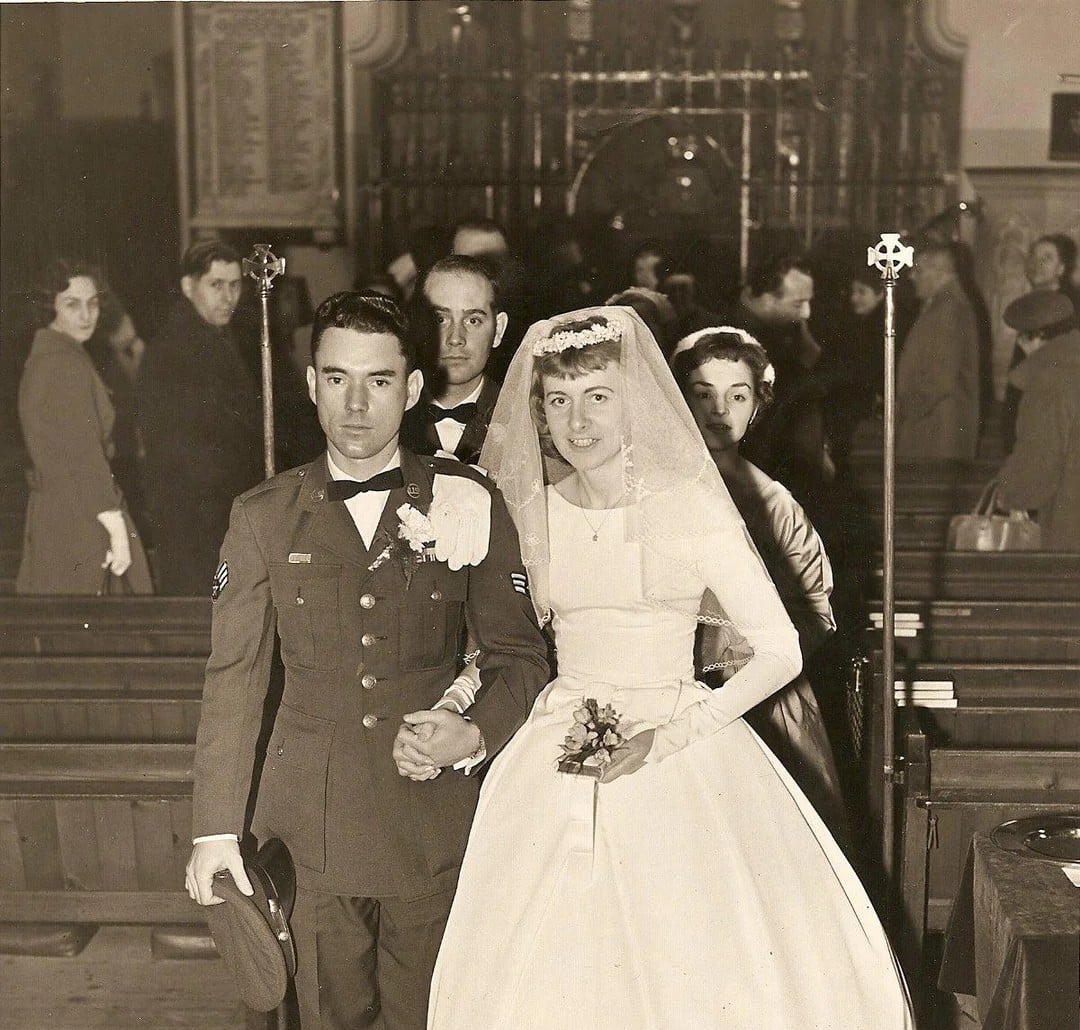
This wasn’t about tradition for tradition’s sake, it was treated as a genuine risk to the marriage’s luck.
14. Whistling indoors invited trouble, especially at night.
Some believed it brought bad spirits, others thought it simply invited poverty into the house. Either way, a whistled tune after dark was usually met with a sharp “cut that out”.
More related notes:
If you enjoyed these rituals, you’ll want to dig into 11 Strange Superstitions That Exist in Professional Baseball for a look at the socks, seat assignments and other superstitions ballplayers swear by. For a trip further back in time, 19 Peculiar Victorian Superstitions People Treated as Fact reveals how mirrors, magpies, and umbrellas once shaped everyday Victorian life. And if you’d rather leave the planet entirely, 10 Space Travel Traditions That Will Blow Your Mind shows that even astronauts lean on lucky peanuts and haircuts before heading to orbit.