Many everyday products that once were normal are now banned, restricted, or removed in different parts of the world. In many cases, people had used these items for years before they understood their effects on health, safety, and the ecosystem.
Rules are different depending on the country or state. Some of these products are completely banned in certain places but only limited in others. The following 15 examples show how certain ordinary items ended up pulled from shelves, restricted by law, or phased out for good.
1. Lead Paint
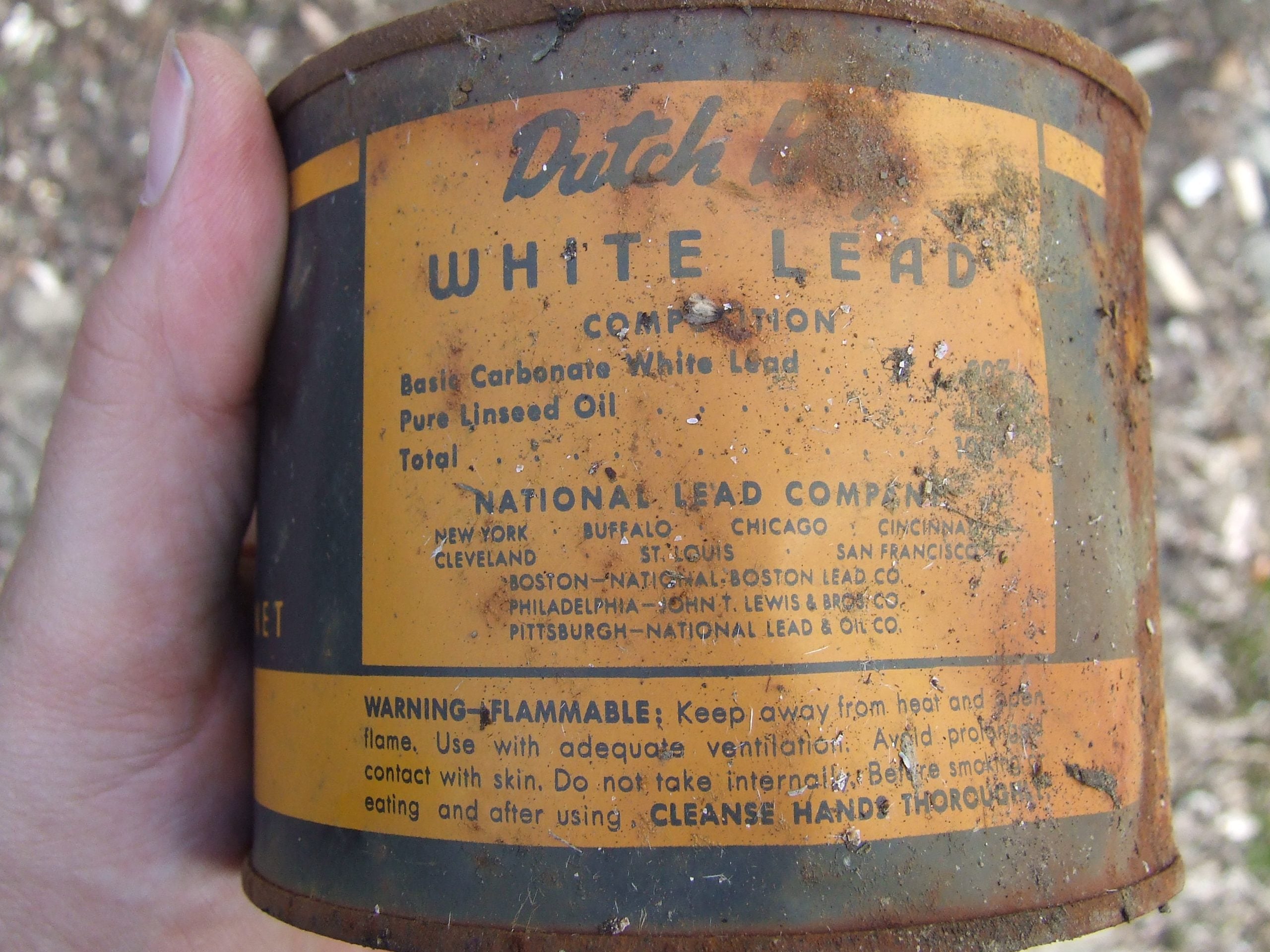
Lead was once added to household paint because it helped the paint last longer and dry well. Lead paint exposure causes serious health damage by poisoning the body and brain, with children under six facing the highest risk.
2. Asbestos Building Materials
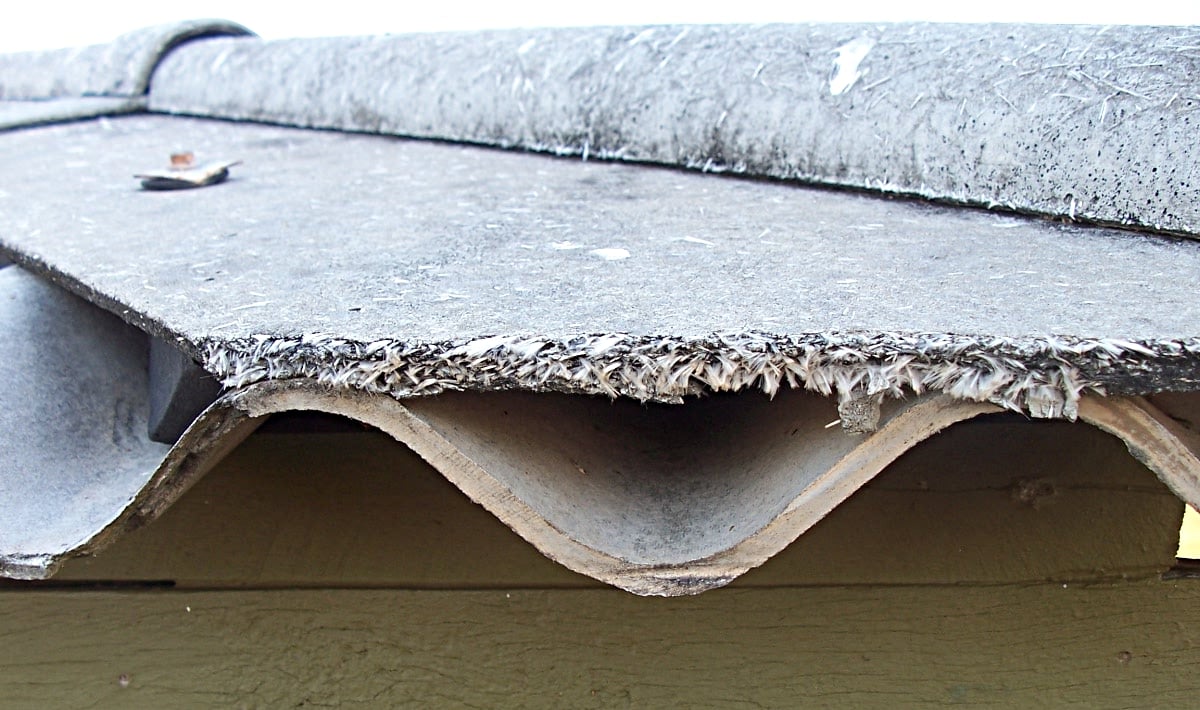
Asbestos resisted heat and fire, so it appeared in flooring, roofing, and many other building products. The problem was its serious health risks when tiny asbestos fibers were breathed in. Many countries have banned it, while others have placed strong restrictions on its use.
3. Certain Plastic Shopping Bags
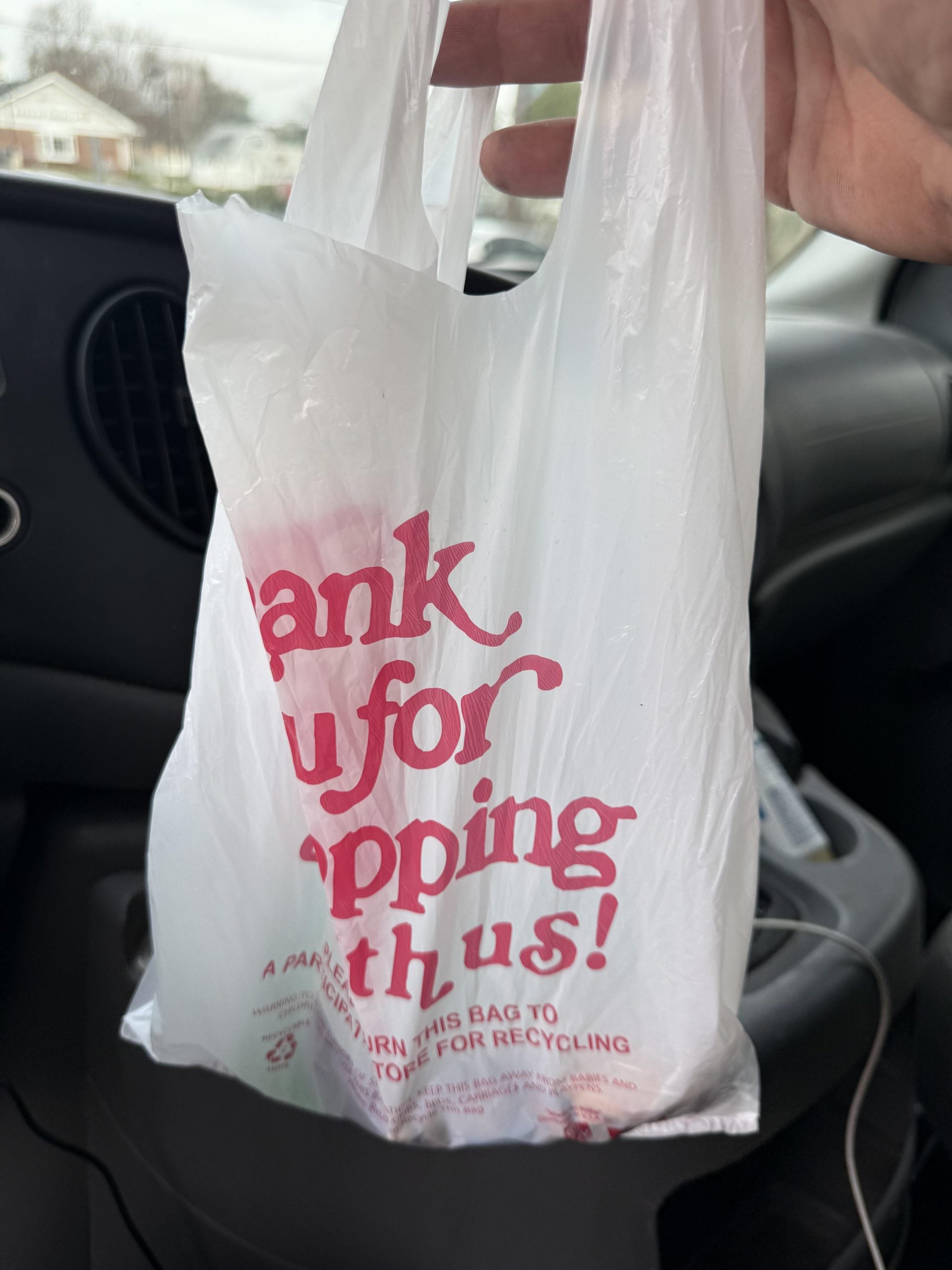
For decades, stores handed out plastic bags without much thought. Today, many cities, states, and countries have banned or limited certain single-use plastic bags because of their environmental impact.
4. Plastic Straws
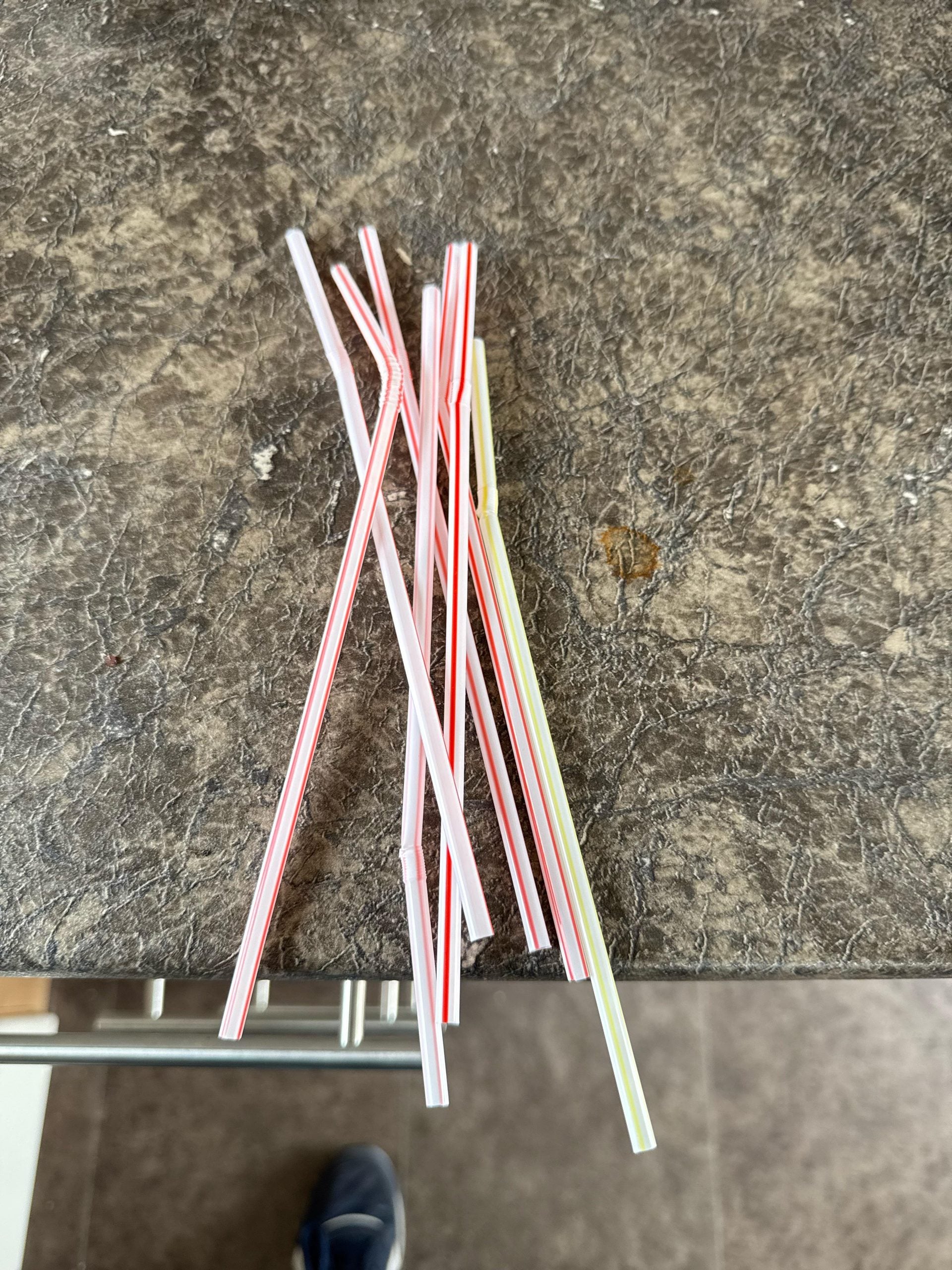
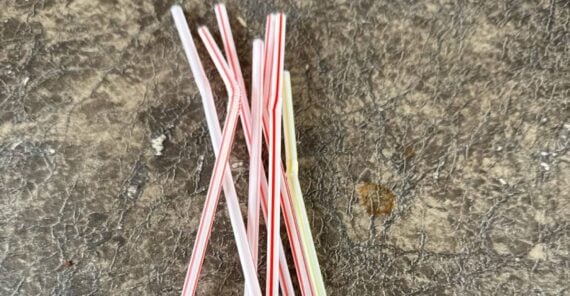
Plastic straws were once in almost every restaurant drink. Some governments and businesses have restricted them to reduce waste. Paper, metal, and reusable alternatives have become much more common.
5. CFC Aerosol Products
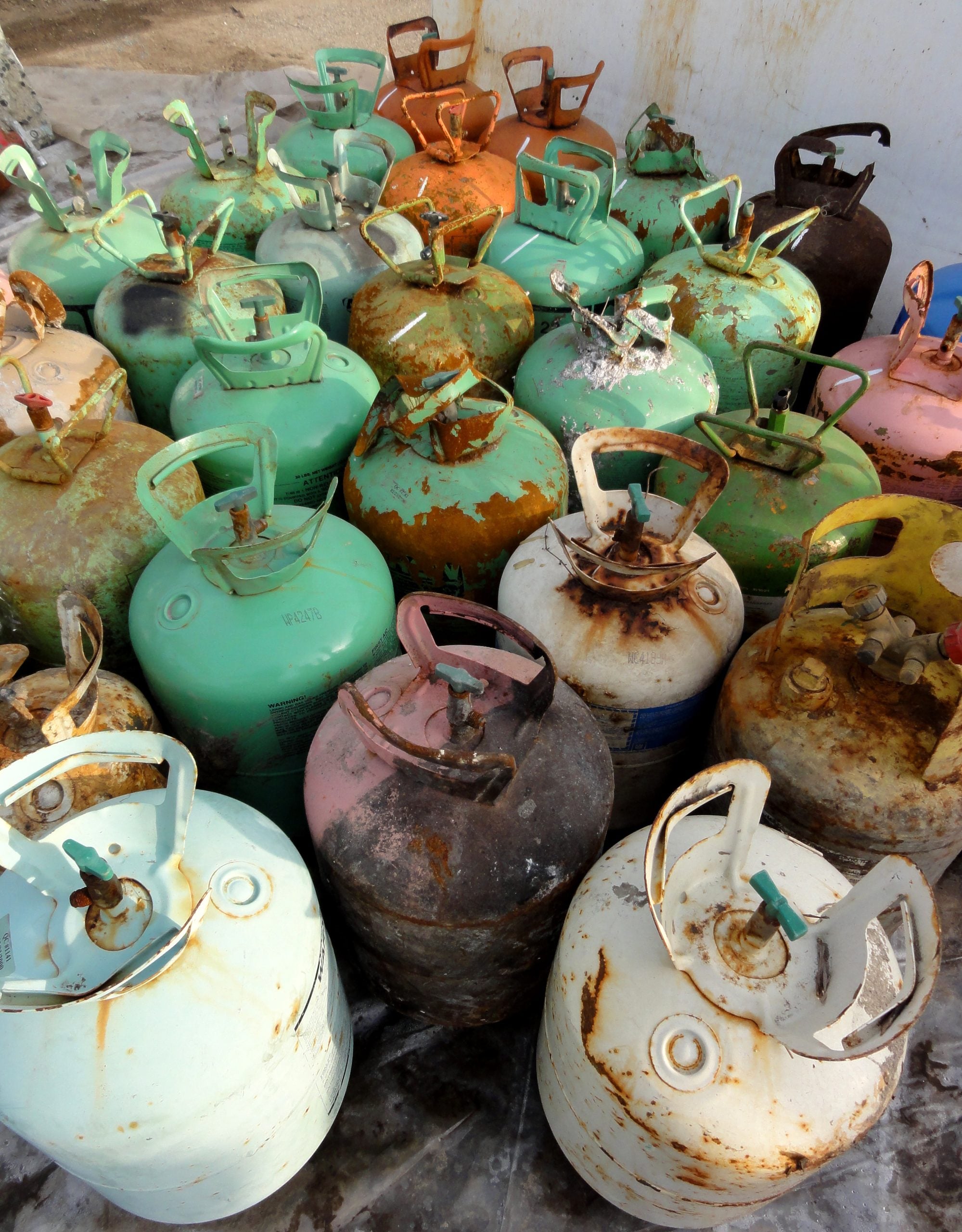
Aerosol sprays were extremely popular for products such as hairspray and deodorant. Scientists discovered that CFCs were damaging Earth’s ozone layer. Therefore, international agreements led to major restrictions and their discontinuation.
Trending on Wealth Gang


6. Lawn Darts
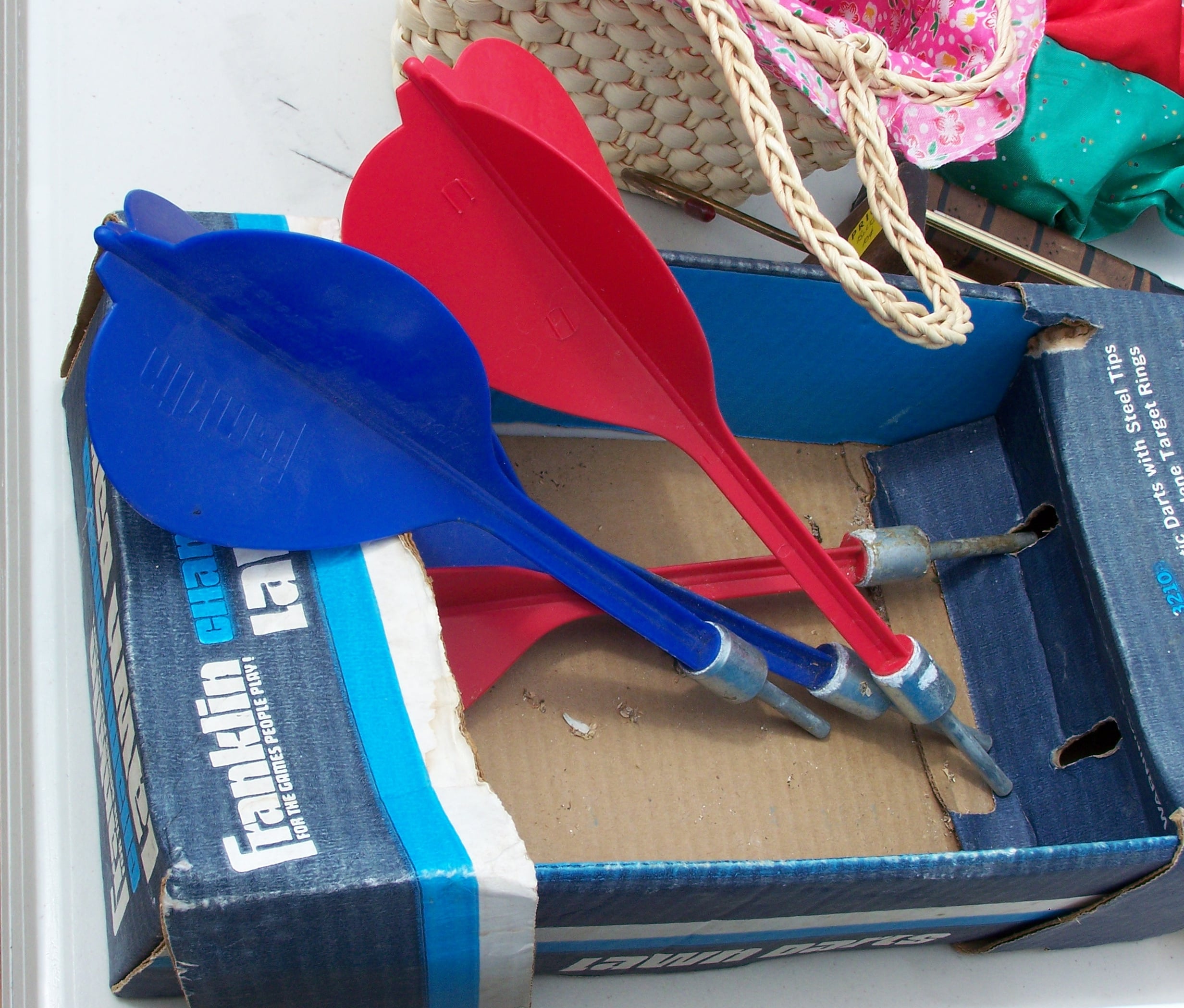
Old-fashioned lawn darts were much heavier and sharper. Traditional pointed lawn darts were eventually banned from sale in the United States.
7. Magnets
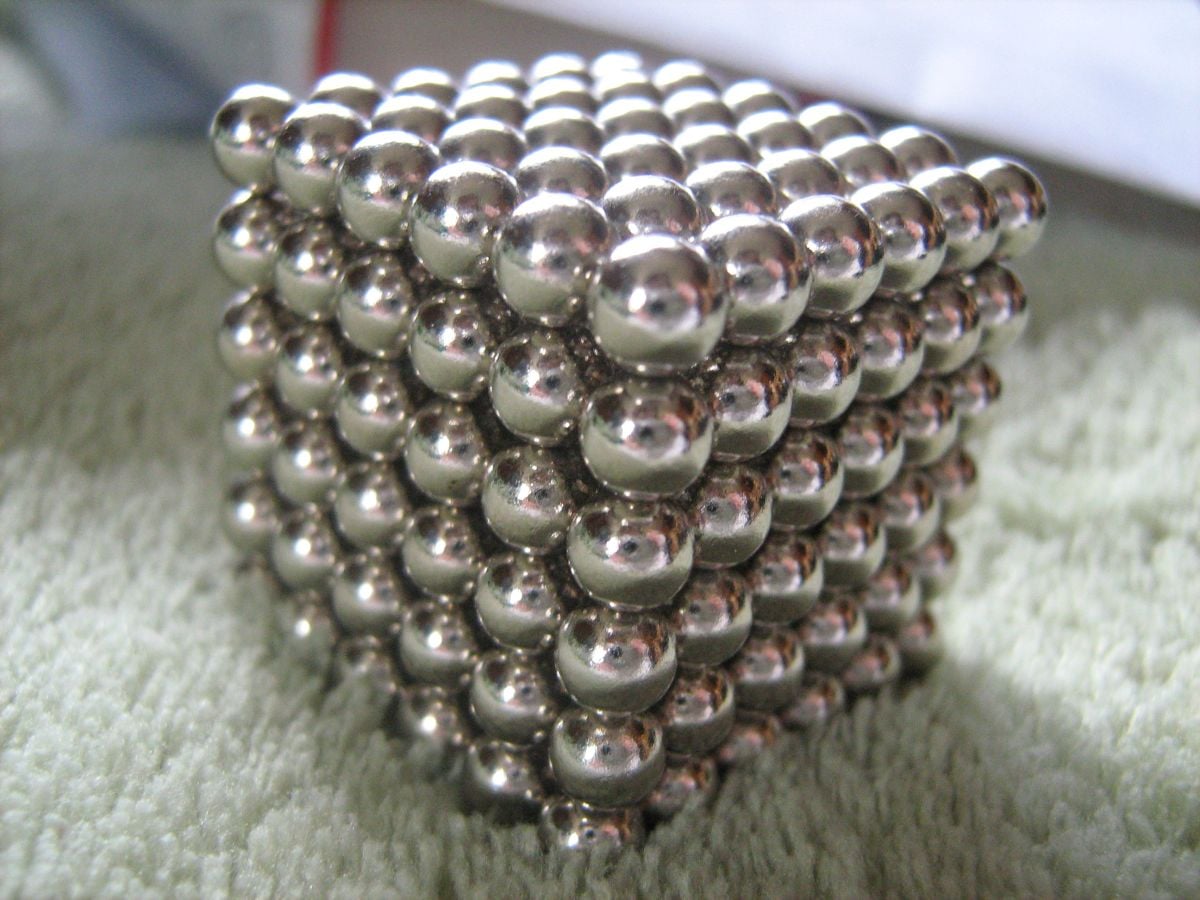
They have been sold as desk toys, puzzles, and building sets. They may look harmless, but swallowing more than one can cause serious internal injuries. Because of the dangers, high-powered magnet products have faced restrictions in several places.
8. Mercury Thermometers
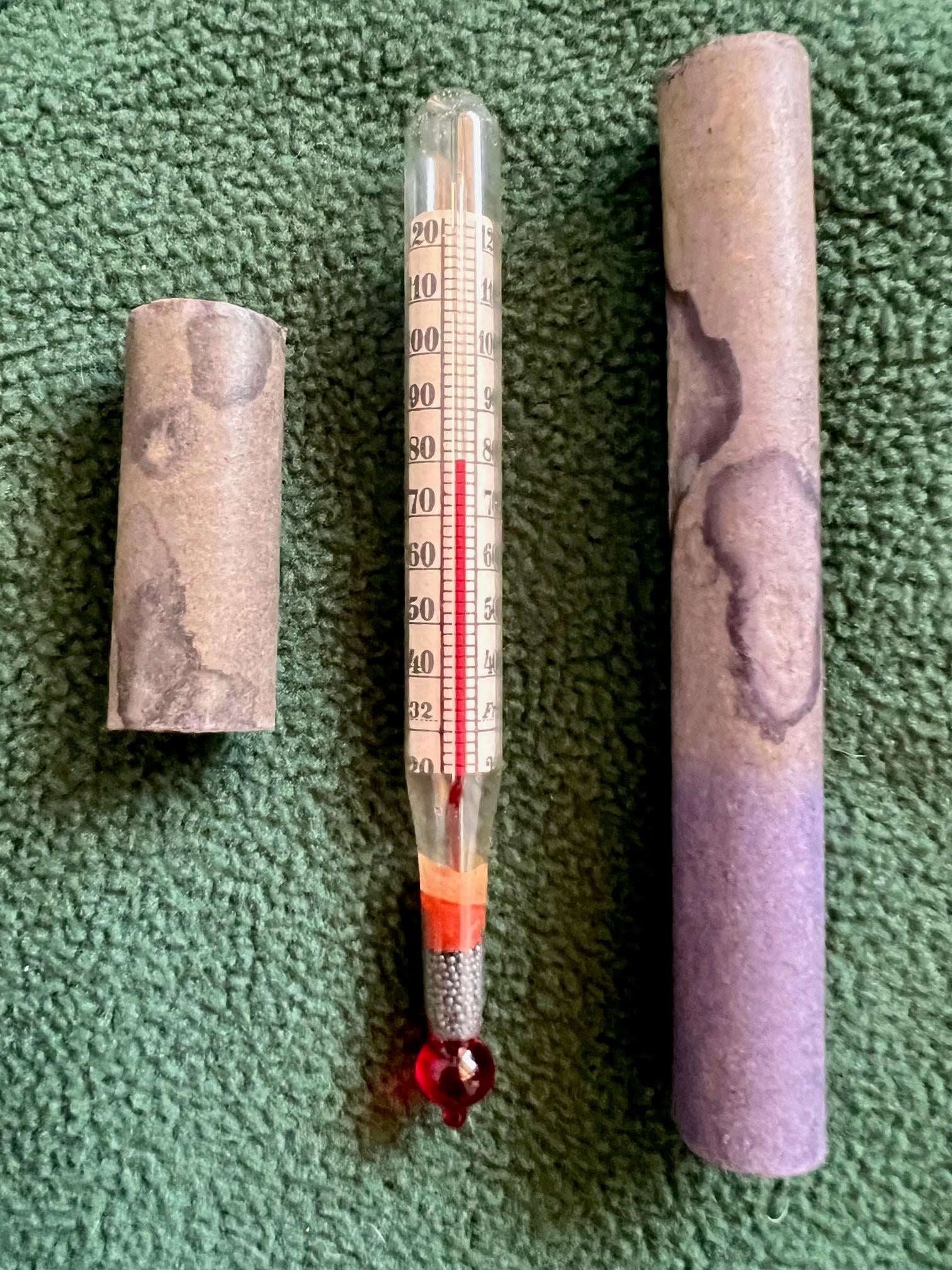
For generations, the glass mercury thermometer was a standard item in bathroom medicine cabinets. If it broke, however, the mercury inside could create a health and environmental hazard. Digital thermometers have now replaced them.
Sign up for our newsletter
9. Certain Pesticides
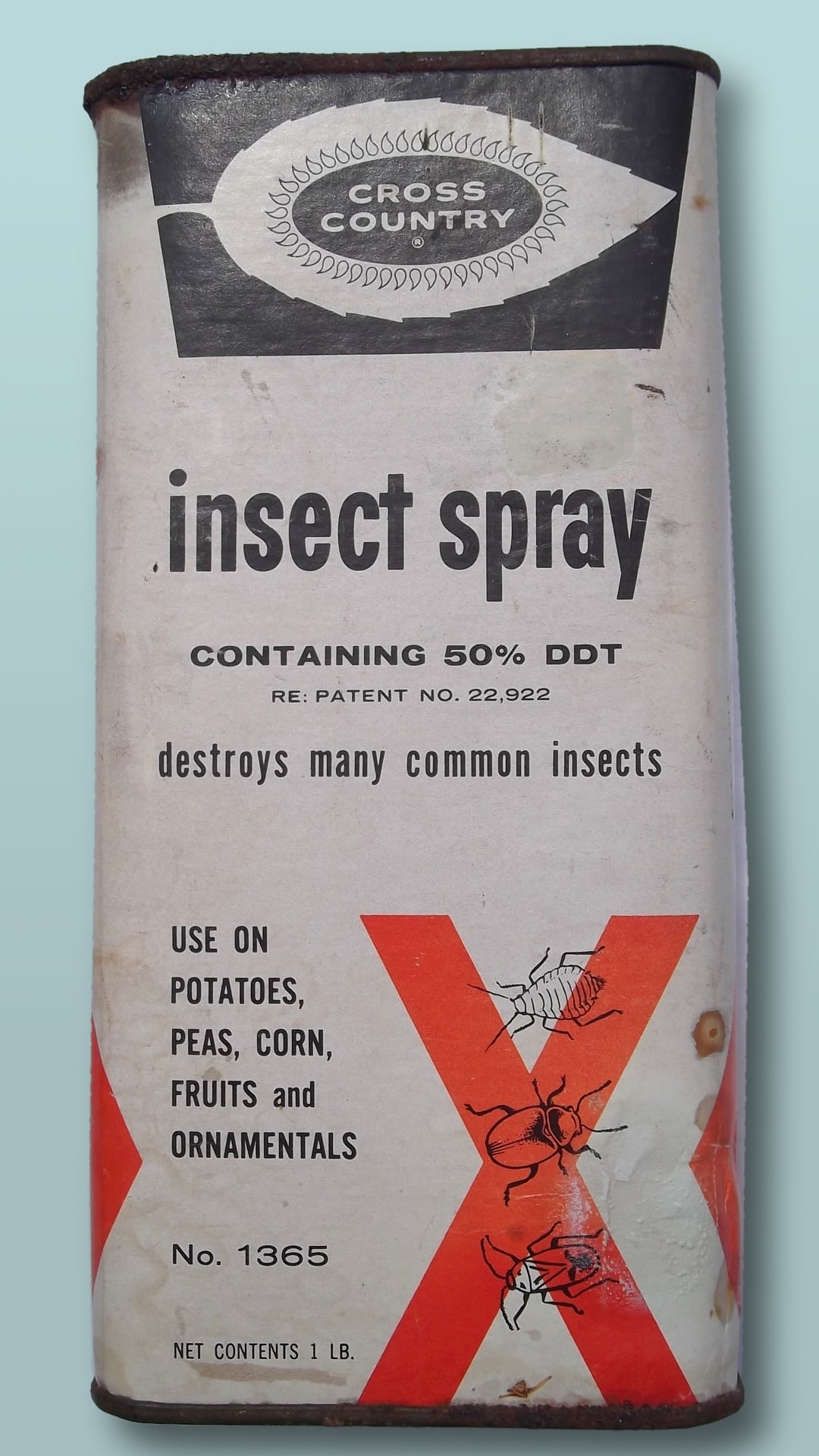
People once used pesticides on farms and gardens without understanding their long-term effects. As more research became available, certain chemicals were banned or restricted. DDT is one of the best-known examples.
10. Incandescent Light Bulbs
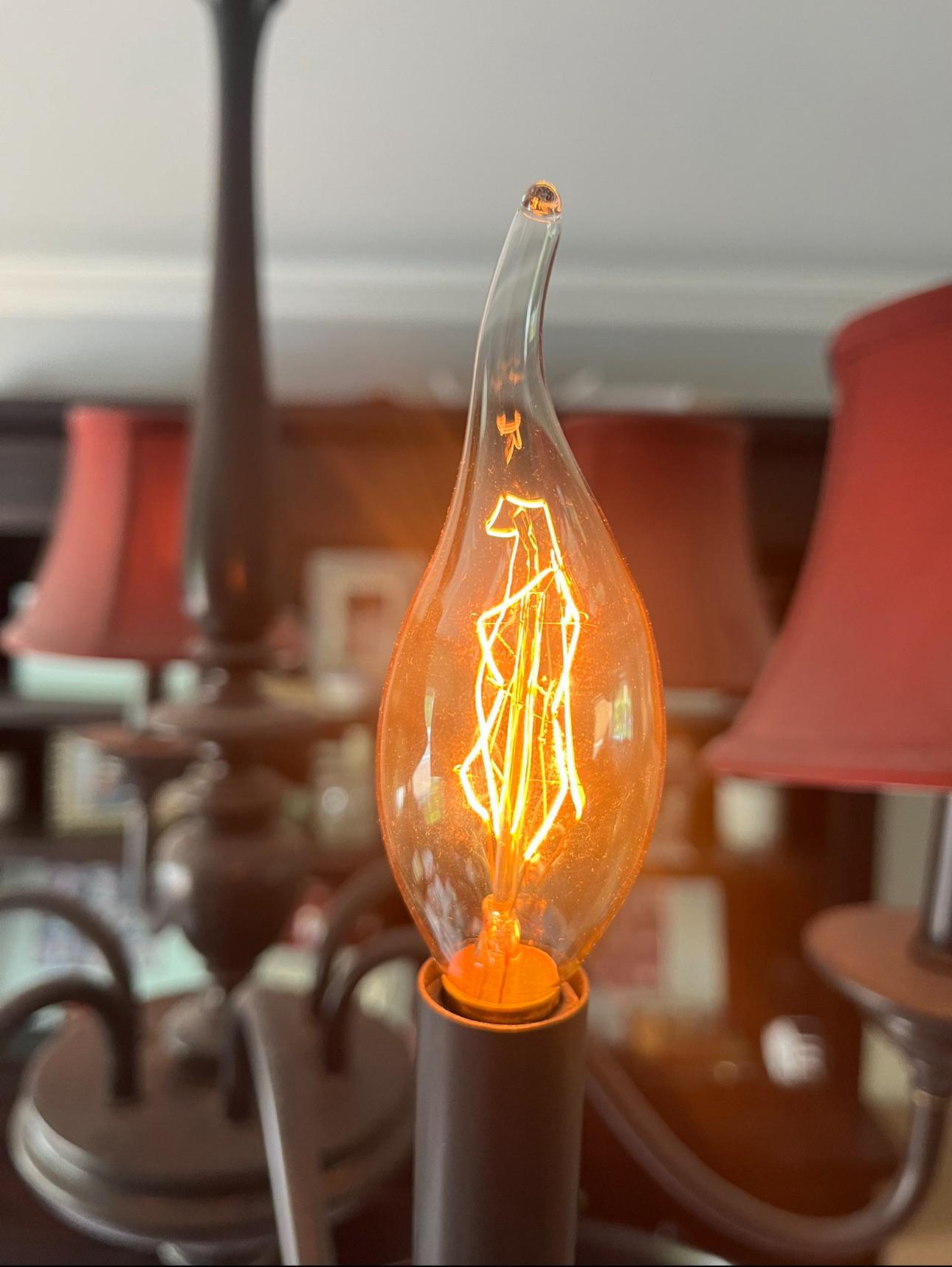
The traditional incandescent bulb lit homes for generations, but much of the energy it used was lost as heat. Energy-efficiency rules in several countries have limited or phased out many traditional incandescent bulbs.
11. Single-Use Foam Food Containers
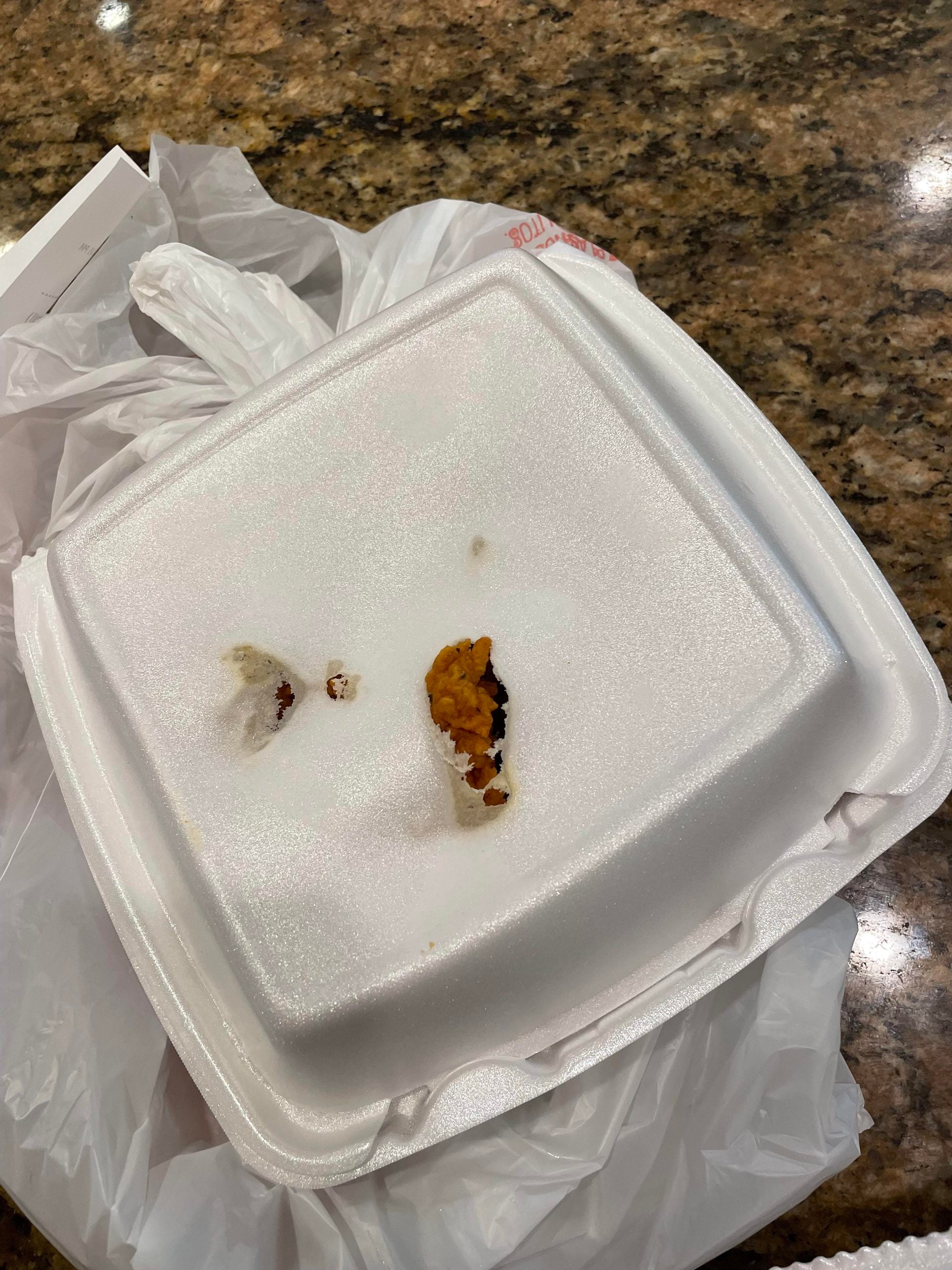
Foam cups and takeout boxes were once very popular. They were cheap for restaurants and good at keeping food warm. But the material can be difficult to recycle and can remain in the environment for a long time.
12. Leaded Gasoline for Road Cars
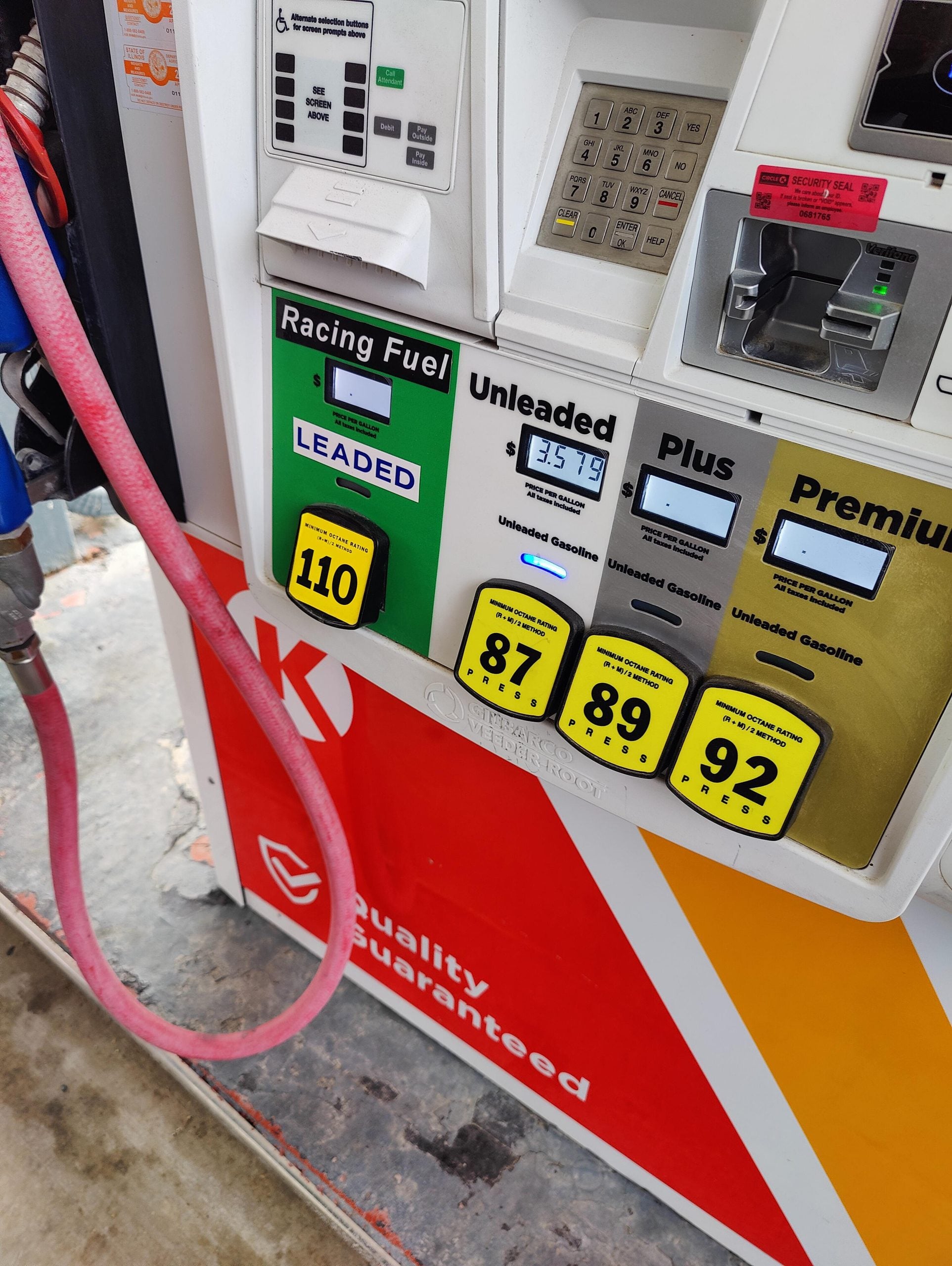
Drivers once filled their cars with gasoline containing lead. The additive helped engines but released lead into the environment through vehicle exhaust. Countries gradually moved away from it for normal road vehicles.
13. Children’s Toys With Small Parts

Toy safety rules have changed over the years. Modern regulations have limited small parts in toys designed for young children because they can become choking hazards.
14. Certain Fireworks
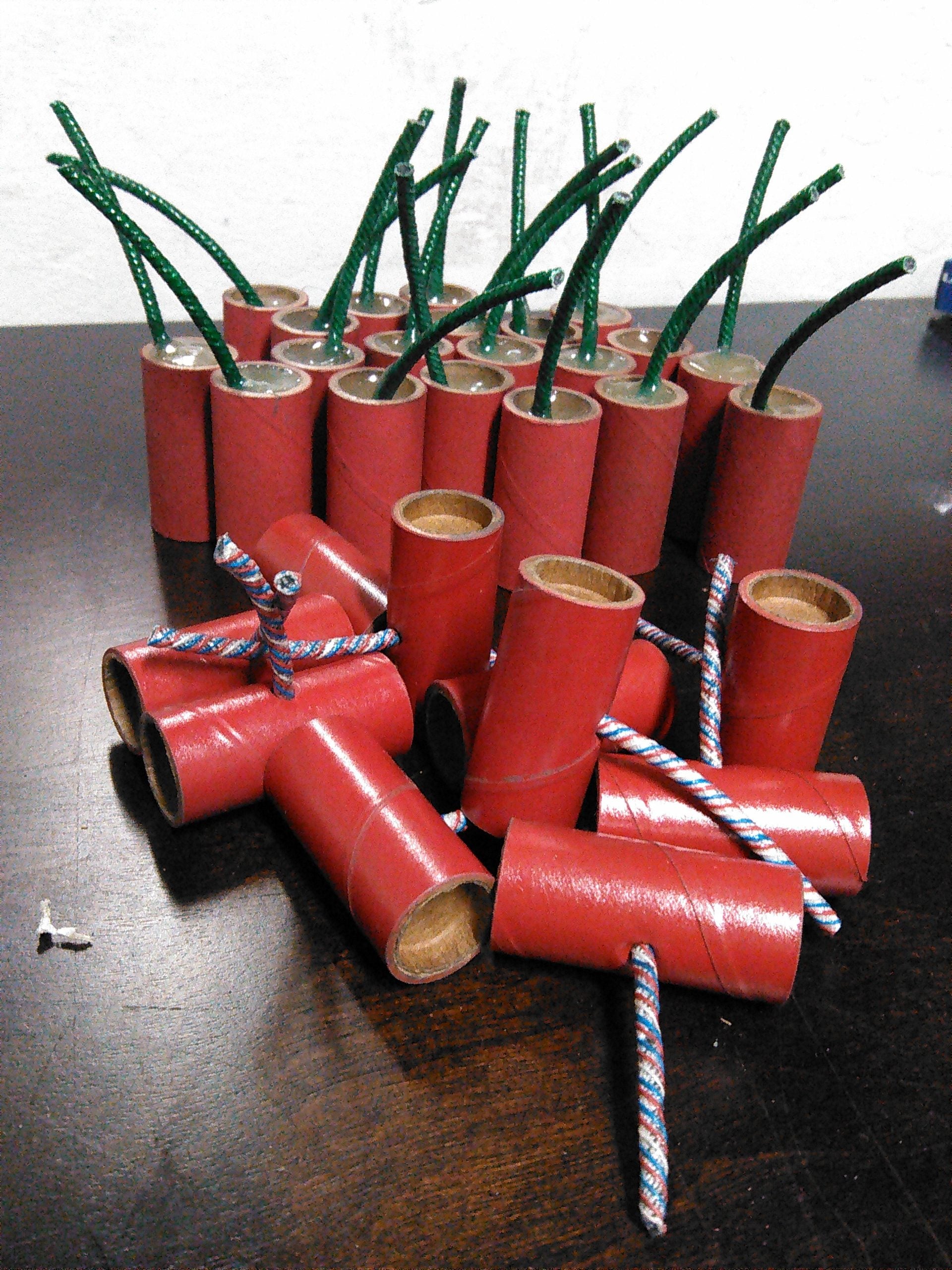
Fireworks laws vary depending on where you live. Some types that were once easy to buy are now banned or restricted because of fire and injury risks. Local rules can also change depending on drought or fire conditions. For instance, M-80s, M-1000s, and Cherry Bombs are prohibited in the U.S.A.
15. PFAS Chemicals
PFAS are chemicals that have been used in many products because they can resist water and stains. They have appeared in everything from food packaging to clothing. Concerns about their presence in the environment and possible health effects have led governments to restrict certain PFAS chemicals.
You might also like:
Our piece on 18 Ordinary Garage Items That Can Be Surprisingly Valuable to Collectors breaks down the tools, signs, and auto parts collectors actually want. Then head inside for 15 “Junk Drawer” Items That Could Be Worth Serious Money Today, which shows why that drawer of old keys and coins deserves a second look before it hits the trash. Last but not least, 15 Items That Were Considered High-Tech in the 1980s revisits the gadgets that once felt like the future.