Famous products can become so closely associated with their names that it’s difficult to imagine them being called anything else. But some of the world’s most recognizable products and services started life under names that would sound completely unfamiliar to customers today.
Some names were changed to make products easier to market, while others disappeared as companies evolved or expanded. Here are 15 famous examples and what they were originally called.
1. Pepsi-Cola Was Brad’s Drink
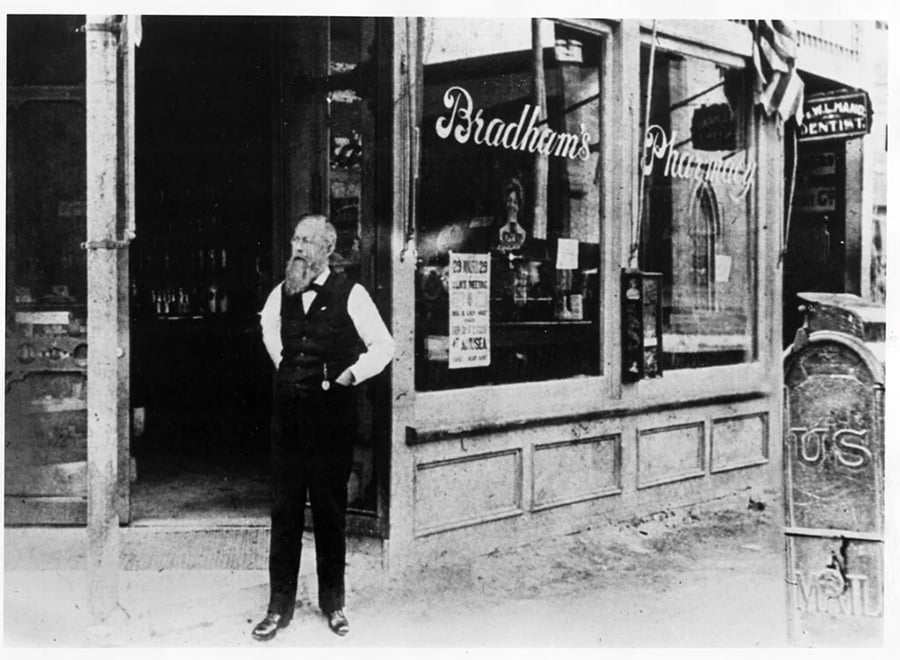
Pharmacist Caleb Bradham created the beverage in North Carolina and initially sold it as Brad’s Drink in the 1890s. In 1898, he renamed it Pepsi-Cola, giving the soda the identity that eventually became famous worldwide.
2. Google Was BackRub
Larry Page and Sergey Brin initially called their search engine BackRub because its technology analyzed backlinks between websites. Fortunately for anyone who has ever said “Google it,” the name didn’t last.
3. Amazon Was Cadabra
Jeff Bezos initially incorporated his online bookstore as Cadabra. After the name was reportedly misheard as “cadaver,” he reconsidered and eventually chose Amazon, inspired by the enormous river.
4. Instagram Was Burbn
Before Instagram focused almost entirely on photographs, Kevin Systrom developed Burbn, an app built around check-ins, plans, and photo sharing. The founders stripped away most features and rebuilt the concept around photos.
5. Snapchat Was Picaboo
The disappearing-photo app launched as Picaboo in 2011. A naming conflict with another company helped prompt the switch to Snapchat later that year.
Trending on Wealth Gang
6. Play-Doh Was Kutol’s Wallpaper Cleaner
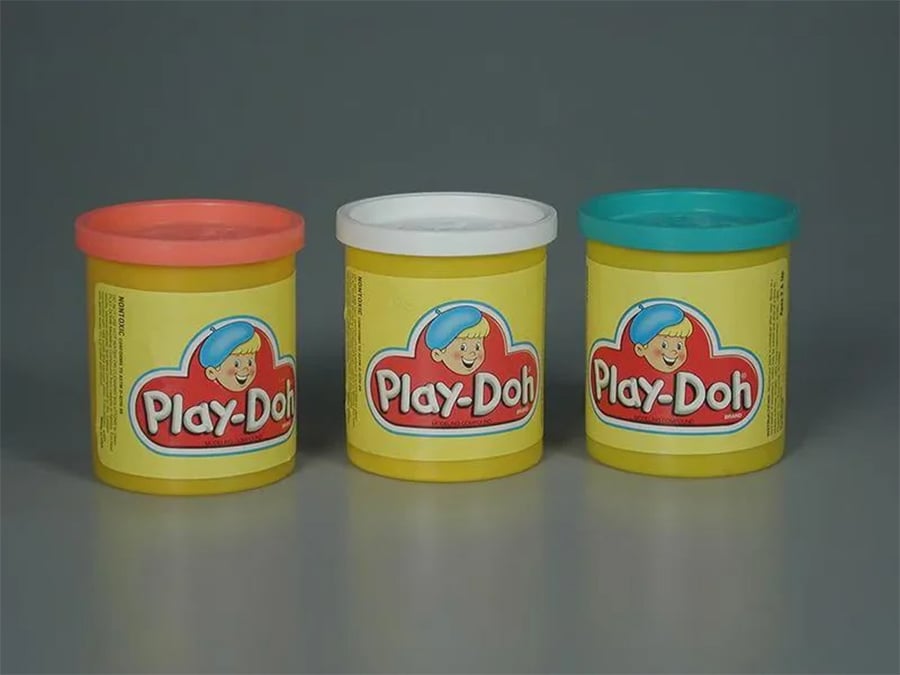
Before children were shaping it into colorful creations, the material that became Play-Doh was sold as a product for cleaning soot from wallpaper. When demand declined, its potential as a children’s modeling compound gave it an entirely new life.
7. Cheerios Were CheeriOats
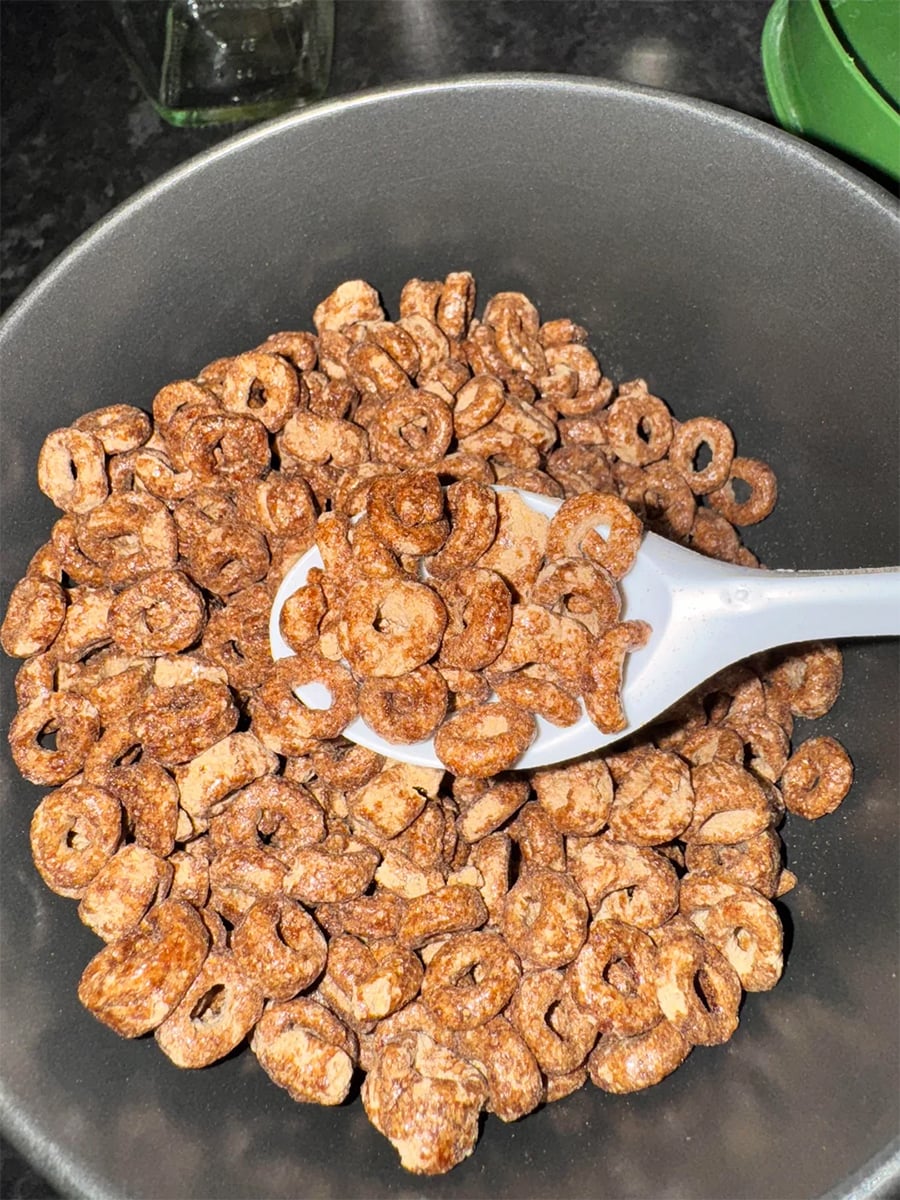
General Mills introduced the cereal as CheeriOats in 1941. A trademark dispute involving the word “oats” eventually led to a new name, and Cheerios appeared in 1945.
8. Kool-Aid Was Fruit Smack
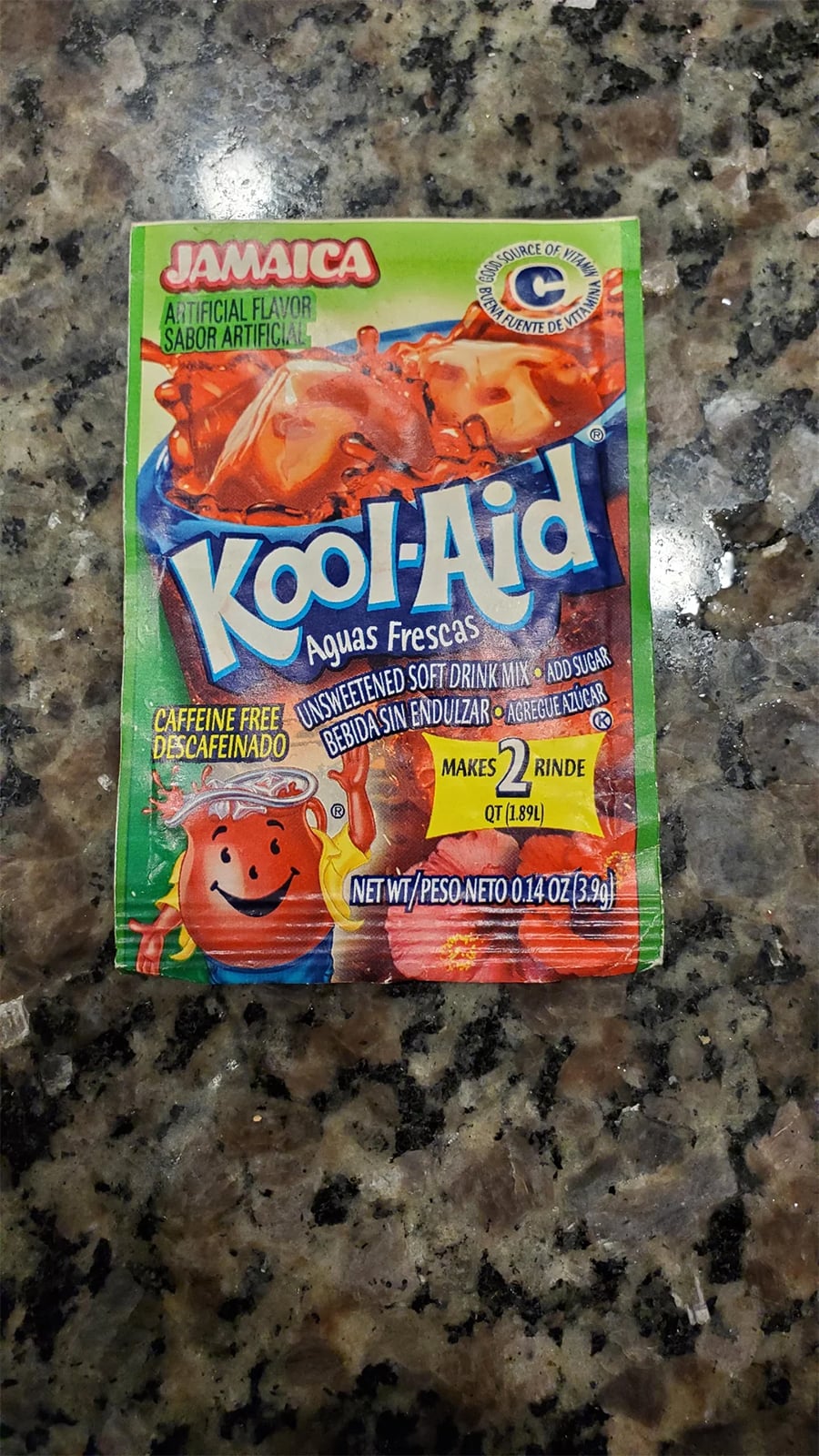
Edwin Perkins originally sold a concentrated liquid fruit drink called Fruit Smack. Shipping glass bottles proved expensive and inconvenient, so he developed a powdered version called Kool-Ade, later spelled Kool-Aid.
Sign up for our newsletter
9. Twix Was Raider in Much of Europe
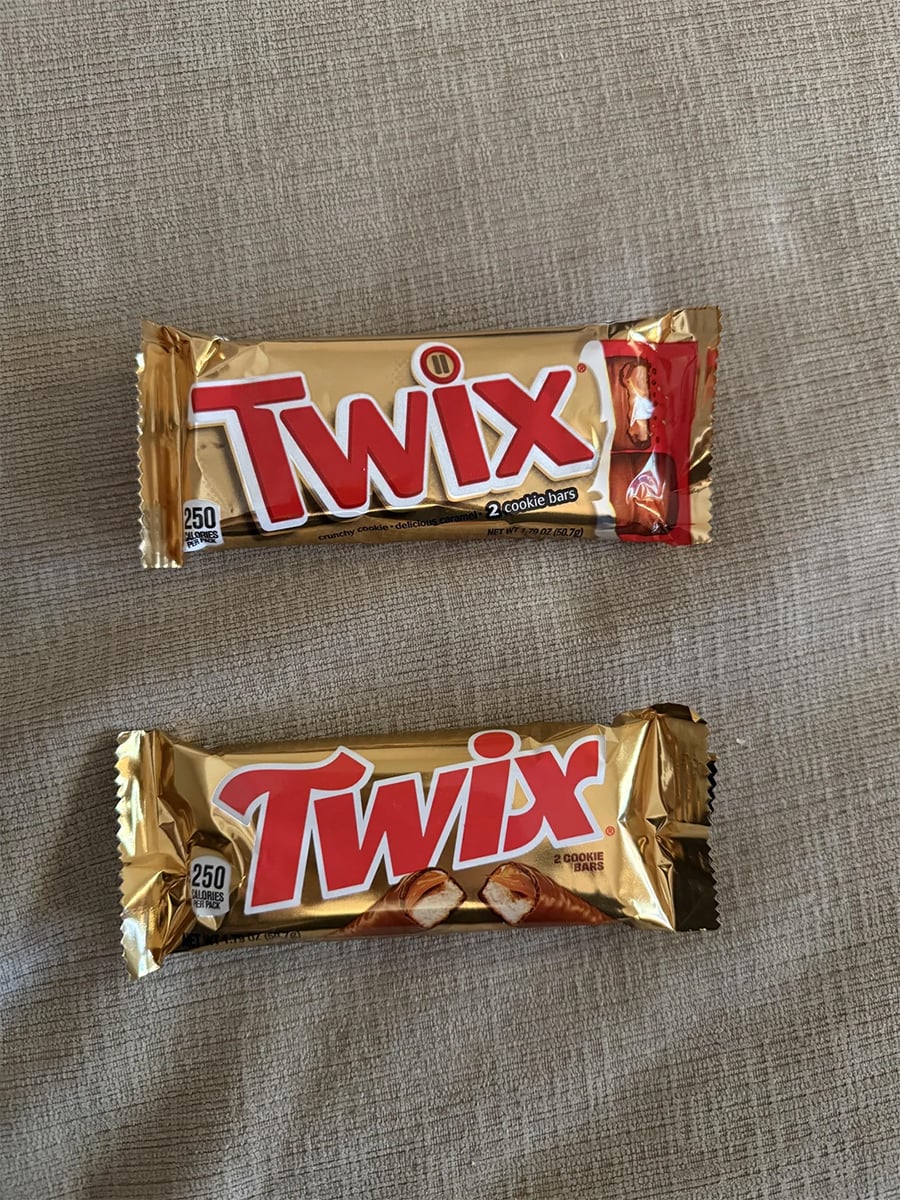
For decades, consumers in several European countries knew the familiar caramel-and-cookie candy bar as Raider. Mars gradually standardized the international branding under the Twix name around the early 1990s.
10. Starburst Was Opal Fruits
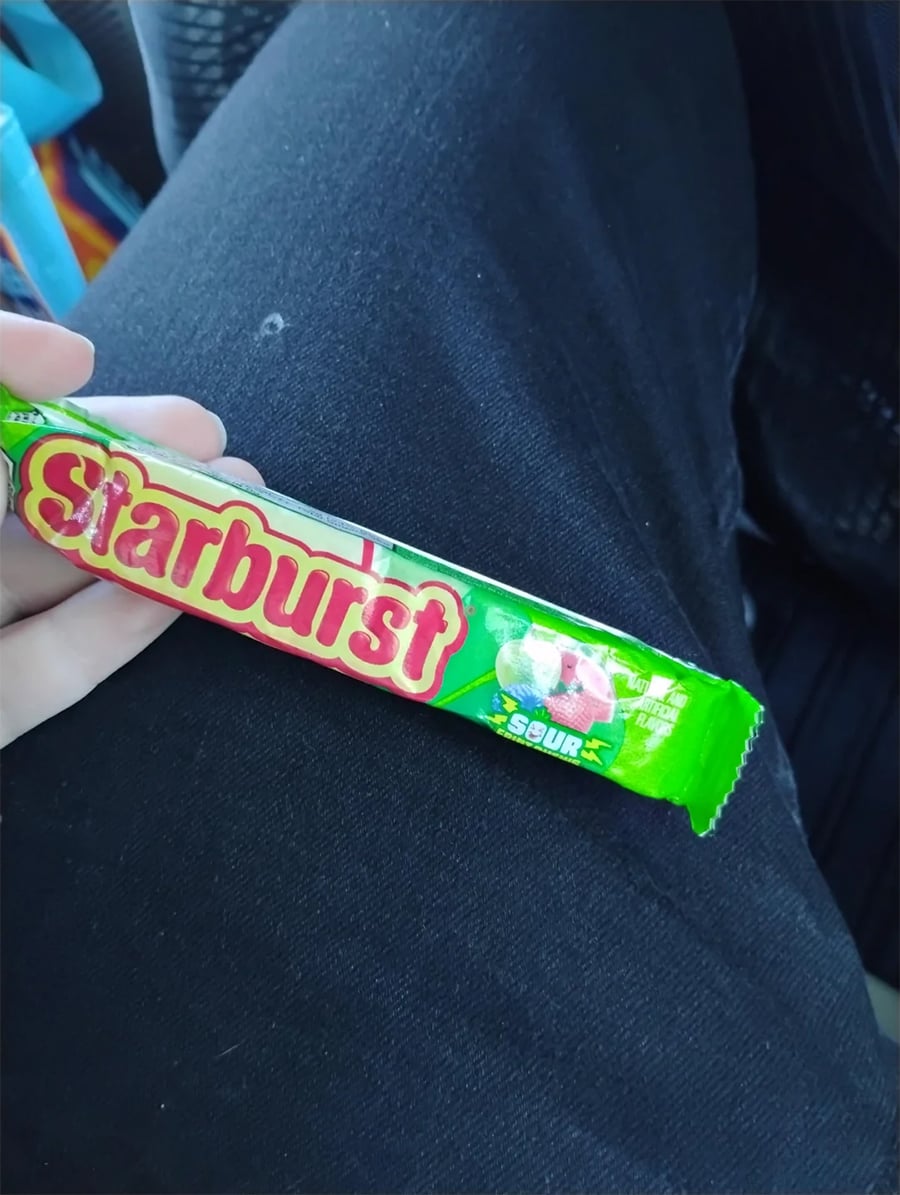
The chewy fruit candies debuted in Britain as Opal Fruits in 1960. Mars later adopted the Starburst name internationally, although nostalgia has occasionally brought the original branding back for limited releases.
11. Cotton Candy Was Fairy Floss
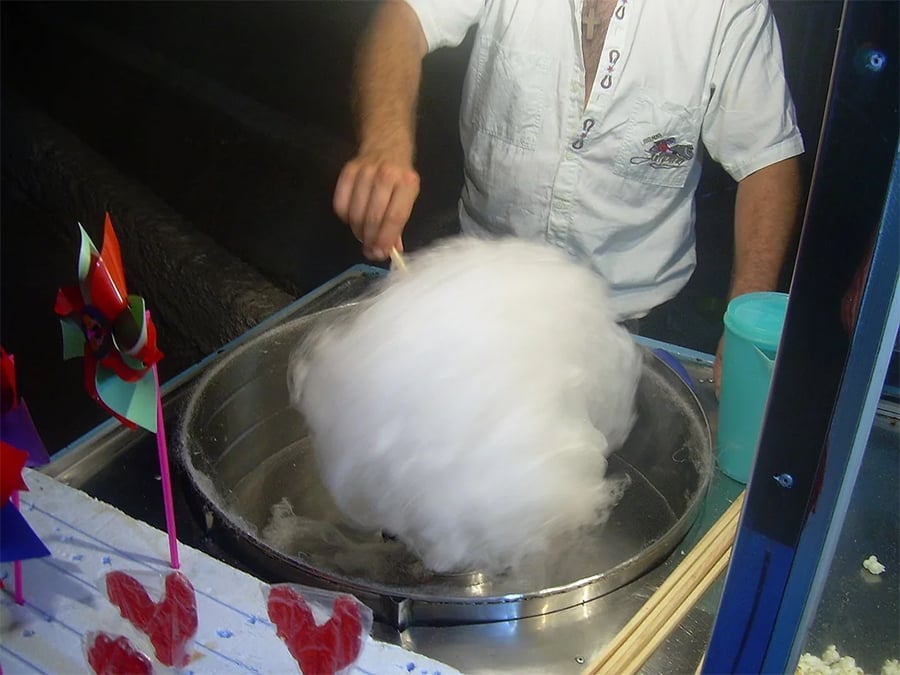
The machine-spun confection introduced to huge audiences at the 1904 World’s Fair was promoted as Fairy Floss. “Cotton candy” eventually became the dominant American name, while “fairy floss” survives in places including Australia.
12. Corn Pops Were Sugar Pops
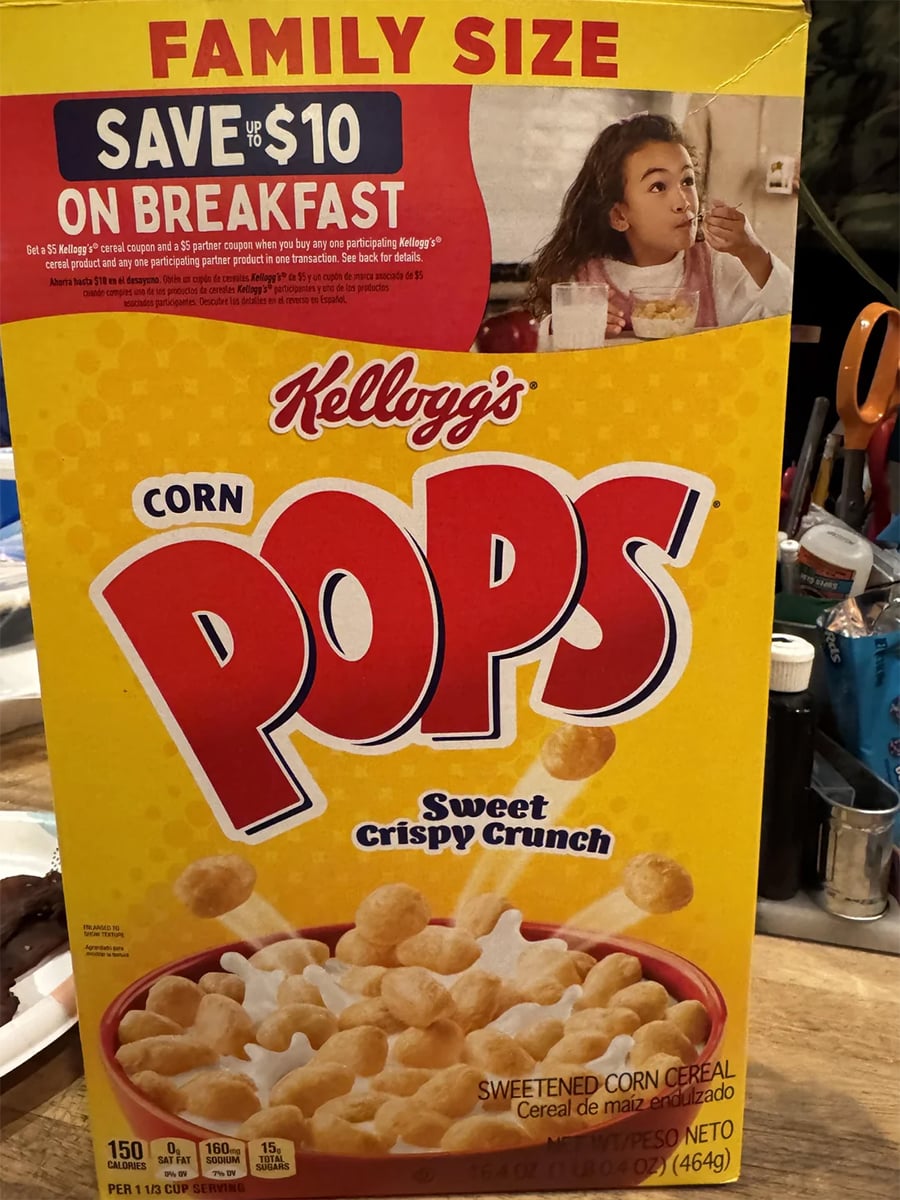
Blind_Optimism_Kills / Reddit.com
Kellogg’s introduced the cereal as Corn Pops in 1950 before quickly renaming it Sugar Corn Pops and later Sugar Pops. As attitudes toward heavily marketing “sugar” changed, the name eventually returned to Corn Pops.
13. Mr. Clean Was Mr. Proper in Some Markets
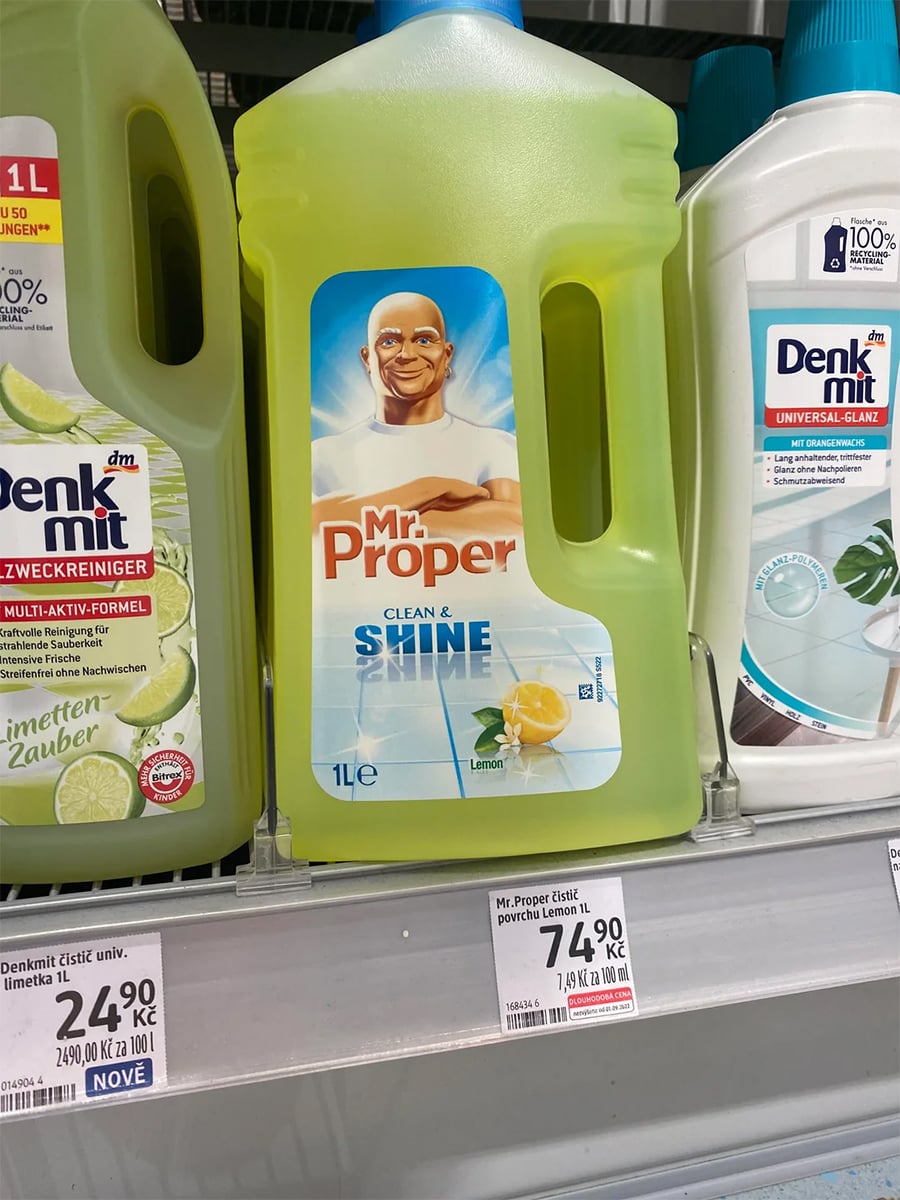
The familiar cleaning product has carried dramatically different names around the world. While Americans know the bald mascot as Mr. Clean, consumers in several international markets encountered names including Mr. Proper.
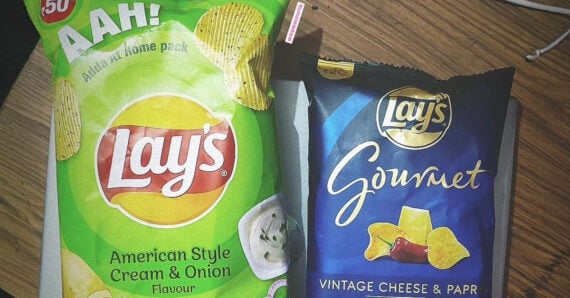
14. Lay’s Was Originally Sold Under the Barrett Food Products Name
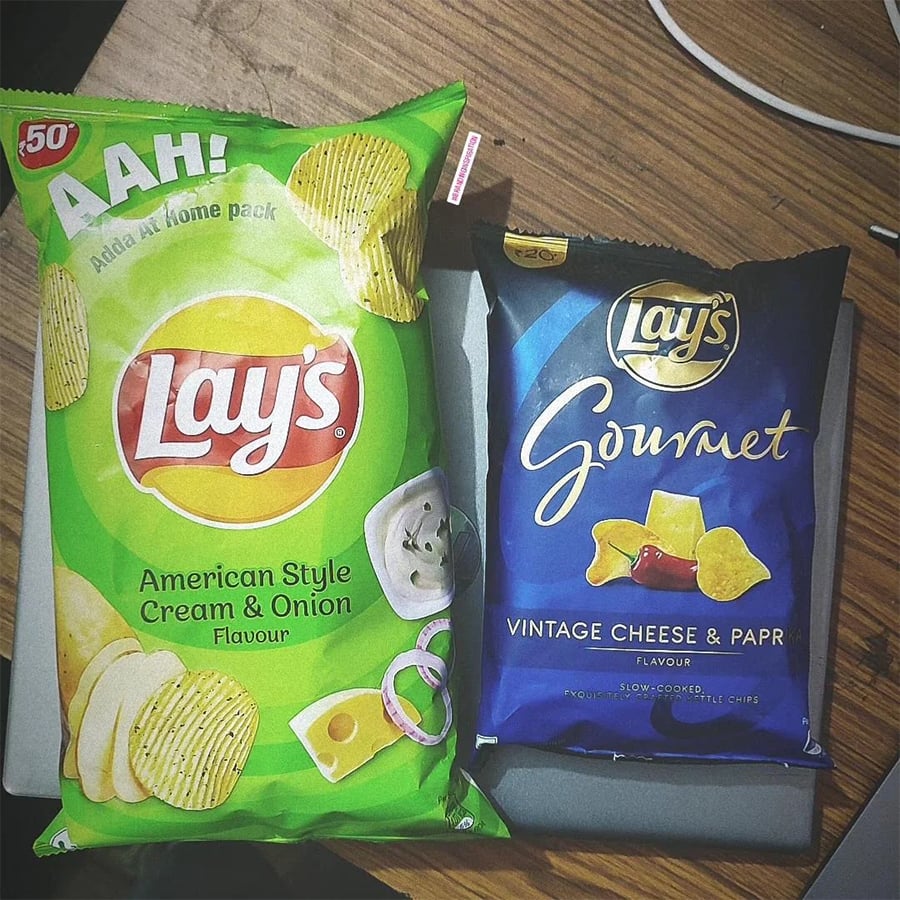
Herman Lay entered the snack business by distributing products for Barrett Food Products before purchasing the operation and building the H.W. Lay & Company brand. The Lay’s name eventually became one of the most recognizable names in potato chips.
15. Nike Shoes Were Originally Sold Under Blue Ribbon Sports
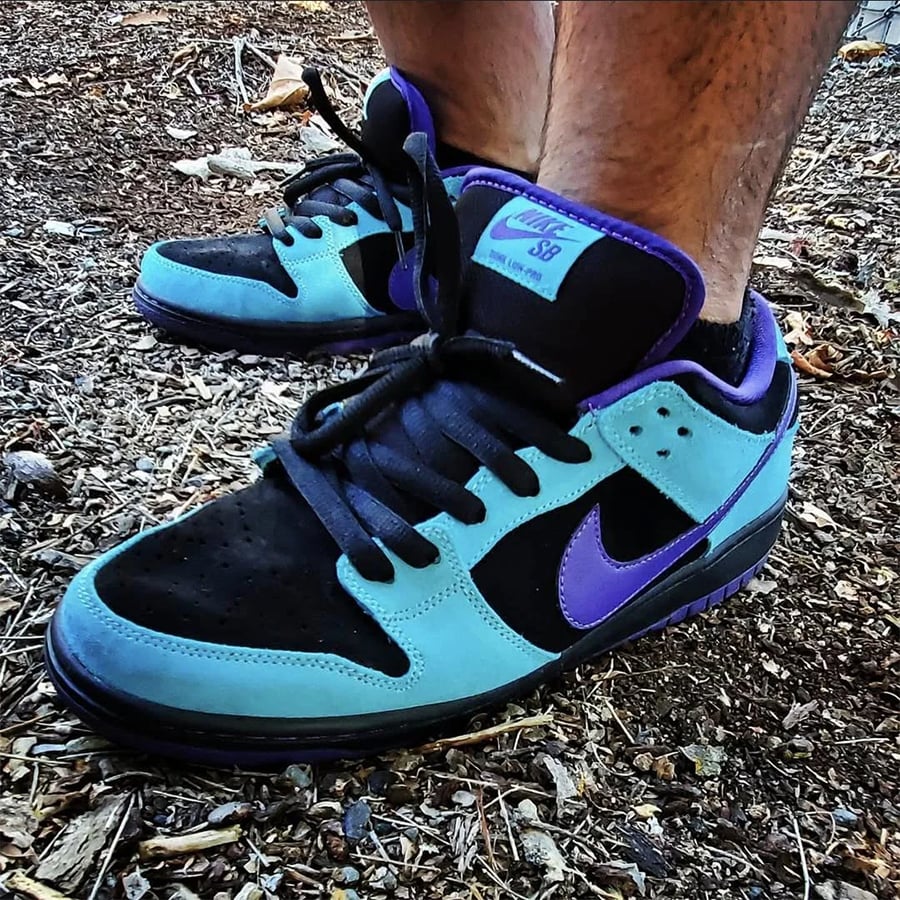
Before Nike became one of the world’s most recognizable names, Phil Knight and Bill Bowerman operated Blue Ribbon Sports, initially distributing Japanese Onitsuka Tiger shoes. The Nike brand emerged in the early 1970s as the company began selling its own footwear.
More Related Notes
• 10 Everyday Costs That Have Changed the Most Since 2000.
A closer look at the rising prices of common expenses, showing how inflation has reshaped the cost of everyday living.
• 15 Things the Average Family Could Afford in 1980 but Struggles With Today.
This article explores how declining purchasing power has made many once-routine purchases increasingly difficult for modern households.
• 16 Purchases That Felt Affordable in the 1990s but Seem Like Luxuries Today.
A complementary read highlighting products and experiences that were once inexpensive but now come with a much higher price tag.