Plenty of things sitting in ordinary homes today were once considered a big deal- the kind of item that told the neighbors you’d made it. Owning one wasn’t just about function; it was about showing you could afford something most people couldn’t. Over time, mass production and changing technology turned these former luxuries into things nobody thinks twice about.
Looking back at these objects is a fun reminder of how quickly “impressive” can turn into “ordinary.” What was once a proud centerpiece of a living room is now something people barely notice, or don’t even own anymore. Here are 12 everyday objects that used to mean serious status.
1. Television sets
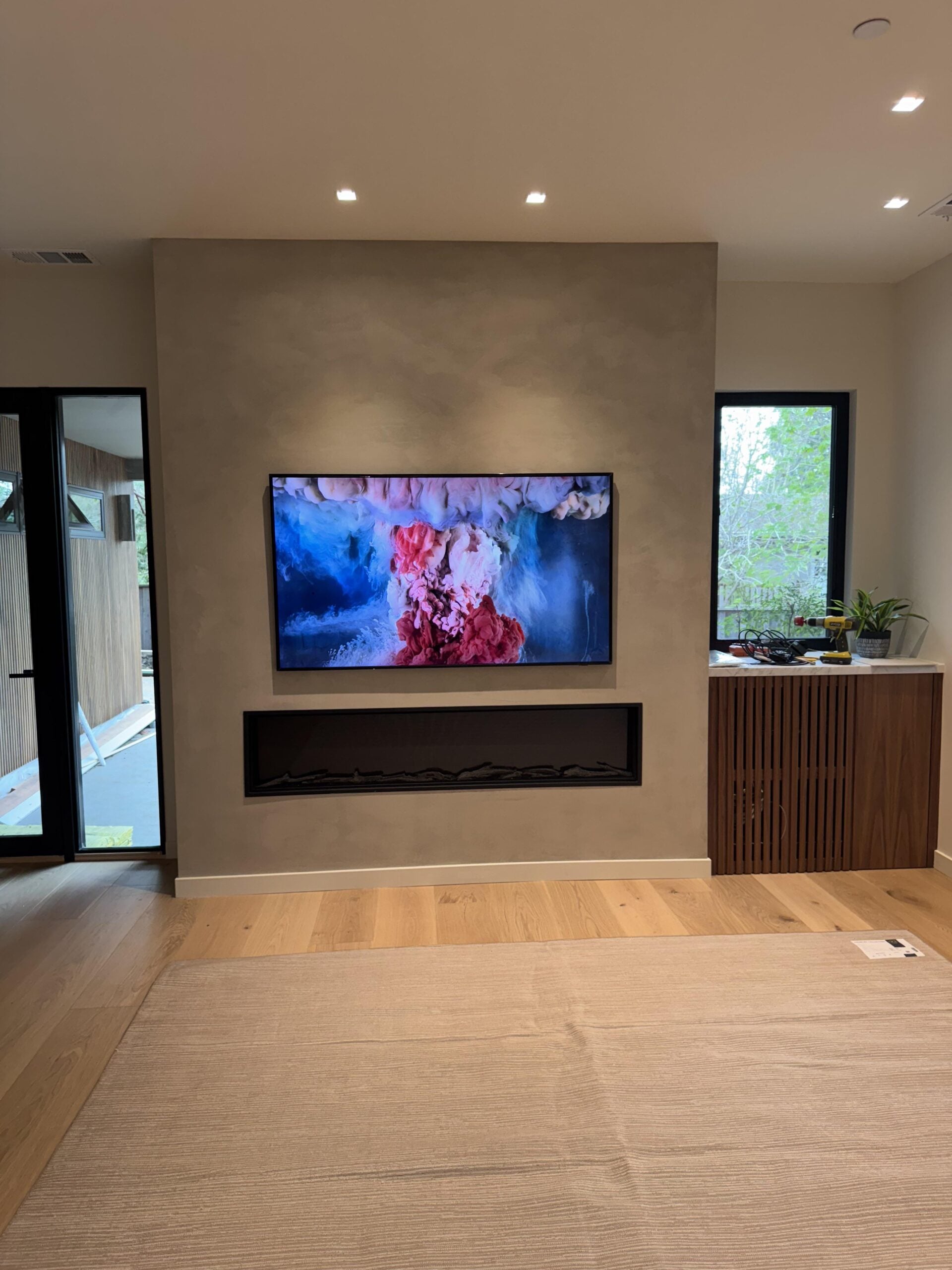
In the early days of TV, owning a set meant you were doing well, and neighbors would sometimes gather at one house just to watch together. It was as much a piece of furniture as it was a status symbol, often displayed proudly in the living room.
2. Wristwatches
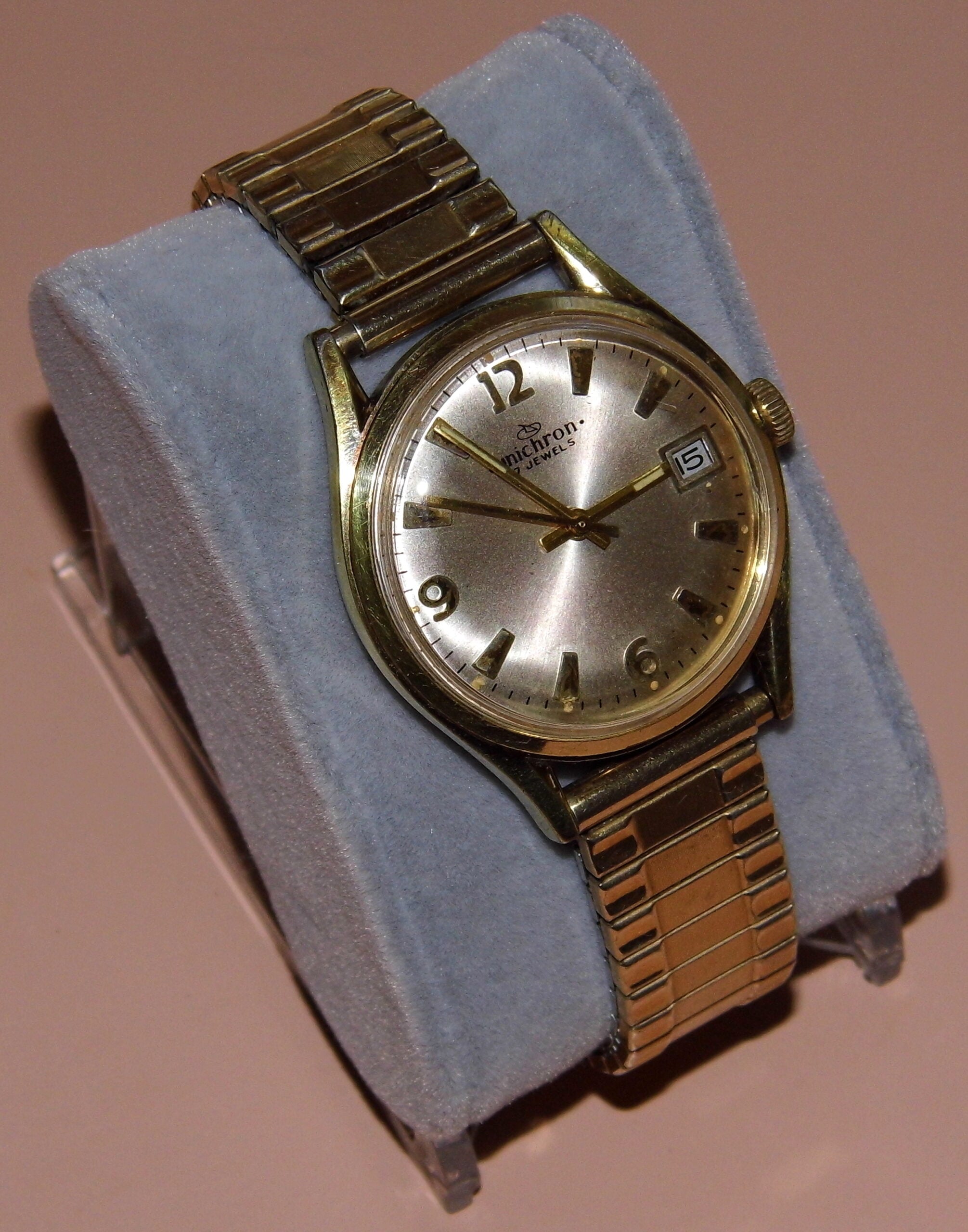
Before smartphones put the time in everyone’s pocket, a nice wristwatch signaled both wealth and punctuality. Certain brands and styles became instantly recognizable symbols that someone had money to spare.
3. Encyclopedia sets
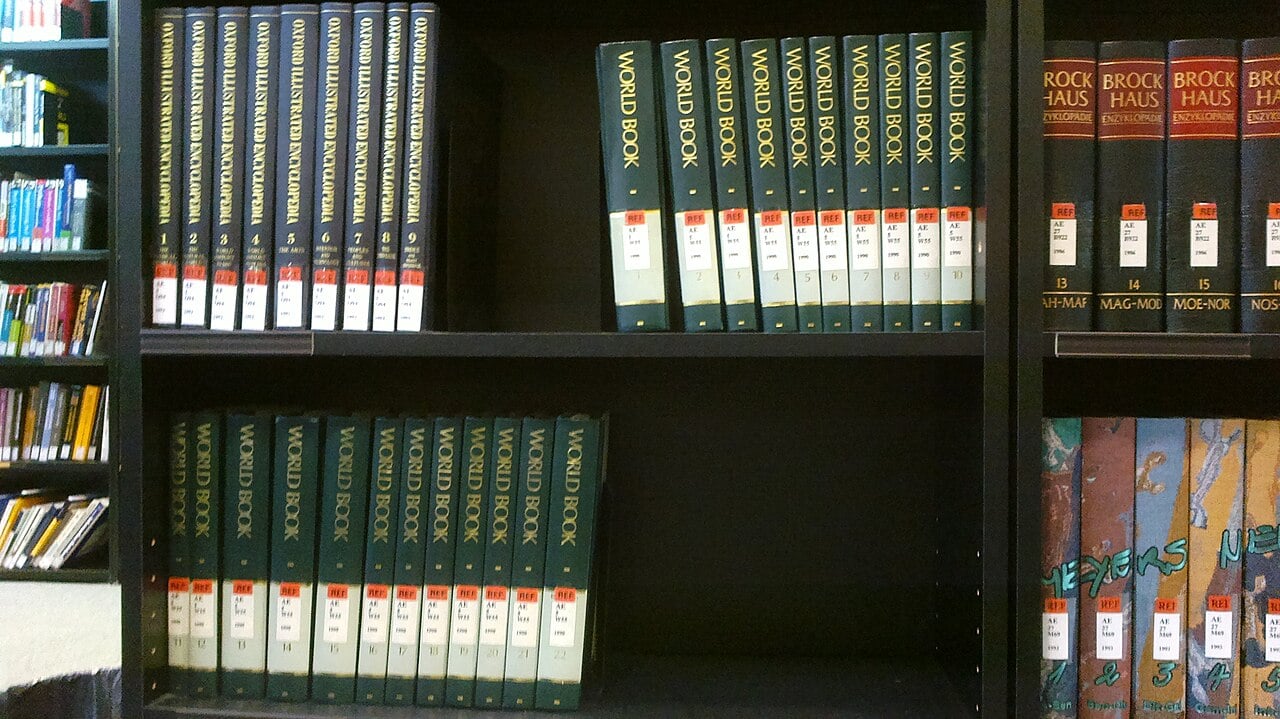
A full set of encyclopedias lining a bookshelf used to say a family valued education and could afford to invest in it. Door-to-door salesmen built entire careers around convincing parents their kids needed one.
4. Telephones
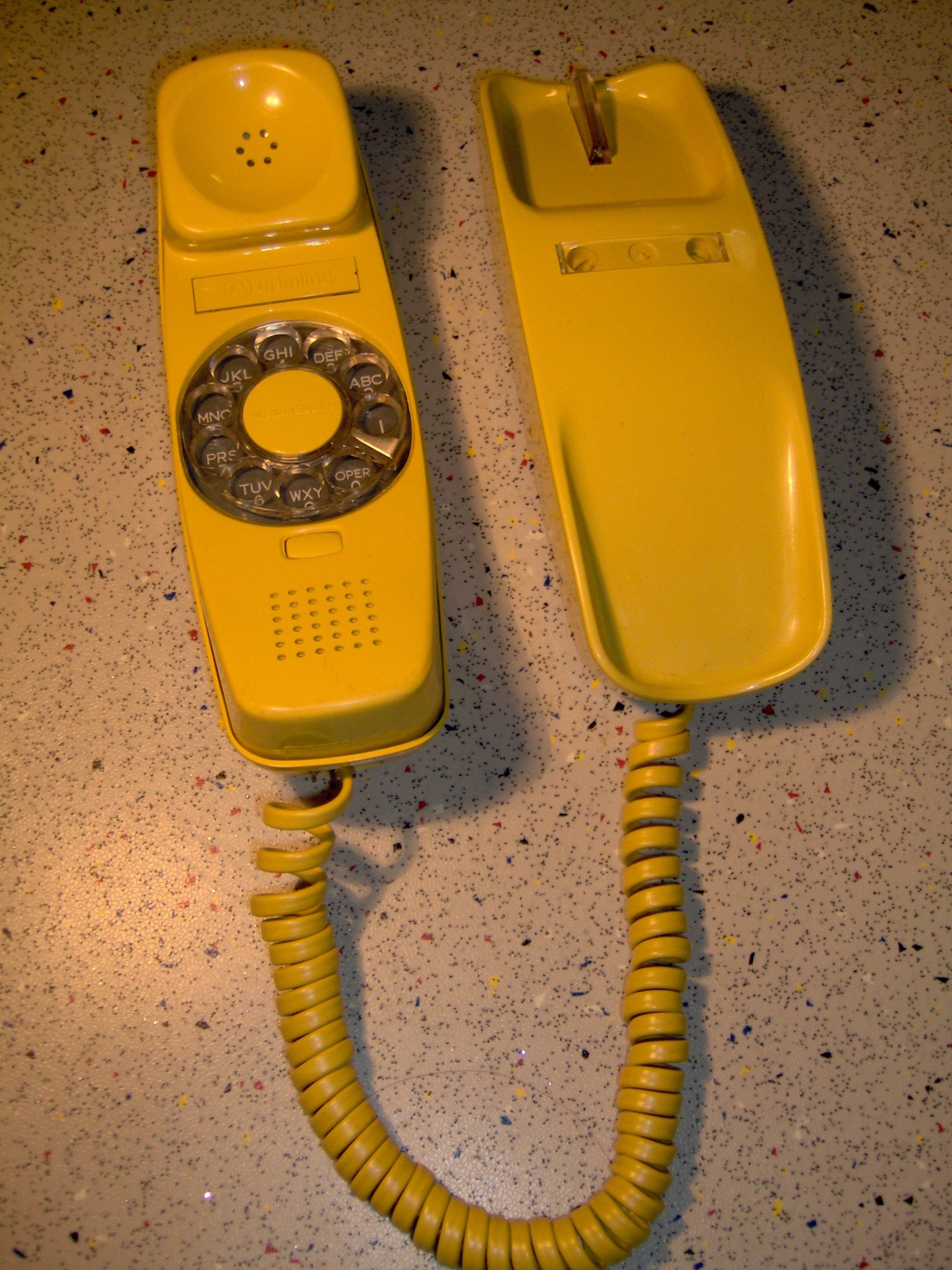
Having a telephone in the home was once a luxury only some families could justify, and having more than one line was an even bigger flex. The style and color of the phone itself became something people showed off.
5. Air conditioning units

Central air or even a single window unit used to mean a family had money to spend on comfort most people didn’t have. Being able to escape the heat was a genuine luxury.
Trending on Wealth Gang

6. Automobiles

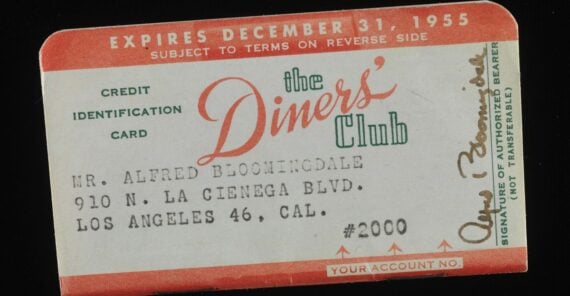
Owning any car at all used to be a major status marker, long before every household had two or three. The specific model and how new it was said a lot about a family’s standing.
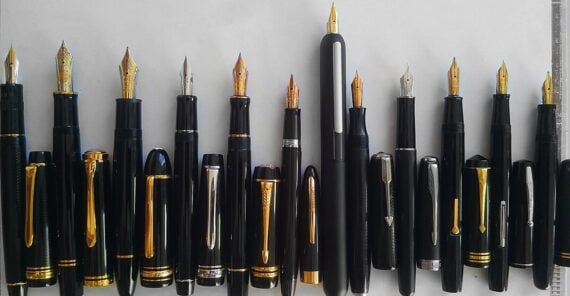
7. Fountain pens
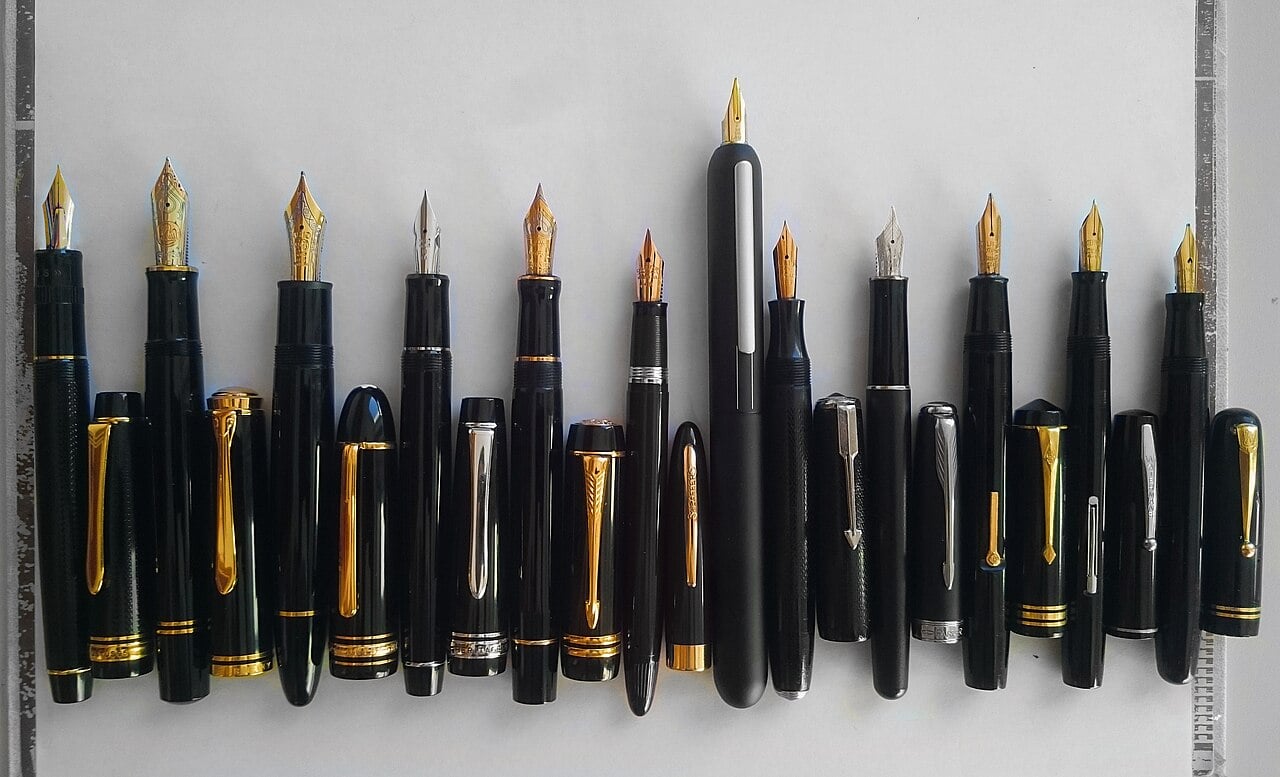
A quality fountain pen used to be a serious purchase, often given as a graduation or promotion gift. Carrying one signaled education and professional success in a way a regular pen never could.
8. Sewing machines
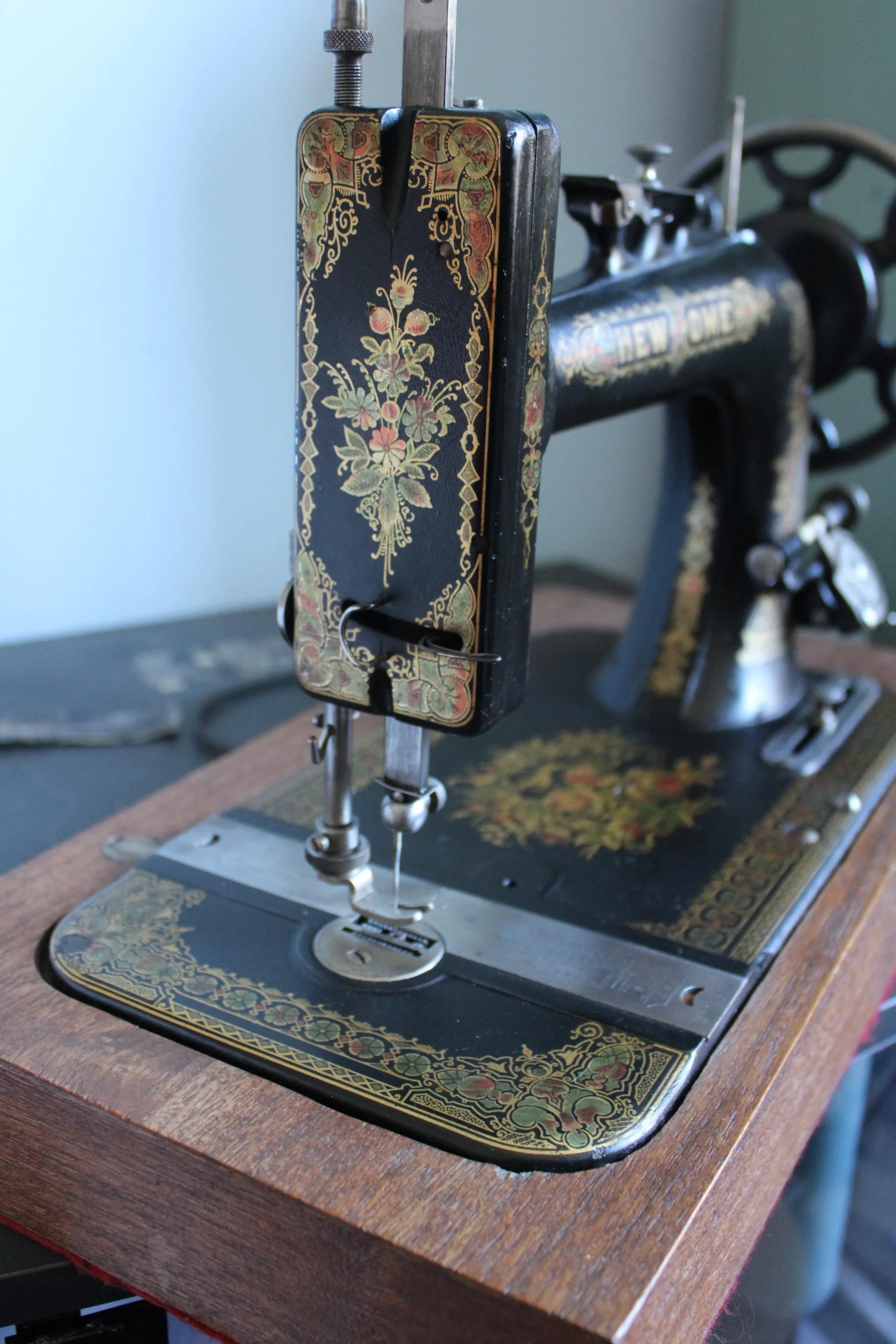
Owning a sewing machine at home meant a family could afford both the machine itself and the fabric to use it, turning homemade clothing into a symbol of resourcefulness and means rather than necessity.
Sign up for our newsletter
9. Refrigerators
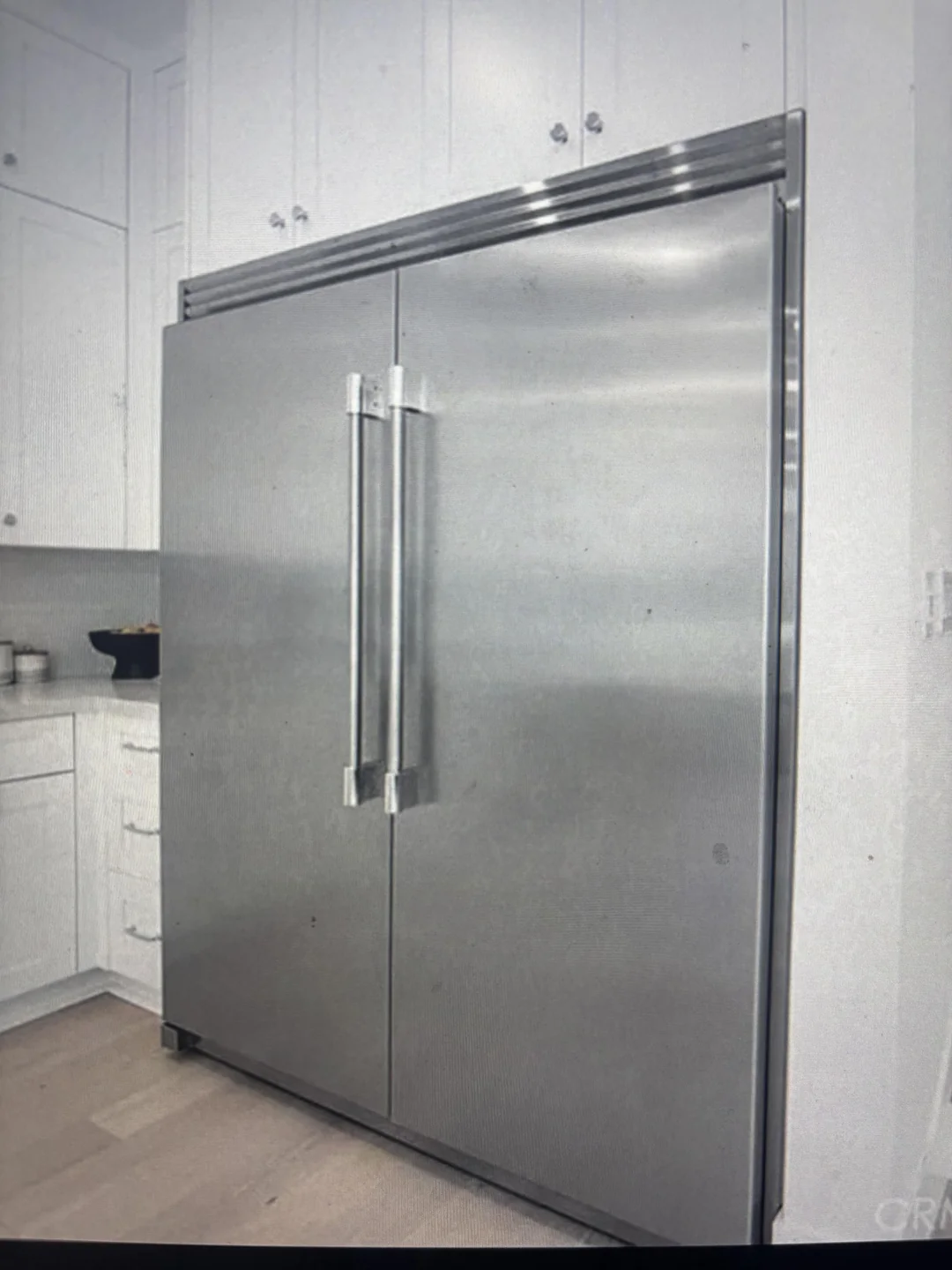
Before refrigerators became standard, an icebox or early fridge was a major investment that showed a family had modernized their kitchen ahead of many neighbors. It represented both money and a step into the future.
10. Record players
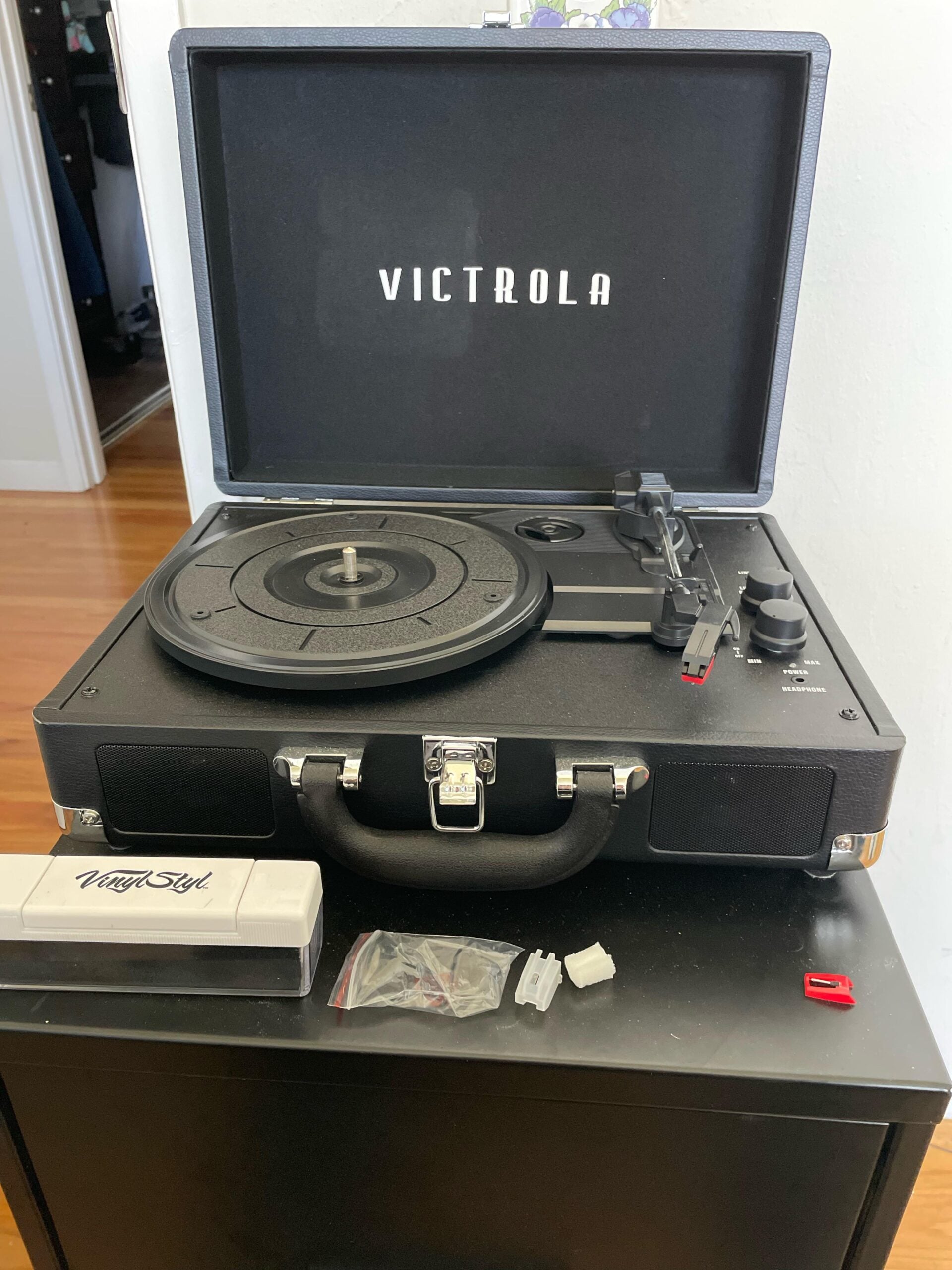
A nice record player and a growing collection of vinyl signaled that a family had both taste and disposable income. It turned a living room into a place for entertaining.
11. Cameras
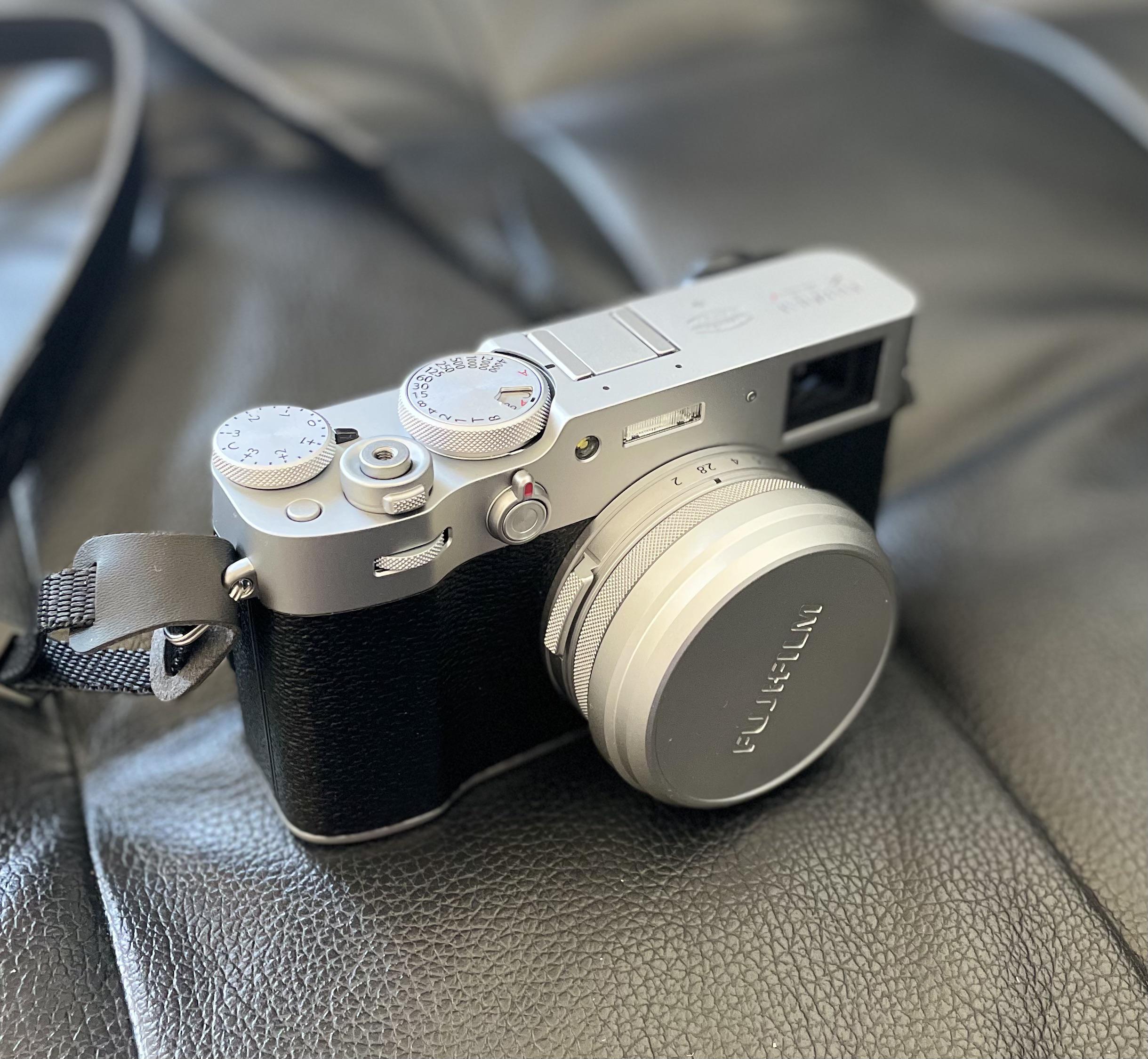
Owning a personal camera used to be reserved for people with money to spare, since both the equipment and film development were expensive. Capturing family memories was a luxury, not something everyone could do casually.
12. Typewriters
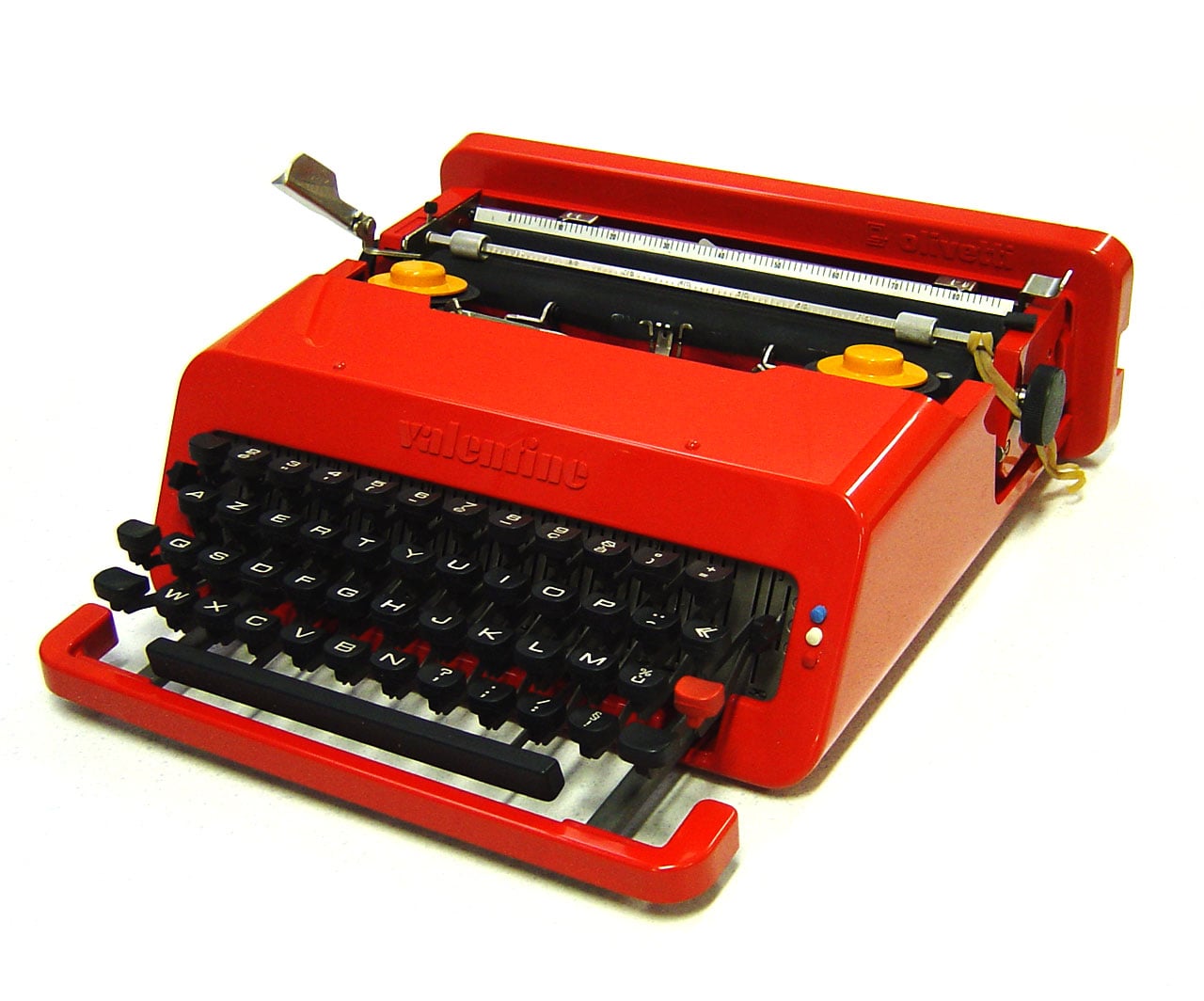
A typewriter in the home suggested a family valued communication and professionalism enough to invest in one. It wasn’t just a tool; it was a sign that someone in the house was doing important enough work to need it.
13. Home vacuum cleaners
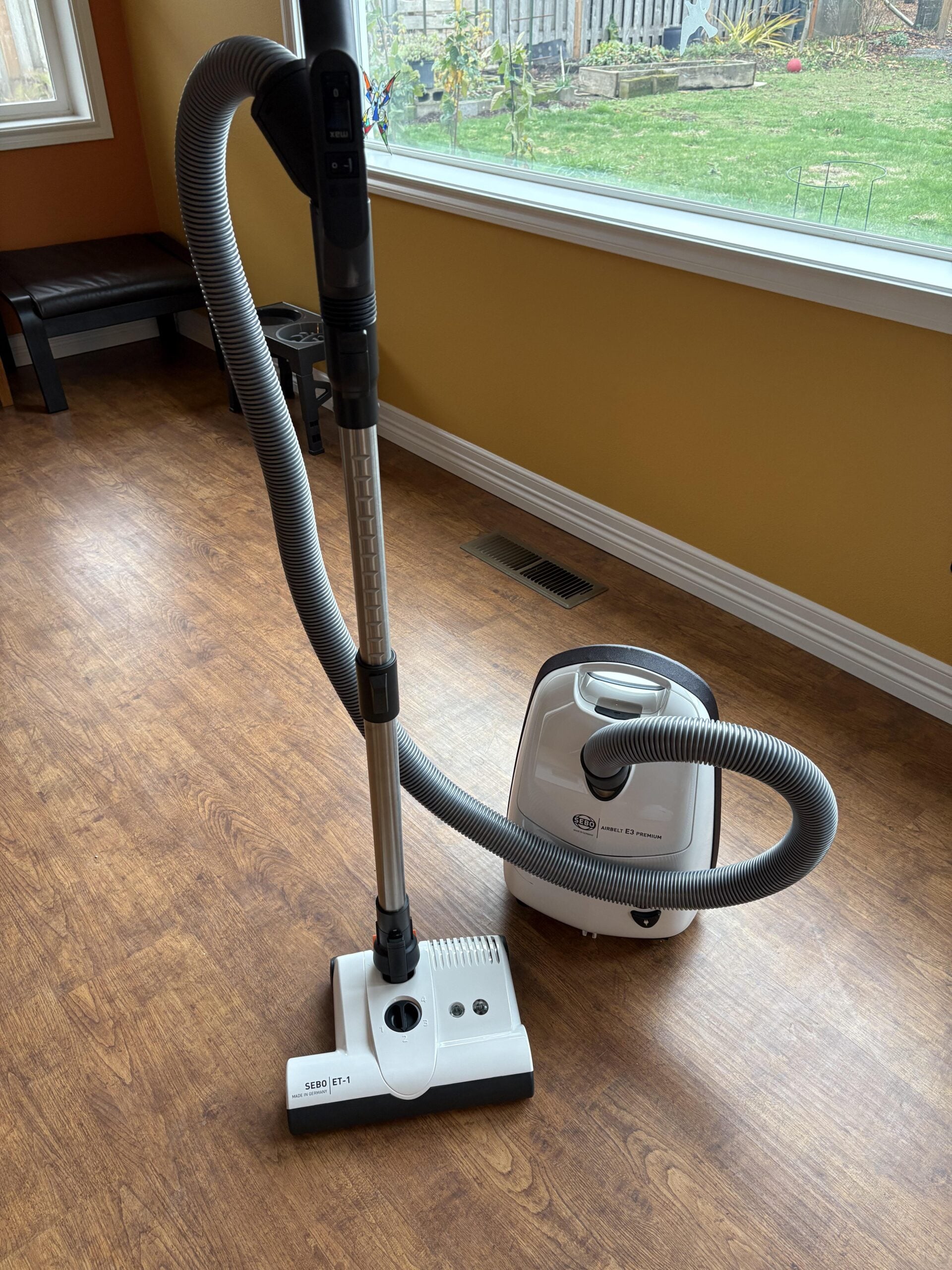
A vacuum cleaner used to be a major appliance purchase, not something every household had tucked in a closet. Salesmen would demonstrate them right in the living room, and owning one said a family had modernized their home the same way a new fridge or washing machine did.
14. Pianos

A piano in the parlor was one of the clearest signs of status. It took real money to buy and tune, plus lessons on top of that, so a piano said a household had both wealth and culture to spare.
15. Electric toasters
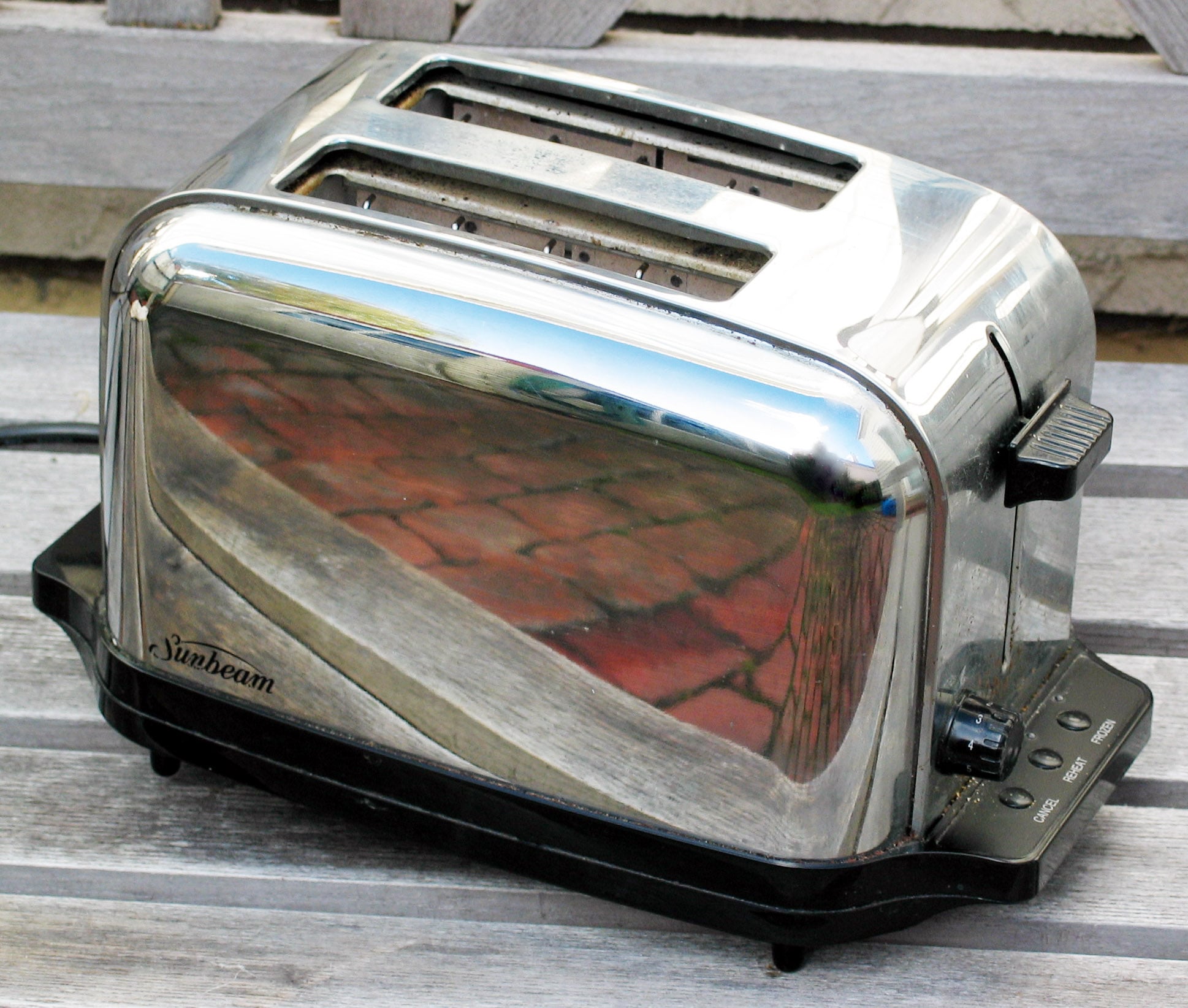
Before electric kitchens were the norm, a toaster was a small luxury that showed a family had wired their home for modern conveniences.
Looking for similar content?
Keep exploring 24 Money Facts That Completely Changed How People Think About Wealth, a summary of surprising truths about how money really works, from historical accidents to modern psychology. Pair it with 15 Money Quotes That Will Change How You Think About Wealth, a collection of memorable lines from thinkers like Buffett and Franklin on saving, spending, and building real wealth. And if you’re just getting started, 10 Tips for Building Wealth in Your 20s lays out the practical, everyday habits that set you up for long-term financial success.