In many American societies, a steady job in manufacturing, construction, or transportation could help a family pay the bills, rent or buy a house, raise children, and afford the possessions associated with comfortable middle-class living. A refrigerator, a family car, a color television, and a house with a backyard were achievable goals, especially for those with stable employment, manageable housing costs, and access to credit.
Inflation, rising housing costs, and the oil crises made the latter part of the decade increasingly difficult. Still, many working families could still afford certain everyday purchases. Check out 15 things a single income could help Americans afford during this decade.
1. Modest Home
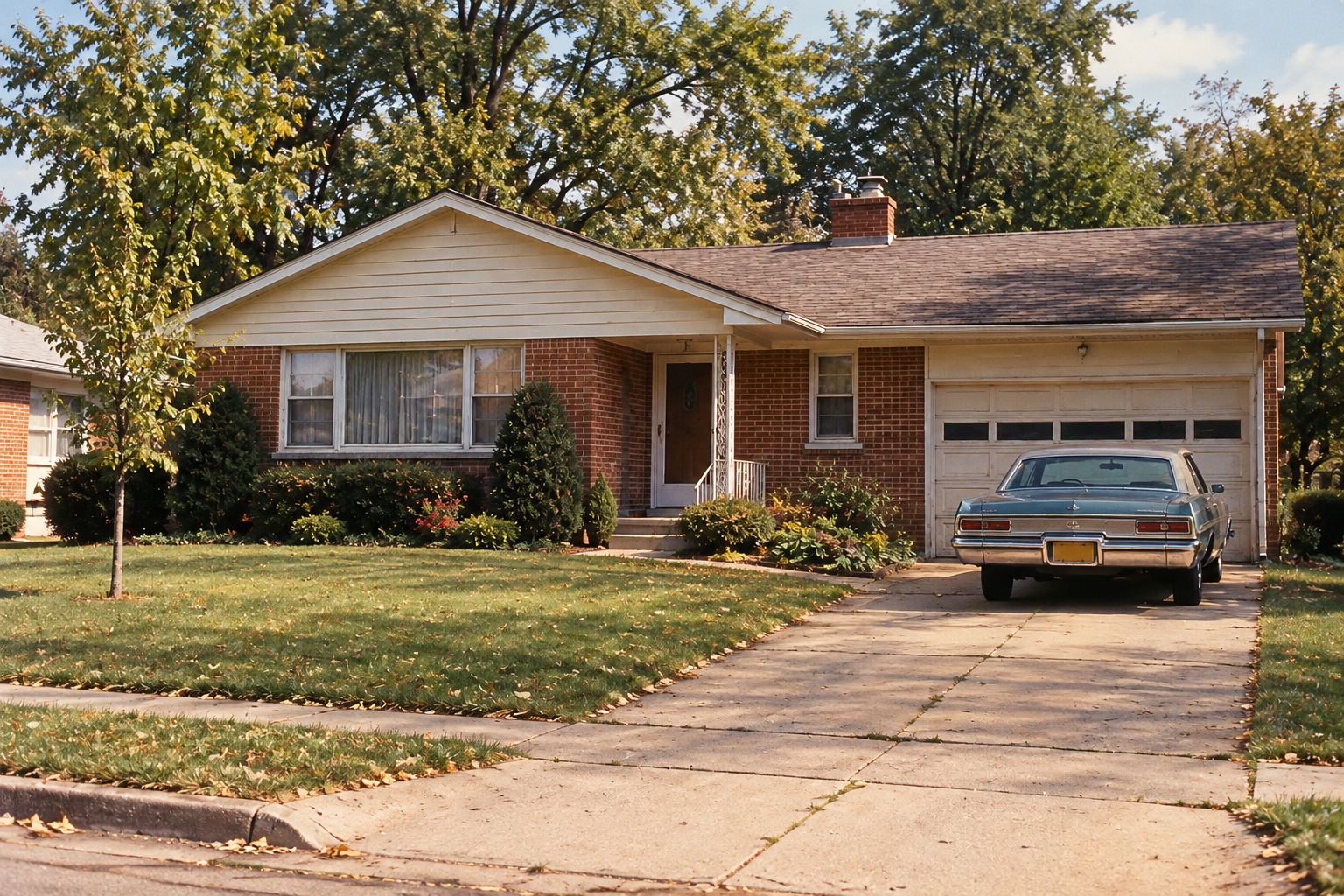
A modest home in a developing suburb or a smaller town could offer a yard for children, a driveway for the family car, and enough bedrooms for a family. According to historical data compiled from the U.S. Census Bureau and the Department of Housing and Urban Development, the median sales price of a new American home was around $23,400 in 1970. A single income could support homeownership in favorable circumstances, particularly when the buyer had savings and a reliable job.
2. Rent of a Family Apartment
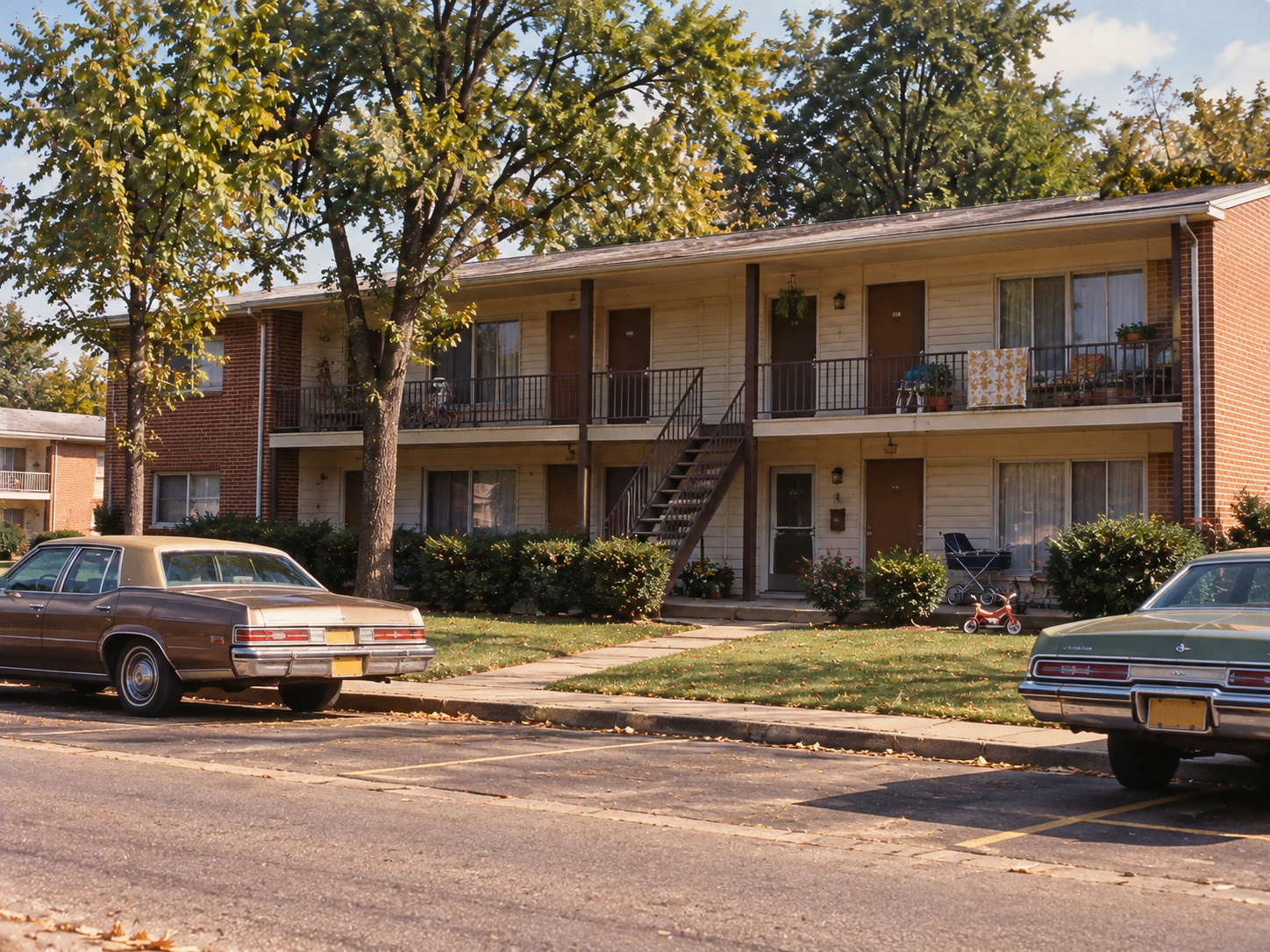
In many towns and cities, a regular paycheck could cover rent for an apartment with separate bedrooms, a small kitchen, and enough space for the family’s routines. Renters also faced fewer immediate responsibilities for major repairs, roof replacement, or expensive structural maintenance. Families could choose a modest apartment to preserve money for food, transportation, and savings.
3. A Family Car
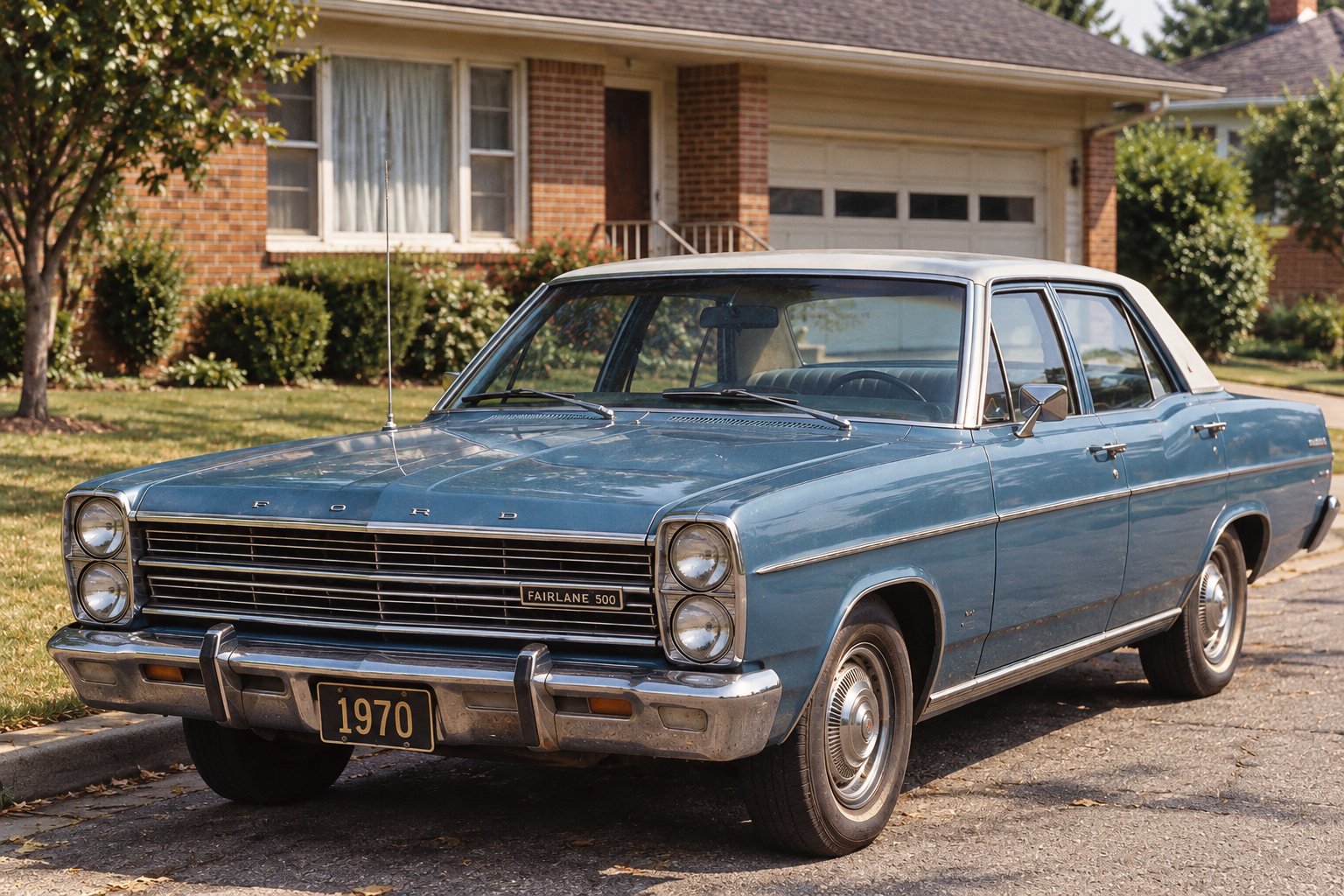
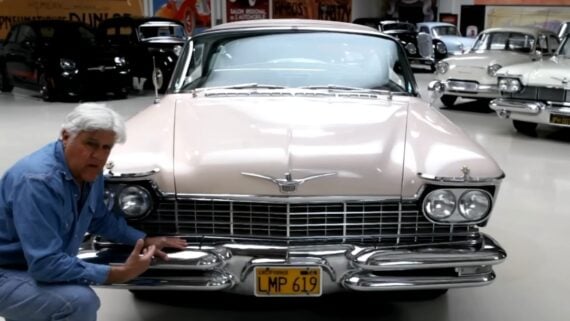
A dependable automobile was central to everyday American life, especially in suburbs where workplaces, shopping centers, schools, and medical offices could be separated by several miles. One regular paycheck could help a family purchase a sedan, particularly if the car was bought used, maintained for many years, or financed through manageable monthly payments. Owning a vehicle brought additional expenses, including insurance, maintenance, repairs, registration, and fuel.
4. Gas for Everyday Driving
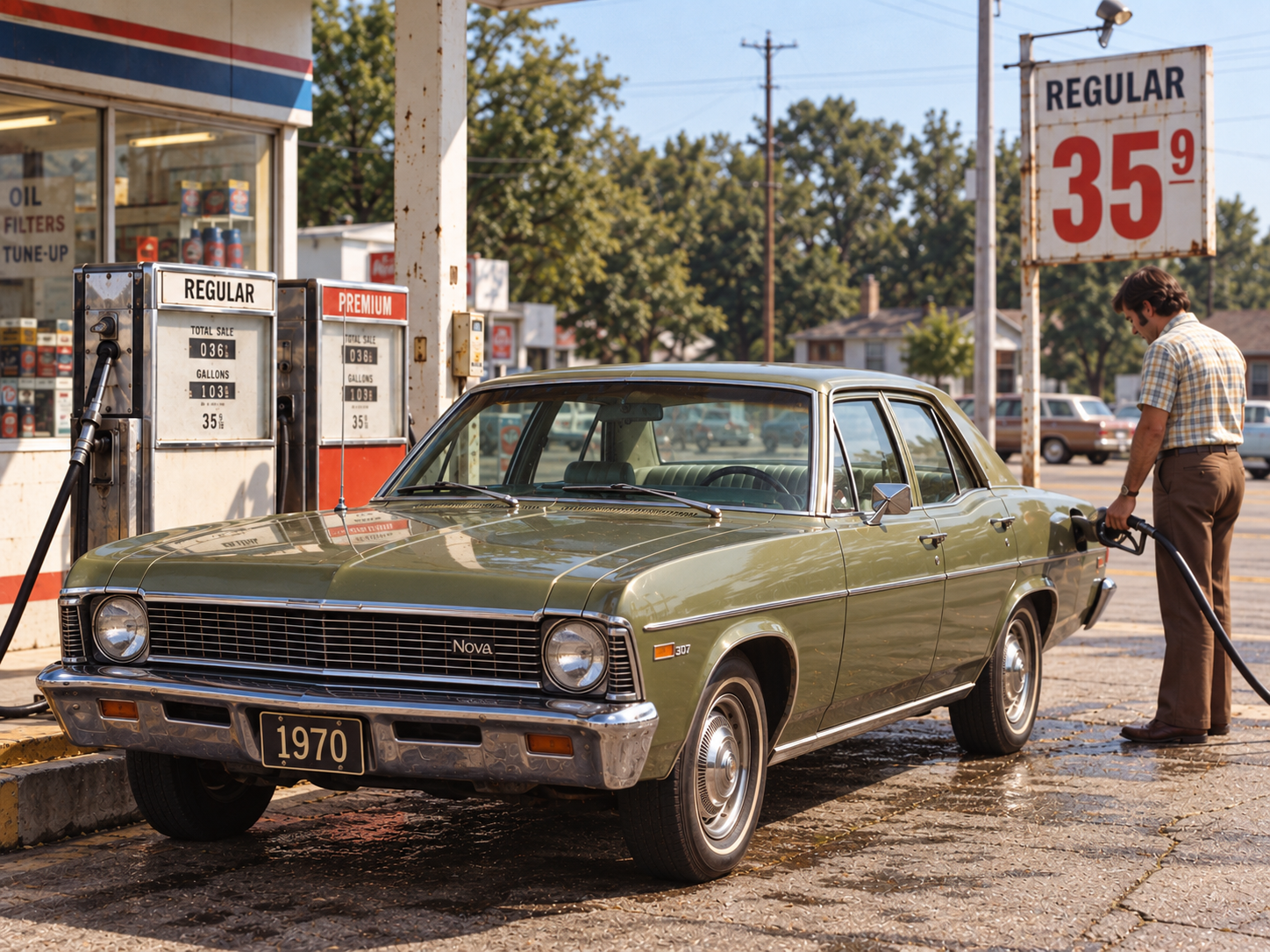
Fuel was one of the ordinary expenses that made car ownership possible. During the early 1970s, gasoline was relatively cheap in nominal dollar terms.
5. Refrigerator
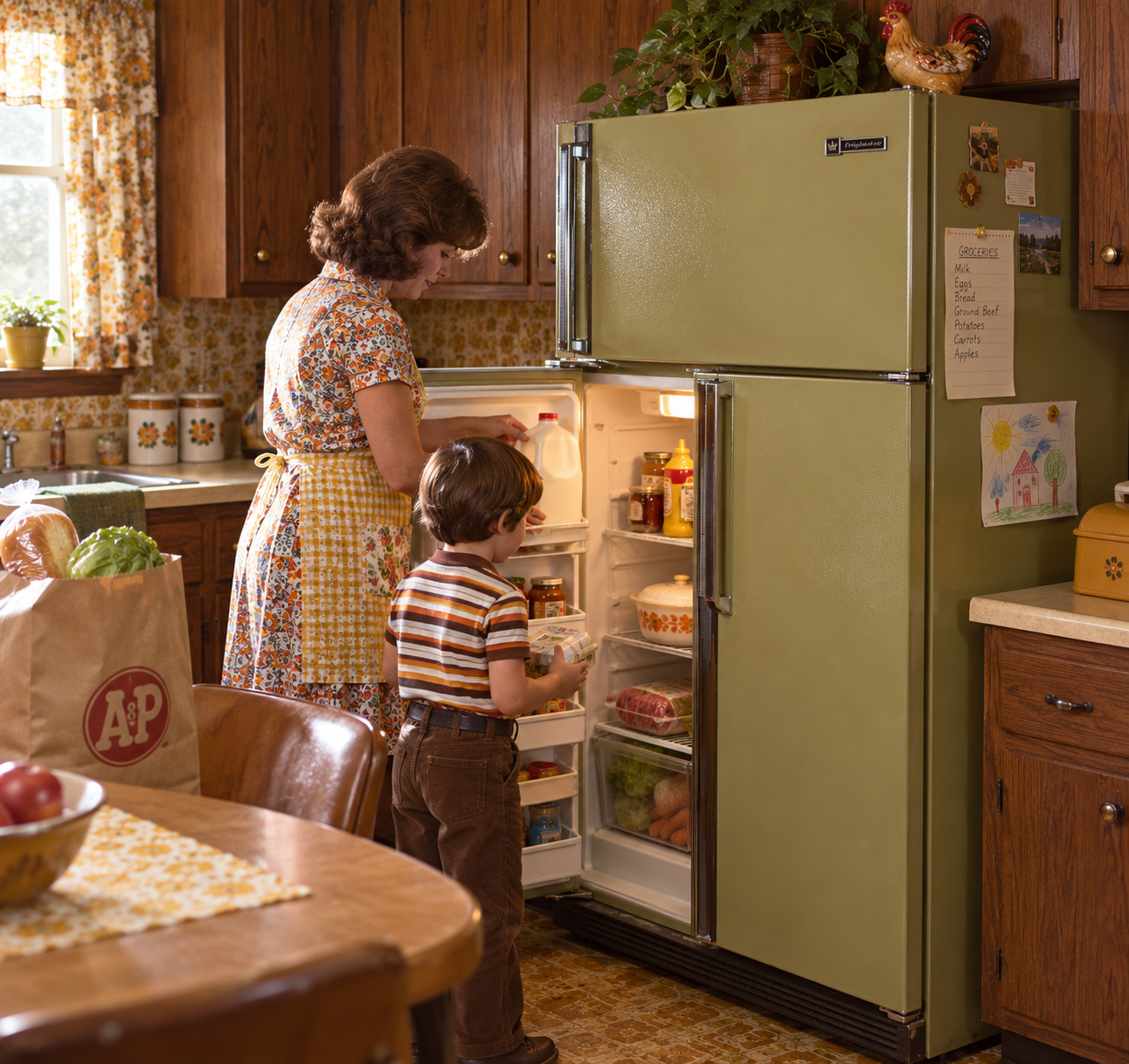
Fortunately, many basic ingredients were relatively affordable in nominal dollars during the early 1970s, allowing families to prepare meals at home rather than depend on restaurants and prepared food. Leftovers became lunches, and seasonal produce helped keep meals varied without requiring expensive ingredients. Careful shopping, home cooking, and planning meals around affordable ingredients could help a single-income family keep food on the table.
Trending on Wealth Gang


6. Meals at a Fast-Food Restaurant
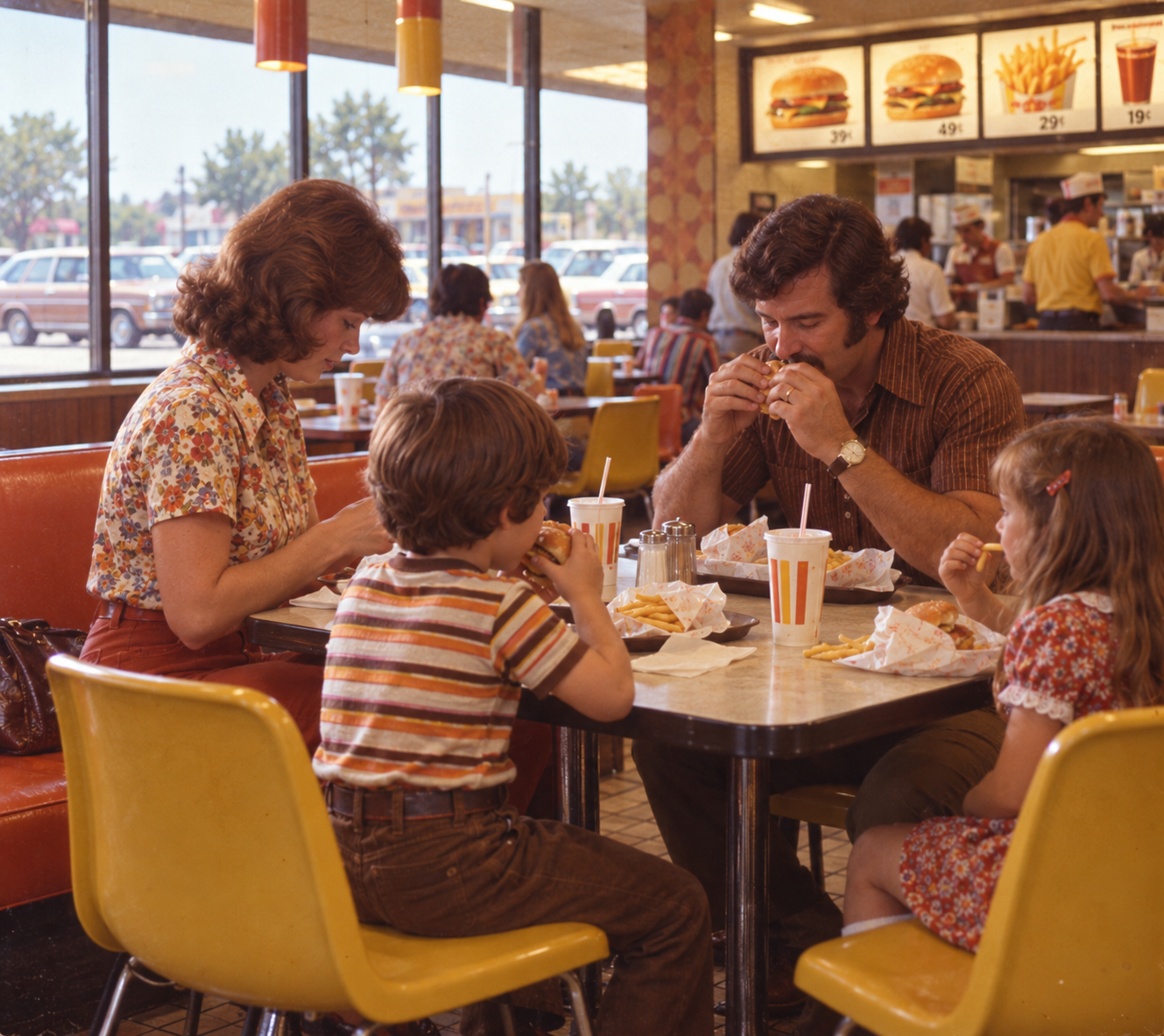
Eating out was not necessarily an everyday habit for a family on one income, but a low-cost meal away from home could still be an affordable treat. Fast-food restaurants were expanding across America, offering quick service, familiar menus, and relatively low prices that appealed to families traveling or shopping. The experience was as much about convenience and family time as it was about the food. An occasional meal out provided a change from cooking at home without requiring the expense of a formal restaurant.
7. A Washing Machine
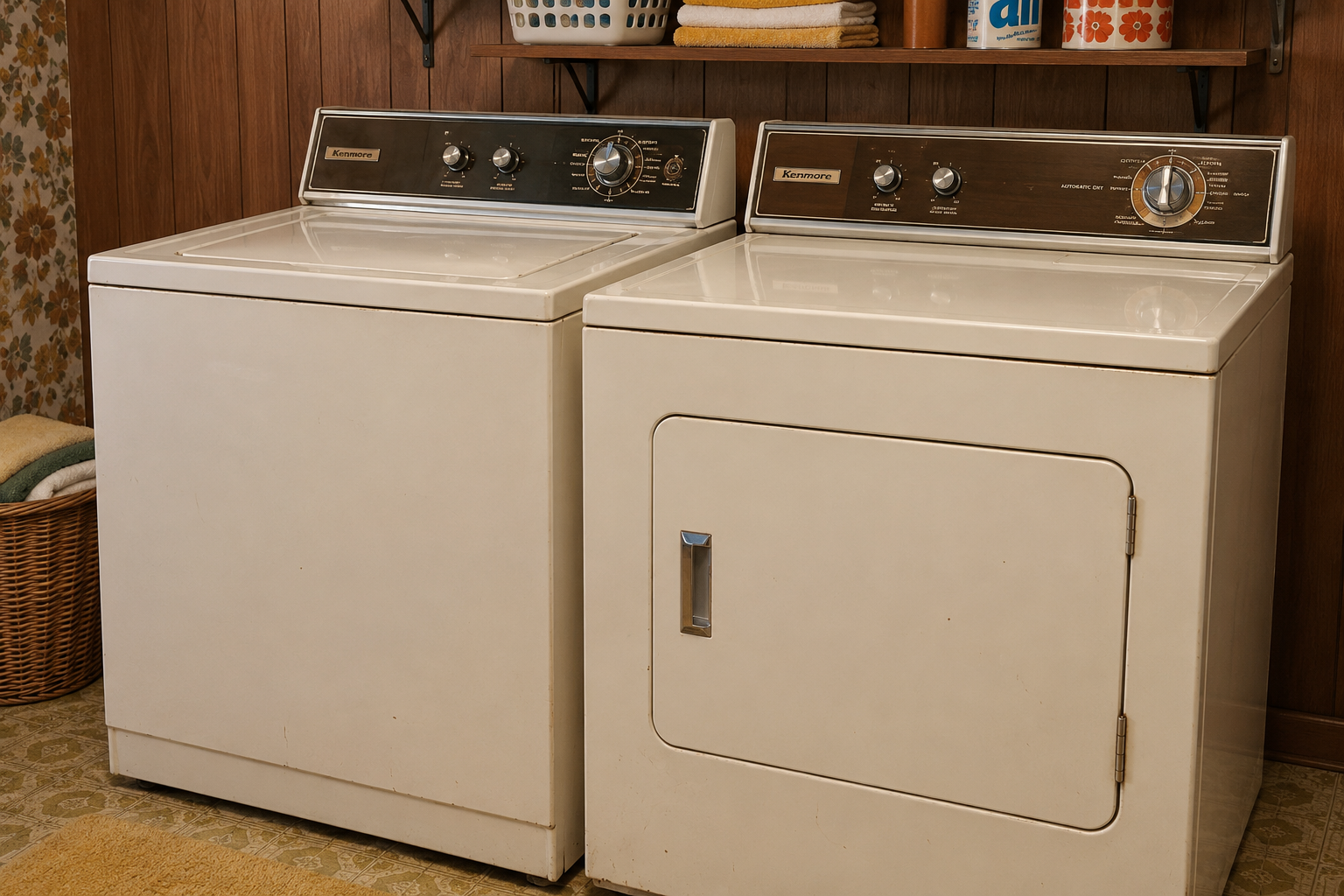
Instead of spending hours washing clothes by hand or making frequent trips to a laundromat, families with their own machine could do laundry at home. These devices were not bought all at once. A house might begin with a refrigerator, save for a washer, and add other conveniences as money became available. Department stores and appliance retailers offered installment plans or other financing options, allowing consumers to spread a large purchase across several payments.
8. A Color Television
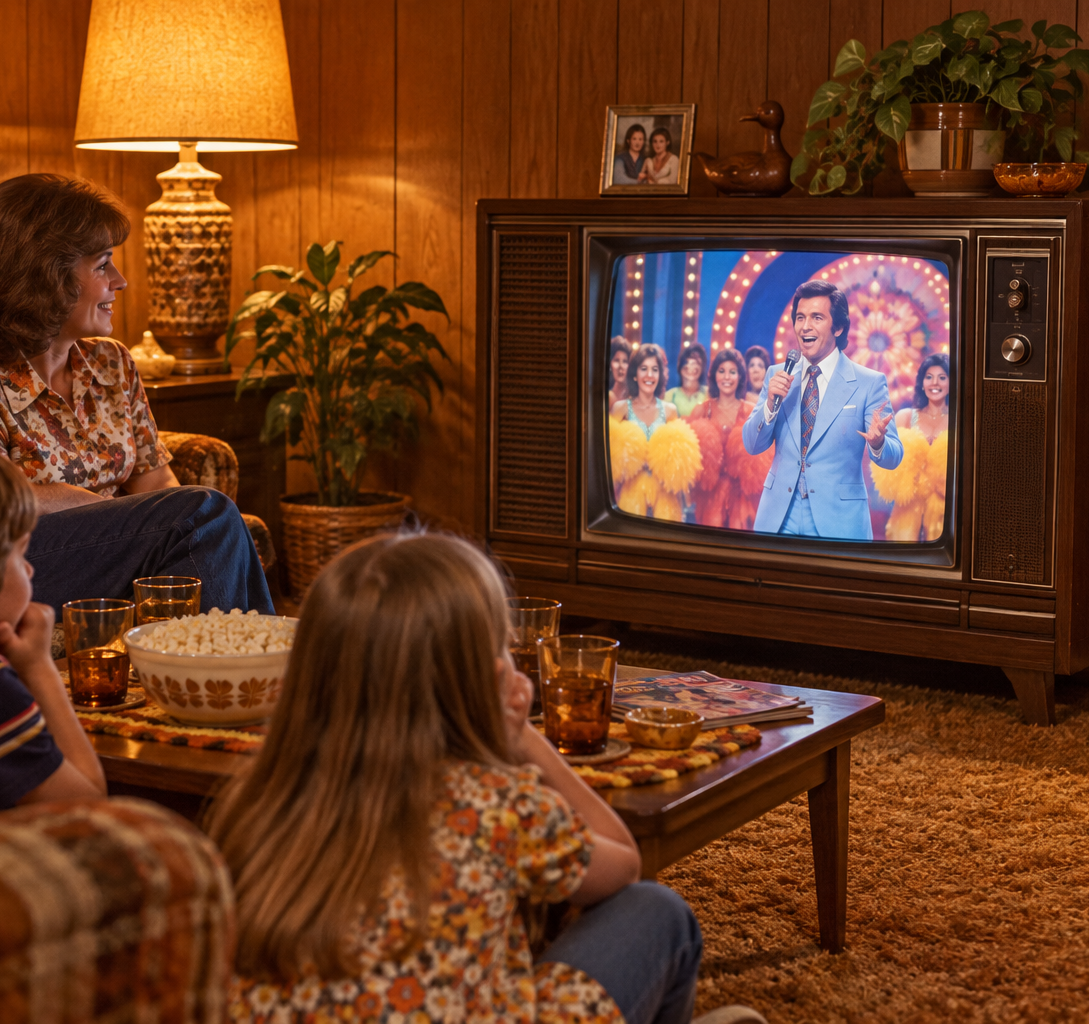
Television was one of the defining forms of entertainment in the 1970s. Families gathered to watch sitcoms, variety shows, sports, news broadcasts, and popular programs that became shared cultural experiences. Families often bought a television after saving for it, receiving it as a special gift, or replacing an older black-and-white model. Once it was in the house, however, it provided years of entertainment without the recurring ticket costs associated with going to the movies or live events.
Sign up for our newsletter
9. A Record Player
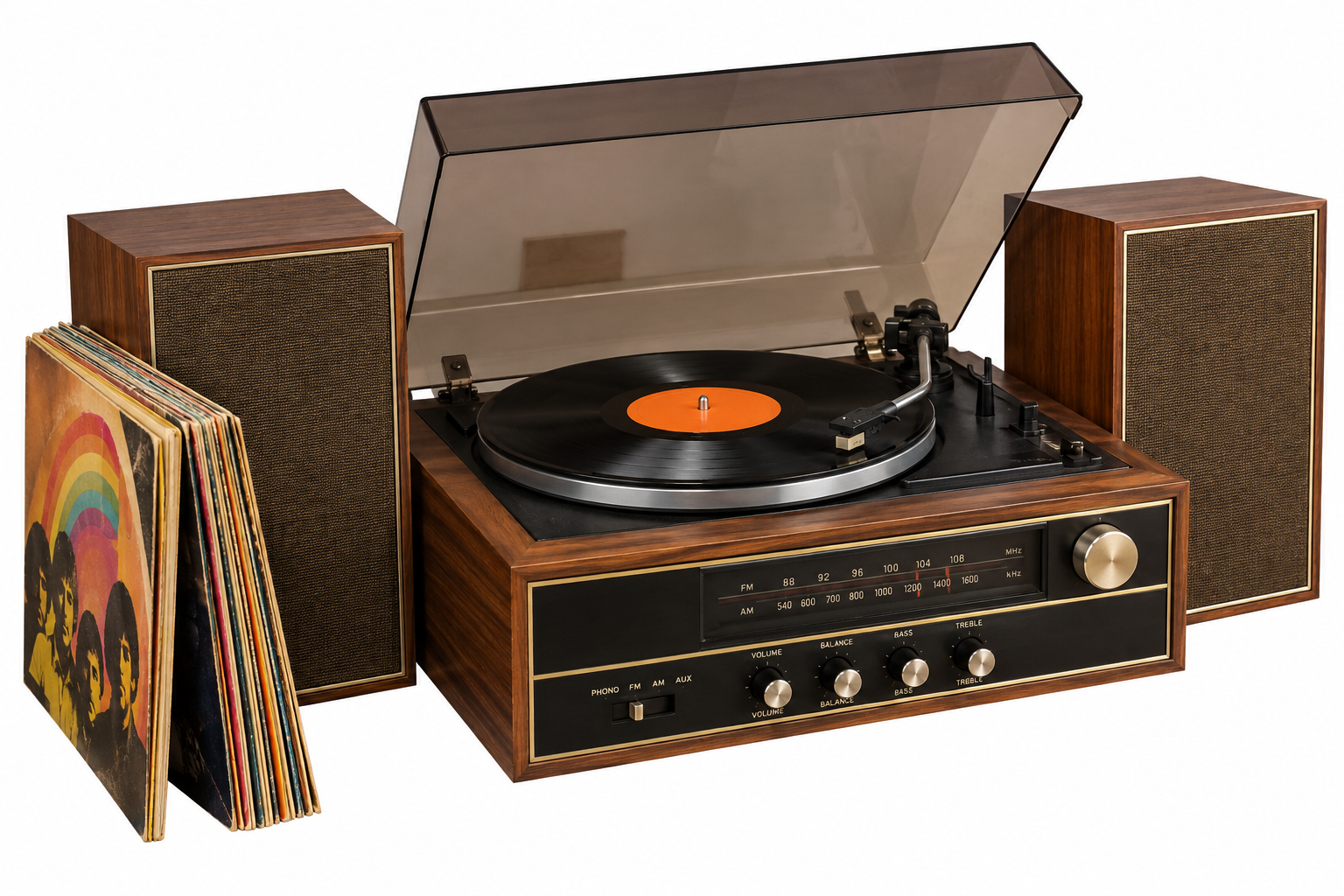
Music was another source of entertainment that a family could enjoy without spending money on outings. A record player or stereo system allowed people to listen to favorite artists at home, whether they preferred rock, country, soul, disco, or folk. A basic record player was less expensive than a sophisticated stereo system with separate speakers and additional components. Families could start with simple equipment, then add better speakers or more records when the budget allowed. A record collection offered lasting value.
10. Everyday Clothes for All the Family
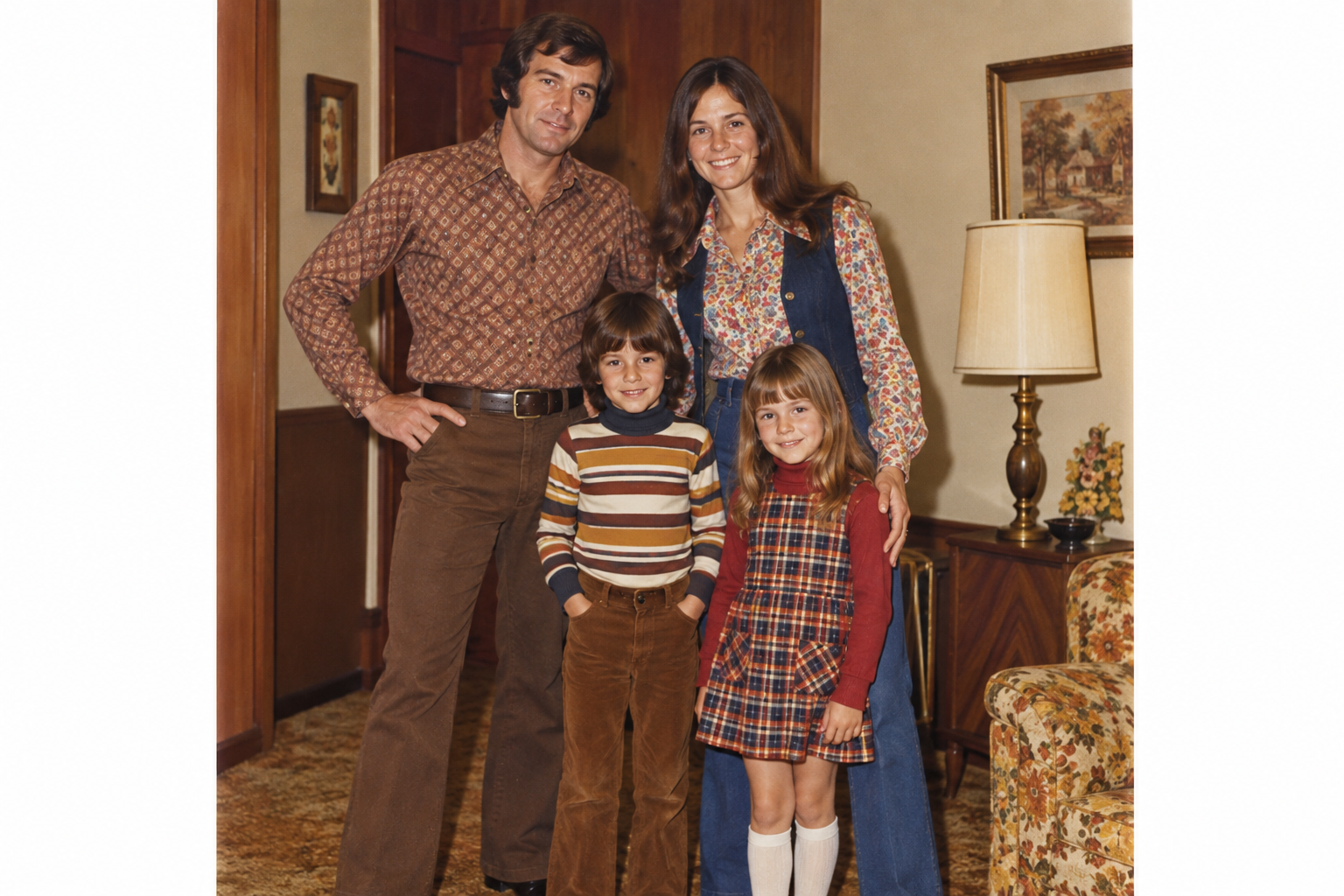
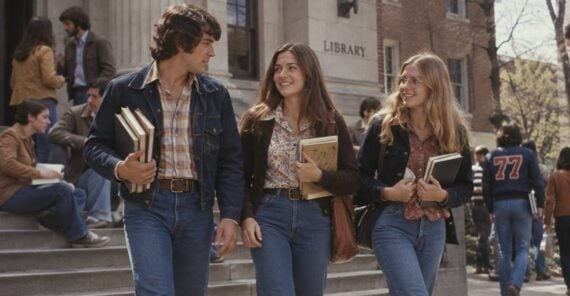
Families could make a single income go further by buying versatile items, repairing garments, and passing children’s clothes down to younger siblings. Everyday wardrobes often included jeans, trousers, shirts, dresses, sweaters, coats, and shoes suitable for work or church. Sewing and mending was also an important role in household economies. A loose button, torn seam, or worn hem could often be repaired rather than requiring a new garment.
11. A Telephone
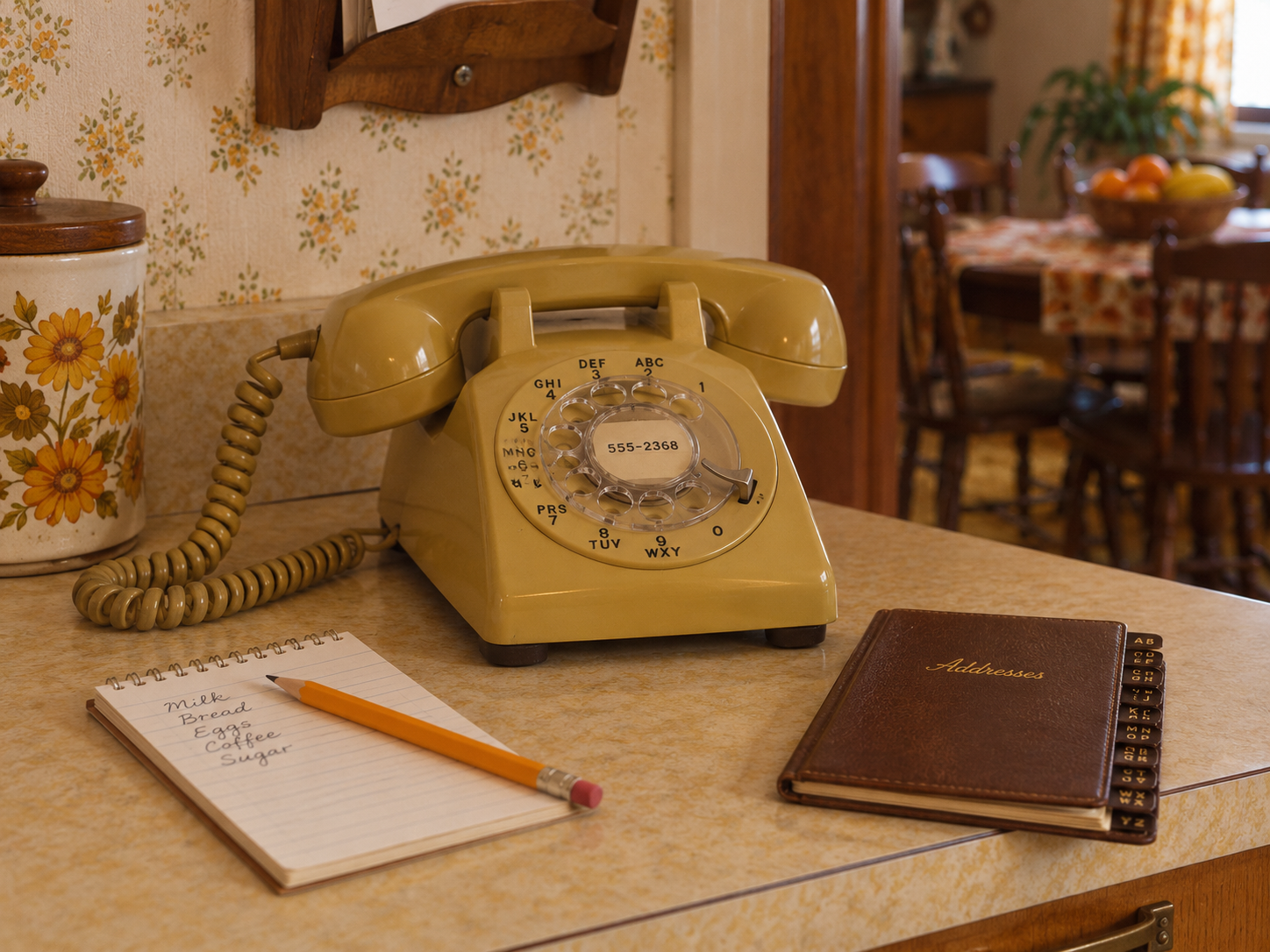
Families used telephones to arrange visits, speak with relatives, contact doctors, communicate with schools, and handle emergencies. Unlike modern smartphones, the typical home telephone was a fixed landline, often located in a central area such as the kitchen or hallway. Long-distance calls could add considerably to costs, so families sometimes kept conversations short or waited for cheaper calling periods. A single income could often cover basic telephone service, especially when the family used it primarily for local calls.
12. Home Repairs and DIY

Painting a bedroom, repairing a fence, putting up shelves, planting flowers, or creating a small vegetable garden could make a house more pleasant without paying professionals for every task. Once acquired, these tools could be used for many projects over several years.
13. Toys & Bicycles
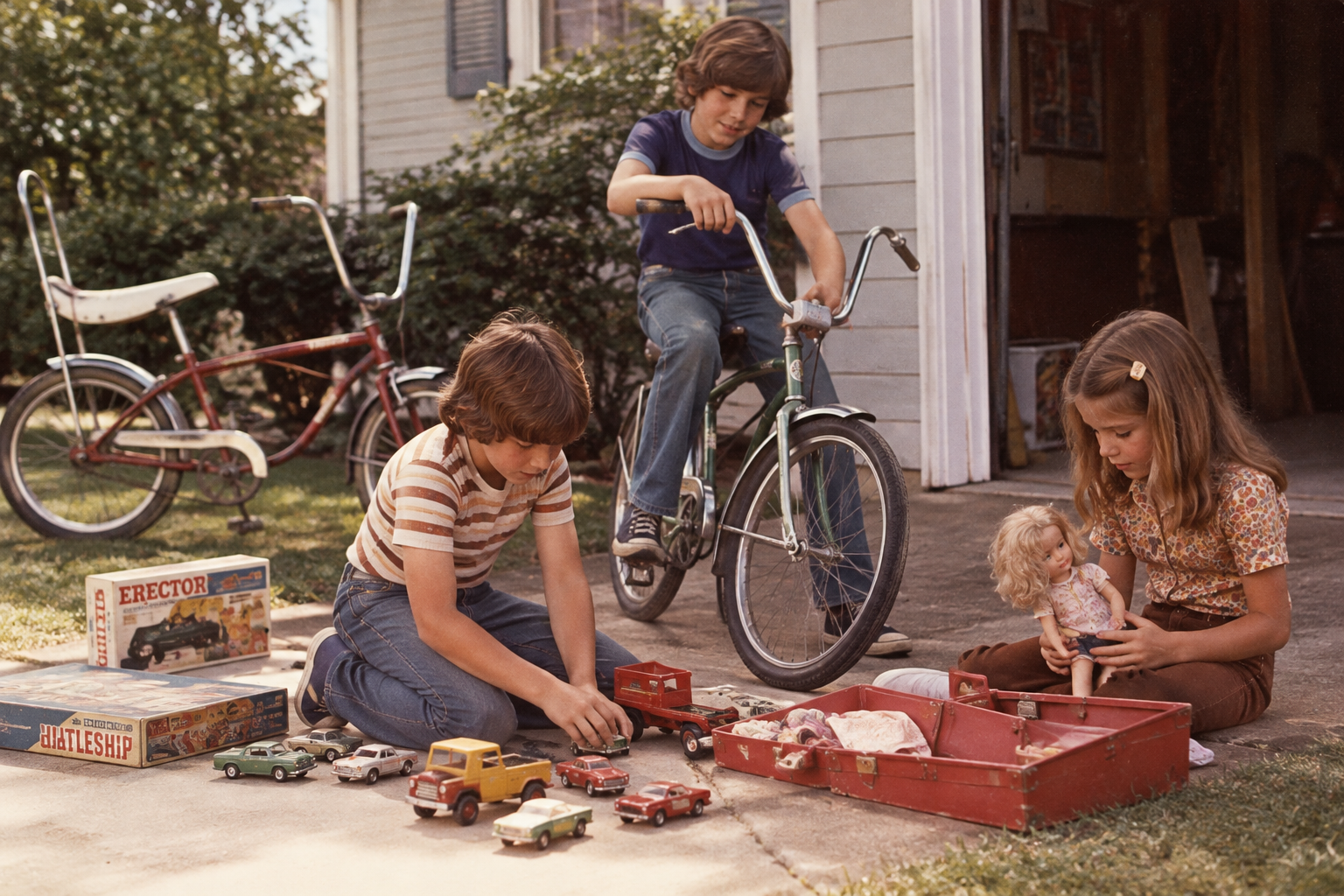
Children did not need expensive electronic devices to stay entertained in the 1970s. Bicycles, dolls, board games, toy cars, sports equipment, and model kits gave them ways to play at home or outside with friends. Parents on one income often had to make choices about gifts and activities. Birthdays and holidays could involve one larger present rather than a pile of expensive toys. The ability to provide children with enjoyable experiences came from balancing priorities.
14. A Public College Education
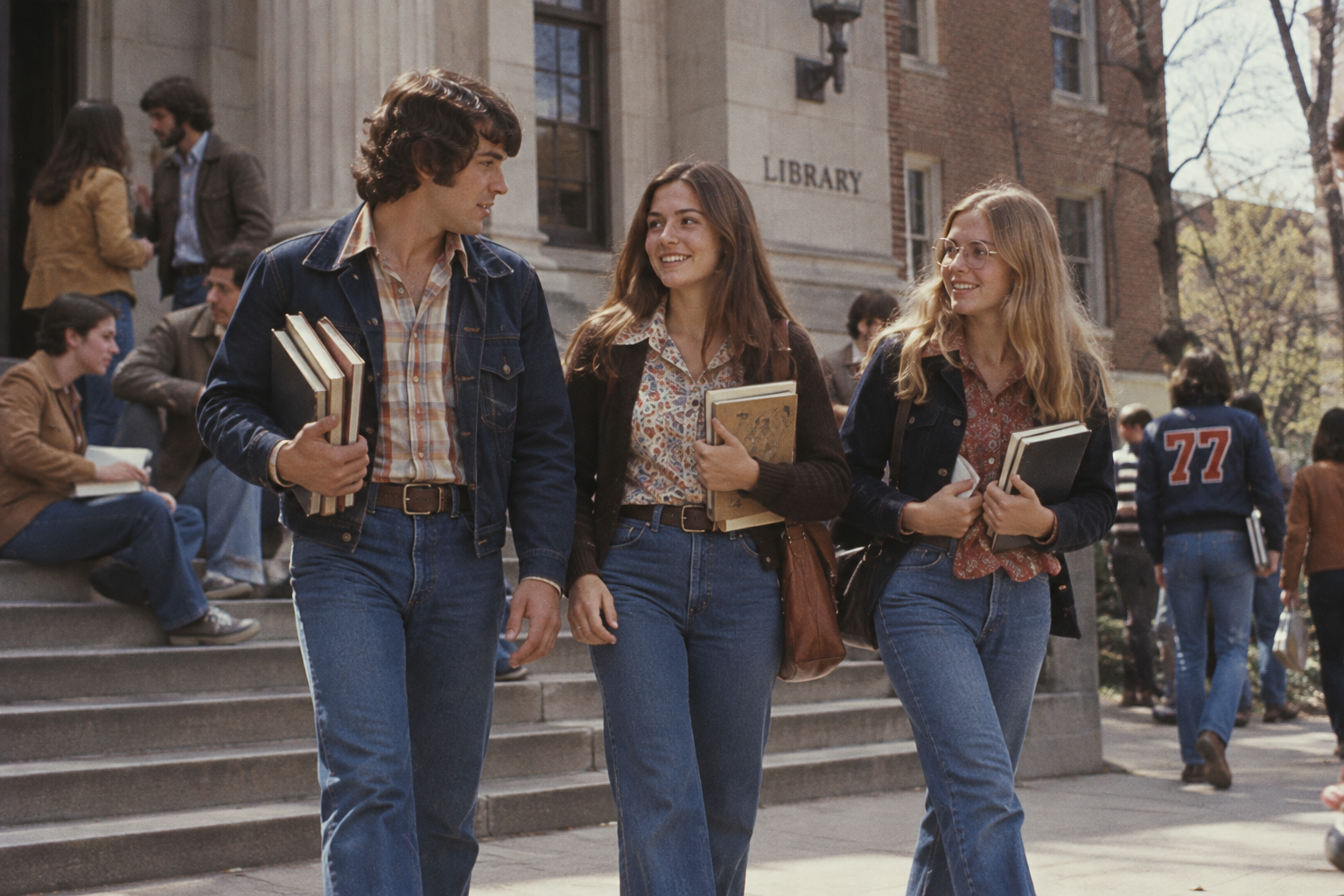
College was not free for most American students, but tuition at public institutions was comparatively modest in the early 1970s. For a family with one stable income, public higher education could sometimes be part of a long-term plan, especially when the student lived at home, worked part time, received financial aid, or attended a nearby community college. Parents who saved gradually might help a child avoid some debt. A degree could also open doors to higher-paying employment, giving families a reason to view education as a long-term investment.
15. A Family Vacation
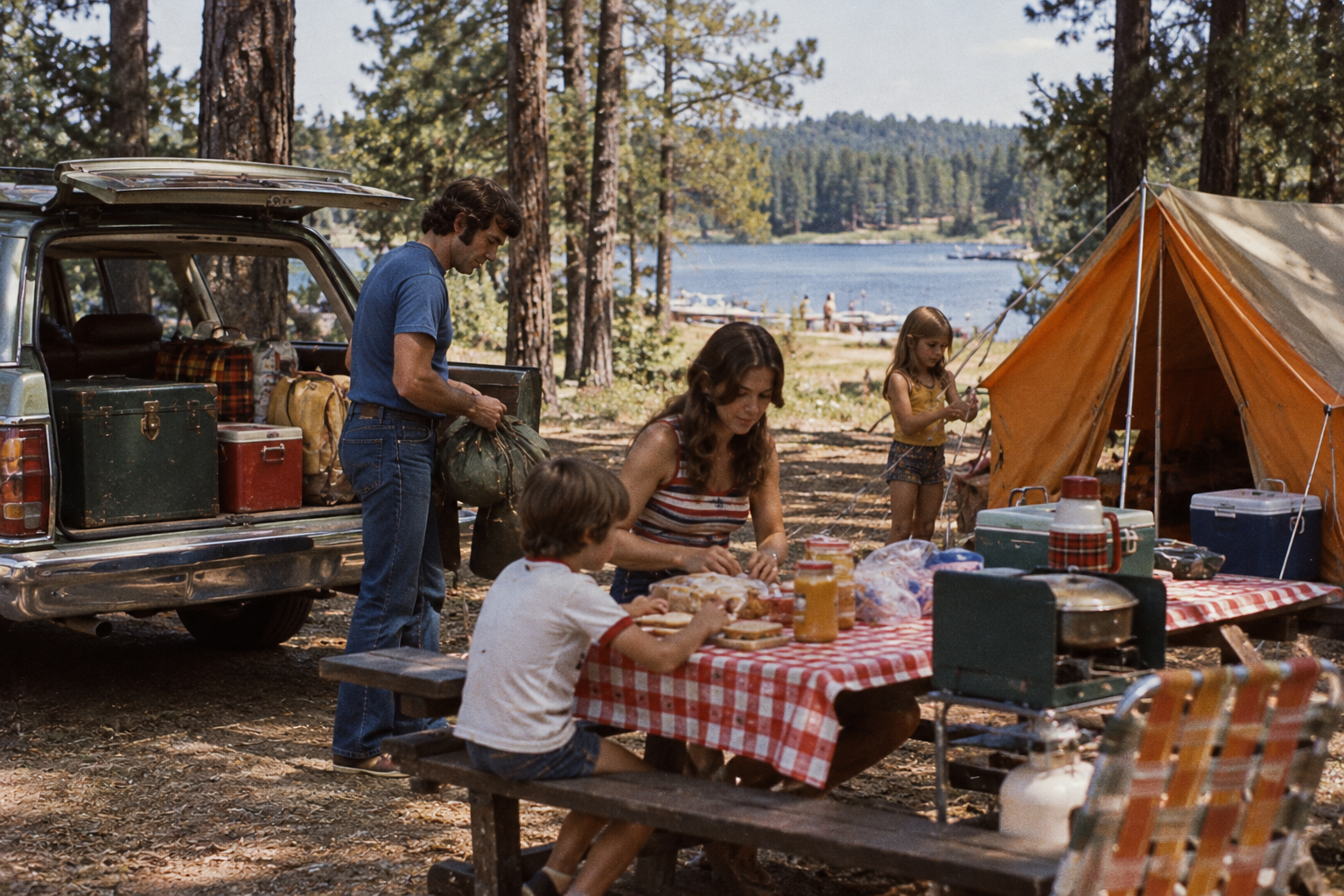
A vacation did not have to mean flying to an expensive resort or staying at a luxury hotel. Time away meant loading the family car, packing sandwiches, and driving to a state park, the beach, or a relative’s home. Camping was particularly attractive because families could reuse tents, coolers, sleeping bags, and other equipment over several trips. A modest holiday could create memories that lasted far longer than the money spent on it.