Beneath the world’s oceans, lakes, and seas, lie amazing places most people will never see in person. Some hide ancient cities, ships, and strange rock formations, while others are home to rare sea animals and caves. Many of these places are far from land or are so deep underwater that reaching them can be difficult.
Some of these places can only be explored by trained divers, while others require special submarines and advanced equipment. Dangerous conditions, depths, and remote locations make these destinations hard to visit. From mysterious ruins to the deepest parts of the ocean, here are 15 underwater places that few people will ever get to explore.
1. The Lost City of Heracleion, Egypt
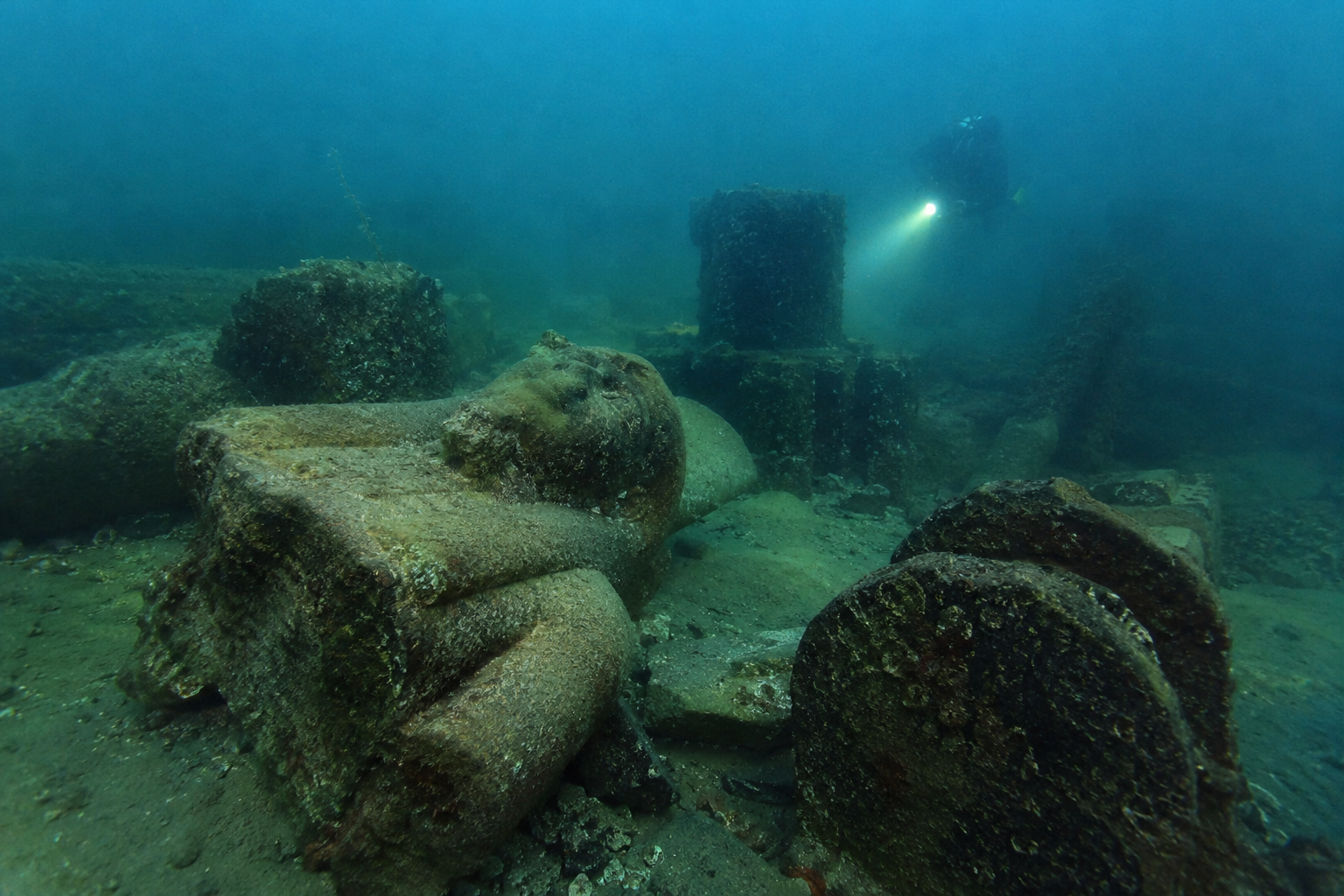
Heracleion was once a busy port city in ancient Egypt, but it slowly sank beneath the Mediterranean Sea more than a thousand years ago. Its ruins were found by underwater explorers in 2000, revealing large statues, old temples, and remains of ships.
2. The Great Blue Hole, Belize
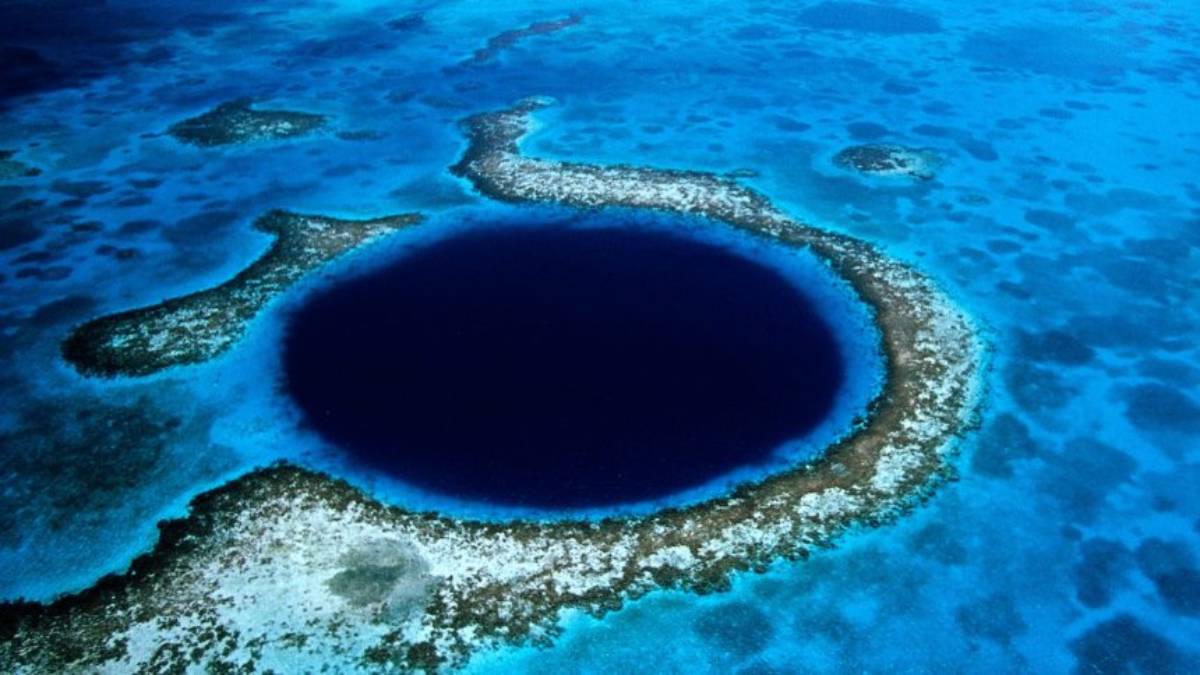
The Great Blue Hole is a huge underwater sinkhole near the coast of Belize. It is about 1,000 feet wide and more than 400 feet deep. Experienced divers can explore its walls and see ancient rock formations hidden beneath the water. However, the deeper areas are not safe for beginners. Most visitors enjoy the view from a boat or plane instead of exploring the dark depths themselves.
3. The USS Oriskany, Gulf of Mexico
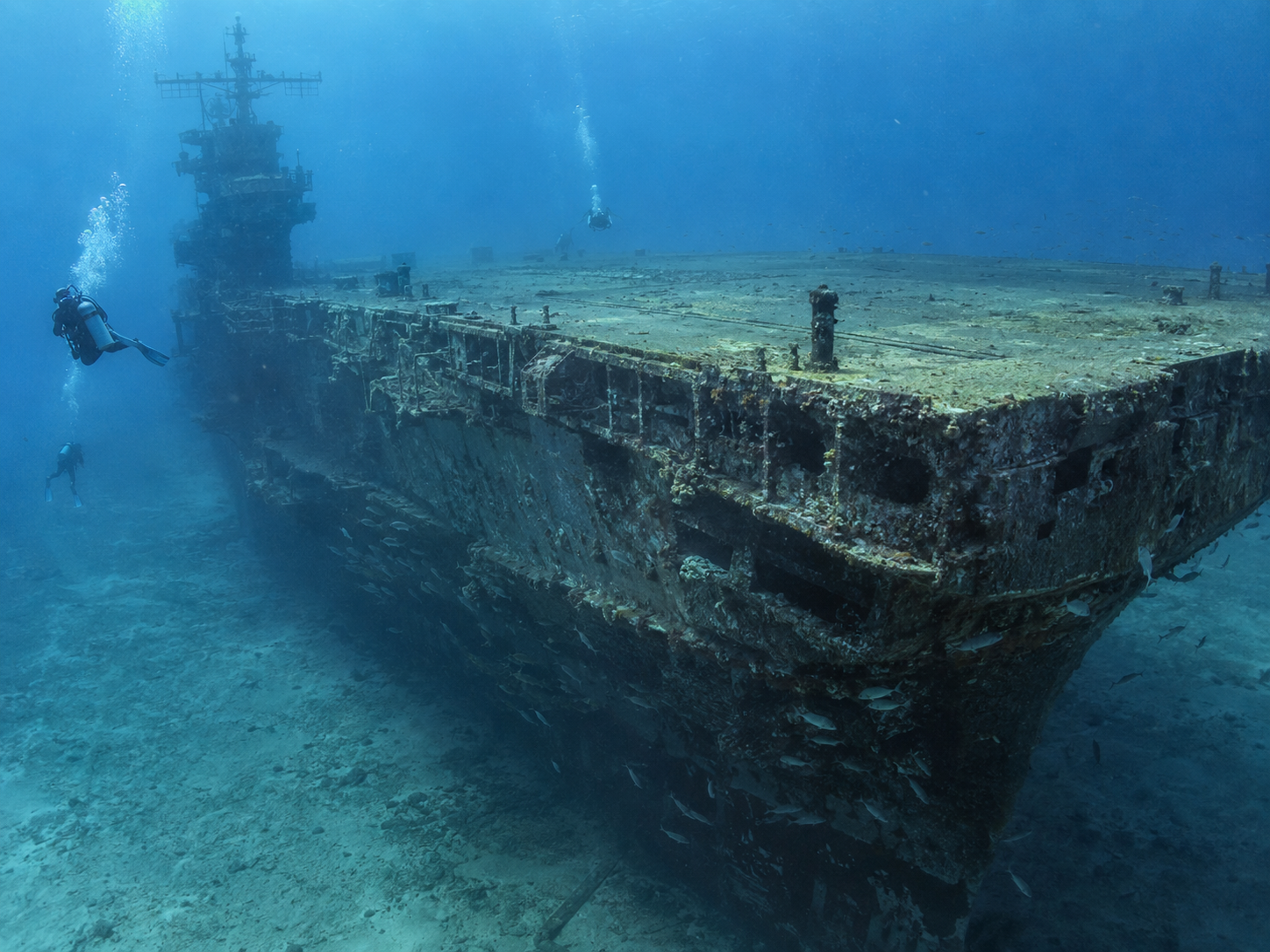
The USS Oriskany was a U.S. Navy aircraft carrier that was sunk off the coast of Florida in 2006 to create an artificial reef. Today, fish and other sea animals live around the huge ship, making it an interesting place for divers. Exploring it requires special training and equipment.
4. Yonaguni Monument, Japan
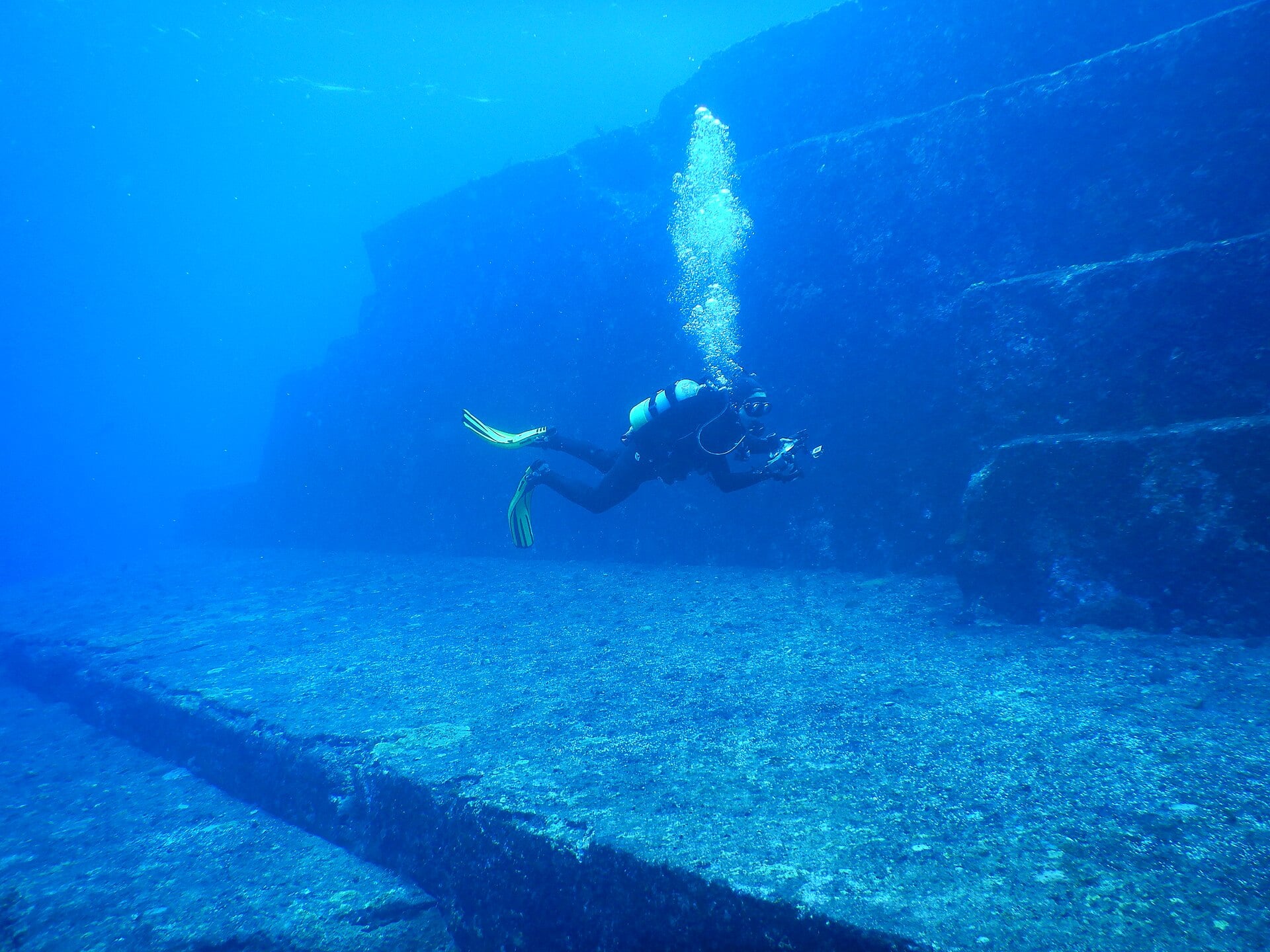
Near Japan’s Yonaguni Island, divers can find a strange underwater rock formation with flat surfaces, sharp edges, and steps that look like part of an ancient building. It was discovered in 1986. Some people believe it could be the remains of an old city, while many experts think it was formed naturally.
5. The SS Thistlegorm, Red Sea
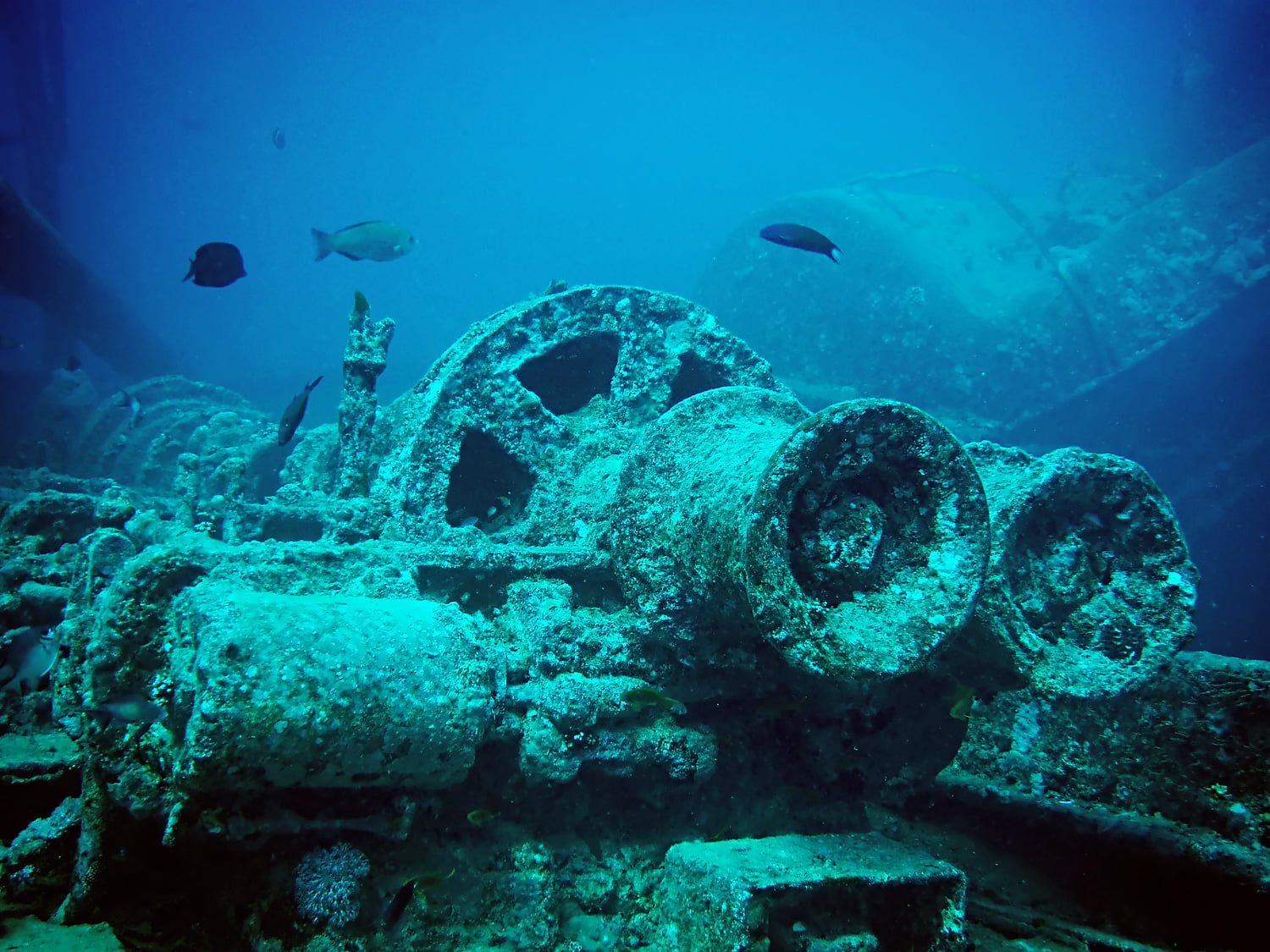
The SS Thistlegorm was a British cargo ship that sank during World War II after being attacked by German planes in 1941. Today, it rests on the bottom of the Red Sea near Egypt and still contains old trucks, motorcycles, and other military supplies. Divers can explore parts of the ship and see how sea life has taken over the wreck.
Trending on Wealth Gang


6. Lake Baikal’s Deep Waters, Russia
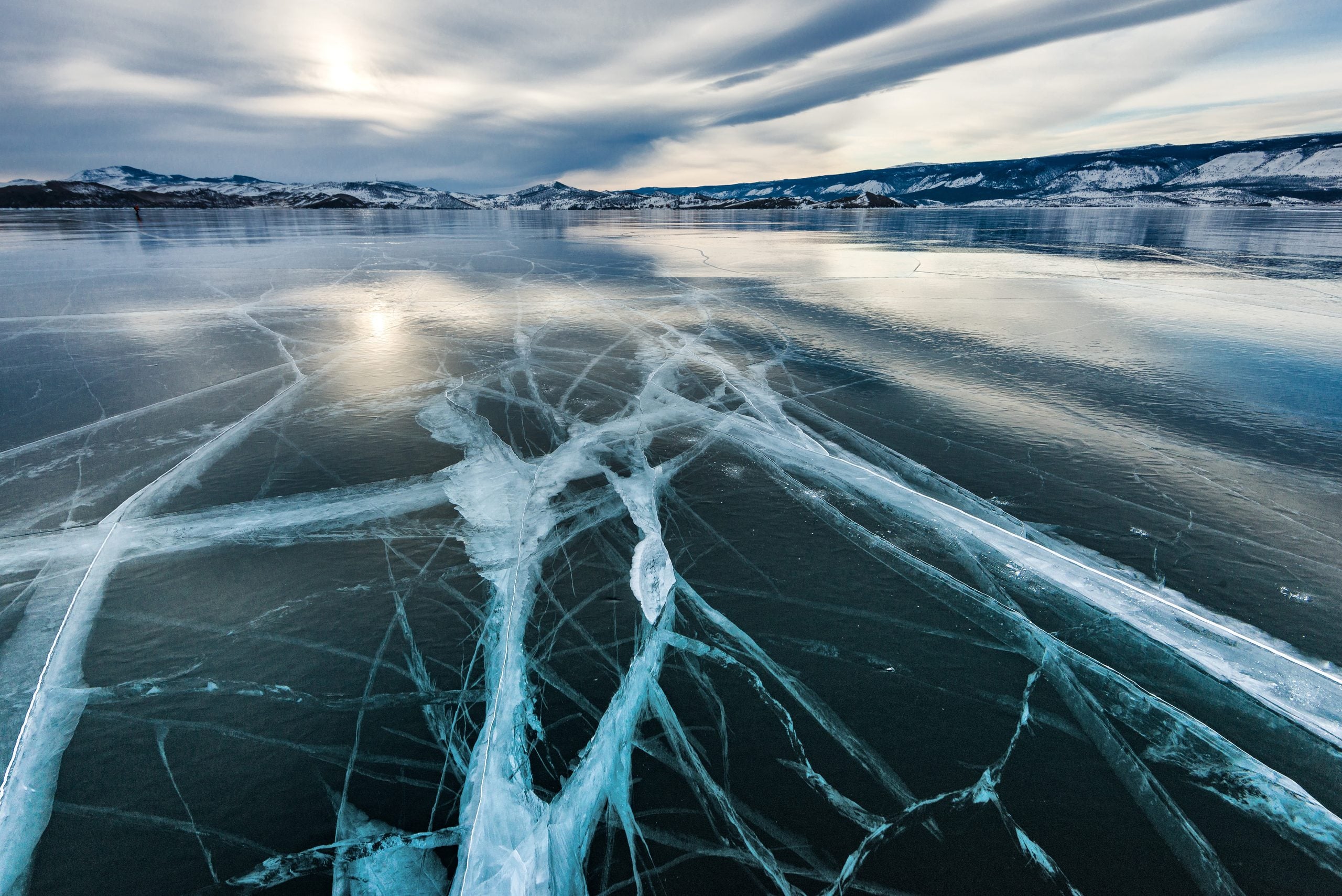
Lake Baikal, located in Siberia, is the deepest freshwater lake in the world, reaching about 5,387 feet at its deepest point. It is home to many rare animals, including the Baikal seal, which is found nowhere else in the world.
7. The Mariana Trench, Pacific Ocean
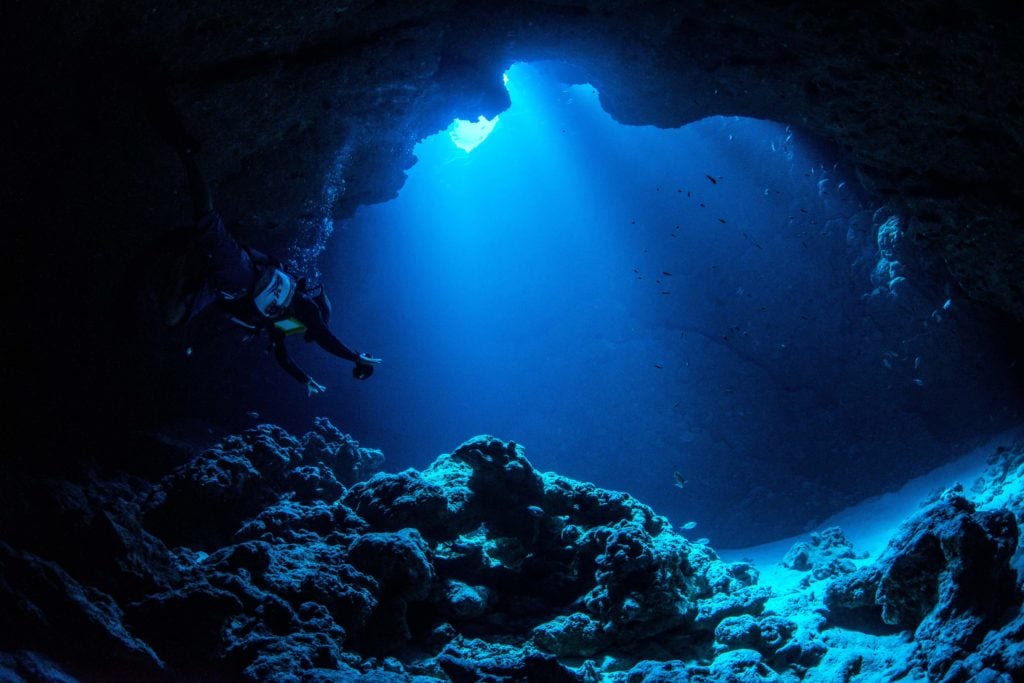
The Mariana Trench is the deepest known ocean trench in the world, reaching about 36,000 feet below sea level. Sunlight cannot reach these depths, and the water pressure is so strong that ordinary diving equipment would be crushed. Only a small number of people have traveled to its deepest area using special submarines.
8. The Underwater Ruins of Port Royal, Jamaica
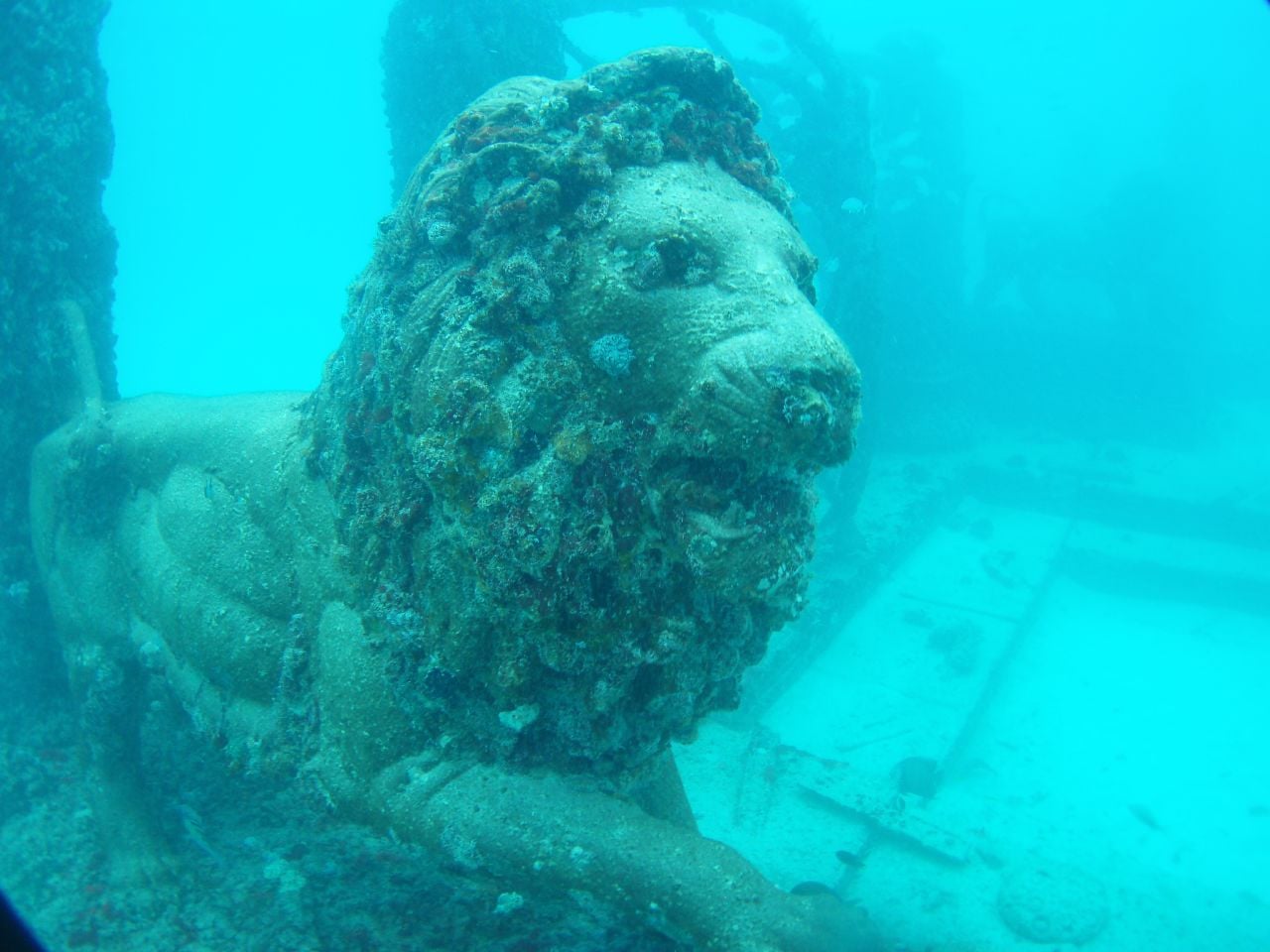
Port Royal was once a busy Caribbean town known for its merchants, sailors, and pirates. In 1692, a powerful earthquake caused part of the town to sink beneath the sea. Today, underwater explorers have found old buildings and objects that show what life was like hundreds of years ago.
Sign up for our newsletter
9. Bismarck Shipwreck, Atlantic Ocean
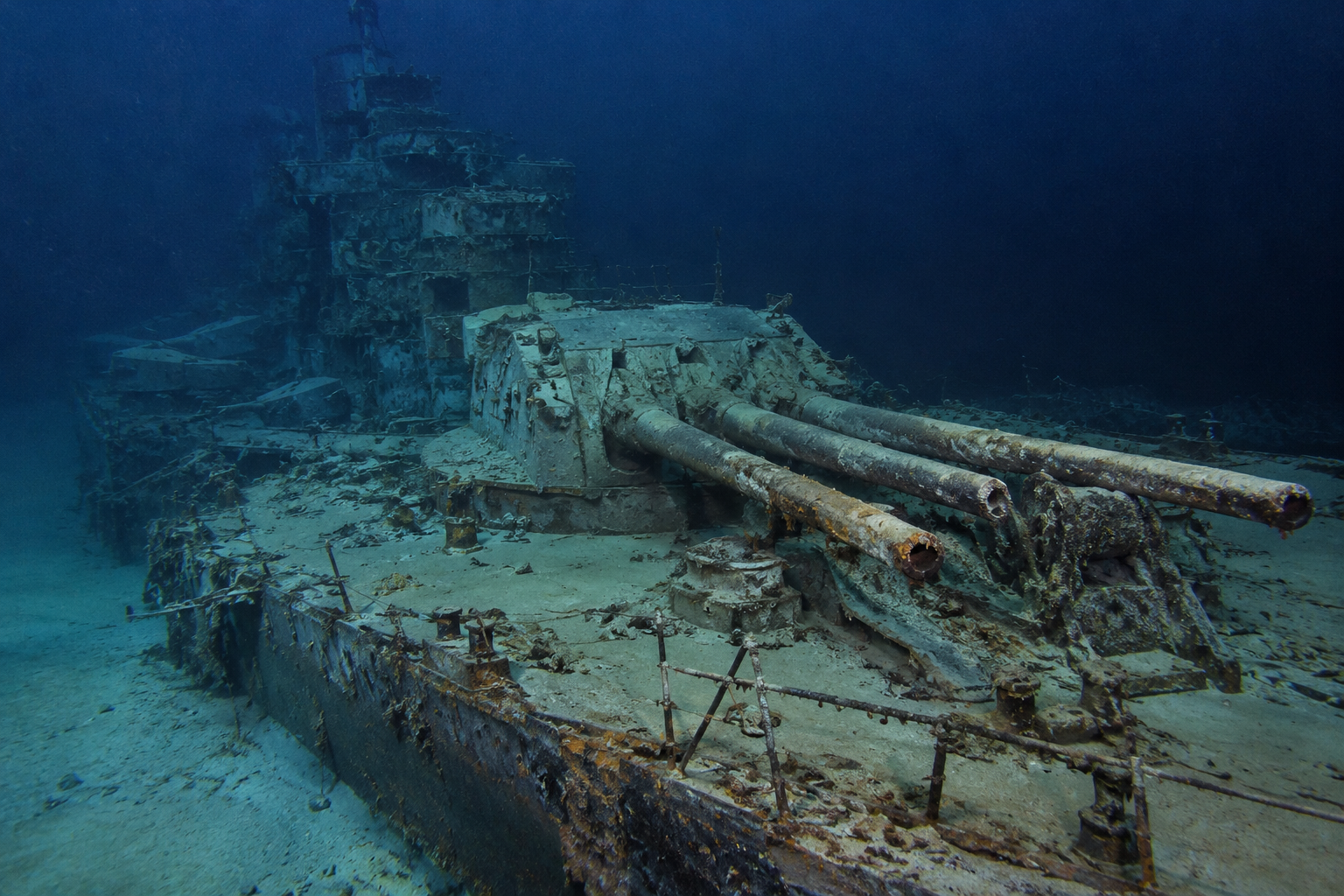
The Bismarck was a German battleship that sank during World War II in 1941. Its wreck was discovered in 1989. At this depth, the pressure is far too strong for ordinary scuba divers, so special submarines are needed to reach it.
10. The Underwater Forest of Lake Kaindy, Kazakhstan
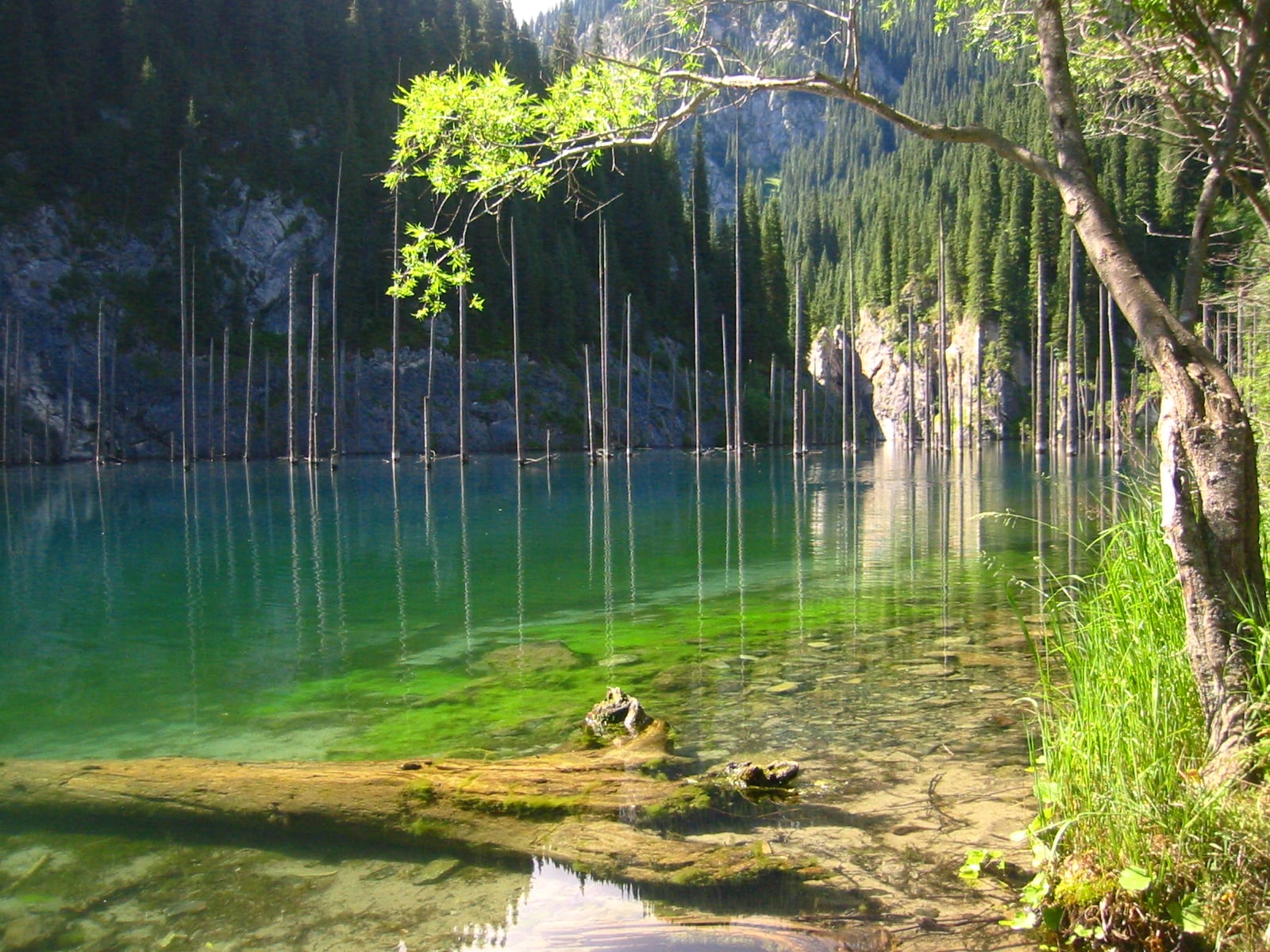
Lake Kaindy was formed after an earthquake in Kazakhstan in 1911 caused a landslide that blocked a valley. As water filled this area, it covered a forest of spruce trees, leaving their trunks sticking out above the lake.
11. The Blue Hole of Dahab, Egypt
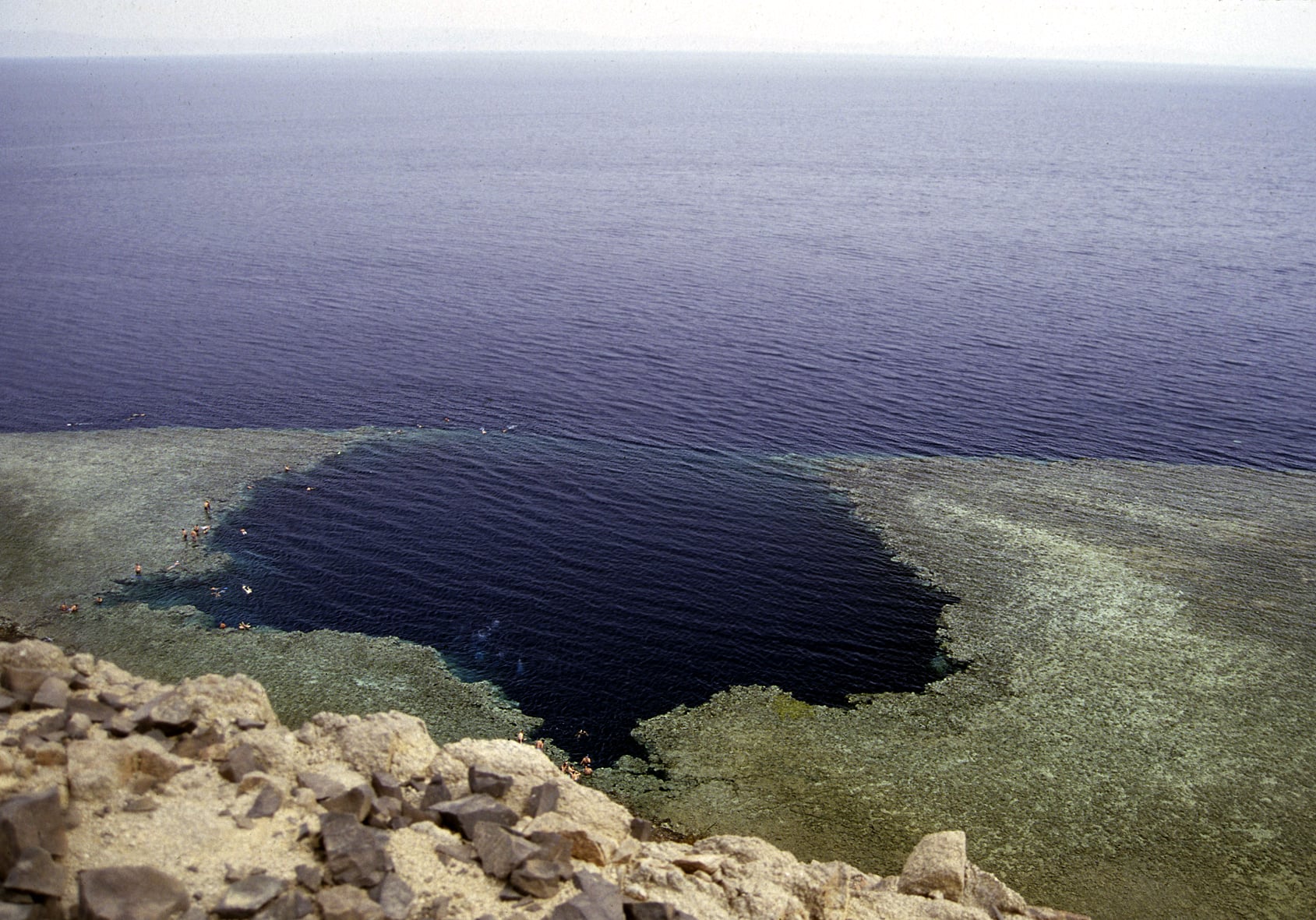
The Blue Hole near Dahab, Egypt, is a deep hole surrounded by beautiful coral reefs. It attracts divers from around the world because of its clear blue water and underwater rock walls. However, it is also known for serious diving accidents. One section, called the Arch, connects the hole to the open sea and is particularly dangerous.
12. Deep Reefs of the Great Barrier Reef, Australia
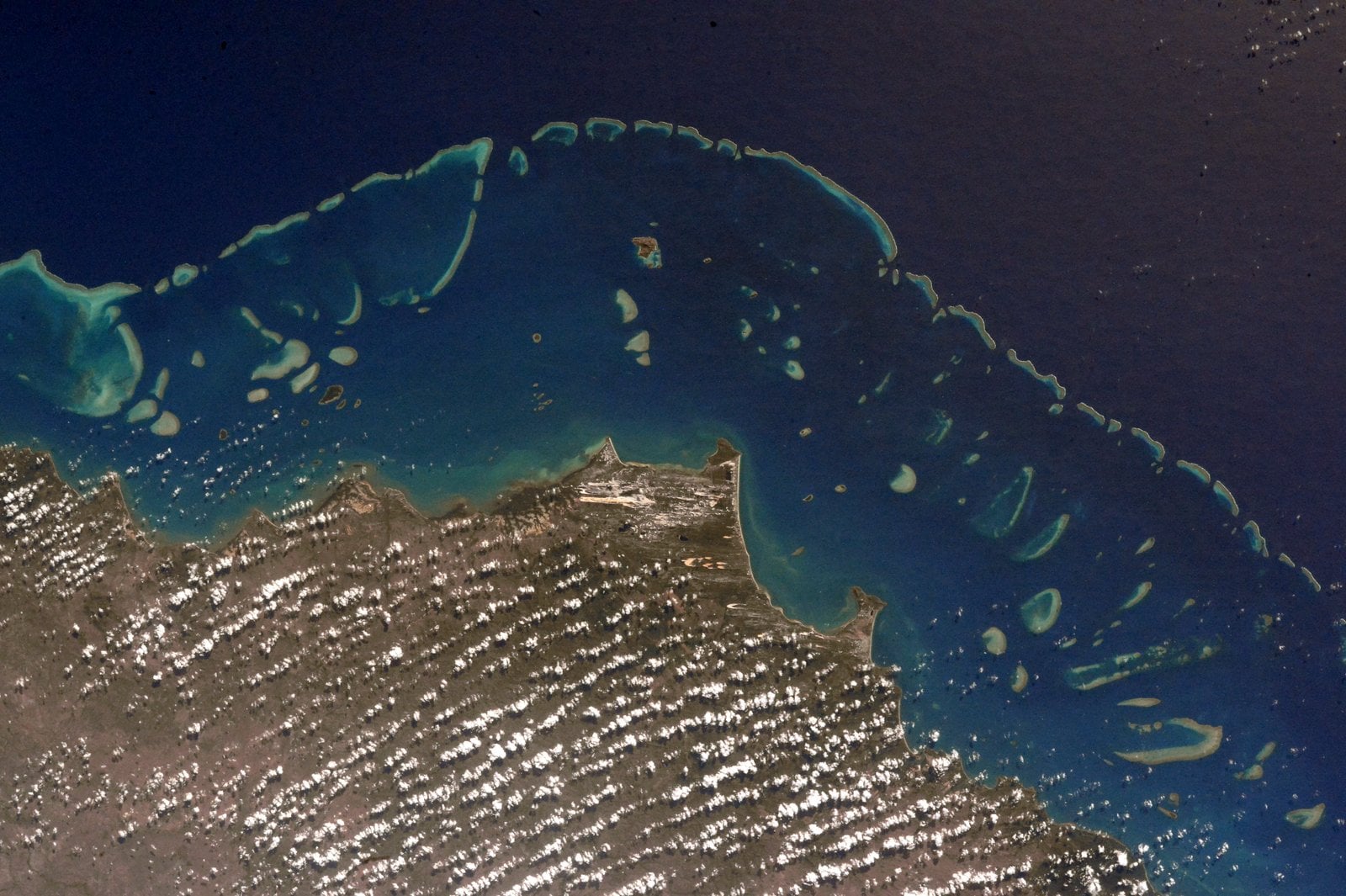
Australia´s Great Barrier Reef is famous for its colorful coral, sea turtles, and many species of fish. However, the reef also has deeper areas that most tourists never get to see. These places are harder to reach because less sunlight reaches them. Scientists use special equipment to study the sea life living there.
13. The Ancient Shipwrecks of the Black Sea
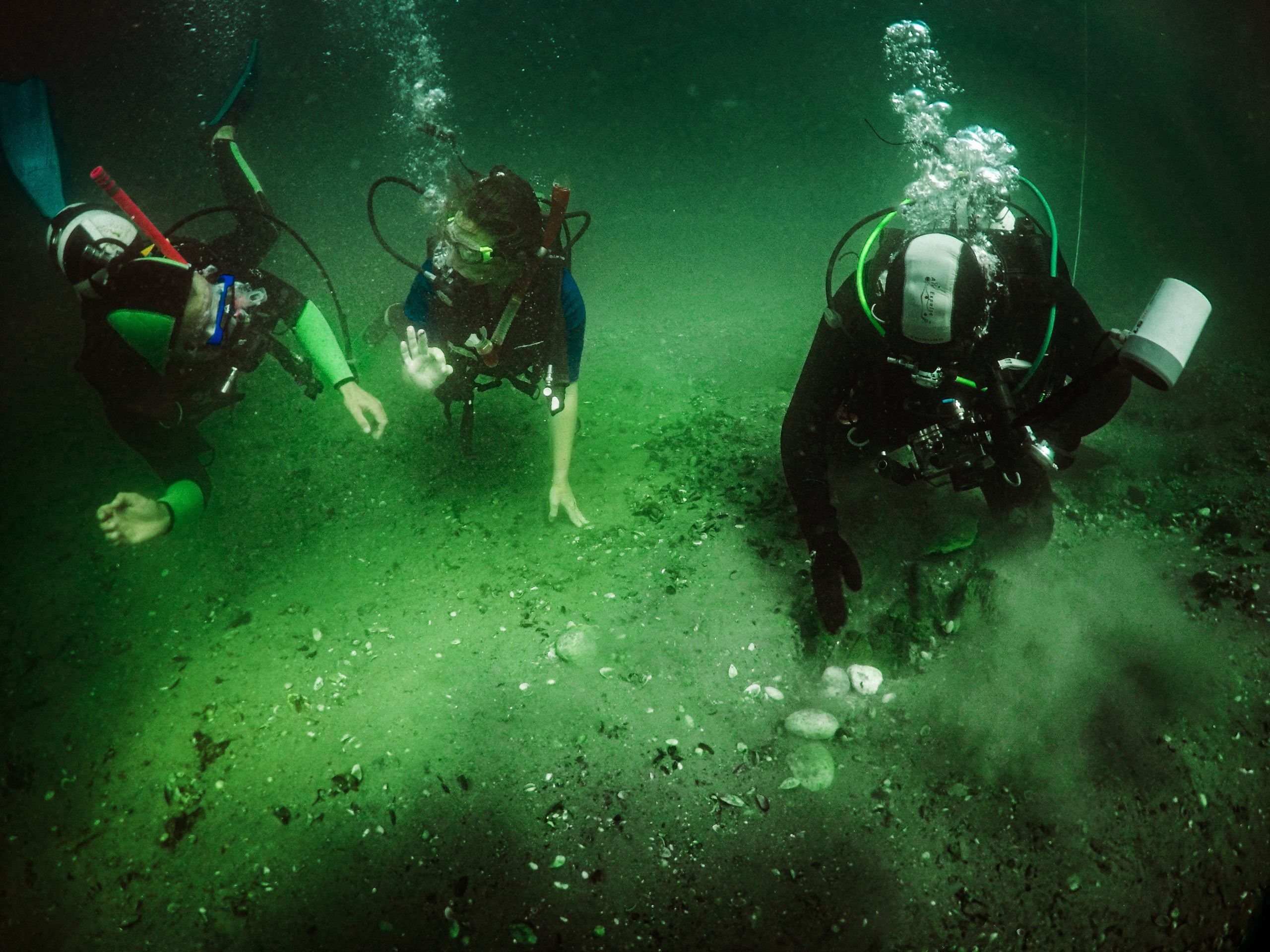
The Black Sea is home to many old shipwrecks that have remained in good condition for hundreds of years. In some deep areas, there is little oxygen in the water. Researchers have found wrecks with parts such as masts and cargo. Scientists use underwater robots and special equipment to study the ships.
14. Underwater Caves of the Yucatán Peninsula, Mexico
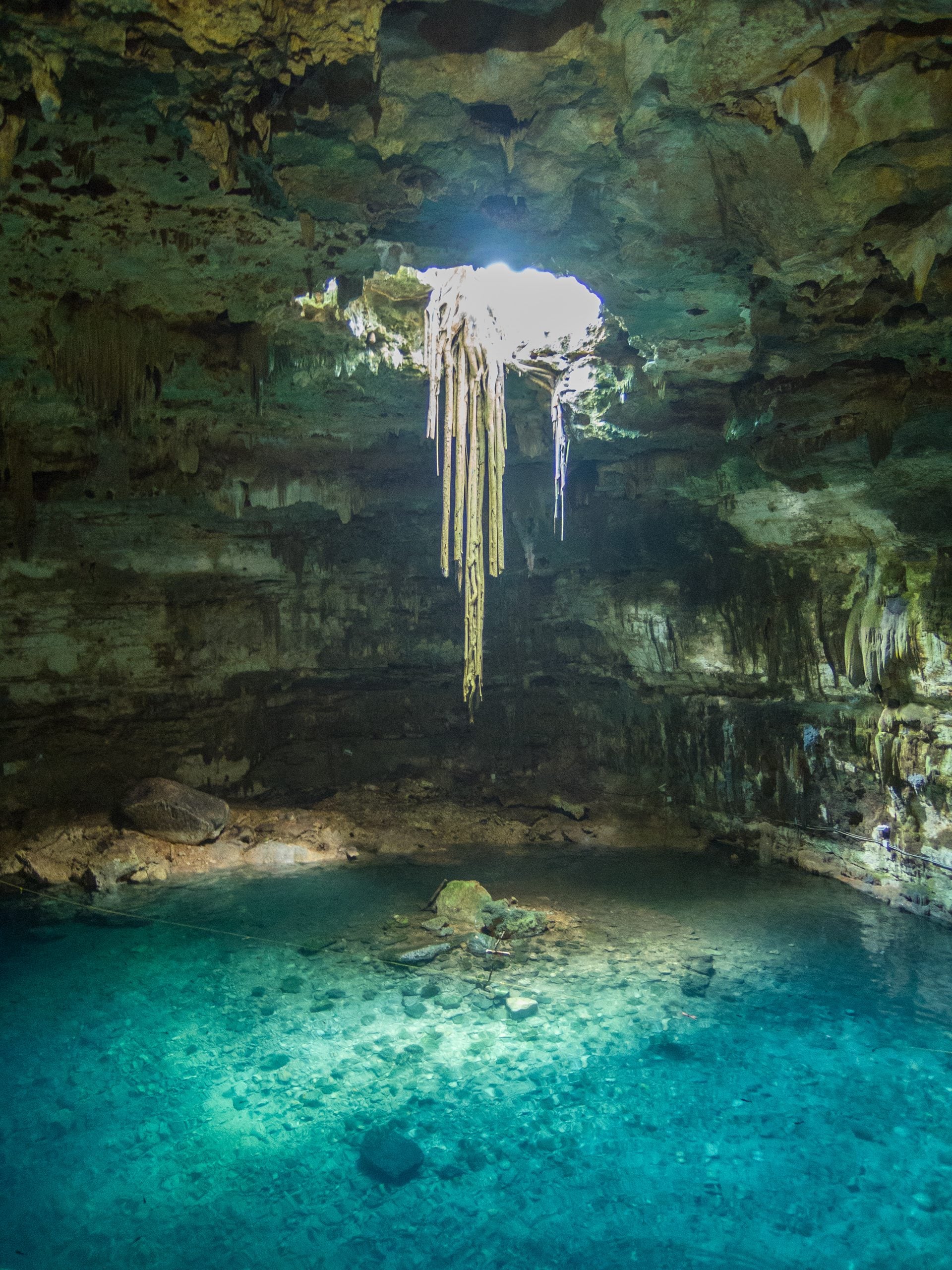
The Yucatán Peninsula in Mexico has a huge network of underwater caves and natural pools called cenotes. The caves contain clear water, rock formations, and long passages that stretch beneath the ground. A few cenotes are open to visitors.
15. Lost City Hydrothermal Field, Atlantic Ocean
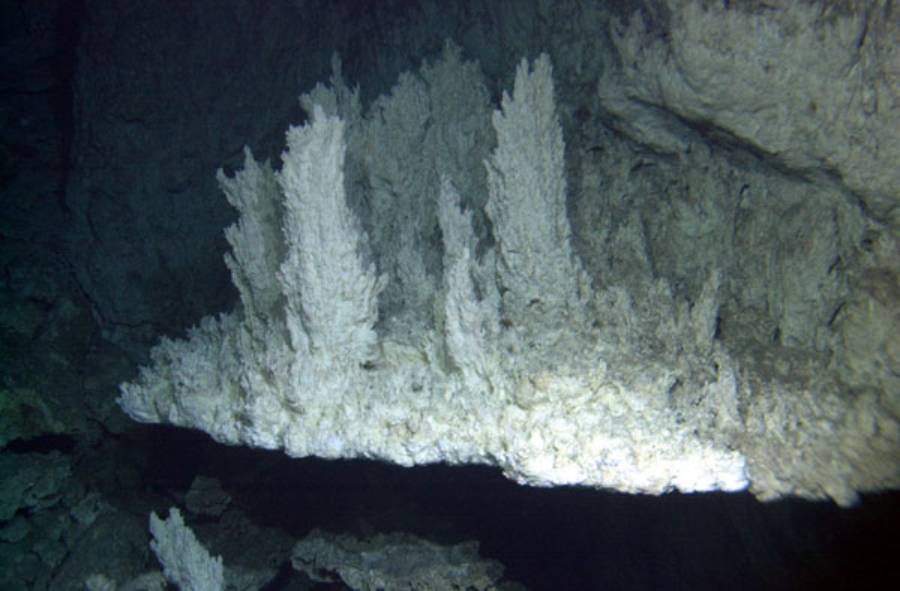
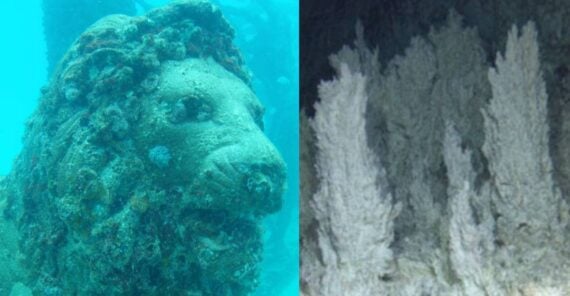
The Lost City Hydrothermal Field is a group of tall rock towers found in the Atlantic Ocean. These towers form when seawater reacts with rocks beneath the ocean floor. The area is home to tiny living things that survive without sunlight. The site can only be explored with submarines and underwater robots.