
Every generation of parents has kept a catalog of untruths in their back pocket, and the 1970s were no exception. Long before car seats had five-point harnesses and helicopter parenting was a punchline, moms and dads leaned on a handful of trusty tales to get through the day. Whether it was smoothing over a tantrum in the cereal aisle or buying five more minutes of peace after dinner, these little lies kept the family machine running.
What’s funny looking back is how creative these excuses really were. Kids in the ’70s didn’t have the internet to check, so a confident tone and a straight face were often all it took. Decades later, plenty of us are still a little suspicious of certain foods, noises, and nighttime rituals because of what we were told as kids. Here are 16 fibs that defined a generation of children.
1. “Eating your crusts will make your hair curly.”
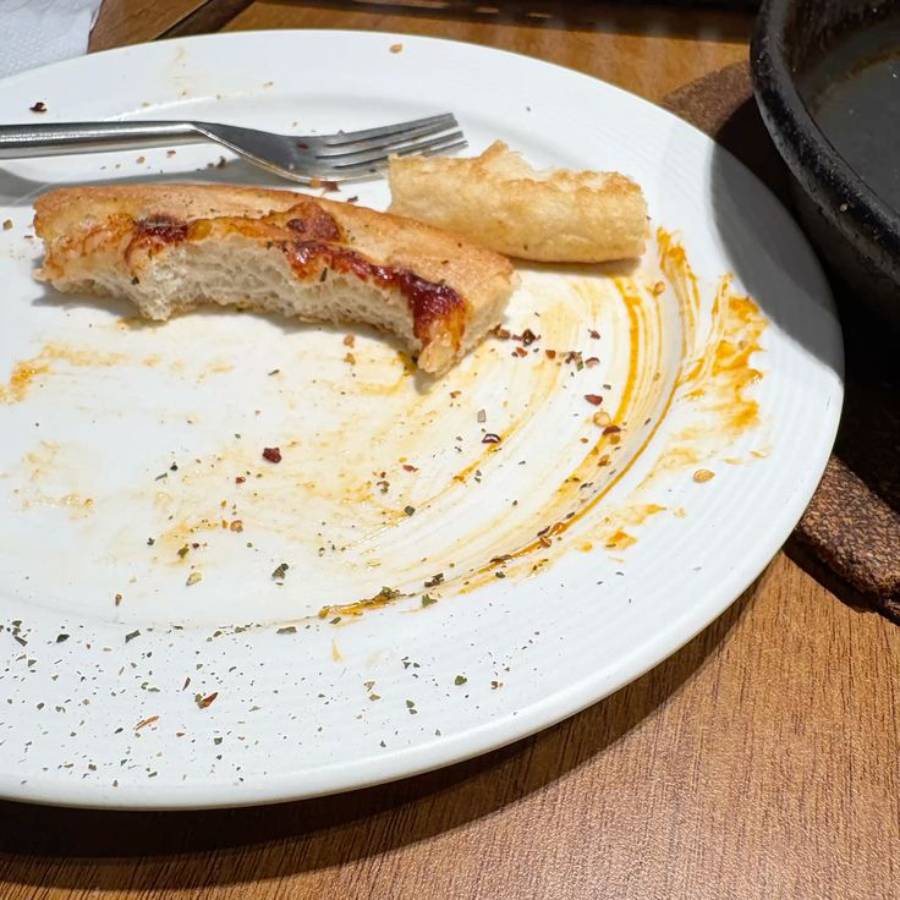
This one got trotted out at practically every dinner table, usually aimed at a kid who’d left a perfectly good crust sitting untouched on the plate. There was no science behind it, but it worked often enough that parents kept using it well into the decade. Somewhere out there is a whole generation who still eat their crusts out of habit, just in case.
2. “If you swallow a watermelon seed, a watermelon will grow in your stomach.“

Summertime meant watermelon, and watermelon meant seeds, and seeds meant panic for any kid who accidentally swallowed one. It was harmless fun that turned an ordinary snack into a minor horror story every July.
3. “Santa’s watching, so you’d better behave.”
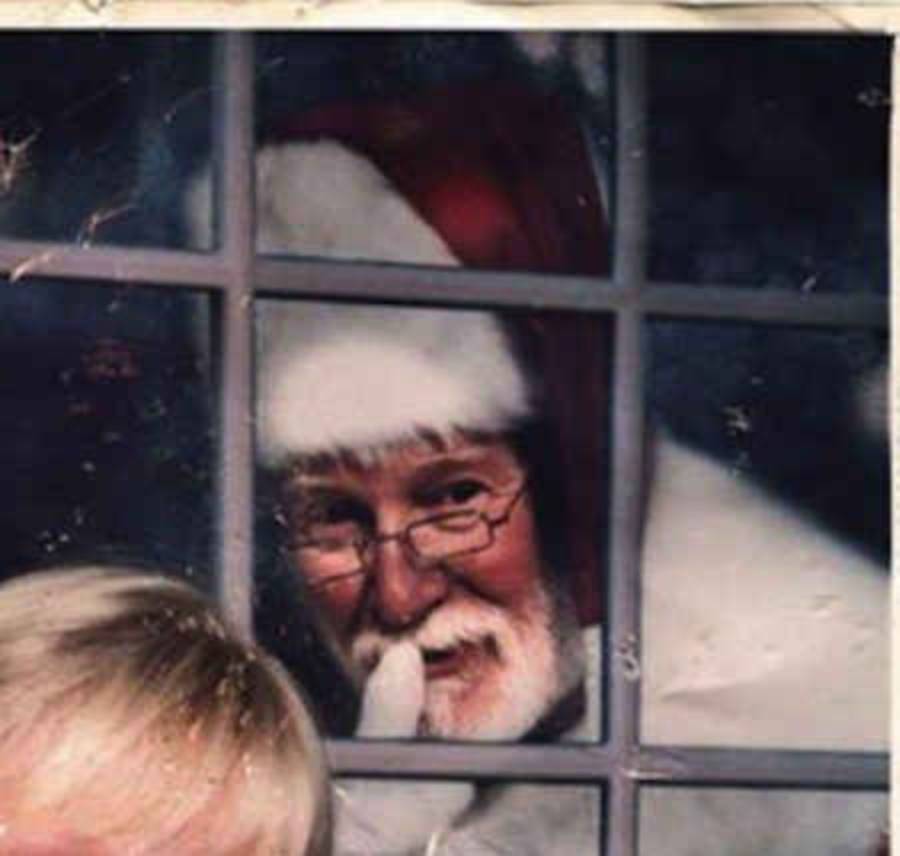
This one had incredible staying power, stretching from Thanksgiving all the way to Christmas morning. A single mention of the naked eye watching from the North Pole could straighten out bad behavior faster than any actual punishment.
4. “If you make that face too long, it’ll get stuck that way.”

Whether a kid was sticking out their tongue or scrunching up their nose in disgust, this warning usually followed close behind. It sounded just believable enough that plenty of kids tested the theory by holding the face slightly less long than planned.
5. “The ice cream truck only plays music when it’s out of ice cream.”
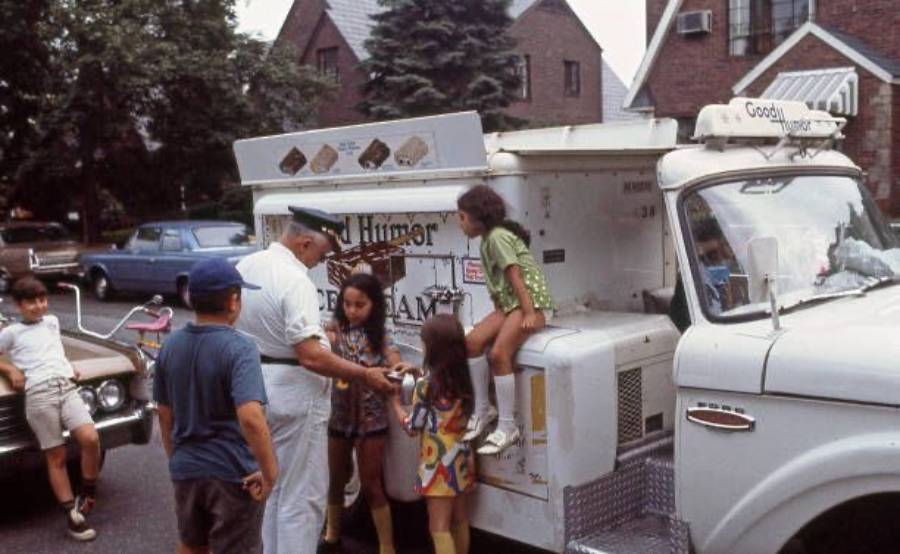
This was the go-to explanation on hot afternoons when parents didn’t want to chase down the truck for the third time that week. Kids would hear the familiar jingle rolling down the street and be told, with total confidence, that there was nothing left to buy. It bought a few quiet minutes and saved a few dollars.
Trending on Wealth Gang


6. “We’re not lost, I know exactly where we are.”
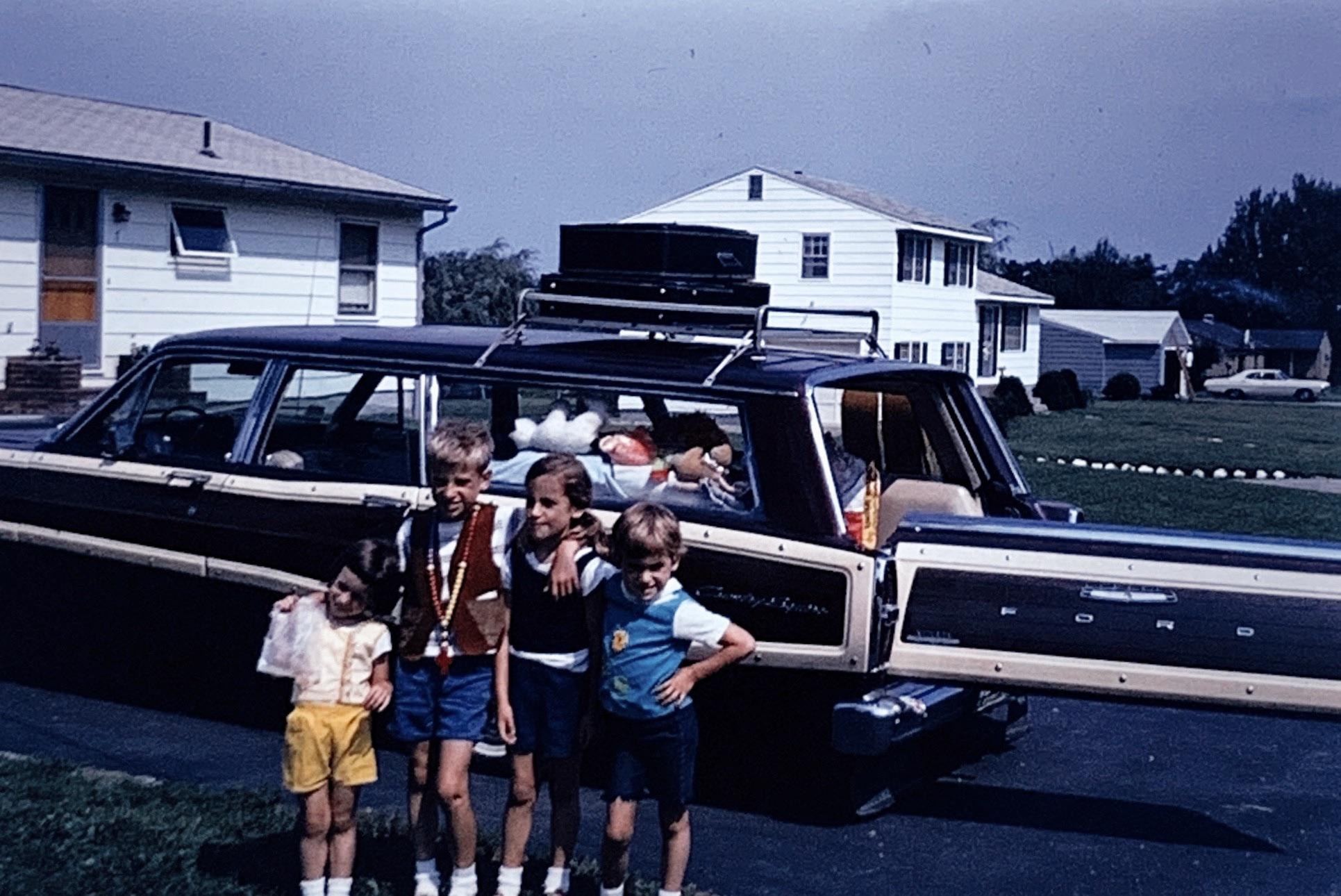
Before GPS, road trips involved a lot of paper maps, wrong turns, and quiet backseat anxiety. Dads, especially, were famous for insisting they knew the way, even while circling the same gas station for the third time. It usually worked out.
7. “That thunder is just the clouds bumping into each other.”
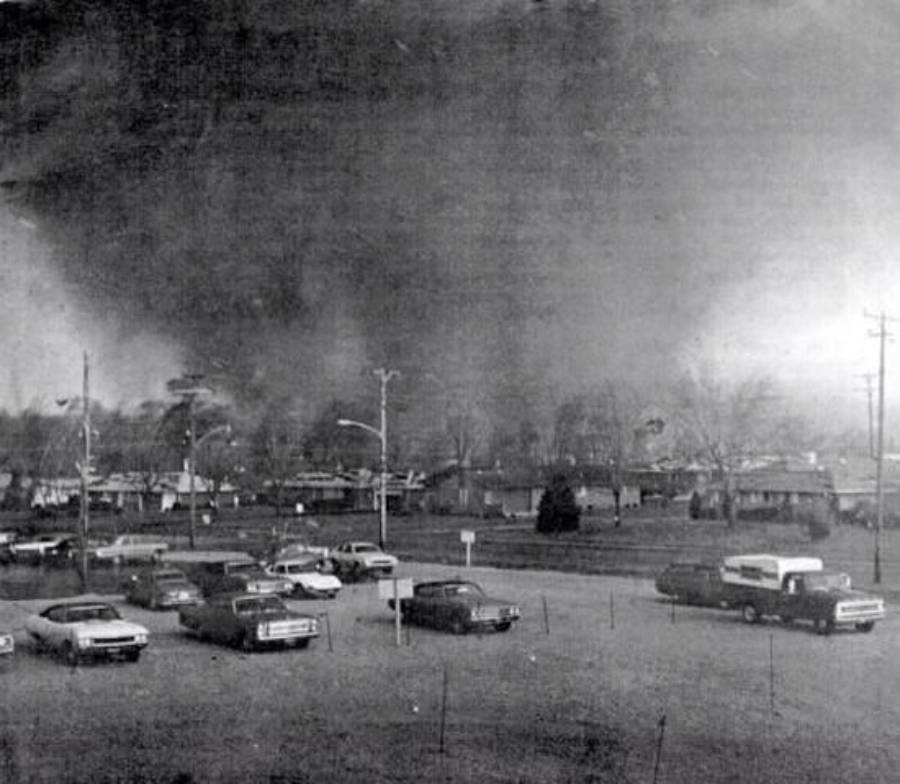
Storms could be frightening for young kids, so parents reached for whatever explanation sounded gentle enough to stop the tears. Clouds bumping together was simple, a little silly, and easy for a five-year-old to picture instead of terrifying lightning. It wasn’t scientifically accurate, but it did the job of calming down a scared kid at bedtime.
8. “If you don’t eat your vegetables, you won’t grow big and strong.”

Broccoli and peas didn’t stand a chance against a kid’s stubbornness, so parents turned dinner into a mini motivational speech. The promise of size and strength was vague enough to apply to basically anything, which made it useful for almost every vegetable on the plate. It planted a seed of guilt.
Sign up for our newsletter
9. “The tooth fairy only visits kids who are asleep.”
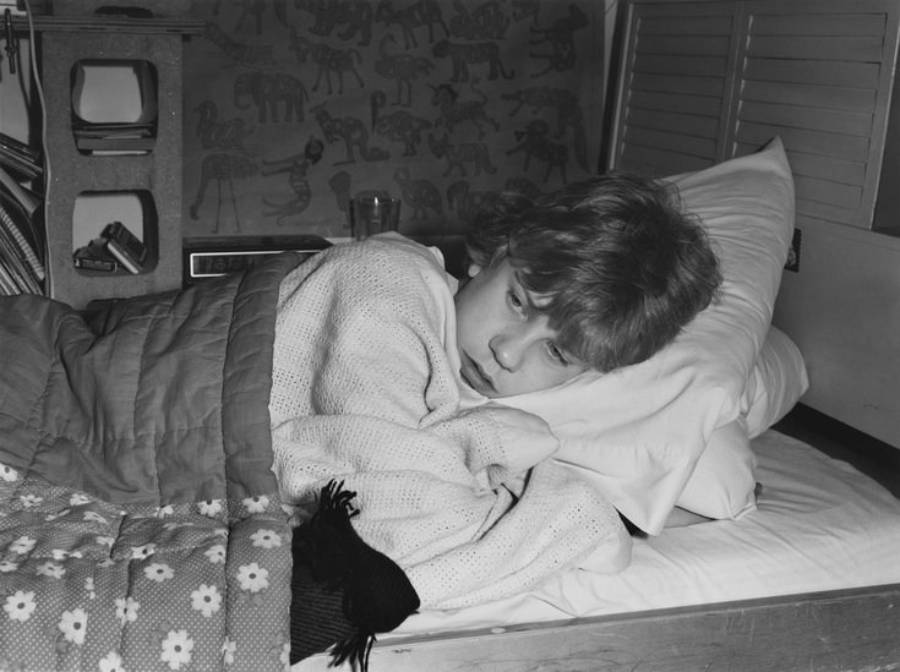
This lie did double duty, explaining the mysterious coin under the pillow while also nudging a kid toward falling asleep. Any suspicious noise in the hallway could be blamed on nothing at all, since the tooth fairy supposedly worked in complete silence. It was a small magic trick that made losing a tooth feel like an event.
10. “If you keep swinging that high, you’ll flip all the way over.”
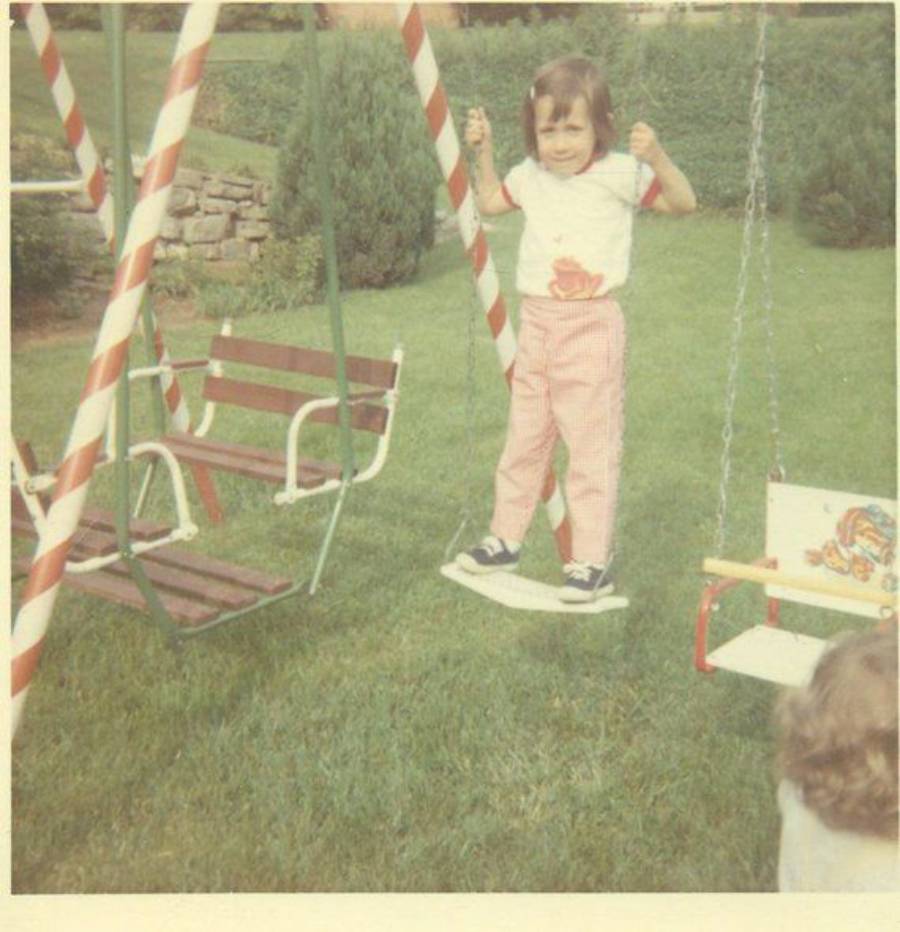
Playground swings only went so high before a parent’s nerves kicked in, and this warning was the quickest way to bring things back down to earth. It sounded dramatic enough to make most kids ease off without an actual argument. Whether or not it was physically possible didn’t matter much.
11. “There’s nothing good on TV after your bedtime anyway.”
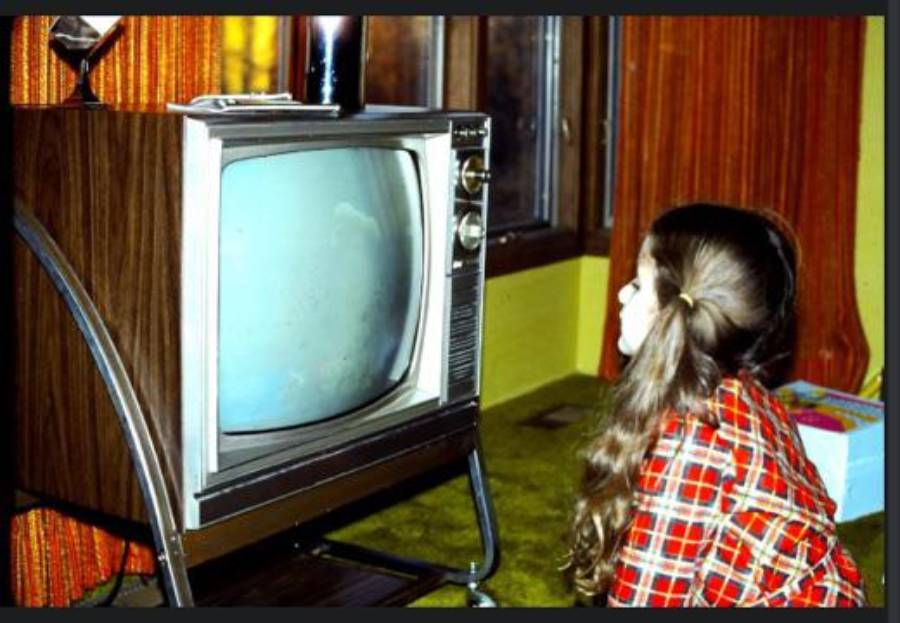
Parents wanted the living room to themselves, and this line usually settled the debate. It suggested that staying up would be a waste of time rather than admitting the real reason was some peace. Kids who snuck a peek later in life quickly learned this one wasn’t exactly true.
12. “Cross your eyes at your own risk, they might stay that way.”

This version targeted kids who loved making themselves look ridiculous at the dinner table. It carried just enough weight that most kids uncrossed their eyes fairly quickly, just to be safe. Nobody wanted to be the one kid in class who couldn’t uncross them.
13. “If you swallow gum, it stays in your stomach for seven years.”
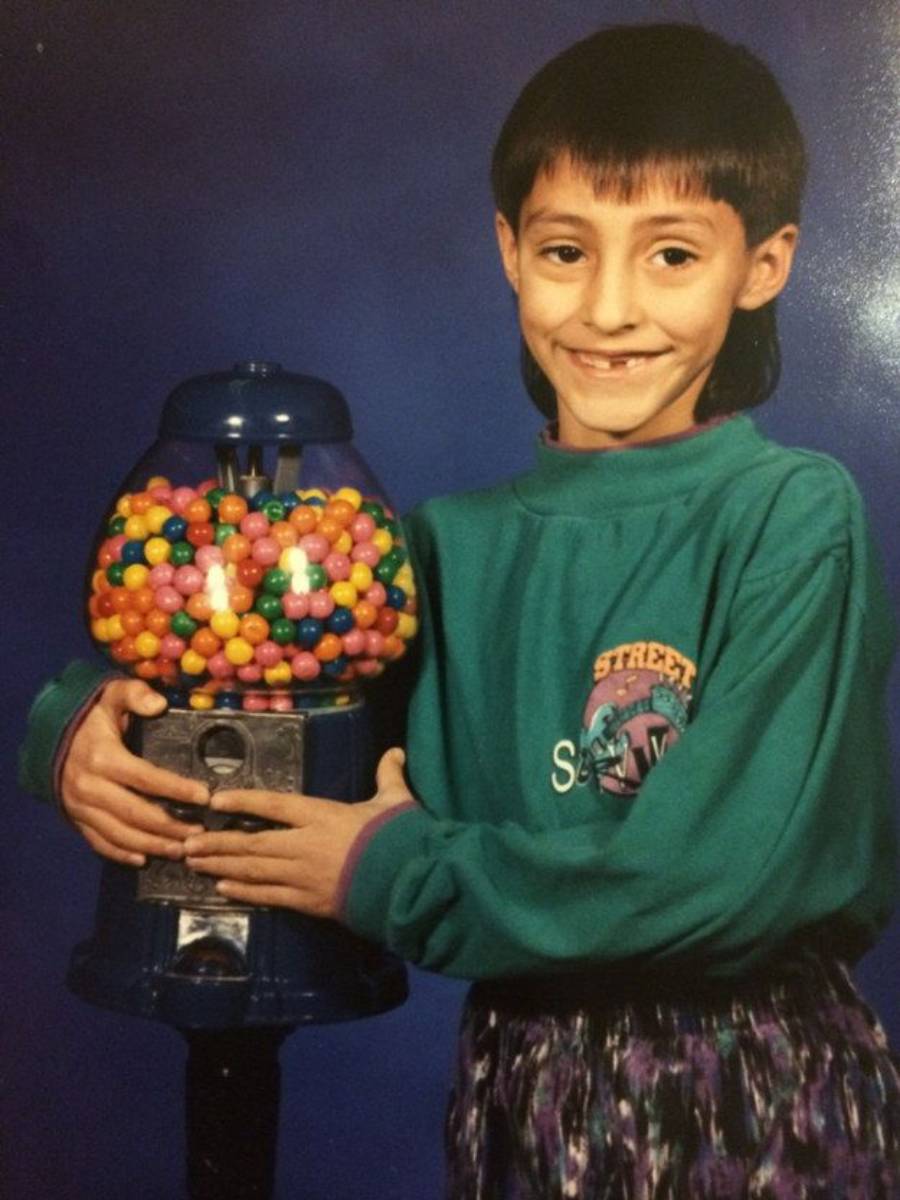
Few ’70s myths traveled as far and wide as this one, whispered on playgrounds and repeated by parents everywhere. The oddly specific number made it feel more credible than a vague warning, even though nobody could explain where the seven years came from.
14. “The boogeyman only gets kids who are out of bed after lights out.”
A little bit of nighttime fear went a long way toward keeping kids in their rooms once bedtime rolled around. This lie played on imagination more than logic, since most kids were far more scared of the idea than anything they’d actually seen. It usually worked exactly as intended.
15. “We’ll stop at the next one,” said on every single road trip bathroom break.
“Next one” became one of the most common phrases in the entire parental vocabulary, stretching across three, four, sometimes five gas stations. It wasn’t cruelty, just the reality of trying to make good time on a long drive.
16. “Money doesn’t grow on trees, so we can’t afford it.”

This phrase got repeated in toy aisles, candy stores, and pretty much anywhere a kid spotted something expensive. It wasn’t always strictly true, but it was an easy way to end a negotiation without a longer conversation about budgets.
Keep the nostalgia going:
For a look at how mealtime discipline shaped family life, check out 12 Dinner Table Rules Families Followed in the 1950s, where manners and tradition ruled the table. If frugality is more your speed, 17 Forgotten Shopping Habits That Saved Families Money revisits the tricks that stretched every dollar. And for a decade-specific spin on saving, 12 Ways Our Families Saved Money In the 1980’s dives into VHS taping, mixtapes, and coupon clipping that defined thrift in the 1980´s.