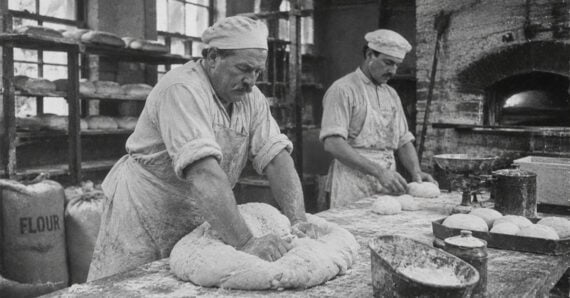
Many jobs that required physical labor in the past involved exhausting routines that modern workers rarely have to imagine. Before powerful machines, automated equipment, and electric tools became commonplace, ordinary tasks could mean hours of lifting, digging, scrubbing, or carrying heavy materials. A single workday could leave someone completely worn out, even when the job itself seemed relatively simple.
Looking through old photographs of American workplaces reveals just how much human effort went into keeping everyday life running. From hauling enormous blocks of ice into homes to arranging newspaper headlines one metal letter at a time, these 16 occupations show what working for a living looked like before technology took over some of the hardest tasks.
1. Farmers Harvested Entire Fields With Hand Tools
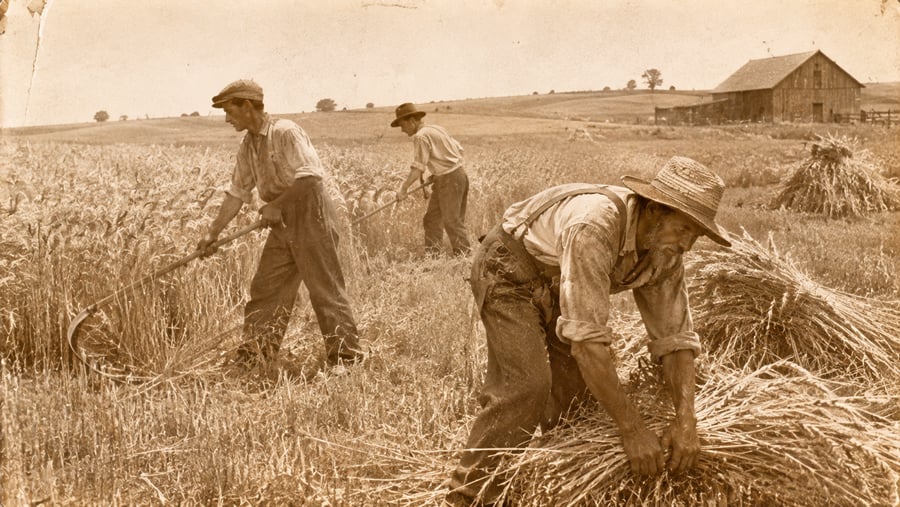
Imagine spending an entire day cutting grain beneath the summer sun, only to look up and realize there were still acres left to harvest. Before tractors and combines became widespread, farmers relied on scythes, sickles, animal-powered plows, and plenty of human muscle. Planting, cutting, gathering, and transporting crops could involve entire families or teams of hired workers. Harvest season wasn’t simply busy. It was an exhausting race against the weather, with long days and very little room for rest.
2. Loggers Cut Down Giant Trees With Two-Person Saws
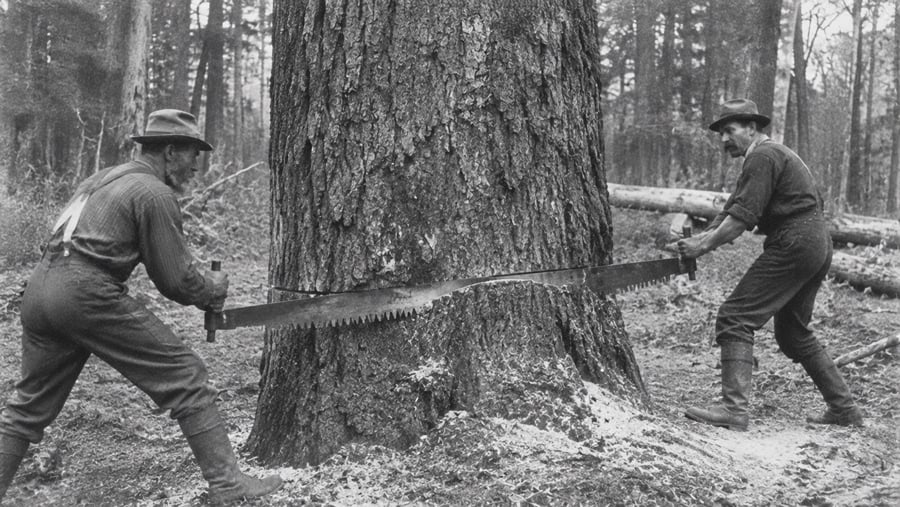
Long before chainsaws became standard equipment, bringing down a large tree could take two workers pulling a crosscut saw back and forth for hours. Logging crews worked in remote forests, surrounded by mud, snow, and enormous trunks that had to be moved with horses or oxen. Every cut demanded strength and coordination, and getting the timber out of the woods was another challenge entirely. Old logging photographs make the equipment look almost impossibly simple compared with the size of the trees.
3. Miners Drilled Into Solid Rock With Hammers
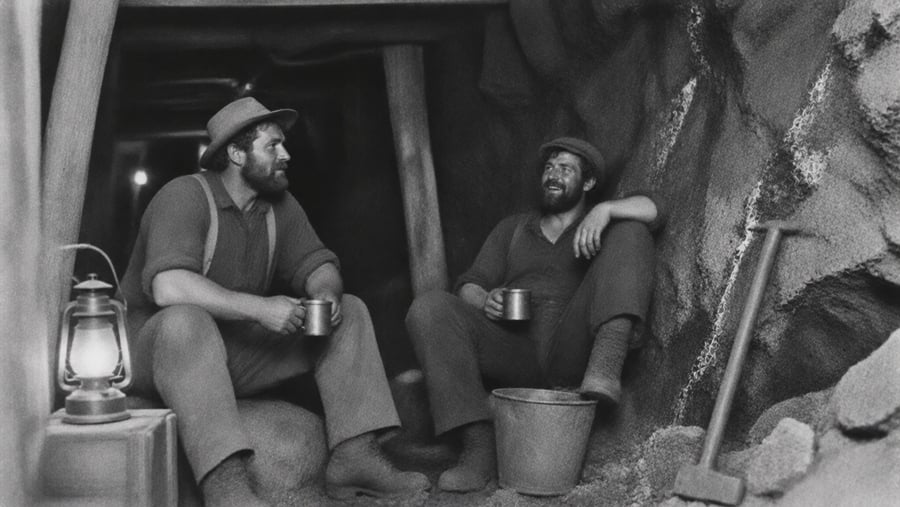
Working underground was dangerous enough without having to break through solid rock by hand. In nineteenth-century mines, workers used heavy hammers and steel drills to make holes for explosives, often taking turns striking the drill while another miner held it steady. The work was repetitive, physically punishing, and performed in cramped conditions with limited light. Compressed-air drills eventually changed the process, but for generations, extracting valuable minerals began with the exhausting sound of metal striking stone.
4. Stonecutters Spent Hours Shaping a Single Block
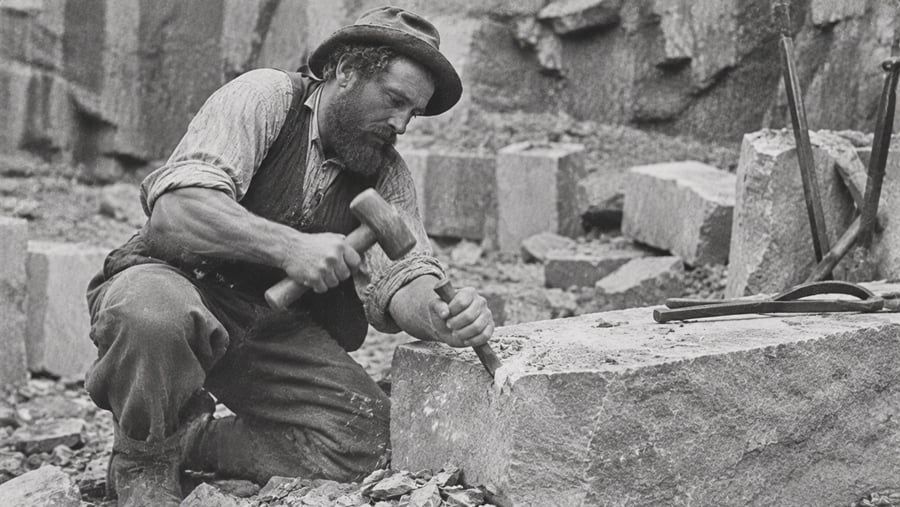
A perfectly shaped stone block might not look particularly impressive today, but producing one could once require an extraordinary amount of work. Stonecutters used hammers, chisels, and hand drills to break, smooth, and shape materials for buildings, bridges, and railroads. At the Allegheny Portage Railroad, producing a single stone railroad tie could require approximately 24 hours of labor. Every finished piece represented hours of careful, repetitive effort, long before powered cutting equipment made the process faster.
5. Road Crews Moved Dirt and Rocks One Shovelful at a Time
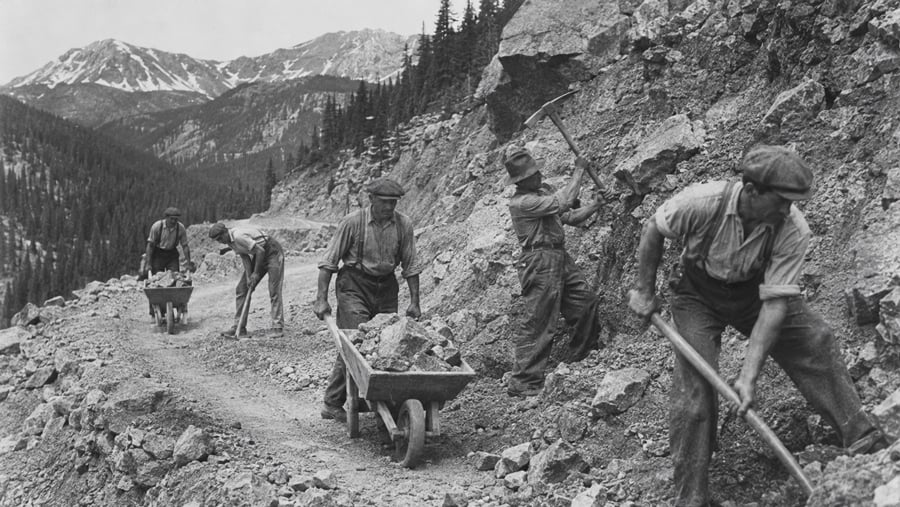
Building a road once meant clearing vegetation, digging through earth, and moving piles of rock with little more than picks, shovels, and wheelbarrows. Workers spent long days pushing heavy loads across uneven ground, often in difficult weather and remote locations. Projects like Glacier National Park’s Going-to-the-Sun Road required extensive manual clearing and stonework, even as mechanical equipment began entering construction sites. Modern excavators and bulldozers have made it difficult to picture how much human labor went into early roads.
Trending on Wealth Gang


6. Railroad Workers Positioned Heavy Tracks by Hand
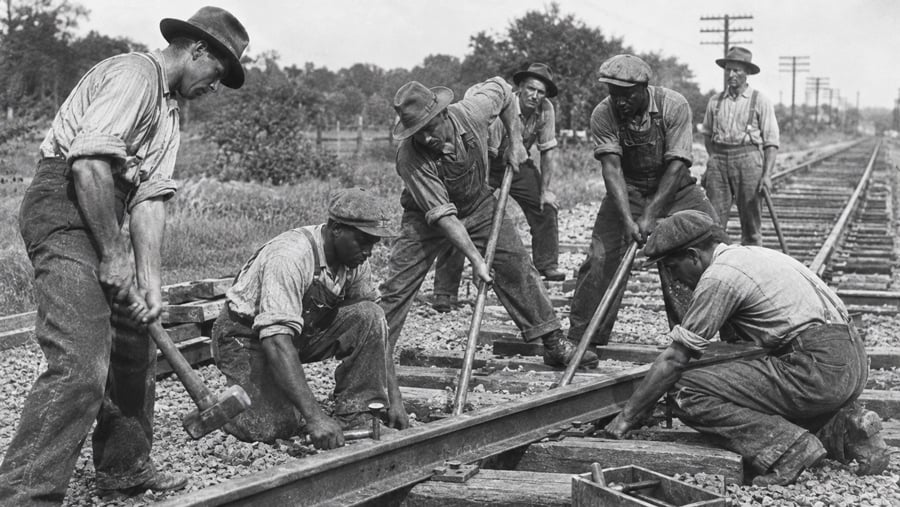
Railroad construction depended on crews who could move wooden ties, align heavy steel rails, and hammer spikes into place with remarkable coordination. Workers often developed rhythmic calls to synchronize difficult movements, especially when shifting rails or other heavy materials together. The job demanded endurance, timing, and constant attention to safety. Today, specialized machines handle many of these tasks, but early railroad crews built and maintained vast stretches of track through repetitive physical labor.
7. Dockworkers Unloaded Ships Crate by Crate
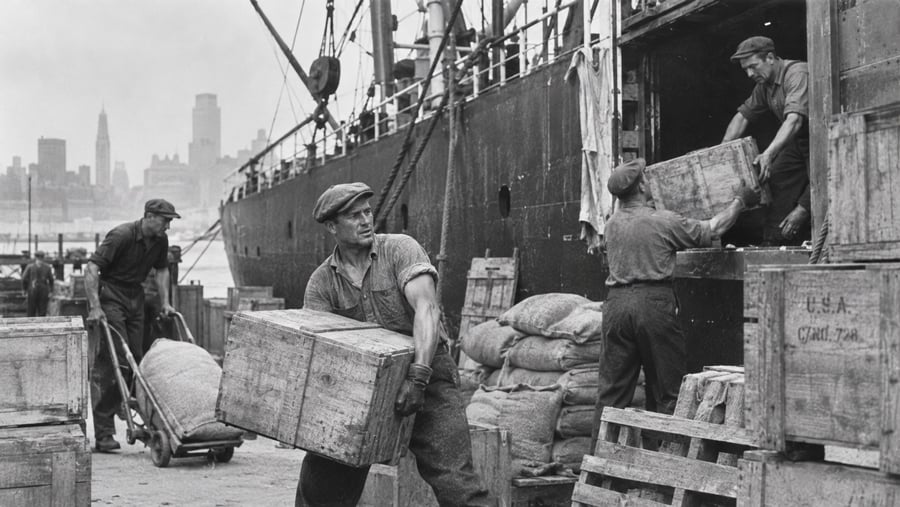
Before shipping containers transformed international trade, cargo arrived in individual crates, sacks, barrels, and bundles that had to be handled separately. Longshoremen spent hours transferring goods between ships, docks, and warehouses, using hand trucks, ropes, slings, and hoists. A busy port was filled with workers moving heavy shipments through narrow spaces, often under intense pressure to unload vessels quickly. Container cranes and forklifts eventually changed waterfront labor, but earlier generations moved an astonishing amount of freight by hand.
8. Rural Mail Carriers Traveled Miles With Horses and Wagons
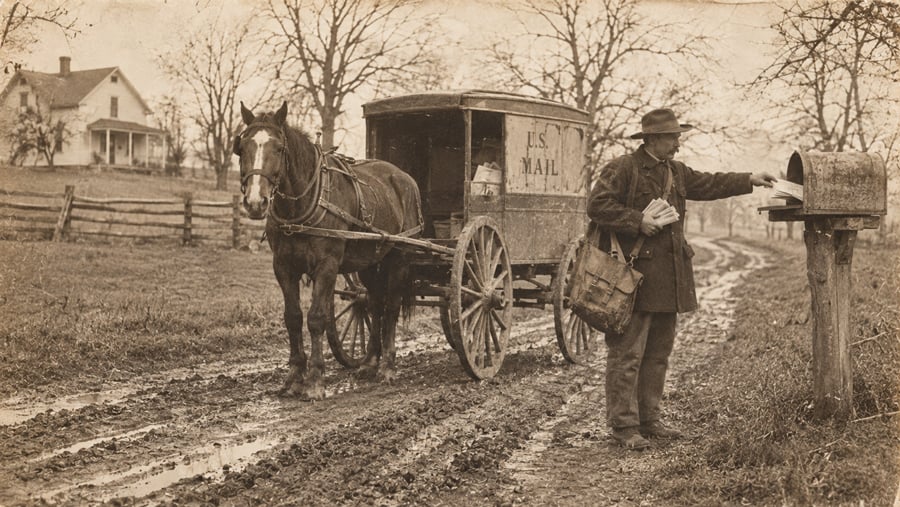
Delivering mail in rural America once involved much more than driving from mailbox to mailbox. Early carriers navigated muddy roads, snow-covered routes, and long stretches of countryside using horses and wagons, often providing their own transportation. Bad weather could turn a routine delivery into an exhausting journey. Automobiles gradually replaced horse-drawn vehicles as roads improved, but early rural mail service required a level of patience and physical endurance that modern delivery routes rarely resemble.
Sign up for our newsletter
9. Ice Delivery Men Carried Enormous Blocks Into Homes
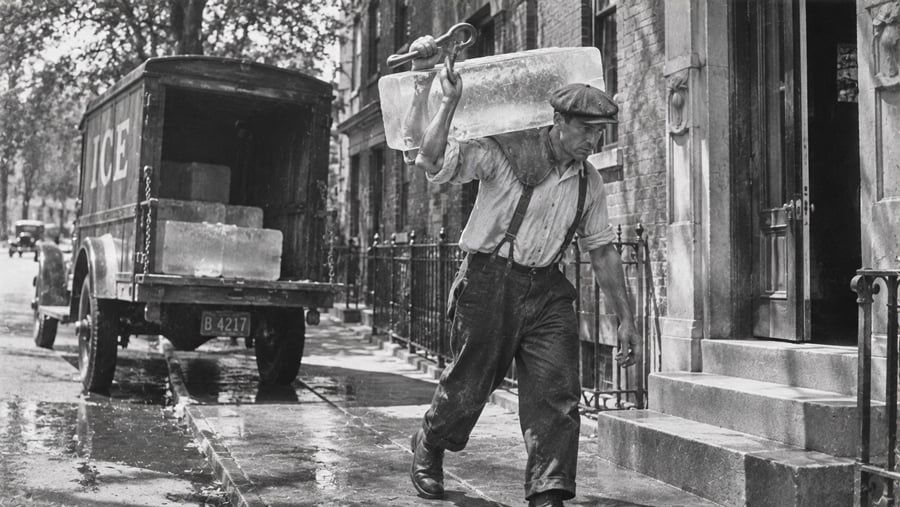
Before electric refrigerators became common, keeping food cold depended on regular deliveries of ice. Customers placed cards in their windows to indicate how much they needed, sometimes requesting blocks weighing 25, 50, 75, or even 100 pounds. Ice delivery workers carried these slippery, heavy blocks from their vehicles into kitchens, sometimes climbing flights of stairs along the way. It was a demanding job that quietly disappeared as household refrigeration became an everyday convenience.
10. Laundry Workers Scrubbed and Wringed Clothes by Hand
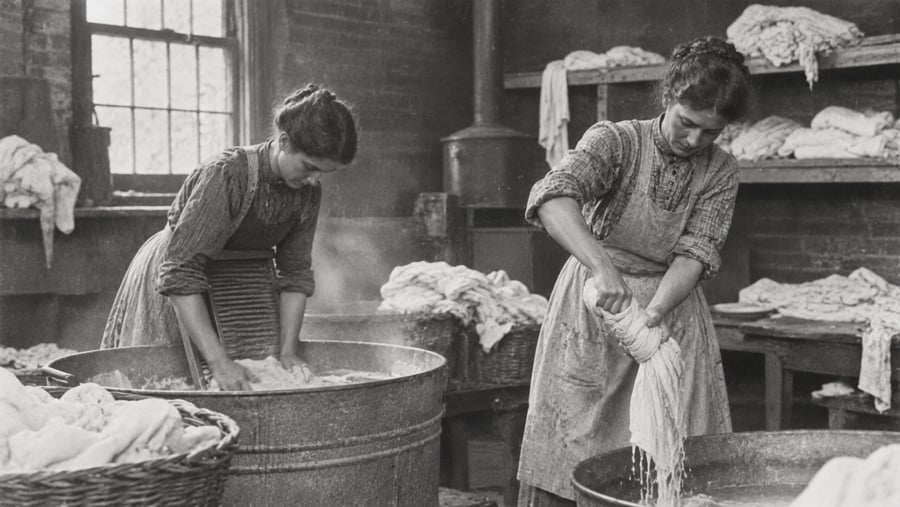
Doing laundry once meant spending hours bent over a washboard, scrubbing stained fabric, rinsing garments, and wringing out heavy, soaking-wet clothes. Professional laundresses and domestic workers repeated the process throughout the day, often in hot, humid rooms filled with tubs of water. The physical strain on their backs, arms, and hands was enormous. Washing machines eventually reduced much of this work, making an everyday household chore far less demanding than it had been for previous generations.
11. Seamstresses Sewed Entire Garments One Stitch at a Time
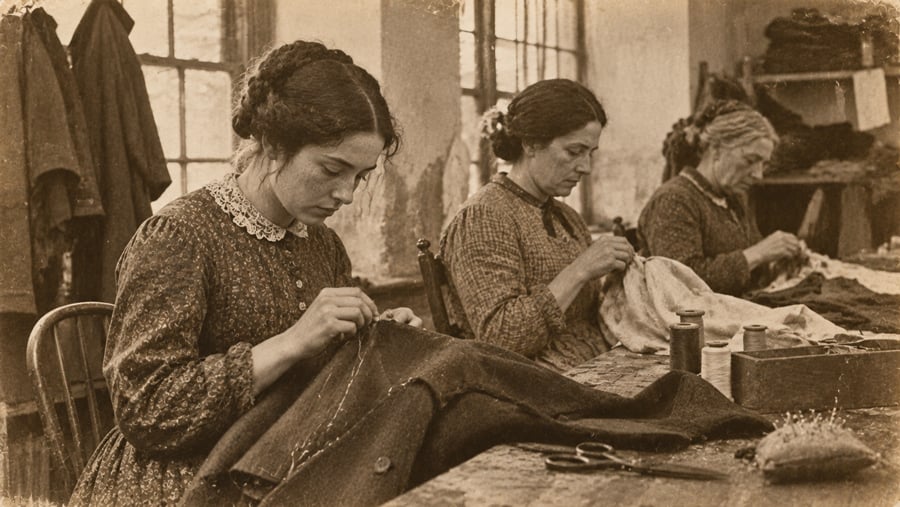
Before sewing machines transformed clothing production, making a garment meant stitching countless seams by hand. Professional seamstresses spent long hours working with needles and thread, often in crowded workshops or poorly lit rooms. During busy periods in the nineteenth century, some garment workers reportedly sewed for as many as 16 hours a day. The work required patience and precision, but it also demanded extraordinary endurance from hands, shoulders, and eyes. Modern sewing equipment dramatically increased production speed, though garment work remains labor-intensive.
12. Weavers Powered Looms With Their Own Movements
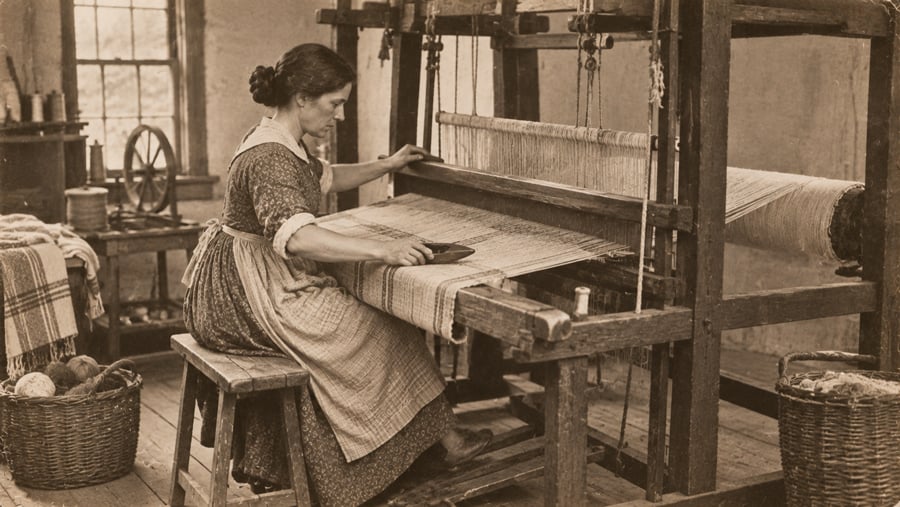
Before mechanized textile production, weaving fabric involved repeating the same physical movements thousands of times. Workers passed shuttles through threads, operated loom mechanisms, and maintained the tension needed to create even cloth. Producing large quantities of fabric could take tremendous time and effort. Innovations such as the flying shuttle and later power looms transformed the industry, allowing machines to handle much of the repetitive motion that had once depended on skilled human workers.
13. Newspaper Typesetters Arranged Headlines Letter by Letter
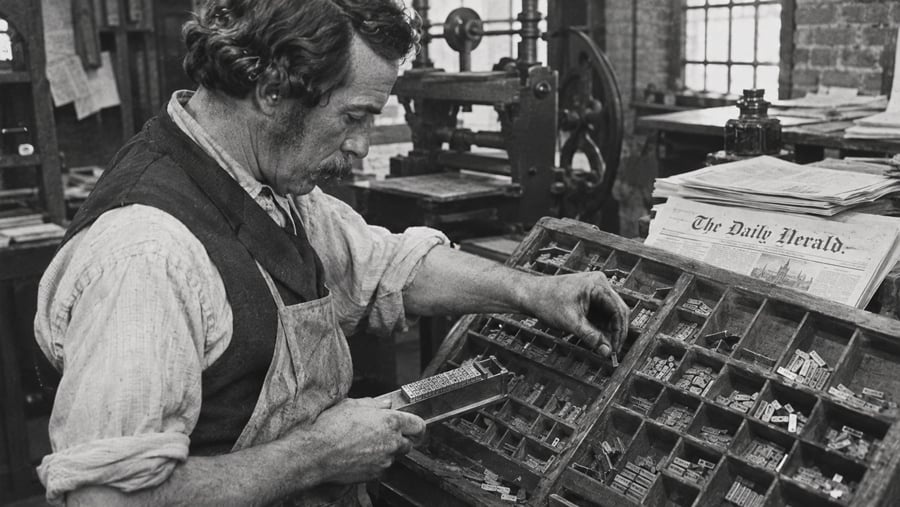
Before mechanical typesetting, preparing a newspaper involved assembling individual pieces of metal type into lines of text. Compositors stood at type cases, selecting letters and arranging them in the correct order while working against tight publication deadlines. A single page required an enormous number of tiny, precise movements. The introduction of Linotype machines in the 1880s transformed the process, replacing much of the painstaking hand composition that had kept newspaper workers busy for generations.
14. Firefighters Passed Water Buckets and Operated Hand Pumps
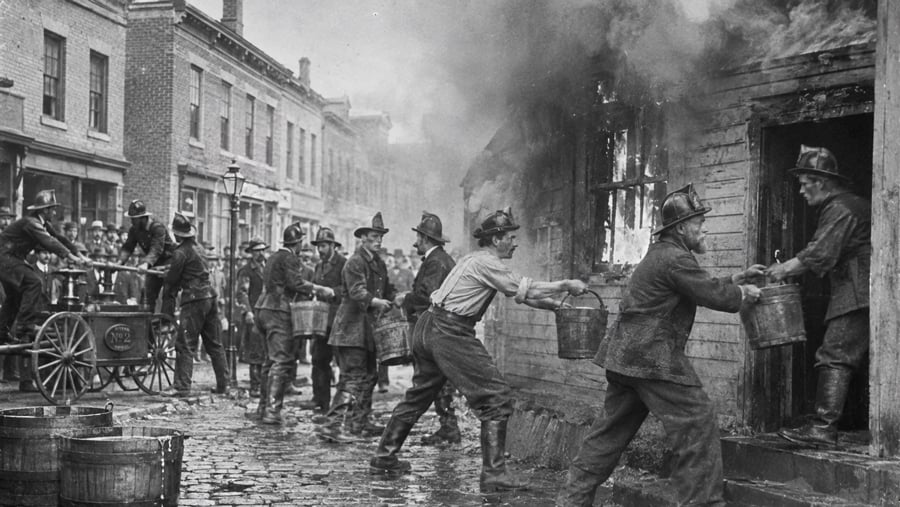
Fighting a fire once required more than courage. It demanded an enormous amount of physical labor. Before powerful motorized engines, firefighters and community volunteers passed buckets of water along human chains or operated hand-powered pumping equipment. Keeping water flowing could require crews to pump continuously while others battled the flames. Horse-drawn steam engines and later motorized fire trucks gradually changed the work, but early firefighting depended heavily on coordinated muscle power.
15. Lighthouse Keepers Carried Fuel Up Endless Stairs
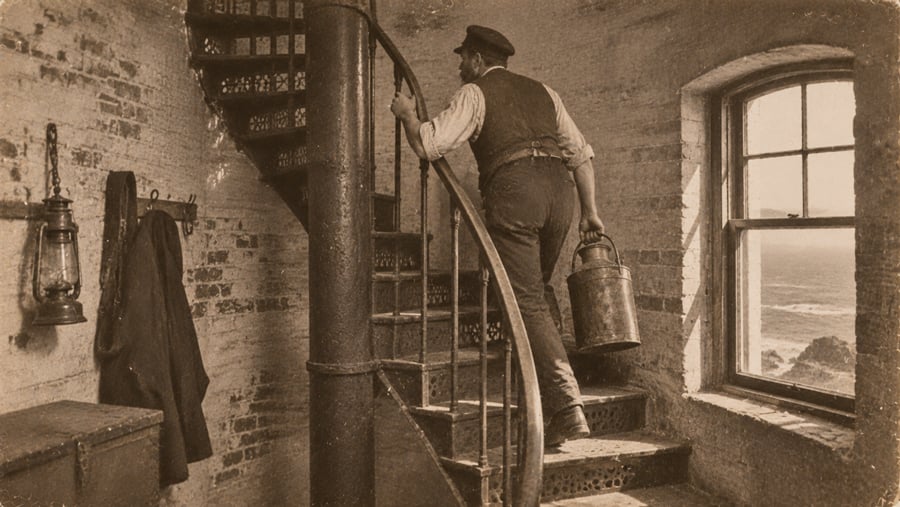
Keeping a lighthouse operating was once a physically demanding responsibility that never truly ended. Lighthouse keepers carried fuel up narrow tower staircases, cleaned large glass lenses, maintained equipment, and ensured the light remained visible through the night. At Sandy Hook Lighthouse, keepers once climbed 108 steps while transporting whale oil or kerosene for the lamp. Electric lighting and automated systems eventually removed many of these daily tasks, but earlier keepers worked in isolated conditions where reliability could mean the difference between safety and disaster.
16. Bakers Kneaded Huge Batches of Dough Without Mixers
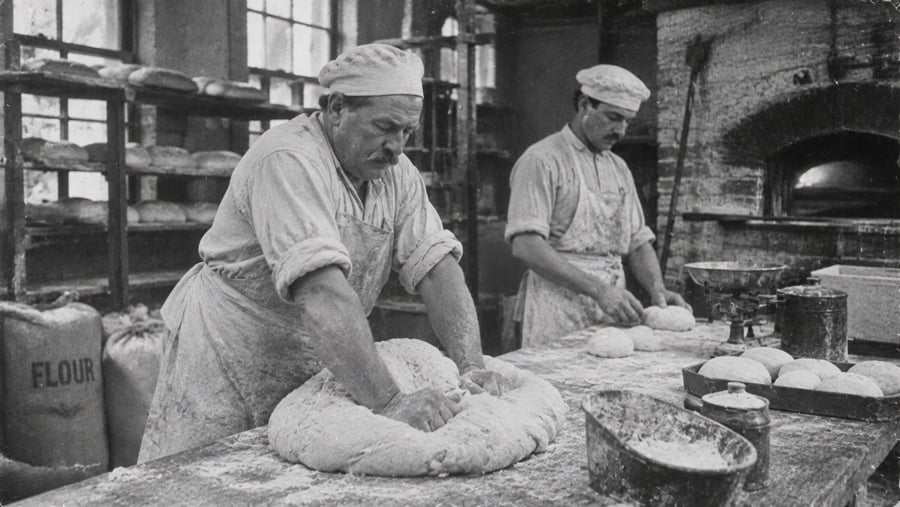
A bakery smelled wonderful, but working in one before electric mixers became common was exhausting. Bakers prepared large quantities of dough by hand, repeatedly folding, pressing, and kneading heavy mixtures until they reached the right consistency. The process could take considerable time, especially when producing enough bread for an entire neighborhood. Early hand-cranked mixing devices offered some relief, and commercial electric mixers eventually made large-scale preparation much easier. The finished loaves might have looked familiar, but the effort behind them was anything but ordinary.
More Related Notes
17 Ways Americans Found Jobs Before the Internet
Before online applications and LinkedIn, finding a job meant newspaper classifieds, employment agencies, and plenty of face-to-face conversations. These old-fashioned methods reveal how much the job search has changed.
15 Jobs That Require More Training Than Most People Realize
Some occupations look straightforward from the outside but demand years of training and specialized skills. These surprising examples reveal what it really takes to master certain professions.
Jobs Created by New Technologies
Technology hasn’t just made existing jobs easier. It has also introduced entirely new careers that previous generations could hardly have imagined.