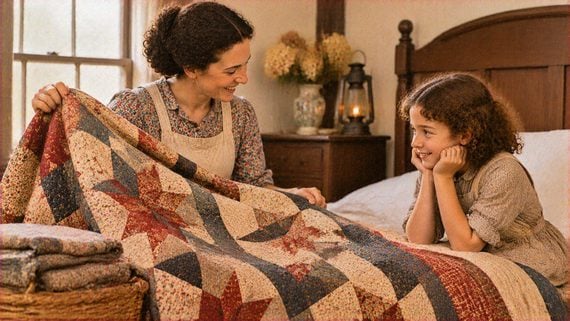
Walk into almost any modern store, and you’ll find products that have traveled hundreds or even thousands of miles before reaching the shelves. From clothing and furniture to food and household supplies, today’s shopping experience depends on factories, distribution centers, and transportation networks that connect communities across the country and around the world. Yet for much of American history, many everyday essentials came from much closer to home.
Before industrial manufacturing and national retail chains became widespread, local craftspeople, farmers, and small businesses supplied much of what families needed. Neighborhood bakeries produced fresh bread, blacksmiths forged household tools, and skilled artisans made everything from shoes to furniture. These 18 everyday products reveal how local production once shaped American communities and how dramatically shopping habits have changed.
1. Bread Was Often Baked in Neighborhood Bakeries
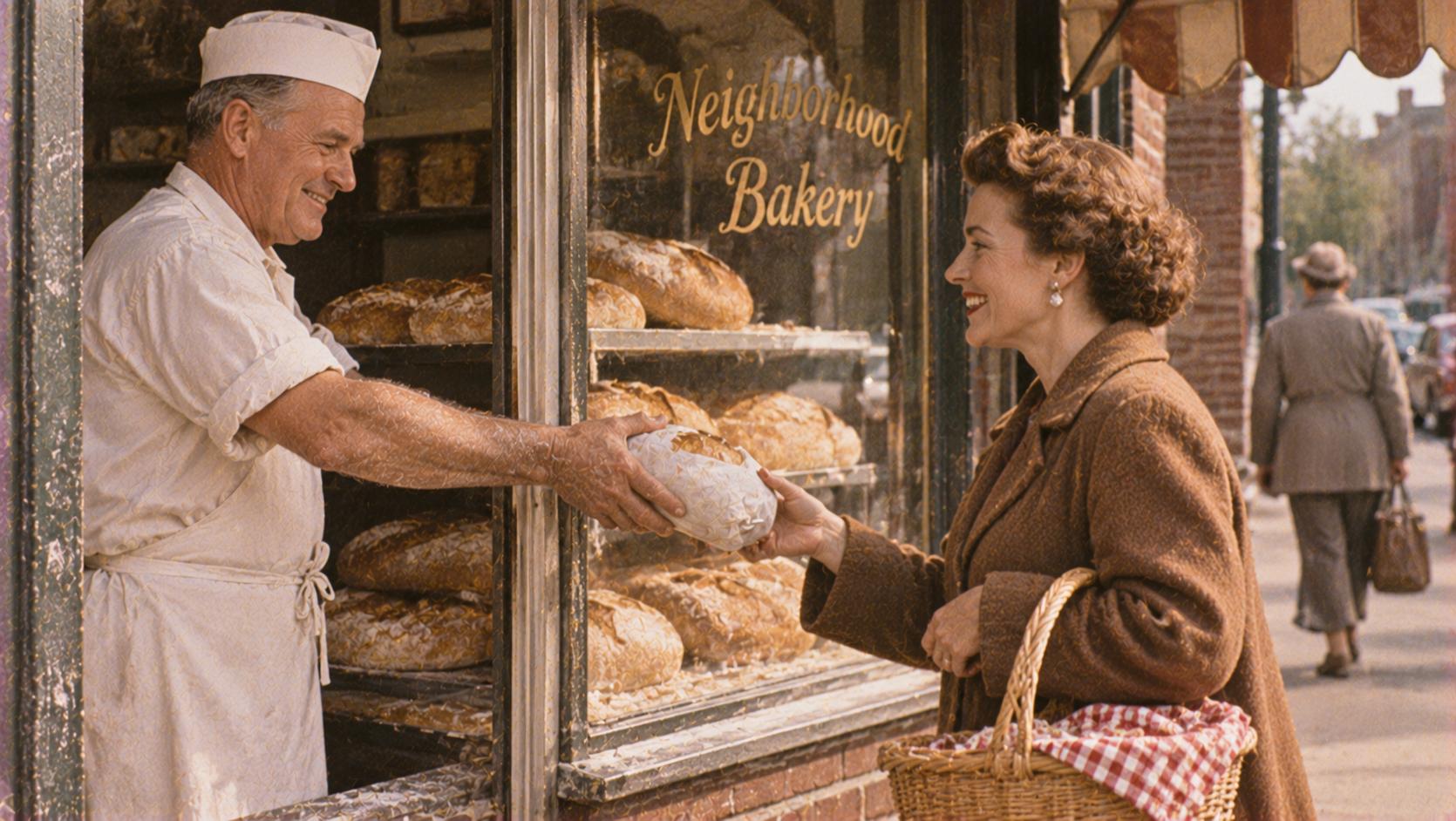
Before commercially packaged bread filled supermarket shelves, many American families baked their own loaves or purchased them from neighborhood bakeries. In communities such as Iowa’s Amana Colonies, village bakeries supplied fresh bread to communal kitchens, with bakers delivering loaves using horse-drawn wagons. The smell of freshly baked bread was a familiar part of daily life, and customers often knew exactly where their food came from. As industrial baking expanded during the twentieth century, factory-produced bread became more affordable and widely distributed, gradually changing how Americans purchased this household staple.
2. Flour Came From Mills Serving Nearby Farms
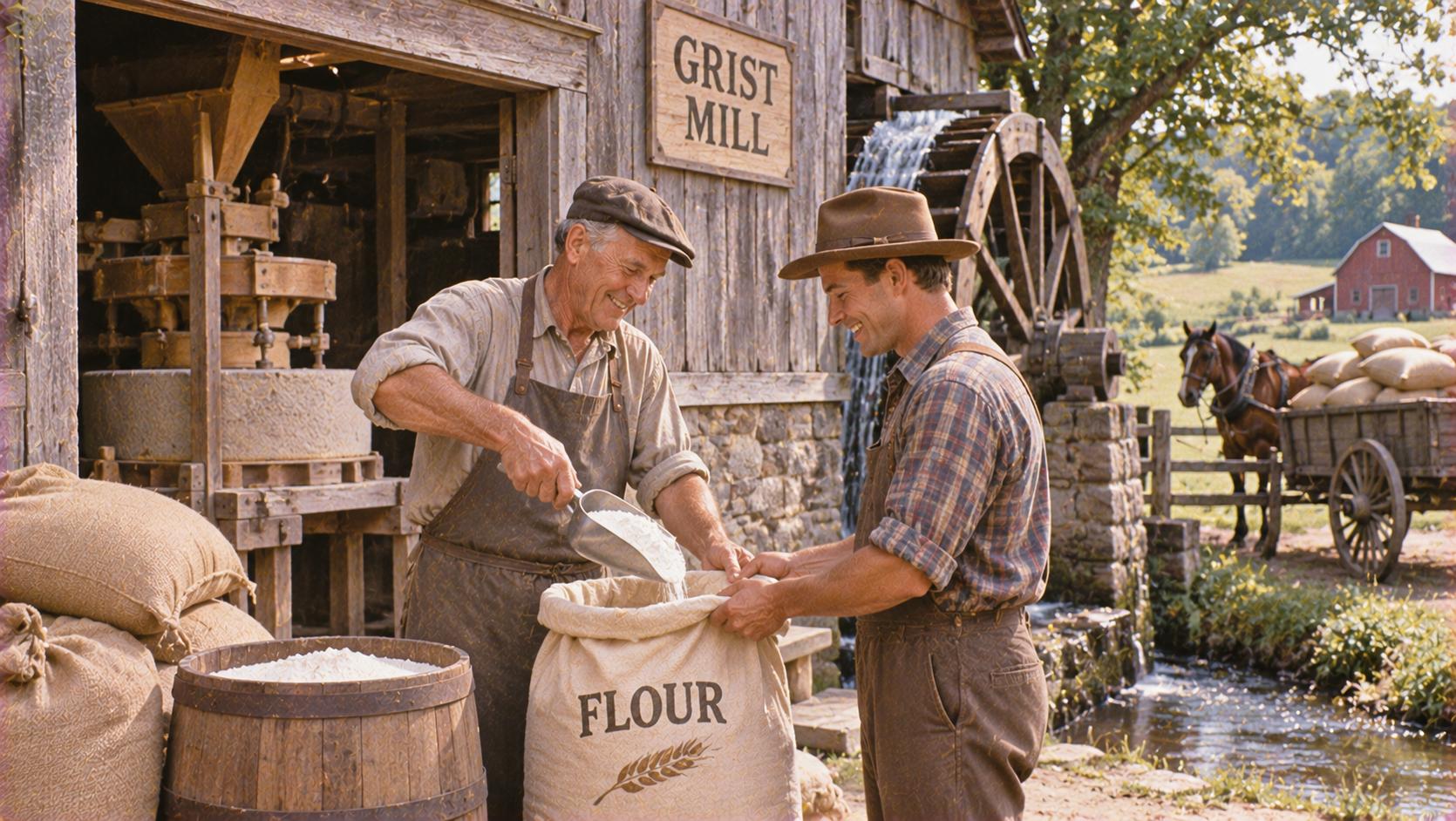
In agricultural communities, flour often began its journey at a nearby gristmill rather than a distant industrial facility. Farmers brought wheat, corn, and other grains to local mills, where large grinding stones powered by water or other mechanical systems transformed their harvests into usable flour and meal. Mills such as Arkansas’s Boxley Grist Mill served surrounding farming families for generations, becoming important gathering places as well as essential businesses. The expansion of industrial milling and national transportation networks eventually made packaged flour available across the country, reducing communities’ dependence on their neighborhood mills.
3. Butter Was Made on Farms and in Household Kitchens
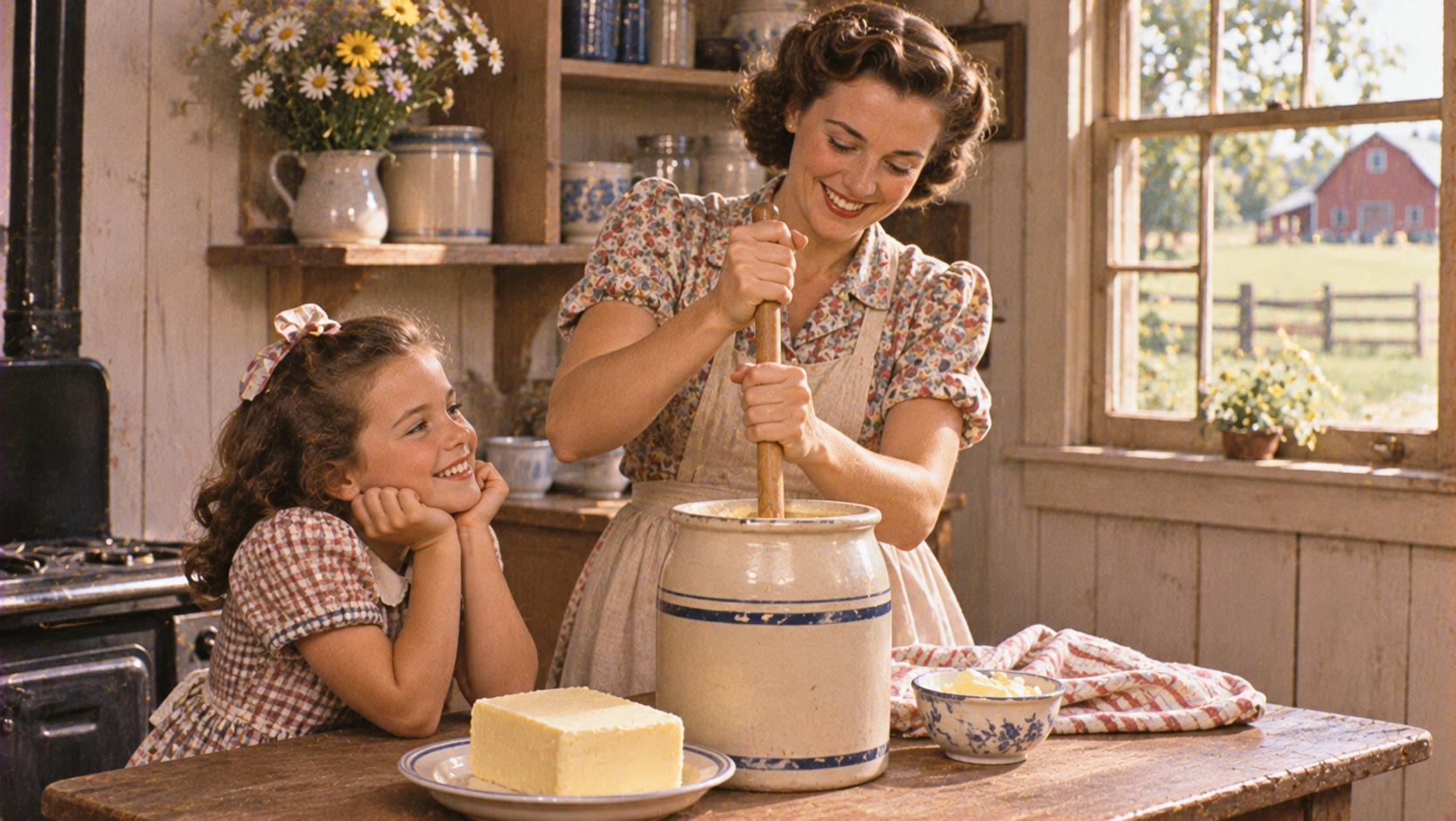
For many early American families, butter was something made at home rather than purchased in a grocery store. Fresh cream was collected from milk and churned until the butterfat separated from the liquid, a process that required time and considerable physical effort. Farm women played a particularly important role in butter production, and regions such as Pennsylvania’s Brandywine Valley developed thriving local butter economies during the eighteenth century. As commercial creameries expanded and refrigerated transportation improved, Americans increasingly purchased standardized, packaged butter produced far beyond their own communities.
4. Shoes Were Made in Small Local Workshops
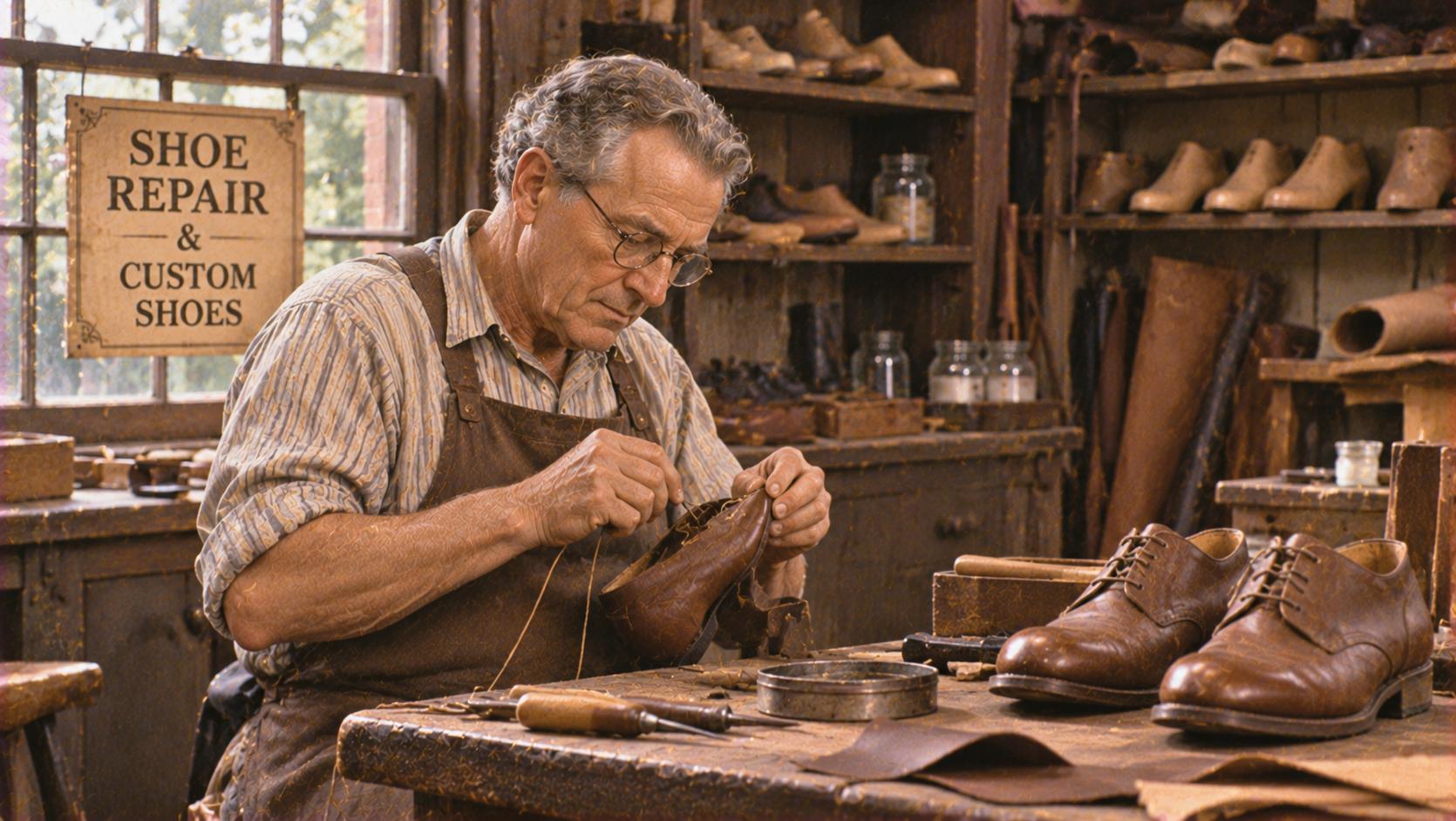
Before footwear became a mass-produced consumer product, shoes were often made by skilled local shoemakers who worked in modest workshops or even their own homes. Customers could have footwear crafted to fit their feet, with artisans cutting leather, stitching pieces together, and attaching soles by hand. In New England, small shoemaking workshops known as ten-footers were once common features of local communities. By the middle of the nineteenth century, factory production had begun replacing much of this traditional work, making shoes more affordable and standardized while reducing the importance of independent neighborhood shoemakers.
5. Everyday Clothing Was Made by Local Tailors and Seamstresses
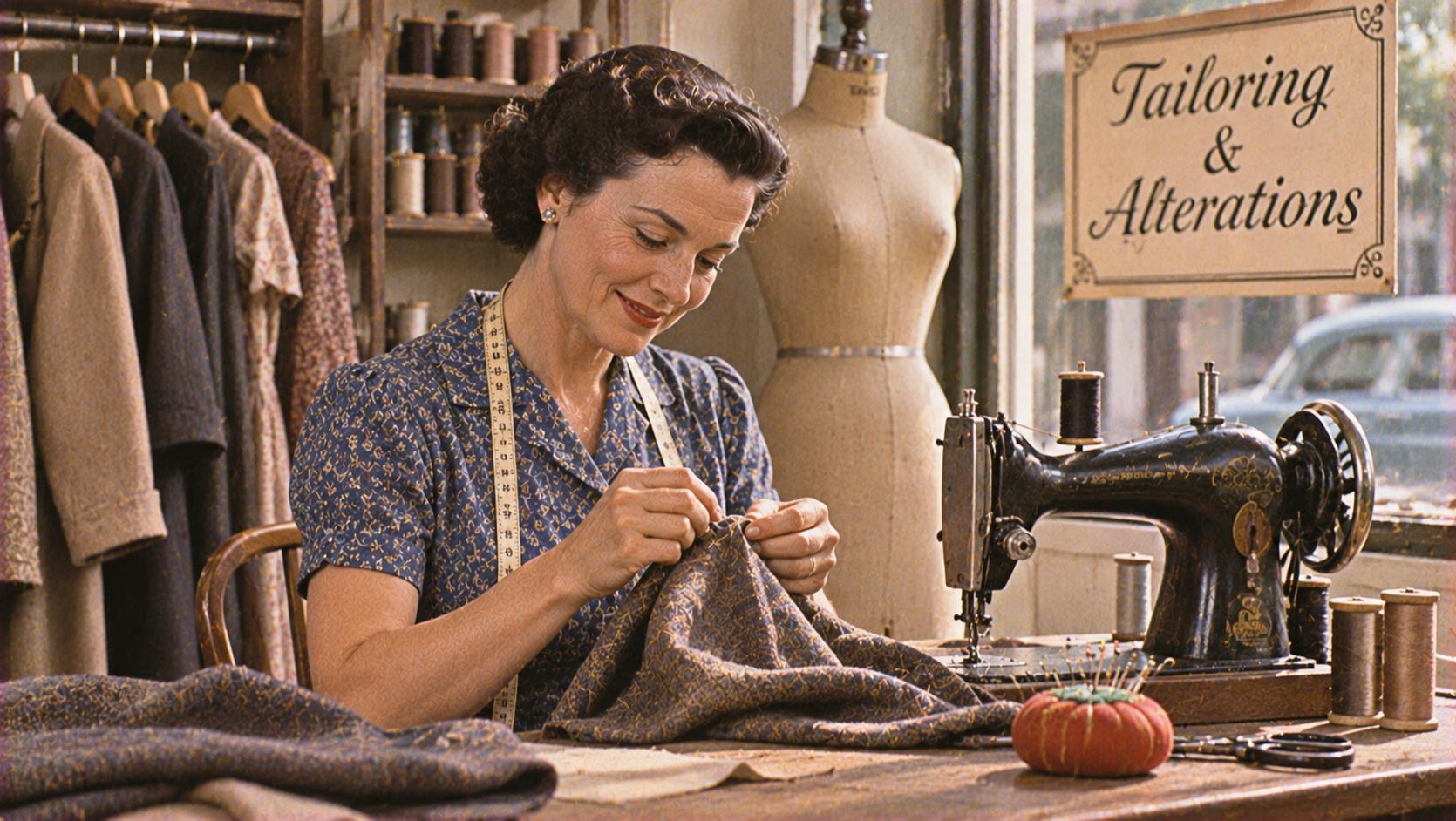
Before department stores offered endless racks of ready-made clothing, many Americans depended on local tailors, seamstresses, and household sewing skills. Garments were frequently made to individual measurements, and clothing could be adjusted, repaired, or redesigned rather than immediately replaced. Tailor shops were familiar businesses in nineteenth-century towns, including the Tennessee shop operated by future president Andrew Johnson. The development of sewing machines and industrial garment factories gradually transformed the clothing industry, allowing families to purchase standardized garments more conveniently and often at lower prices.
Trending on Wealth Gang


6. Furniture Often Came From Nearby Cabinetmakers
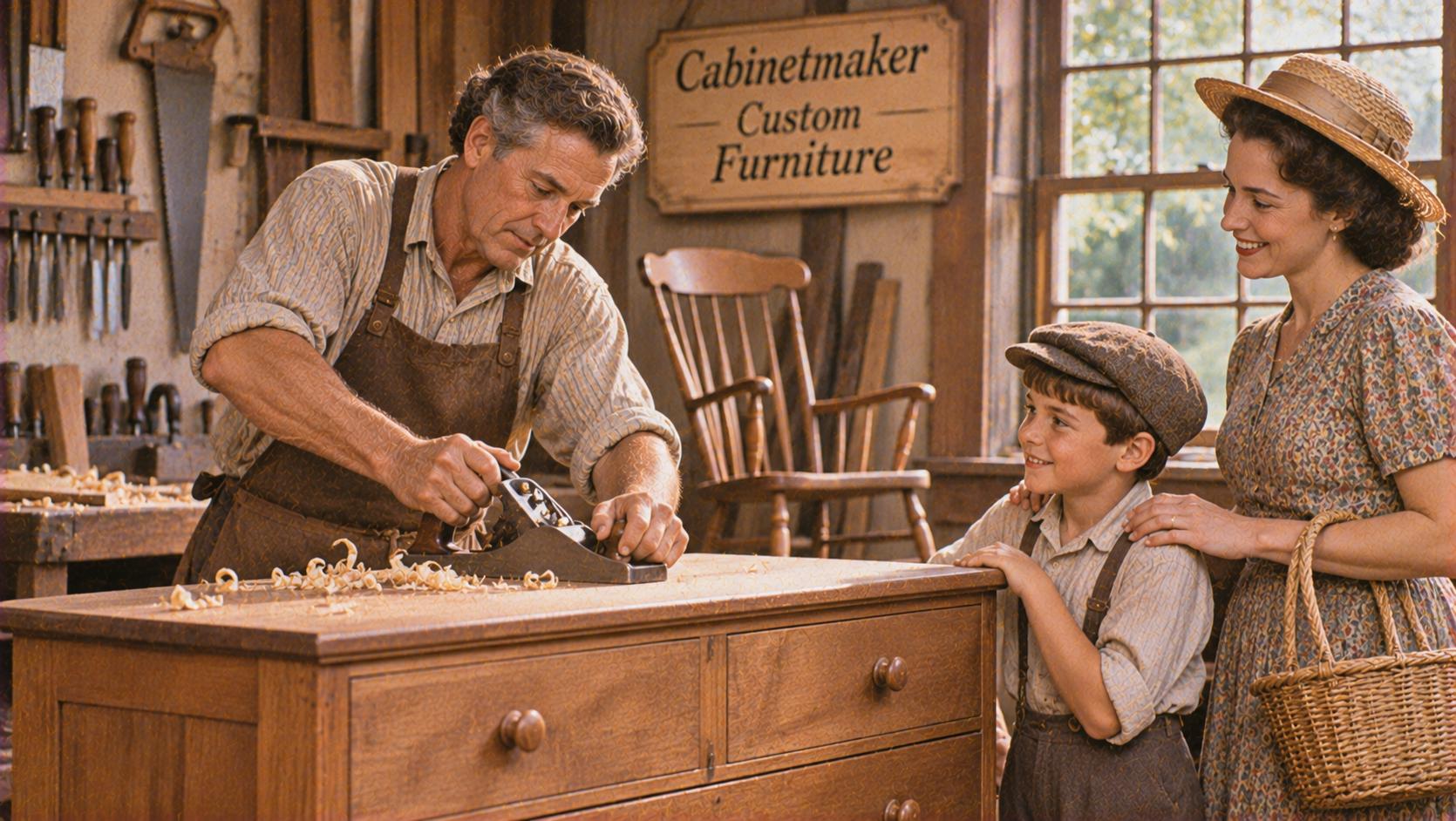
A dining table, wooden chair, or bedroom cabinet was once more likely to come from a local furniture maker than a national retail chain. Skilled cabinetmakers worked with wood to create durable household pieces, sometimes customizing their dimensions and decorative details to suit individual customers. Their workshops combined practical craftsmanship with artistic design, and well-made furniture could remain in families for generations. Although factory furniture production expanded throughout the nineteenth and twentieth centuries, local woodworking traditions continued through workshops such as those associated with Val-Kill Industries in New York.
7. Soap Was Sometimes Made Right at Home
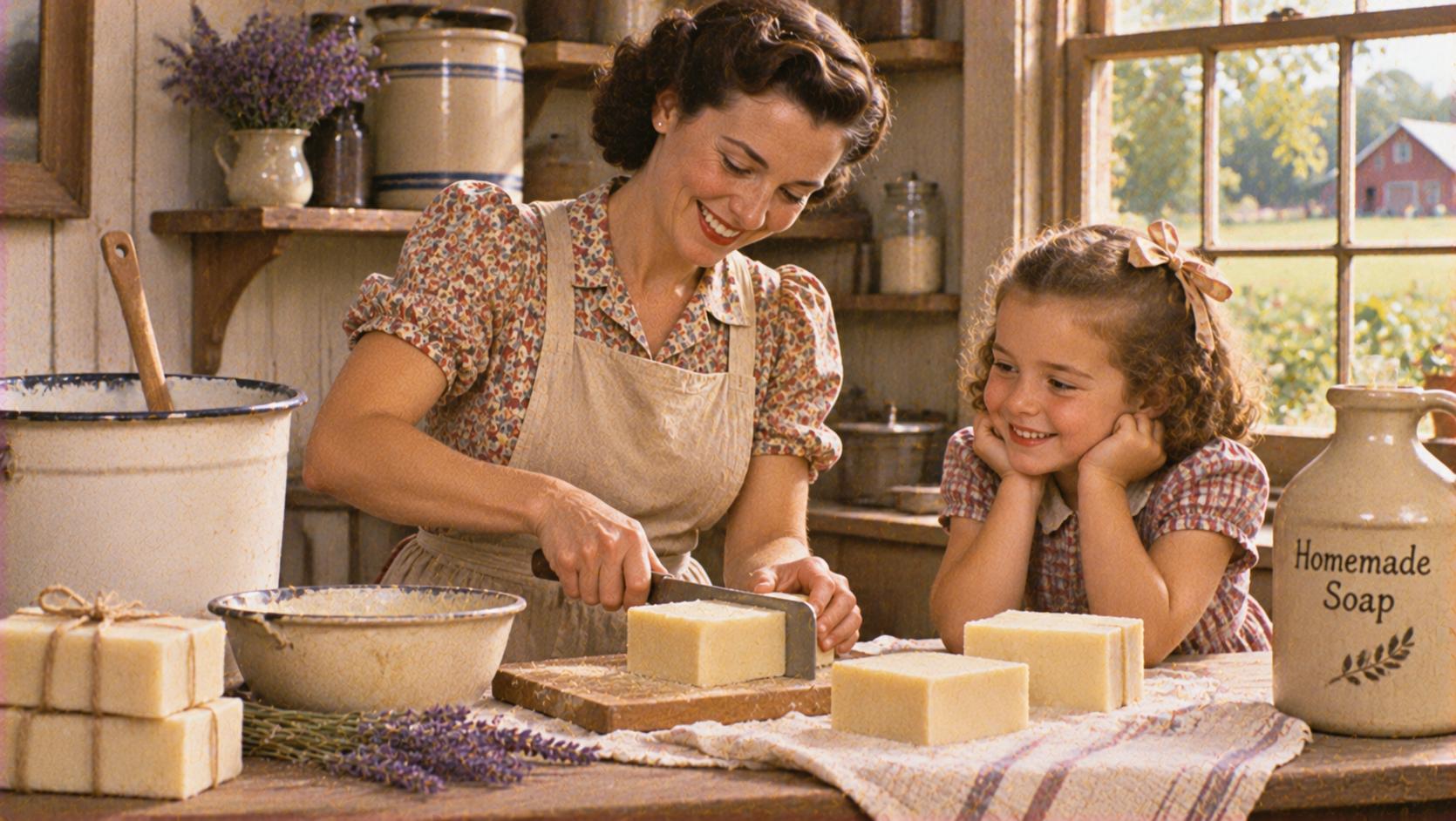
Long before supermarket aisles offered dozens of soap brands, some American households produced their own cleaning supplies using materials already available on the property. Traditional soap-making involved combining animal fats or oils with an alkaline substance, creating a chemical reaction that transformed the ingredients into soap. The process could be messy and required careful handling, but it allowed families to produce an essential household product without relying entirely on merchants. As commercial soap manufacturers expanded during the nineteenth century, packaged soaps became increasingly accessible, making homemade production less necessary for everyday cleaning.
8. Candles Were Made From Animal Fat and Other Local Materials
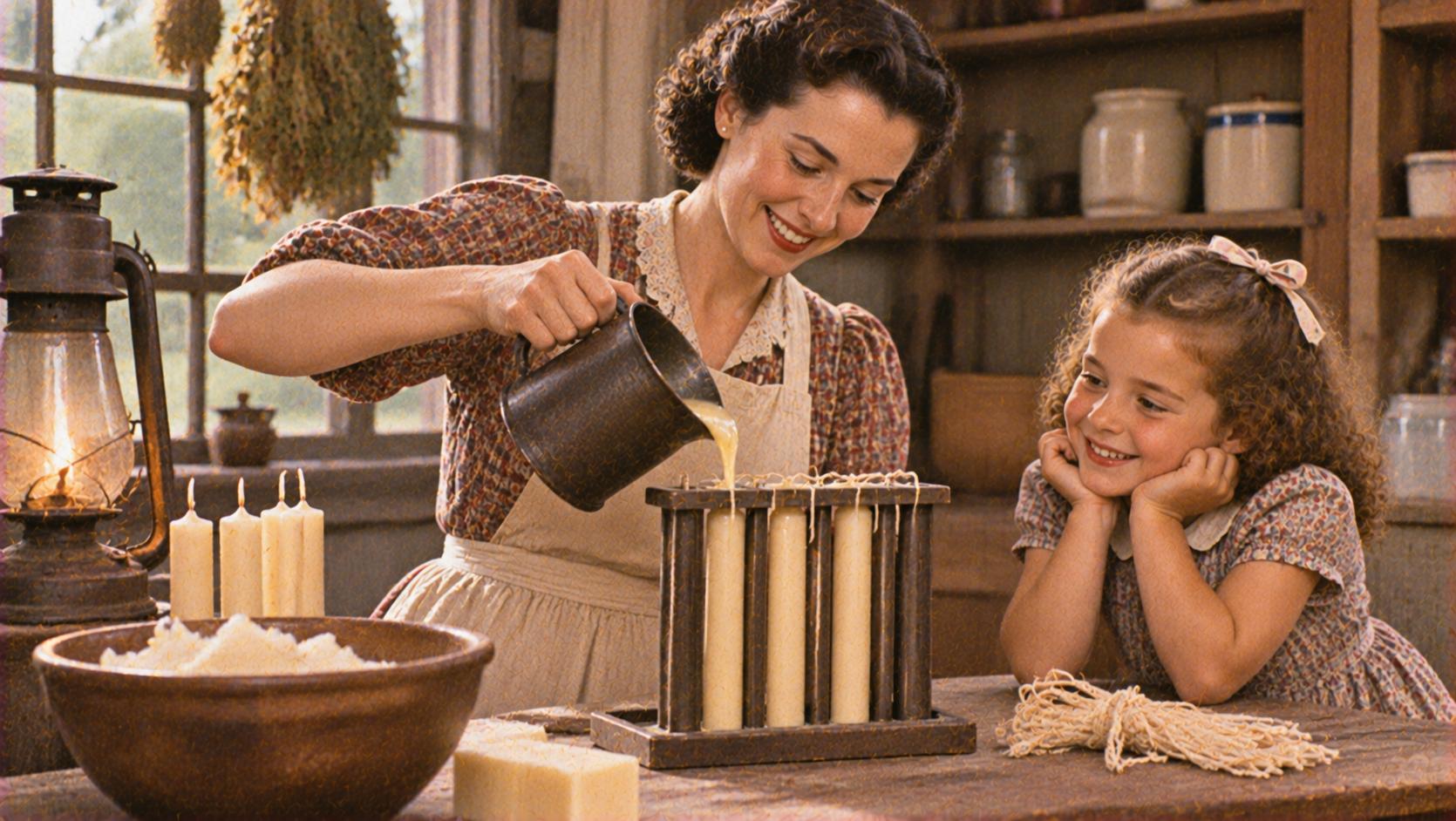
Before electric lights illuminated American homes, candles provided an important source of light for reading, cooking, and completing household chores after sunset. Families and local craftspeople made candles using materials such as animal fat, beeswax, and cotton or other suitable fibers for wicks. Candle molds allowed several candles to be produced at once, making the process more efficient than dipping individual wicks repeatedly. Although commercially manufactured candles eventually became common, the arrival of gas lighting and electricity dramatically reduced their role as an everyday necessity, transforming how households functioned after dark.
Sign up for our newsletter
9. Bricks Were Made Using Clay From the Surrounding Area
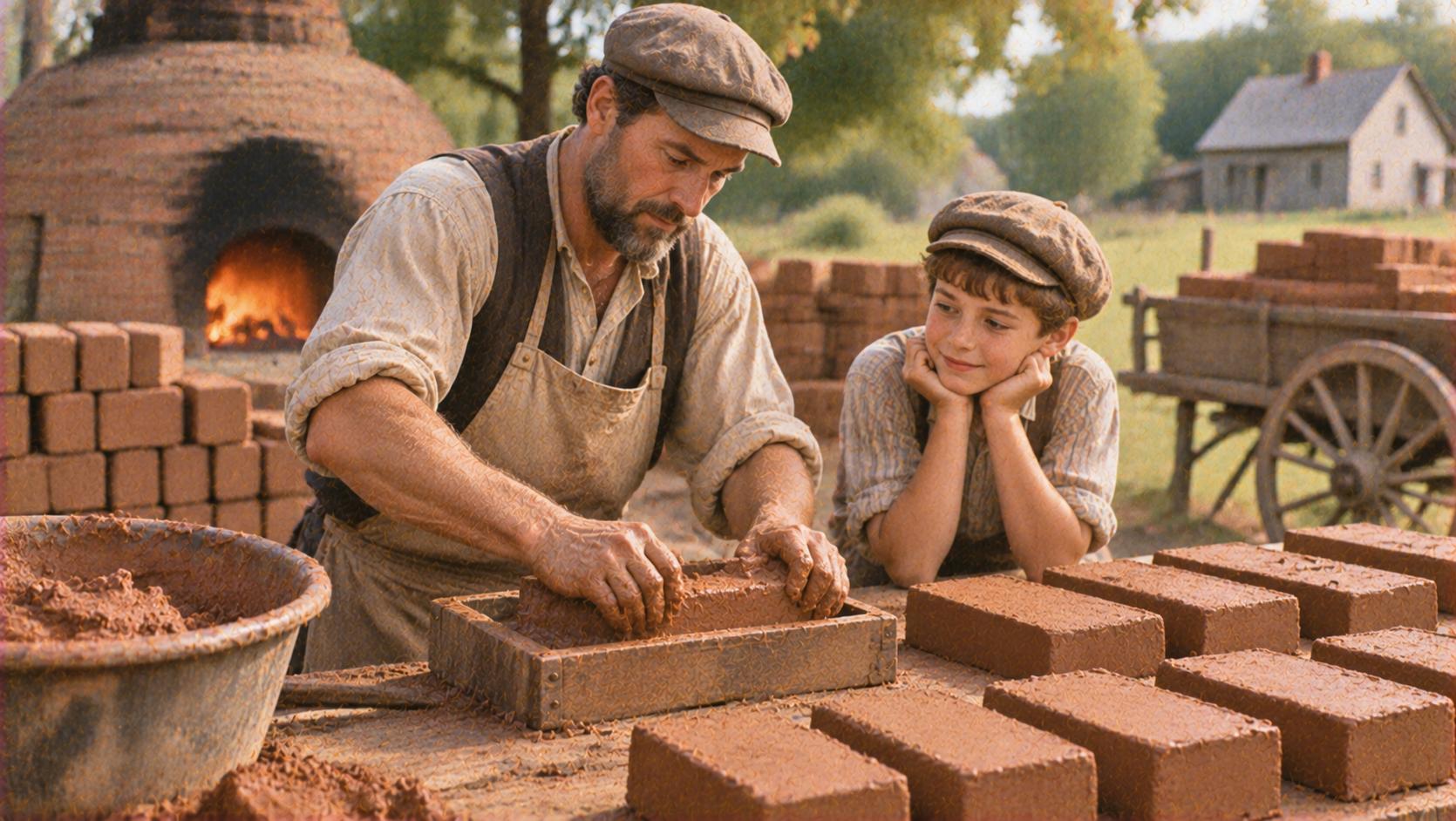
In early American communities, the bricks used to construct homes, businesses, and public buildings were frequently made using clay found nearby. Workers dug and prepared the clay, pressed it into wooden molds, dried the shaped bricks, and fired them in kilns to create durable building materials. In colonial Virginia, brickmaking was physically demanding work, and enslaved laborers performed much of this production. Because transporting heavy bricks over long distances was difficult and expensive, producing them close to construction sites often made practical sense. Improvements in manufacturing and transportation later allowed larger brick producers to serve much wider markets.
10. Pottery Was Produced by Regional Craftspeople
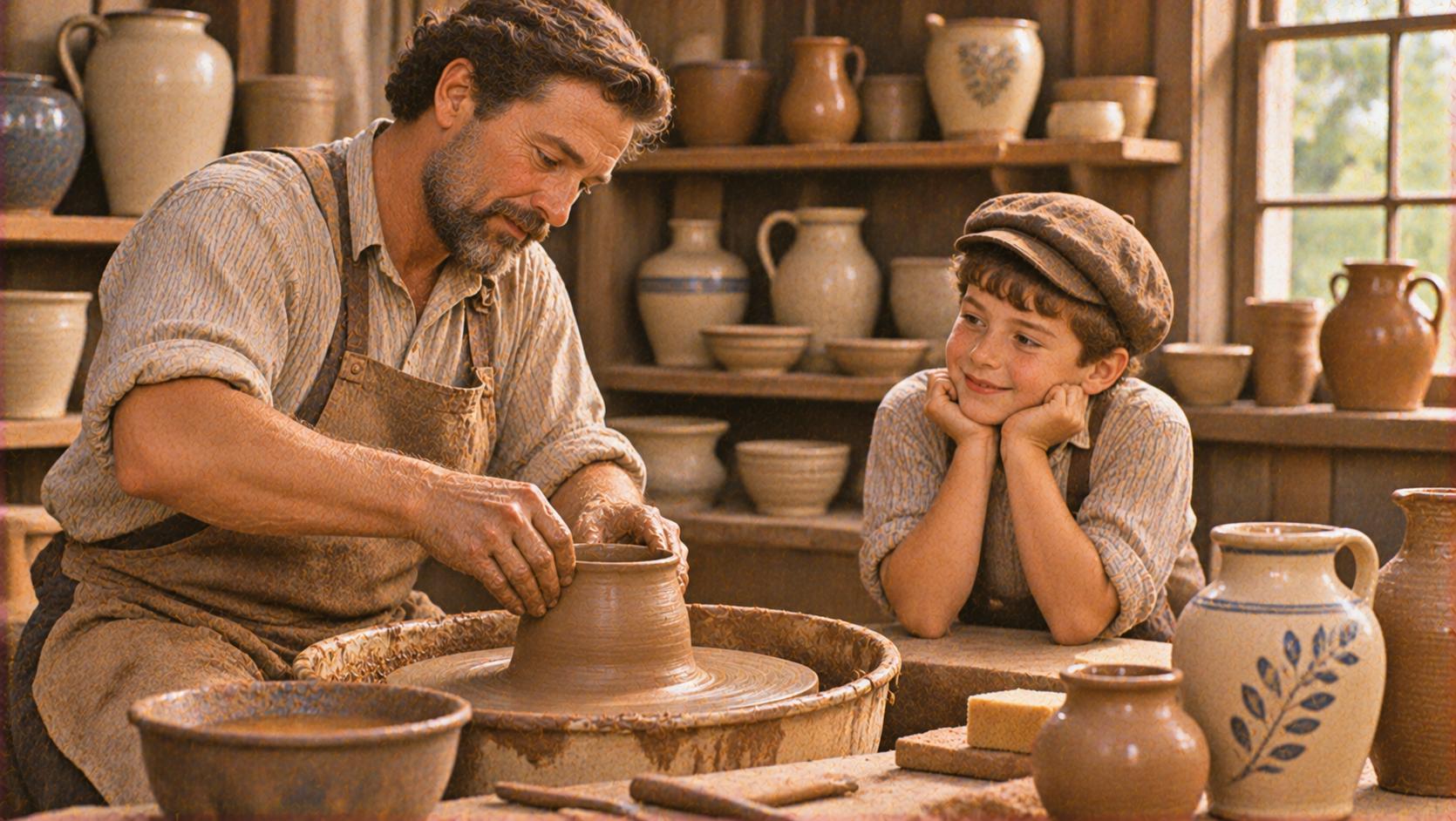
Before inexpensive factory-made ceramics became widely available, local and regional potters supplied households with bowls, storage jars, cooking vessels, and other everyday necessities. Using clay gathered from nearby deposits, these artisans shaped objects by hand or on pottery wheels before firing them in kilns. Pottery businesses such as Hampshire Pottery, established in Massachusetts in 1871, demonstrated how regional manufacturers could build recognizable products around locally available materials. Industrial ceramic production eventually made household dishes and containers more affordable, but handcrafted pottery continues to reflect the traditions and artistic identities of individual communities.
11. Wooden Barrels Were Built by Local Coopers
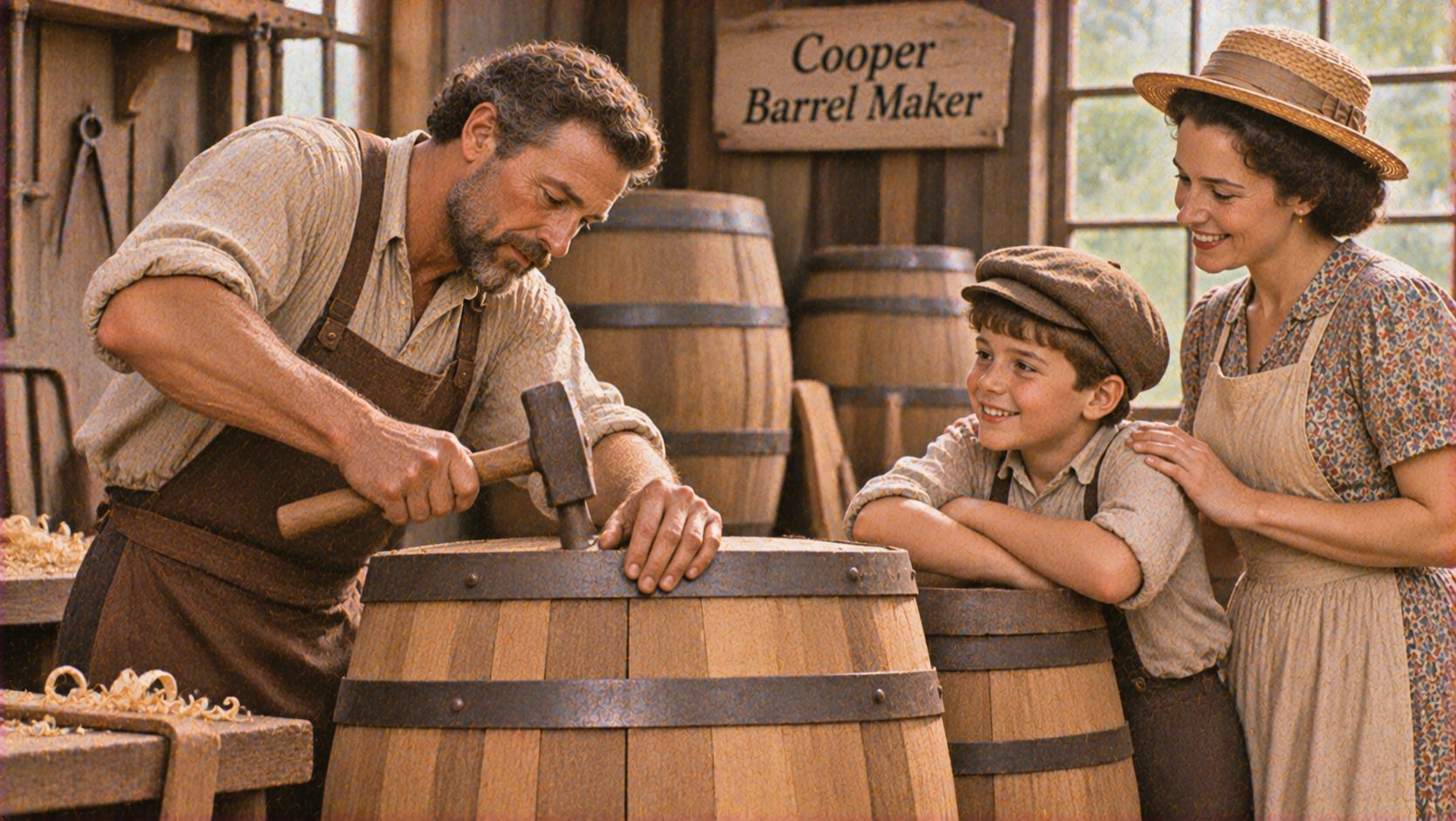
Before cardboard boxes, plastic containers, and modern shipping materials became common, wooden barrels were essential for storing and transporting an enormous variety of products. Skilled craftspeople known as coopers carefully shaped wooden staves and fitted them together with hoops to create sturdy, reusable containers. Barrels carried everything from flour and salted foods to tobacco and beverages, making coopers important figures in local economies. Their specialized knowledge helped businesses move goods safely before modern packaging existed. As industrial containers and new shipping technologies developed, traditional wooden barrels became less necessary for many everyday commercial purposes.
12. Household Tools Were Forged by Town Blacksmiths
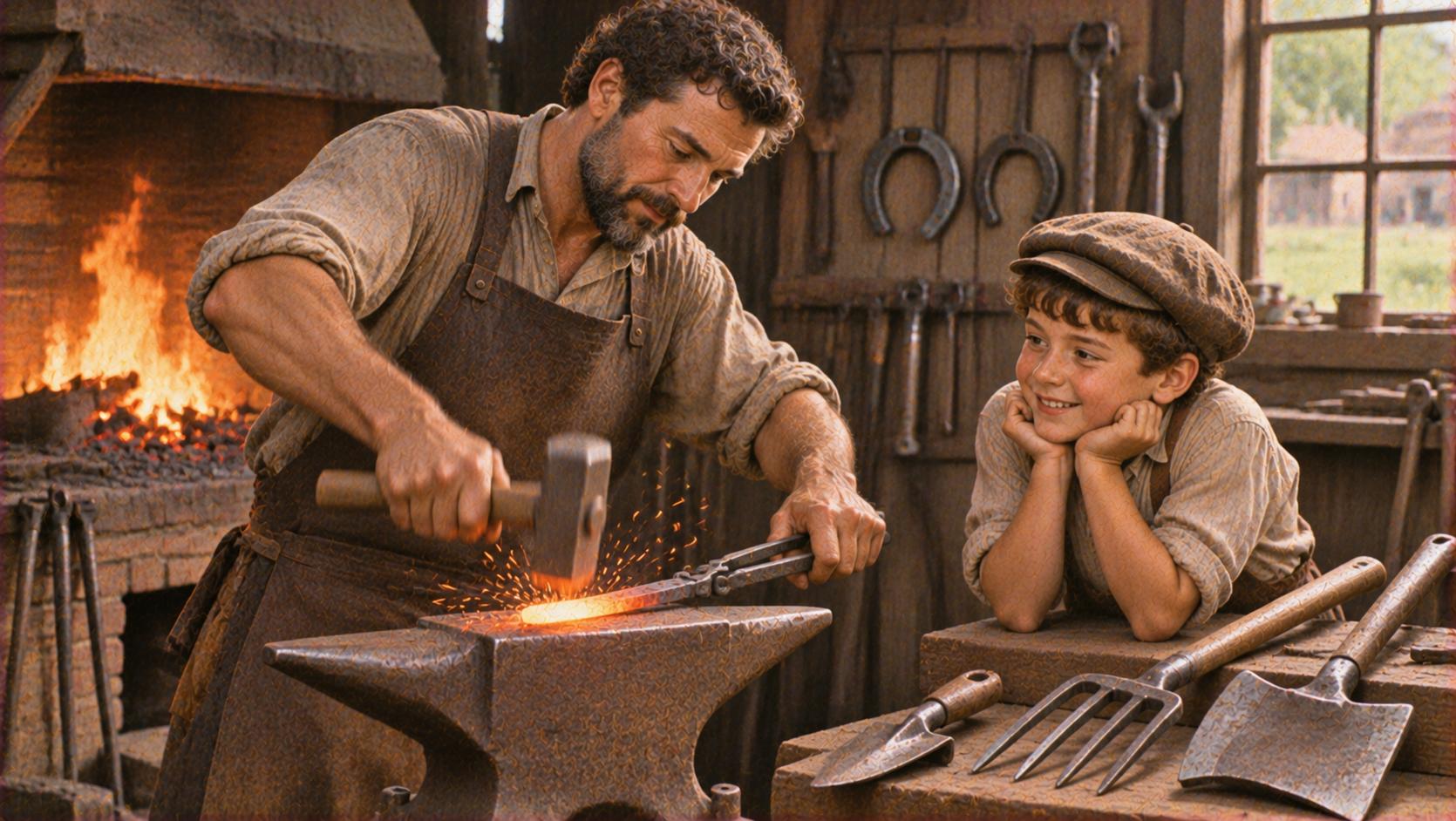
The local blacksmith was once one of the most important tradespeople in an American community. Working with heated iron and steel, blacksmiths produced practical items such as axes, hoes, hammers, nails, and agricultural equipment. They also repaired broken tools, allowing families and farmers to extend the useful lives of their possessions rather than purchasing replacements. At places such as Pennsylvania’s Hopewell Furnace, metalworking supported both industrial activity and everyday community needs. As factories began producing standardized metal tools in large quantities, customers increasingly purchased finished products through hardware stores instead of commissioning them from local craftsmen.
13. Wagon Wheels Were Built and Repaired in Local Shops
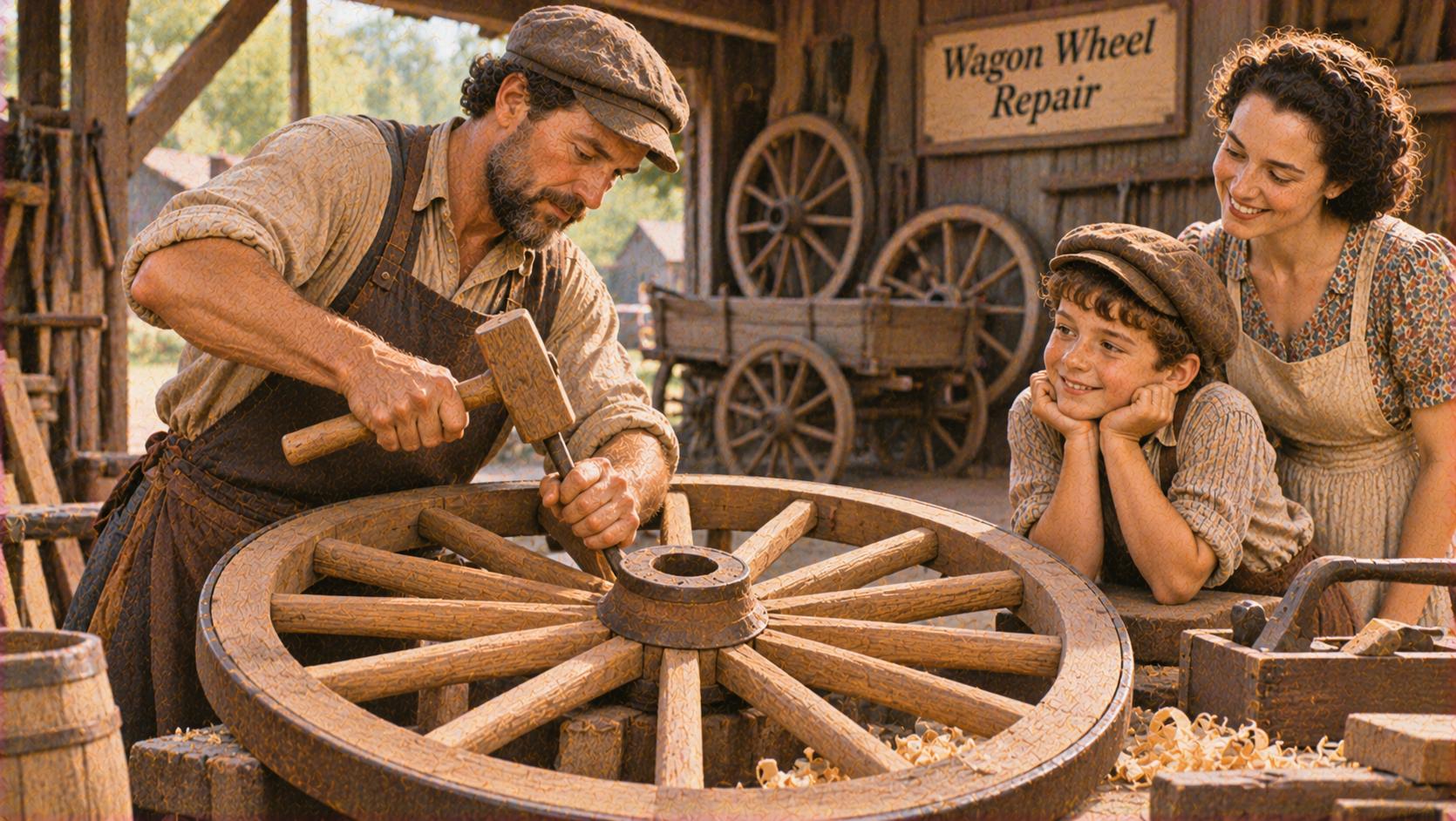
Before automobiles transformed American transportation, wooden wagon wheels were essential for moving agricultural products, commercial supplies, and passengers. Skilled wheelwrights built wheels using carefully shaped wooden components, while blacksmiths supplied iron fittings and metal tires that strengthened the finished structure. Because wagon wheels experienced constant wear on uneven roads, local repair services were especially important for communities dependent on horse-drawn transportation. Wheelwright shops helped keep farms, businesses, and delivery systems operating. As automobiles and factory-manufactured vehicle components became widespread, traditional wagon-wheel production declined and eventually became a specialized historical craft.
14. Leather Harnesses and Saddles Came From Local Craftspeople
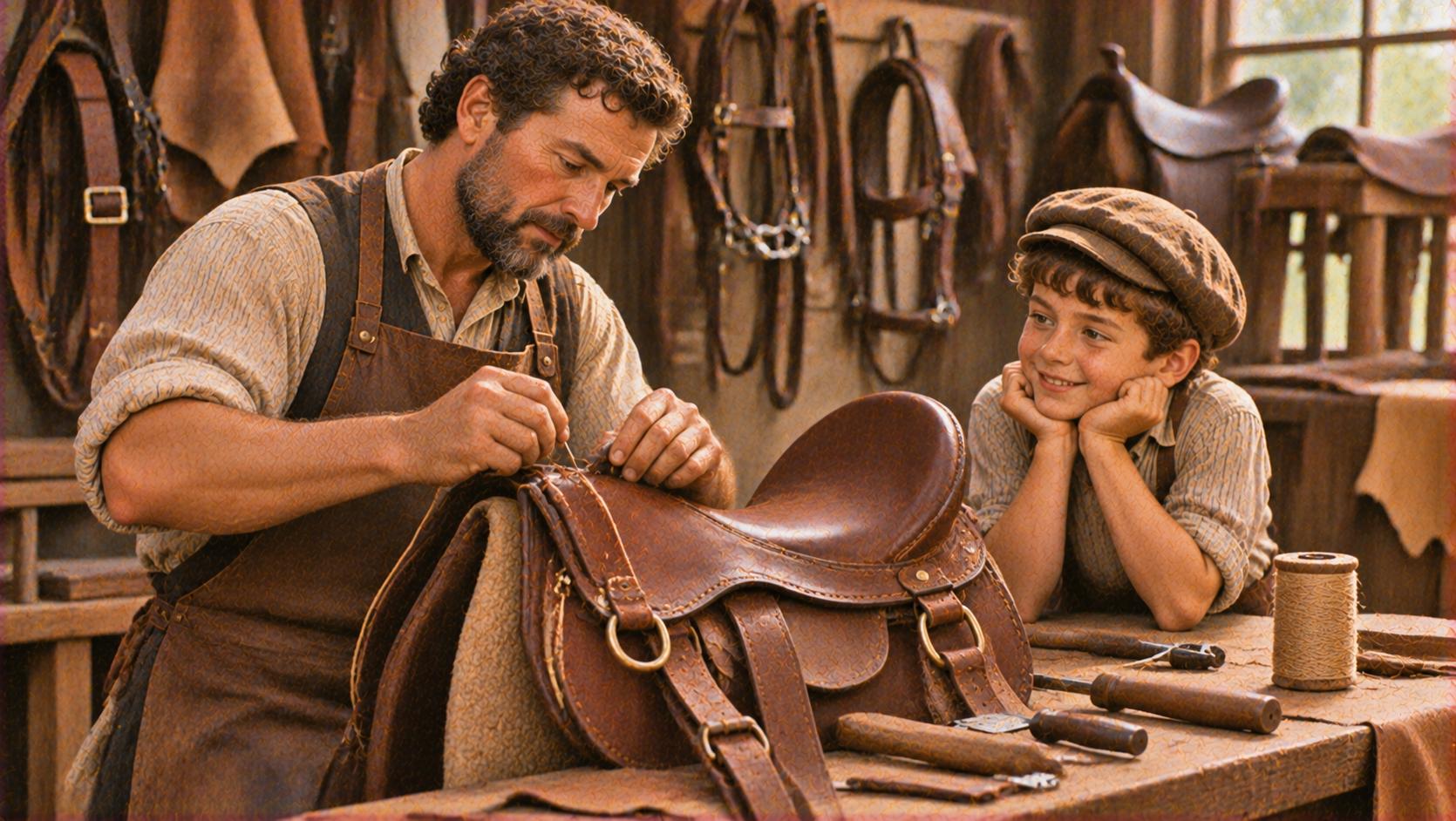
When horses powered much of America’s transportation and agricultural work, local leatherworkers supplied equipment that communities depended on every day. Saddlers and harness makers crafted bridles, reins, saddles, and harnesses using leather that had to withstand repeated use and considerable physical strain. These products were often fitted to particular animals or working requirements, making skilled craftsmanship especially valuable. Harness shops were important businesses in towns where wagons, carriages, and farm animals remained essential. The spread of automobiles, tractors, and motorized transportation dramatically reduced demand for everyday horse equipment, although specialized makers continue serving equestrian customers.
15. Fresh Milk Once Came From Nearby Dairy Farms
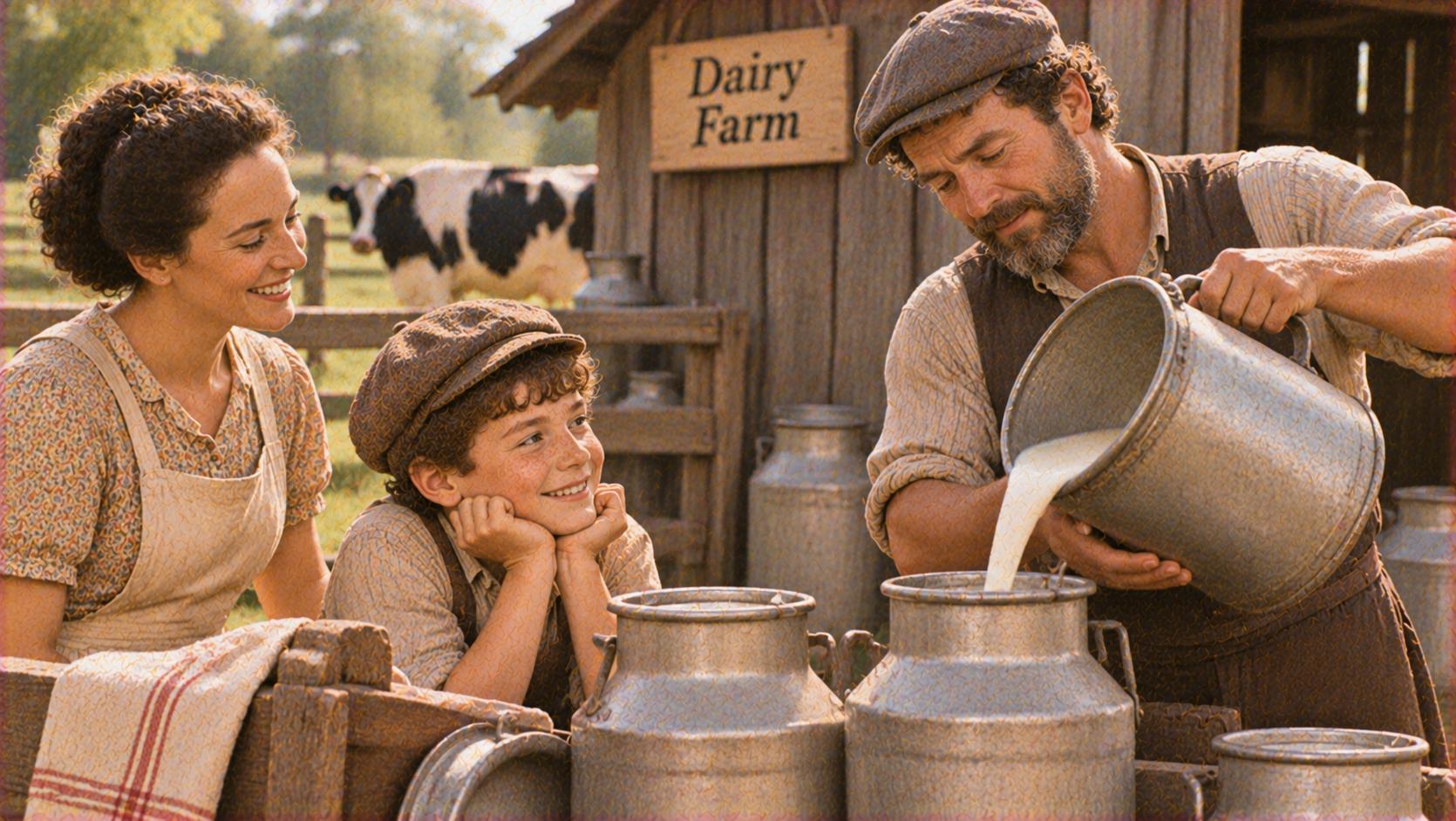
For generations, fresh milk was closely connected to local farming rather than national food distribution. Dairy farmers supplied their own households, nearby customers, and neighborhood businesses, while milk delivery workers eventually became familiar figures in many American communities. Glass bottles left at doorsteps were a recognizable part of daily routines during much of the twentieth century. Because fresh milk spoils quickly without proper refrigeration, proximity to dairy farms was especially important before modern transportation and processing systems developed. Improved refrigeration, pasteurization, and distribution networks eventually allowed dairy products to travel much farther, changing how Americans purchased and consumed milk.
16. Household Brooms Were Made by Small Manufacturers
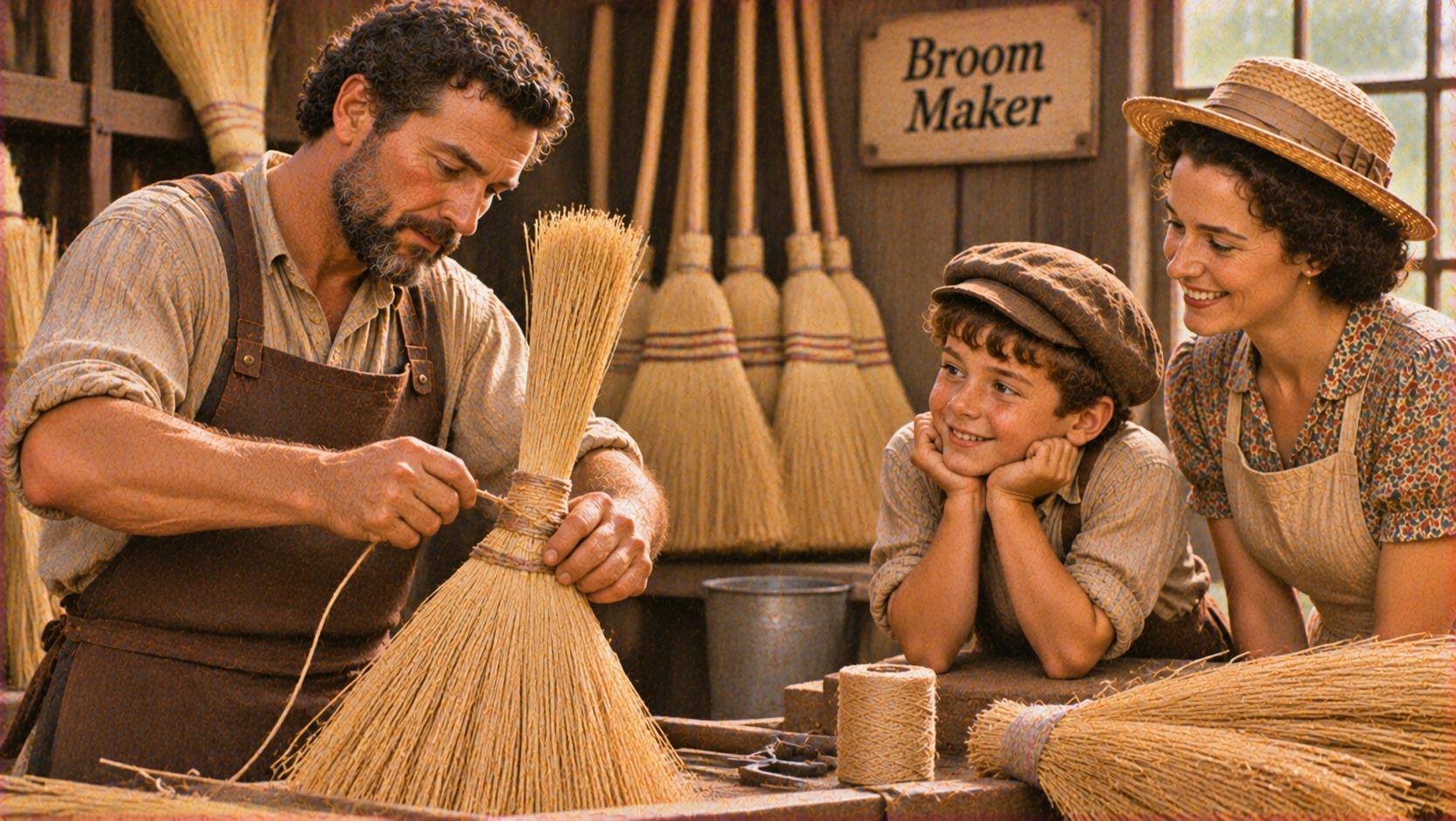
A simple household broom once represented the work of local or regional craftspeople rather than a product moving through an international supply chain. Traditional broom makers used broomcorn fibers, wooden handles, and specialized binding techniques to create sturdy cleaning tools. Smaller manufacturers supplied households and businesses throughout the country, including Nebraska’s Deshler Broom Factory, which produced the Victoria broom around 1930. These workshops contributed to local employment while providing practical products used almost daily. As larger manufacturers adopted new machinery and synthetic materials, broom production became increasingly standardized, although traditional broom-making remains a specialized craft.
17. Bed Coverlets Were Woven by Local Textile Artisans
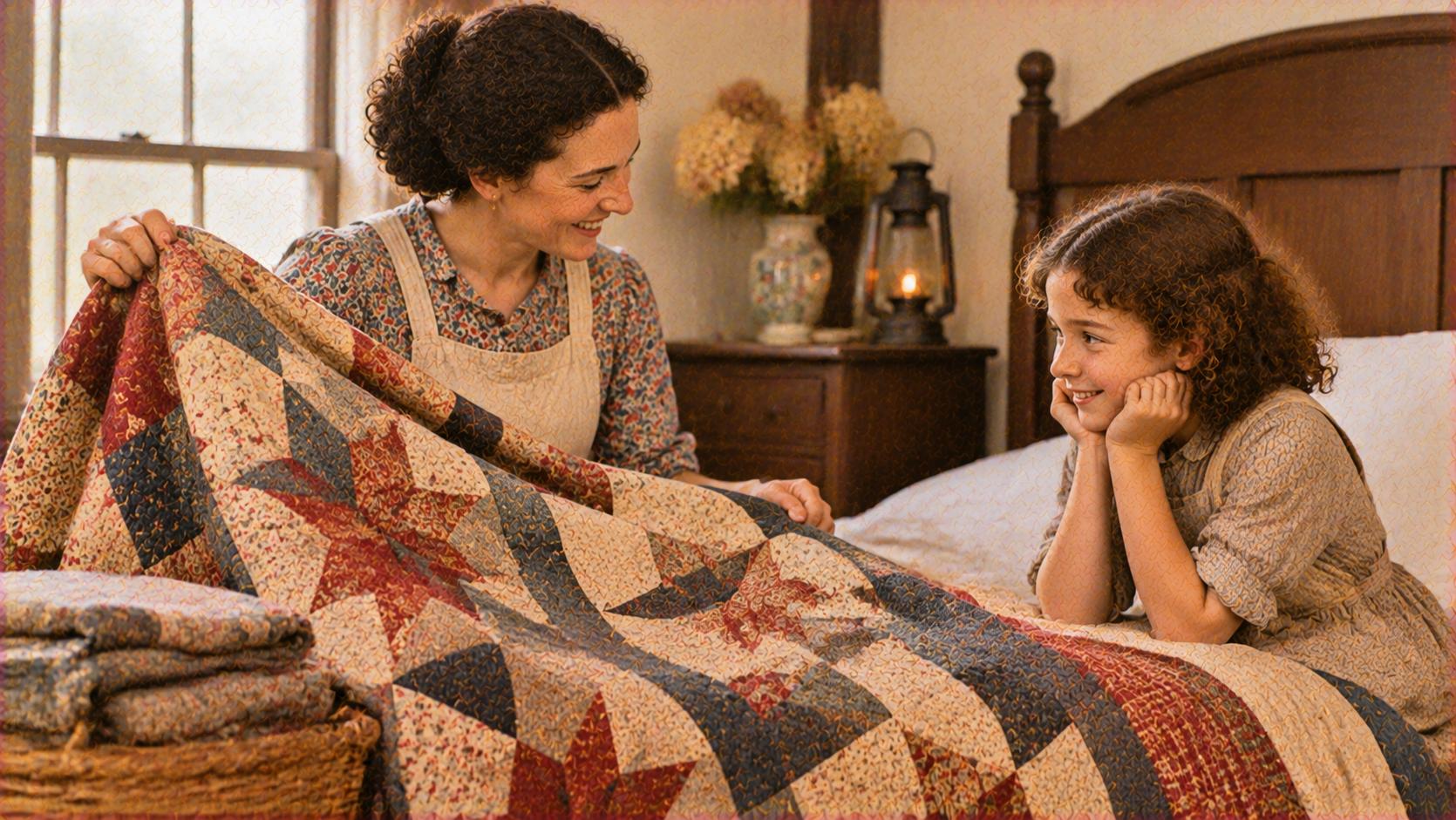
Before factory-made bedding became inexpensive and widely accessible, blankets and decorative coverlets were often produced by household members or skilled local weavers. Using looms and fibers such as wool, linen, and cotton, artisans created patterned bed coverings that provided warmth while adding color and decoration to bedrooms. Woven coverlets became particularly popular in America between the eighteenth and nineteenth centuries, with some featuring elaborate geometric patterns and regional designs. These textiles could represent significant investments of time and craftsmanship. Industrial textile mills eventually transformed bedding production, making blankets and coverlets available to far more households at affordable prices.
18. Newspapers Were Printed on Presses Serving Individual Towns
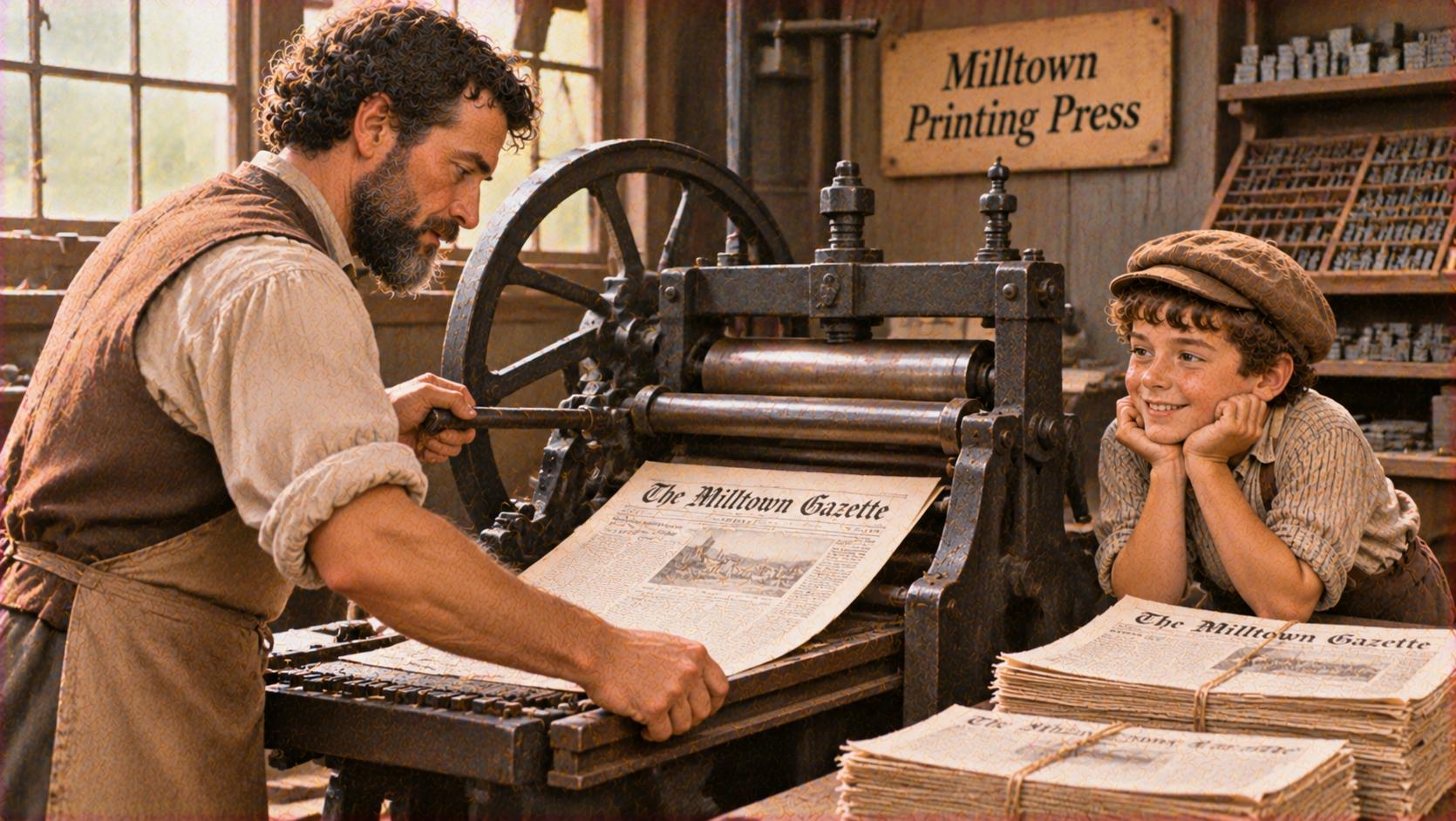
Before digital publishing and centralized printing operations, many American towns depended on local printing shops to produce their newspapers. Printers assembled pages, operated mechanical presses, and distributed editions containing community announcements, advertisements, political discussions, and local news. In 1865, printer John Slack brought a hand-operated press to Bristol and began publishing a weekly newspaper, illustrating how small printing operations could serve individual communities. These businesses helped residents stay connected to local events while supporting nearby advertisers. Modern printing technology, newspaper consolidation, and digital media have transformed the industry, but community journalism continues to preserve elements of this local tradition.
More Related Notes
• 15 Foods That Used to Be Sold in Completely Different Ways
Discover how everyday foods once reached American households through neighborhood bakeries, local dairies, and traditional markets. From fresh bread to milk in glass bottles, these forgotten shopping practices reveal how local businesses shaped daily life.
• 18 American Businesses That Thrived Before Shopping Malls Took Over
Explore the independent shops and family-owned businesses that once supplied American communities with shoes, clothing, household essentials, and other everyday products before national chains transformed retail.
• Small-Town Charm: 17 Glimpses of Everyday Life on America’s Main Streets
Take a nostalgic look at the bustling Main Streets where local merchants, craftspeople, and neighborhood stores served generations of American families. These vintage photographs capture a time when shopping and community life were closely connected.