Plenty of modern inventions have a surprisingly long backstory. A microwave, a computer mouse, or a bulb that lasts for years did not simply show up in ordinary kitchens and living rooms the day somebody filed a patent. Many of these inventions spent decades in labs, factories, and fancy hotels before the average family could afford them, and some needed better plumbing, cheaper parts, or a little government help first. Here are 15 gadgets that took years, and sometimes generations, to feel normal.
1. Microwave Ovens Took Nearly 40 Years to Become Household Staples
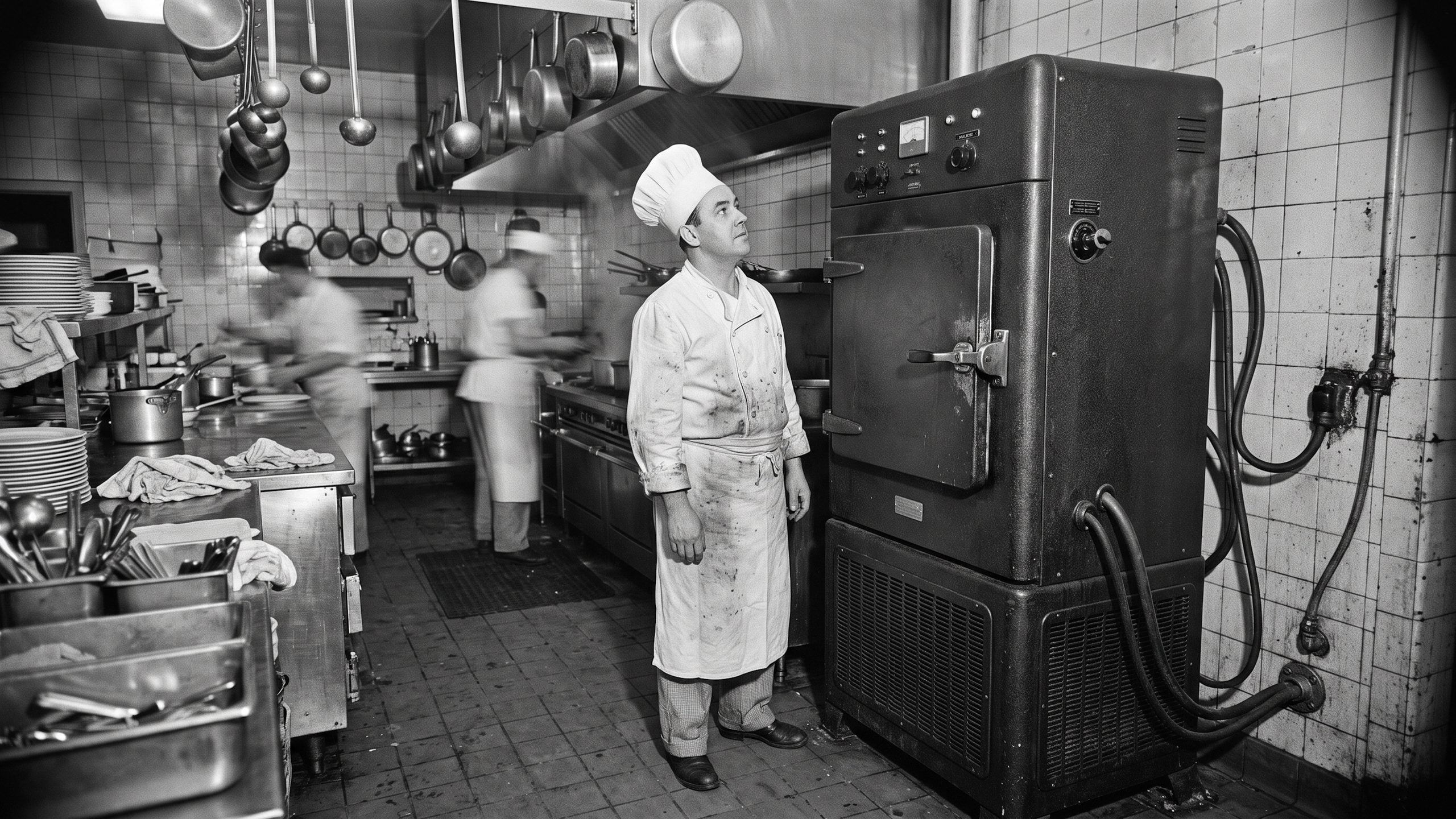
Picture a kitchen appliance nearly six feet tall, weighing hundreds of pounds and costing thousands of dollars. That was the first commercial microwave oven, the Radarange, which arrived in 1947 for restaurants and airplanes, with a price tag that could reach $5,000. The first microwave designed for homes, a 1955 model from Tappan, cost $1,295 and reportedly sold only 34 units in its first year. A countertop version for $495 followed in 1967, but the real boom came in the 1980s, when reheating the same cup of coffee three times became a national pastime. Few inventions needed this much patience.
2. Electric Refrigerators Existed While Families Still Relied on Ice Deliveries
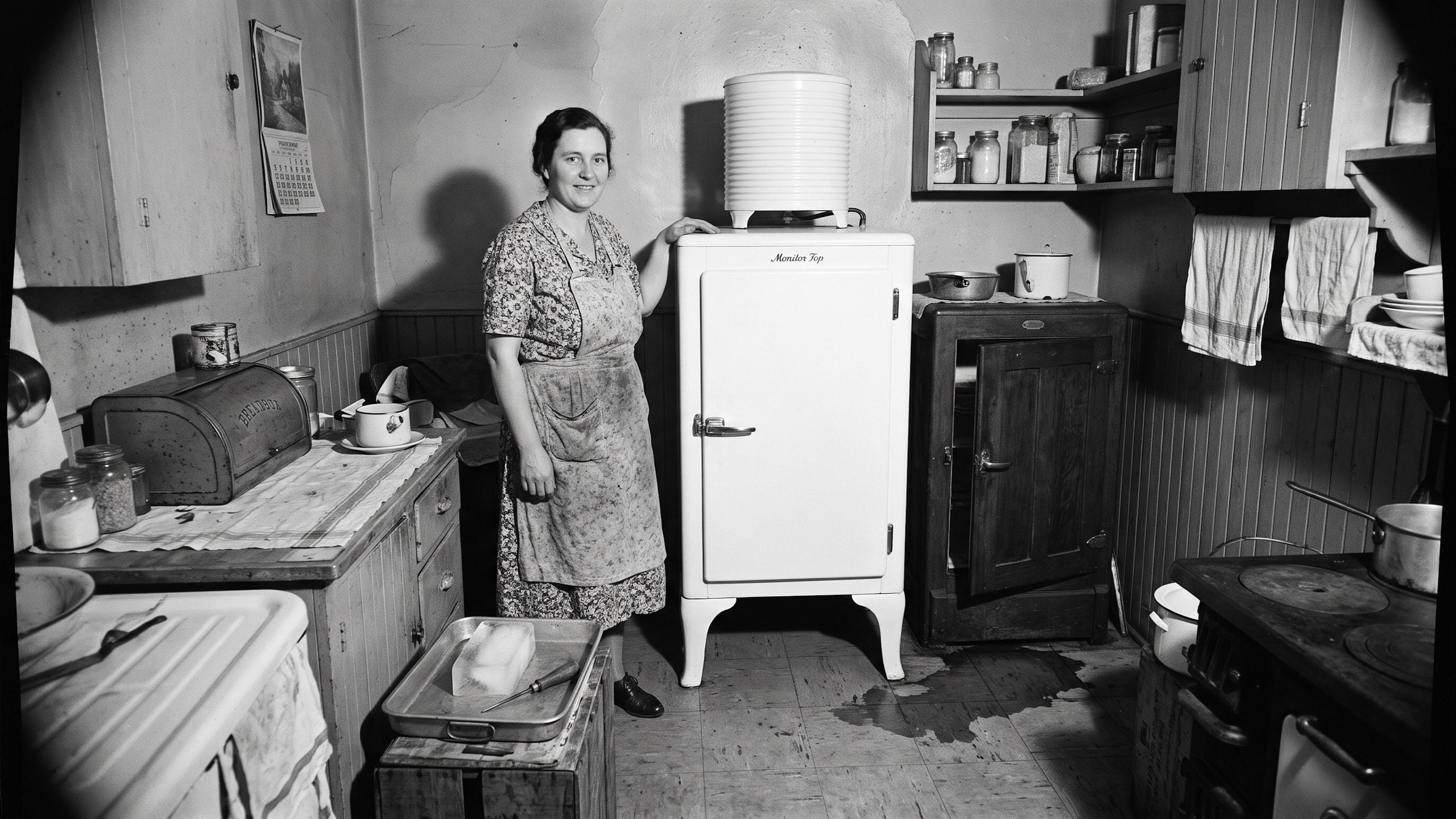
In 1914, a gadget called the DOMELRE promised to replace the block of ice in the icebox with electric cooling, but the Smithsonian notes that it wasn’t reliable or affordable enough for most homes. So the iceman kept coming, and families kept mopping up the melted puddle under the icebox. The General Electric Monitor Top, introduced in 1927, became the first refrigerator to win over the American kitchen. Depression-era discounts and New Deal loans in 1935 finished the job by helping families finally retire the block of ice.
3. The Computer Mouse Was Invented About 20 Years Before Most Consumers Saw One
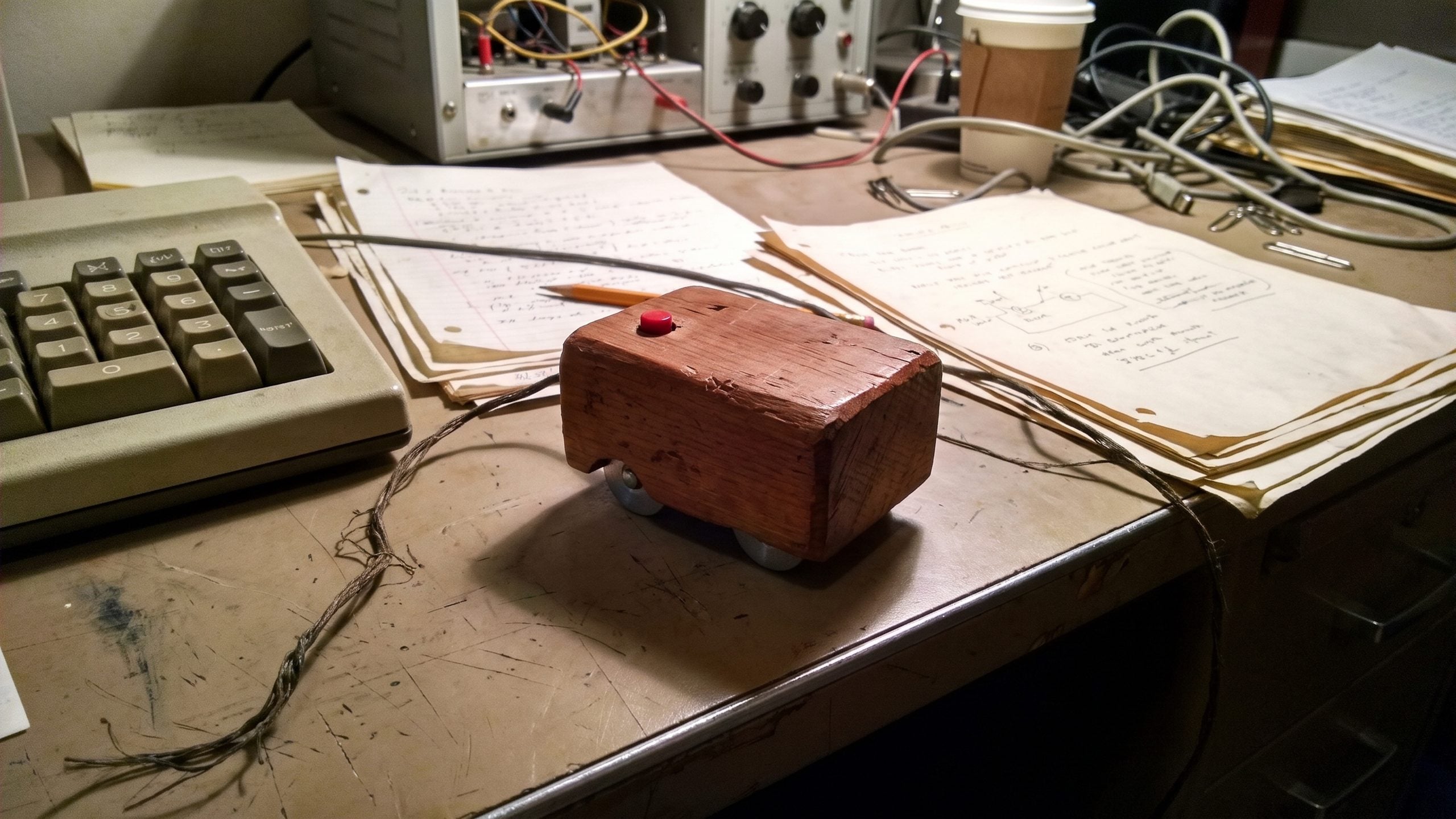
In 1964, engineer Bill English built an early mouse prototype at Stanford Research Institute, following Douglas Engelbart’s ideas for steering an on-screen pointer. It was a small wooden box with wheels and a cord trailing from the back, which is probably how it earned its rodent nickname. For years, the gadget lived in research labs and on specialized machines, far away from the average desk. It took Apple’s 1984 Macintosh to put one in front of regular people, and one of the most useful inventions in computing suddenly had a home.
4. Air Conditioning Was Originally Designed to Protect Printed Paper

The coolest part of this story is that comfort was an afterthought. Willis Carrier developed his modern air-conditioning system in 1902 to control humidity at a printing plant, where damp air made paper swell and ruined the ink alignment, according to HISTORY. For decades, cooling stayed in factories, movie theaters, and commercial buildings, which is why a summer matinee felt like a luxury. Smaller window units appeared in the 1930s, but home air conditioning only became much more accessible after World War II.
5. Television Took Decades to Go From Experimental Technology to Living Room Entertainment
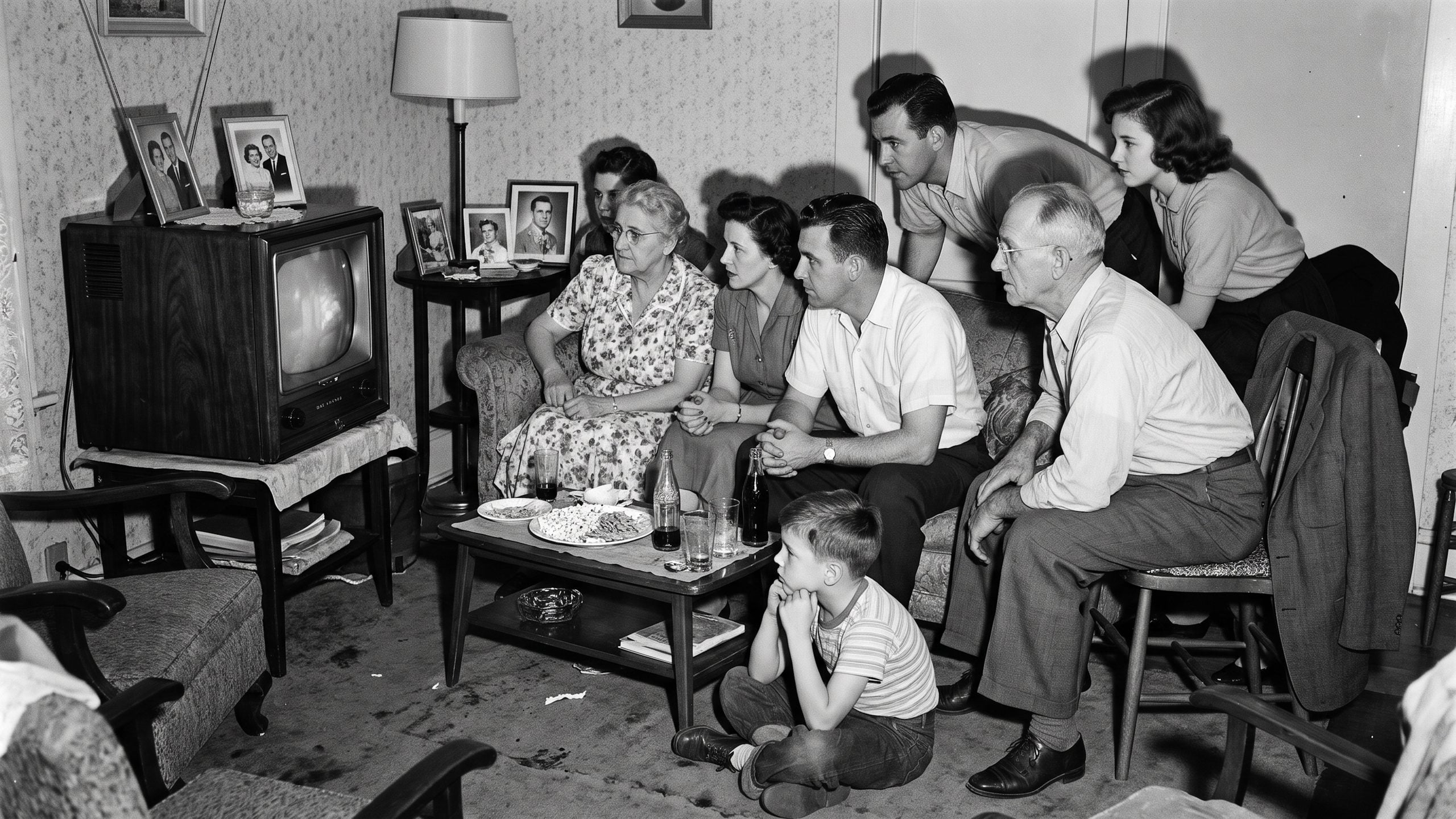
Electronic television was demonstrated in the 1920s, but owning a set remained unusual for American families before World War II. As broadcasting networks grew and manufacturing costs fell, television ownership exploded in the 1950s. According to the Library of Congress, roughly one in eight American homes had a television at the beginning of that decade, compared with seven in eight by its end. In between, living rooms were rearranged around a glowing box, and one of the most talked-about inventions of the century finally became furniture.
Trending on Wealth Gang


6. The Dishwasher Was Patented in 1886 but Didn’t Catch On in Homes Until the 1950s

Josephine Cochrane patented a practical mechanical dishwasher in 1886, reportedly to stop delicate dishes from getting chipped during handwashing. Restaurants and hotels loved it, according to MIT’s Lemelson Center, but ordinary households were put off by the cost and the huge amount of hot water the machines demanded. Many homes did not even have a water heater big enough to keep up. Adoption surged in the 1950s, when better detergents, improved plumbing, and changing attitudes toward housework finally made the machine make sense.
7. The Zipper Existed for Decades Before It Became Common on Clothing
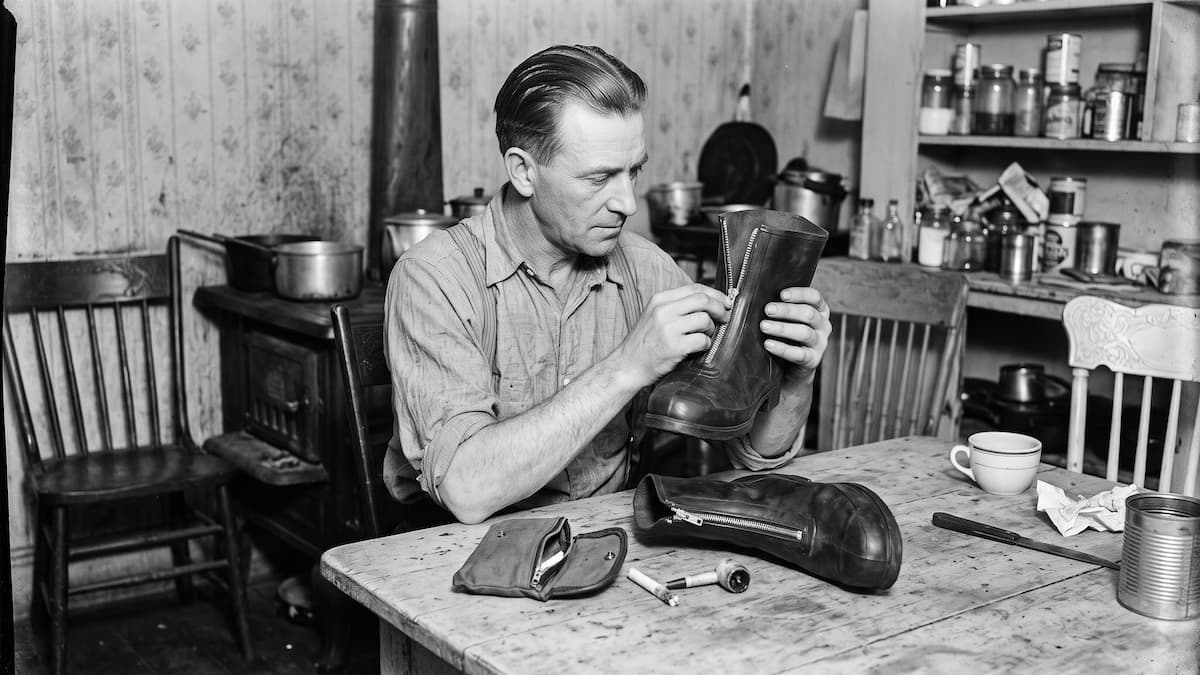
The first zipper-like fastener, Whitcomb Judson’s clasp locker, appeared at the 1893 Chicago World’s Fair and mostly earned shrugs. Engineer Gideon Sundback fixed the design in the 1910s with the interlocking teeth that made the modern version work. Even then, the first big customers were boots, galoshes, and tobacco pouches, not trousers, and the name zipper reportedly came from rubber boots in the 1920s. Men’s pants only started embracing the fastener in the 1930s, a shift that fashion historians call the battle of the fly. As far as inventions go, it took a surprisingly long time to get dressed.
8. Barcodes Took About 25 Years to Reach Supermarket Checkouts
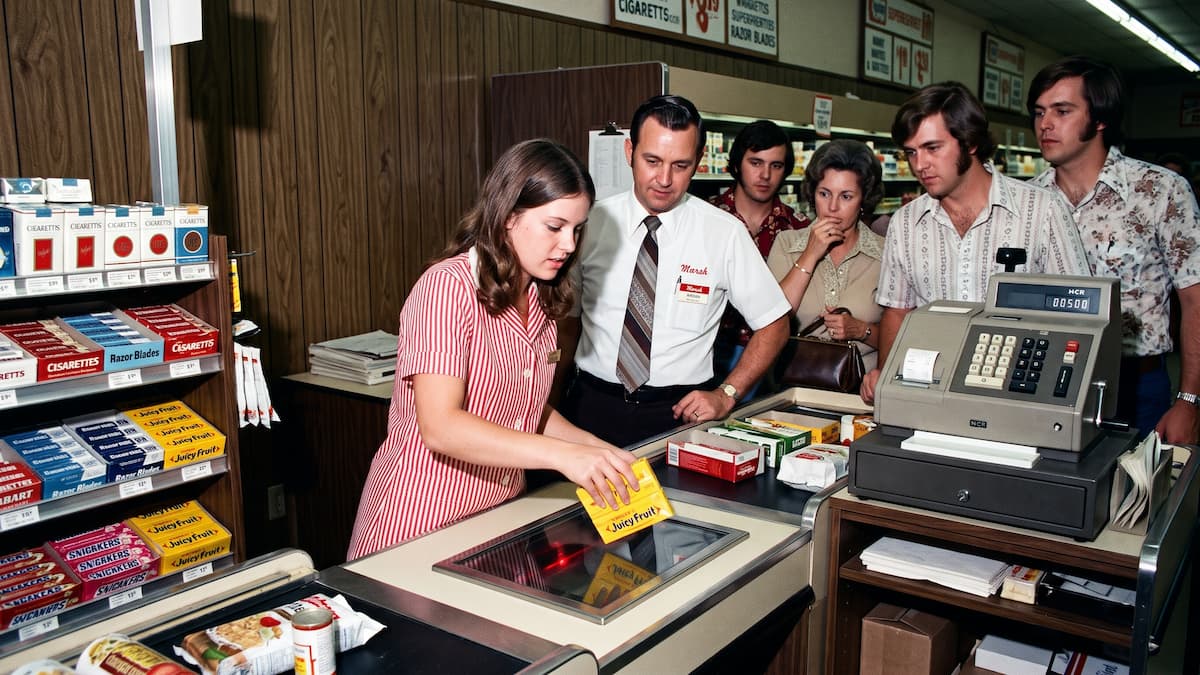
The idea of marking products with machine-readable patterns goes back to the late 1940s, but shoppers did not see it in action for decades. The Universal Product Code was standardized in 1973, and on June 26, 1974, the first UPC scan happened at a Marsh supermarket in Troy, Ohio, where a 10-pack of Wrigley’s Juicy Fruit gum rang up for 67 cents, according to IBM. Stores hesitated because the scanners and computer systems were expensive, and the system needed manufacturers to cooperate. Imagine a checkout line where every item needs a handwritten price check.
Sign up for our newsletter
9. Digital Cameras Were Invented Nearly 20 Years Before Consumers Could Buy Affordable Models
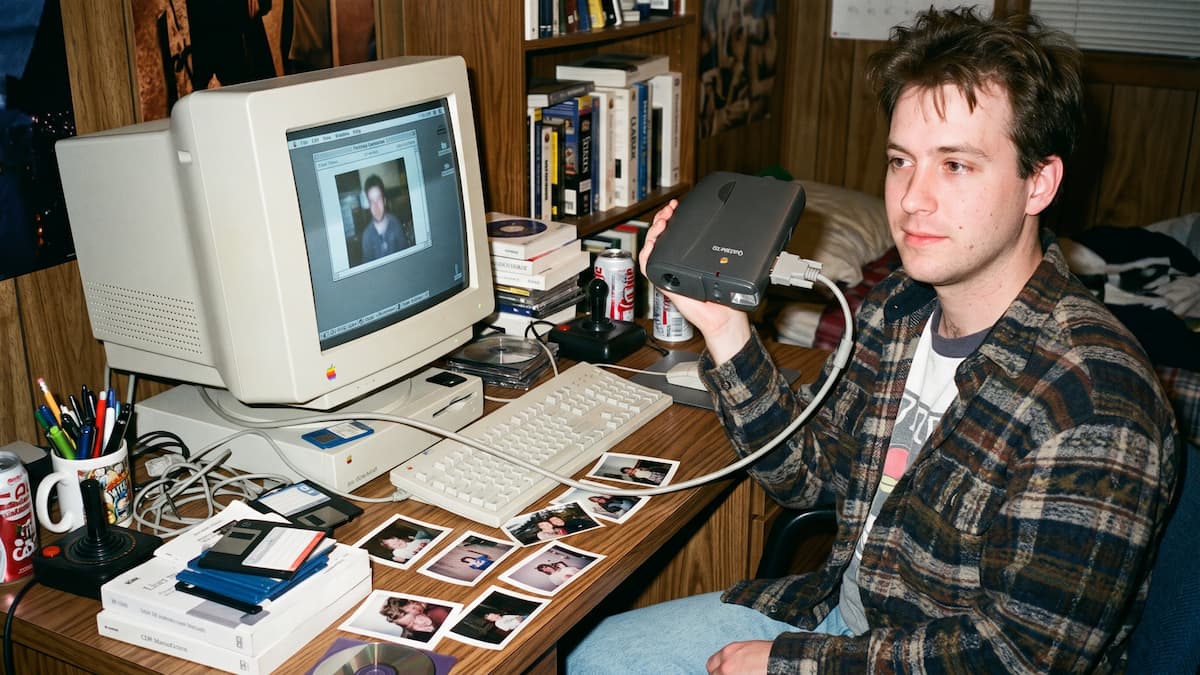
In 1975, Kodak engineer Steven Sasson built a pioneering digital camera prototype, roughly the size of a toaster, long before anyone dreamed of selfies. Early consumer-oriented models stayed expensive and clunky, and film still ruled the market. A major milestone arrived in June 1994, when Apple’s QuickTake 100 offered digital photography for $749, although it could store only eight pictures at its highest resolution of 640 by 480 pixels. That is roughly one birthday party, and it still counted as one of the most exciting inventions at the mall.
10. GPS Existed for Decades Before Drivers Could Depend on It
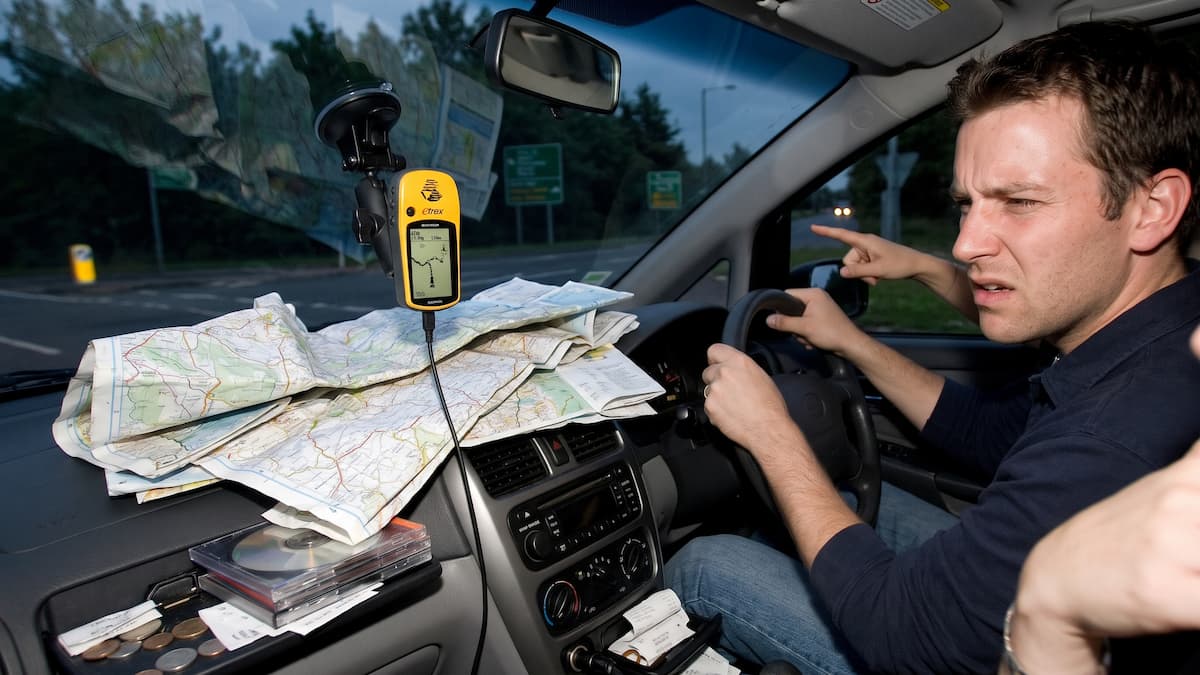
The United States launched its first experimental GPS satellite in 1978, but satellite navigation was developed mainly for military use. Civilians could tap into it later, though their receivers were costly and the signal was deliberately degraded. In May 2000, the government switched off a feature called Selective Availability, and according to GPS.gov, civil users could suddenly enjoy up to 10 times more accuracy. Paper maps in the glove compartment and arguments about asking for directions began their long retirement.
11. Solar Panels Powered Satellites Long Before They Became Familiar on Rooftops
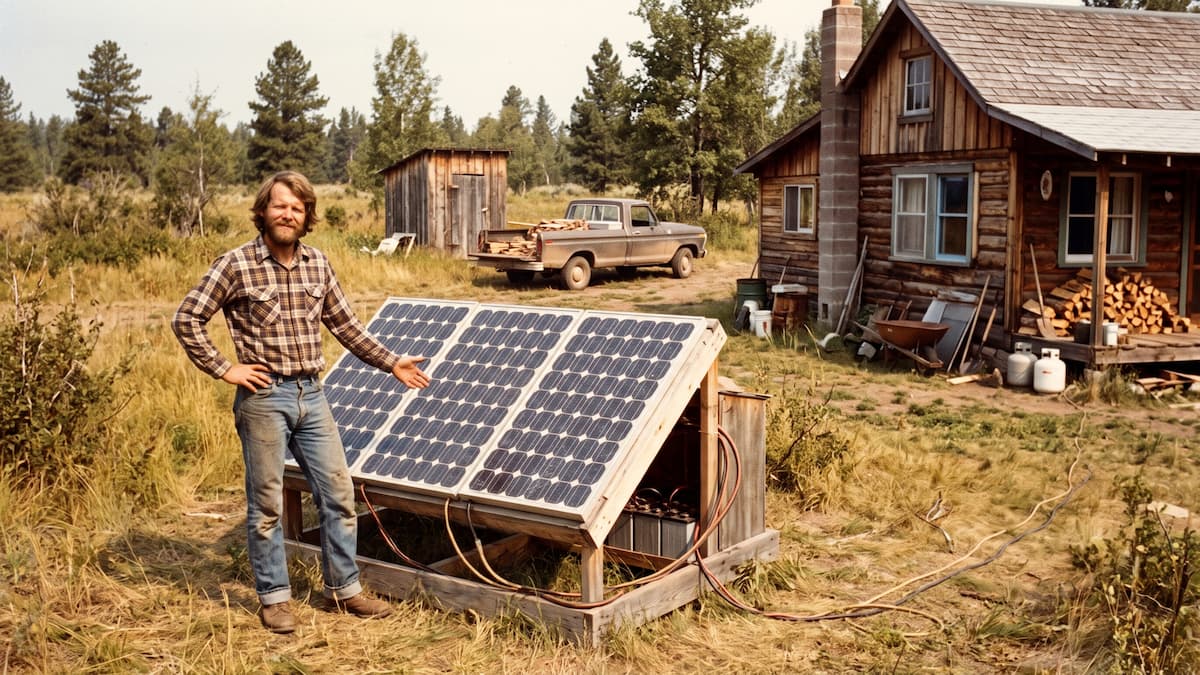
Bell Labs researchers Daryl Chapin, Calvin Fuller and Gerald Pearson developed the first practical silicon solar cell in 1954, and its efficiency started around 4 percent. The technology was so expensive that its most important early customers were satellites, such as Vanguard 1, which used a small solar array to power its radios in 1958. By the 1970s, cheaper cells powered offshore oil rigs, lighthouses and railroad crossings, and remote homes beyond the reach of power lines. Rooftop panels for the average household came much later, once equipment improved, and costs fell, and one of the most patient inventions in energy finally got its turn.
12. LED Technology Existed More Than 40 Years Before Practical Household LED Bulbs
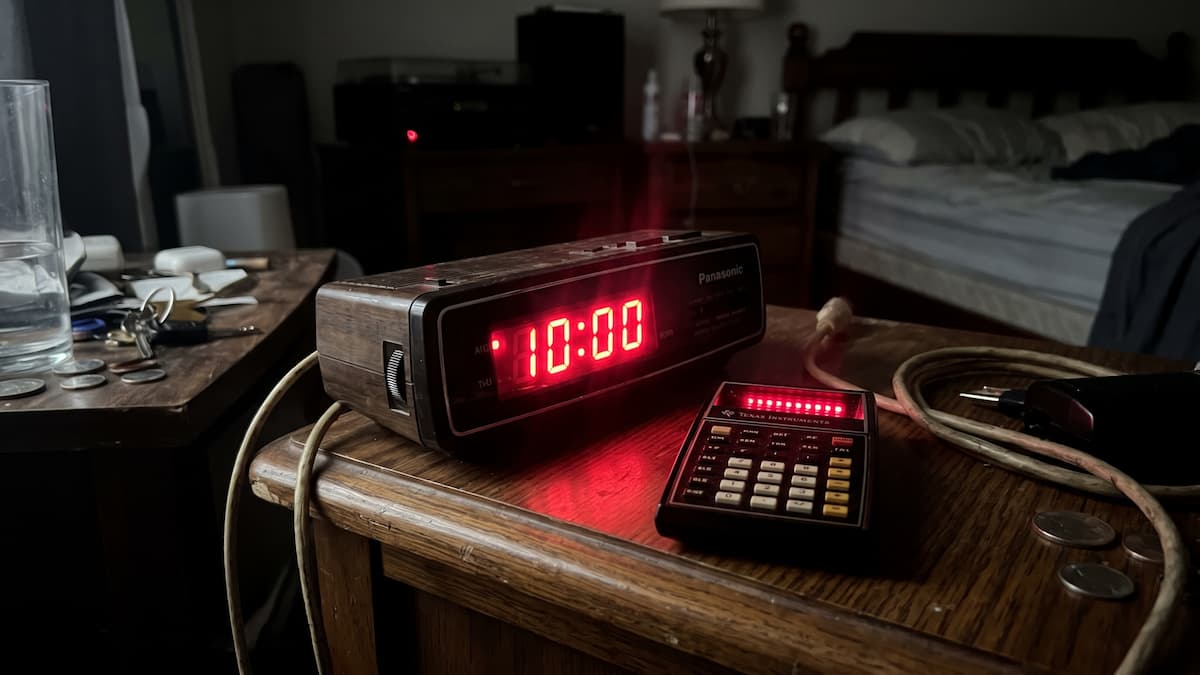
Nick Holonyak Jr. developed the first practical visible-spectrum LED in 1962 while working at General Electric, but early versions glowed in limited colors and could not light up a room. For decades, LEDs lived as the tiny red glow on a stereo, calculator, or digital clock. Practical LED replacements for household bulbs did not emerge until the 2000s, and according to the Department of Energy, manufacturing improvements helped cut LED bulb costs by 94 percent between 2008 and 2016. That is the kind of price drop that turns a gadget into a grocery-store staple.
13. Electric Cars Were Popular in 1900, Then Nearly Disappeared for Generations
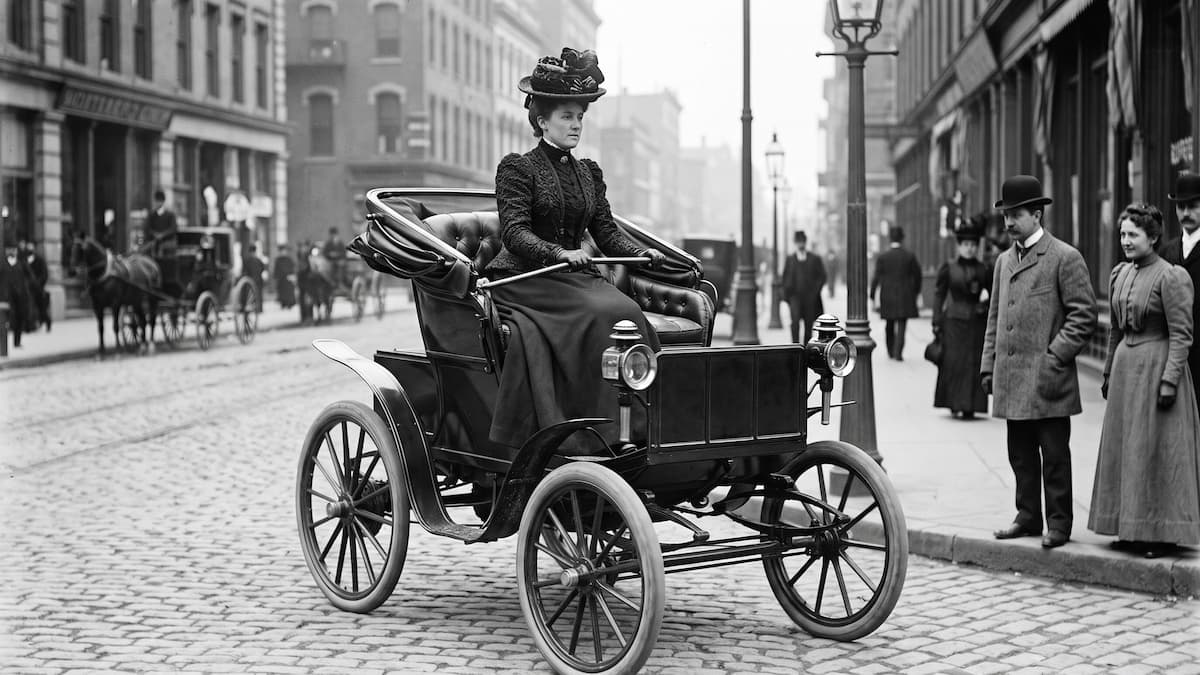
Electric automobiles are much older than most drivers realize. Around 1900, they made up roughly a third of the vehicles on American roads, and fans loved them for being quiet and clean. Cheaper gasoline cars led by Ford’s Model T, the electric starter, better roads, and inexpensive fuel pushed them aside, and electric cars had all but disappeared by 1935, according to the Department of Energy. Consumer interest took a long nap before the Nissan Leaf arrived in late 2010. Few inventions have had such a dramatic comeback.
14. The Telephone Was Invented in 1876, but Some Homes Still Had No Service in 1960
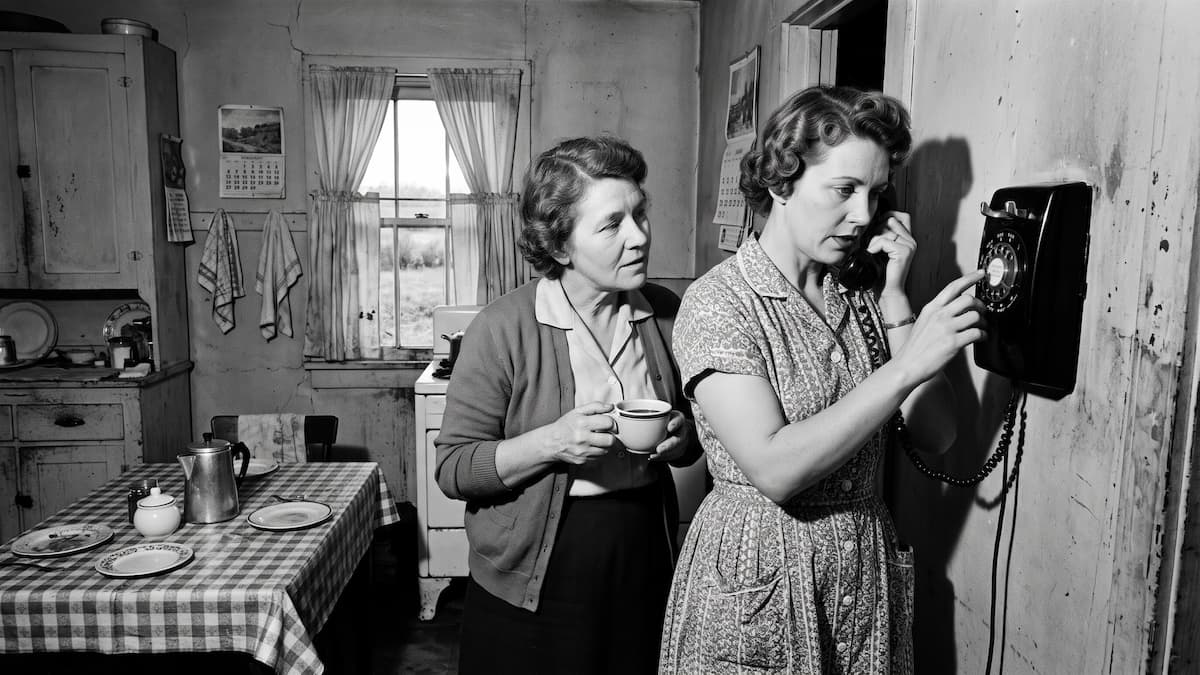
Alexander Graham Bell’s telephone became a landmark invention in 1876, but reaching every home meant building an expensive network of wires and exchanges. Service spread unevenly, especially in rural areas. Census Bureau records show that about one in five American households still had no telephone available in 1960, and in Mississippi, 55 percent of homes had none. The census even counted a phone as available if it was down the hall or at a neighbor’s, so the real picture was probably tougher than it sounds.
15. Compact Fluorescent Bulbs Were Available Years Before They Became Affordable
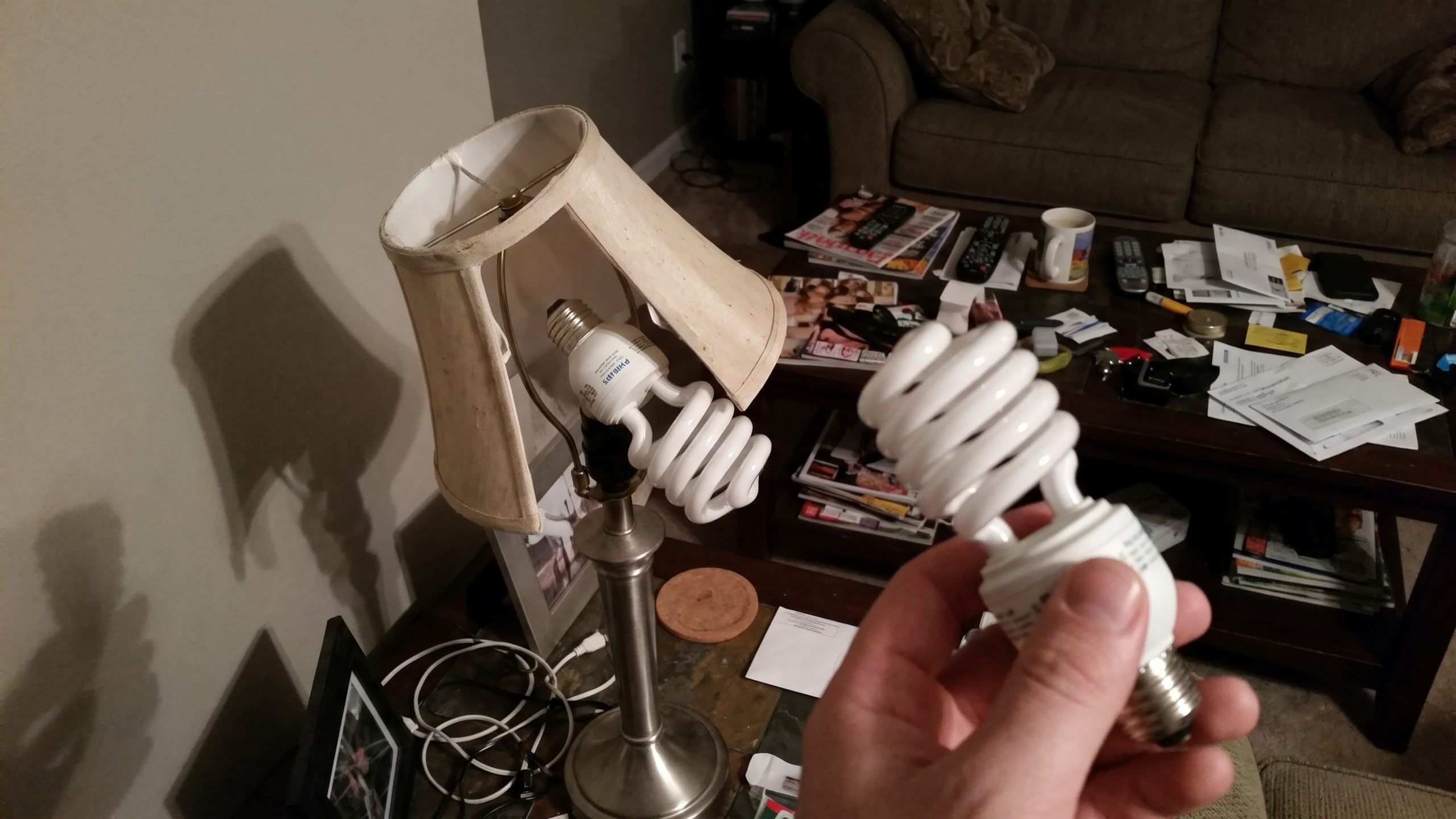
Compact fluorescent lamps, with their curly spiral tubes, were created by General Electric in 1976 but did not reach stores until the mid-1980s, when early versions cost $25 to $35 apiece, according to the Department of Energy. They were also bulky, dim, and a poor fit for many lamps, so shoppers sometimes had to swap lampshades just to try one. Prices fell to around $6 by 2003, and the Department of Energy says an ENERGY STAR bulb can now cost as little as $1.74 in a four-pack. For many inventions, the price tag is the last obstacle to disappear.
Next time something amazing shows up on a store shelf, remember that it may have waited decades in a lab. Which of these inventions surprised the most, and which one would be hardest to live without? Tell us in the comments!