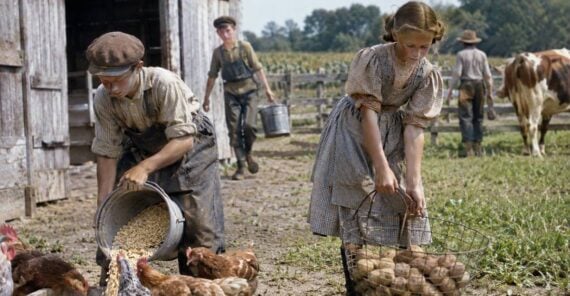
In the early 1900s, raising a family in the U.S. was harder than it is today. Without modern medicine and technology, parents worried constantly about sicknesses and spent hours doing heavy physical work just to keep their homes running. Most babies were born at home, and families were big because parents needed extra hands to help with farms and chores.
For many children, going to school was less important than helping the family survive. Many kids had to stop going to school early, so they worked in factories or helped at home. The following 14 examples show how much family life has changed over the past 100 years.
1. Families Had More People Living Under One Roof
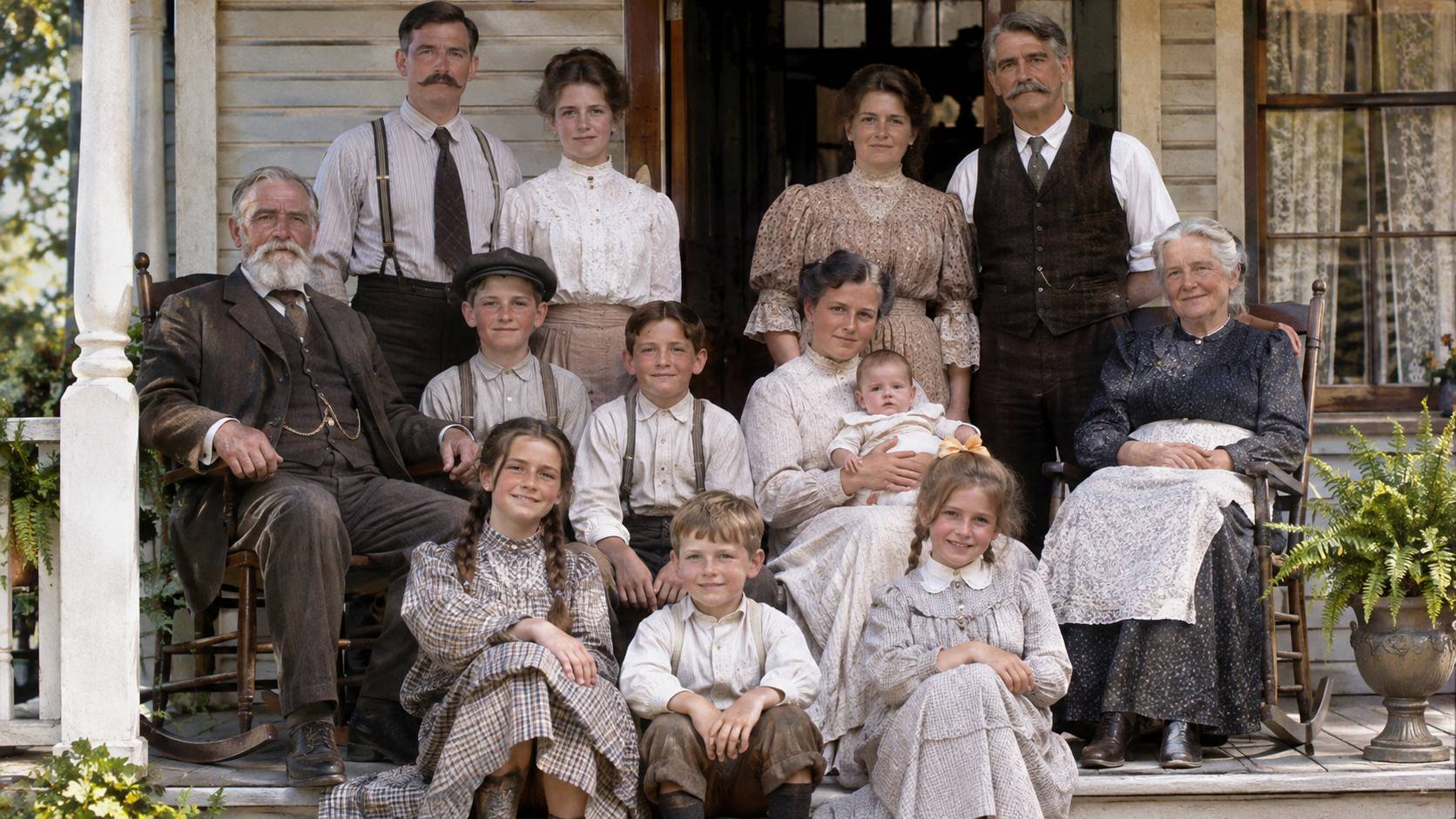
American houses were larger in the early 20th century than they are today. According to the U.S. Census Bureau, the average house contained approximately 4.6 people in 1900, compared with 2.6 in 2000. Larger families were more common, and some households also included extended relatives or other residents.
2. Most Babies Were Born at Home
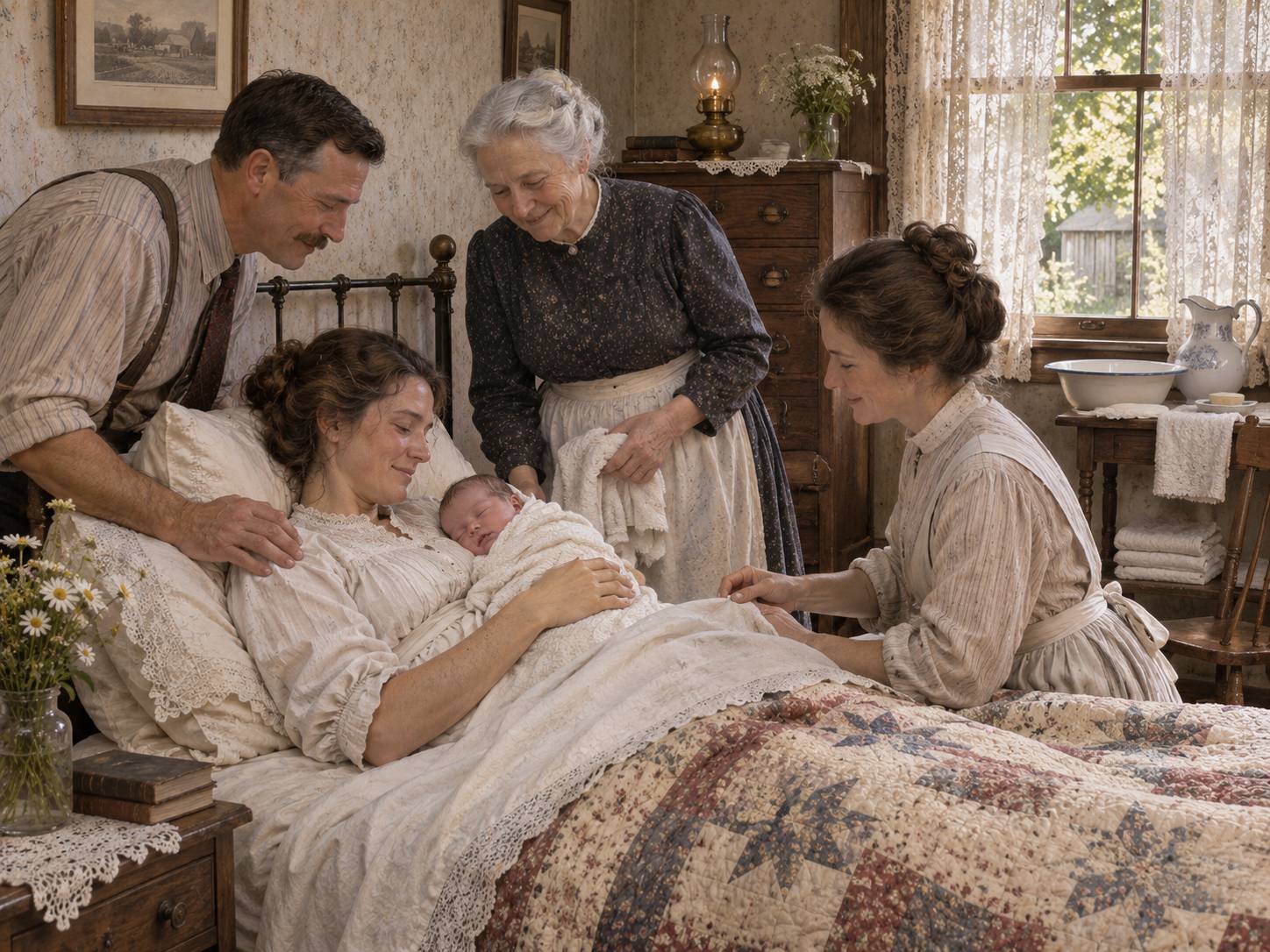
Giving birth in a hospital was uncommon for American families at the beginning of the 20th century. The CDC reports that nearly all U.S. births in 1900 occurred outside hospitals, with the vast majority taking place at home.
3. Children Were Expected to Earn Money
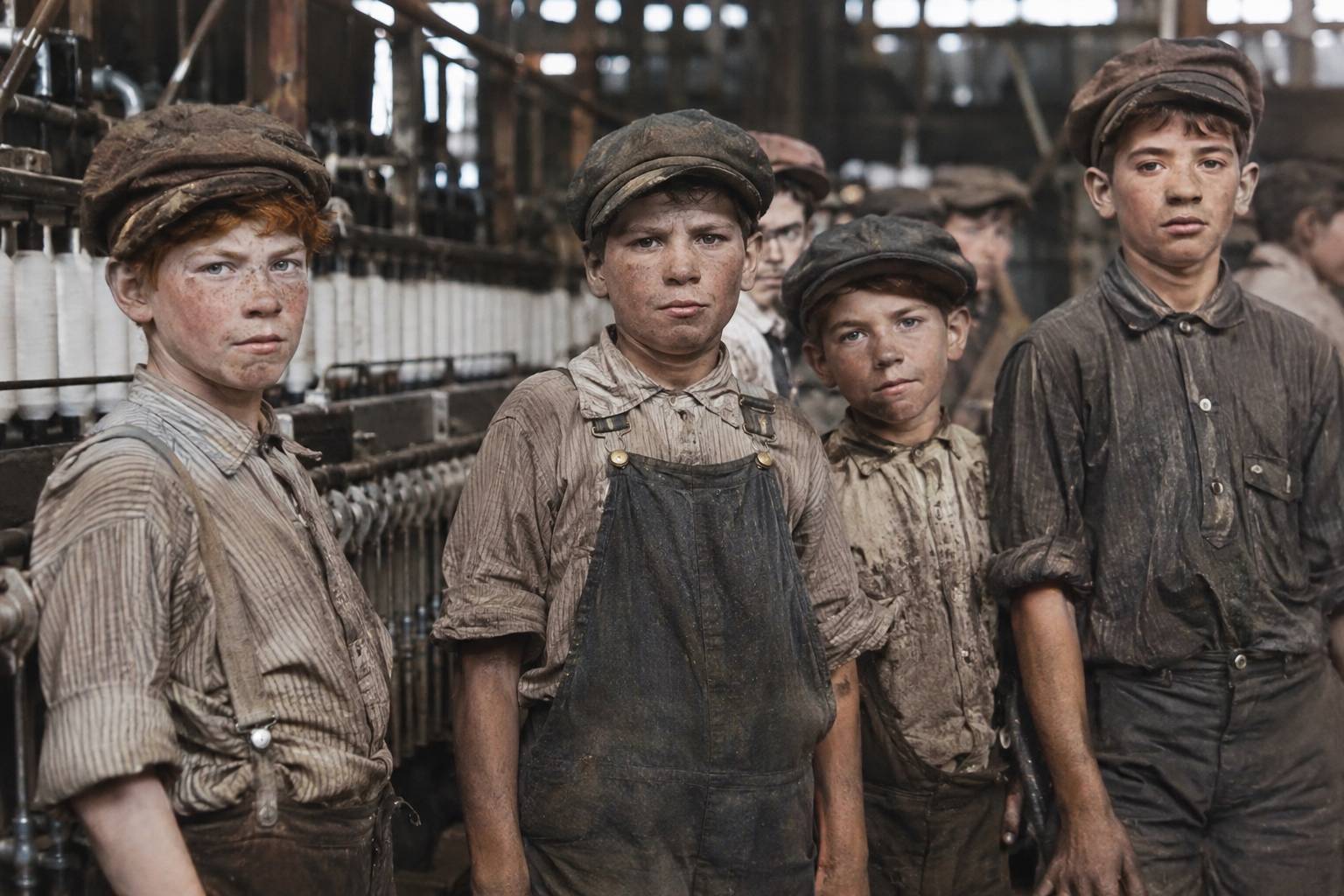
Children in working-class families sometimes helped support their families by working outside the home. According to the Bureau of Labor Statistics, at least 18% of American children ages 10 to 15 were employed during the period between 1890 and 1910. Young workers could be found in factories, mills, agricultural fields, and city streets.
4. Farm Children Helped With Agricultural Work
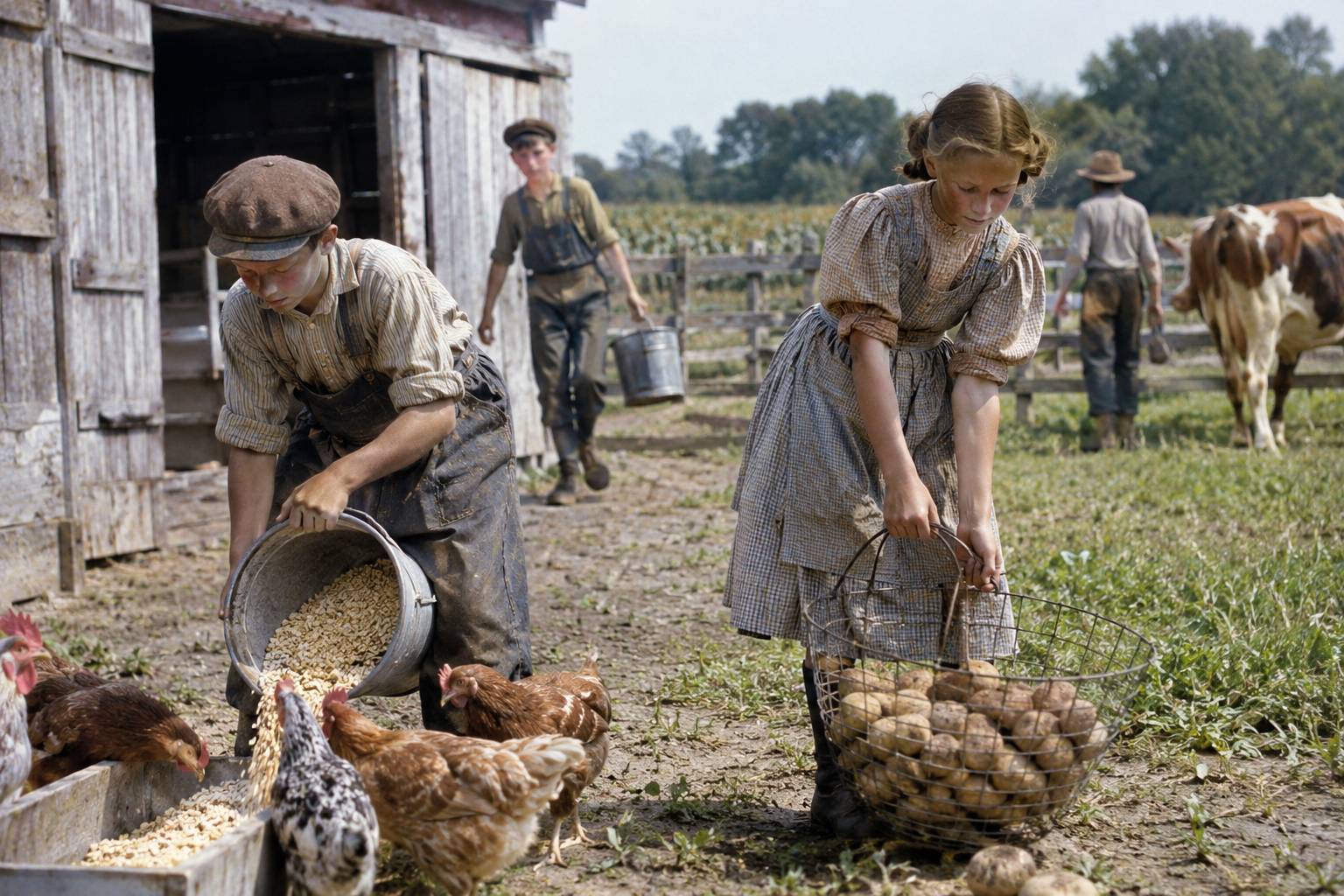
For many rural families, raising children meant teaching them to participate in the operation of a farm. Children helped feed animals, tend crops, gather produce, and complete other chores. The Bureau of Labor Statistics reports that in 1900, six out of ten male farmhands were sons of the farmer. These responsibilities affected children’s education and opportunities for recreation.
5. Going to High School Was Less Common
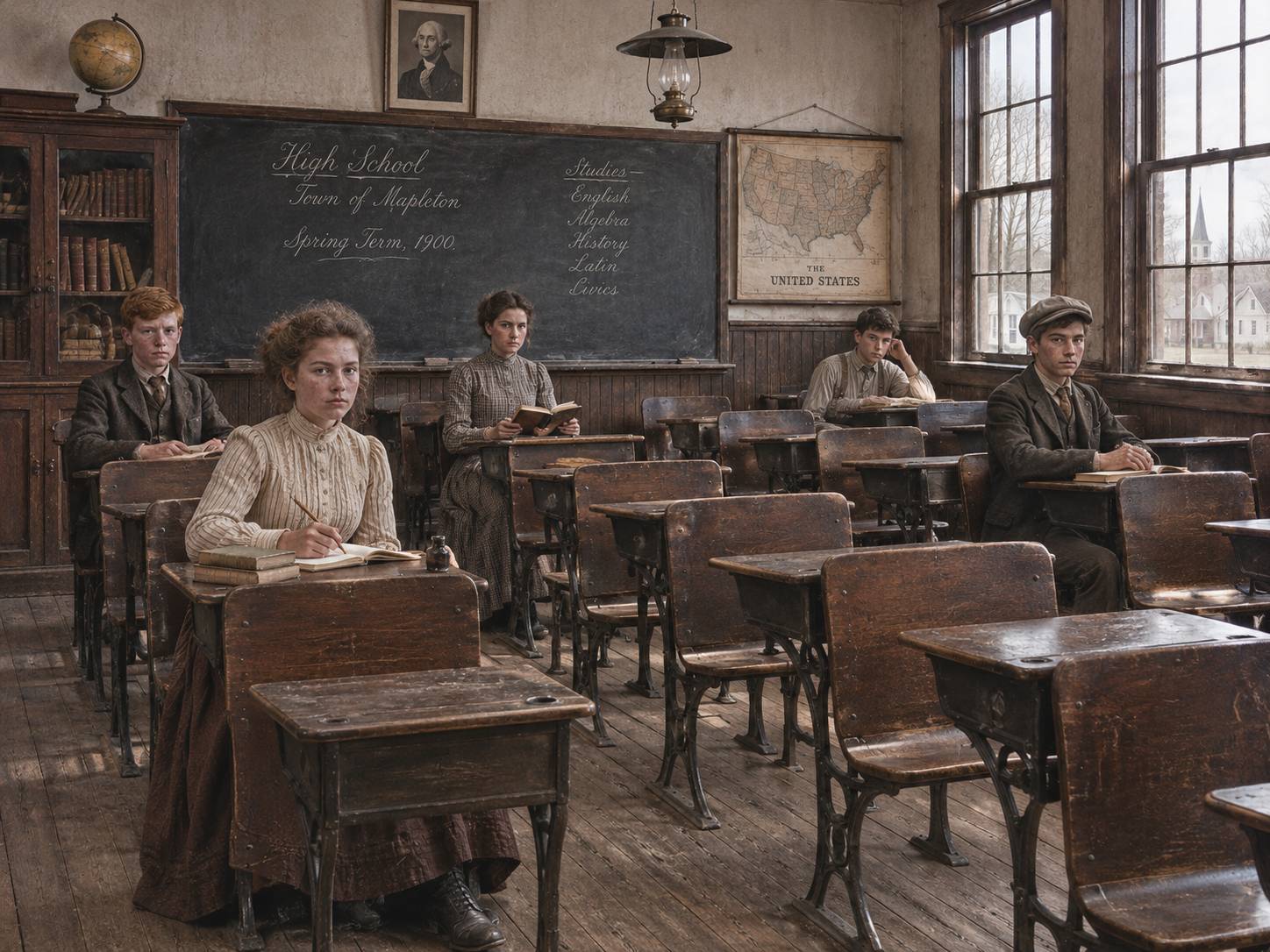
Attending high school was not as widespread in 1900 as it became. According to the National Center for Education Statistics, enrollment in grades 9 through 12 was equivalent to approximately 10.2% of the U.S. population ages 14 to 17 in the 1899–1900 school year. By 1929–1930, that enrollment ratio had risen to approximately 50.7%.
Trending on Wealth Gang


6. One Teacher Taught Several Grades in the Same Classroom
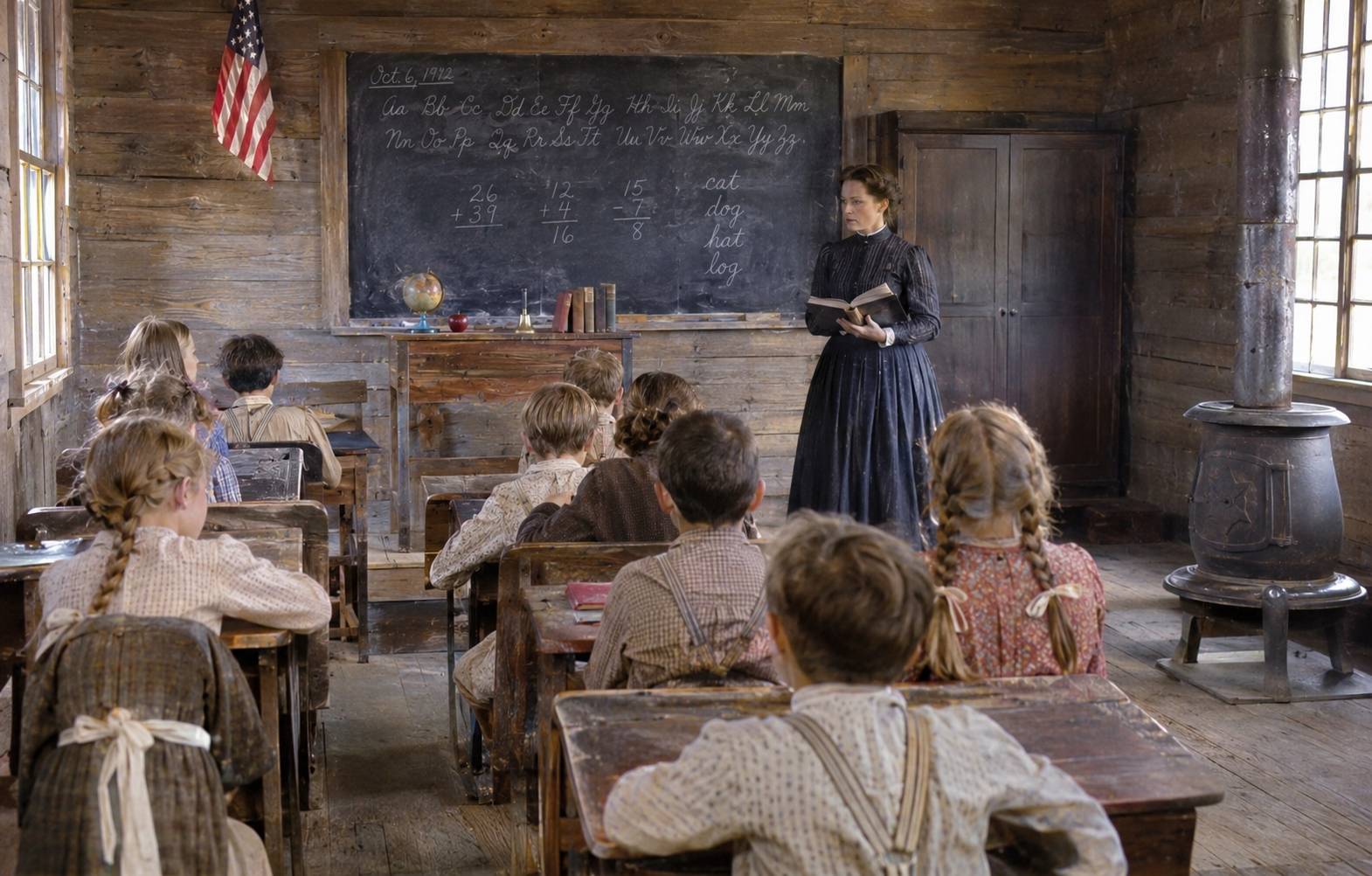
Children attending rural schools learned in one-room schoolhouses rather than buildings with separate classrooms for each grade. A single teacher could teach students of several ages and grade levels. These schools were common in rural communities where populations were too small to support larger educational facilities.
7. Parents Had to Manage Without Many Electrical Devices
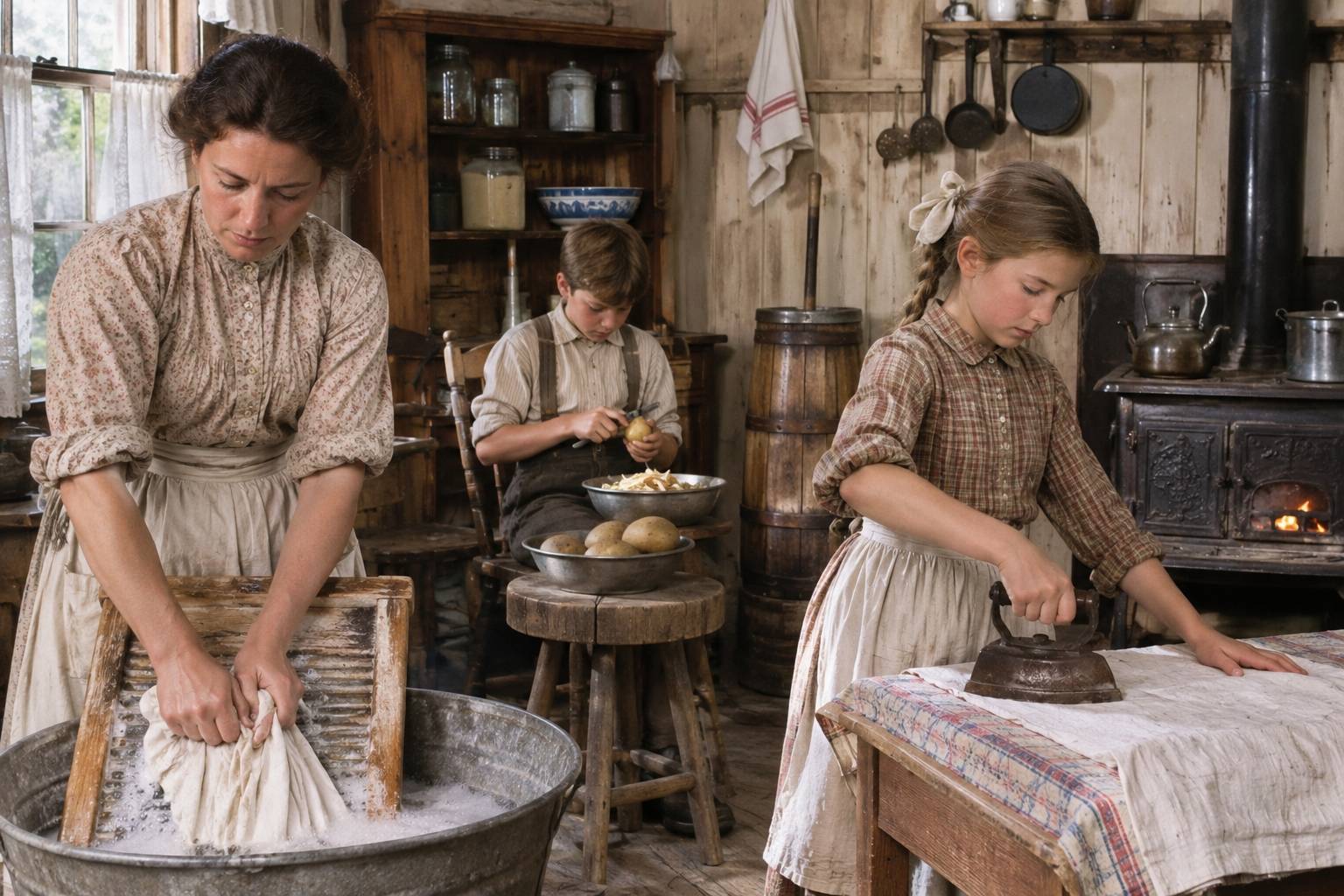
Modern appliances have made tasks such as cleaning, ironing, and preparing meals easier, but many early 20th-century families lived without electricity. Although electric power expanded in American cities during the early 1900s, rural electrification progressed much more slowly.
8. Washing the Family’s Clothes Took Much of the Day
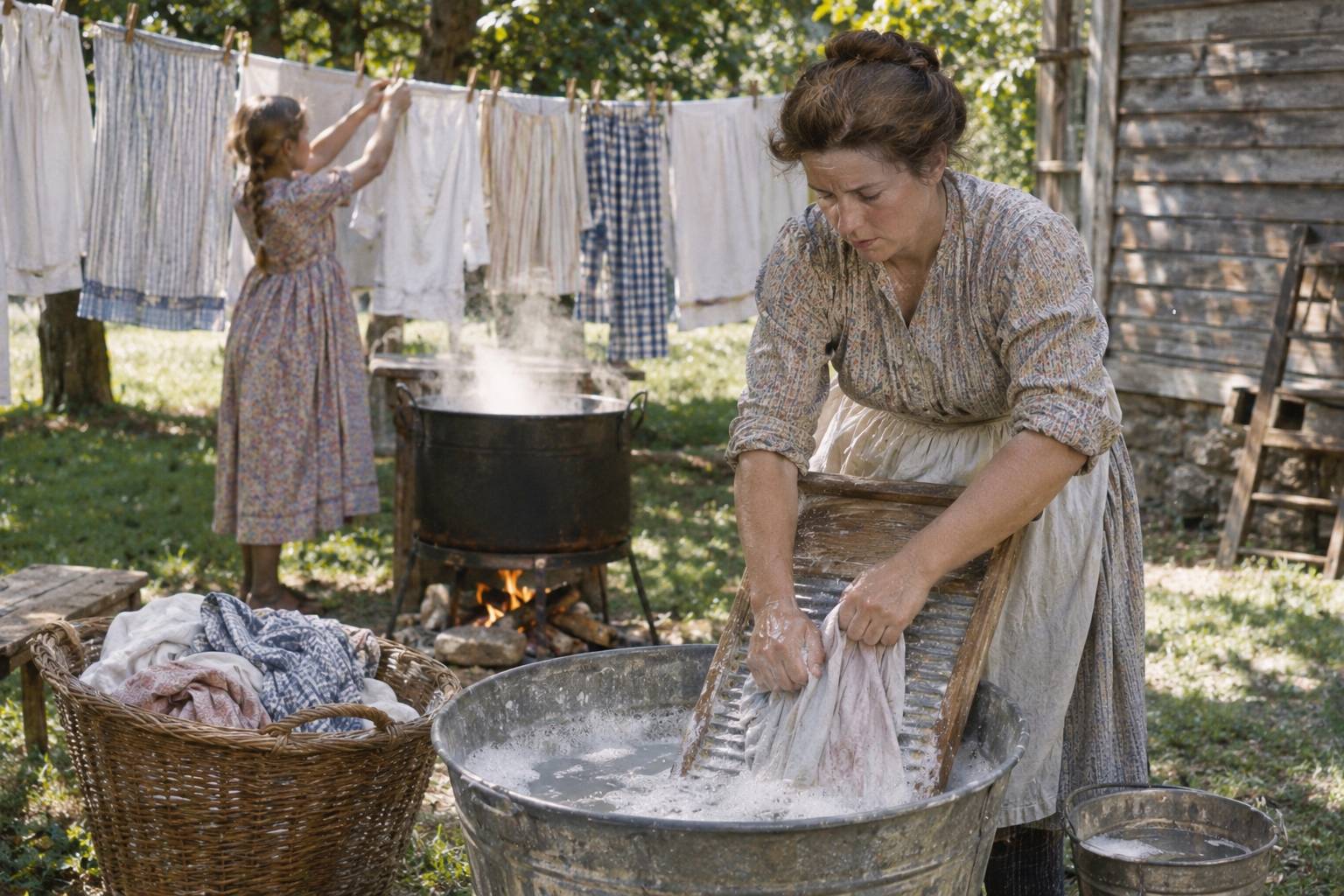
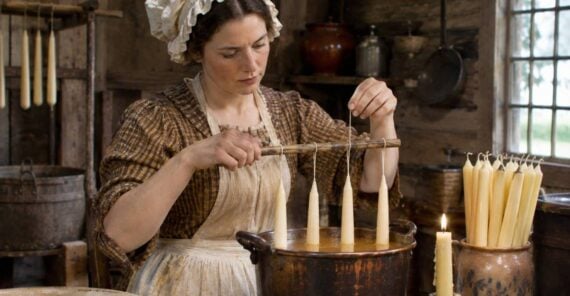
Keeping an entire family’s clothes clean involved heating water, scrubbing fabrics, rinsing garments, and hanging everything out to dry. Before automatic washing machines became widespread, families relied on washboards, tubs, and labor-intensive handwashing techniques.
Sign up for our newsletter
9. Families Lived Without Complete Indoor Plumbing
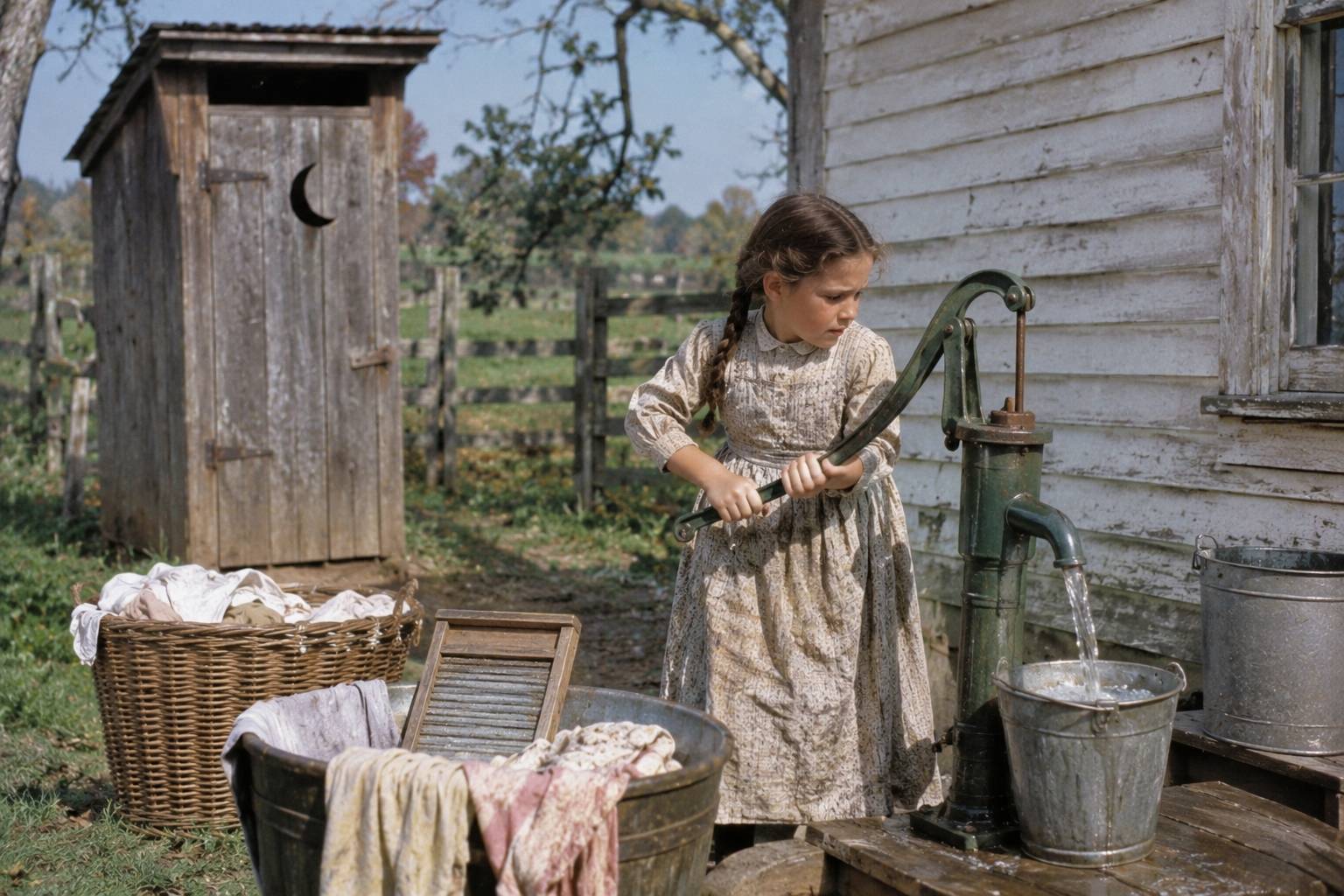
Indoor running water, flush toilets, and facilities were far from universal during the early 20th century. The Census Bureau reports that almost half of American homes lacked complete plumbing facilities as late as 1940. Families without these conveniences often relied on outdoor toilets, washbasins, and water carried from pumps or other sources.
10. Keeping Food Cold Required Regular Ice Deliveries
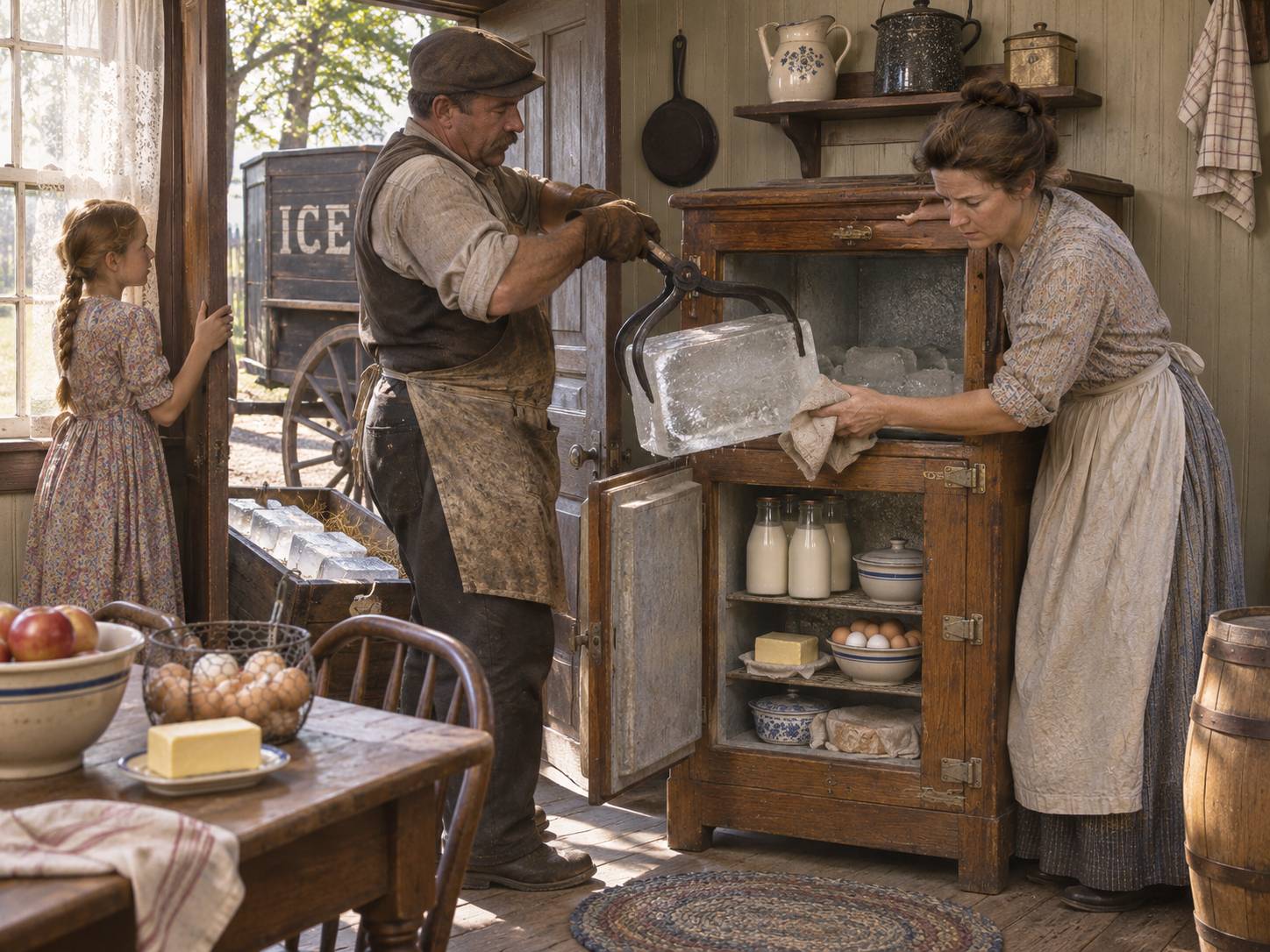
Before electric refrigerators, many families used wooden iceboxes to keep milk, eggs, and other perishable foods cool. These containers required blocks of ice that had to be replaced as they melted.
11. Heating the Home Required More Hands-On Work
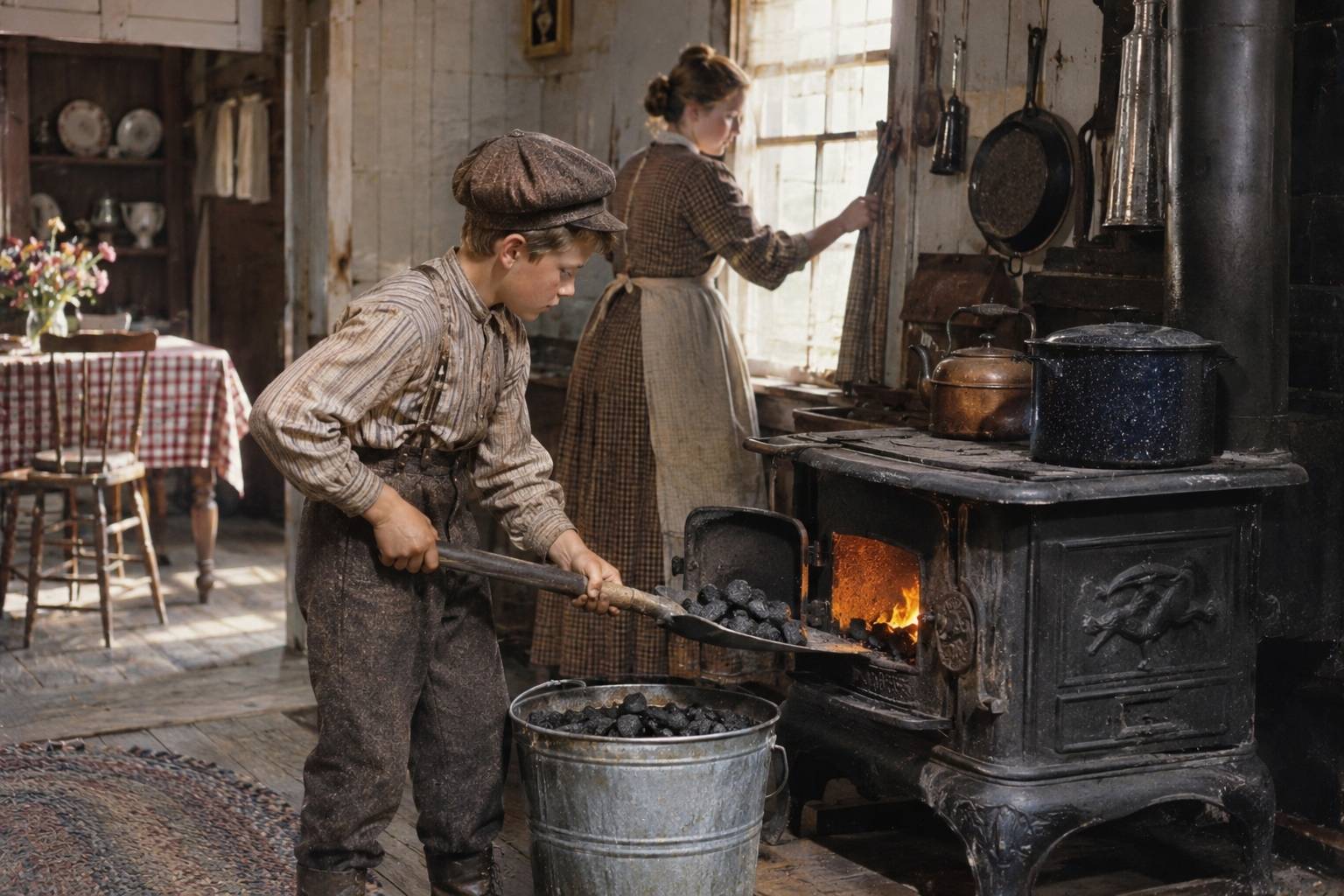
Maintaining a comfortable indoor temperature involved more than adjusting a thermostat. Many early 20th-century American homes relied on coal-fired furnaces, wood stoves, or other heating systems.
12. Married Women Faced Different Expectations About Paid Work
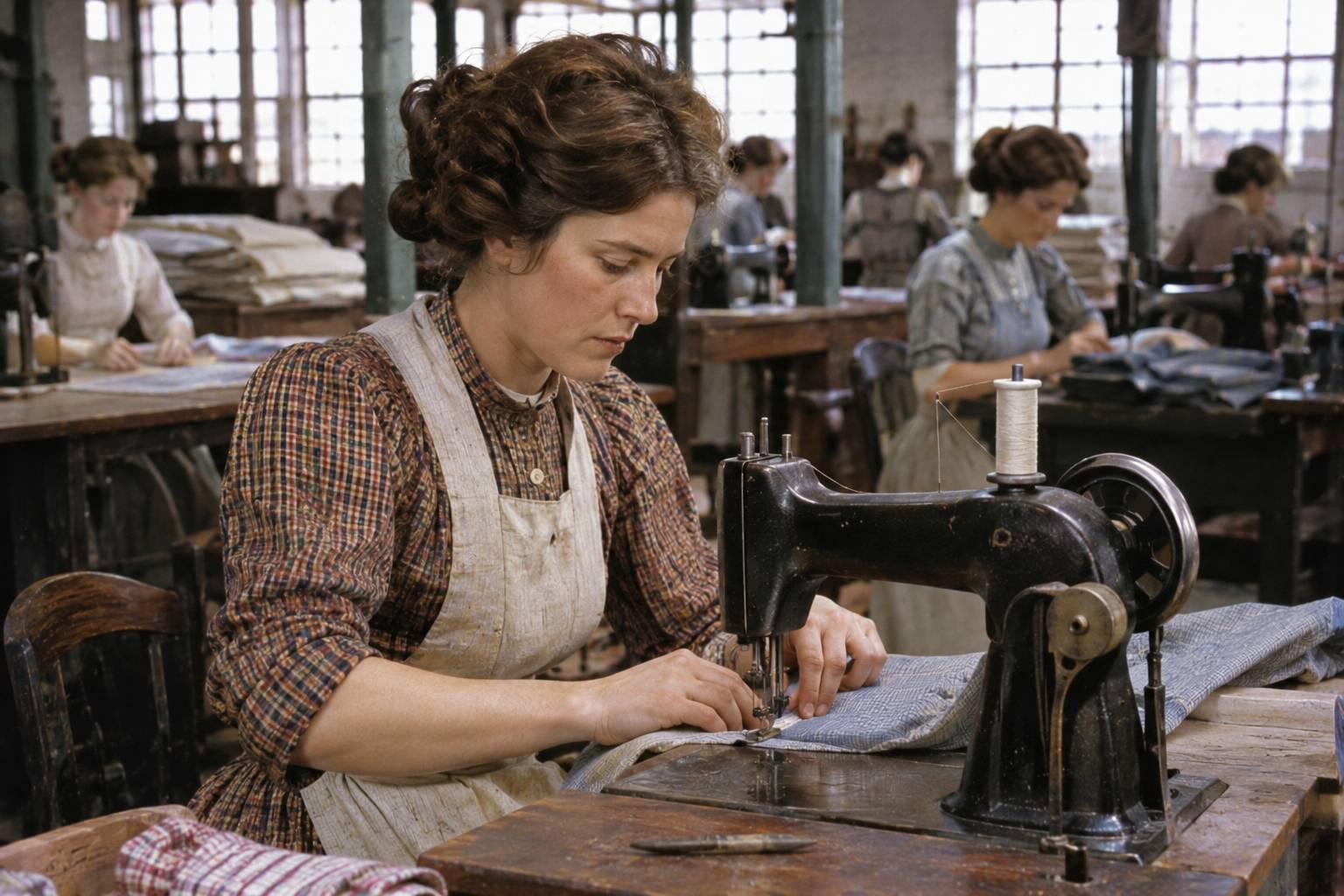
American women worked in numerous occupations during the early 1900s, but marriage often affected the jobs available to them and the expectations placed on their time. Census Bureau historical statistics show that the labor-force participation rate for married women increased from 5.6% in 1900 to 11.7% in 1930. Some married women earned money through factory employment, farm work, or work performed at home.
13. Children’s Entertainment Involved Homemade Toys
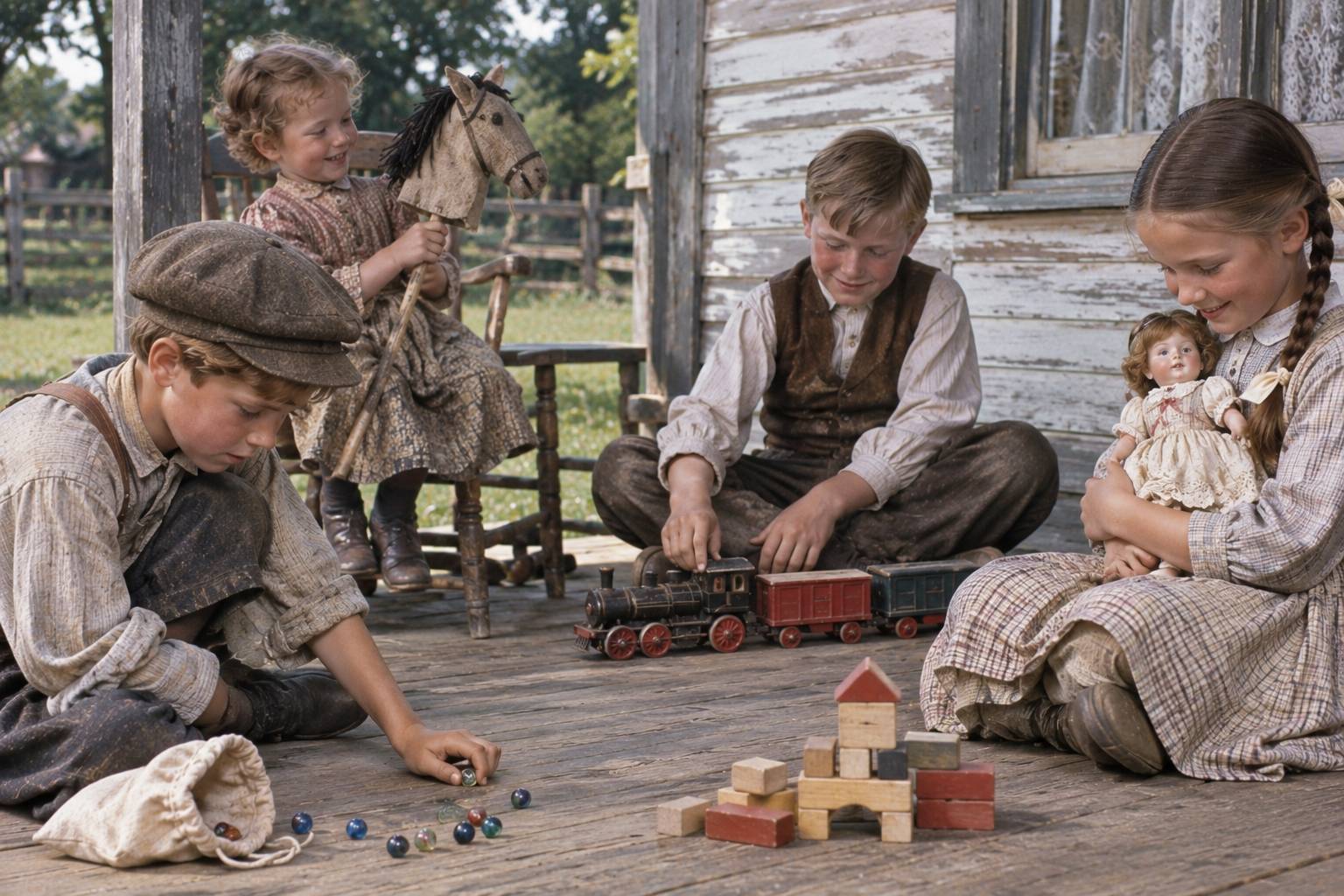
Children in the early 20th century enjoyed many familiar activities, but their entertainment options looked very different without television, video games, or smartphones. Popular toys included dolls, marbles, toy trains, building toys, and homemade objects.
14. Staying Connected With Relatives Meant Writing Letters
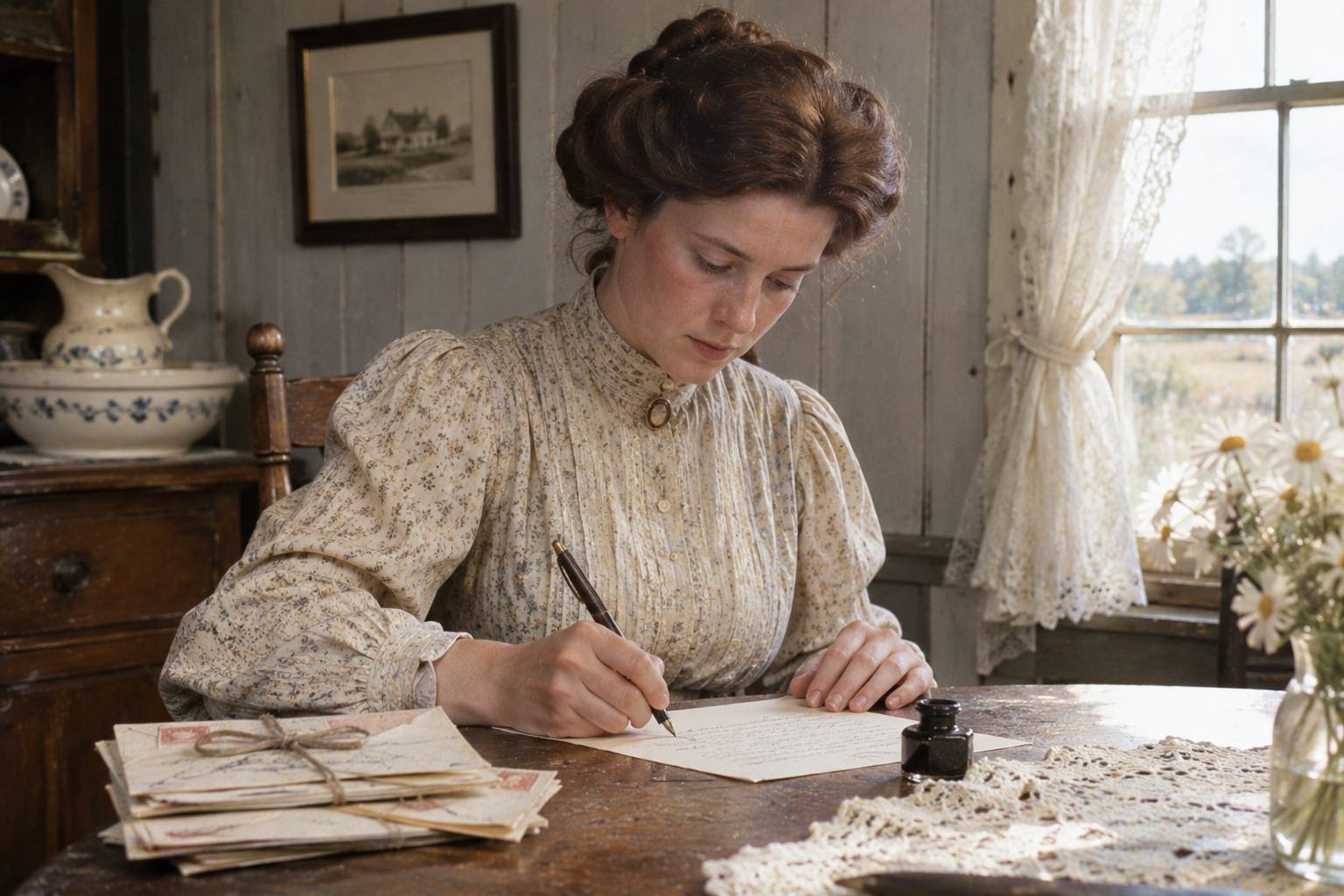
Before long-distance telephone calls became affordable and convenient, letters were an important way for families to maintain relationships across distances. The Smithsonian’s National Postal Museum explains that Rural Free Delivery began experimentally in 1896 and became a permanent Post Office Department service in 1902.