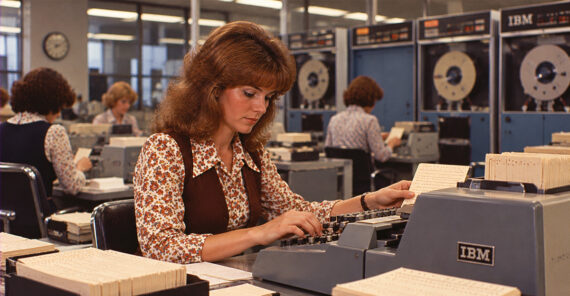
Fifty years ago, the American workplace looked and sounded very different. Offices clicked with typewriters, department stores had employees operating elevators, and a phone call often depended on a real person sitting at a switchboard.
Many of these jobs didn’t disappear overnight. Technology, changing shopping habits, automation, and new ways of communicating slowly made them less necessary. But for anyone who remembers the 1960s and 1970s, these workers were once such a normal part of everyday life that it was hard to imagine a world without them.
1. Switchboard Operator
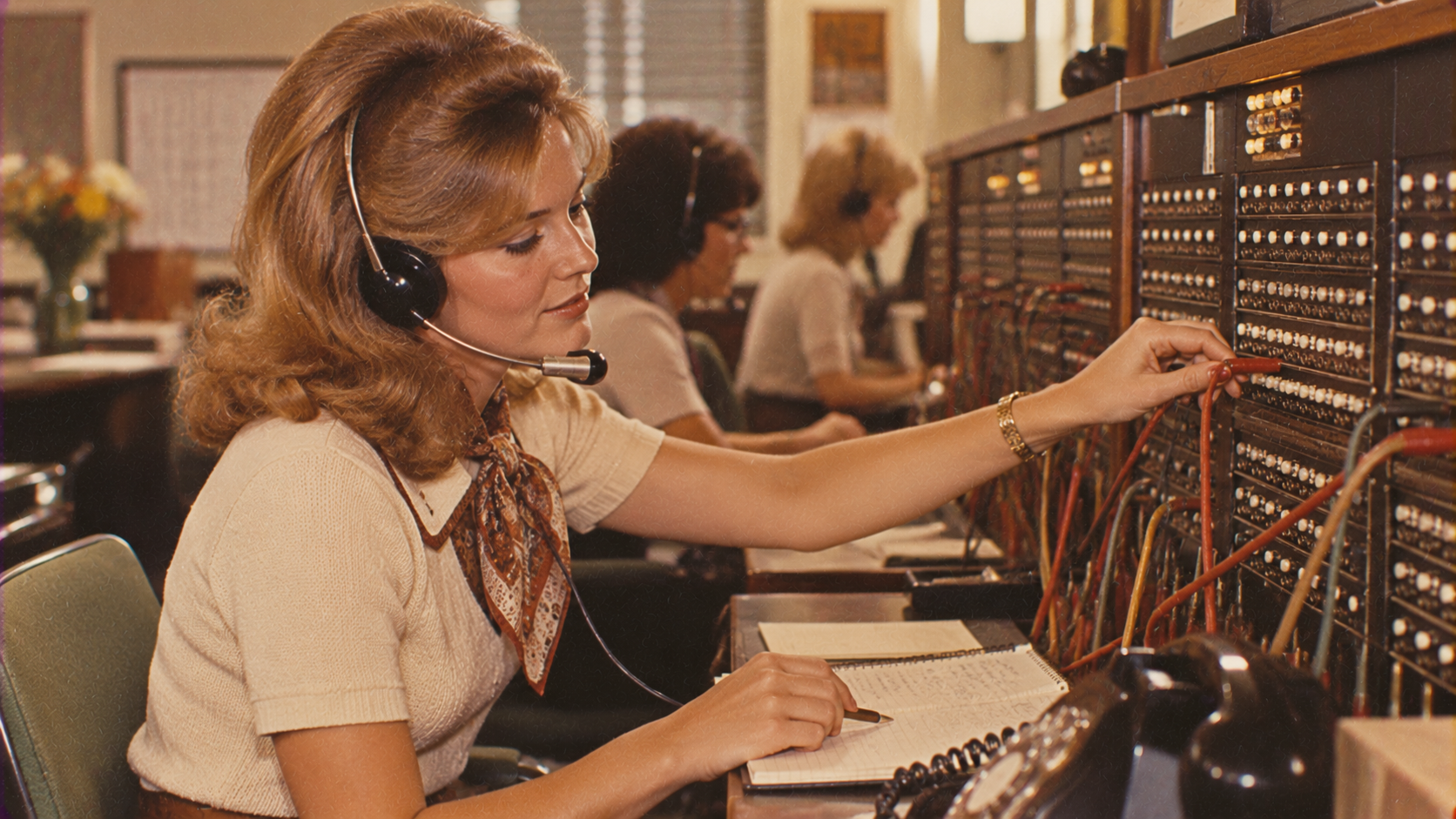
Before direct dialing became universal, switchboard operators were the human connection behind countless telephone calls. Wearing headsets and working in front of panels filled with cords and blinking lights, they manually connected callers from one line to another. The familiar voice saying, “Number, please?” was once part of daily life.
2. Typist
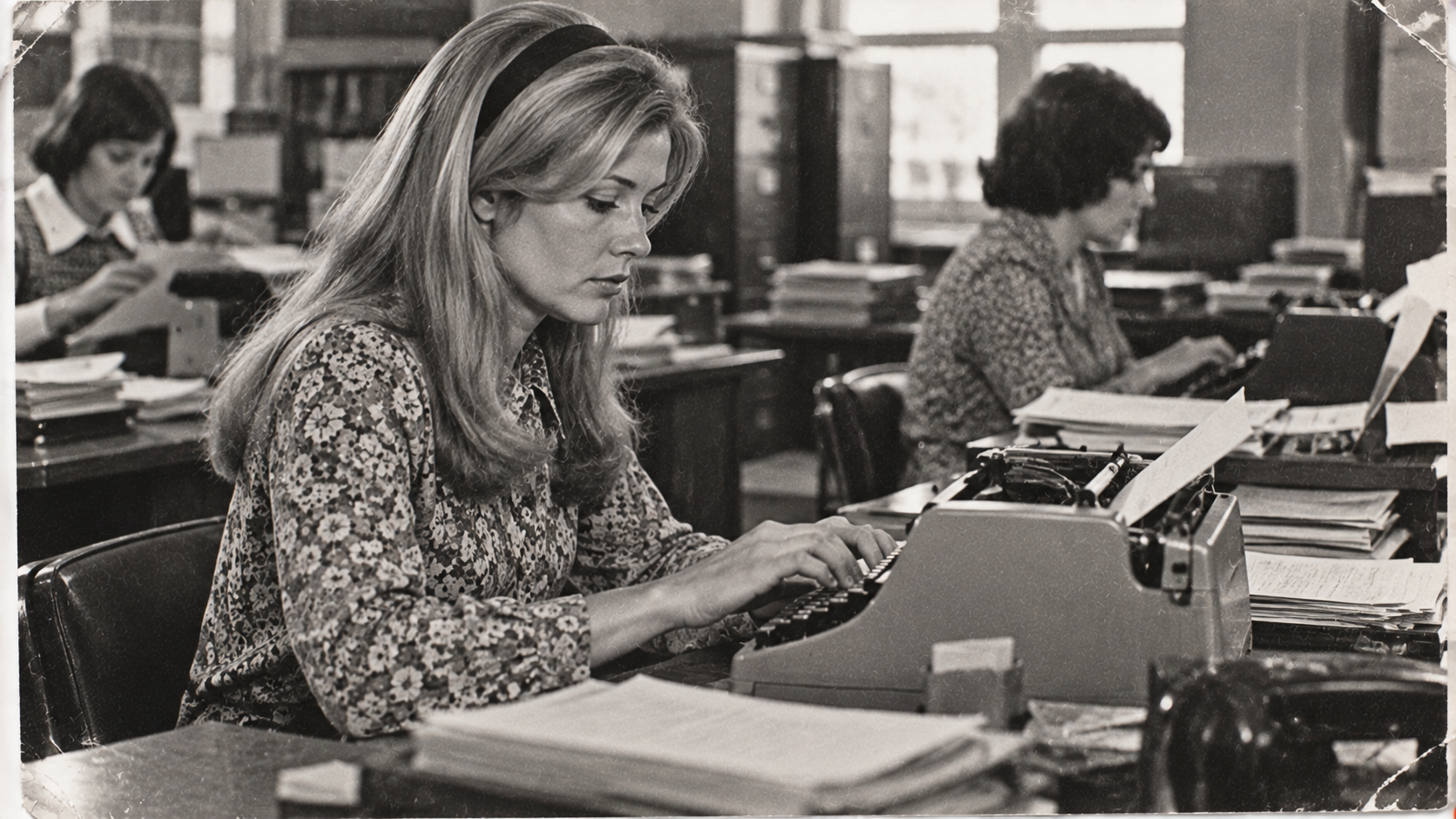
Long before everyone had a computer on their desk, offices depended on professional typists. They turned handwritten notes, dictated letters, reports, and rough drafts into perfectly formatted pages. A mistake could mean correction fluid, an eraser, or sometimes starting the entire page again.
3. Milkman
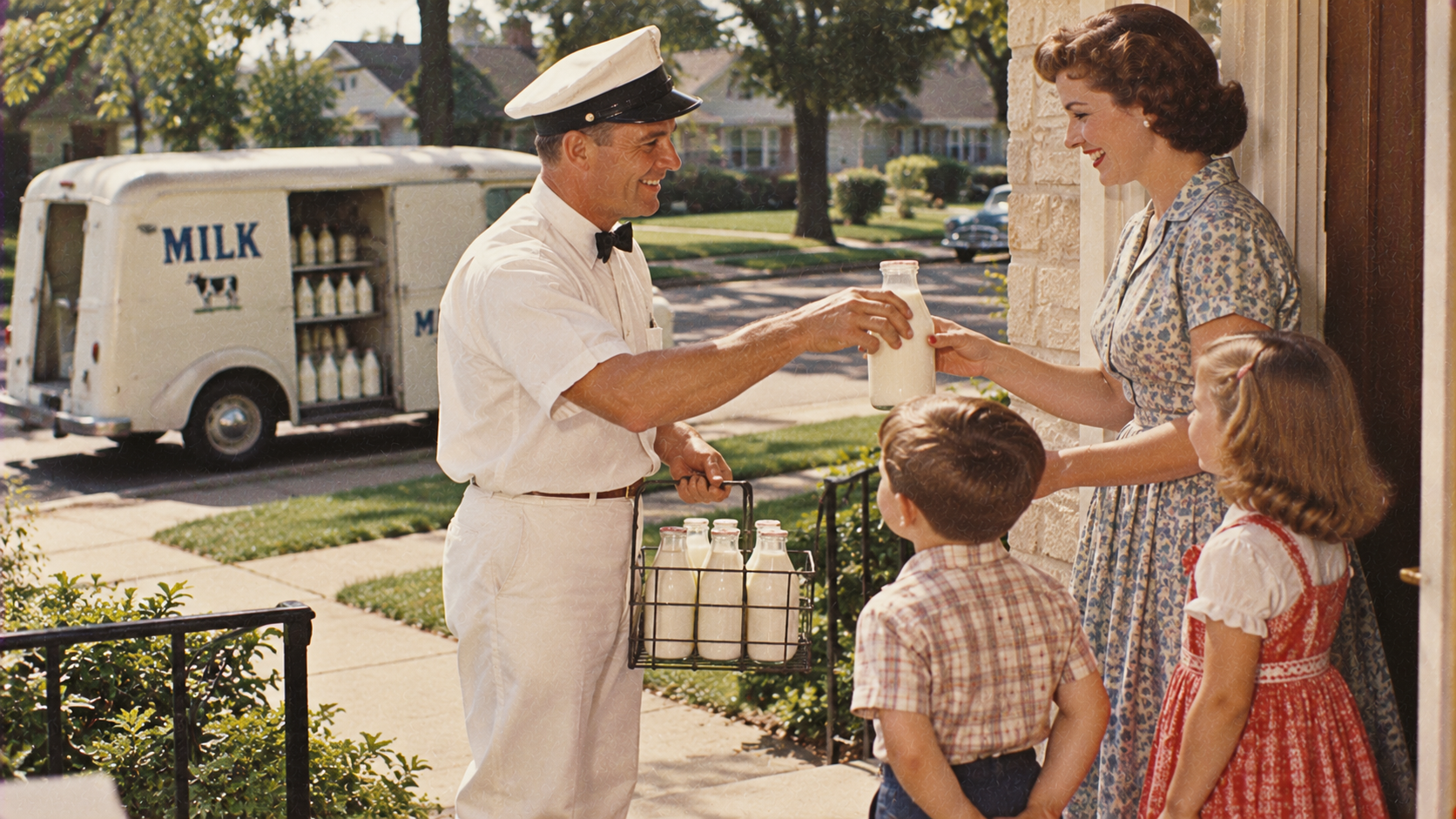
For many families, opening the front door in the morning and finding fresh bottles of milk waiting outside was completely ordinary. Milkmen followed neighborhood routes, collecting empty glass bottles and replacing them with fresh milk, cream, butter, and sometimes eggs. Supermarkets and home refrigeration eventually made the ritual much less common.
4. Elevator Operator
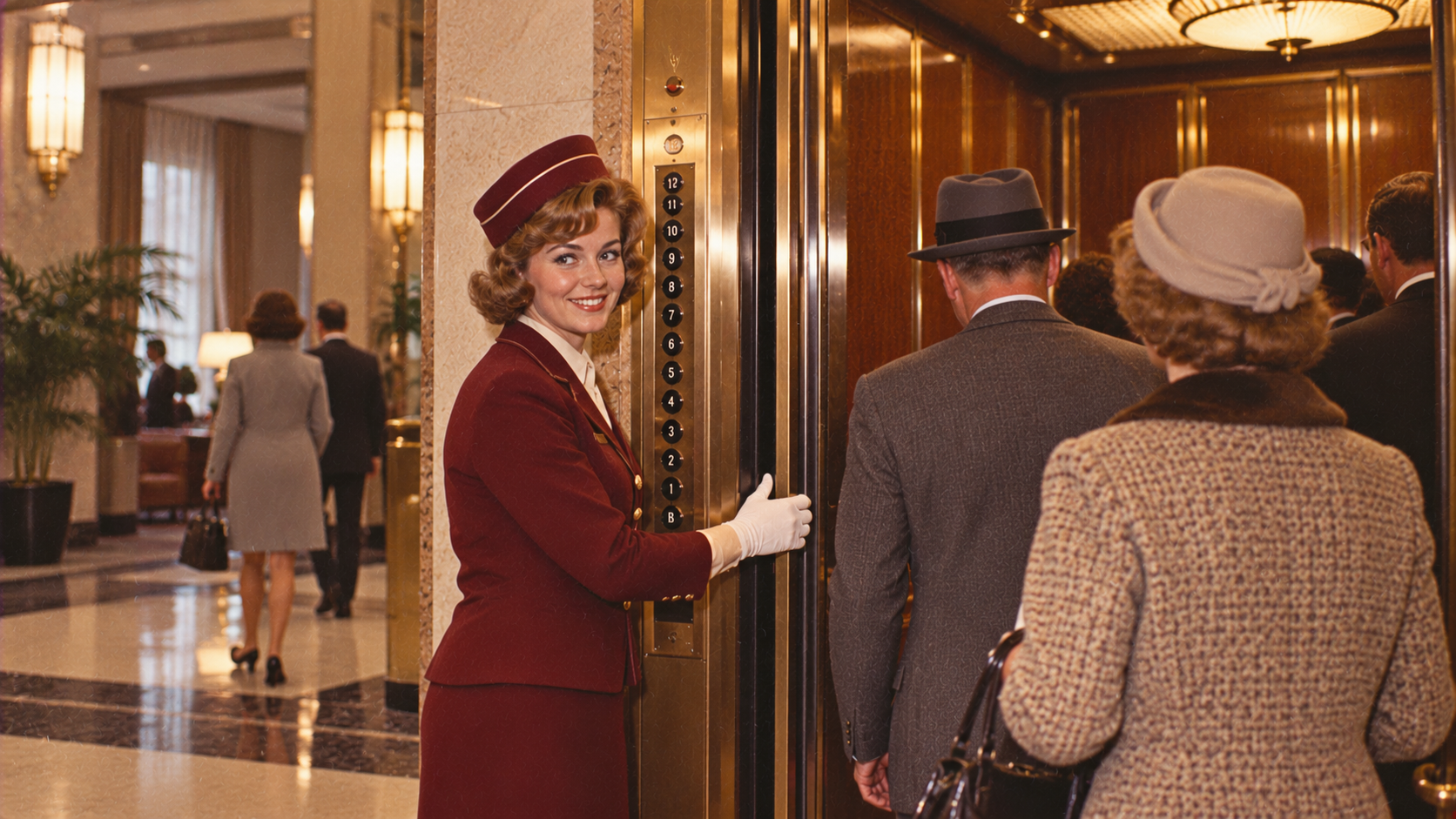
There was a time when stepping into an elevator often meant being greeted by an employee in uniform. Elevator operators opened and closed the doors, controlled the car, announced floors, and sometimes even remembered where regular customers were headed. Automatic elevators quietly turned this once-familiar job into a rarity.
5. Door-to-Door Salesman
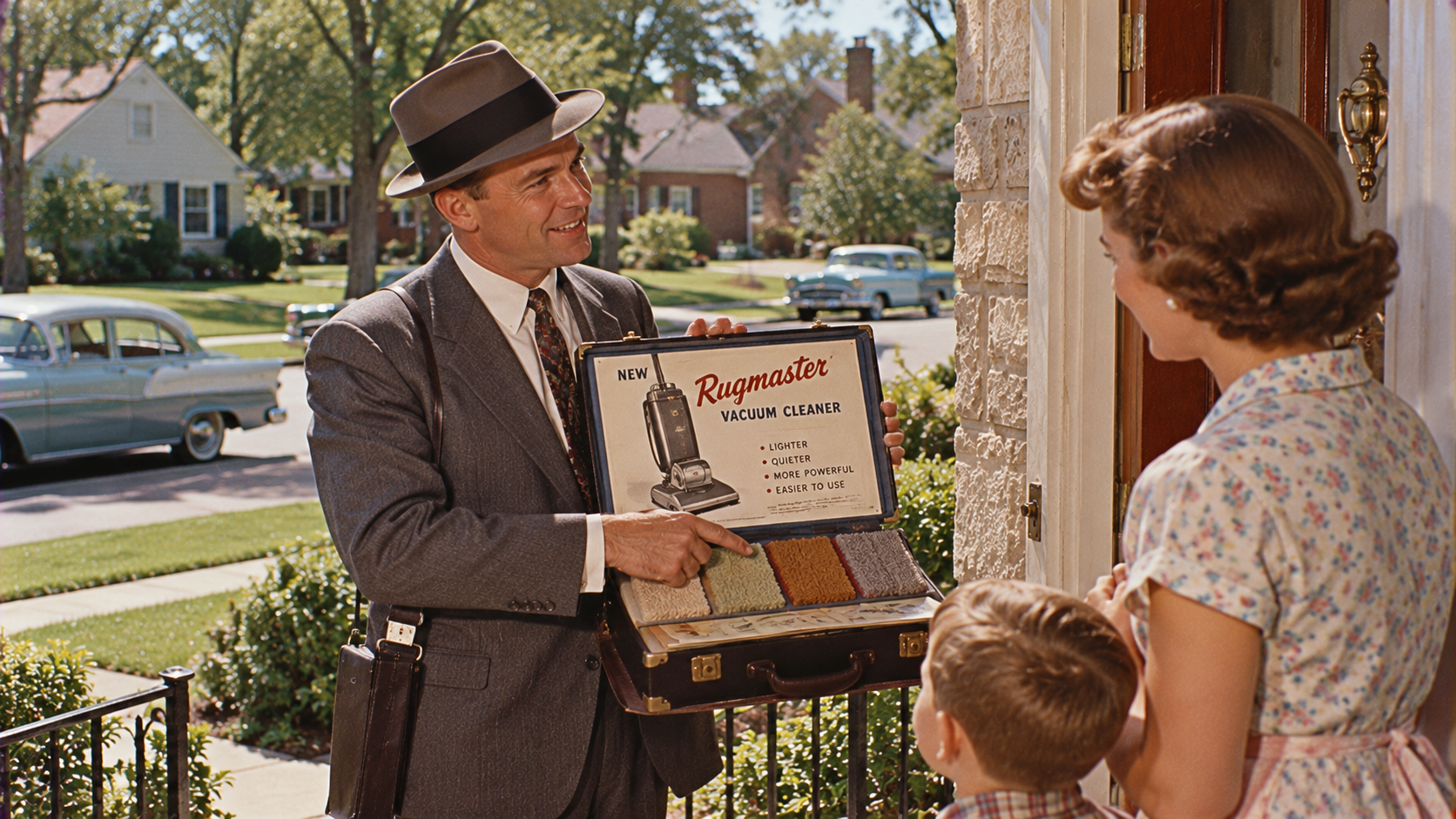
Vacuum cleaners, encyclopedias, kitchen products, cosmetics, and countless other goods once arrived at the front door with a salesperson attached. Door-to-door selling required patience, personality, and a willingness to hear “no” all afternoon. For many households, though, these visits were simply another part of neighborhood life.
Trending on Wealth Gang

6. Gas Station Attendant
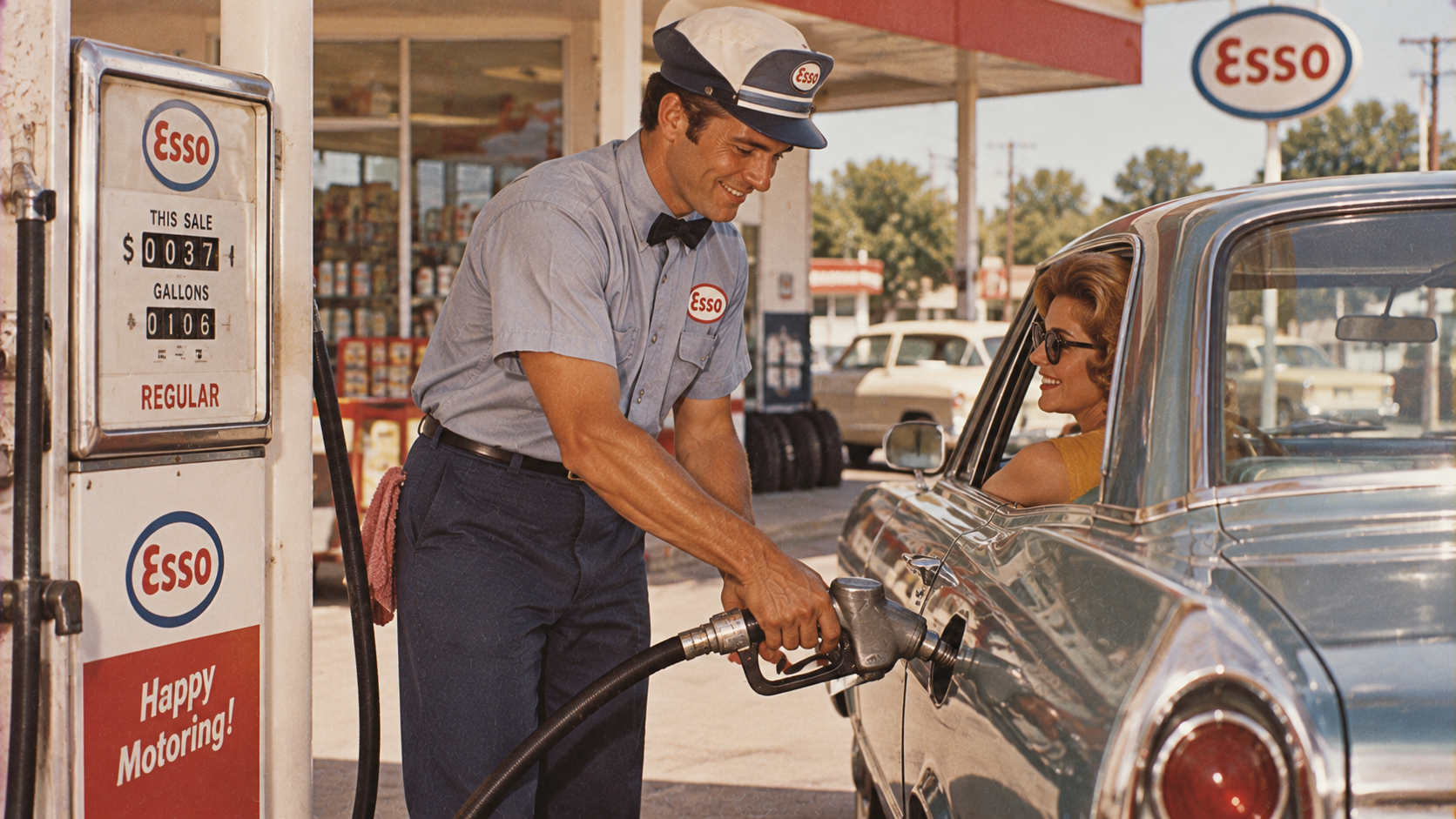
Pulling into a gas station once meant staying comfortably behind the wheel. An attendant would fill the tank, clean the windshield, check the oil, and sometimes inspect the tires before taking payment. Self-service stations gradually changed the experience, along with a job that generations of young workers once knew well.
7. Department Store Sales Clerk
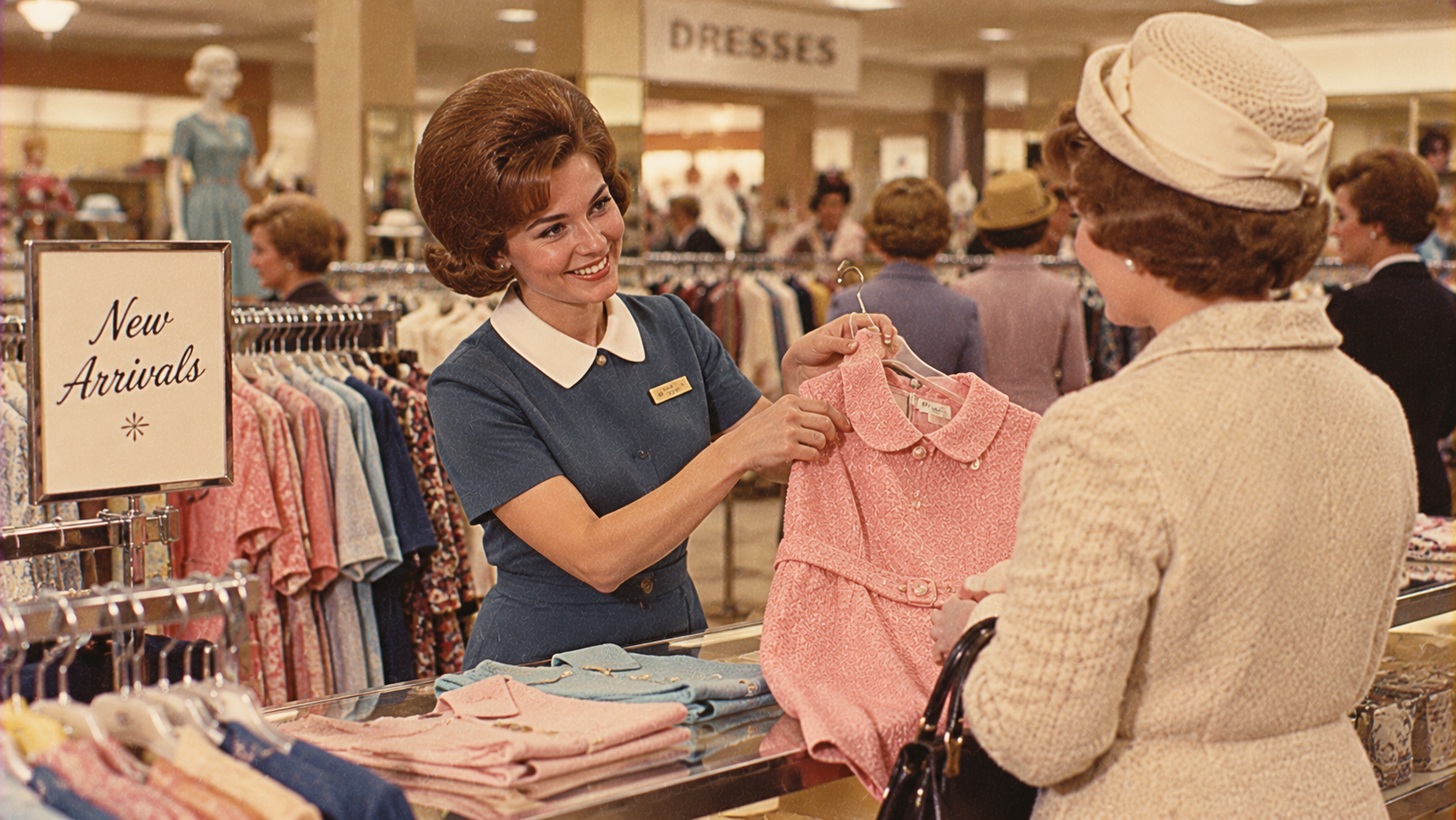
Old department stores were filled with employees who knew their sections almost as well as their own homes. Customers could ask about sizes, fabrics, appliances, gifts, or household goods and expect personal assistance. Shopping felt slower and more service-oriented, and the sales clerk was an important part of the experience.
8. Newspaper Delivery Person
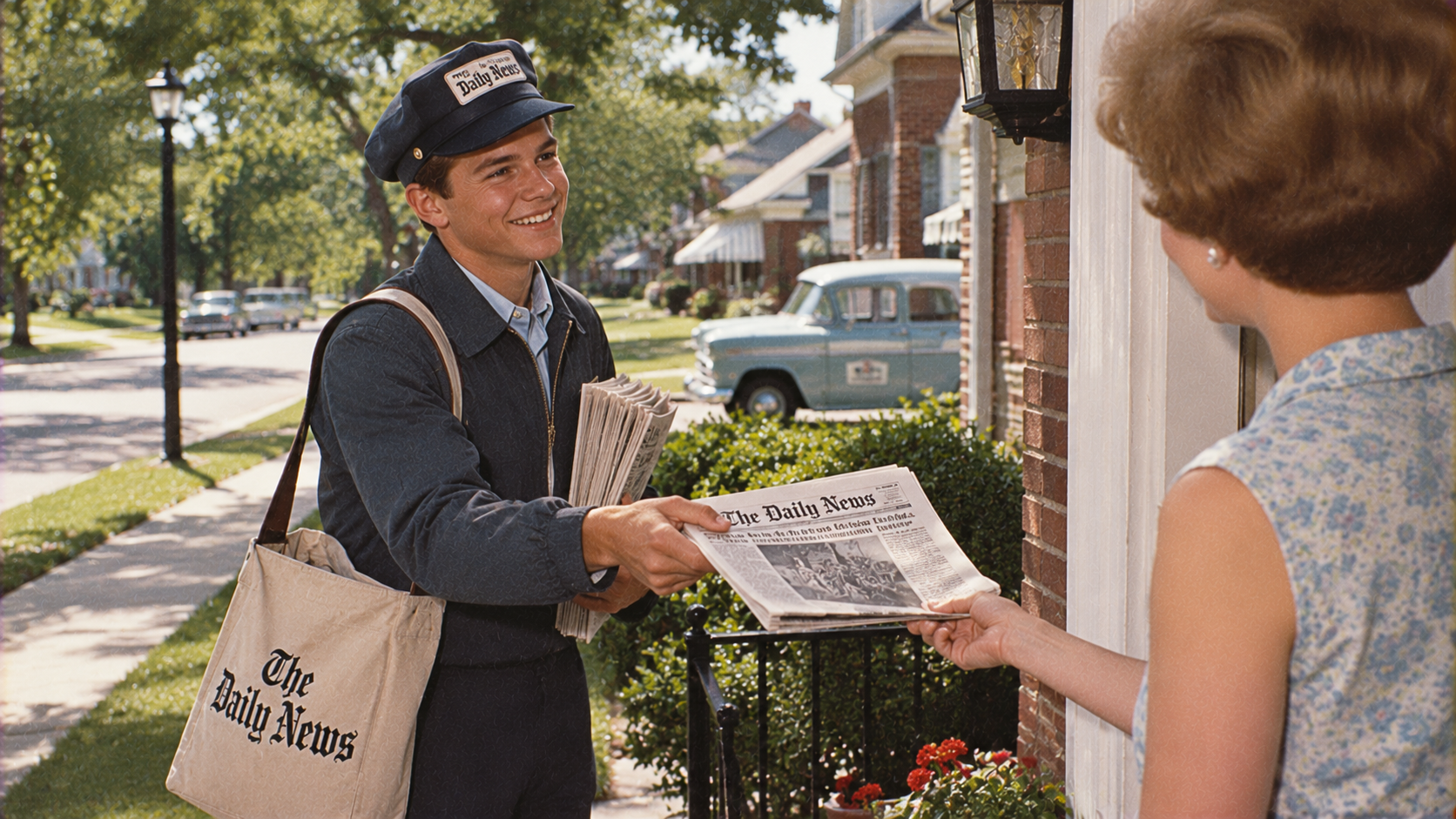
Before news appeared instantly on a phone screen, millions of households expected a newspaper on the doorstep every morning or afternoon. Delivery routes were especially common jobs for teenagers, who learned exactly which porch, mailbox, or front step belonged to each subscriber. The sound of a paper landing outside was practically an alarm clock of its own.
Sign up for our newsletter
9. Travel Agent
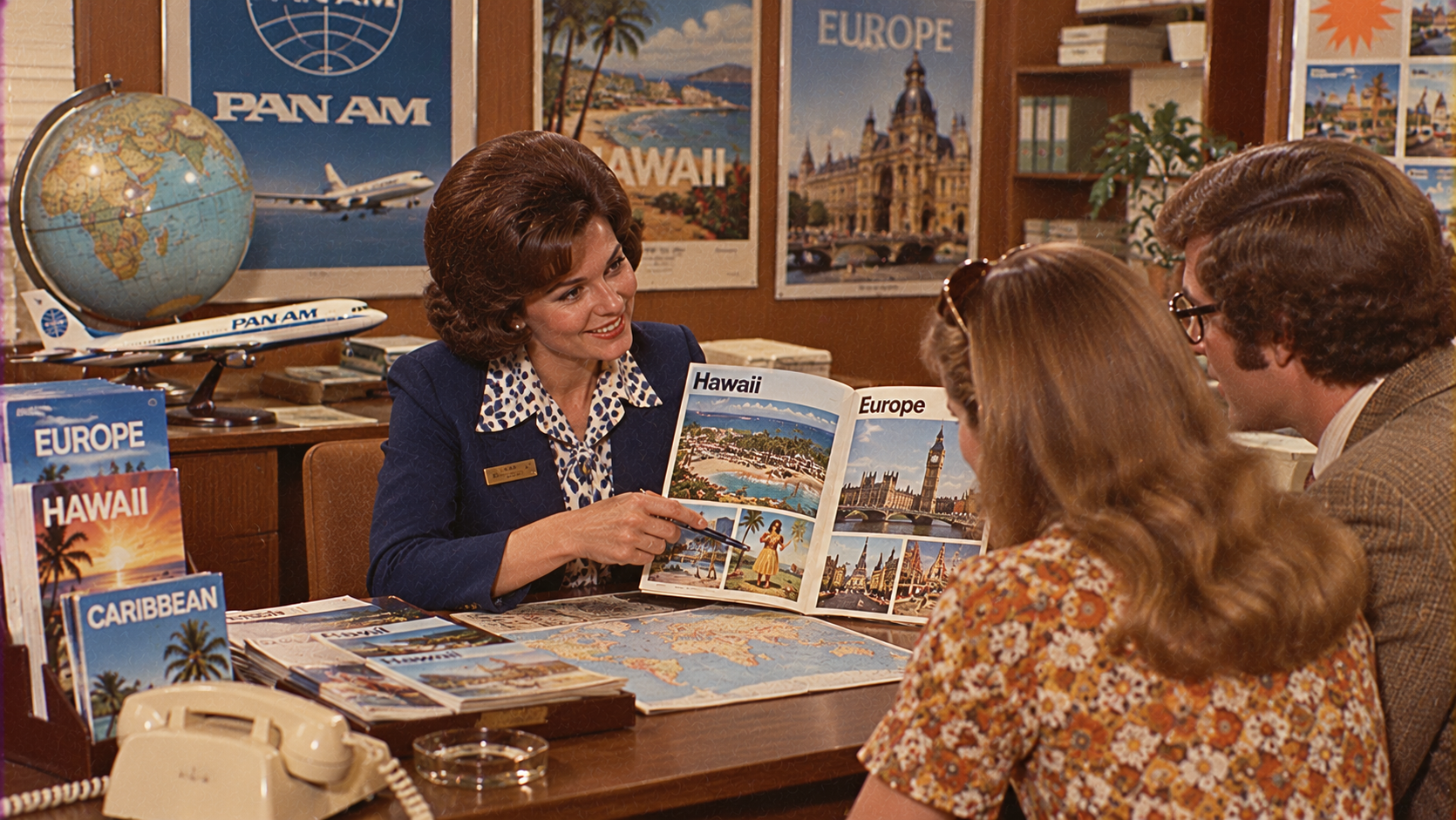
Planning a vacation once meant sitting across a desk from someone surrounded by brochures, airline schedules, maps, and hotel guides. Travel agents arranged flights, accommodations, cruises, and complicated itineraries that couldn’t simply be booked with a few taps. For many families, the vacation really began when those tickets finally arrived.
10. Telephone Repair Technician
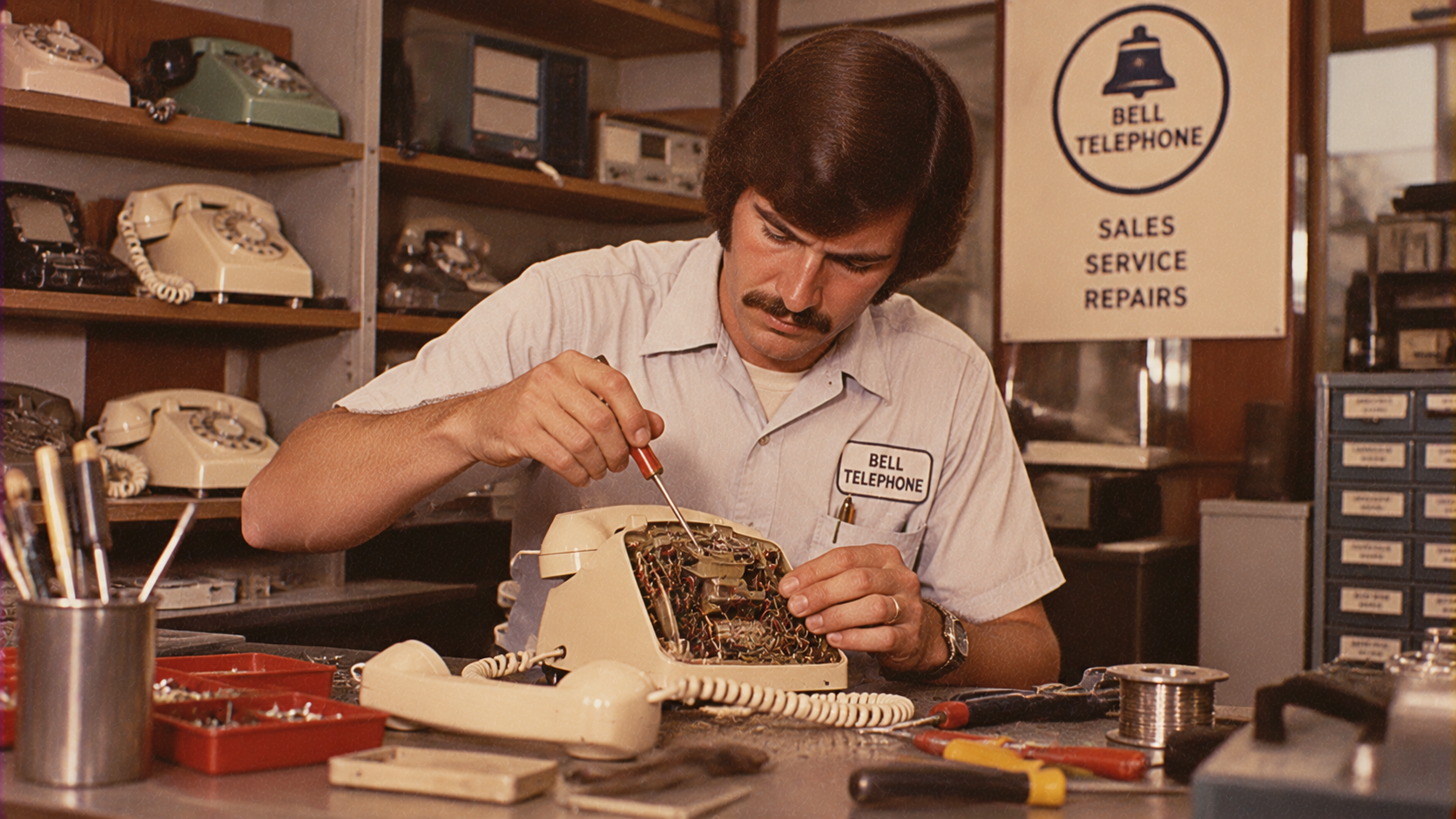
With landline telephones in nearly every home and business, telephone repair technicians were a familiar sight. They climbed poles, traced wires, repaired connections, and showed up when the kitchen phone suddenly stopped working. The enormous shift toward wireless communication has made that particular version of the job far less visible.
11. Film Projectionist
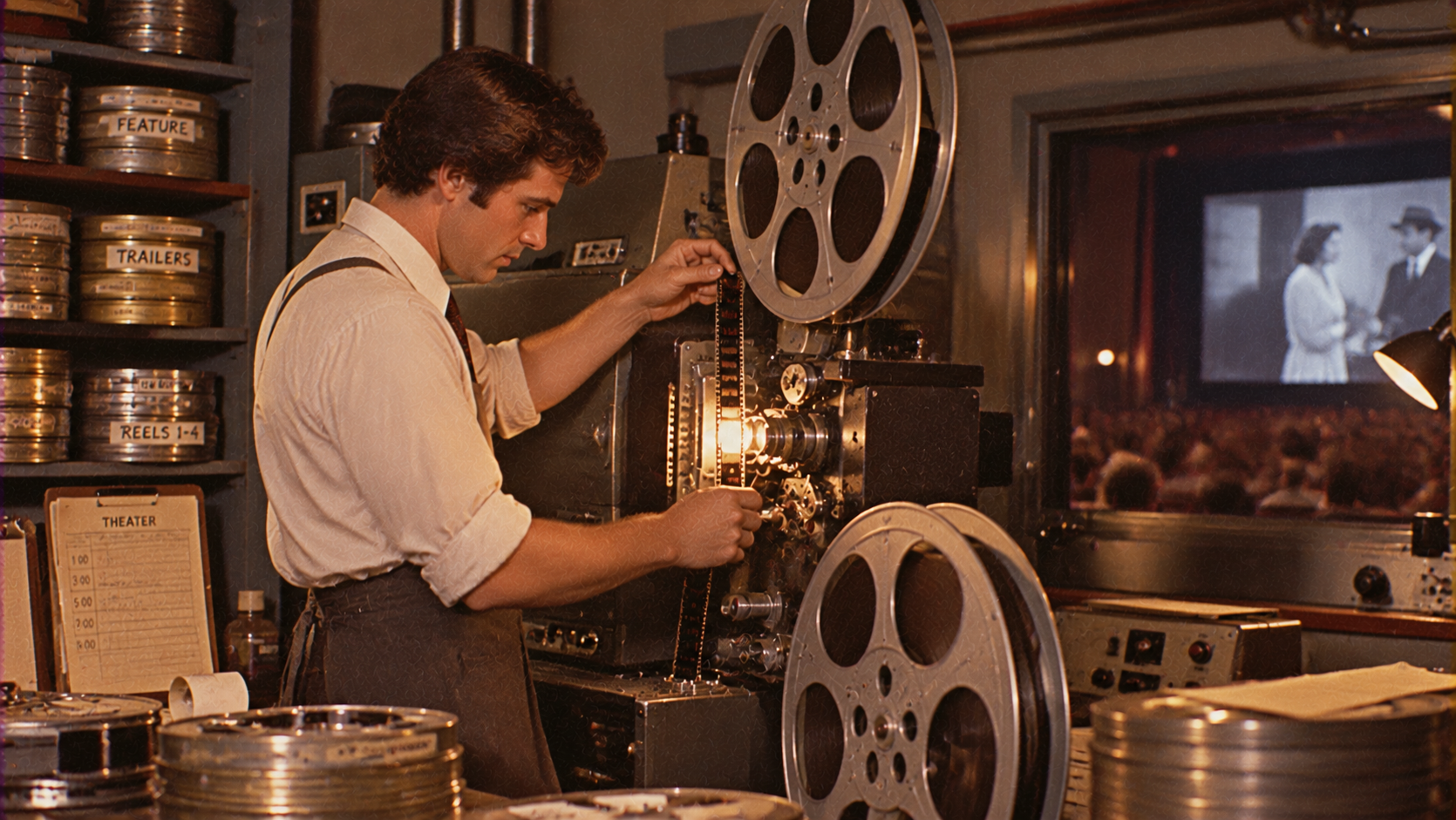
Movie theaters once depended on skilled projectionists working behind the audience in small booths filled with heavy equipment and reels of film. They changed reels, watched for problems, adjusted focus, and made sure the movie kept moving without interruption. Most viewers barely noticed them, which usually meant they were doing their job perfectly.
12. Bank Teller
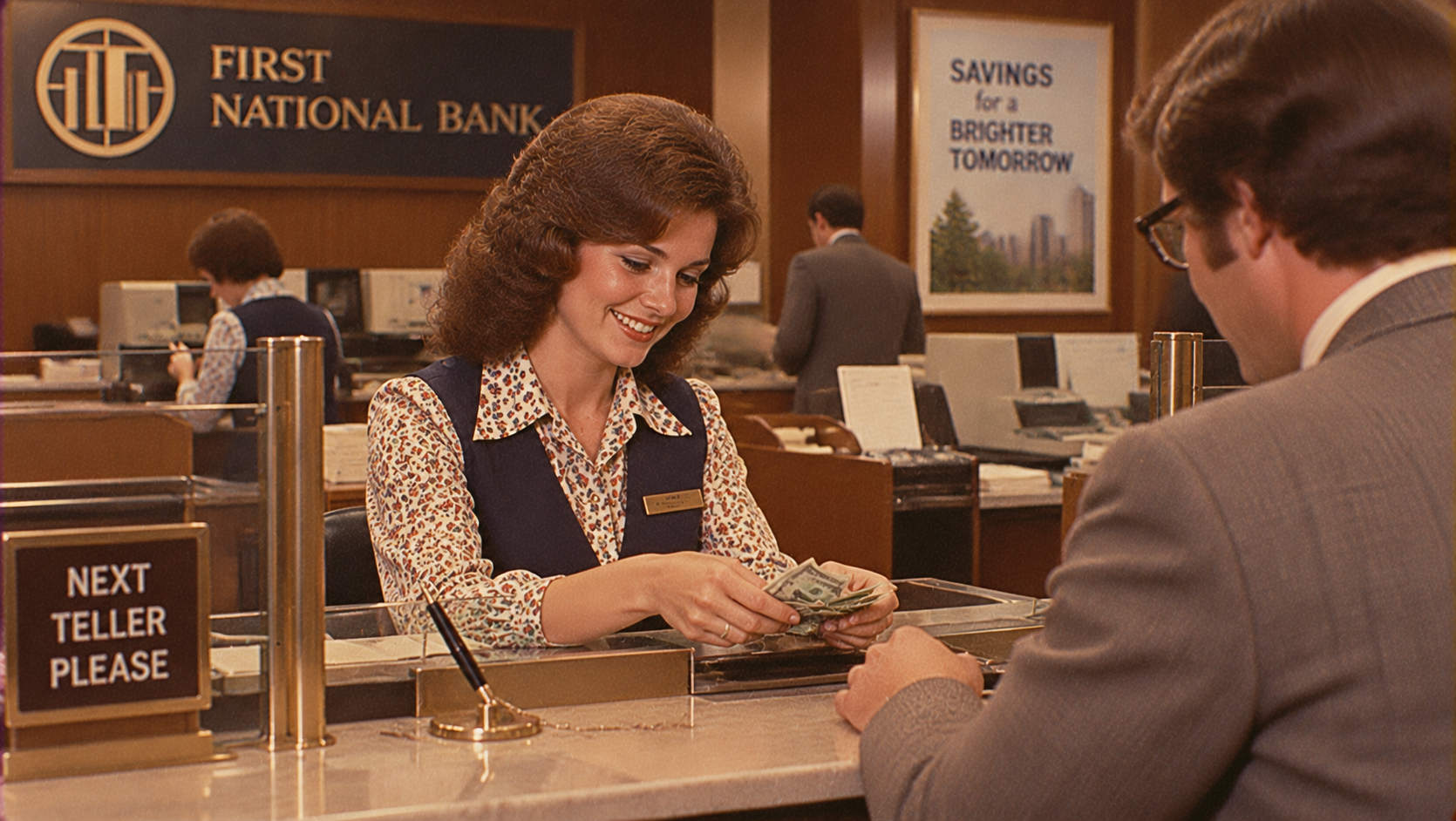
Walking into a bank once meant waiting in line for a teller because there weren’t many other options. Deposits, withdrawals, check cashing, and everyday transactions all happened face-to-face across the counter. ATMs, online banking, and mobile apps eventually moved much of that routine work away from the teller window.
13. Keypunch Operator
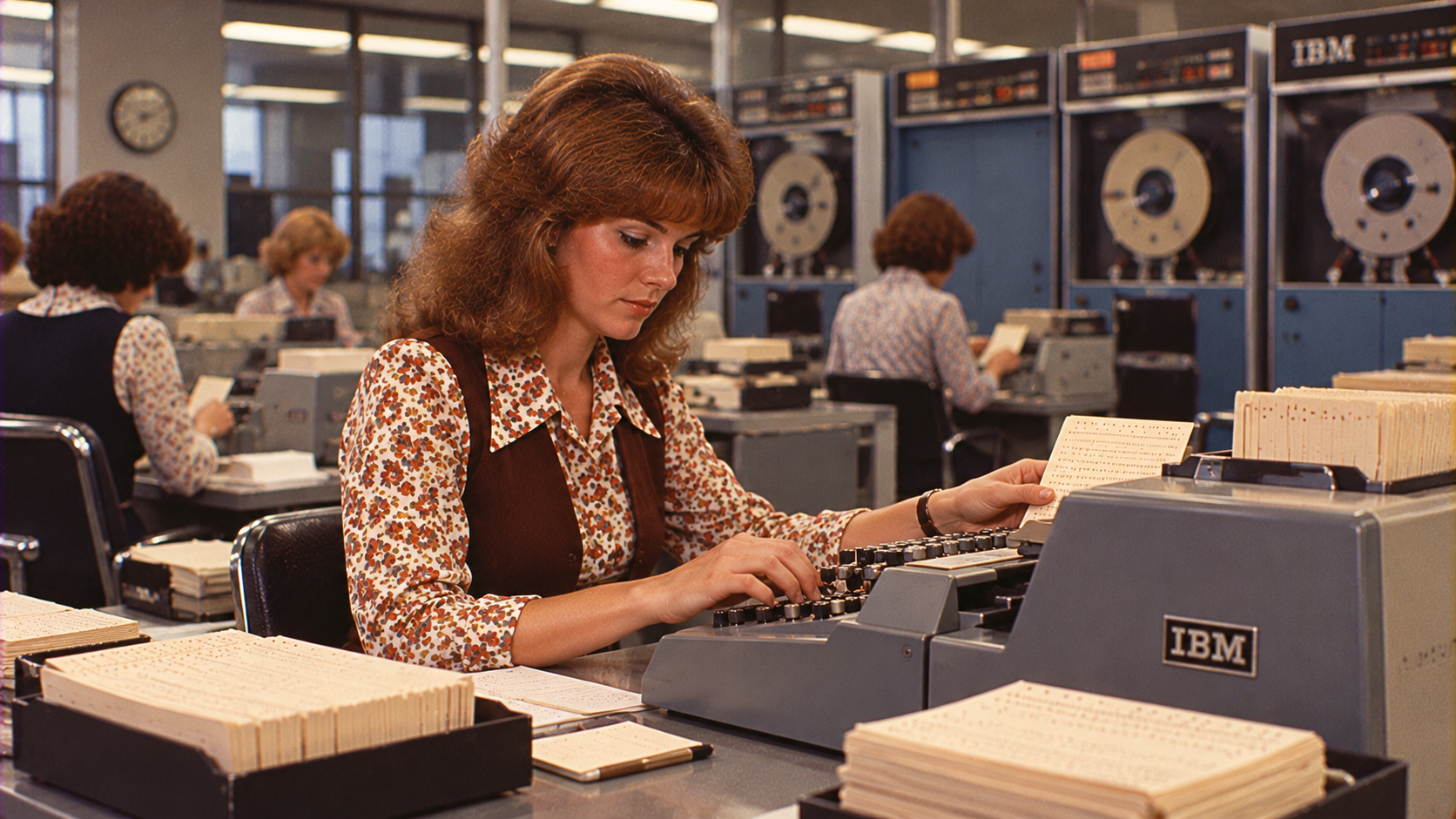
Rows of workers once spent their days turning information into punched cards that computers could process. Keypunch operators entered numbers and other data with specialized machines, producing stacks of cards that represented everything from payroll records to scientific information. It was painstaking work tied to an era when computing occupied entire rooms.
14. Fuller Brush Salesman
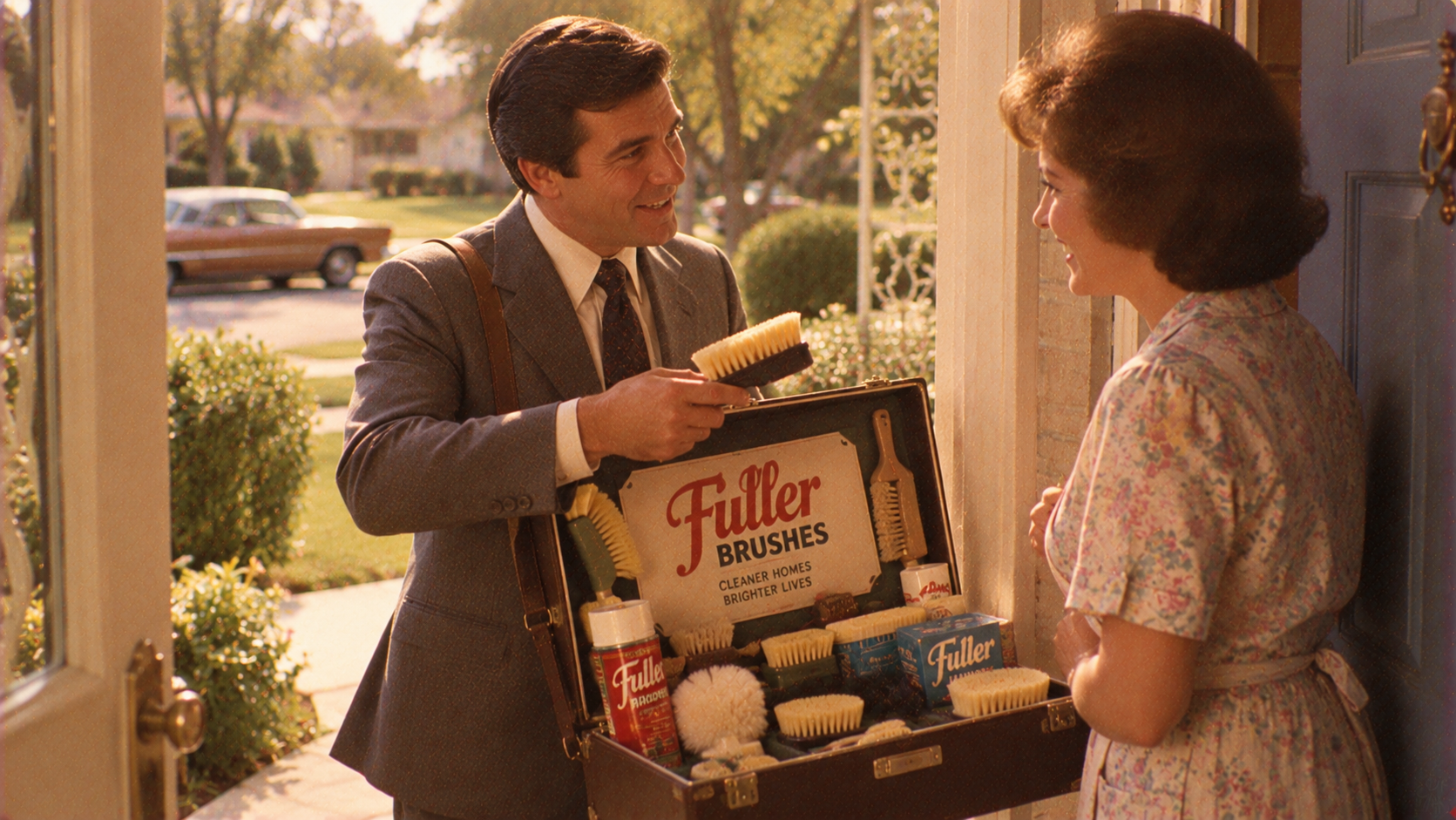
The Fuller Brush salesman became such a familiar figure that the name practically turned into shorthand for door-to-door selling. Carrying brushes and household cleaning products, salesmen traveled from neighborhood to neighborhood demonstrating their merchandise inside customers’ homes. It belonged to a style of shopping built around conversation rather than clicking “add to cart.”
15. Bowling Alley Pinsetter
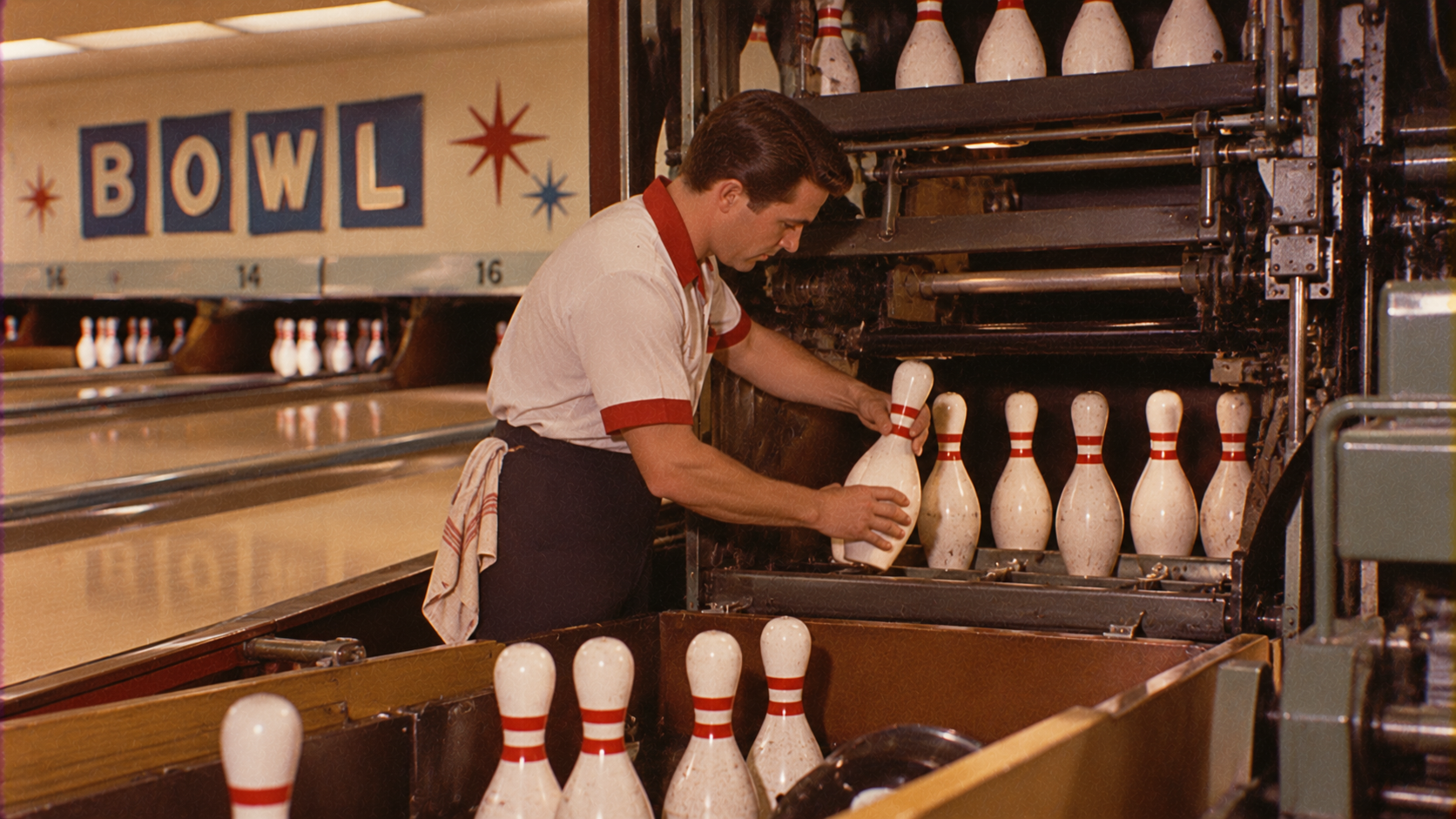
Before automatic machinery became standard, bowling alleys needed people behind the lanes to reset pins and return balls. The work was fast, physical, and mostly invisible to the bowlers enjoying themselves on the other side. Today, it is difficult to imagine a busy bowling alley depending on workers to perform every reset by hand.
16. TV and Radio Repairman
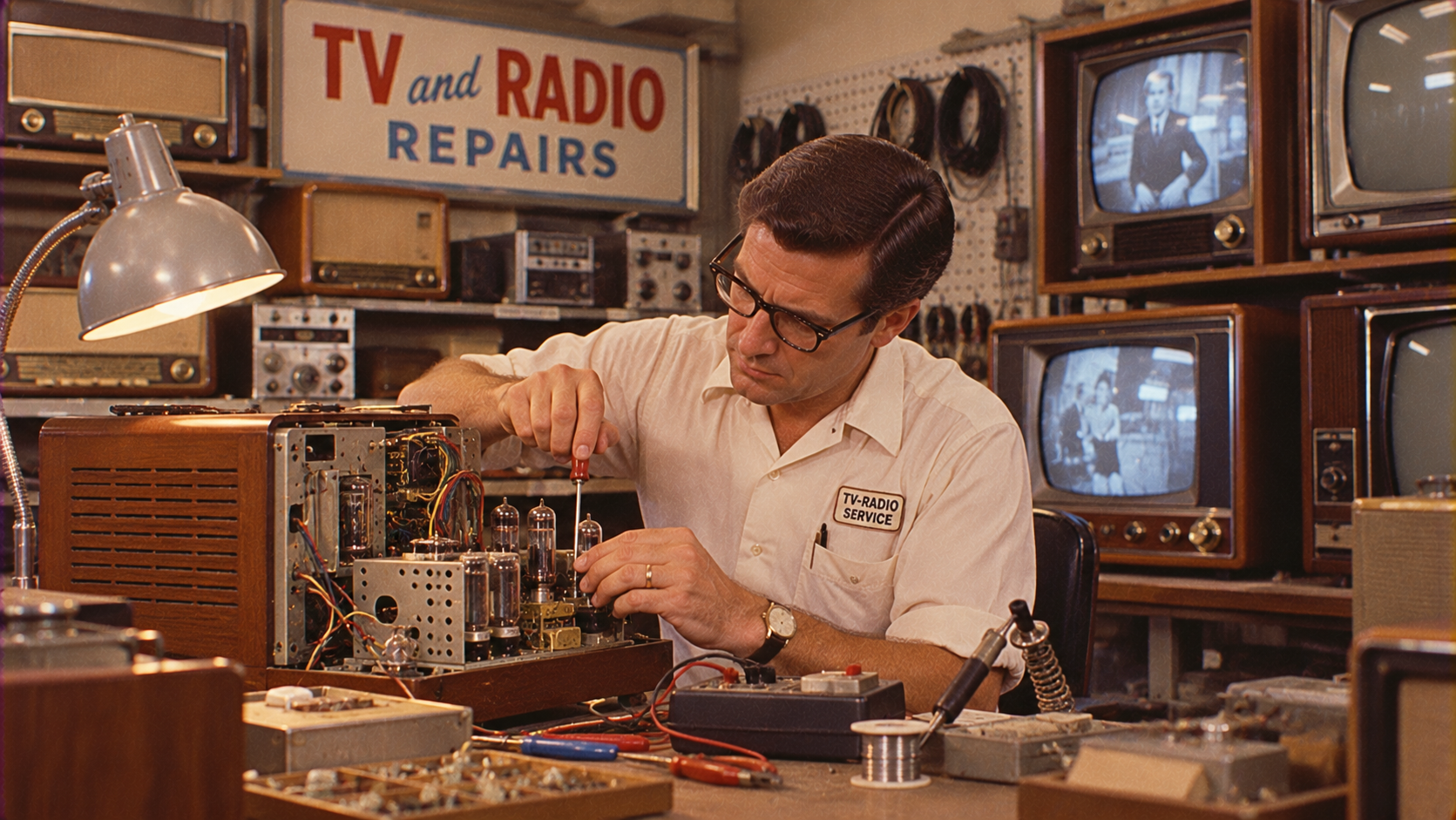
When a television stopped working, families didn’t immediately start shopping for a replacement. They called the repairman. Armed with tubes, tools, and a knowledge of what was happening inside those bulky wooden cabinets, repair technicians could often bring an expensive television or radio back to life. In an era when appliances were expected to be repaired rather than replaced, they were indispensable.
More Related Notes
• 14 Jobs That Disappeared Because of Technology.
Explore once-common occupations that gradually vanished as automation, computers, and new technology transformed the American workplace.
• 14 Jobs That Seem Impossible to Believe Today.
Take a fascinating look at occupations that were once perfectly ordinary but now seem unusual, outdated, or almost impossible to imagine as full-time careers.
• 18 Office Photos That Show How Much the Workplace Has Changed.
Revisit American workplaces from decades past and see how changing technology, office routines, and job responsibilities reshaped everyday working life.