The modern office would look almost unrecognizable to someone who worked behind a desk several decades ago. Before laptops, video calls, and instant messages, offices were filled with typewriters, filing cabinets, ringing telephones, and enormous machines dedicated to tasks that now take seconds.
Old workplace photos capture more than outdated technology. They reveal changing dress codes, office layouts, workplace habits, and even ideas about who performed certain jobs. From crowded typing pools to cubicle farms, these scenes show just how dramatically everyday office life has evolved.
1. Typing Pools Filled Entire Rooms
Large offices once had dedicated typing pools where rows of typists produced letters, reports, and other documents on mechanical typewriters. The work was frequently performed by women, and by 1921 more than 92 percent of typists in the United States were female. The sight and constant sound of dozens of typewriters operating at once was a normal part of office life.
2. Desks Were Covered in Paper
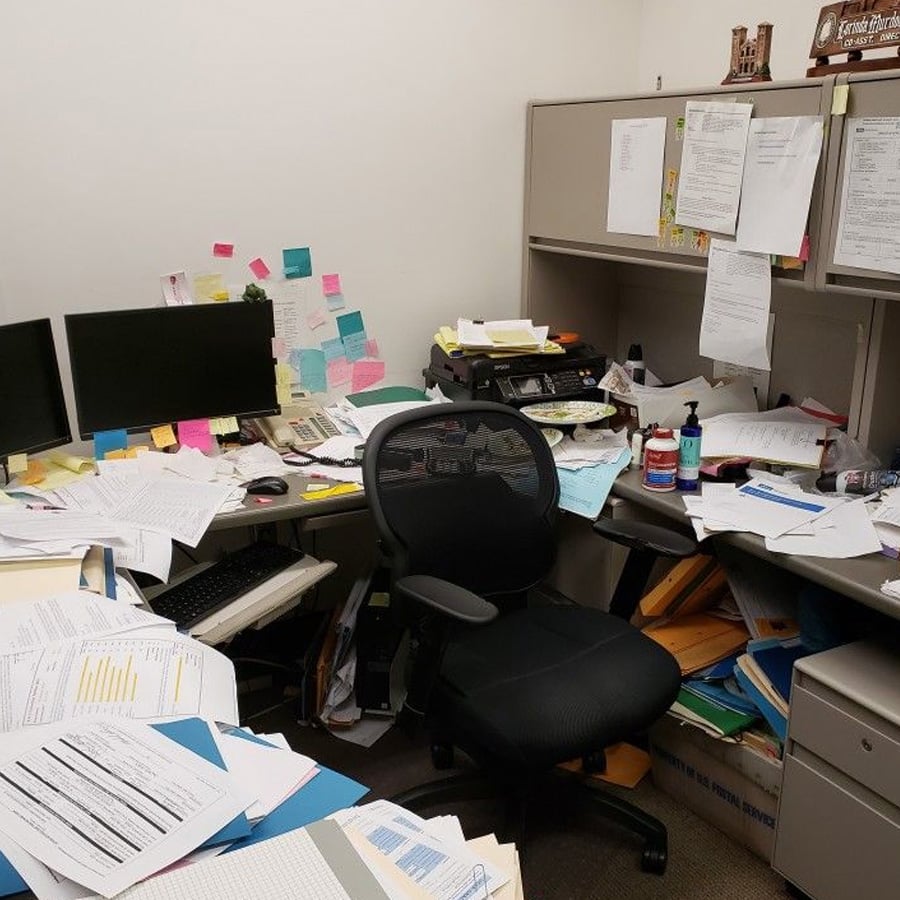
Before digital documents became standard, virtually everything generated by an office existed on paper. Desks could disappear beneath letters, invoices, forms, memos, notebooks, and folders, while filing cabinets occupied huge portions of the workplace. Today, thousands of those documents can fit on a laptop or cloud storage account.
3. Smoking at a Desk Was Completely Normal
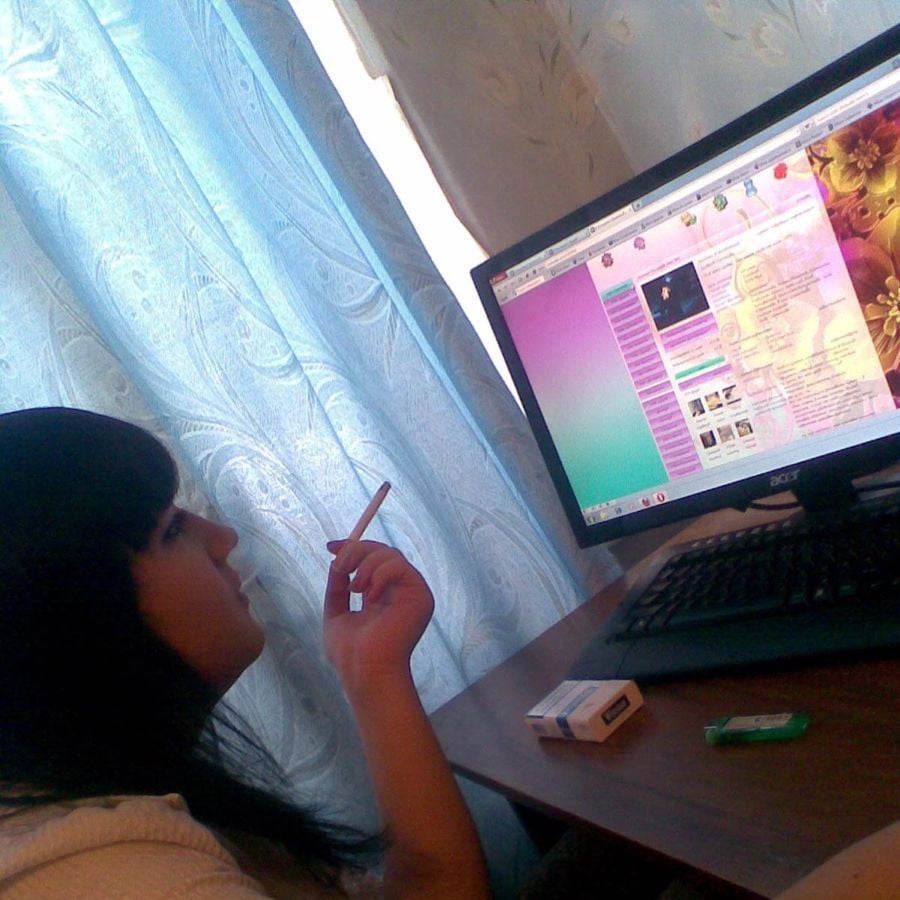
Vintage office photographs regularly show employees smoking cigarettes while working, sometimes with ashtrays sitting directly beside paperwork and telephones. Images from mid-century newsrooms and corporate offices can seem especially strange today, when indoor workplace smoking is heavily restricted or prohibited in many places.
4. Offices Had Enormous Filing Systems
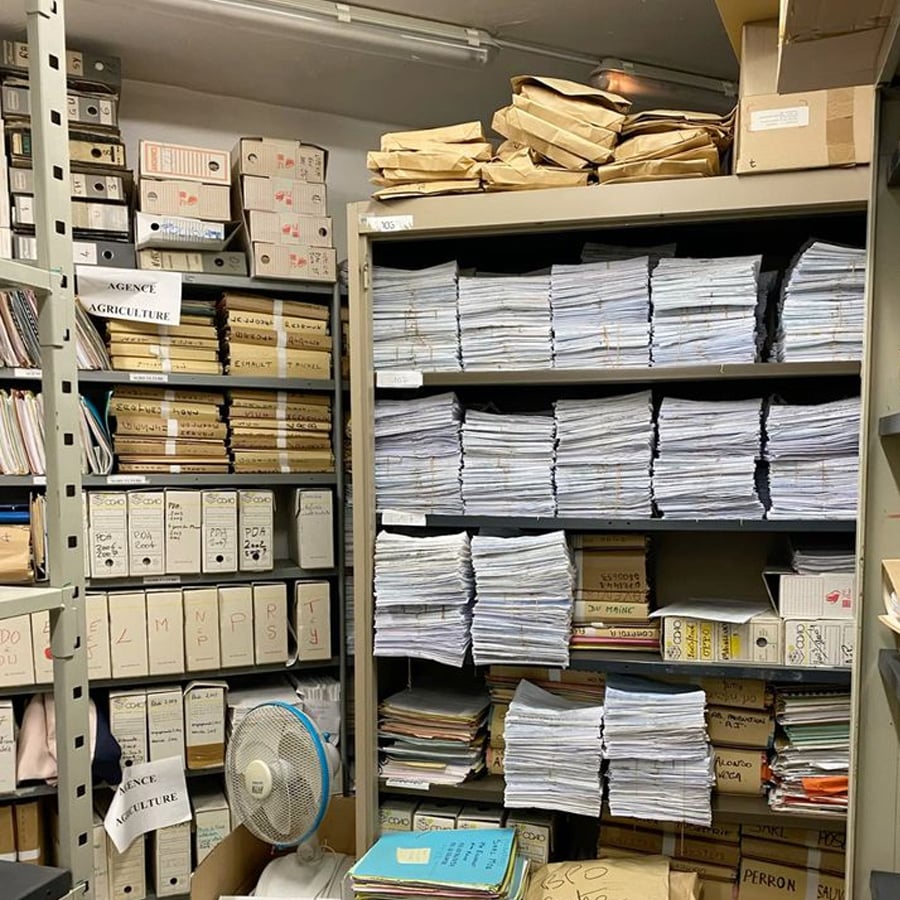
Companies needed physical storage for contracts, employee records, customer information, correspondence, and financial documents. That meant walls of filing cabinets and entire records rooms staffed by employees responsible for organizing and retrieving paperwork. Searchable digital databases have eliminated much of that physical infrastructure.
5. Everyone Had a Desk Telephone
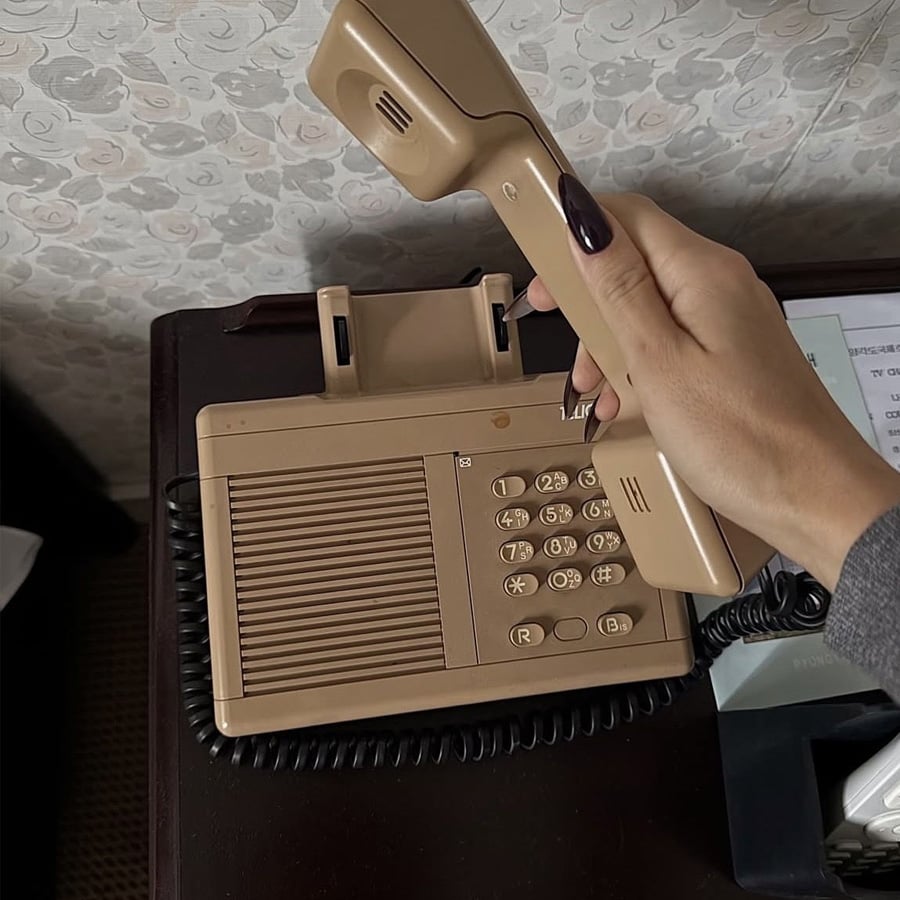
The office telephone was once one of the most important pieces of equipment on a worker’s desk. Employees relied on landlines, switchboards, extensions, and handwritten phone messages to communicate. Mobile phones, email, messaging platforms, and video conferencing eventually absorbed many of those functions.
Trending on Wealth Gang
6. Calculations Required Dedicated Machines
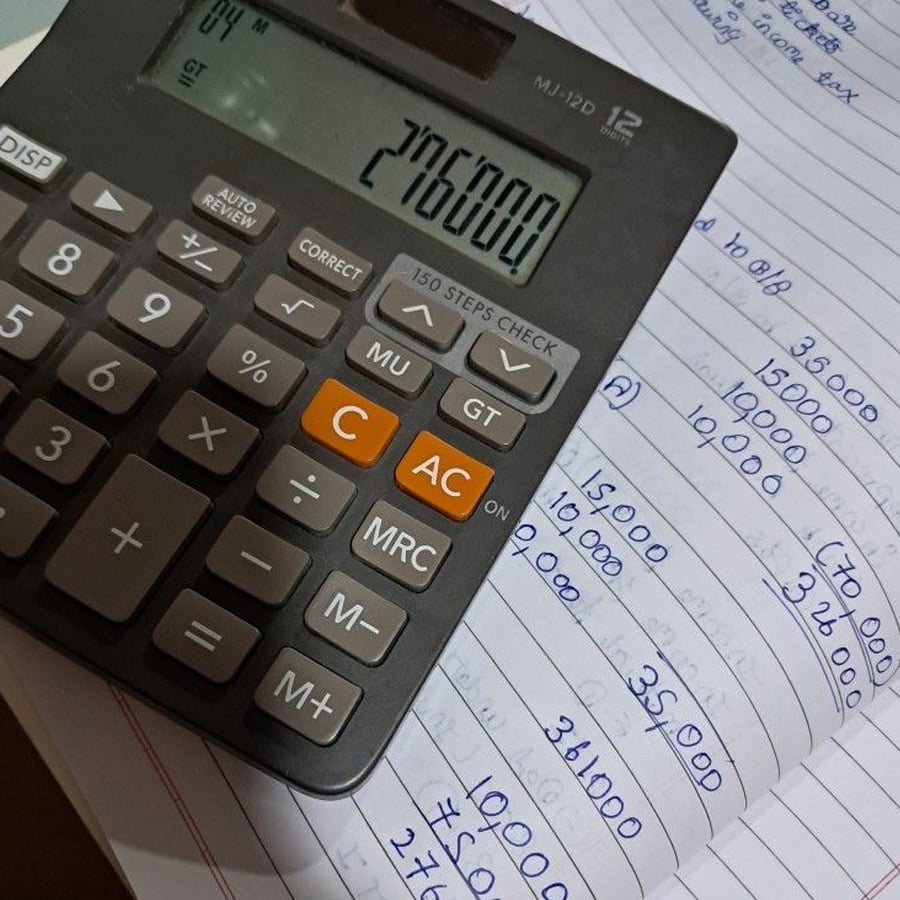
Long before spreadsheet software, offices relied on mechanical and electronic adding machines and calculators. Accounting departments could contain rows of employees entering numbers into bulky machines that performed tasks now handled instantly by software. The equipment alone could take up a significant portion of a desk.
7. Dress Codes Were Much More Formal
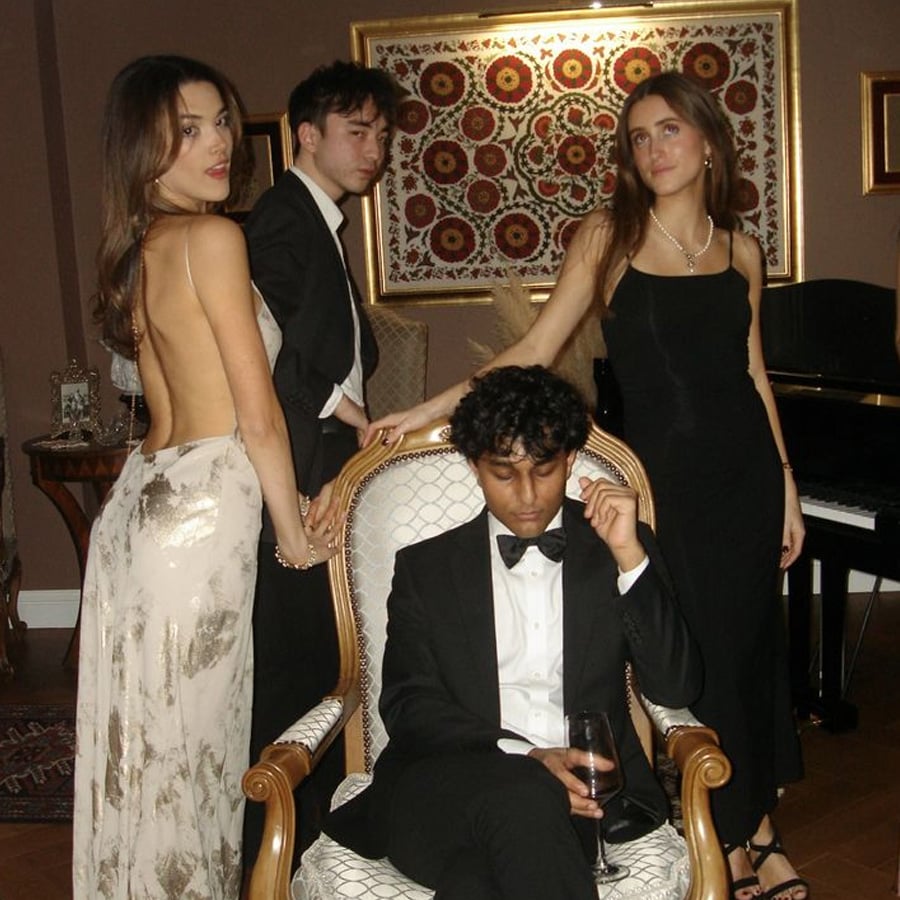
Historical office photos frequently show men working in suits and ties while women wore dresses, skirts, or similarly formal business clothing. Even employees spending the entire day behind a desk were expected to maintain a polished appearance. Many modern workplaces have shifted toward business casual clothing or even jeans and sneakers.
8. Secretaries Managed Mountains of Correspondence
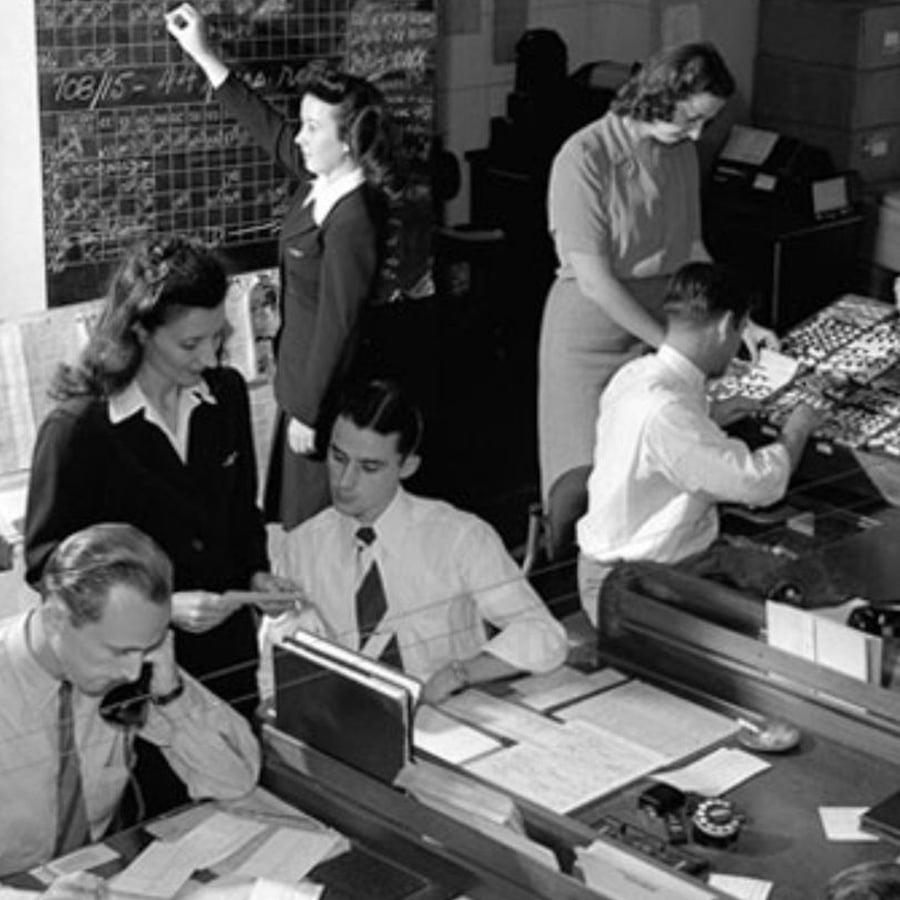
Administrative work once involved physically opening mail, typing letters, organizing schedules, taking dictation, answering telephones, and filing documents. Secretarial roles became particularly important as offices expanded during the 20th century, and typing and shorthand were commonly taught as professional business skills.
Sign up for our newsletter
9. Copying Documents Was a Much Bigger Job
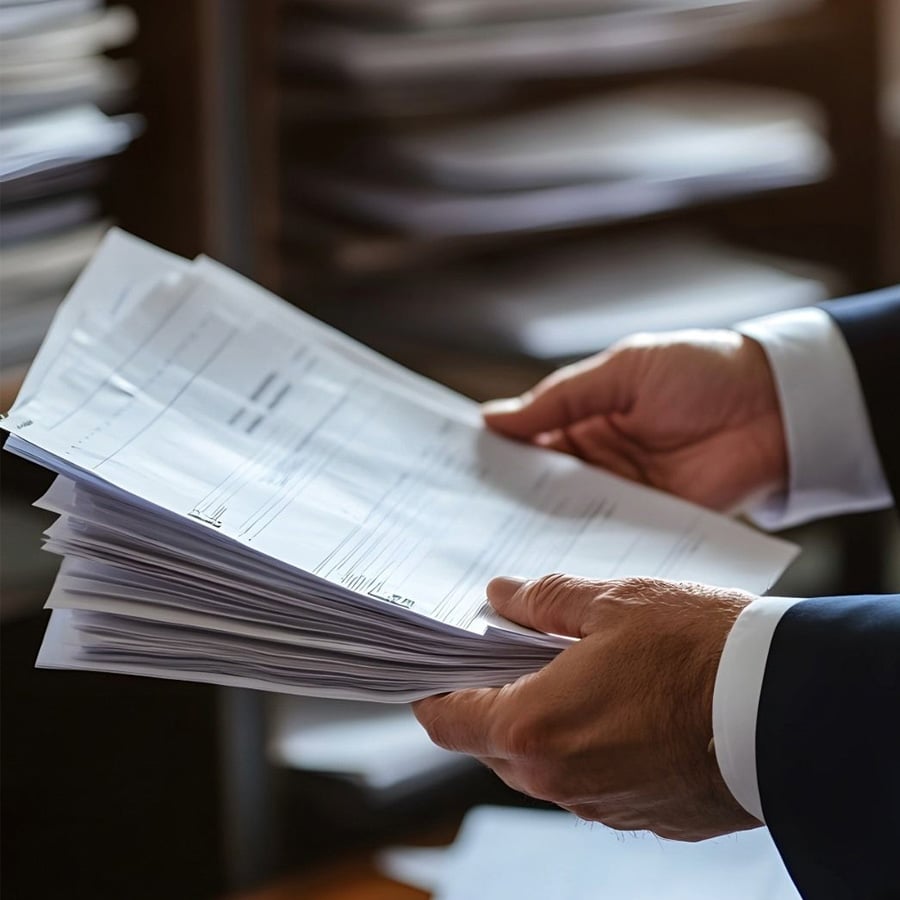
Producing multiple copies of a document was not always as simple as pressing a button. Offices relied on carbon paper, mimeographs, duplicating machines, and eventually photocopiers. As copying technology improved, machines that once seemed revolutionary gradually became ordinary fixtures in workplace copy rooms.
10. Cubicle Farms Took Over Corporate Offices
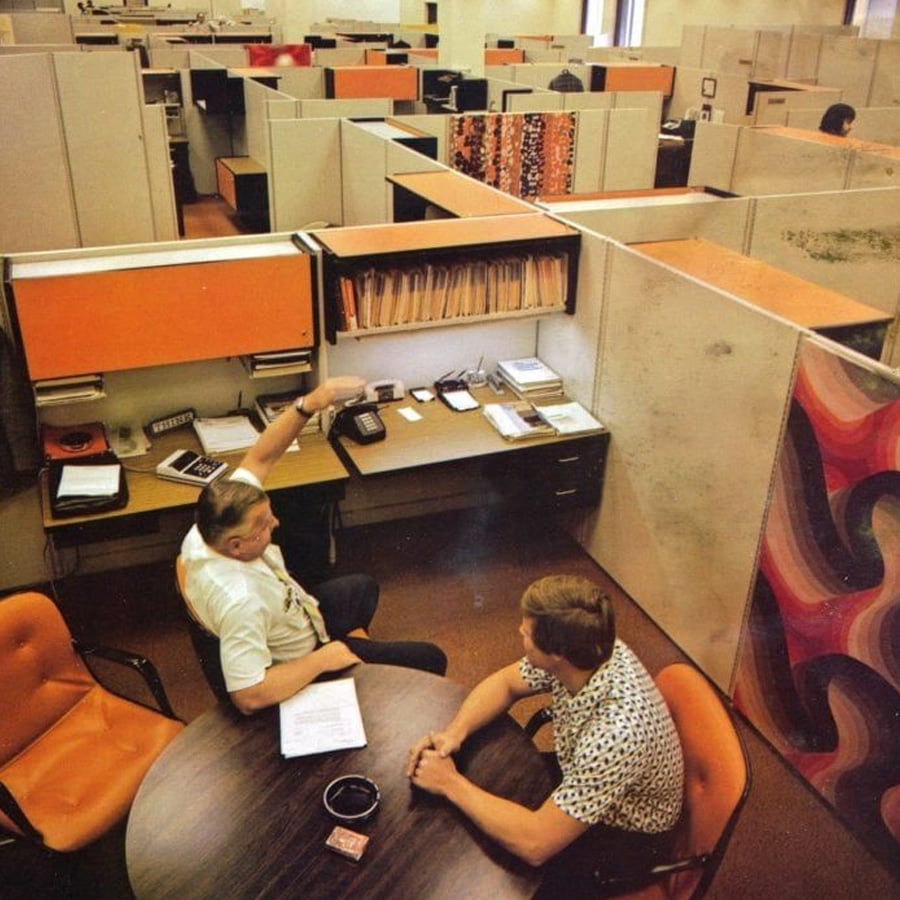
The cubicle became one of the defining symbols of late-20th-century corporate life. Robert Propst’s original Action Office concept was intended to create flexible, adaptable workspaces, but companies eventually packed increasingly small workstations together to maximize office space. The result was the infamous “cubicle farm.”
11. Early Computers Were Massive
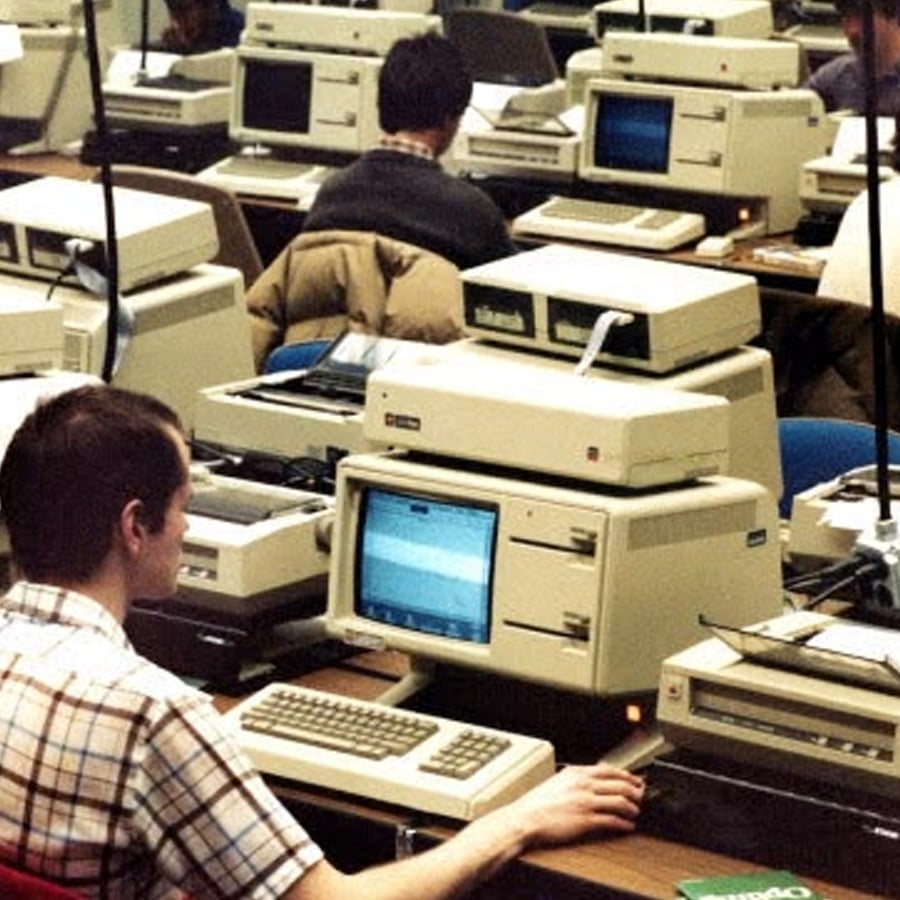
When computers began appearing in offices, they looked nothing like today’s thin laptops. Early systems could require large monitors, terminals, specialized desks, and sometimes dedicated rooms. As computers became smaller and more powerful, they gradually replaced numerous other pieces of office equipment.
12. Word Processors Felt Revolutionary
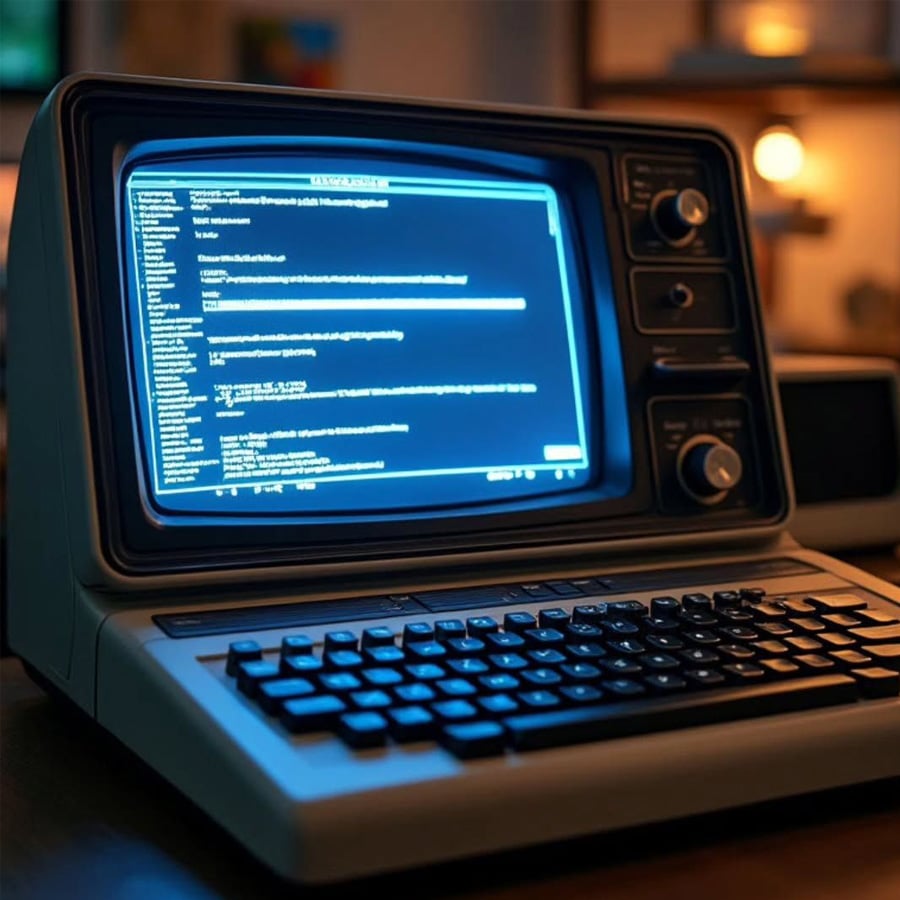
The arrival of electronic word processing transformed clerical work during the 1970s and 1980s. Documents could suddenly be edited without completely retyping a page, although early systems were often bulky and expensive. The technology helped establish the computer as the central tool of the modern office.
13. Fax Machines Were Essential
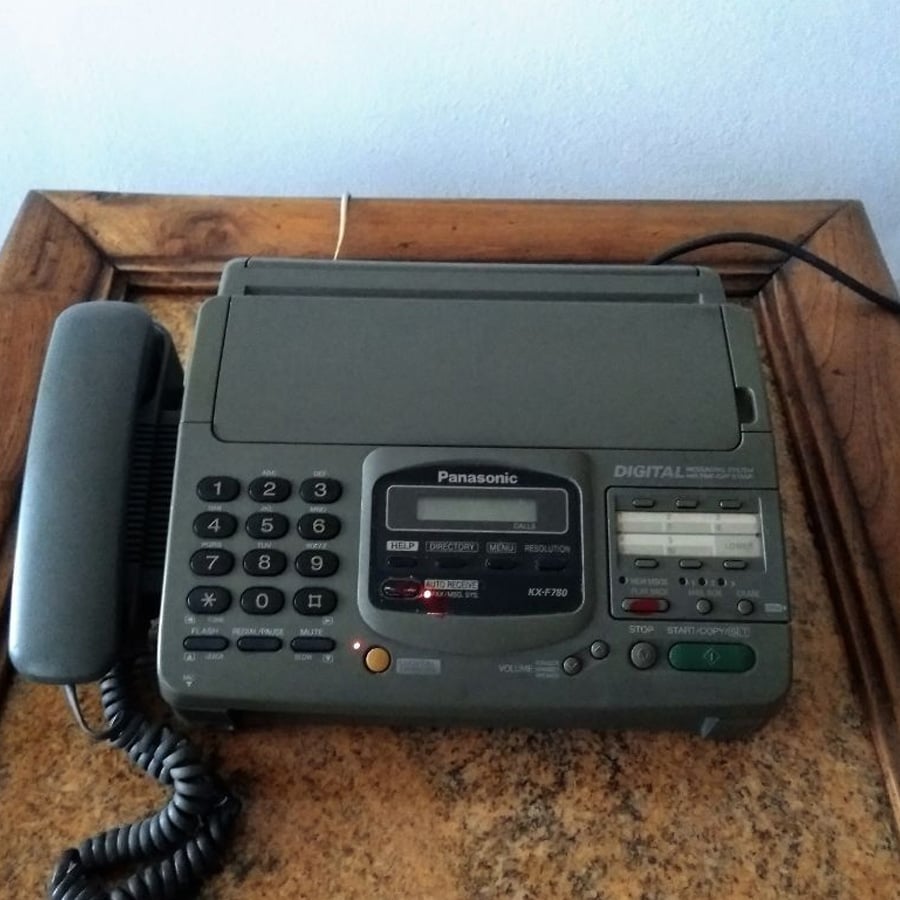
For years, sending a document quickly meant using a fax machine. Contracts, purchase orders, forms, and handwritten notes traveled through telephone lines and emerged as printed copies at another office. Email attachments and electronic signatures eventually made the once-essential machine largely unnecessary.
14. Office Furniture Was Heavy and Permanent
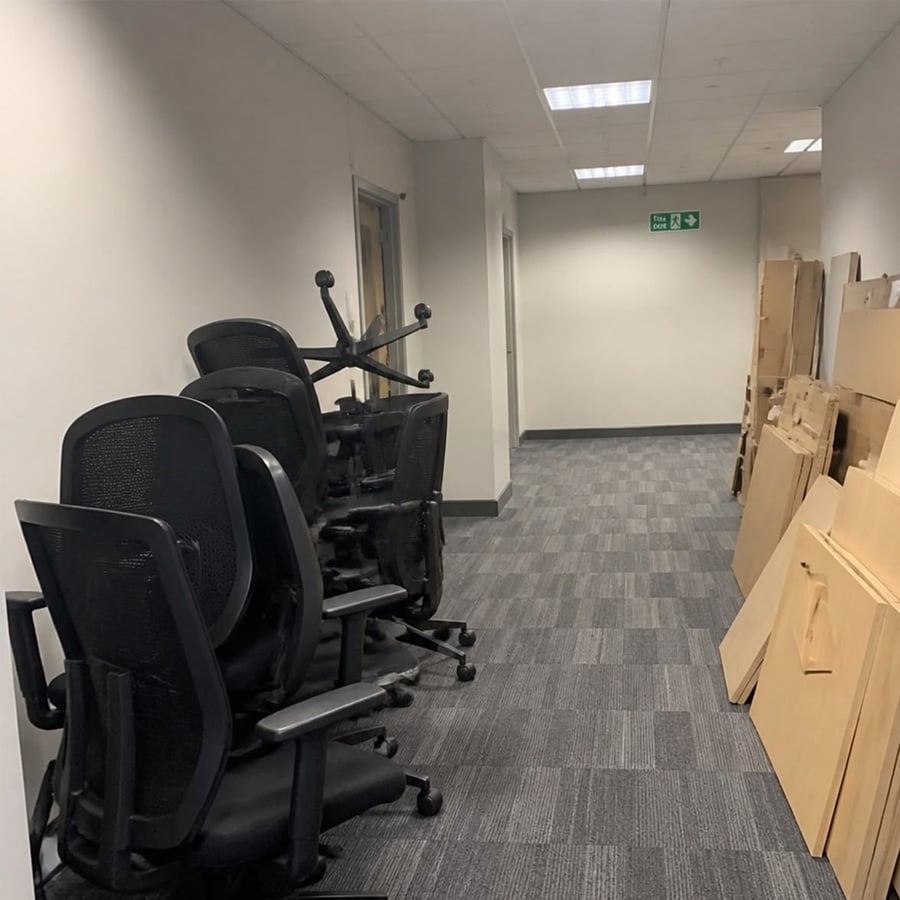
Earlier offices were often filled with substantial wooden desks, bookcases, cabinets, and other furniture that was difficult to rearrange. Modular workplace systems began changing that approach during the 1960s. Herman Miller’s Action Office was specifically designed so components could be rearranged as workplace needs changed.
15. Workers Shared Much More Equipment
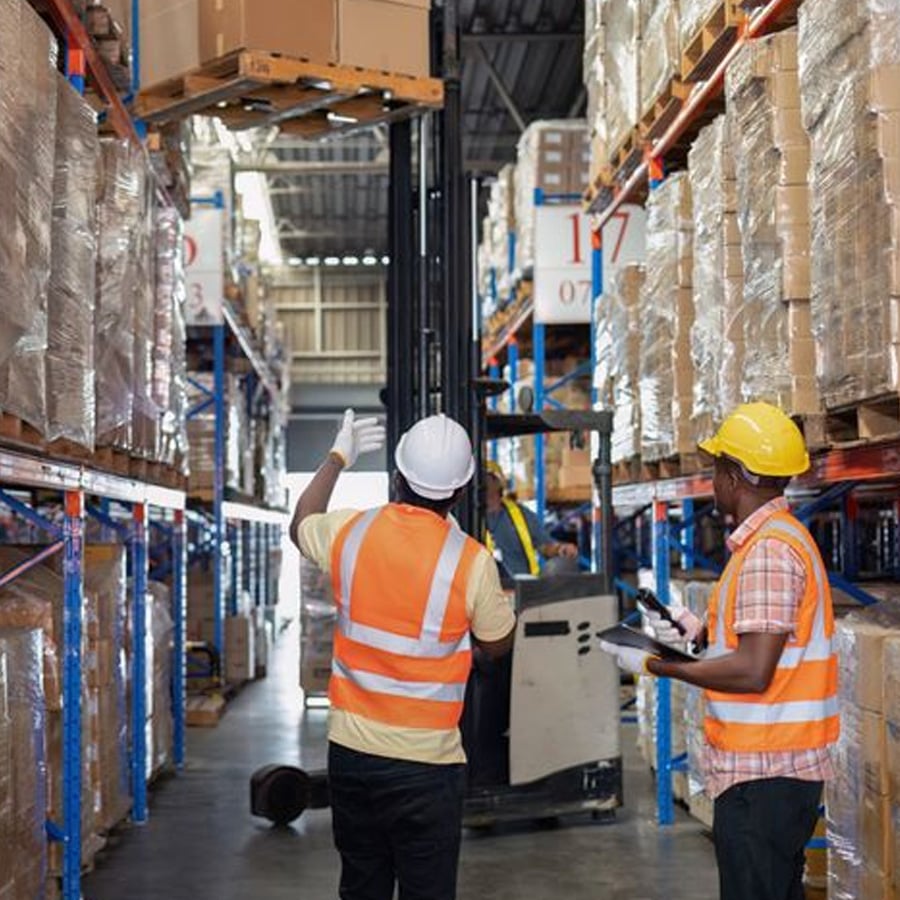
Not every employee had personal access to every office machine. Departments commonly shared photocopiers, printers, fax machines, calculators, and specialized computer terminals. Employees routinely had to leave their desks to complete tasks that can now be performed from a single laptop.
16. Rolodexes Stored Important Contacts
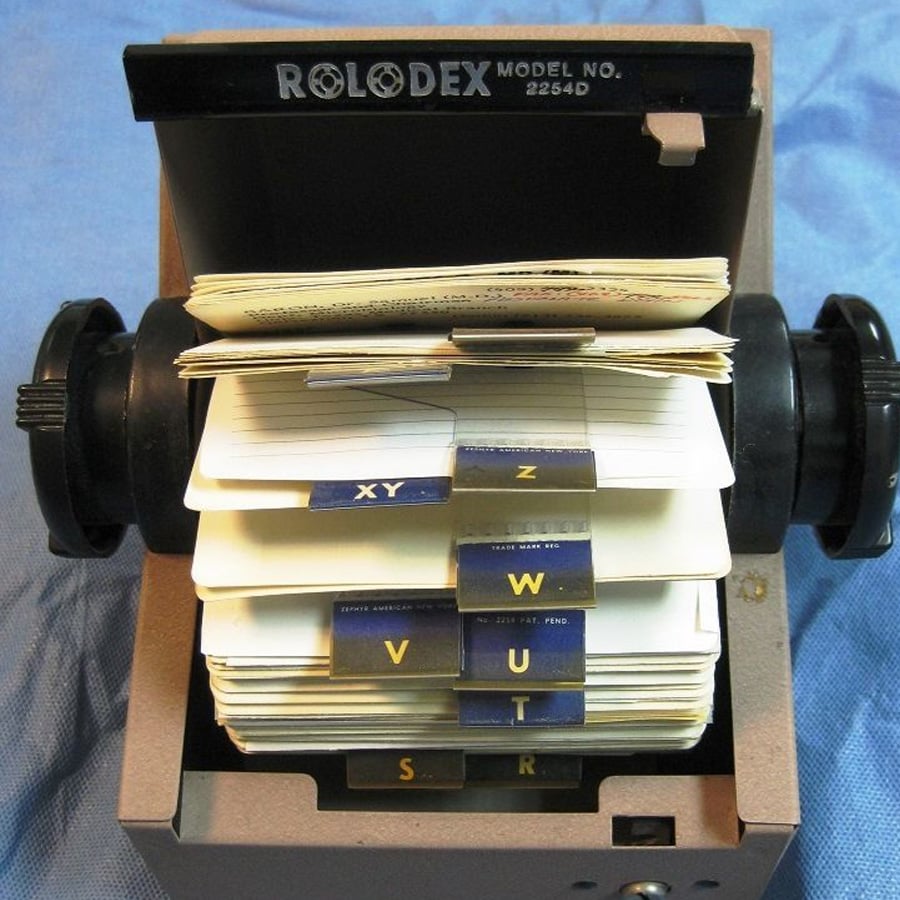
Before digital address books, customer databases, and smartphones, contact information frequently lived on physical cards. Rolodexes allowed workers to flip through names, phone numbers, companies, and addresses from their desks. Losing one could mean losing years of carefully collected professional contacts.
17. Offices Were Built Around Being Physically Present
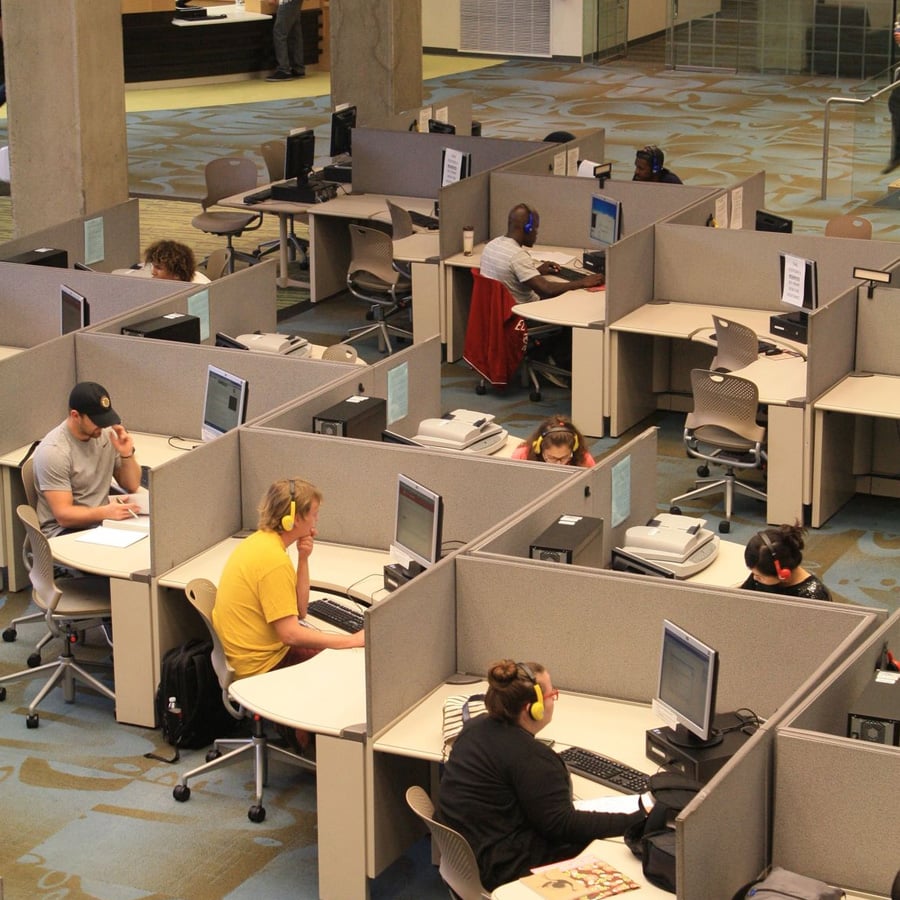
Traditional offices assumed employees would perform their jobs at a specific desk inside a company building. Advances in computing and communications eventually made alternatives such as telework, shared workspaces, and flexible desk arrangements possible. The workplace became less dependent on a permanent individual workstation.
18. One Laptop Replaced Half the Office
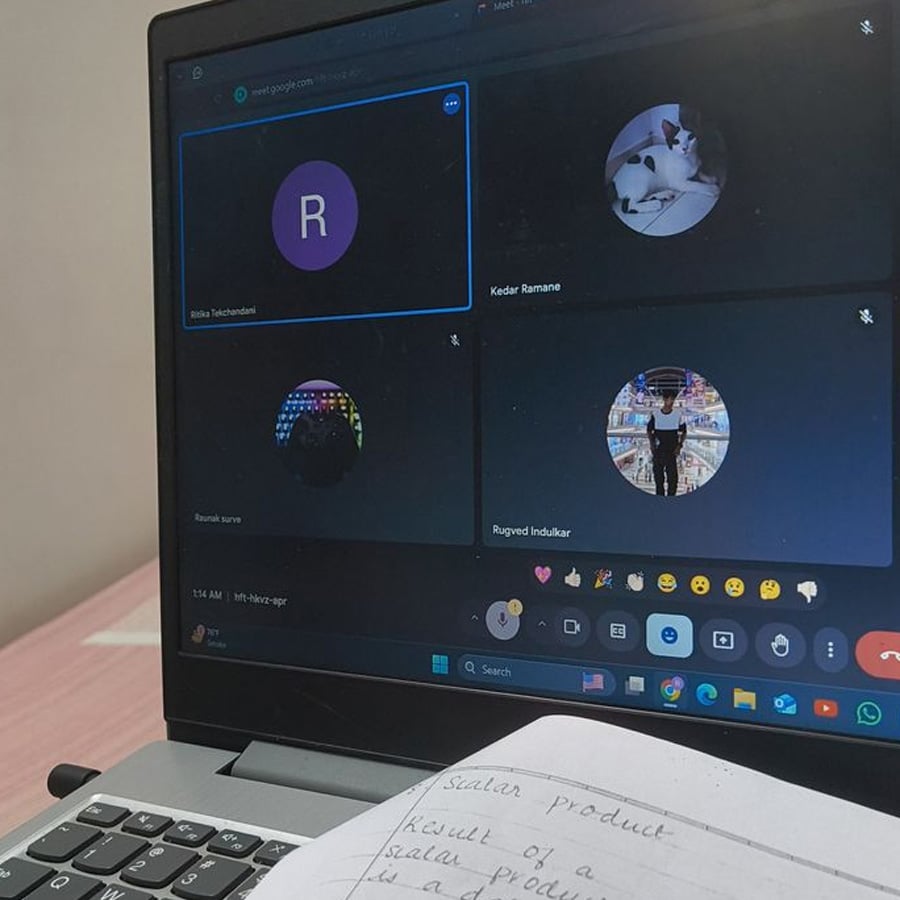
Perhaps the biggest difference visible between old and modern office photos is the disappearance of equipment. Typewriters, calculators, fax machines, calendars, address books, filing systems, reference materials, and communication tools can now exist inside one computer. What once required an entire room full of machines can increasingly happen from a single desk or almost anywhere else.
More Related Notes
• 14 Jobs That Disappeared Because of Technology.
Explore the occupations that vanished as computers, automation, and new technologies transformed workplaces and eliminated once-common roles.
• 12 Everyday Objects Younger Generations Wouldn’t Know How to Use.
Take a nostalgic look at once-essential tools and devices, many of which were standard fixtures in offices before digital technology took over.
• 18 Everyday Objects That Smartphones Replaced.
See how smartphones replaced countless workplace tools and changed the way people communicate, organize information, and complete everyday tasks.