Mom, what is that? It looks like something from the 1800s. Like… update yourself.” It is a conversation that happens in kitchens, living rooms, and garages all over America, when a Gen Z kid spots a checkbook, a wall phone, or a road atlas and acts as if it belongs in a museum. Meanwhile, millions of older Americans keep using these things every single day, and they have no plans to stop. Here are 15 of them. How many do you still use yourself?
1. The Paper Checkbook Gen Z Barely Recognizes
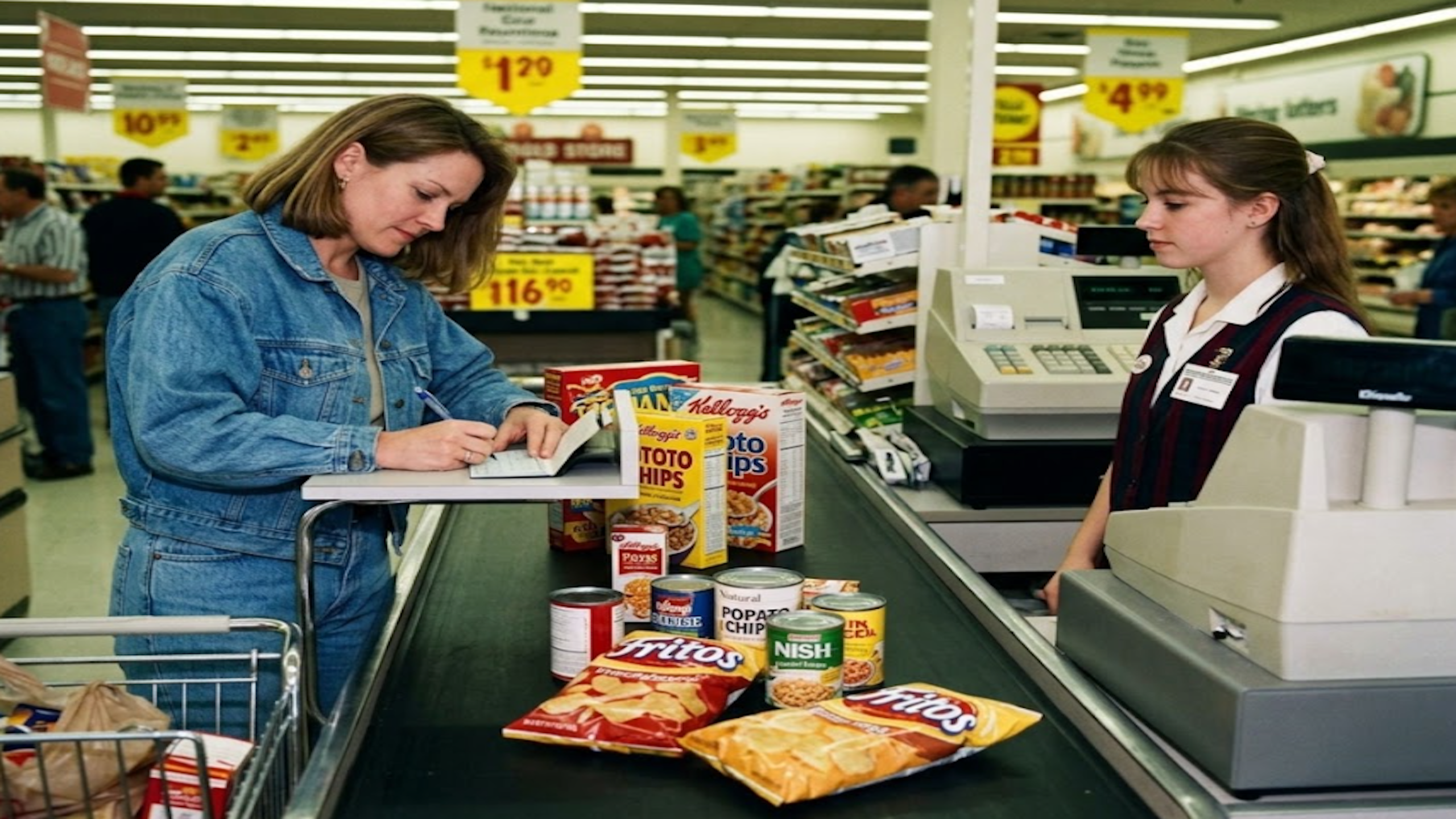
Many older Americans still keep a checkbook in a drawer or a purse, using it for rent, the babysitter, the church donation, or the plumber who does not take cards. Writing one means filling in the date, the amount in words, and a signature, a ritual that feels oddly satisfying to people who grew up with it. For a lot of Gen Z adults, it is more like a pop quiz: wait, I write the number twice, and then I just hand over a piece of paper? Younger people who need to pay a bill usually reach for an app, but plenty of older people still trust ink and a duplicate copy.
2. A Phone With a Cord on the Kitchen Wall
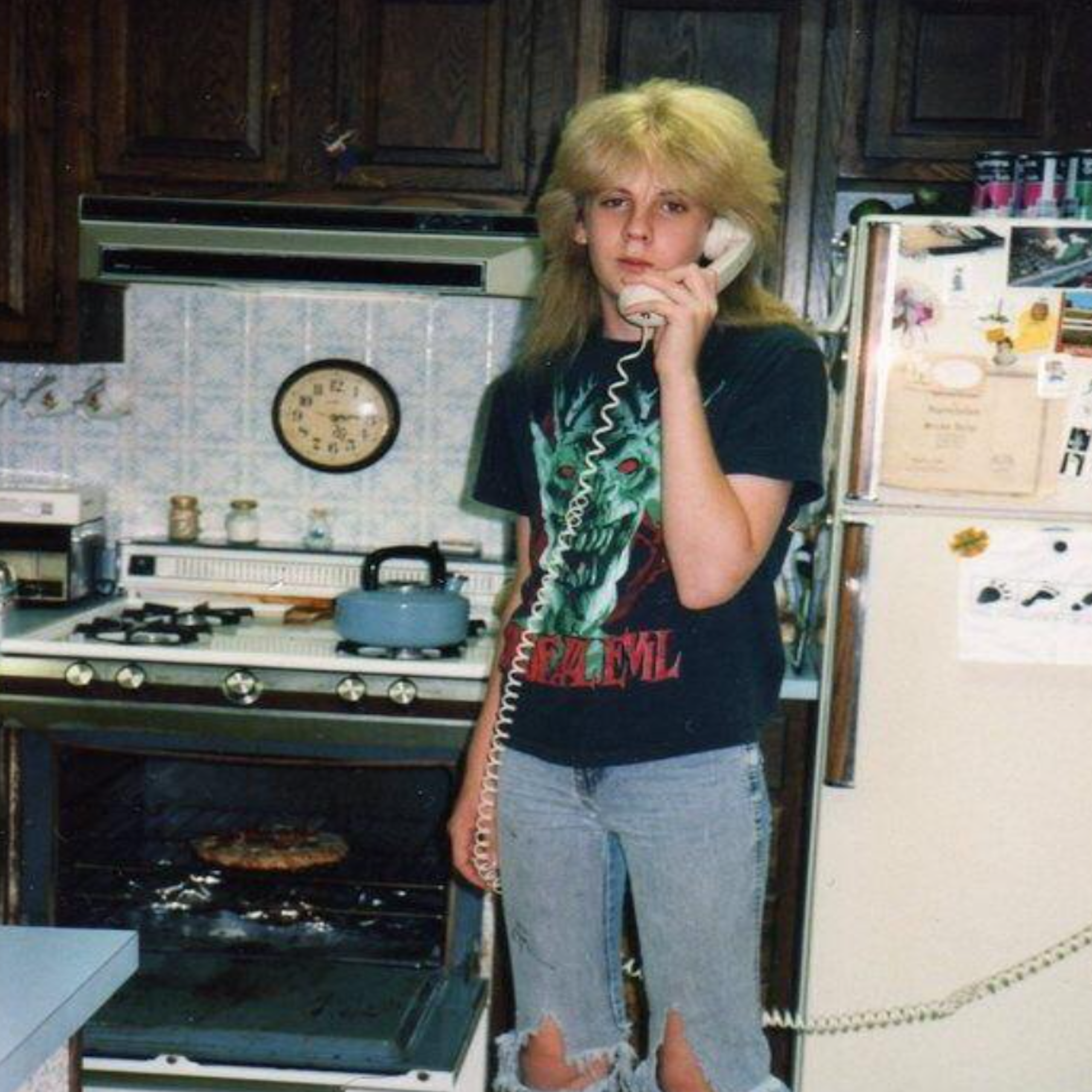
“Wait, the phone is stuck to the wall? How do you even walk around?” A phone with a cord still sits in plenty of older homes, and it still rings. According to CDC survey data, about 55 percent of adults 65 and older live in wireless-only households, compared with roughly 90 percent of adults between 30 and 34. For many seniors, a landline is a familiar lifeline that traditionally keeps working when the power goes out and never runs out of battery.
3. A Wristwatch and a Wall Clock With Hands
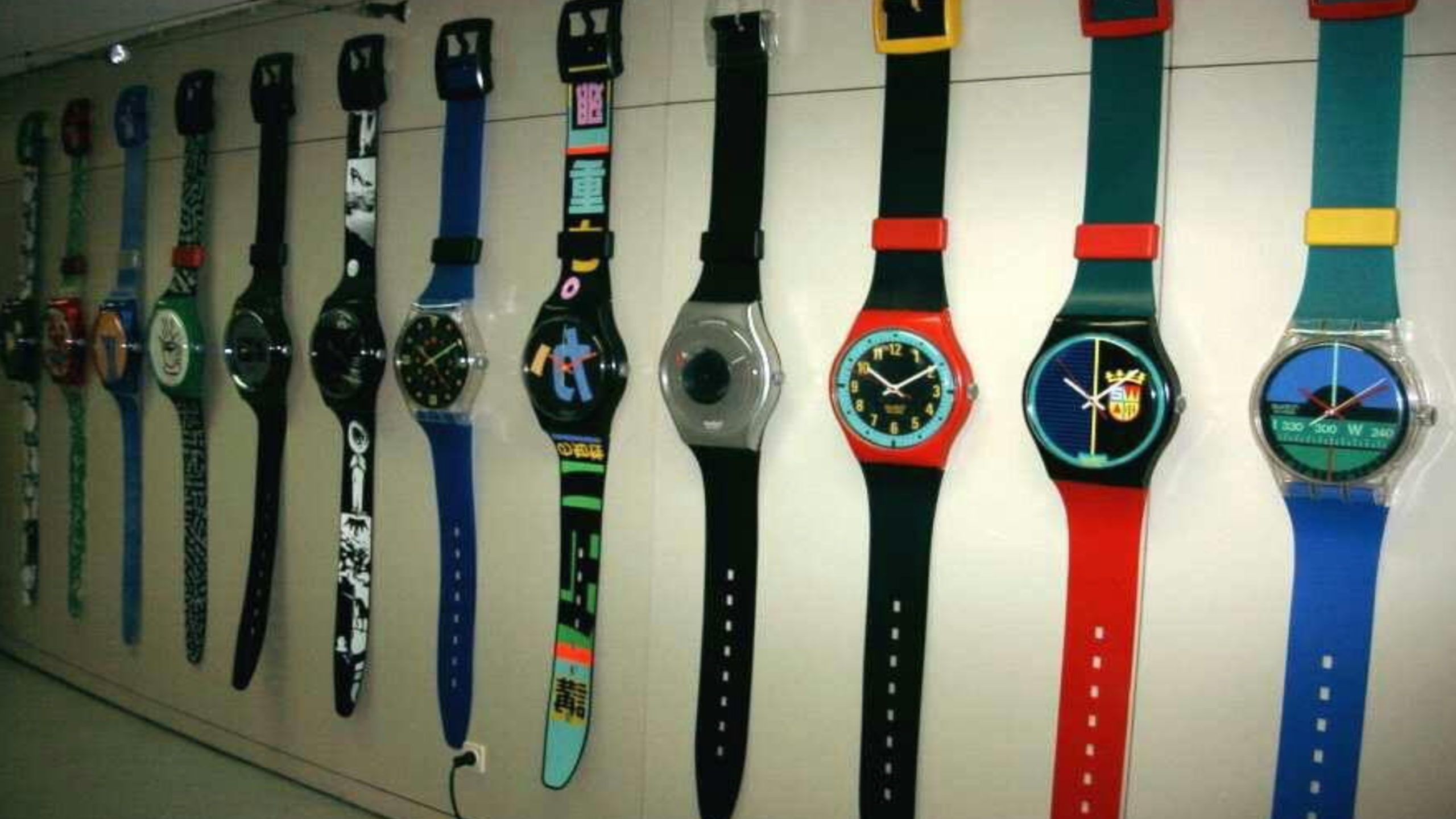
A 2025 YouGov survey found that 95 percent of Americans 65 and older can read an analog clock instantly, compared with 43 percent of adults under 30. That gap helps explain why many older people still wear a wristwatch and glance at a round clock on the wall without a second thought. To Gen Z, a dial with hands is basically a riddle: is the short one the hour or the minute, and why is there no phone on this thing? Older Americans often say a watch beats pulling out a phone and getting distracted by notifications.
4. Cash in the Wallet
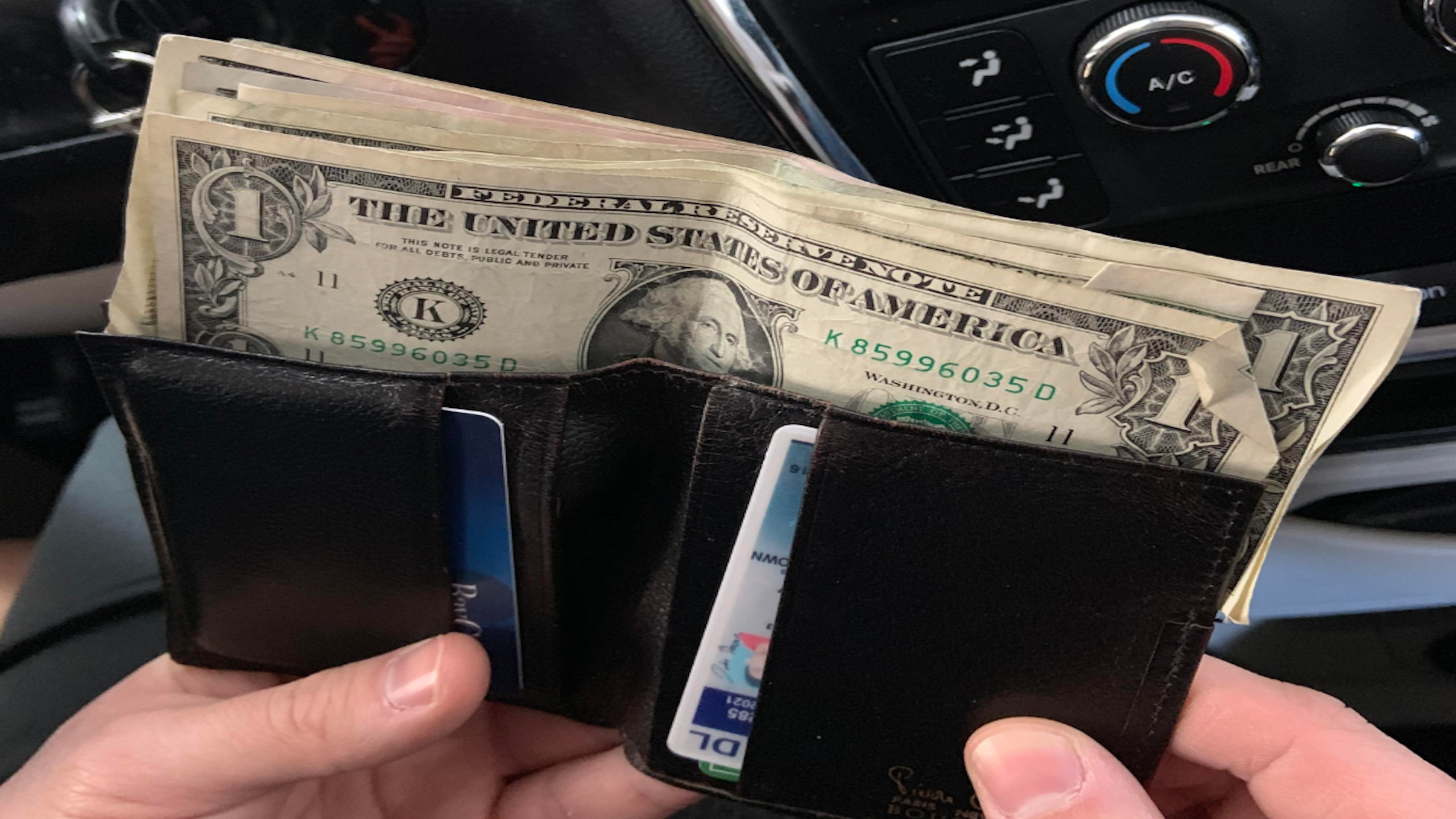
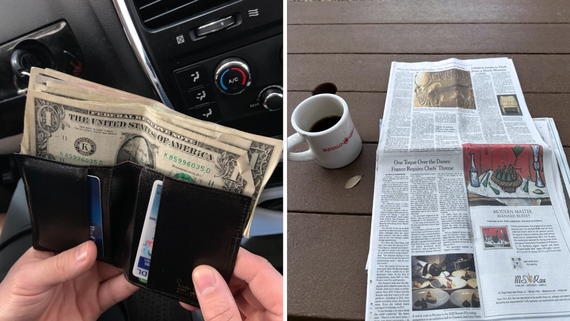
“Who still uses those colorful paper things? Like, nobody, unless you are 80.” Cash made up 14 percent of all consumer payments in the United States in 2024, according to the Federal Reserve’s Diary of Consumer Payment Choice, and adults 55 and older relied on it more than other groups. Many older shoppers still pay for groceries, haircuts, and tips with bills, partly out of habit and partly because cash makes it easy to see how much has been spent. Adults aged 18 to 24, by contrast, used their phones for 45 percent of their payments.
5. A Road Atlas in the Glove Compartment
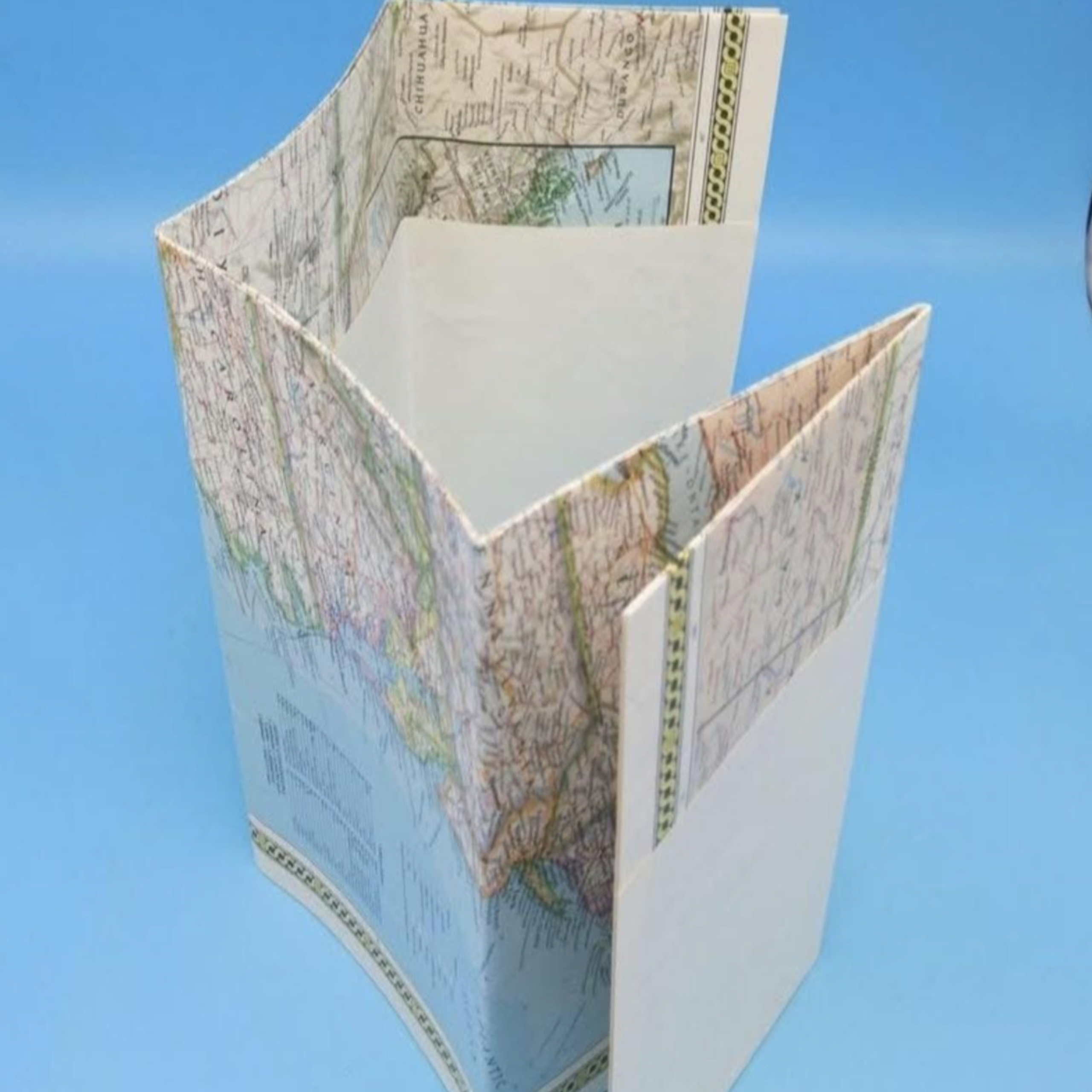
Even in the age of GPS, many older drivers keep a folded road map or a thick atlas in the glove compartment. They trust it because it never loses signal, never reroutes without warning, and shows the whole trip at once. Road trips planned with a highlighter and a paper map are a point of pride for many, and a map still makes a great backup when the phone dies. Gen Z, raised on turn-by-turn voice directions, often cannot imagine navigating without a screen.
Trending on Wealth Gang

6. A Newspaper on the Doorstep
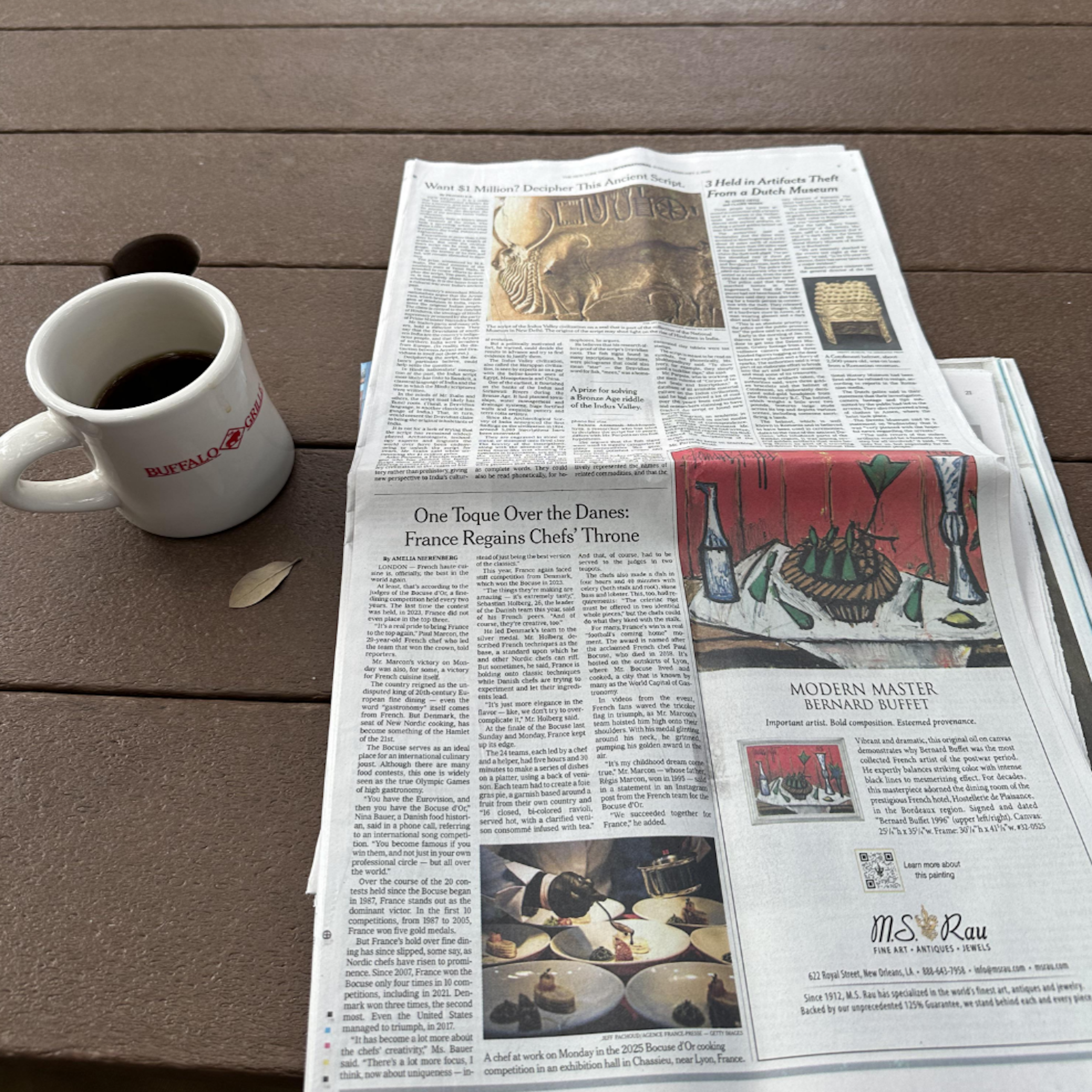
A Pew study called Pathways to News found that 63 percent of news readers aged 65 and older preferred a printed paper, compared with just 10 percent of those between 18 and 29. For many older Americans, the morning ritual of coffee, the paper, and the crossword has never changed. The printed page lets them read at their own pace, clip a recipe and finish the puzzle with a pen. Younger readers mostly get their news from phones, and paying for paper that ends up in the recycling bin seems odd to them.
7. Flowing Cursive Handwriting
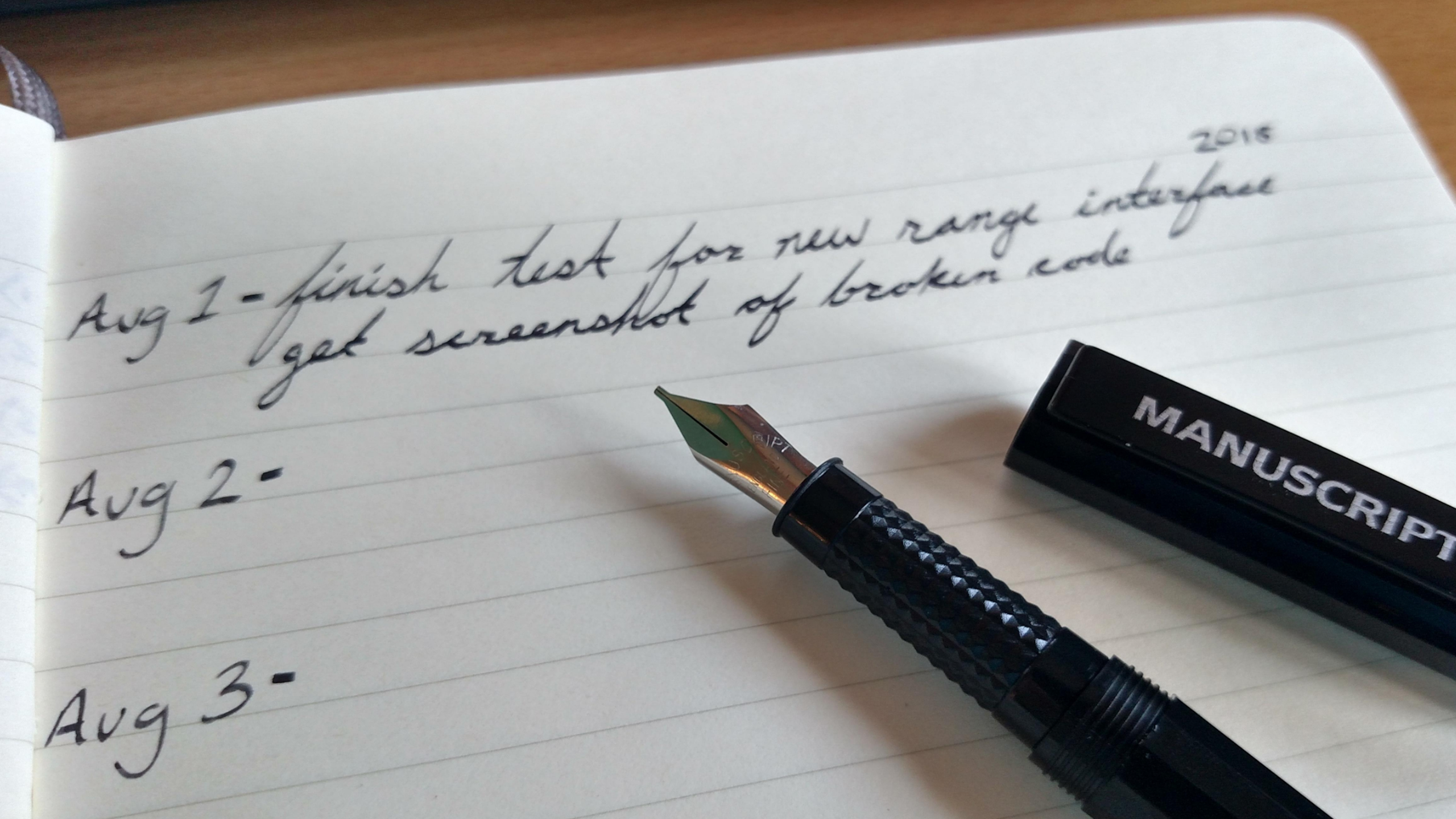
Many older Americans sign their names, write grocery lists, and fill out birthday cards in flowing cursive, a skill they practiced for years in school. Cursive dropped out of many classrooms after the Common Core standards left it out in 2010, although about 25 states now require it again. As a result, some Gen Z adults can barely read it, let alone write it, and a letter from a grandparent can look like a secret code. For older writers, it is simply handwriting.
8. A Little Book of Phone Numbers
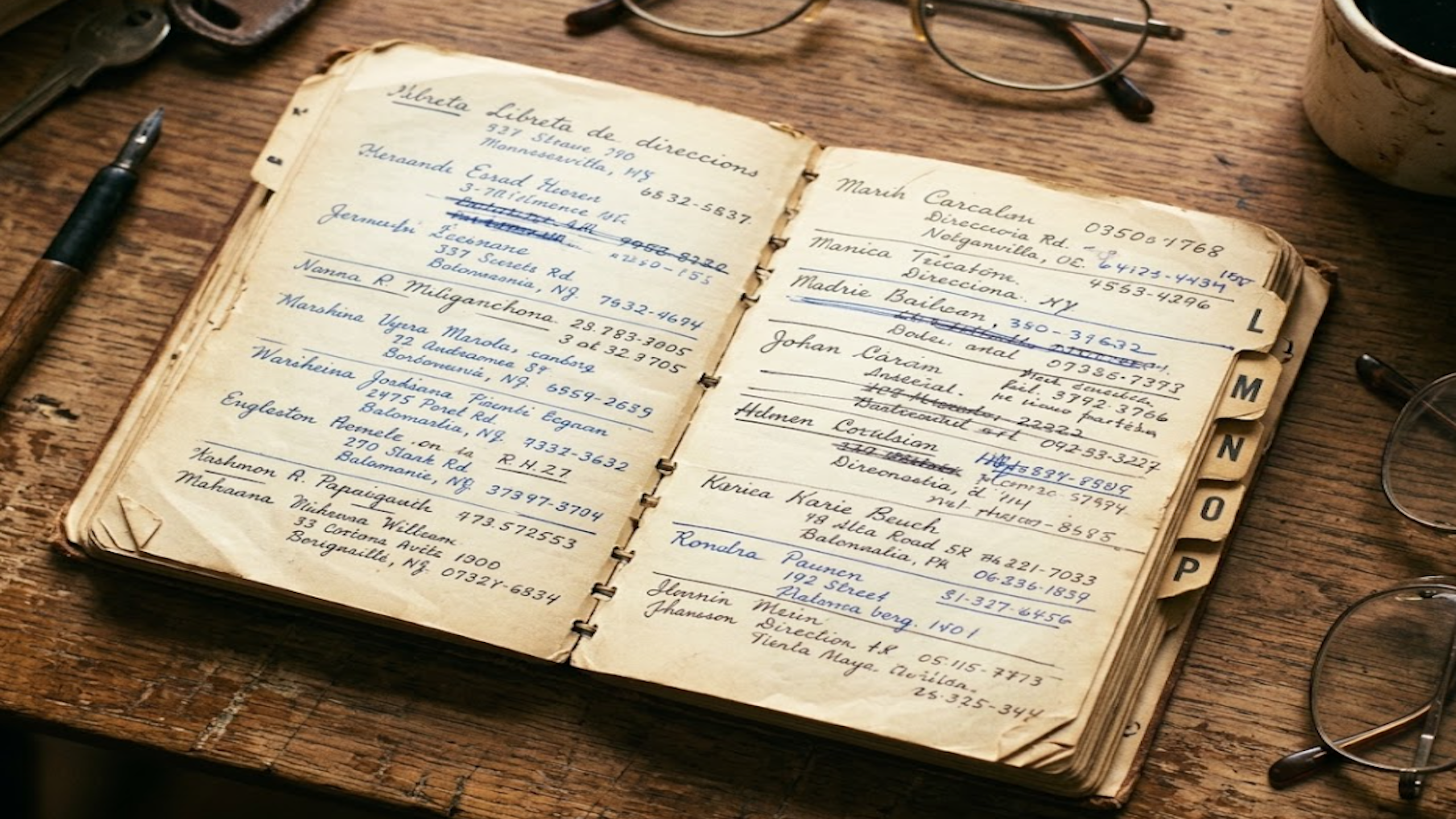
A well-worn address book with scribbled numbers, crossed-out names and new addresses tucked between the pages still sits beside many a phone. Older people often know the number of their best friend, their doctor, and their kids by heart, because they had to dial them for decades. Younger adults rely on their contacts list and often memorize almost no numbers at all. Losing a phone is a crisis for them, while a paper book can survive for decades.
Sign up for our newsletter
9. Coupons Clipped From the Sunday Paper
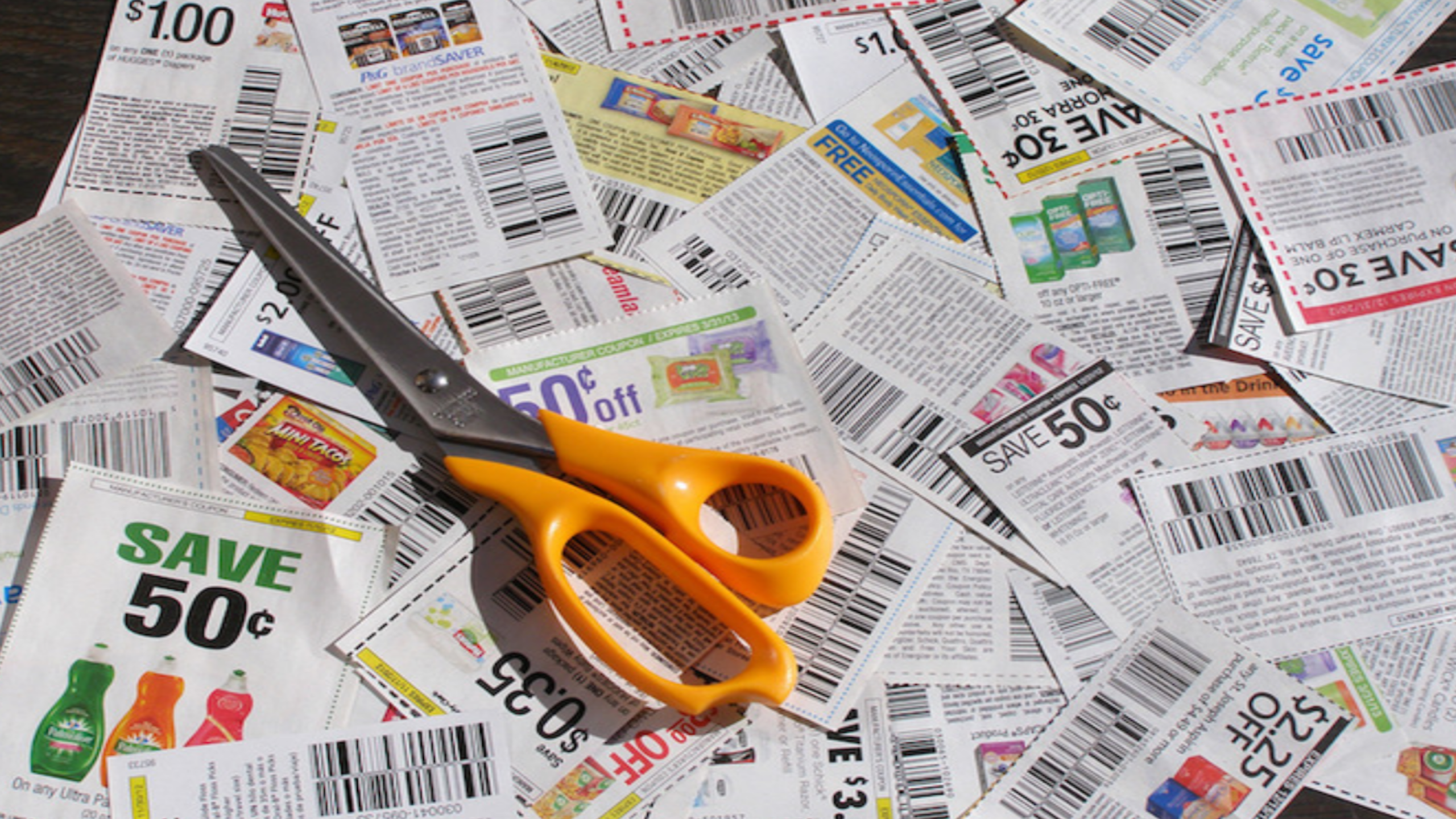
Scissors, a coupon folder, and a stack of Sunday circulars remain a weekly routine for many older shoppers, who sit at the kitchen table matching deals with the grocery list. Clipping can save real money over a year, and many shoppers treat it like a game. Gen Z shoppers lean on apps and digital codes that apply automatically at checkout. Both methods save money, but only one comes with the satisfaction of cutting out the coupon.
10. An Alarm Clock on the Nightstand
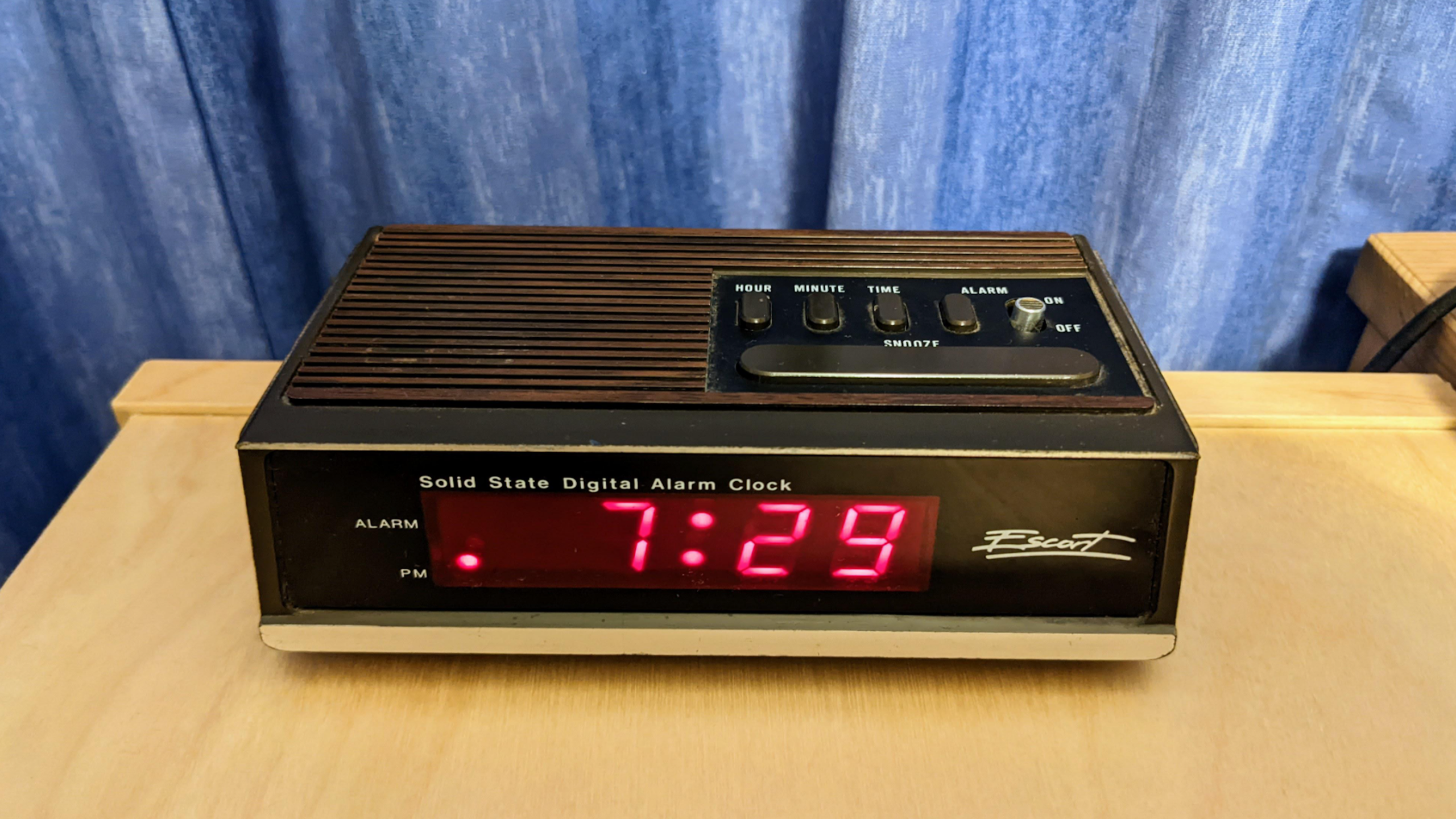
A bedside alarm clock, whether a clock radio with red numbers or a wind-up with two bells, still wakes plenty of older sleepers every morning. They like that it does one job, does not buzz with notifications, and does not tempt them to scroll before bed. Many younger people use the phone as their alarm and charge it next to the pillow. To the older crowd, that is a recipe for a bad night’s sleep.
11. Picking Up the Phone Instead of Texting
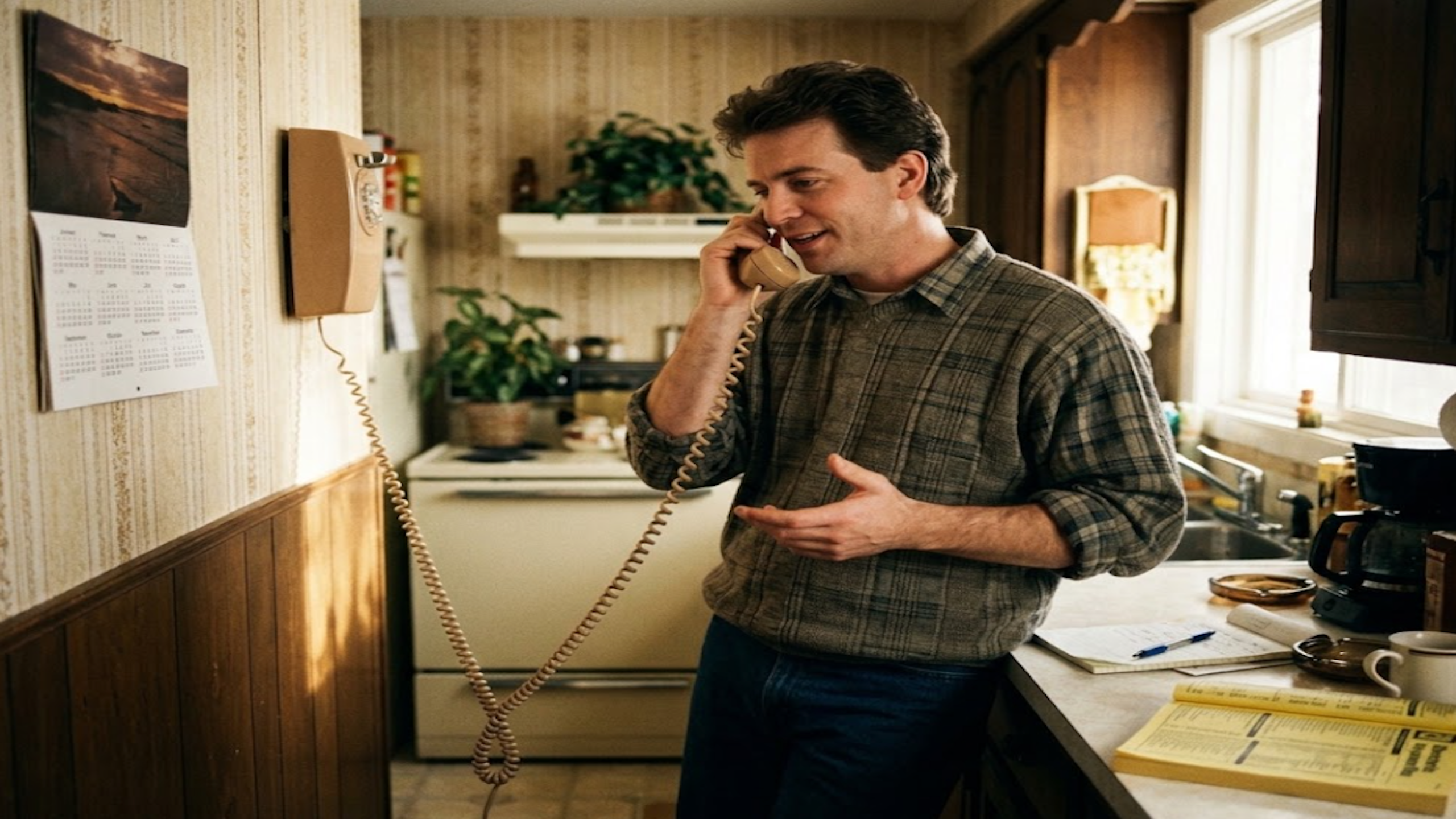
For many older Americans, a phone call is still the best way to get a quick answer, a long catch-up, or a heartfelt thank-you. They leave voicemails, call to wish a happy birthday, and think nothing of a twenty-minute chat. Surveys have found that many Gen Z and millennial adults feel anxious about unexpected calls and prefer to text instead. The gap can cause friction, with parents wondering why nobody picks up and kids wondering why anyone would call.
12. Photo Albums Full of Real Prints
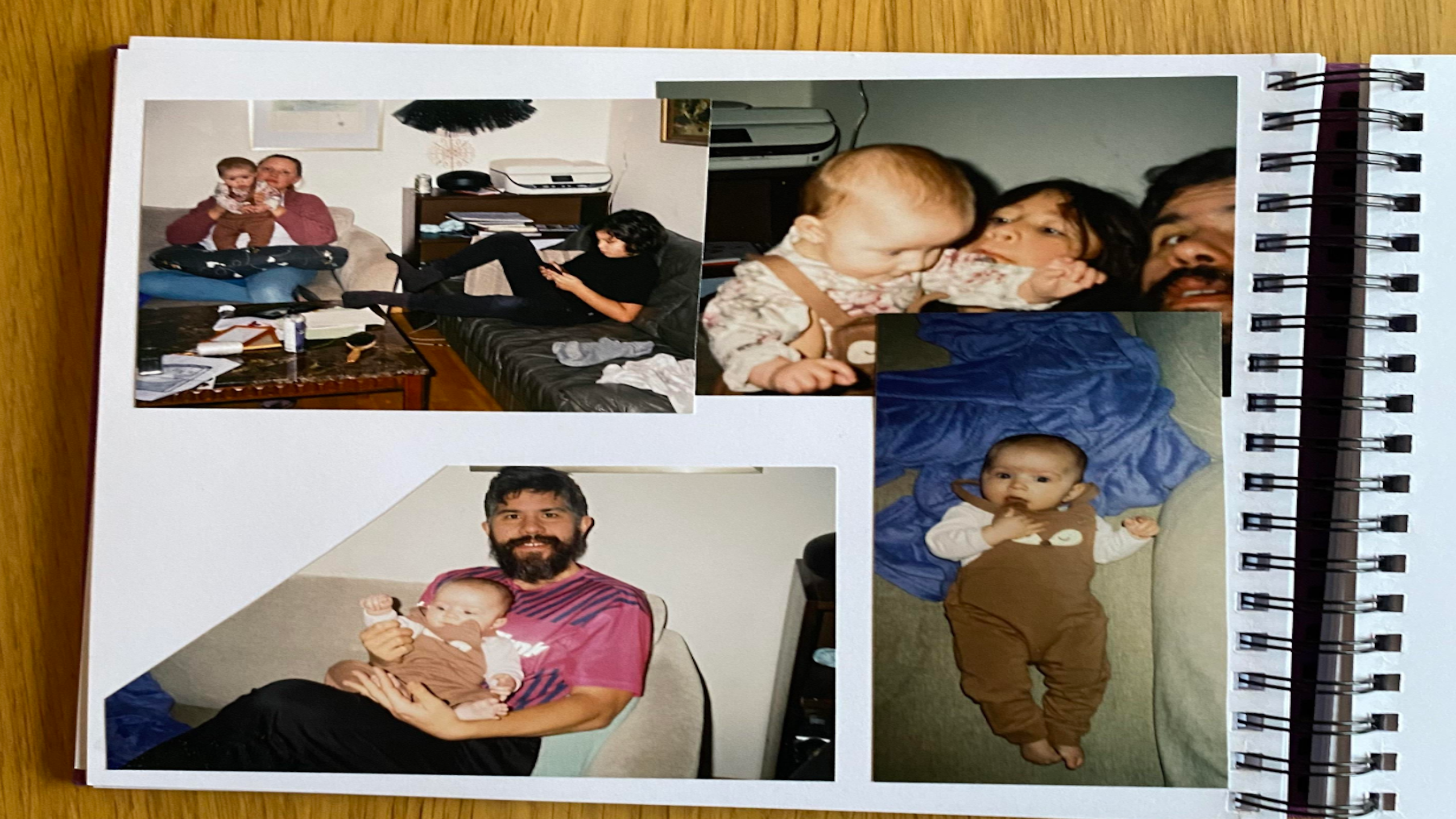
Shoeboxes of prints and albums with plastic sleeves hold decades of family history for older Americans, many of whom still develop pictures after trips and holidays. A printed photo can be passed around the table, framed on a shelf, and found decades later, with no password required. Younger people take thousands of pictures, but most stay on a phone, where they can get lost with a cracked screen. Seeing a printed photo can feel almost magical to them.
13. A DVD Player and a Shelf of Movies
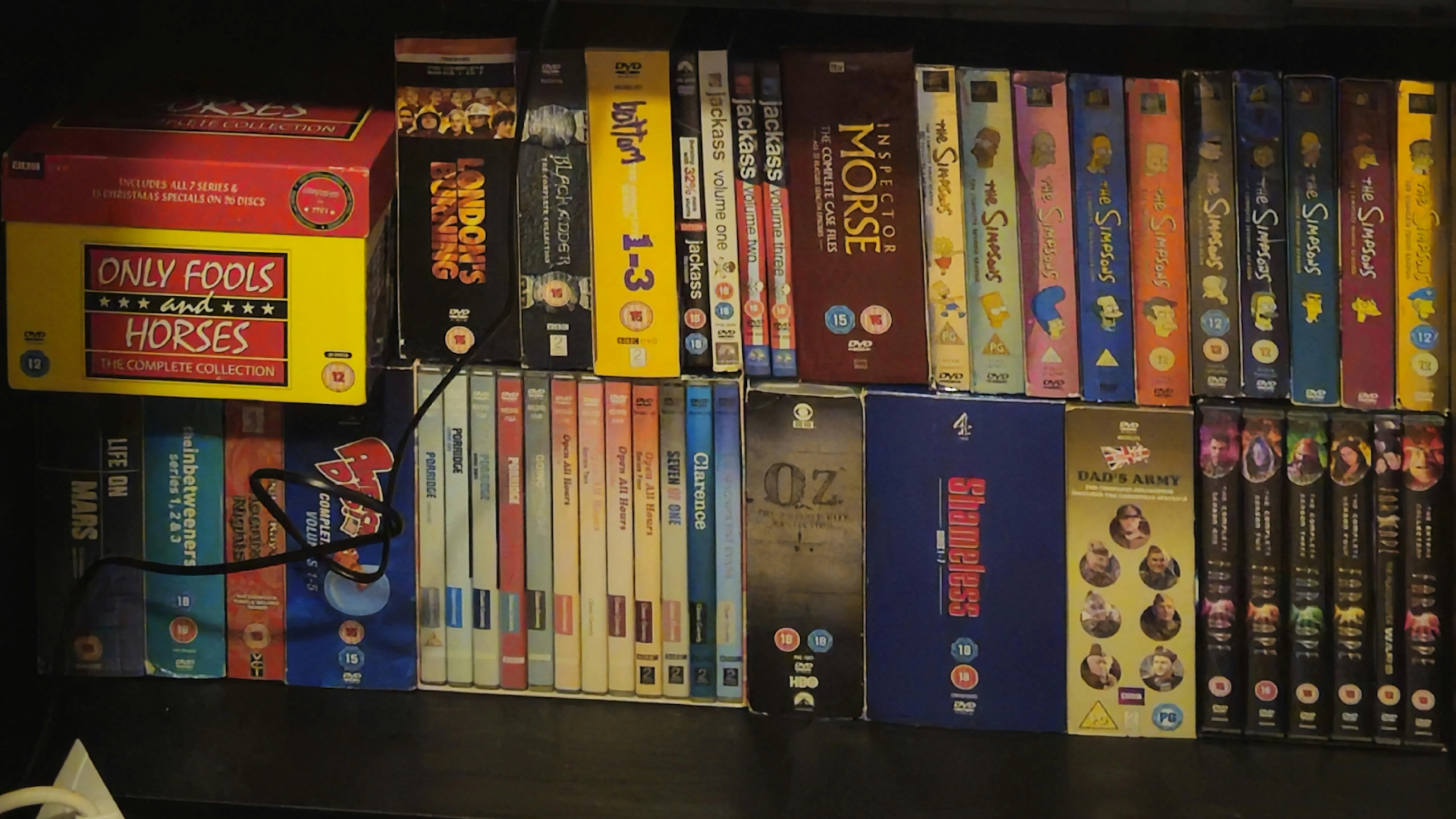
A shelf of DVDs under the television is a normal sight in many older homes, with favorite classics in the same order they were bought. Owners like that nothing can disappear because a streaming service lost a license, and a disc plays without a subscription. Gen Z grew up with streaming libraries and often sees a movie collection as clutter. Collectors, though, point out that a disc is a copy that cannot be pulled from a catalog.
14. Birthday Cards Sent With a Stamp
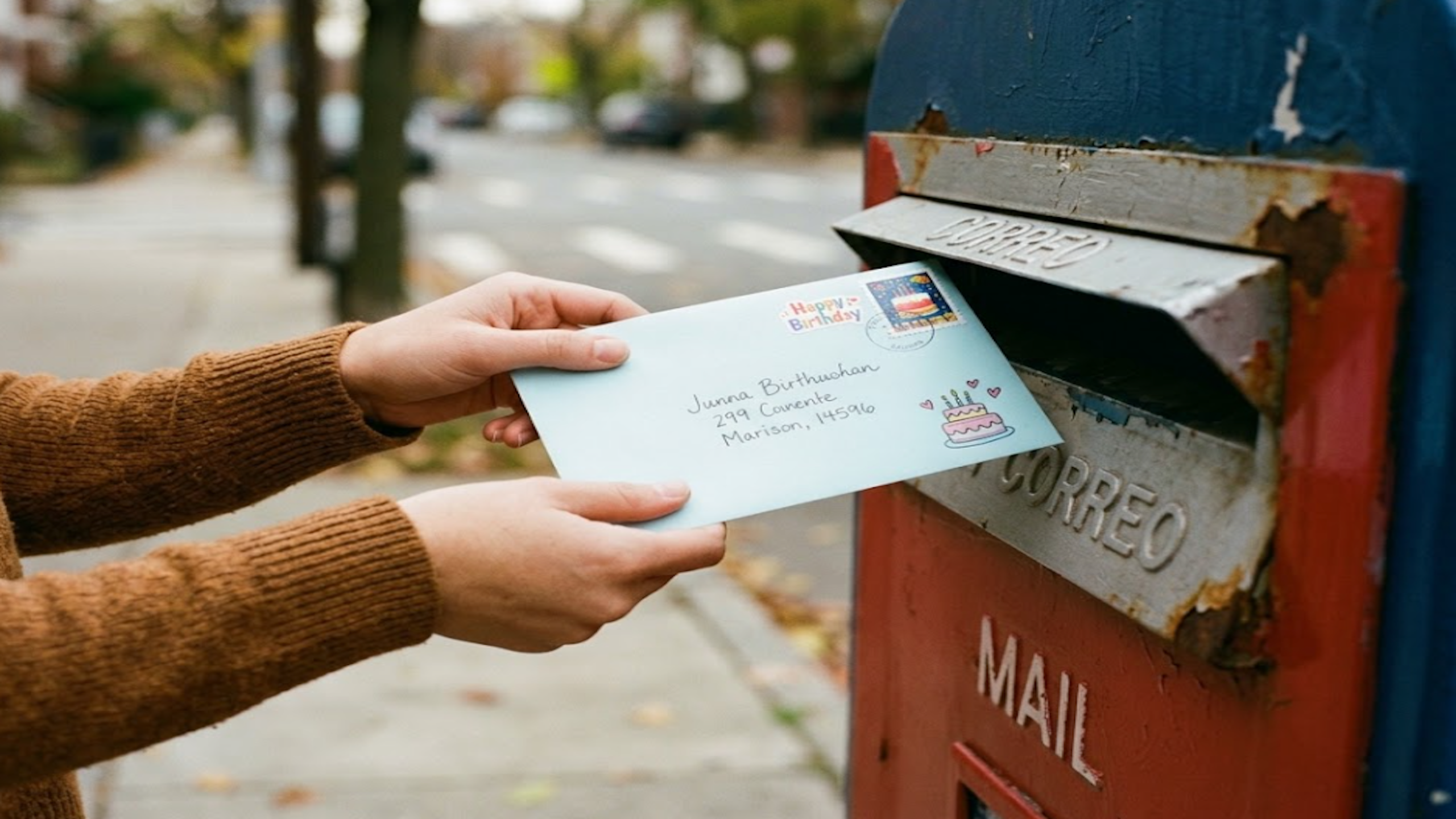
Birthday cards, holiday cards and thank-you notes still travel by mail for many older Americans, who buy stamps and write a few lines by hand. A card with a handwritten message can sit on a refrigerator for weeks, and it shows that someone spent time on the gesture. Younger people usually send a text or a social media post. Older recipients often say they keep every handwritten note, while a message on a phone can be gone in an instant.
15. A Paper Calendar on the Wall
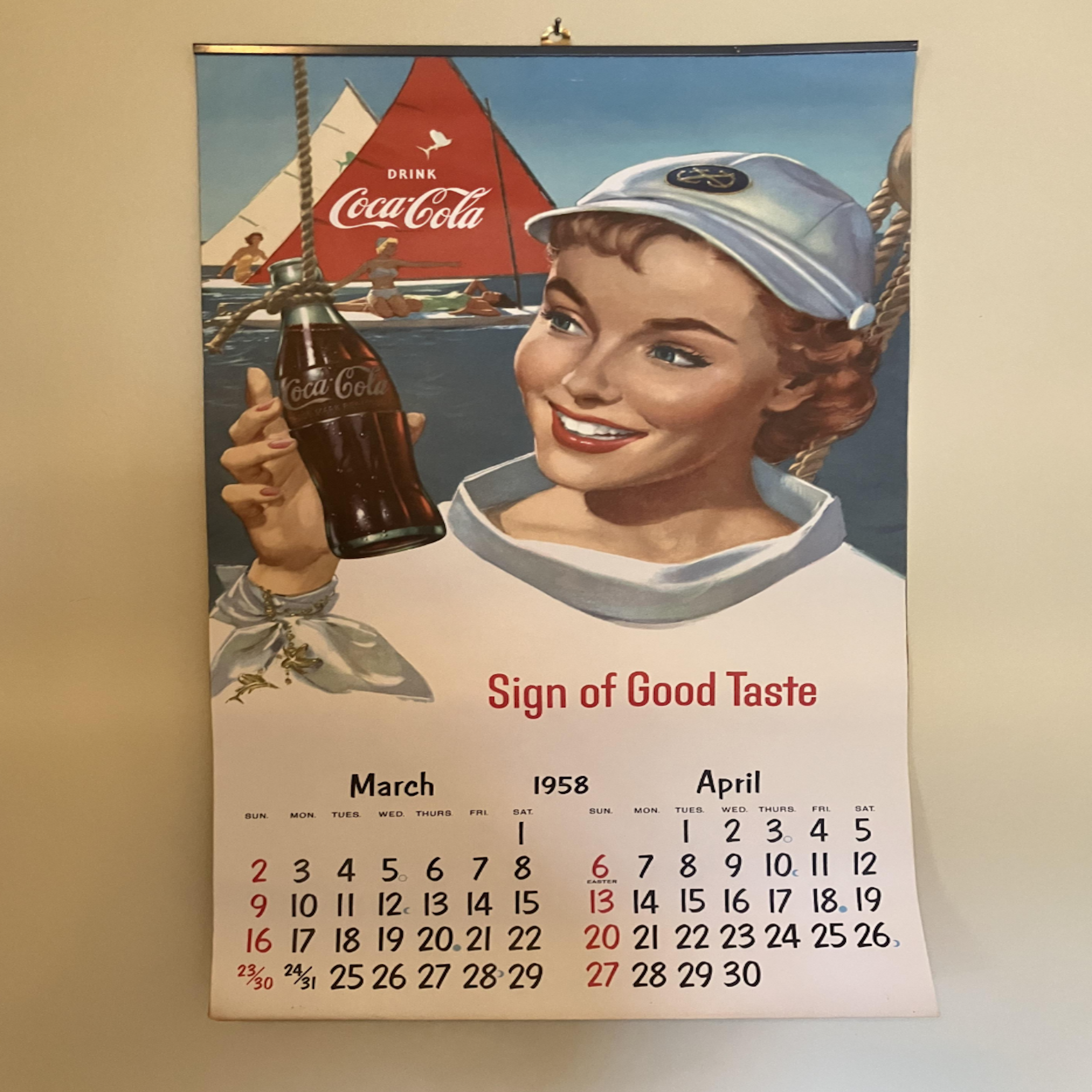
A calendar hanging on the kitchen wall, covered in appointments, birthdays, and scribbled reminders, is the command center of many older households. Everyone in the family can see it, and it never needs charging or a software update. Gen Z uses phone calendars that send alerts, share events, and sync across devices. Still, many people over 60 say that writing something down makes them remember it better.
From checkbooks to landlines, these everyday things may look ancient to Gen Z, but they remain part of daily life for millions of older Americans. Some of them are slowly fading, while others refuse to go away because they simply work. Which of these do you still use every day, and which one would you never give up? Share it in the comments.