There was a time when the lunch break felt like a little vacation in the middle of the workday. Offices emptied around noon, diners filled with regular customers, and people had an entire hour to eat, run errands, or simply enjoy being away from their desks. Nobody expected an immediate email response, and a ringing office telephone could wait until someone returned.
For many Americans, lunchtime was about much more than grabbing a sandwich. It was a chance to catch up with friends, take care of personal business, or enjoy a few moments of freedom before the afternoon began. Some of those familiar routines have faded as workplaces, shopping habits, and technology have changed. Here are 18 things that once made the American lunch hour feel like a completely different part of the day.
1. Sitting Down for a Full Restaurant Lunch
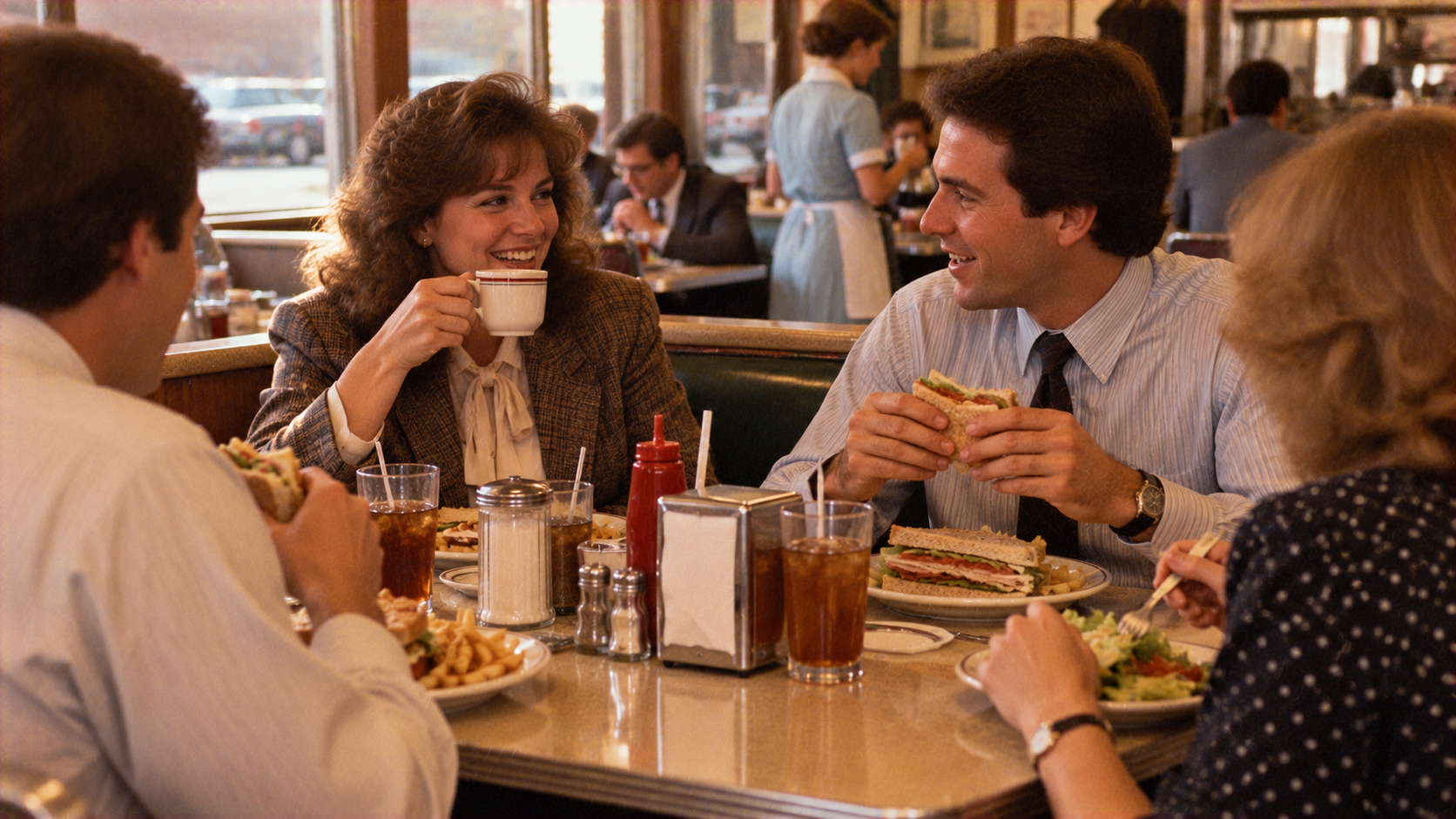
A proper lunch once meant sitting in a booth, opening a menu, and waiting for a waitress to bring over a cup of coffee. Downtown diners and neighborhood restaurants were packed with office workers ordering meatloaf, club sandwiches, or the daily special. There was enough time to eat from a real plate, exchange a little gossip, and perhaps order a slice of pie before heading back to work. Lunch wasn’t always something people rushed through while staring at a screen.
2. Going Home to Eat Lunch
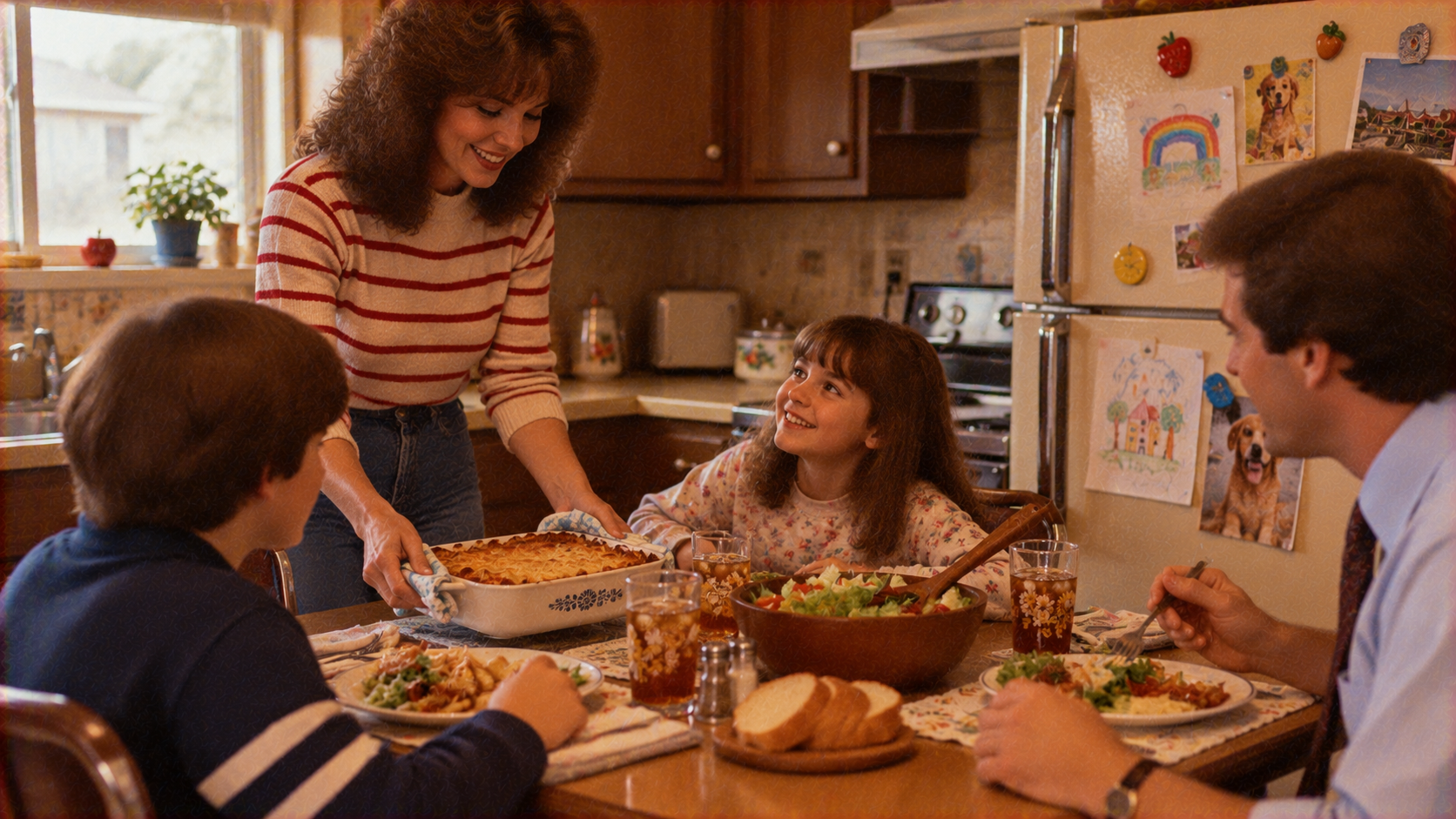
For Americans who worked close to home, the lunch hour sometimes included a quick trip back to their own kitchen. They could warm up leftovers, make a sandwich, check the mail, and enjoy a little peace before returning to work. Some even managed to watch part of a daytime television program. It was a pleasant advantage of living near the workplace, especially in smaller towns where a drive home took only a few minutes.
3. Running to the Bank Before It Closed
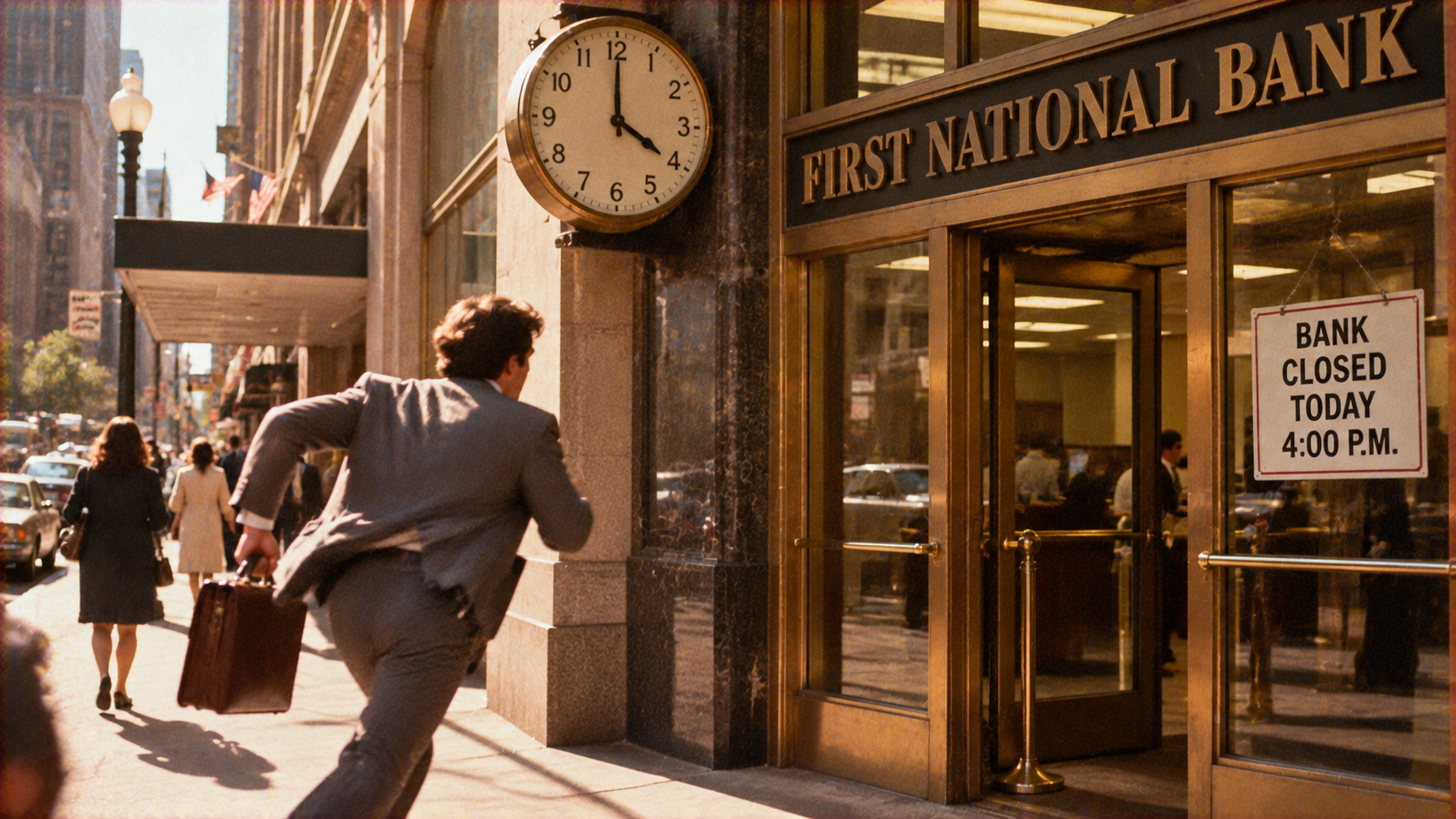
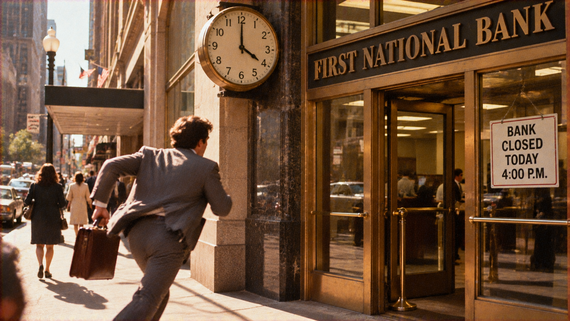
Before online banking and mobile deposits, a lunch break was often the only opportunity to visit the bank during business hours. Workers stood in line holding paychecks, deposit slips, and little paper envelopes of cash. The teller might recognize regular customers and exchange a few friendly words before stamping their paperwork. If someone needed to deposit a check or withdraw money for the weekend, noon was often the most convenient time to get it done.
4. Shopping at Downtown Department Stores
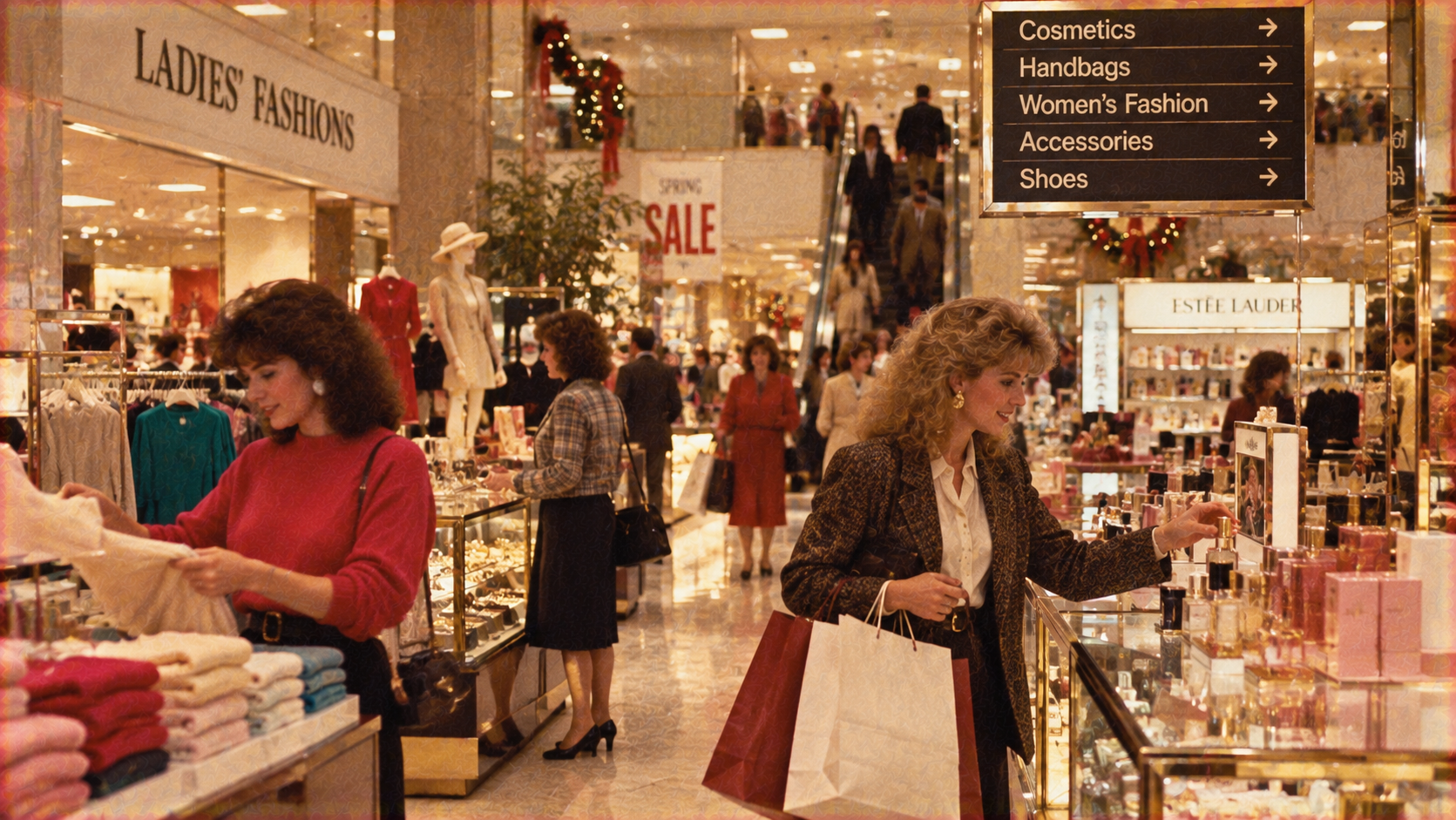
When downtown shopping districts were thriving, office workers could spend their lunch hour browsing department stores without making a special trip after work. They wandered through clothing racks, checked the clearance tables, or picked up a birthday present for someone at home. Stores such as JCPenney and local department stores benefited from customers who had just enough time to buy something before returning to the office. Even a little window shopping could make an ordinary Tuesday more enjoyable.
5. Reading the Afternoon Newspaper
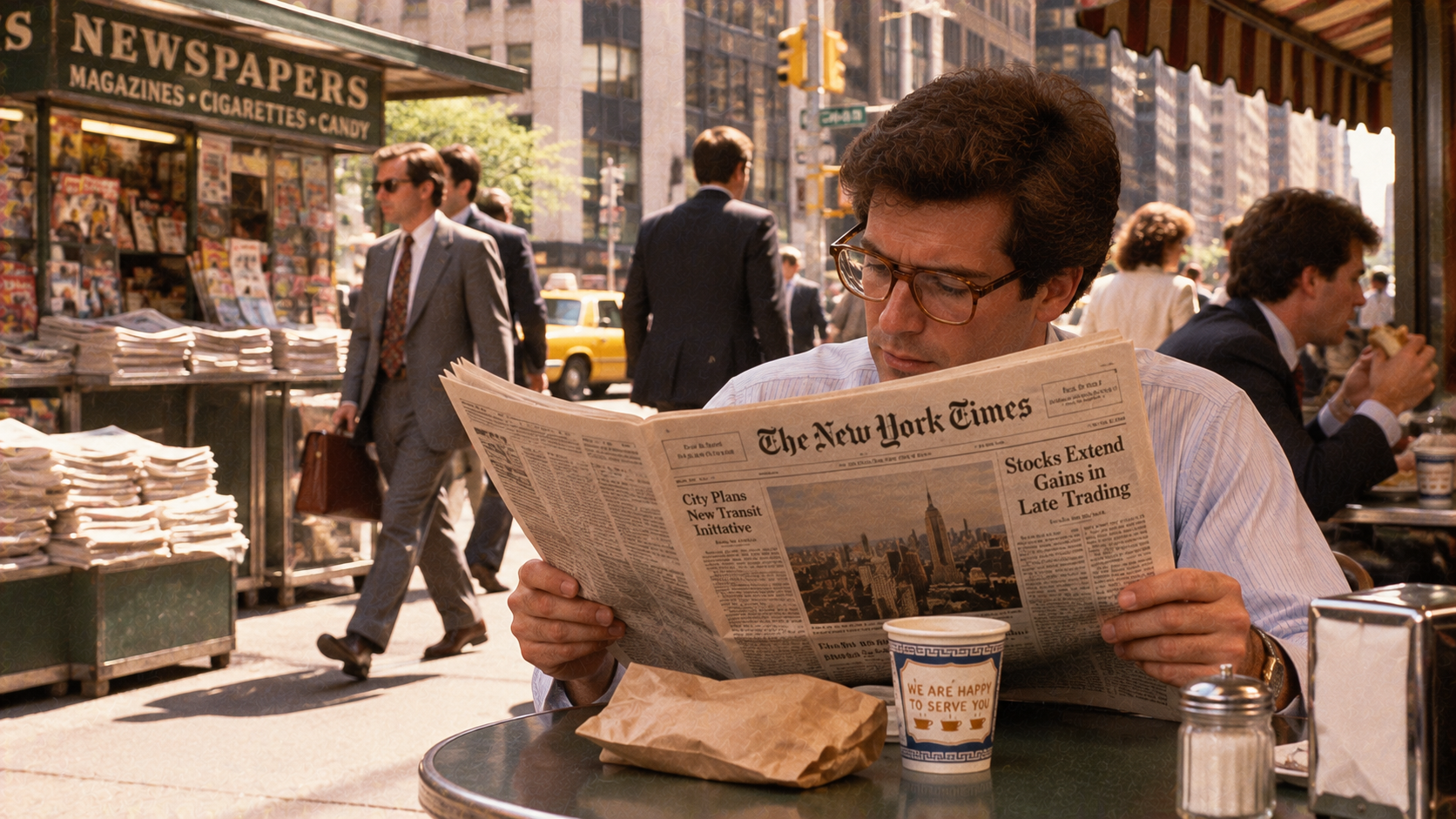
Long before news appeared instantly on phones, some American cities had afternoon newspapers that arrived while people were still at work. A worker might buy a fresh copy from a newsstand, settle onto a park bench, and catch up on headlines, baseball scores, or the latest local stories. The newspaper could be folded neatly under one arm when lunch was over. For many readers, those few quiet minutes with the day’s news were a welcome break from conversation and office noise.
Trending on Wealth Gang


6. Making Personal Calls From a Pay Phone
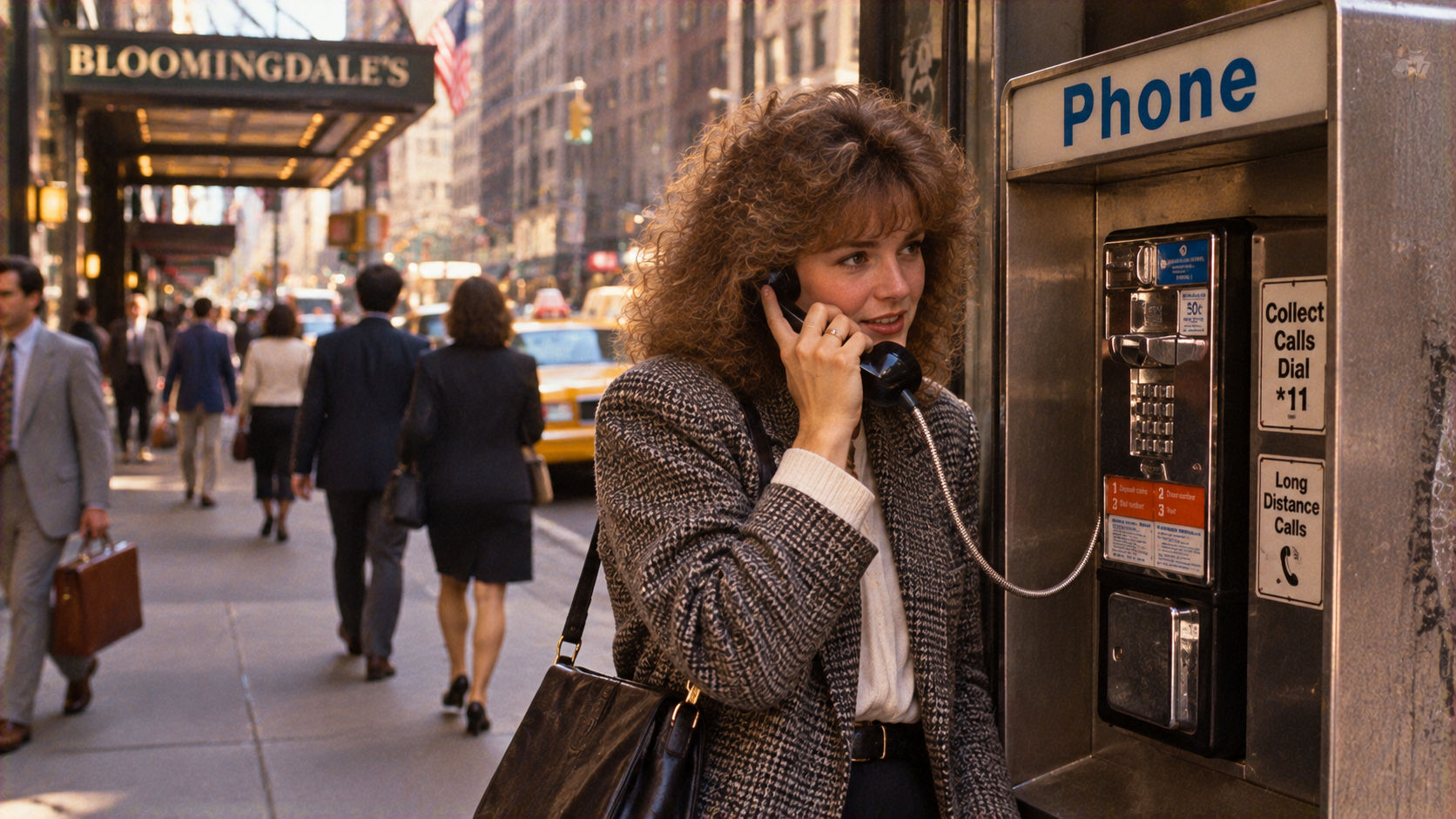
Personal phone calls weren’t always something employees could comfortably make from their desks. Instead, people stepped outside to a pay phone, dropped a few coins into the slot, and called home to check on the kids or confirm dinner plans. Others used the lunch hour to make appointments or return messages. If the person on the other end didn’t answer, there was no text message to send afterward. Sometimes the only option was to try again later.
7. Getting a Quick Haircut at the Barbershop
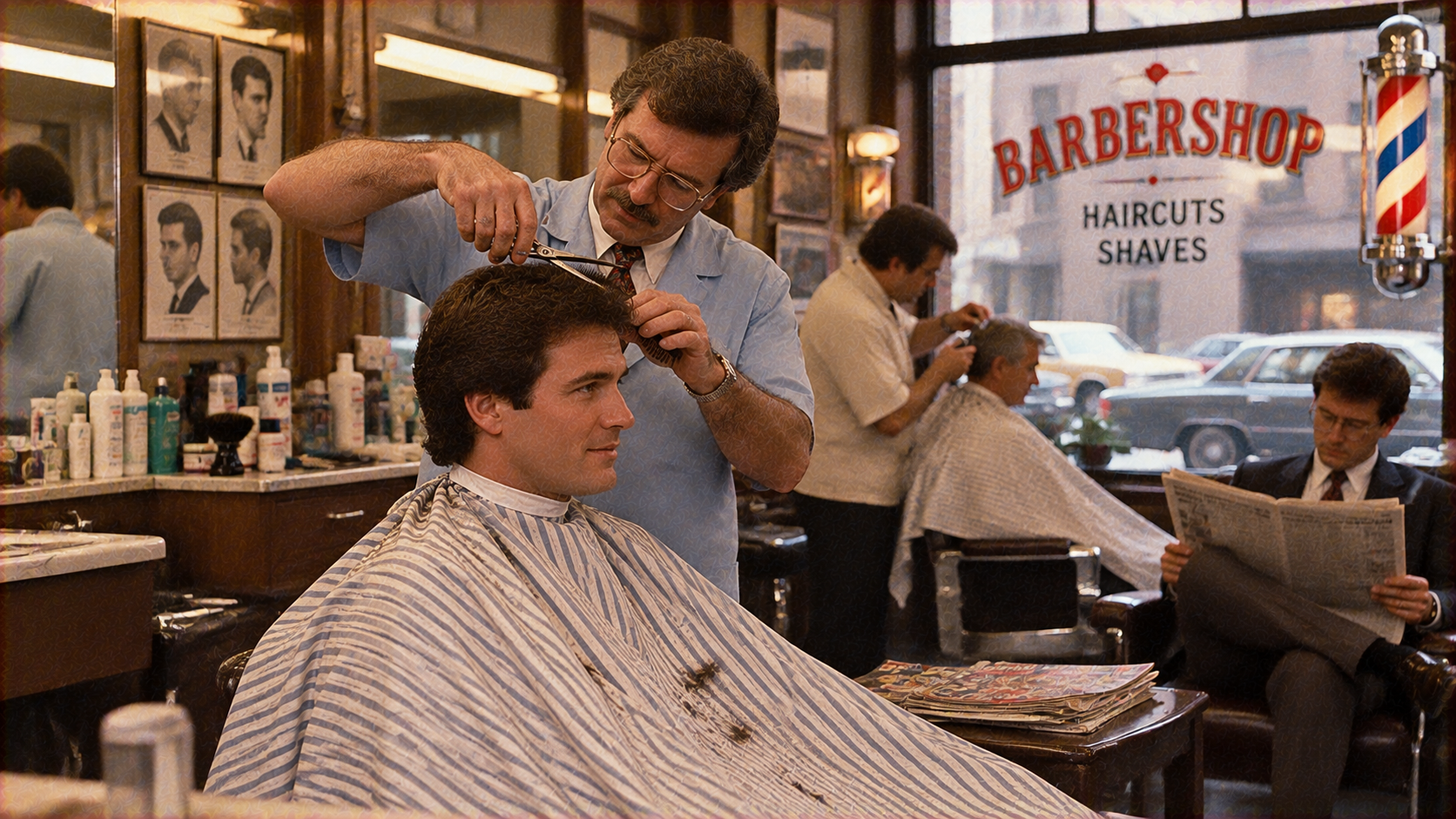
Barbershops near business districts often had a steady stream of customers during the lunch rush. A man could slip into the barber’s chair, have his hair trimmed, enjoy a little conversation about sports or politics, and return to work looking freshly groomed. The familiar sound of clippers and the smell of shaving cream were part of the experience. For regular customers, the barber often knew exactly what they wanted before they even sat down.
8. Meeting Friends Who Worked Nearby
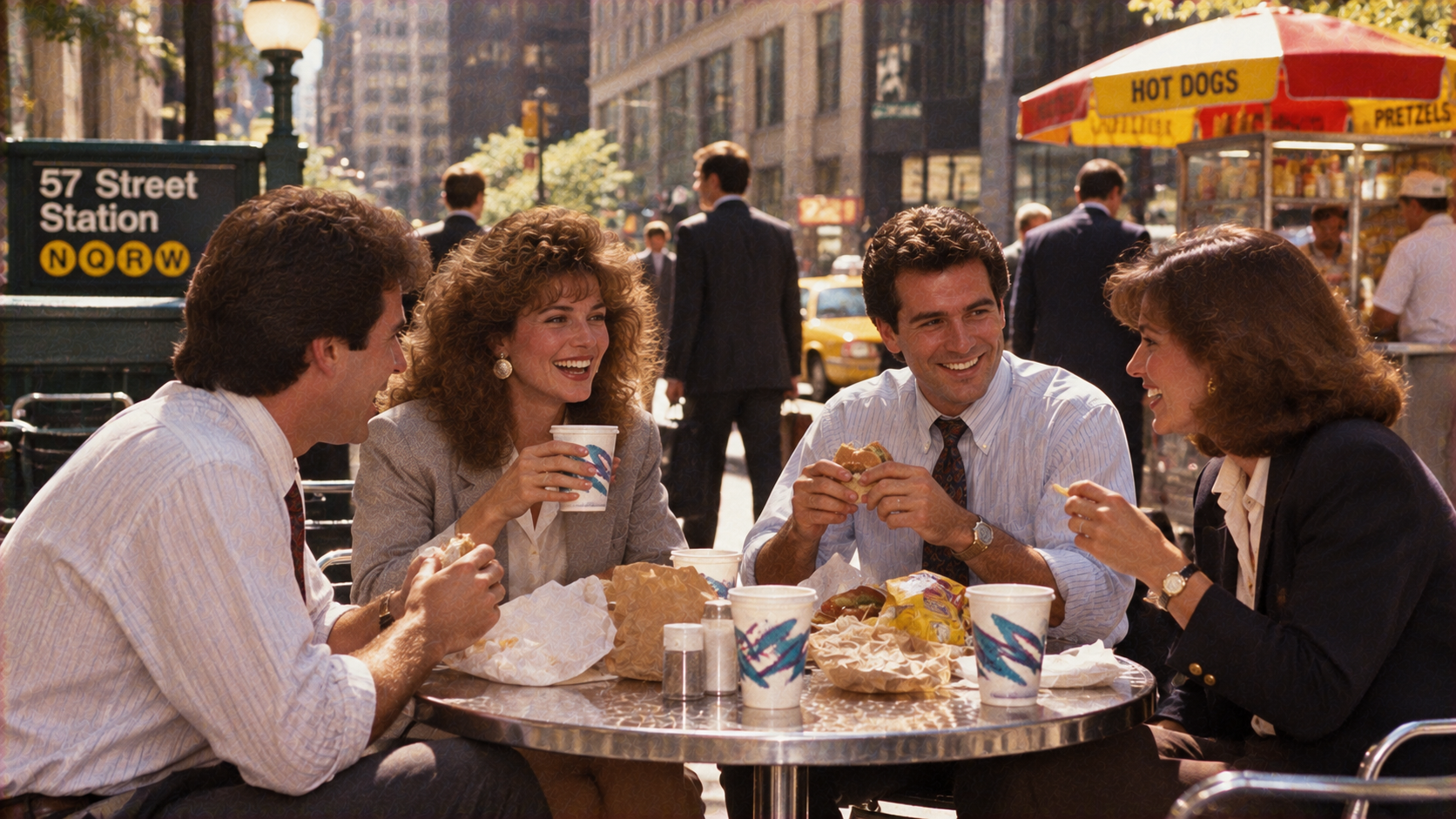
Lunch provided a perfect excuse to meet someone who worked a few blocks away. Friends arranged to meet at a familiar diner, coffee shop, or sandwich counter, sometimes establishing a weekly tradition that lasted for years. They exchanged stories about their bosses, talked about weekend plans, and laughed about things that had nothing to do with work. Without constant digital communication, those face-to-face conversations helped people stay connected.
Sign up for our newsletter
9. Walking Around Downtown Just to Browse
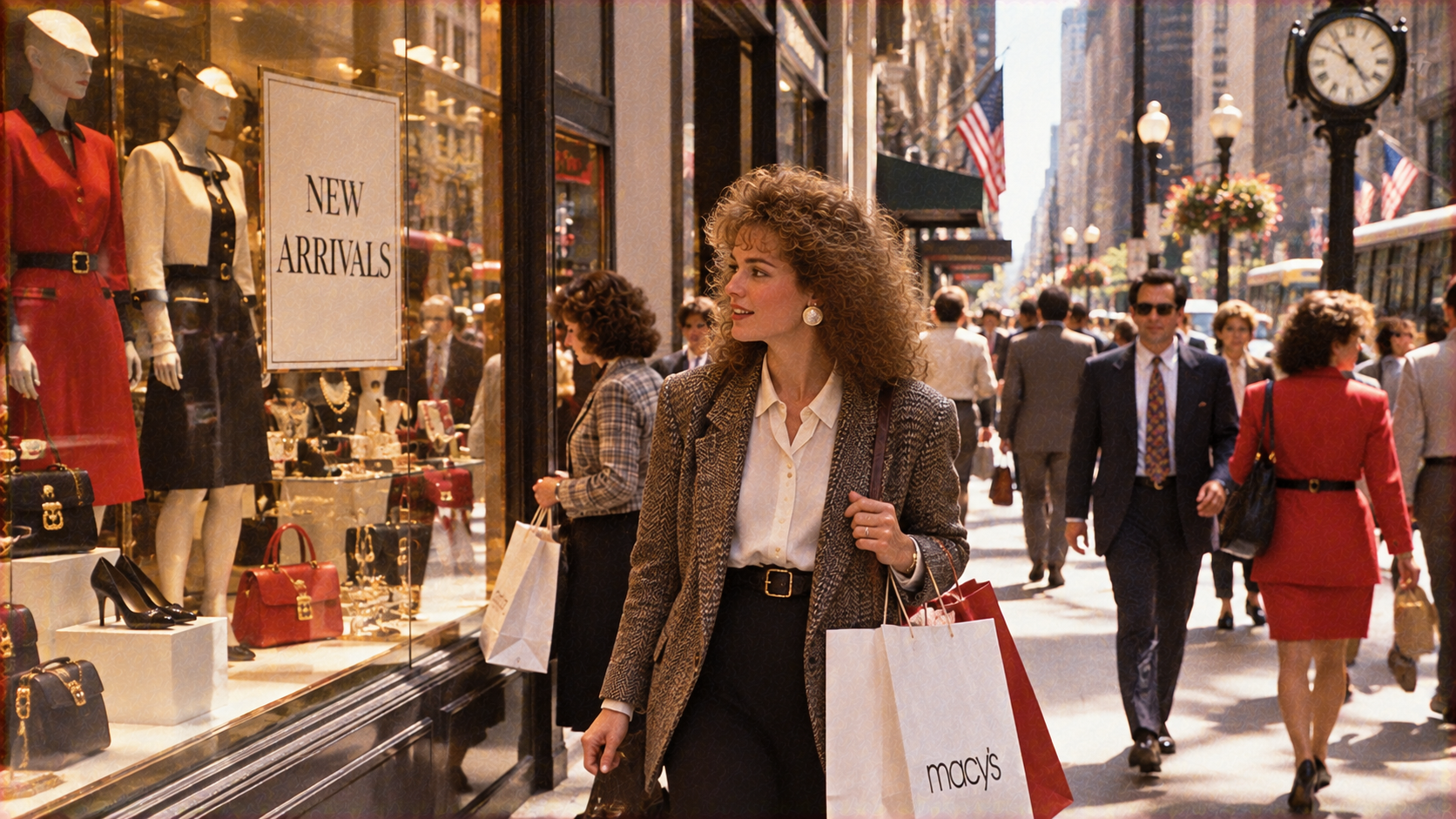
Not every lunch break involved spending money. Sometimes workers simply enjoyed wandering through downtown streets, looking at store windows, and watching the city move around them. Record shops displayed new albums, bookstores advertised bestsellers, and department stores decorated their windows for the season. A leisurely walk could turn into an unexpected discovery. It also offered something valuable after a morning indoors: fresh air and a change of scenery.
10. Eating at the Office Cafeteria
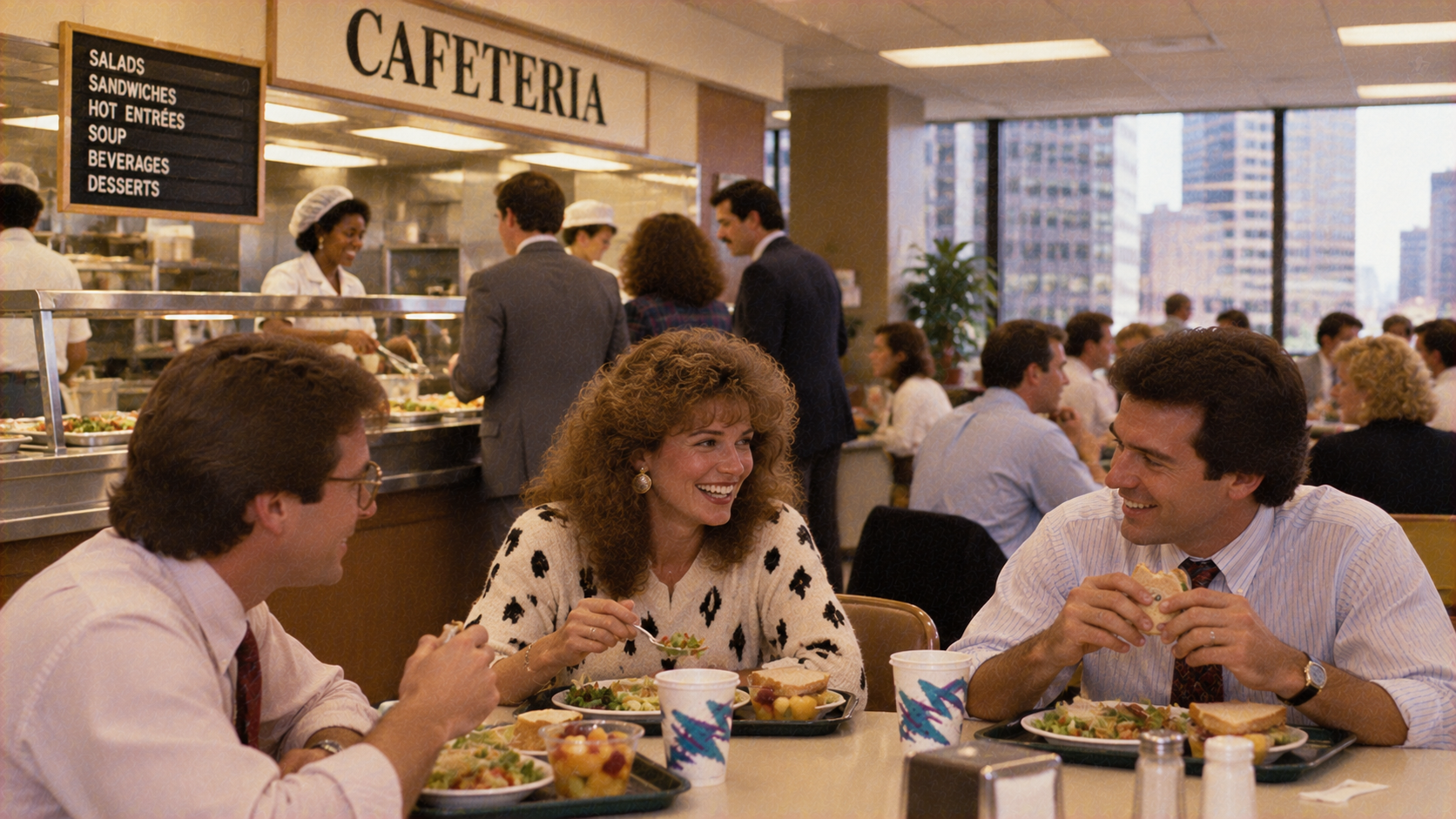
Large companies, factories, and government buildings often had cafeterias where employees gathered around long tables with trays of hot food. There might be roast beef on Mondays, fish on Fridays, and a rotating selection of vegetables and desserts. Coworkers knew which dishes were worth ordering and which ones were better avoided. The cafeteria wasn’t fancy, but it gave employees a place to relax, share stories, and see familiar faces from other departments.
11. Picking Up Dry Cleaning
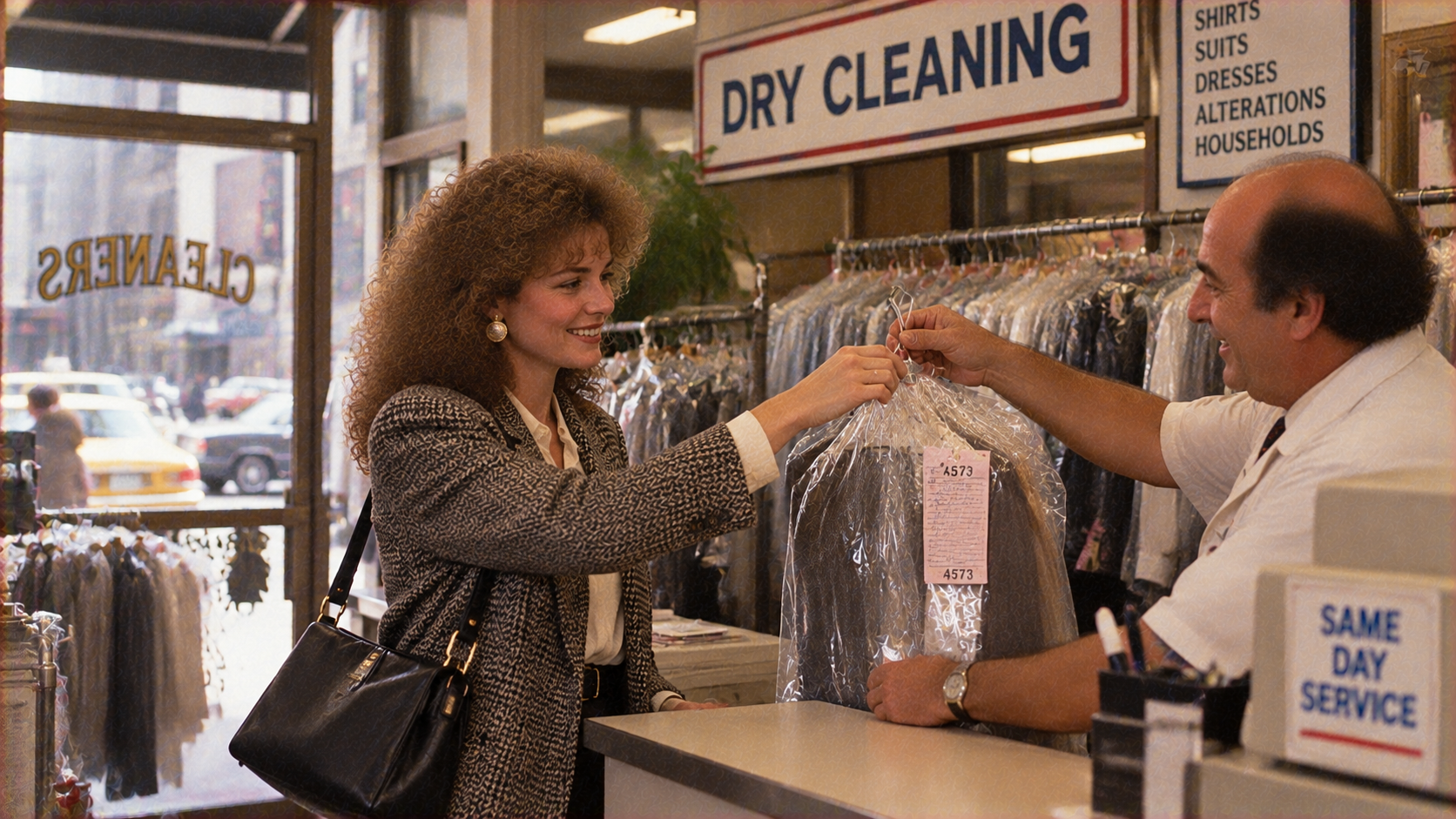
A freshly pressed suit or clean dress shirt was an important part of the working wardrobe for many Americans. That made the neighborhood dry cleaner a regular lunch-hour destination. Customers handed over paper tickets, collected clothes wrapped in plastic, and carried them back to the office or their cars. Some cleaners knew their regular customers by name and had their orders ready before they reached the counter. It was one more everyday errand that had to fit into normal business hours.
12. Playing Cards With Coworkers
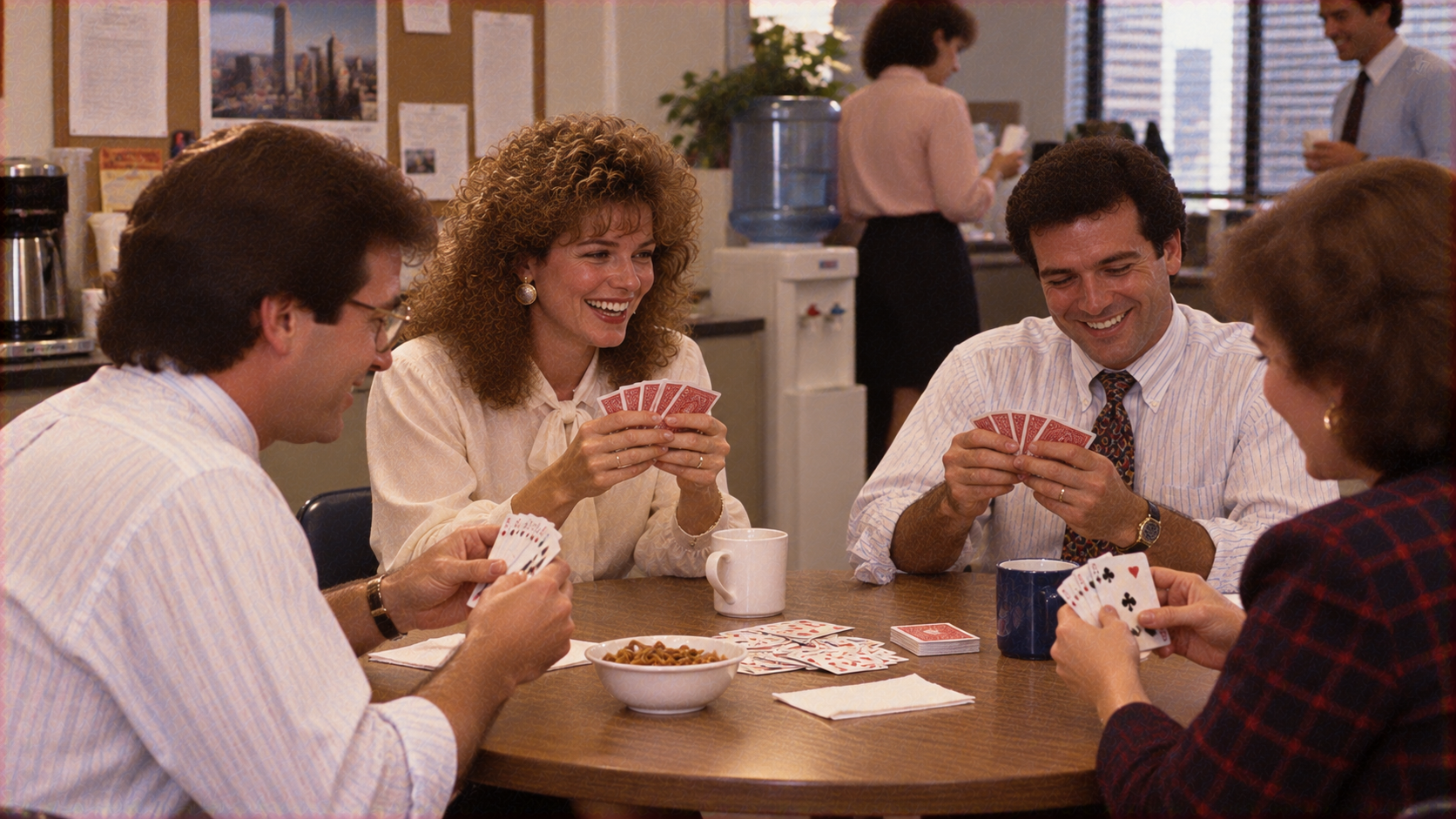
In factories, warehouses, and some office break rooms, a deck of cards could turn an ordinary lunch break into a daily competition. Employees gathered around a table for a few hands of poker, hearts, or another favorite game while eating sandwiches from home. The same players often returned day after day, continuing friendly rivalries and arguing over questionable moves. A little teasing was practically guaranteed, especially when someone who usually won suddenly had a terrible hand.
13. Visiting the Post Office
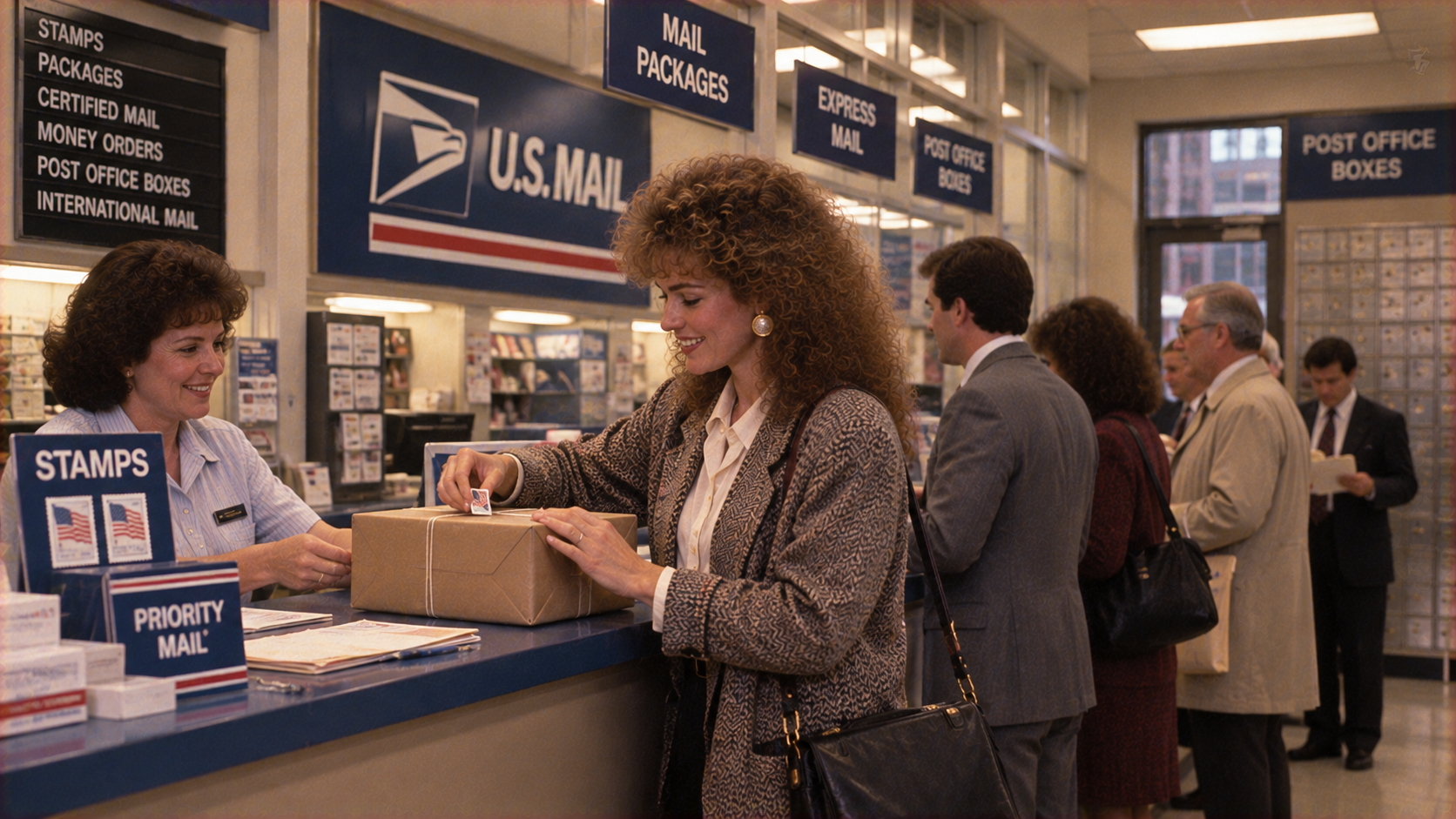
Mailing a package or buying stamps once required an actual trip to the post office. During lunch, workers joined the line with envelopes, birthday cards, and parcels tucked under their arms. They waited while postal clerks weighed packages, calculated postage, and handed over sheets of stamps. Around the holidays, the lines could stretch much farther than expected. Still, mailing something important was a task many people preferred to handle before the workday ended.
14. Browsing Record Stores
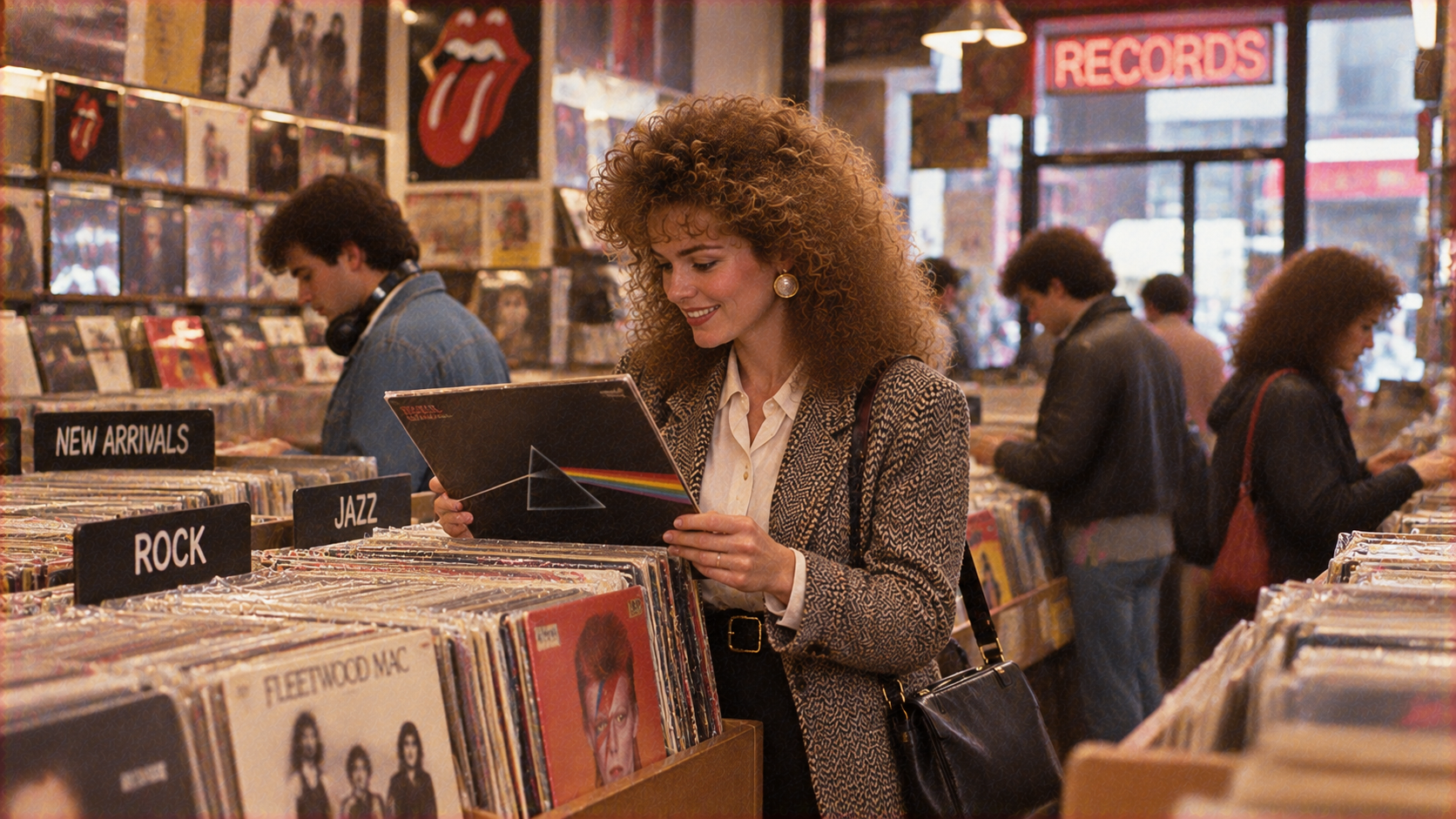
For music lovers, a record store near the office was an irresistible lunchtime destination. Workers flipped through vinyl albums, checked the latest releases, and studied colorful covers even when they had no intention of buying anything. Later, cassette tapes and CDs became part of the same ritual. A new album from a favorite artist could make the afternoon feel much shorter, especially when there was something exciting waiting to be played after work.
15. Taking a Smoke Break With Coworkers
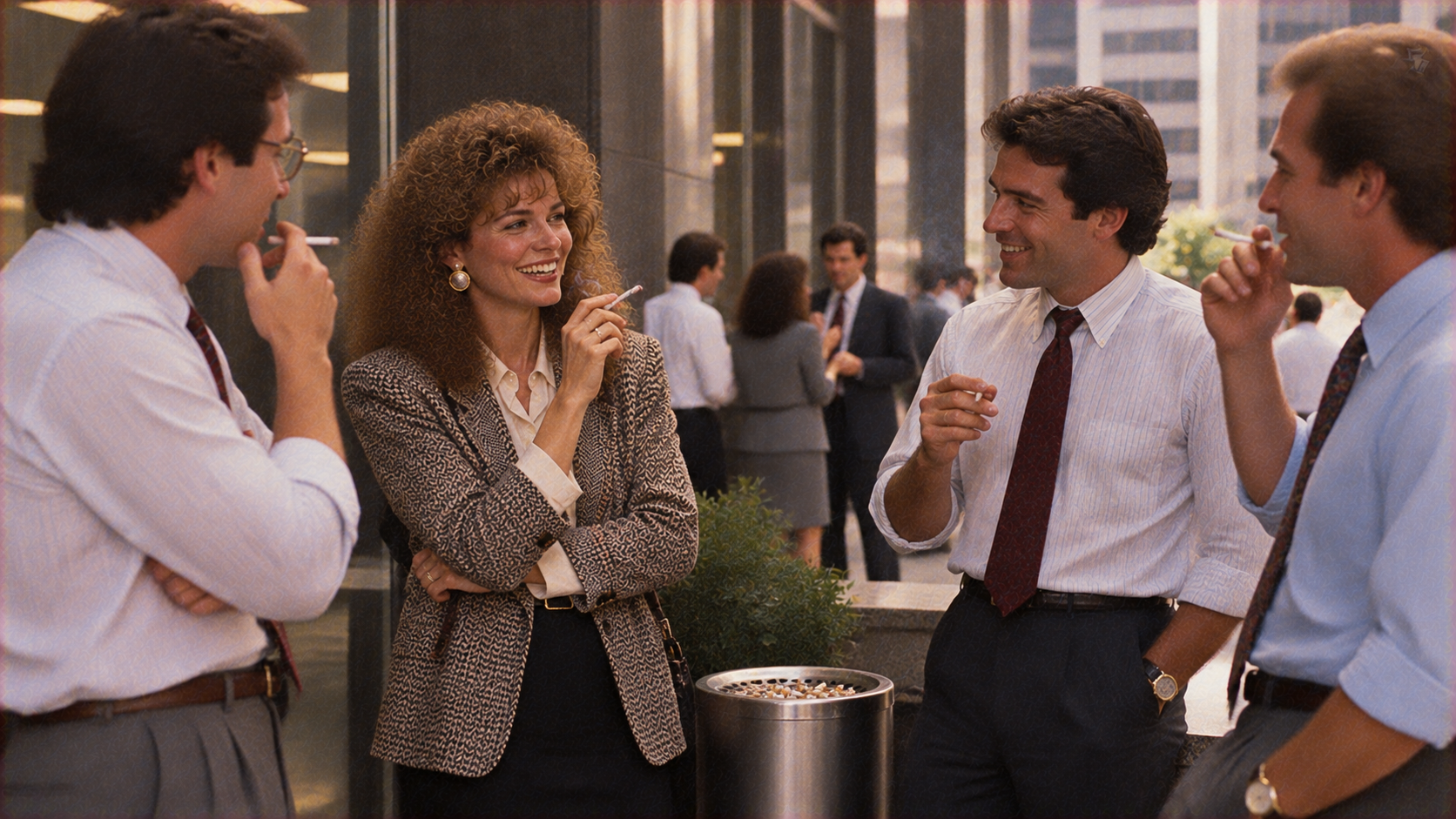
For decades, cigarettes were a familiar part of workplace culture, including the lunch hour. Employees gathered in designated smoking areas, outside building entrances, or in restaurant sections where smoking was still permitted. Some conversations continued over coffee and cigarettes long after the food was finished. As awareness of the health risks grew and workplace smoking restrictions expanded, these routines became much less common. Today, the sight of an entire restaurant section filled with cigarette smoke belongs to a very different era.
16. Paying Bills in Person
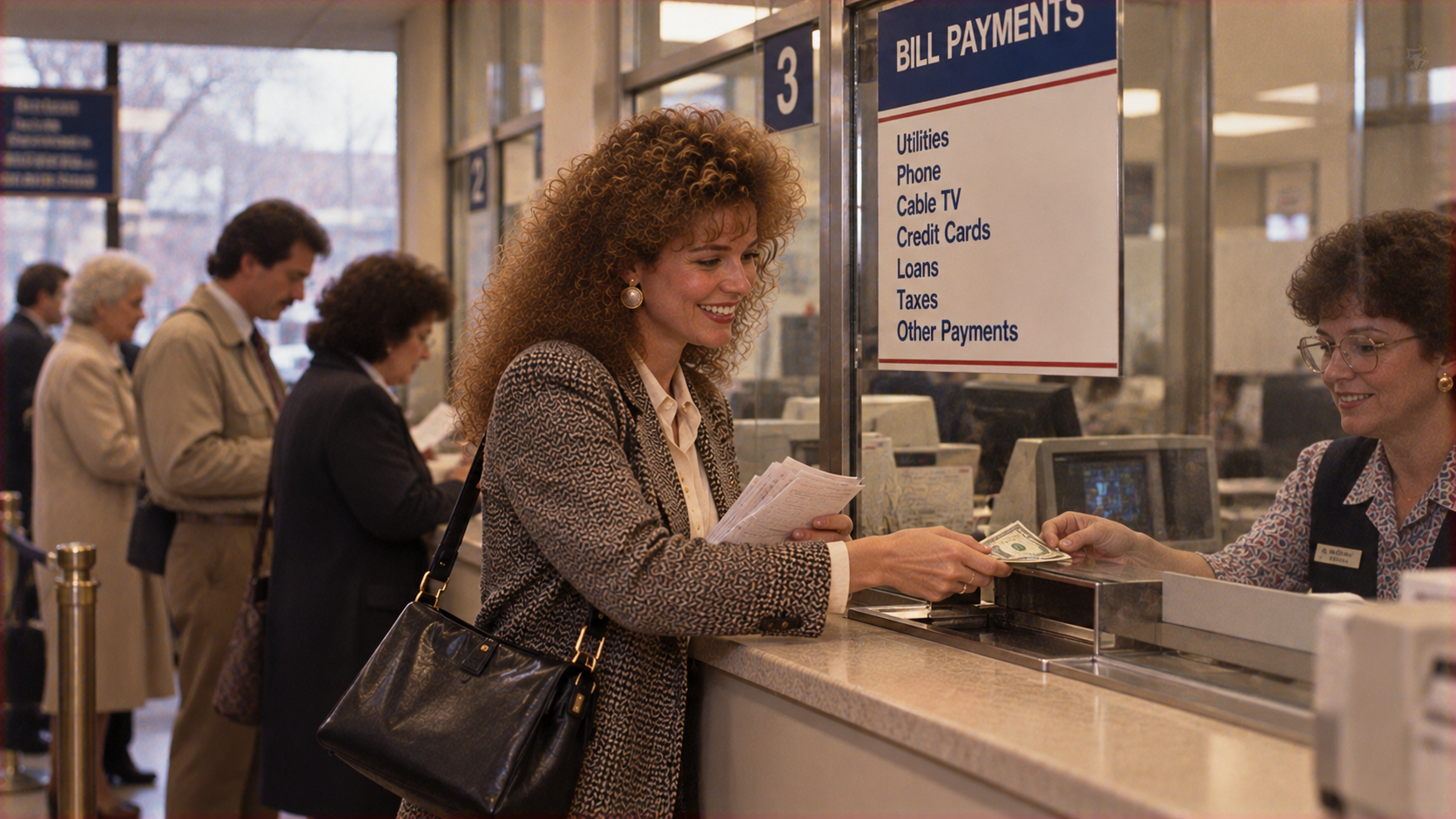
Before automatic payments and online accounts, keeping household bills current often required a trip across town. Someone might use lunch to stop at the telephone company, utility office, or department store payment counter with a checkbook in hand. Receipts were carefully tucked into purses or wallets, sometimes alongside a handwritten list of bills still waiting to be paid. Completing one of those errands meant crossing something important off the week’s to-do list.
17. Visiting a Bookstore or Newsstand
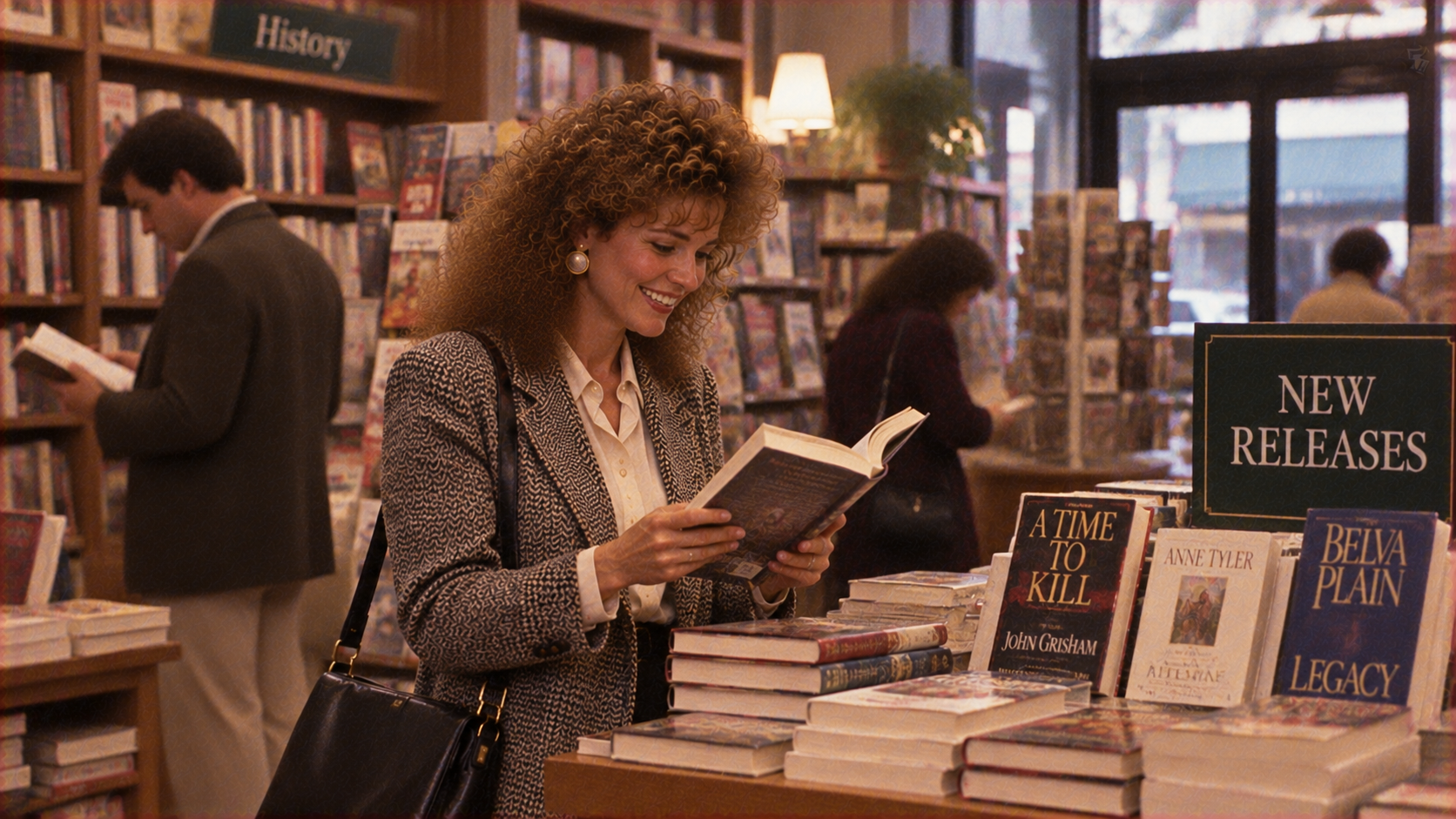
A bookstore could provide a surprisingly peaceful escape from a noisy office. Workers browsed paperback mysteries, travel guides, magazines, and the newest titles displayed near the entrance. Others stopped at newsstands to pick up a favorite magazine or a copy of the TV Guide. There was something satisfying about finding an interesting book during lunch and knowing a few chapters were waiting for the evening. Browsing didn’t require a purchase, and that was part of the pleasure.
18. Taking the Entire Hour Without Feeling Guilty
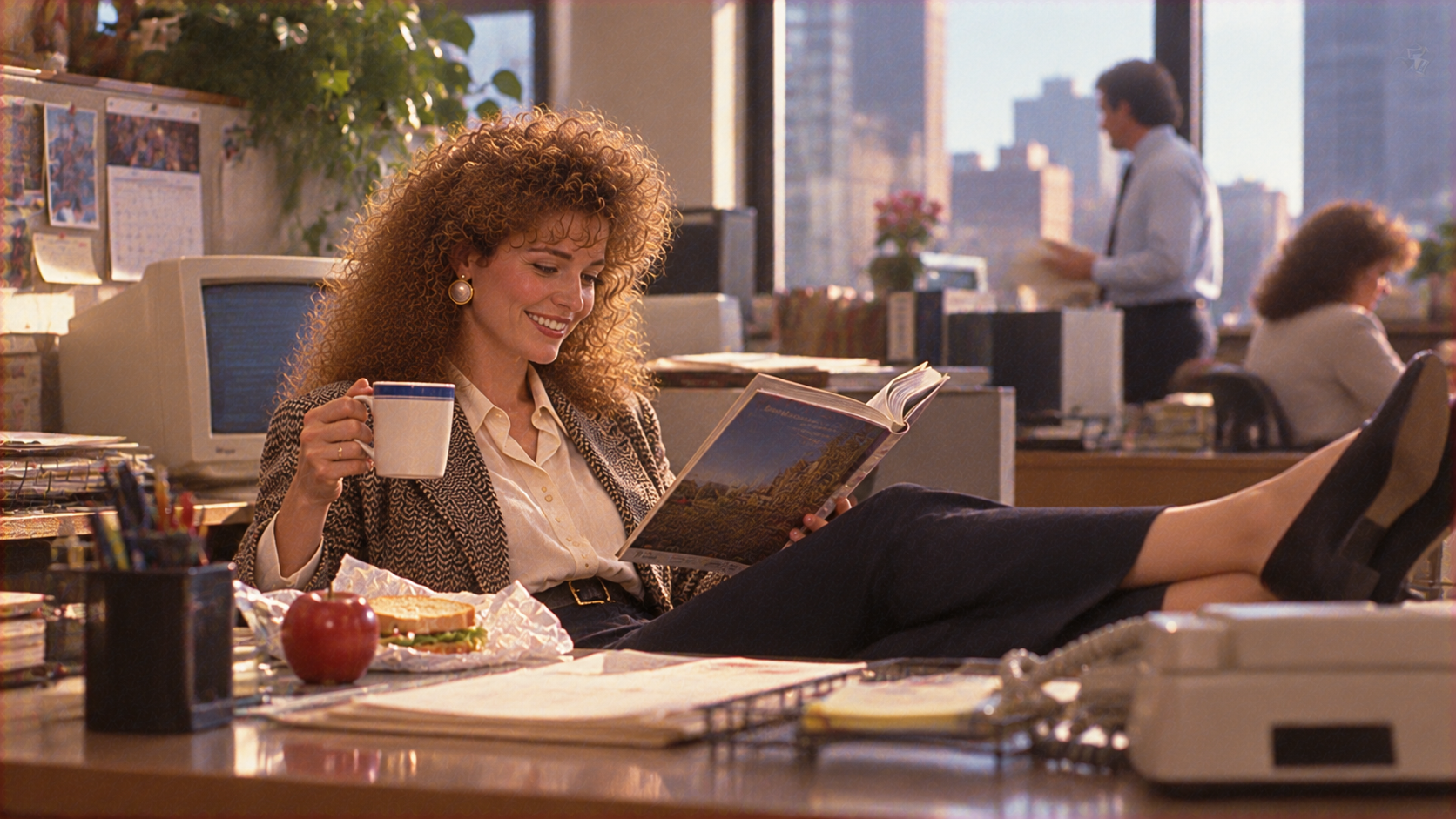
Perhaps the biggest difference was the simple expectation that a lunch break belonged to the employee. In workplaces with a full hour scheduled for lunch, people could leave the building, enjoy a meal, and return when the time was up. There were no smartphones buzzing with work messages or laptops tempting them to answer one more email. Of course, not every job offered that freedom, but for those who had it, the lunch hour created a clear separation between the morning’s responsibilities and the afternoon ahead.
More Related Notes
• 15 Old-Fashioned Sandwiches That Have Almost Vanished From Lunch Menus
Remember when lunch meant sitting at a diner counter with a tuna melt or opening a homemade sandwich wrapped in wax paper? Rediscover the classic American lunches that once made midday breaks feel special.
• 18 Office Photos That Show How Much the Workplace Has Changed
Take a nostalgic look at American offices before smartphones, video meetings, and constant notifications changed the workday, including the routines and social interactions that made lunch breaks feel different.
• Before Zoom and Slack: 17 Vintage Photos That Show What Office Life Used To Look Like
Explore vintage workplace scenes from decades past, when employees gathered around coffee machines, chatted with coworkers, and experienced a very different kind of office culture.