There was a time when knowing your neighbors meant more than recognizing their cars in the driveway. You knew who made the best homemade cookies, whose husband could fix just about anything, and which family always had extra chairs when company came over. Front doors were often left unlocked, conversations happened across backyard fences, and asking for a little help rarely felt like a big deal.
In American neighborhoods throughout the 1960s, 1970s, and 1980s, small acts of kindness were woven into everyday routines. Nobody needed a neighborhood app to find someone willing to lend a hand. While plenty of communities still look out for one another, some of those familiar traditions have become much harder to find.
1. Borrowing a Cup of Sugar
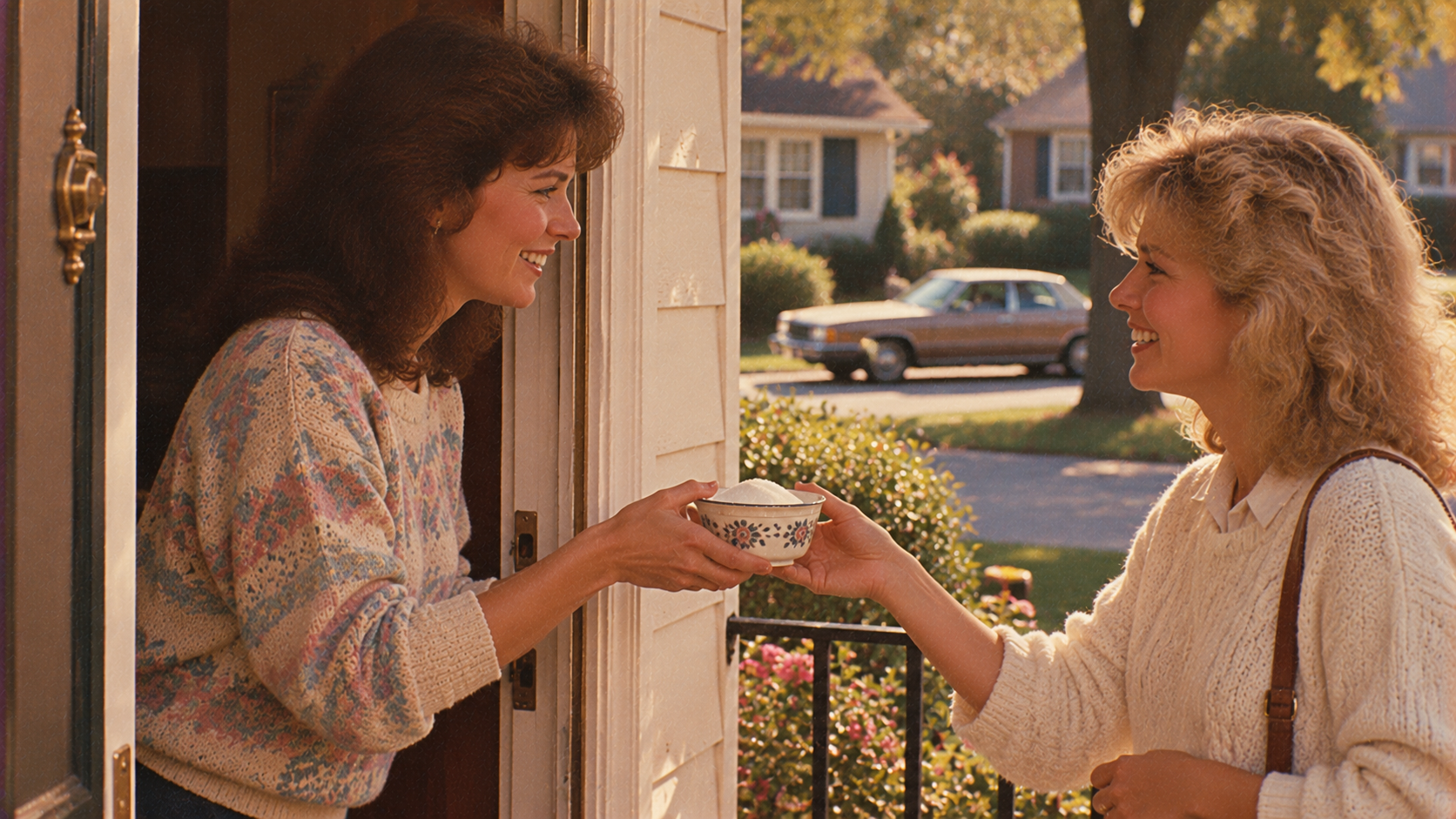
Running out of sugar halfway through baking a cake wasn’t necessarily a reason to drive to the grocery store. You simply knocked on the neighbor’s door with a measuring cup in hand. Sometimes you borrowed flour, eggs, or a little butter instead. The borrowed ingredient was often returned a few days later, occasionally accompanied by a slice of whatever you had baked.
2. Watching Each Other’s Children
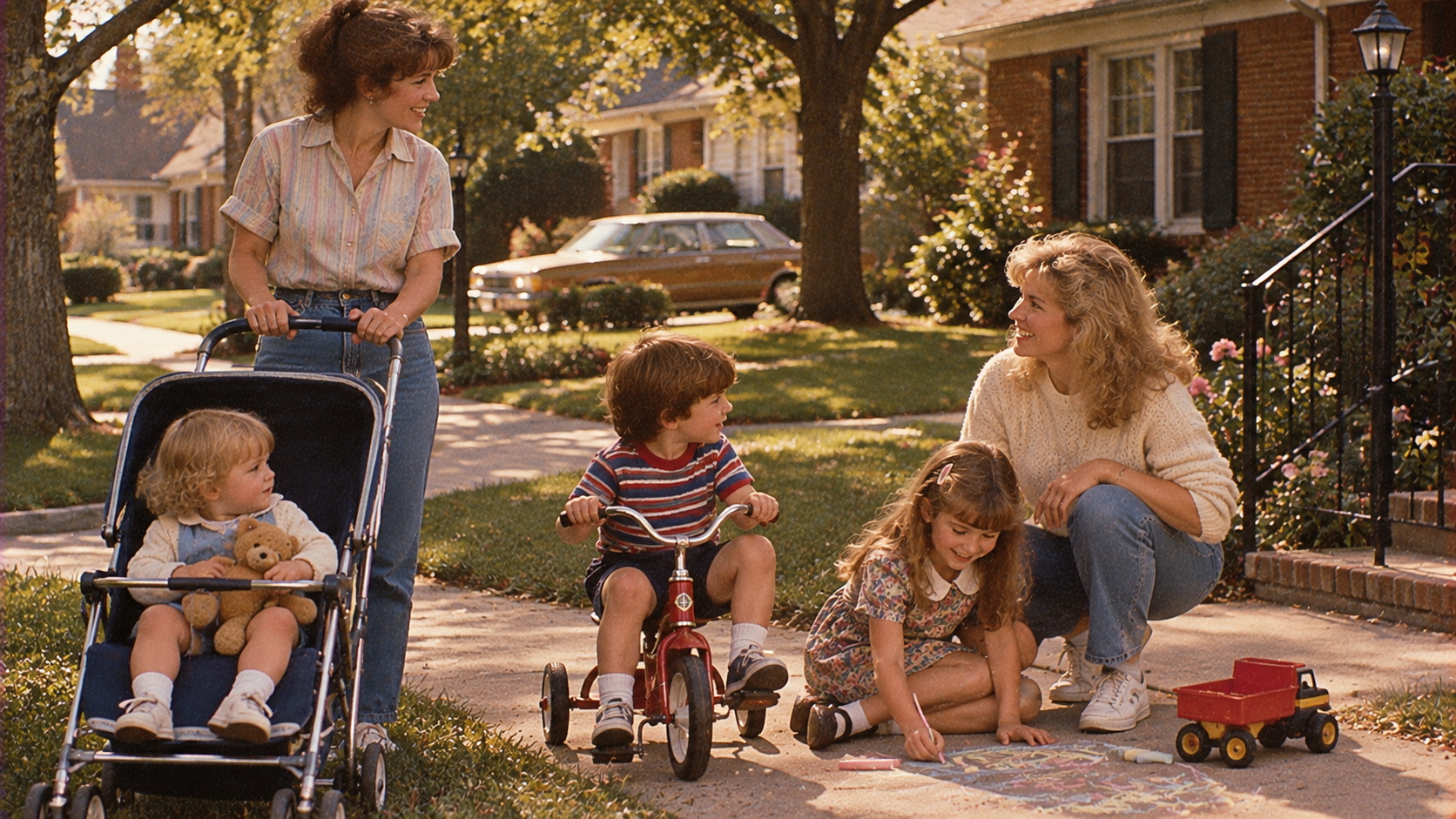
Before every babysitting arrangement involved schedules, payments, and several text messages, neighbors frequently helped with childcare. A mother might watch the kids next door while their parents ran errands or attended an appointment. Children moved between familiar houses, and parents knew there was another adult nearby who would keep an eye on things.
3. Bringing Food to New Neighbors
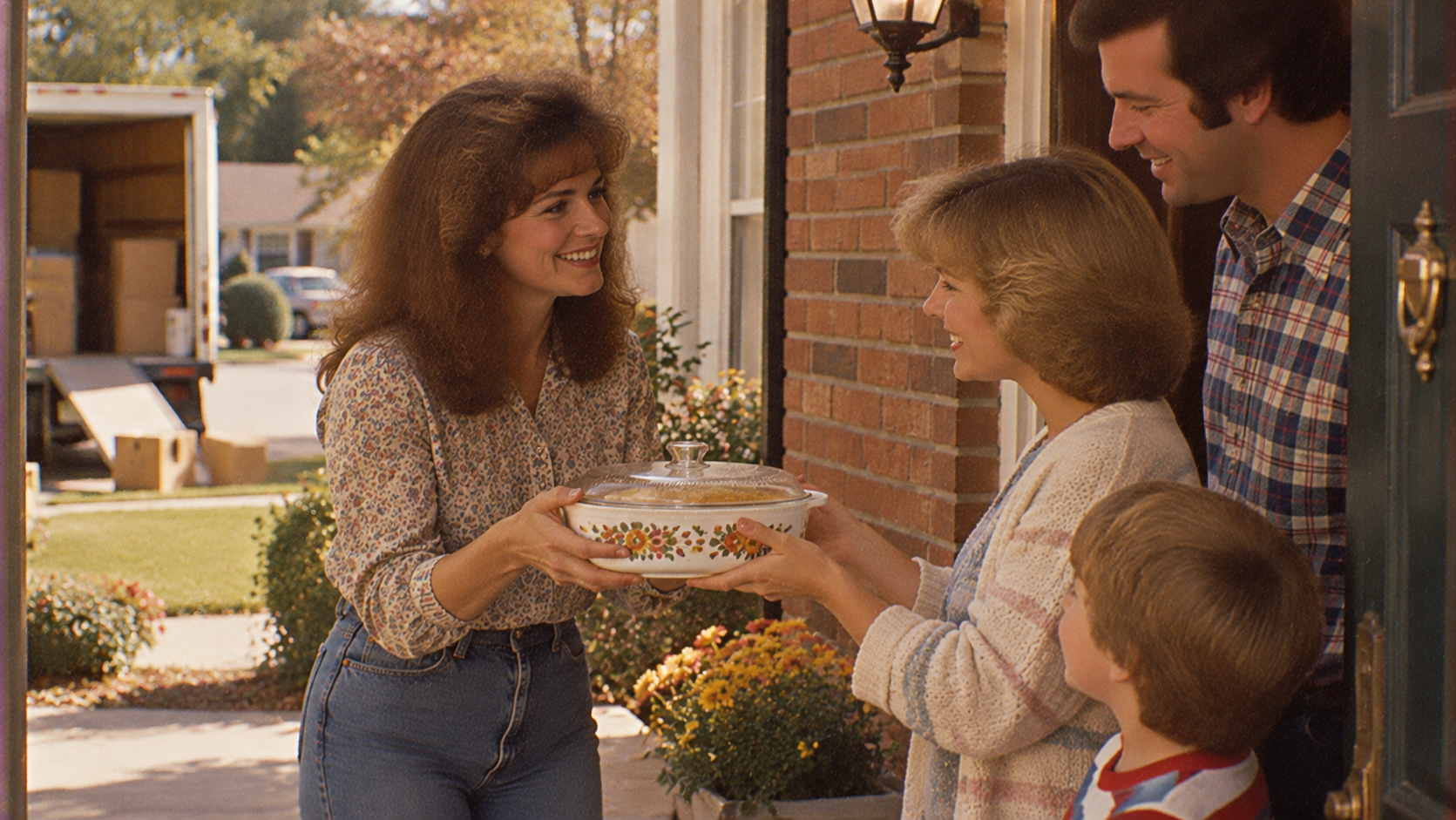
Moving into a new house once came with an unofficial welcome committee. Someone might arrive carrying a homemade casserole, a plate of brownies, or a freshly baked pie. The food was nice, but the real purpose was introducing yourself. It was a simple way of saying that the new family was already part of the neighborhood.
4. Collecting Mail During Vacations
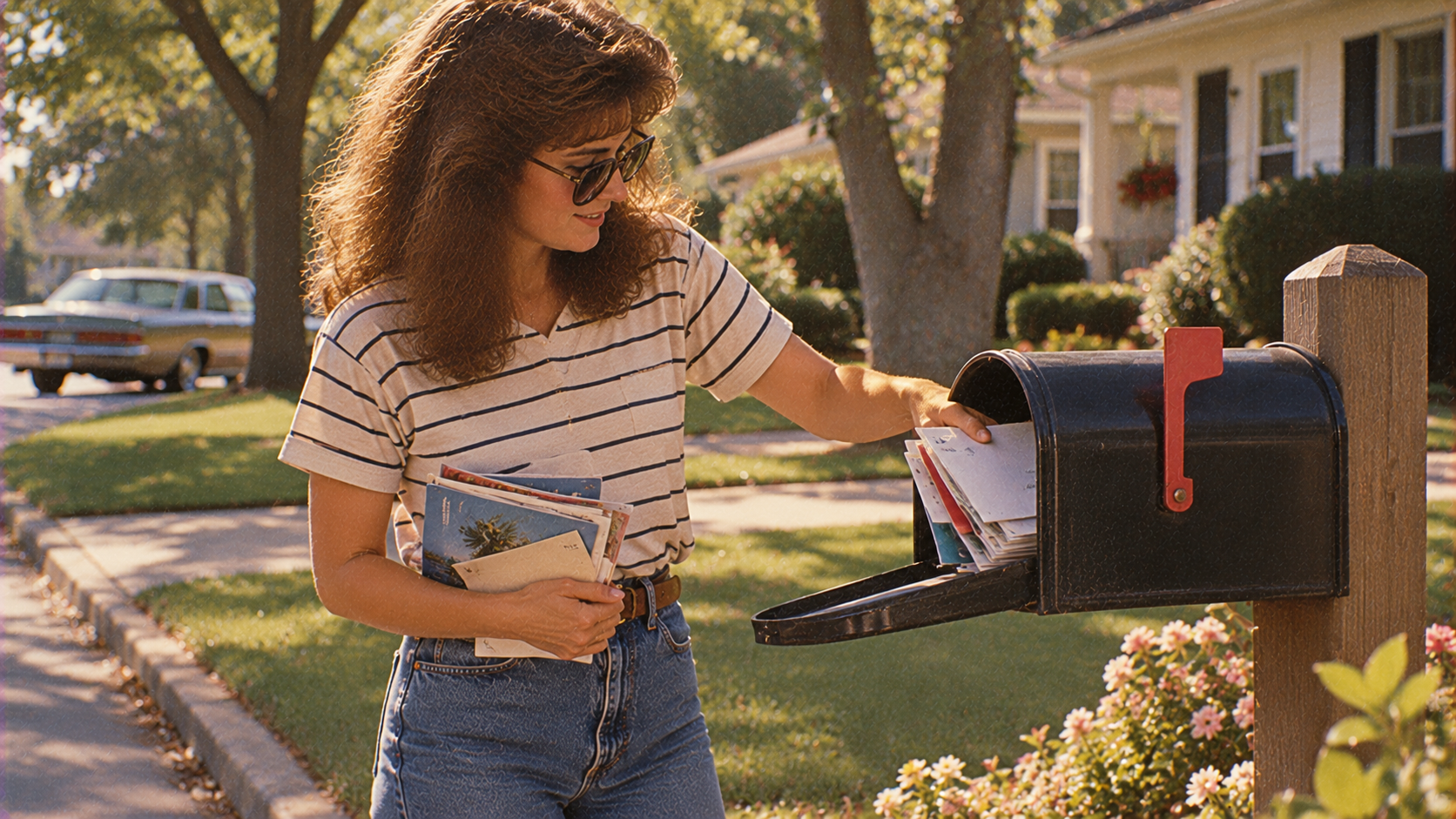
Before online delivery notifications and smart doorbells, a growing pile of newspapers on the porch was an obvious sign that nobody was home. Neighbors would collect the mail, bring in the newspaper, and sometimes water the plants while a family was away. In return, they might receive a postcard or a small souvenir from the trip.
5. Shoveling Each Other’s Sidewalks
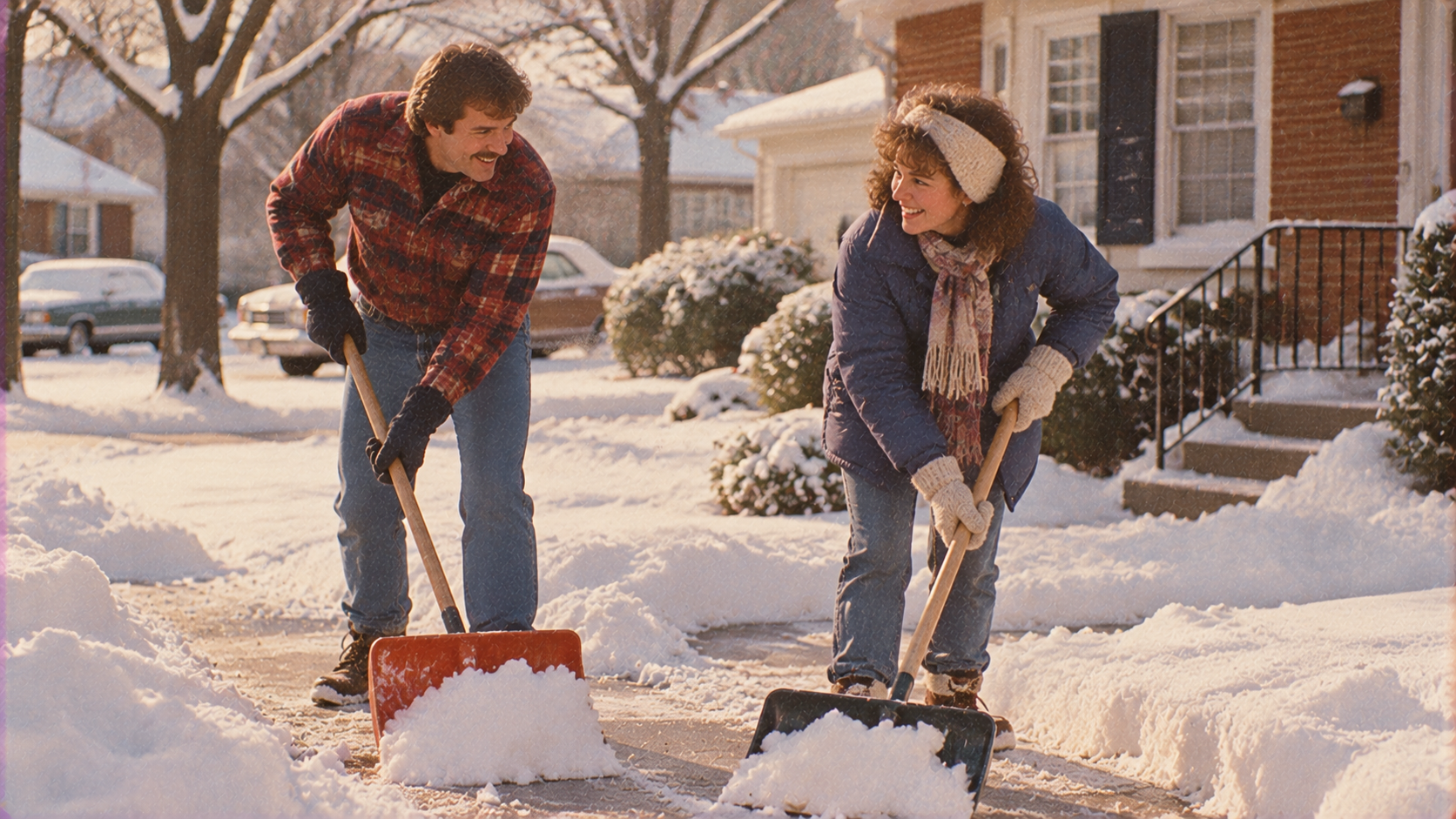
On snowy winter mornings, the sound of shovels scraping against concrete often started before breakfast. Someone clearing their own walkway might continue right across the property line to help an elderly neighbor. Nobody necessarily asked, and nobody expected payment. It was simply what you did when you were already outside with a shovel.
Trending on Wealth Gang


6. Lending Tools Without Thinking Twice
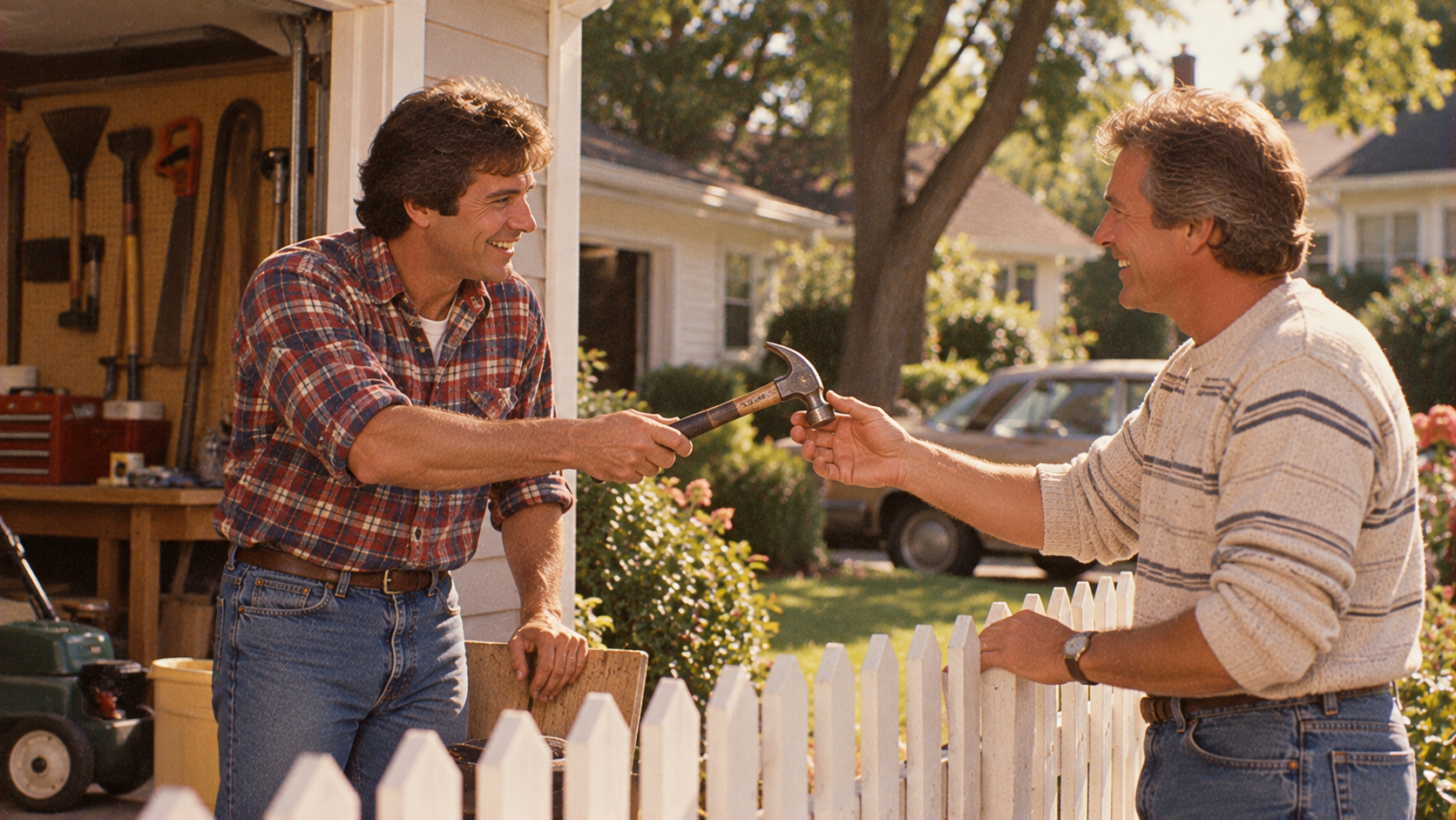
Not every household needed its own ladder, power drill, or set of specialty wrenches. If you needed something for a weekend project, chances were someone down the street had it. A borrowed tool might lead to an entire afternoon of conversation in the garage, especially when the neighbor decided to come over and show you how to use it.
7. Checking on Elderly Neighbors
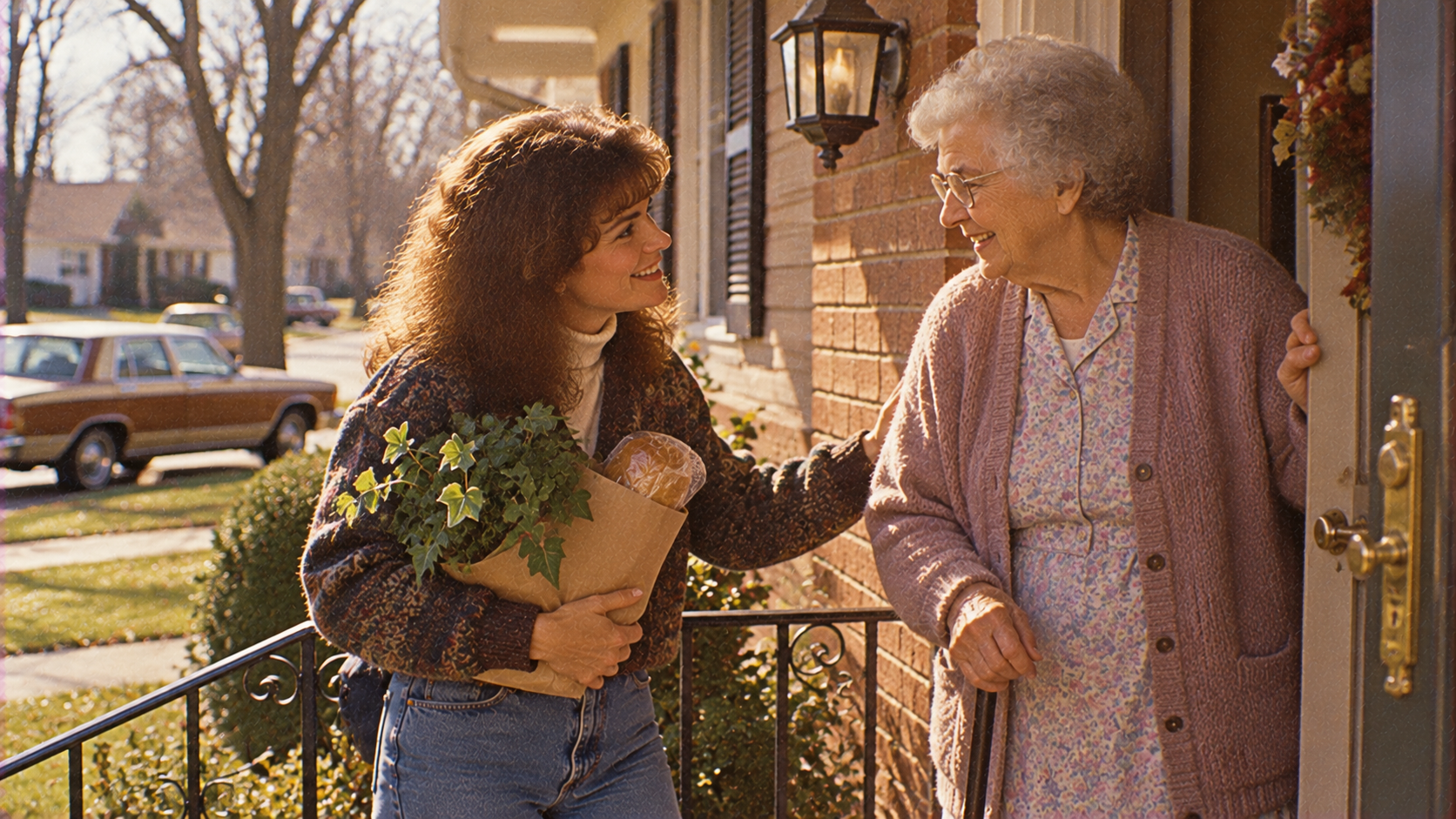
Older residents were often familiar faces who had lived on the same street for decades. Neighbors noticed when the curtains stayed closed unusually late or when someone hadn’t been outside to pick up the newspaper. A quick knock on the door, an offer to pick up groceries, or a few minutes of conversation helped people feel less alone.
8. Sharing Vegetables From Backyard Gardens
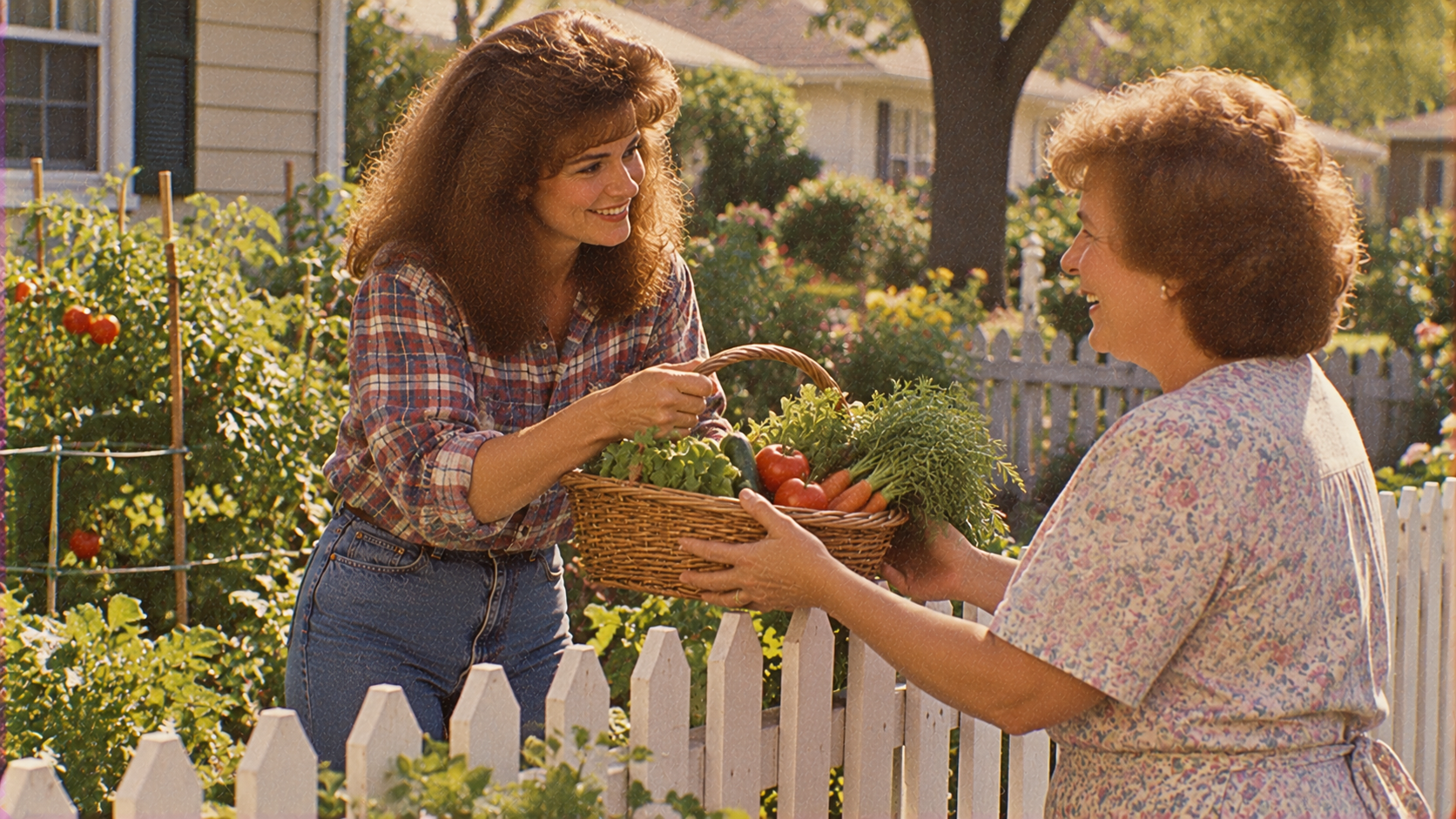
A successful summer garden could produce more tomatoes, zucchini, and cucumbers than one family could possibly eat. Rather than letting anything go to waste, gardeners distributed the extras around the block. Brown paper bags filled with fresh vegetables appeared on porches, and sometimes a neighbor returned the favor with homemade jam or pickles.
Sign up for our newsletter
9. Helping Someone Move Furniture
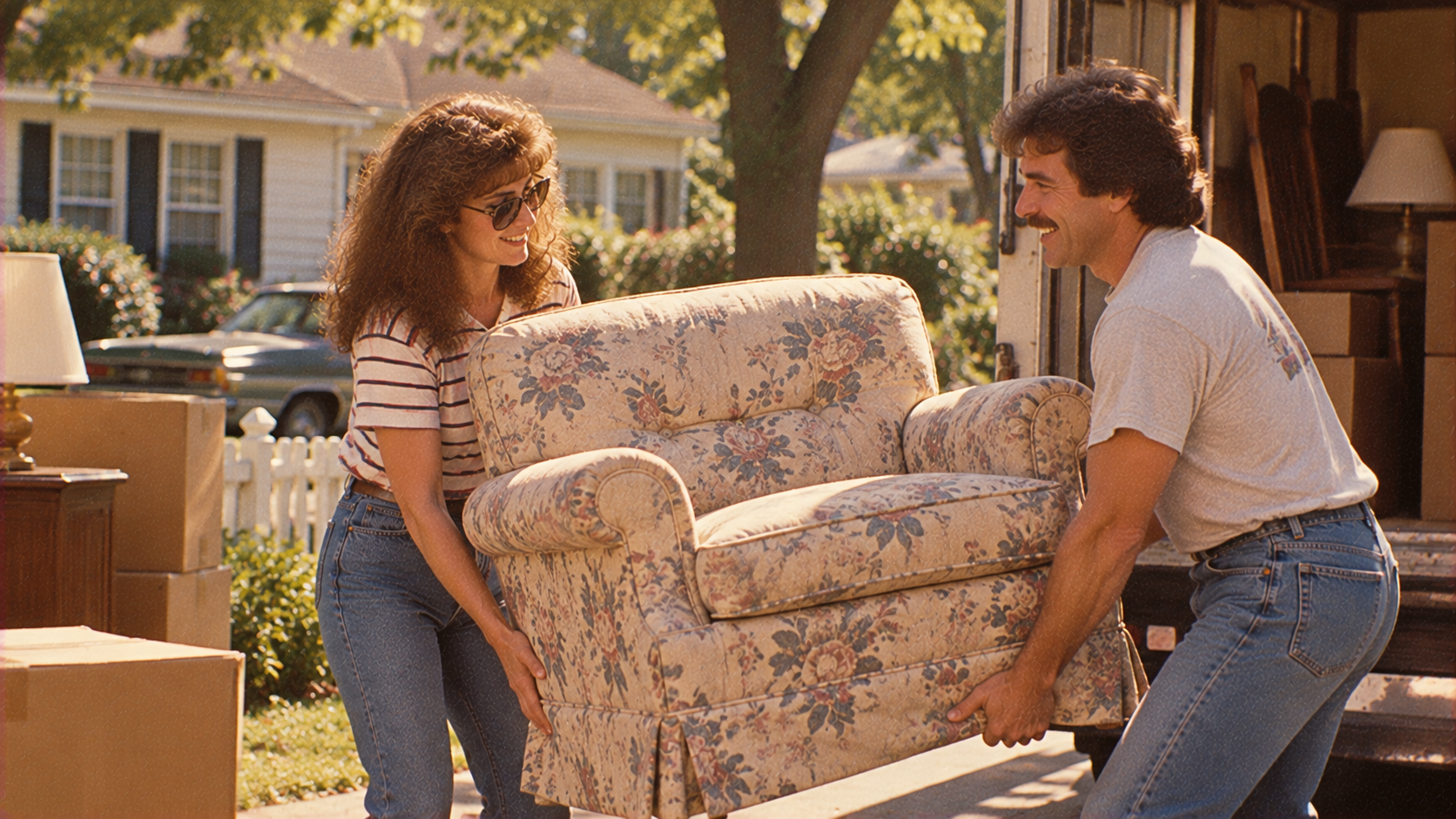
When a family bought a new couch or needed to rearrange the living room, finding an extra pair of hands was often as easy as looking next door. Neighbors helped carry heavy furniture up staircases, load moving trucks, and squeeze oversized tables through narrow doorways. The reward was usually a cold soda, a few slices of pizza, and a lot of laughter.
10. Keeping an Eye on Each Other’s Houses
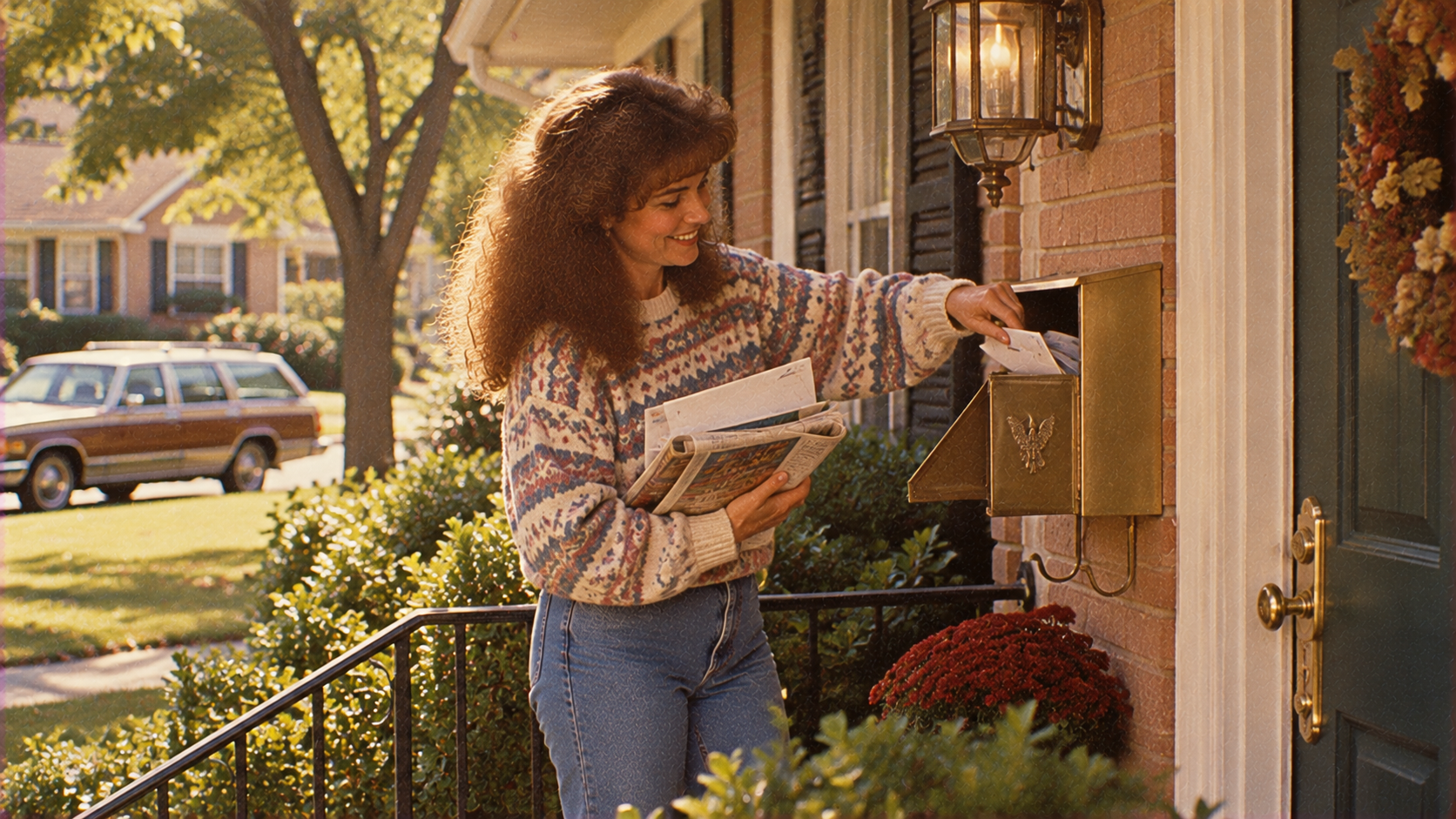
Long before security cameras became common, neighbors provided a surprisingly effective informal watch system. They recognized unfamiliar cars, noticed open garage doors, and knew when something seemed out of place. It wasn’t necessarily about being suspicious. People simply paid attention to the houses and families around them.
11. Giving Rides to People Who Needed Them
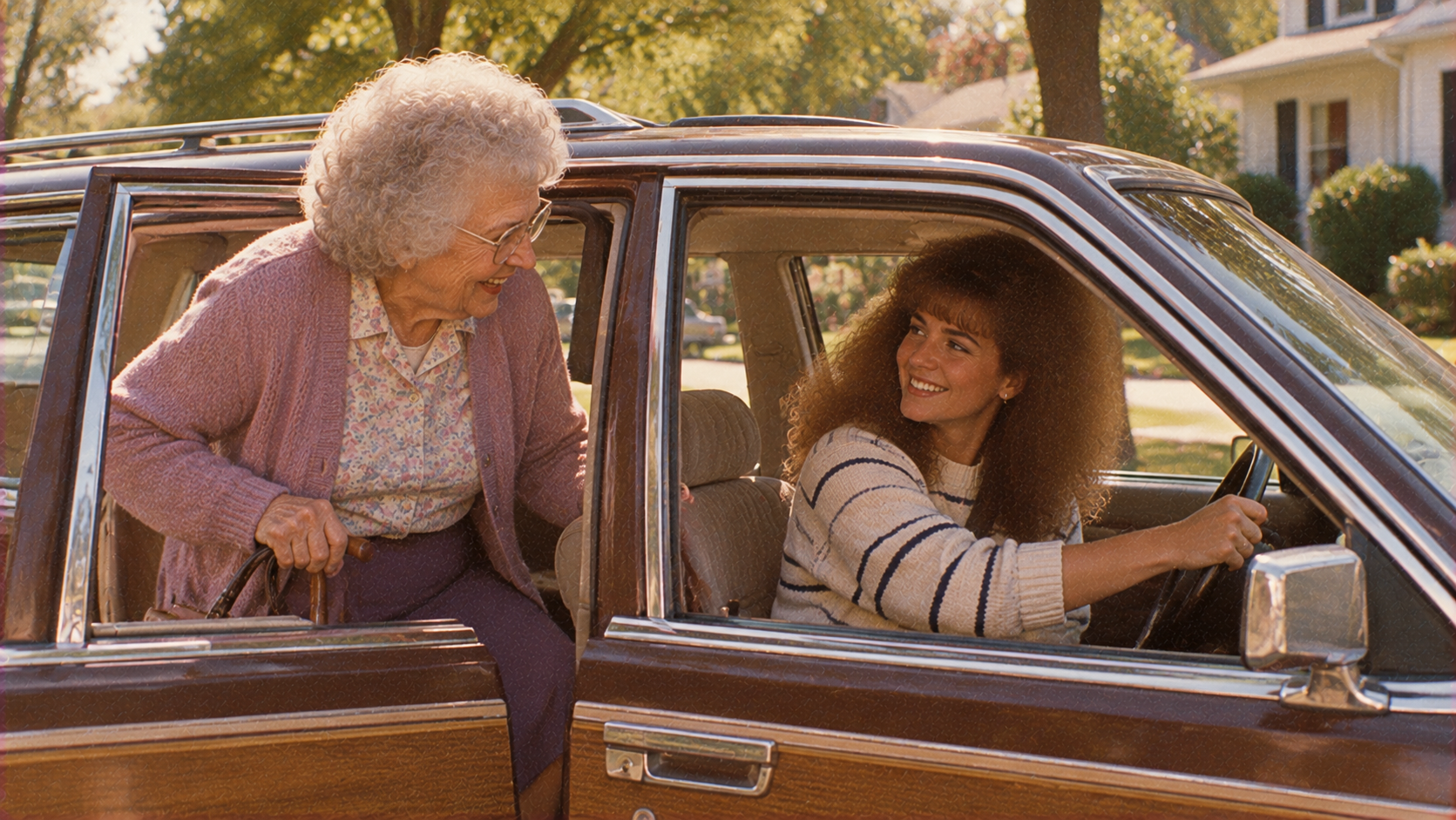
If someone’s car broke down, a neighbor might offer a ride to work, school, church, or the grocery store. Families sometimes coordinated trips so everyone could get where they needed to go. It was especially helpful for older residents and households with only one vehicle. Gas money wasn’t always discussed, although returning the favor was understood.
12. Sharing Homemade Meals During Difficult Times
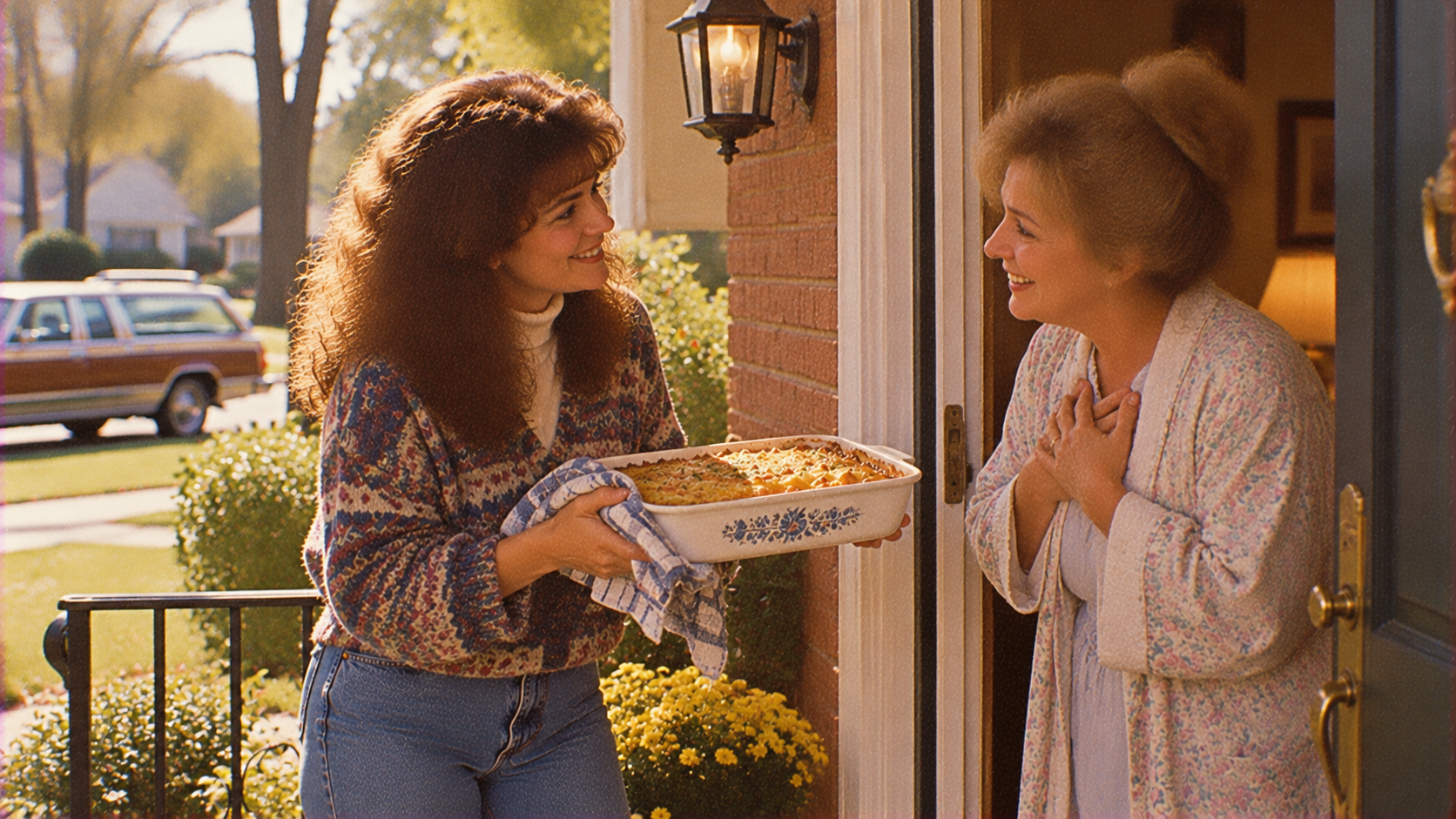
When someone was sick, recovering from surgery, or dealing with a death in the family, neighbors often showed up with food. Casserole dishes, homemade soups, and covered plates appeared at the front door without much explanation. Nobody expected the family to entertain visitors. The gesture was simply meant to make one difficult day a little easier.
13. Helping With Home Repairs
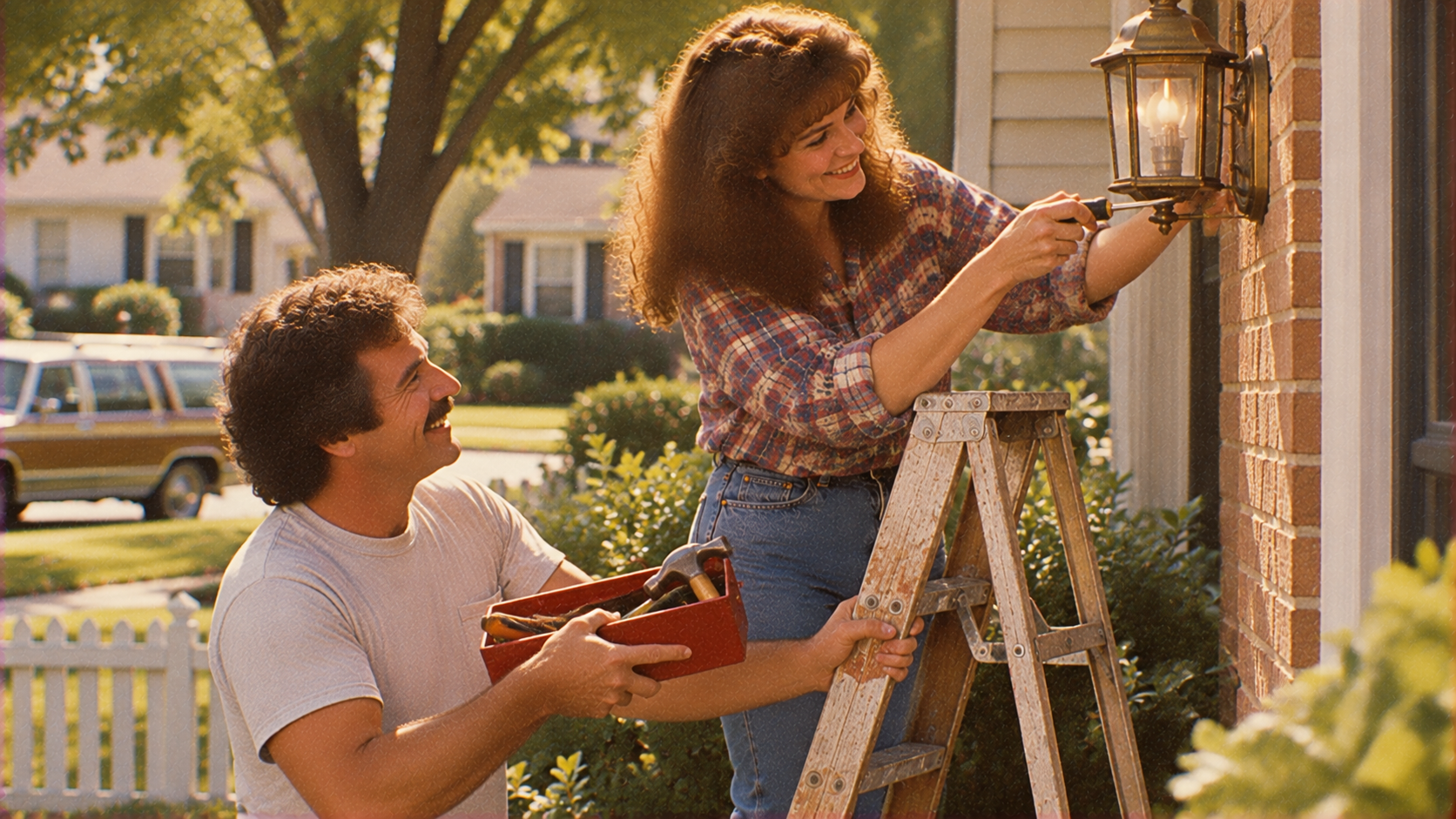
A leaky faucet or broken fence didn’t always mean calling a professional immediately. Many neighborhoods had someone who knew plumbing, carpentry, electrical work, or basic car repairs. That person often became the unofficial neighborhood handyman, offering advice or stopping by with a toolbox. Sometimes the repairs took longer because everyone ended up talking.
14. Inviting Neighbors Over for Coffee
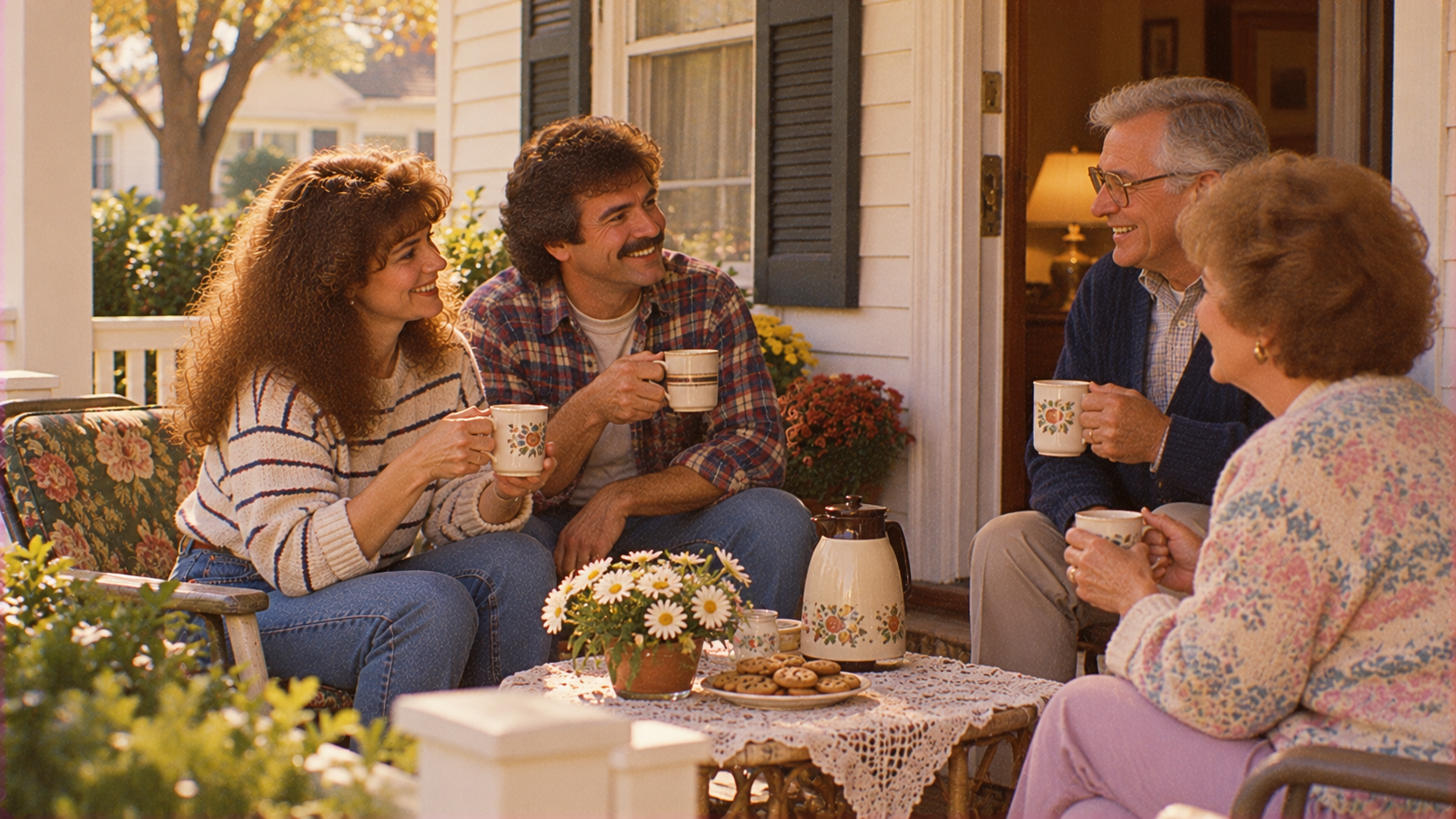
An invitation for coffee didn’t require a special occasion or several days of planning. Someone might knock on the door in the middle of the afternoon and end up sitting at the kitchen table for an hour. The conversation could cover everything from the weather to the children to whatever was happening down the street. Those ordinary visits helped friendships grow naturally.
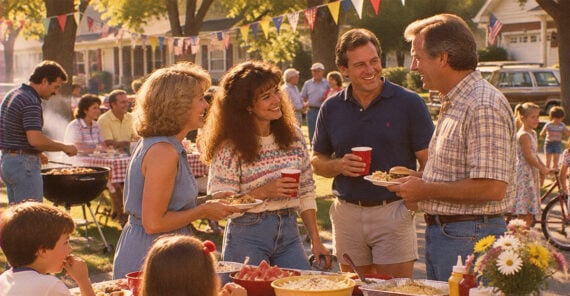
15. Organizing Neighborhood Block Parties
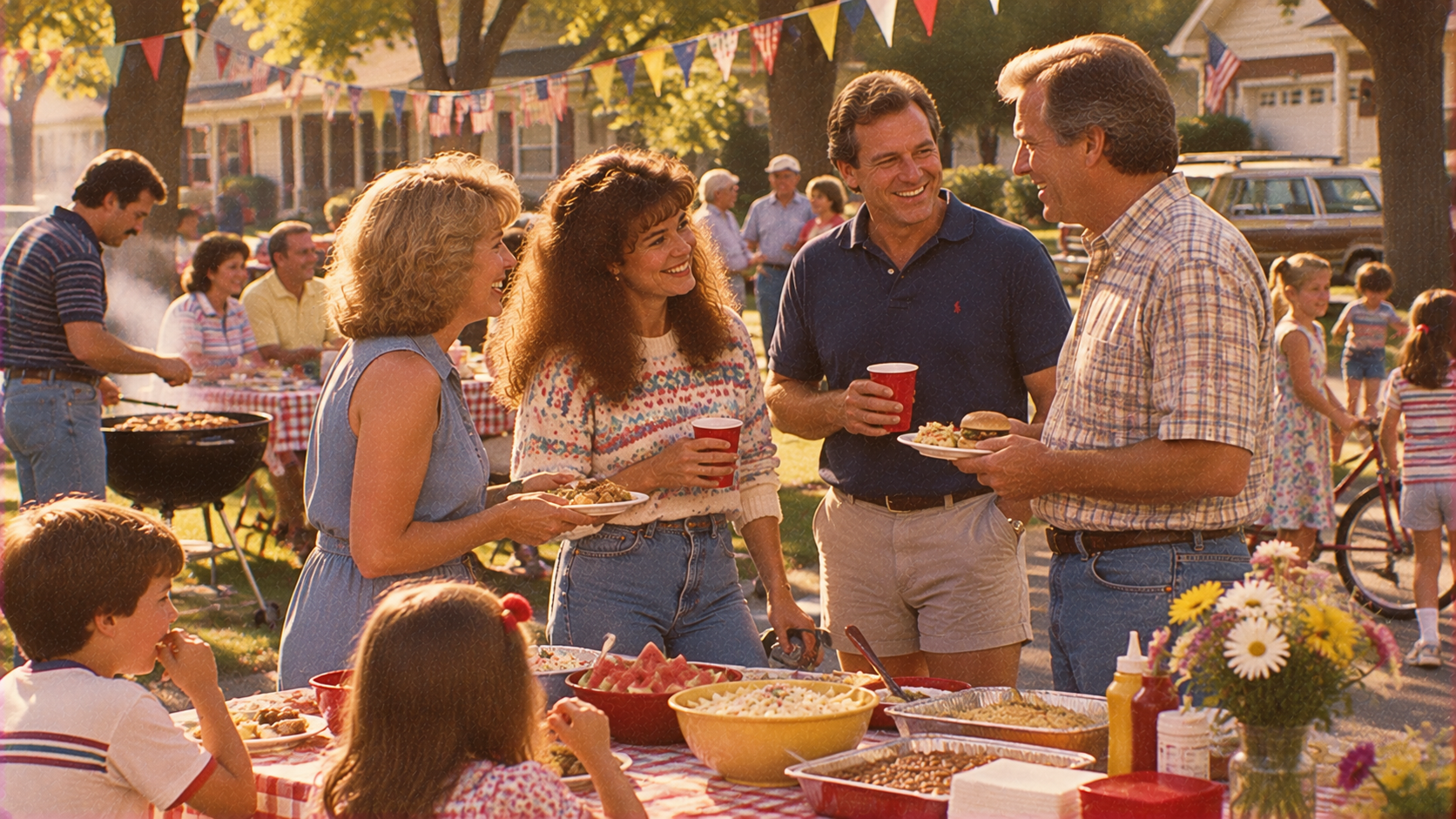
Summer block parties once transformed ordinary residential streets into lively gathering places. Families brought folding chairs, picnic tables, homemade dishes, and portable grills outside. Children rode bicycles while adults caught up with people they hadn’t seen all winter. These gatherings created memories that lasted long after the decorations came down and the street reopened.
More Related Notes
• 15 Old Customs That Reveal How Different Daily Life Once Was.
Revisit the forgotten social customs and everyday traditions that once encouraged face-to-face conversations, personal visits, and stronger connections between neighbors.
• 10 Beloved Family Traditions From the ’70s That Are Long Gone.
Take a nostalgic look at the family dinners, neighborhood gatherings, and shared traditions that made communities feel closer during the 1970s.
• 20 Holiday Traditions from the ’70s That Families Don’t Do Anymore.
Discover the neighborhood celebrations, homemade gift exchanges, and community traditions that once brought families and friends together during the holiday season.