There was a time when paying for something involved more than reaching for a plastic card. Americans carried folded bills, counted out coins, wrote checks at grocery store counters, and sometimes walked away with a purchase after promising to pay later. The sound of a cash register opening or a shopkeeper tearing a receipt from a handwritten book was part of everyday shopping.
Before credit cards became a regular part of American wallets, paying for things could be surprisingly personal. Store owners knew their customers, families planned purchases around payday, and buying something expensive often meant saving for months. Some of these payment methods have disappeared almost entirely, while others survive in places that still appreciate doing things the old-fashioned way.
1. Paying With Cash for Almost Everything
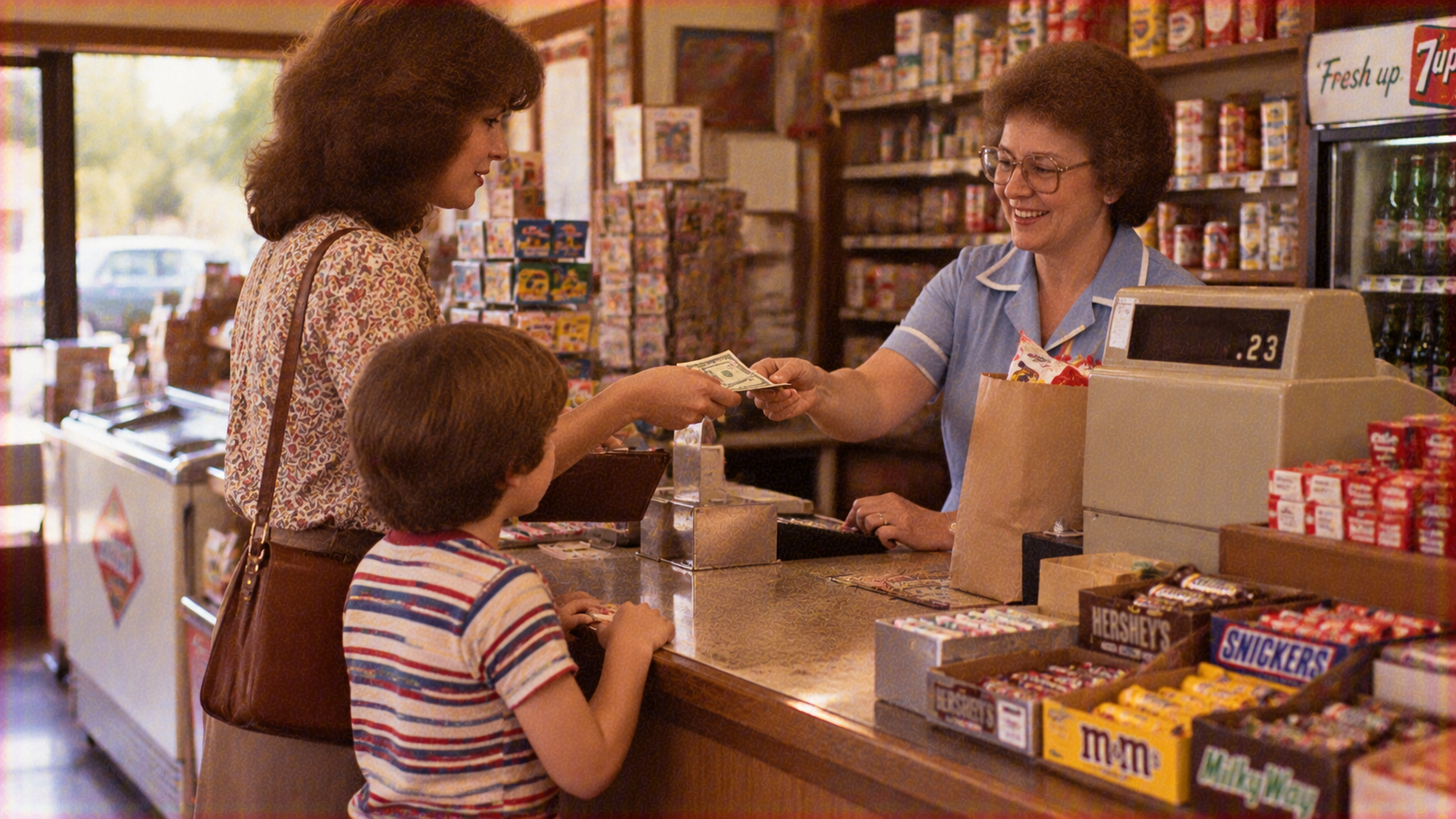
For generations, cash was the simplest way to buy groceries, fill the gas tank, or pick up a new pair of shoes. People stopped at the bank before shopping trips, tucked bills into wallets, and kept loose change ready for smaller purchases. Cashiers counted change by hand, sometimes placing coins directly into a customer’s palm. There was something satisfying about knowing exactly how much money remained after a purchase, especially when the wallet started getting noticeably thinner before payday.
2. Writing Personal Checks at the Grocery Store
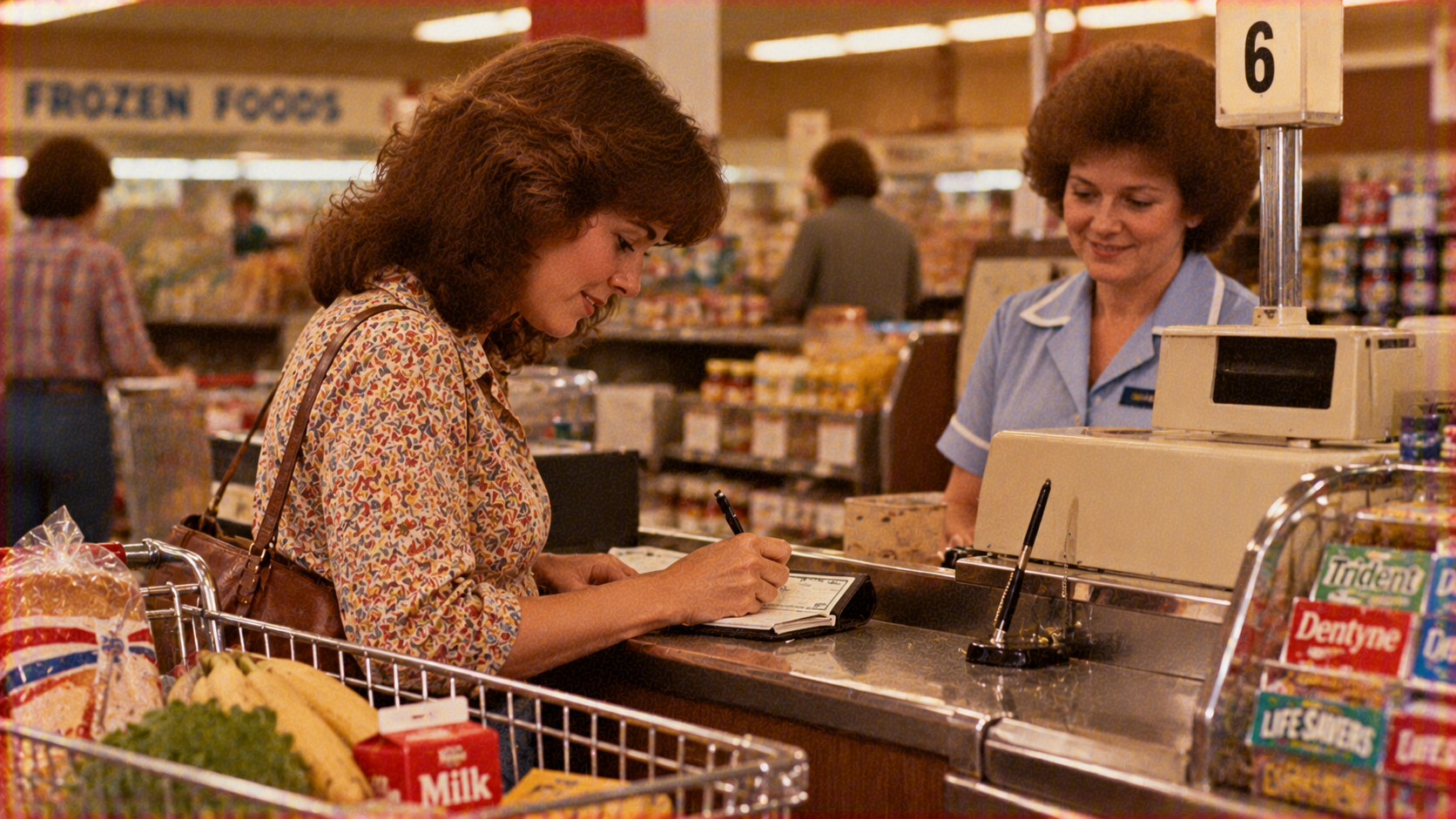
A trip to the supermarket once ended with the familiar sight of someone pulling out a checkbook while the cashier waited. Customers carefully wrote the date, store name, and amount, then signed their names before handing over the check. Some stores requested identification or a check-cashing card, and the person behind you in line might sigh while the entire process unfolded. It was a perfectly ordinary part of grocery shopping before debit cards made payments considerably faster.
3. Buying Groceries on a Store Tab
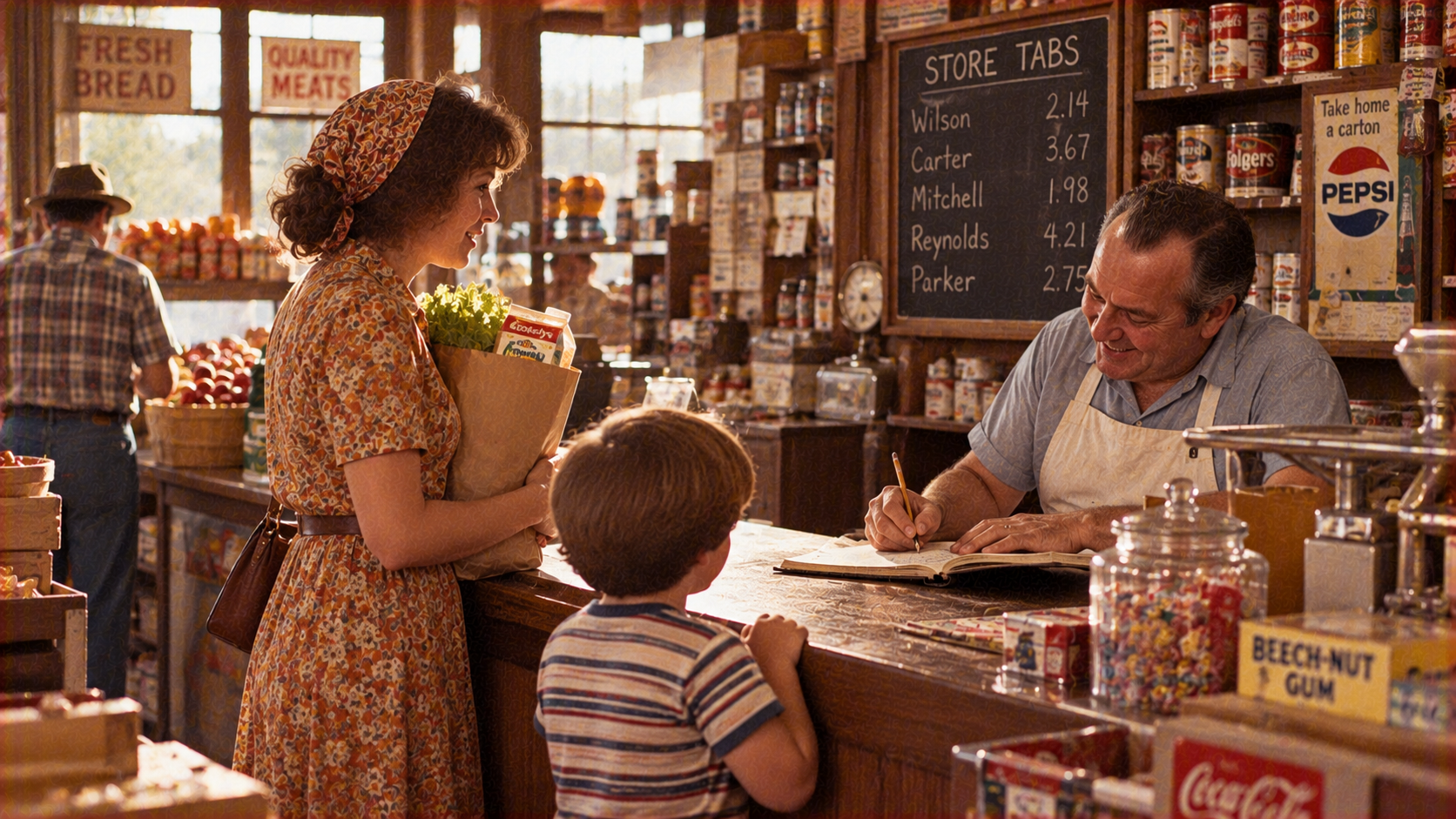
Neighborhood grocery stores sometimes allowed trusted customers to take home groceries and pay for them later. The shopkeeper recorded purchases in a ledger or account book, often knowing exactly which family owed what. Customers might settle their balances every Friday after receiving their wages. This arrangement depended heavily on personal relationships, and a good reputation could be nearly as valuable as having cash in your pocket.
4. Using Layaway for Christmas Gifts
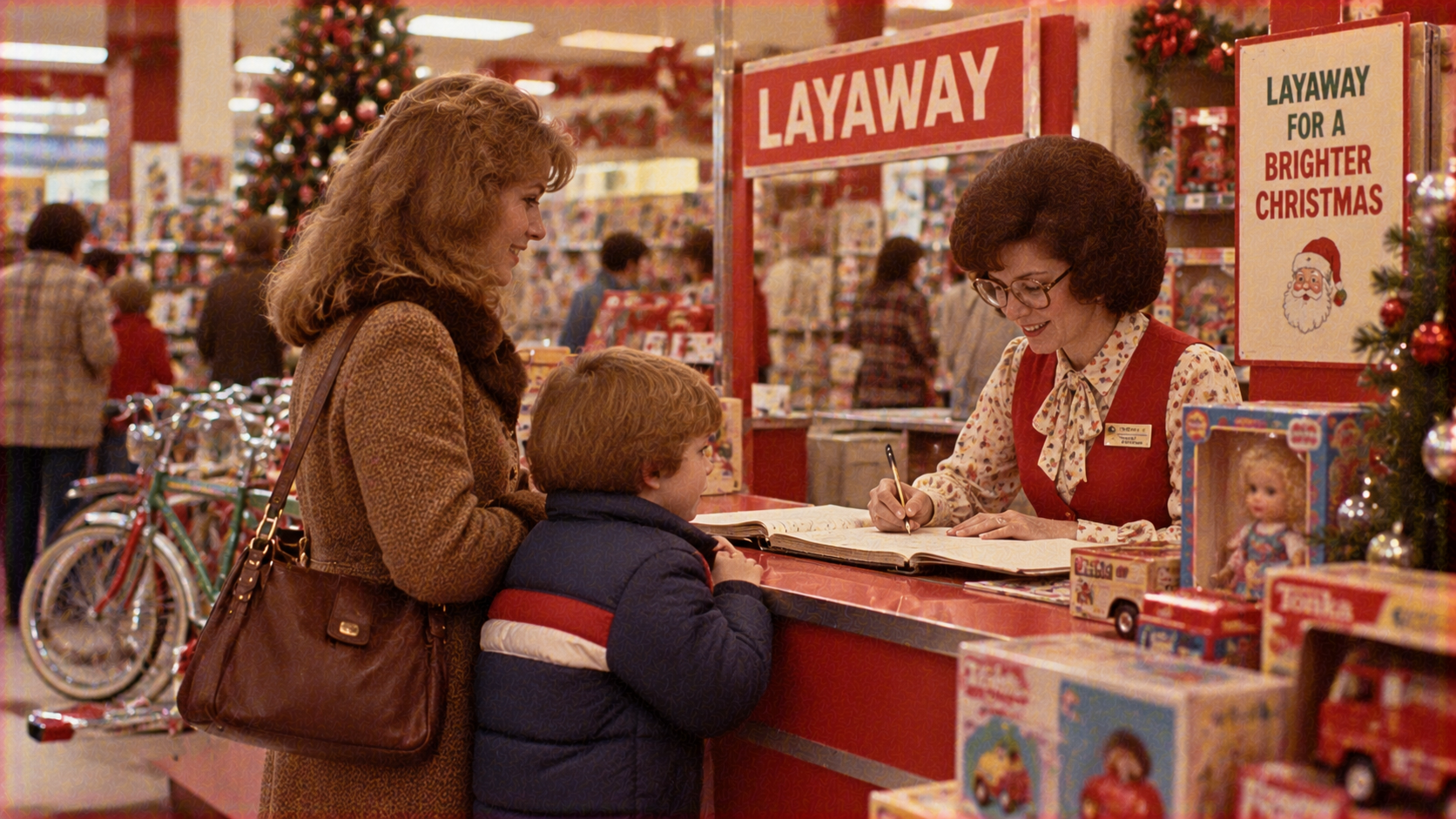
Long before online shopping made holiday purchases almost effortless, families used layaway to reserve presents they couldn’t afford all at once. Department stores held toys, clothing, and other merchandise while customers made payments over several weeks or months. Parents often started shopping well before December, quietly putting money toward bicycles, dolls, or winter coats. Finally bringing those purchases home felt like a small victory, especially when the Christmas budget had been stretched as far as possible.
5. Paying With Money Orders
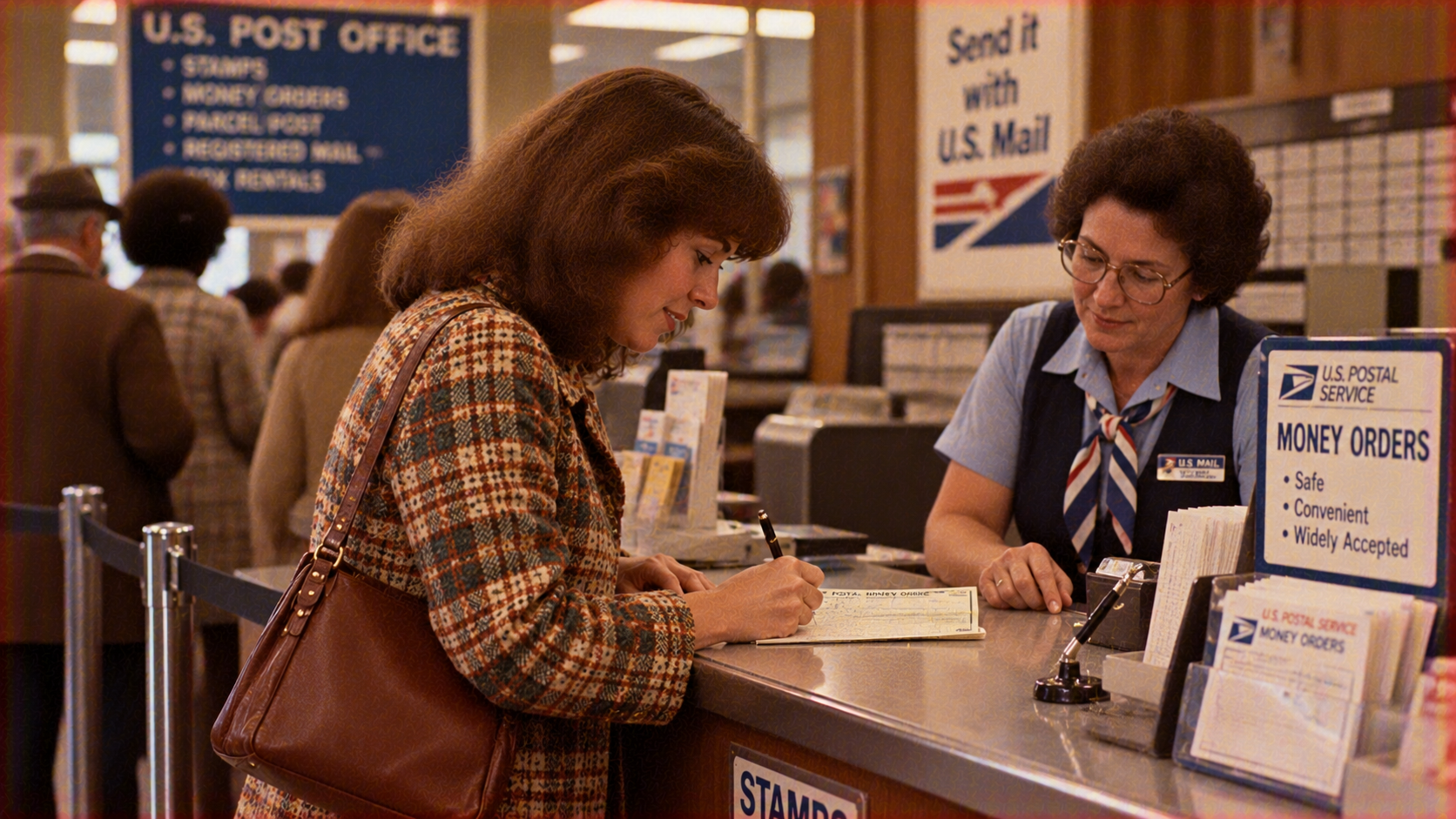
Money orders offered a practical alternative for Americans who didn’t have checking accounts or preferred not to send cash through the mail. They could be purchased at post offices, banks, and other authorized locations, then mailed to landlords, businesses, or relatives. Paying a bill meant making a special trip, filling out paperwork, and keeping the receipt somewhere safe. For many households, money orders were an important part of managing financial responsibilities before electronic payments became commonplace.
Trending on Wealth Gang


6. Using Traveler’s Checks on Vacation
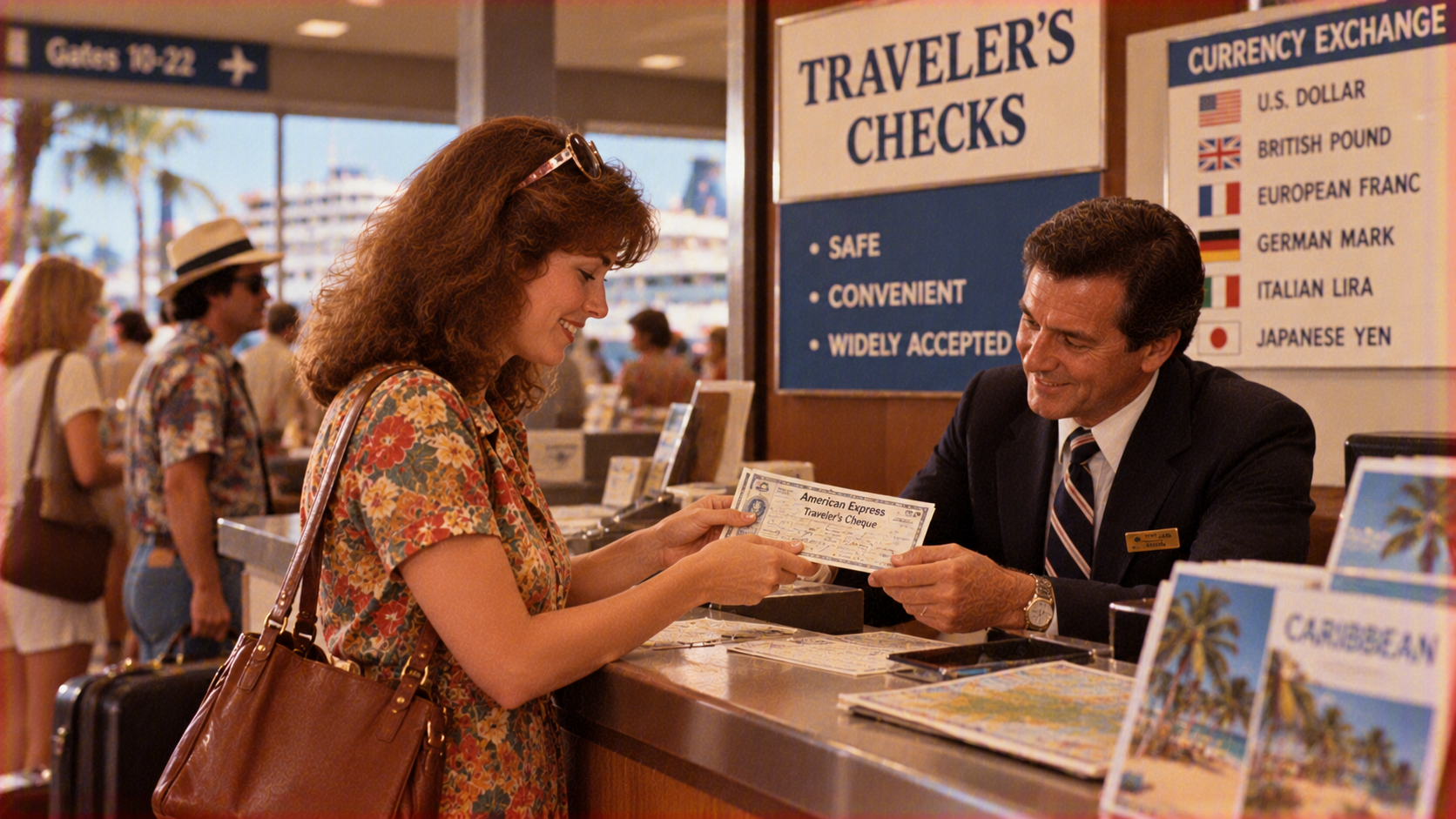
Before leaving for a family vacation, travelers often visited their bank to purchase traveler’s checks. These prepaid checks offered a safer alternative to carrying large amounts of cash because lost or stolen checks could generally be replaced under the issuer’s rules. Hotels, restaurants, and stores in tourist destinations commonly accepted them. Vacationers signed each check when purchasing it and countersigned it when spending it, making the ritual almost as memorable as packing suitcases and unfolding road maps.
7. Paying Department Store Bills in Person
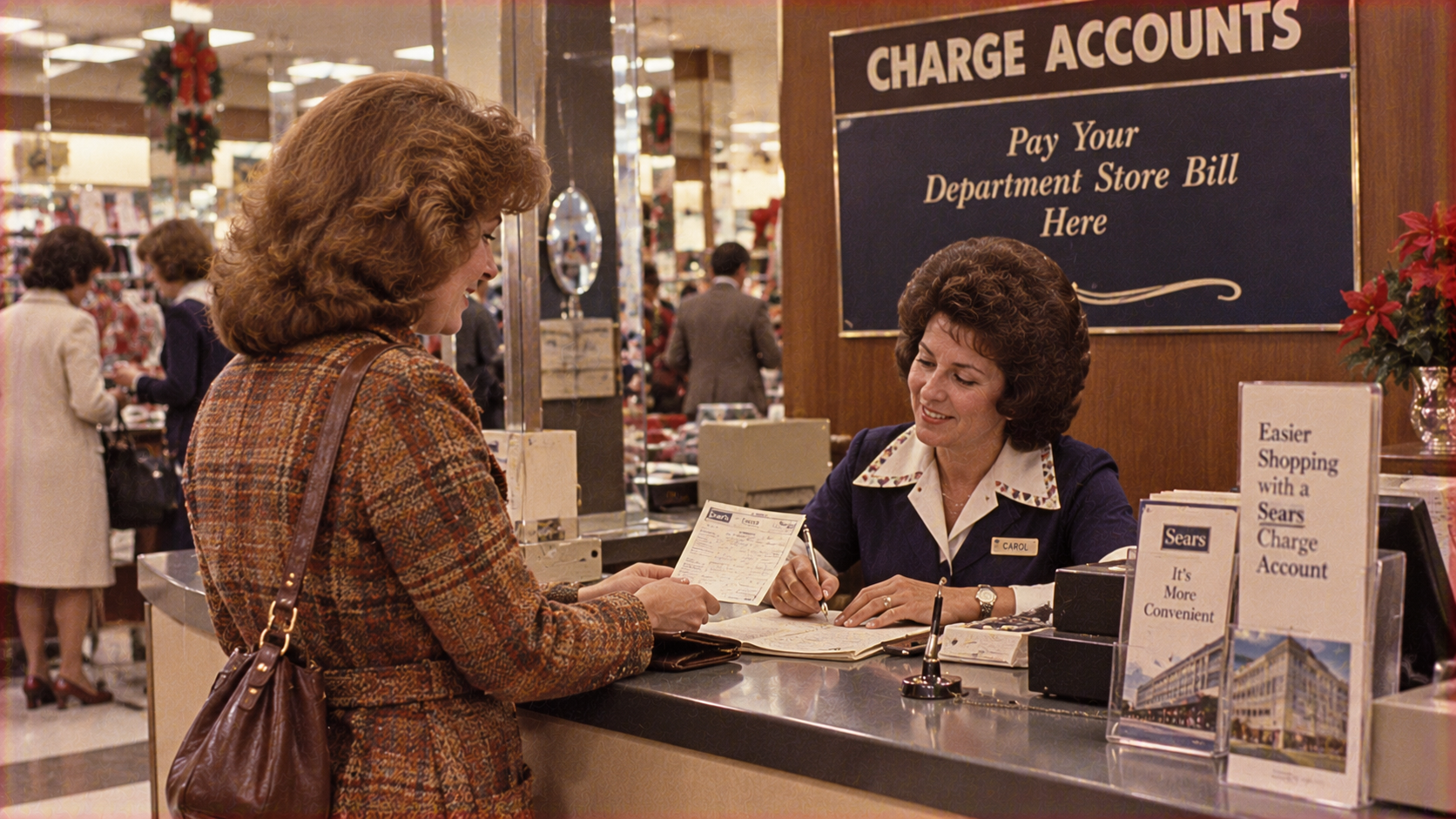
Department stores once had dedicated payment counters where customers could settle balances on their store accounts. Shoppers might stop by with a paper statement, hand over cash or a check, and receive a stamped receipt. Some families made these visits part of their regular downtown errands, combining bill payments with browsing clothing departments or eating lunch at the store restaurant. Paying an account wasn’t something handled in seconds from a phone; it required an actual trip.
8. Sending Cash Through the Mail
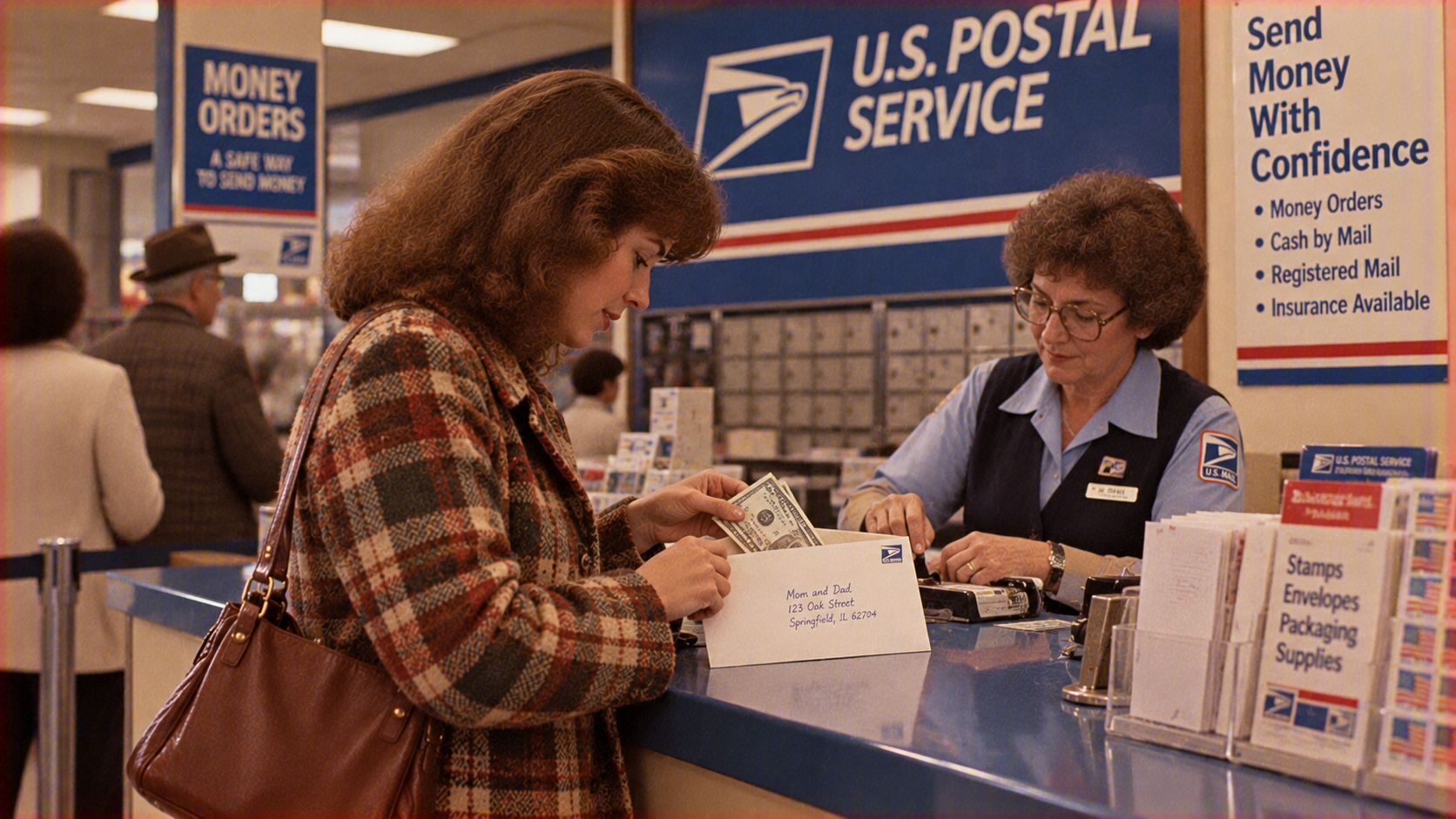
Although sending cash through the mail carried obvious risks, some Americans did it when paying small bills, ordering inexpensive merchandise, or sending money to relatives. Bills were folded inside greeting cards or envelopes, sometimes accompanied by a handwritten note. A grandmother might tuck a few dollars into a birthday card, while someone ordering from a small advertisement might mail payment directly to the seller. The uncertainty of whether the envelope would arrive safely was part of a system that depended heavily on the postal service.
Sign up for our newsletter
9. Paying With Coins at Vending Machines
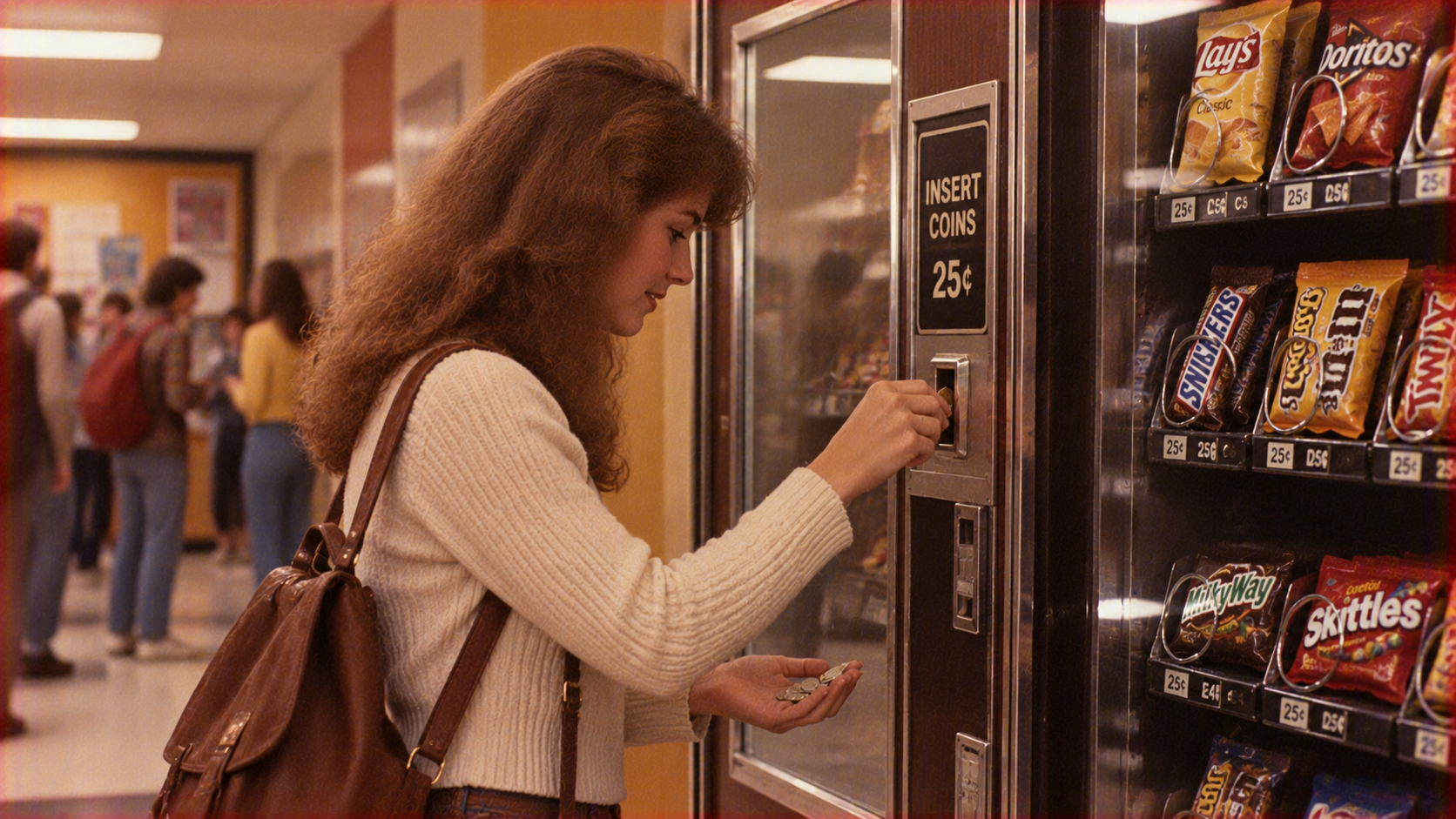
Vending machines once demanded exact change or a carefully counted collection of coins. Whether buying a bottle of soda, a candy bar, or a snack at the laundromat, customers searched their pockets for nickels, dimes, and quarters. A machine that refused a slightly bent coin could turn a simple purchase into a frustrating little battle. People regularly saved coins in jars or car ashtrays because having the right change could make all the difference.
10. Using Gas Station Charge Accounts
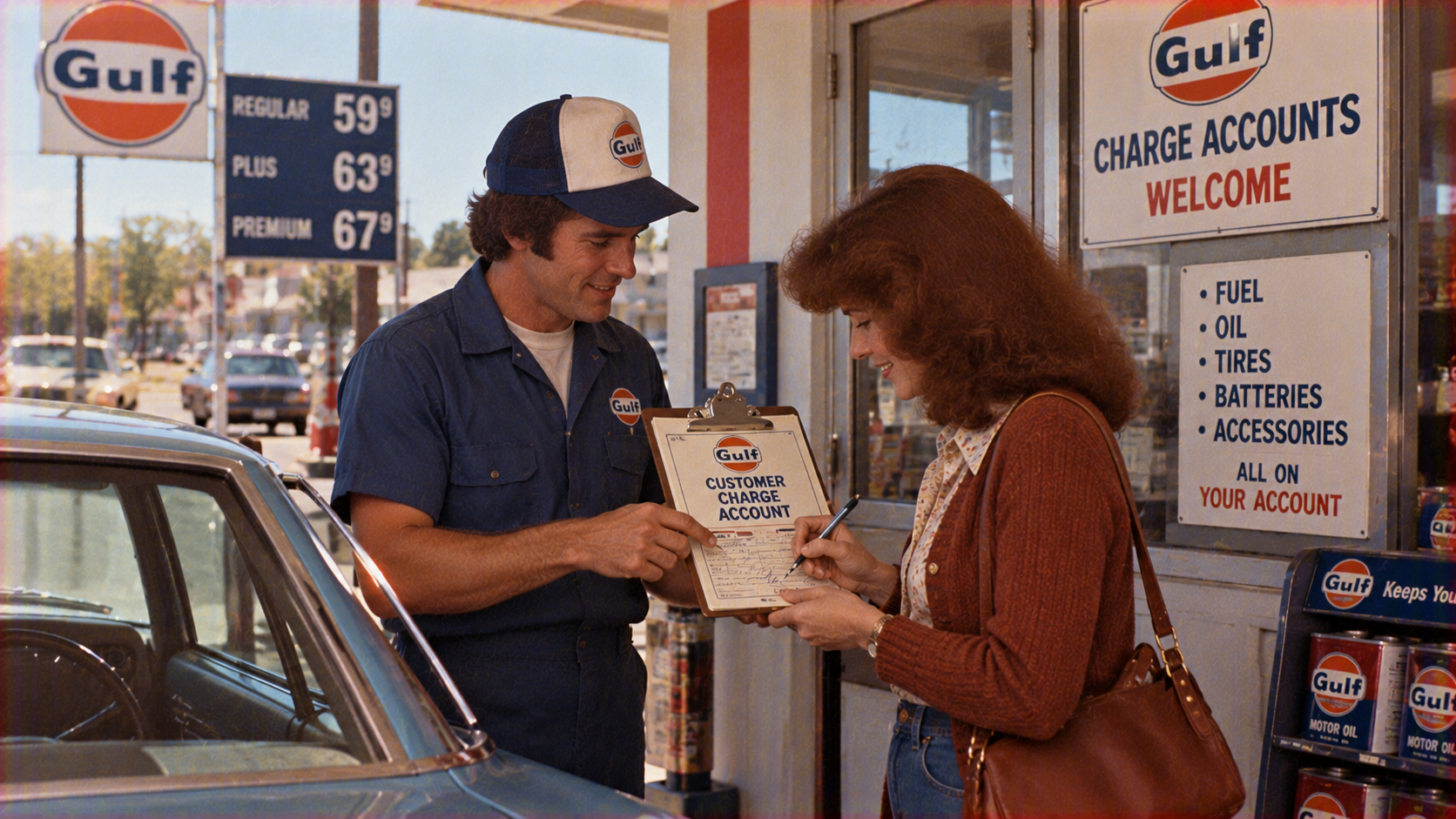
Many local gas stations maintained charge accounts for regular customers, allowing drivers to fill their tanks without paying immediately. The attendant recorded the purchase, and the station sent a bill at the end of the month or collected payment during a later visit. These arrangements were especially convenient for families and small businesses that used the same station regularly. Back when attendants pumped gas, cleaned windshields, and checked oil, the relationship between drivers and station owners often extended well beyond the fuel pump.
11. Paying for Purchases With Installment Plans
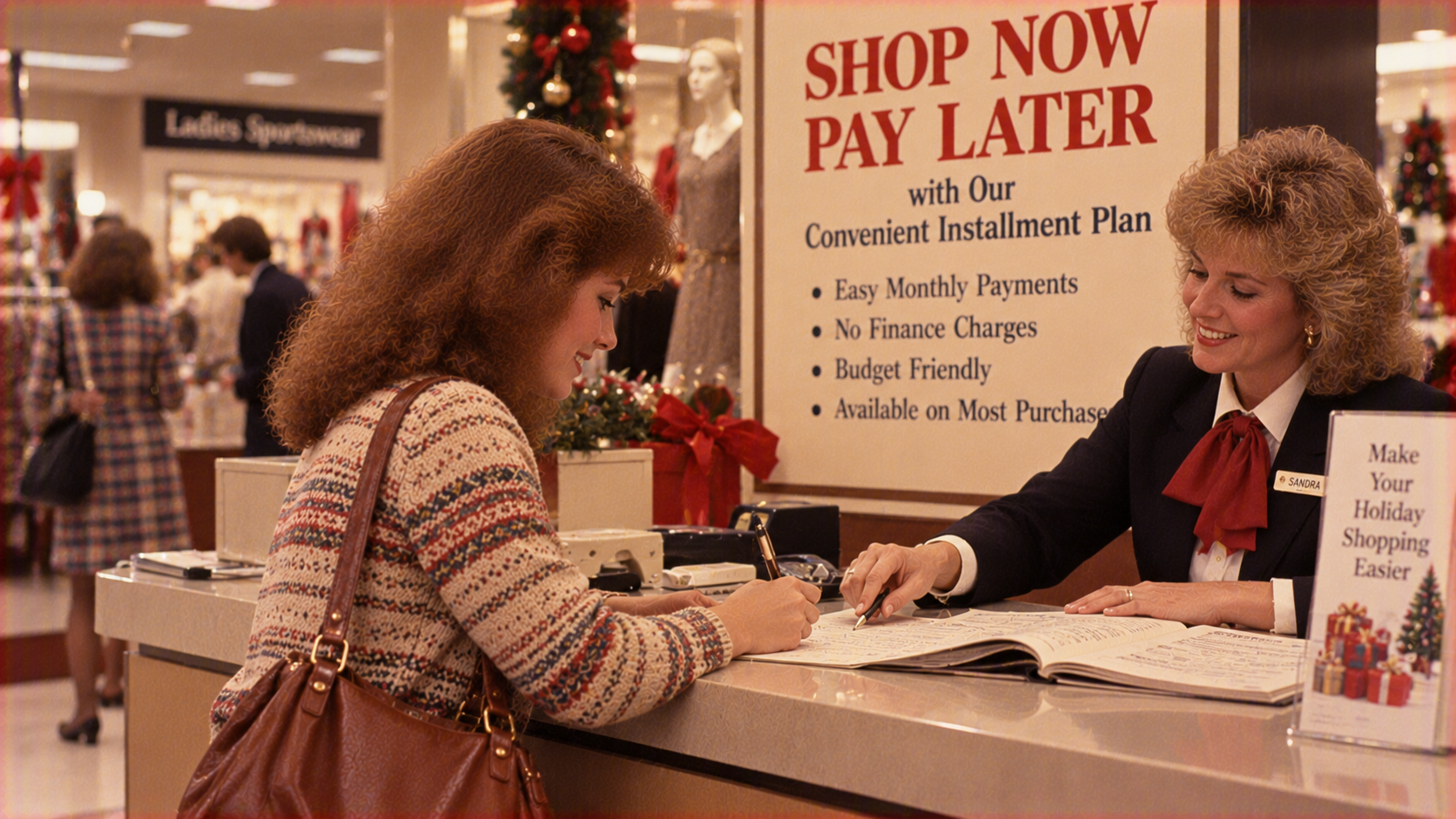
Buying a refrigerator, television, or living room furniture often involved agreeing to make a series of scheduled payments. Retailers and finance companies offered installment arrangements that allowed customers to take merchandise home while paying off the balance over time. Families sometimes discussed these commitments around the kitchen table before deciding whether they could afford another monthly bill. Unlike layaway, the product usually came home immediately, making installment plans particularly appealing for expensive household necessities.
12. Using Department Store Charge Plates
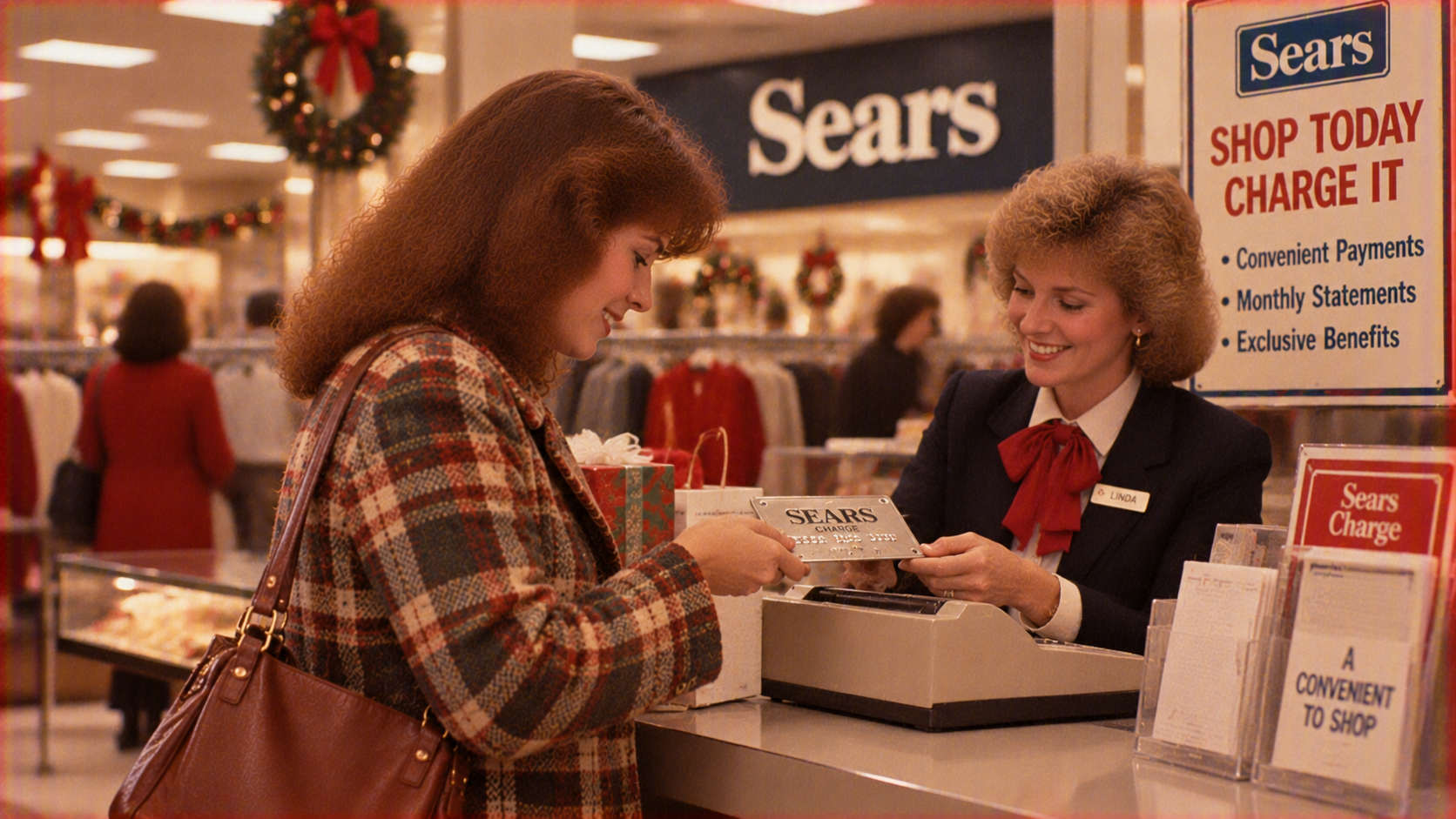
Before modern plastic credit cards became widespread, some department stores issued metal charge plates to approved customers. These small identification plates carried embossed account information and could be used to charge purchases directly to a store account. A clerk placed the plate into a mechanical device to imprint its details onto a sales slip. The customer later received a bill, often payable in full under the account’s terms. Carrying one of these plates was a reminder that store credit once operated through individual retailers rather than universal payment networks.
13. Paying Bills at Local Utility Offices
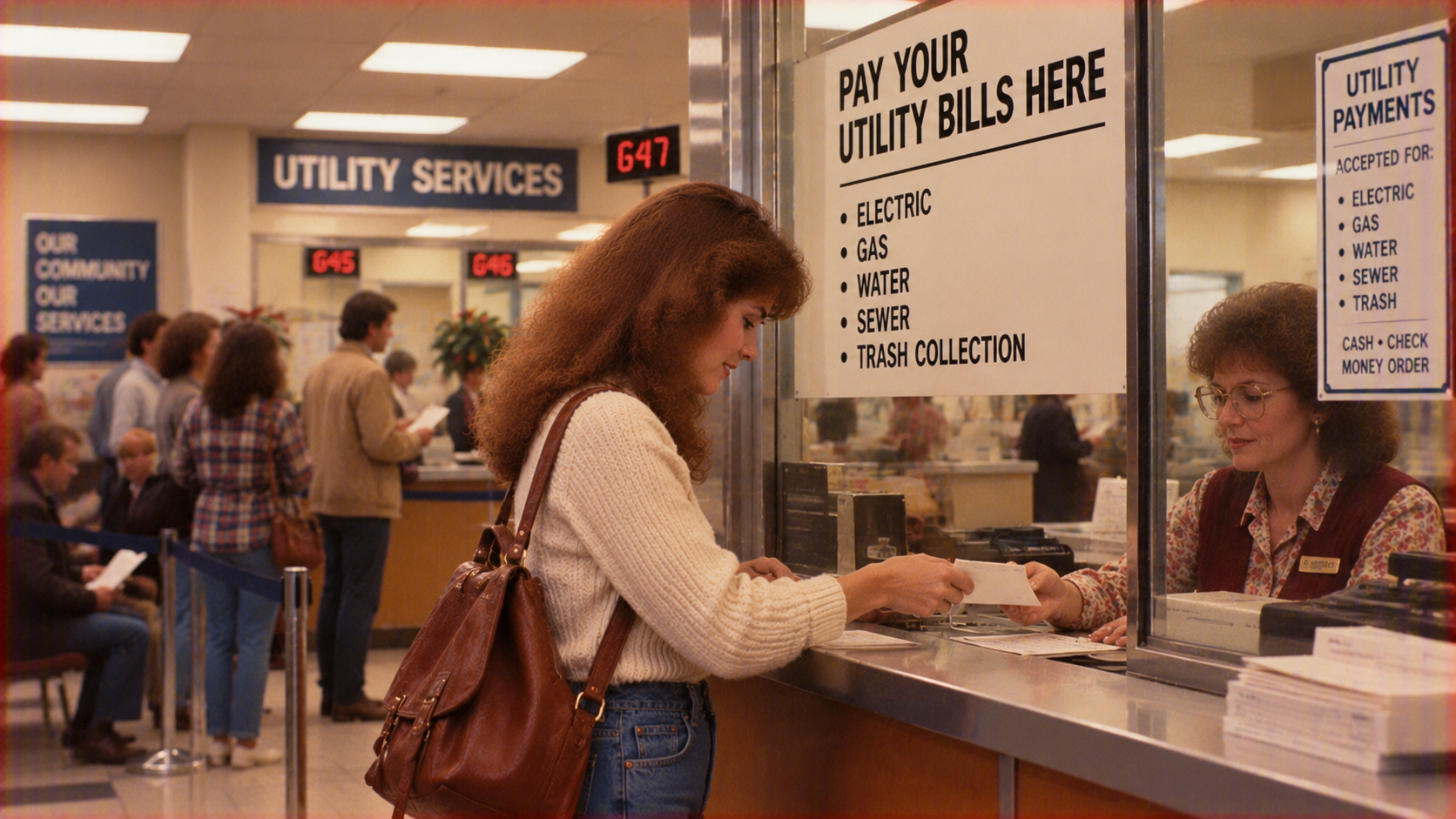
Electricity, gas, and telephone bills once brought people to payment windows at utility company offices. Customers arrived carrying paper statements and cash or checks, sometimes waiting in line with neighbors doing the same thing. A clerk processed the payment and stamped a receipt that could be filed away at home. Missing a payment meant more than forgetting to click a button; it might require another trip downtown before the office closed.
14. Buying Things With Postal Orders
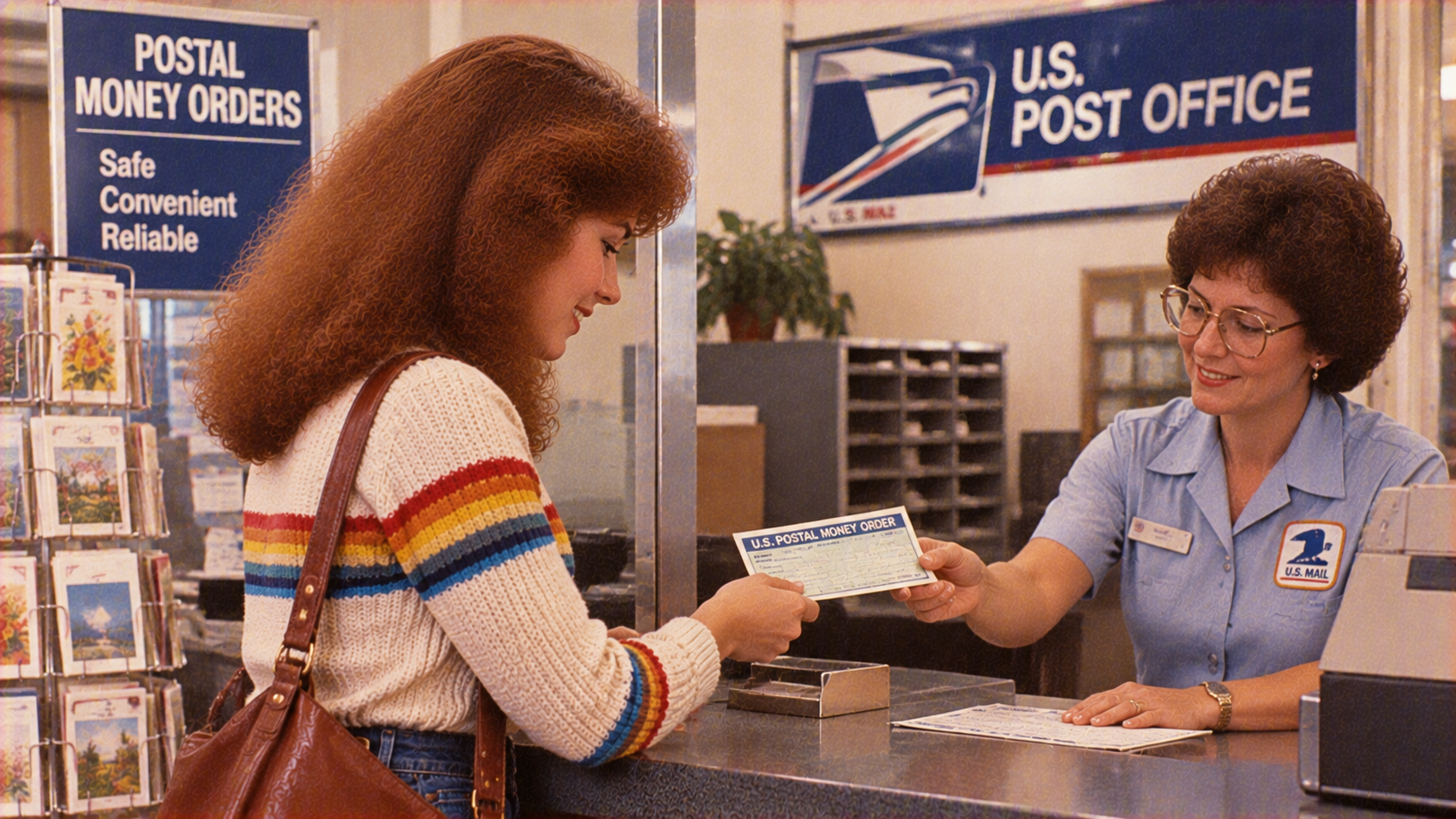
Mail-order shopping was already popular long before the internet, and many customers paid by sending checks or postal money orders with their order forms. Catalogs offered everything from clothing and kitchenware to toys and household tools, allowing families to shop without visiting a store. Customers filled out product numbers, calculated shipping charges, and mailed everything together. Then came the waiting, sometimes lasting weeks, until a package finally appeared on the doorstep.
15. Paying the Milkman or Delivery Driver
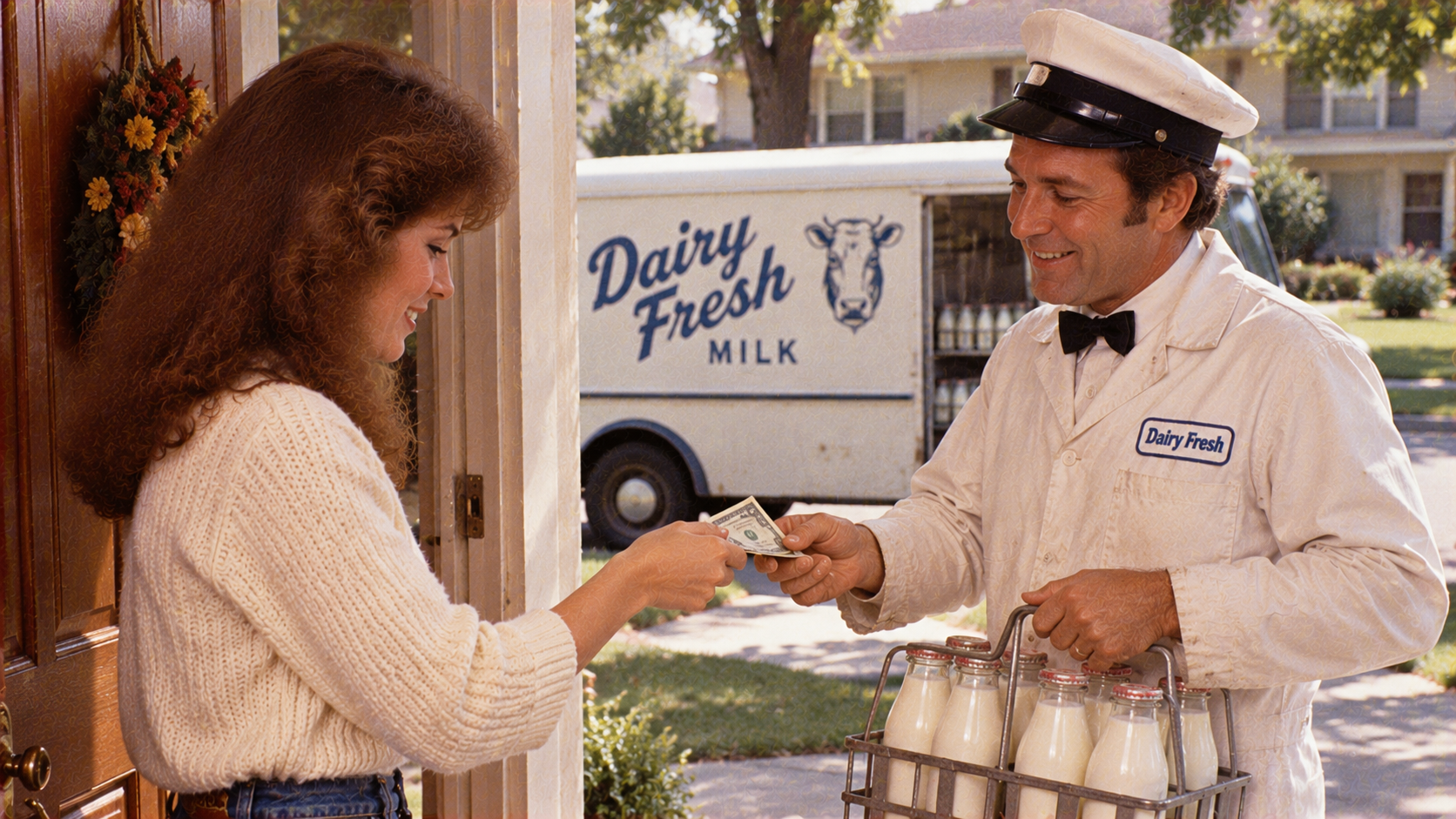
When milk, bread, and other household essentials were delivered regularly, payment often happened directly at the front door or through a running account. Families left cash with an order slip, settled their balances with the delivery driver, or received periodic bills. Glass milk bottles waiting on the porch were a familiar sight in many neighborhoods, and customers sometimes developed years-long relationships with their deliverymen. It was a routine built around trust, regular schedules, and the convenience of having everyday necessities brought home.
16. Using Savings Clubs for Holiday Shopping
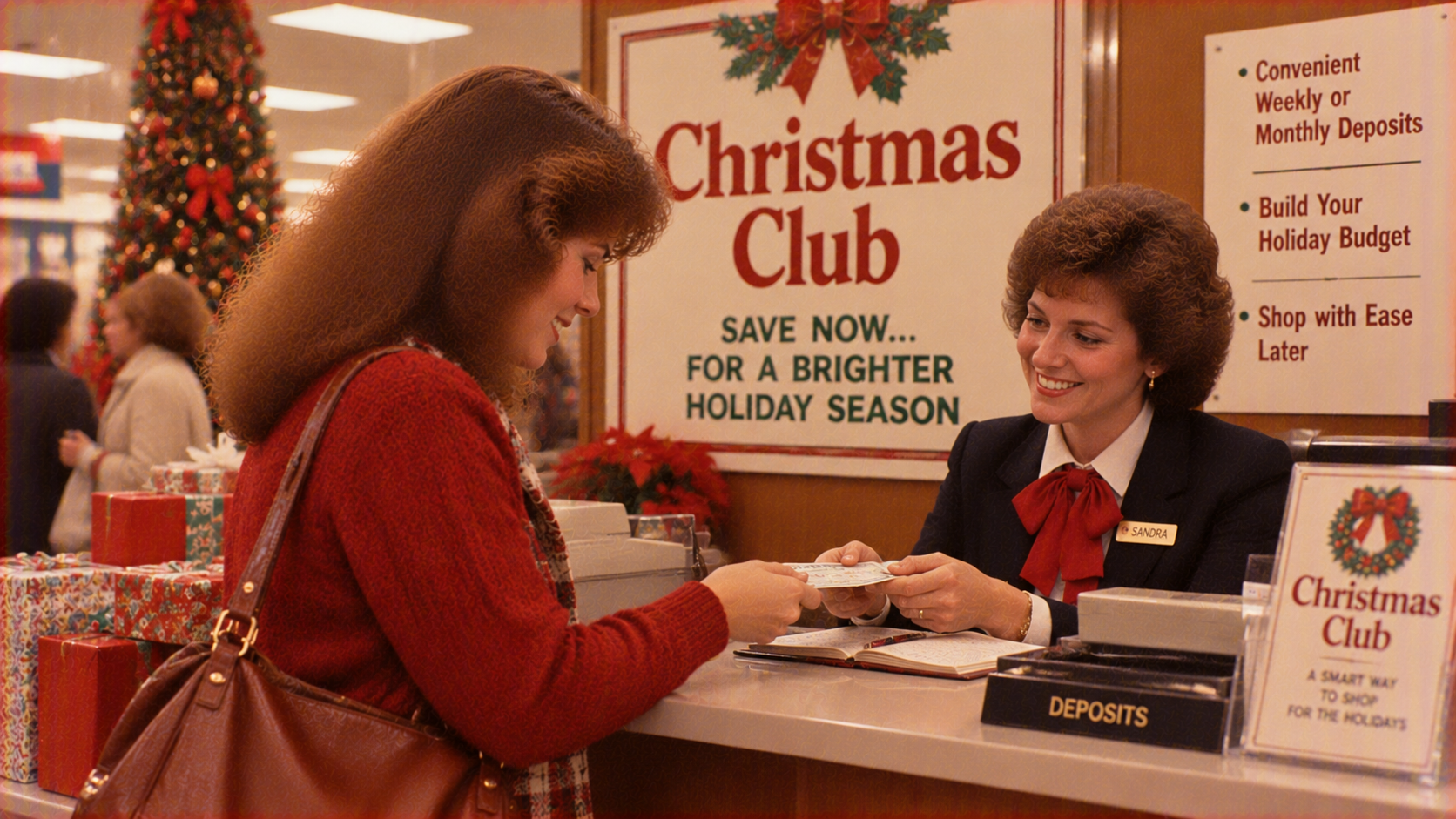
Some banks and credit unions offered Christmas Club accounts that encouraged customers to deposit small amounts throughout the year. These savings programs weren’t payment methods themselves, but they helped families pay for holiday purchases with money already set aside rather than relying on credit. Participants made regular deposits and received their accumulated savings shortly before the shopping season. For households watching every dollar, the arrival of that money could mean the difference between a modest Christmas and one with a few extra presents under the tree.
17. Paying With Cash on Delivery
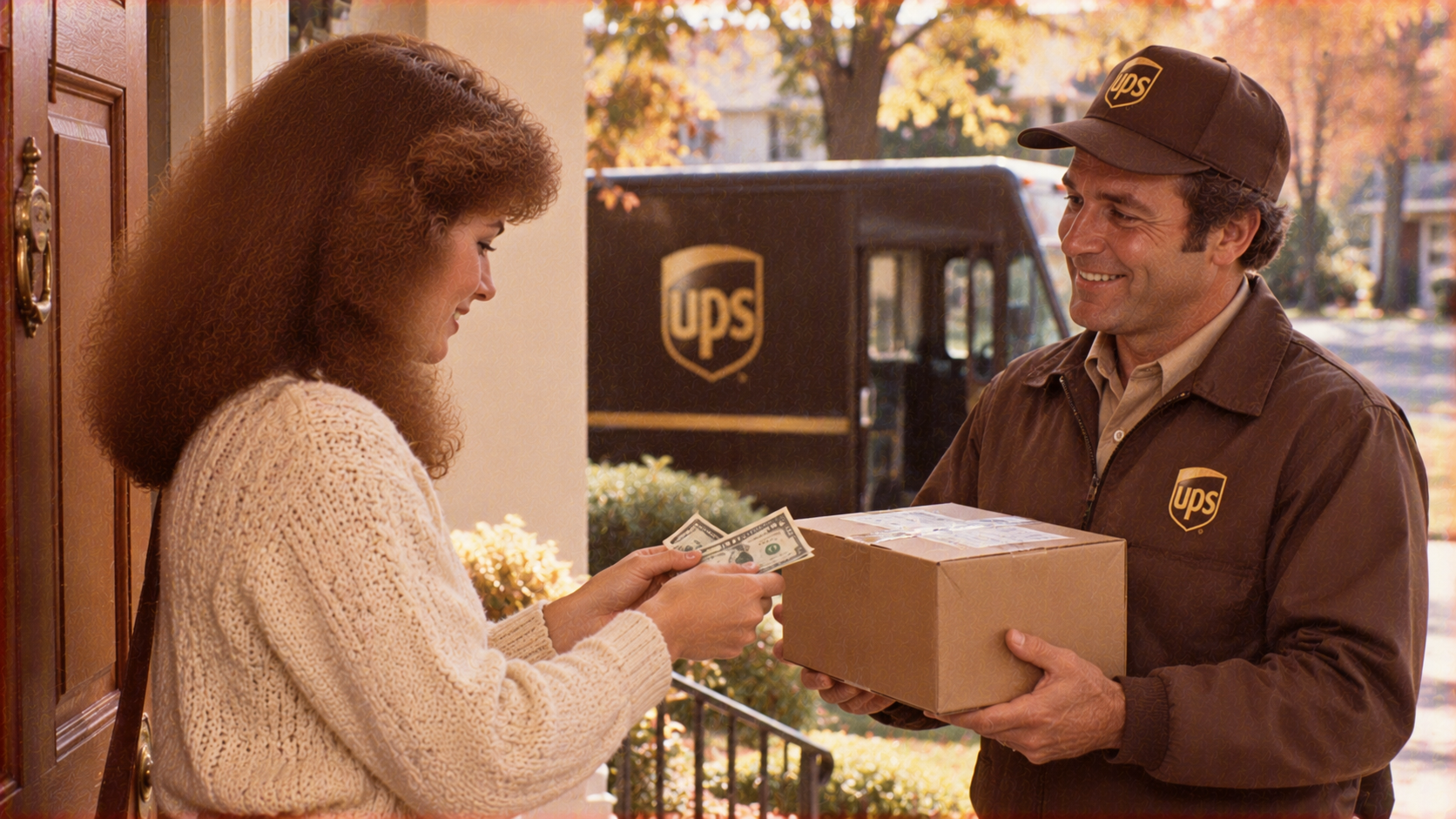
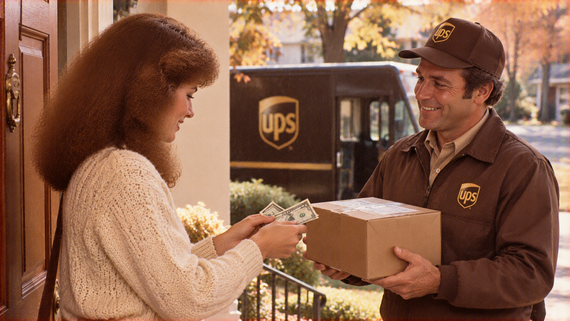
Cash on delivery, commonly called C.O.D., allowed customers to pay when merchandise arrived rather than sending payment in advance. Mail-order companies and other sellers sometimes used this arrangement, with the postal carrier or delivery service collecting the required amount before releasing the package. Families had to make sure someone was home and had enough money ready when the delivery arrived. Opening the door to find a long-awaited purchase was exciting, but only if the household had remembered to set aside the payment.
More Related Notes
• 15 Things Families Bought on Credit Before Modern Credit Cards Took Over
Discover how American families financed major purchases before credit cards became widespread, from installment plans and store accounts to layaway programs that made household essentials more affordable.
• 16 Things People Used to Be Able to Buy With Coins
Remember when a handful of coins could pay for a newspaper, a bus ride, or a cold soda? Revisit the everyday purchases that once required nothing more than loose change in your pocket.
• 12 Ways Our Families Saved Money in the 1980s
Take a nostalgic look at the budgeting habits and practical money-saving traditions families relied on before digital payments, shopping apps, and modern financial tools became part of everyday life.