

The human body is one of the strangest and most amazing machines out there, and most of us walk around every day without thinking twice about what’s happening beneath the surface. From the way our bones repair themselves to the surprising amount of bacteria that call our skin home, there’s a lot more going on inside us than meets the eye. Some of these facts sound too wild to be true, but science backs them all up.
Whether you’re a fun facts lover or just curious about your own body, this list is full of facts that might make you look at yourself a little differently. Get ready to impress your friends at the next dinner party, because some of these are guaranteed to spark a conversation. These are 15 fun facts about the human body.
1. Your Stomach Gets a New Lining Every Few Days

To protect itself from the strong acid used in digestion, the stomach regenerates its lining every 3–4 days. Without this renewal, the acid would literally digest the stomach itself.
2. Bones Are Stronger Than Steel

Ounce for ounce, human bones are stronger than steel. A cubic inch of bone can withstand loads of up to 19,000 pounds, making our skeleton both lightweight and incredibly durable.
3. You Shed Millions of Skin Cells Daily

The skin is constantly renewing itself. Every day, humans shed around 30,000–40,000 skin cells, which is why dust in your home is largely made up of dead skin.
4. Your Heart Creates Enough Pressure to Squirt Blood 30 Feet
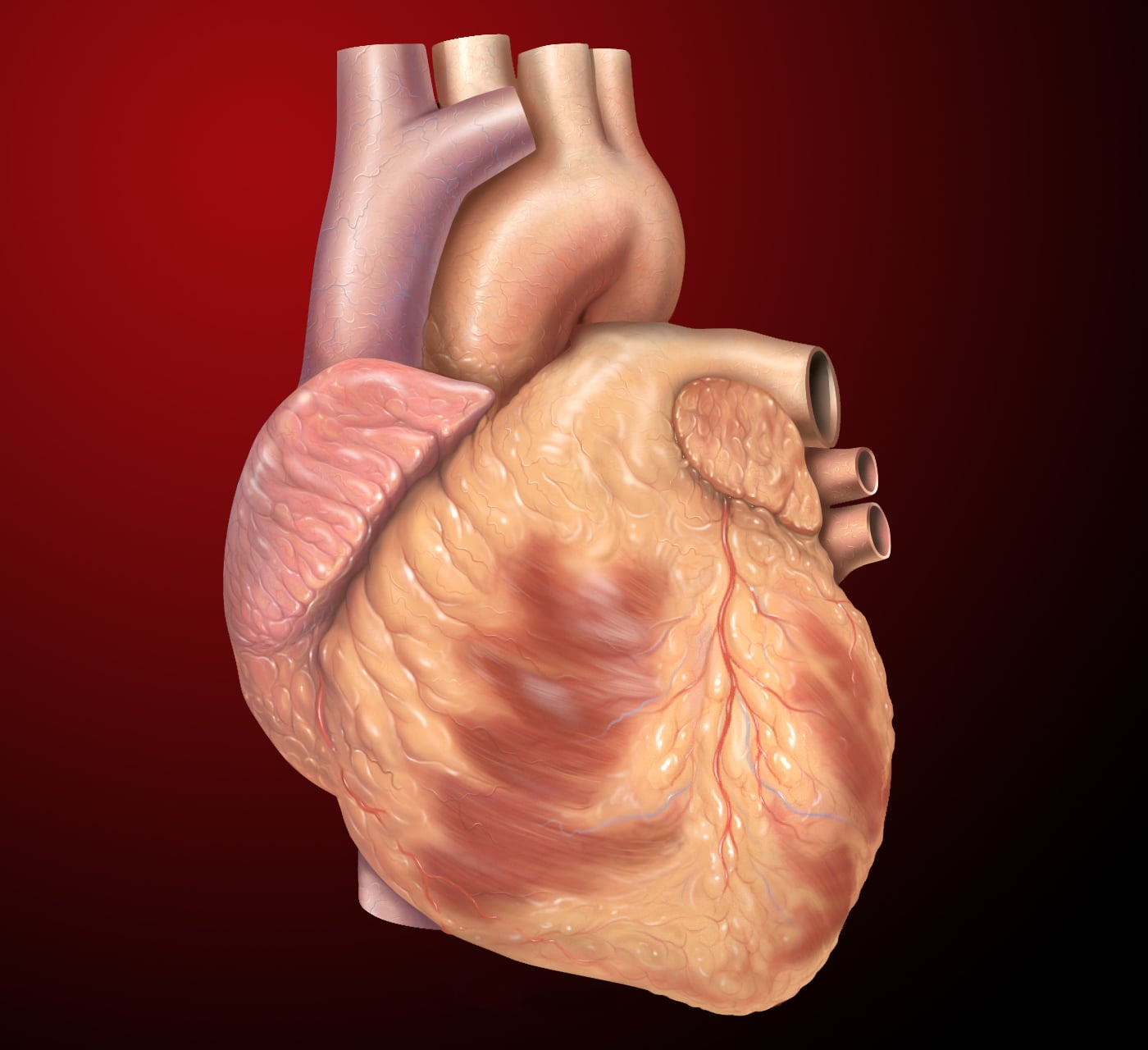
The human heart is a powerful pump. With each beat, it generates enough pressure to send blood shooting 30 feet if it were released outside the body.
5. The Brain Uses 20% of Your Energy
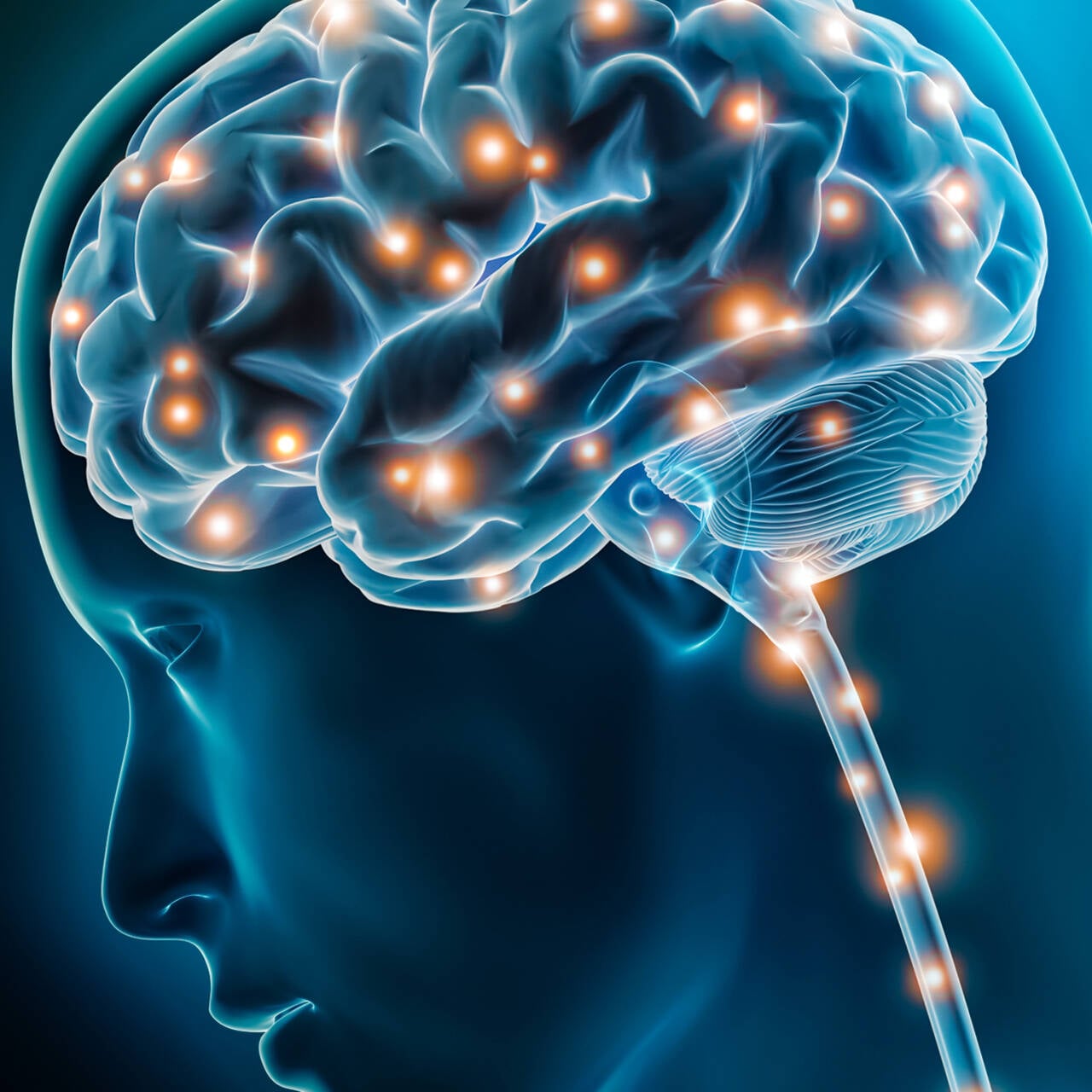
Even though it makes up only about 2% of your body weight, the brain consumes around 20% of your oxygen and calories. It is the ultimate energy hog.
Trending on Wealth Gang


6. You Have More Bacteria Than Human Cells
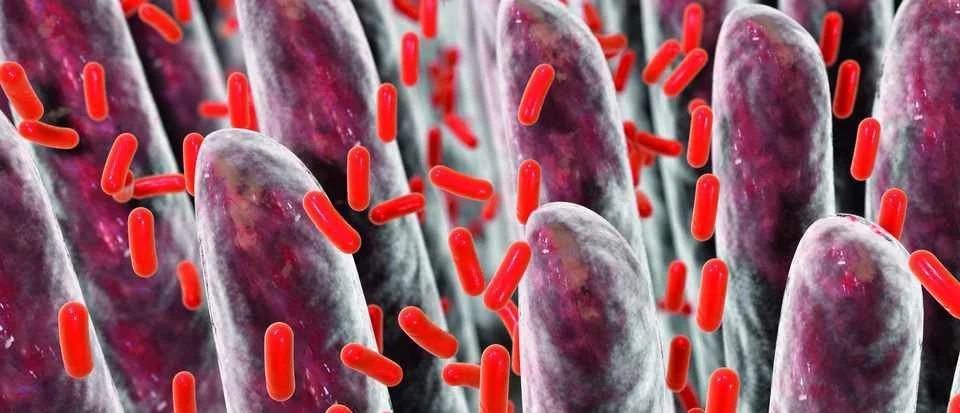
The human body is home to trillions of bacteria, especially in the gut. In fact, bacterial cells outnumber human cells, making us walking ecosystems.
7. Fingernails Grow Faster Than Toenails
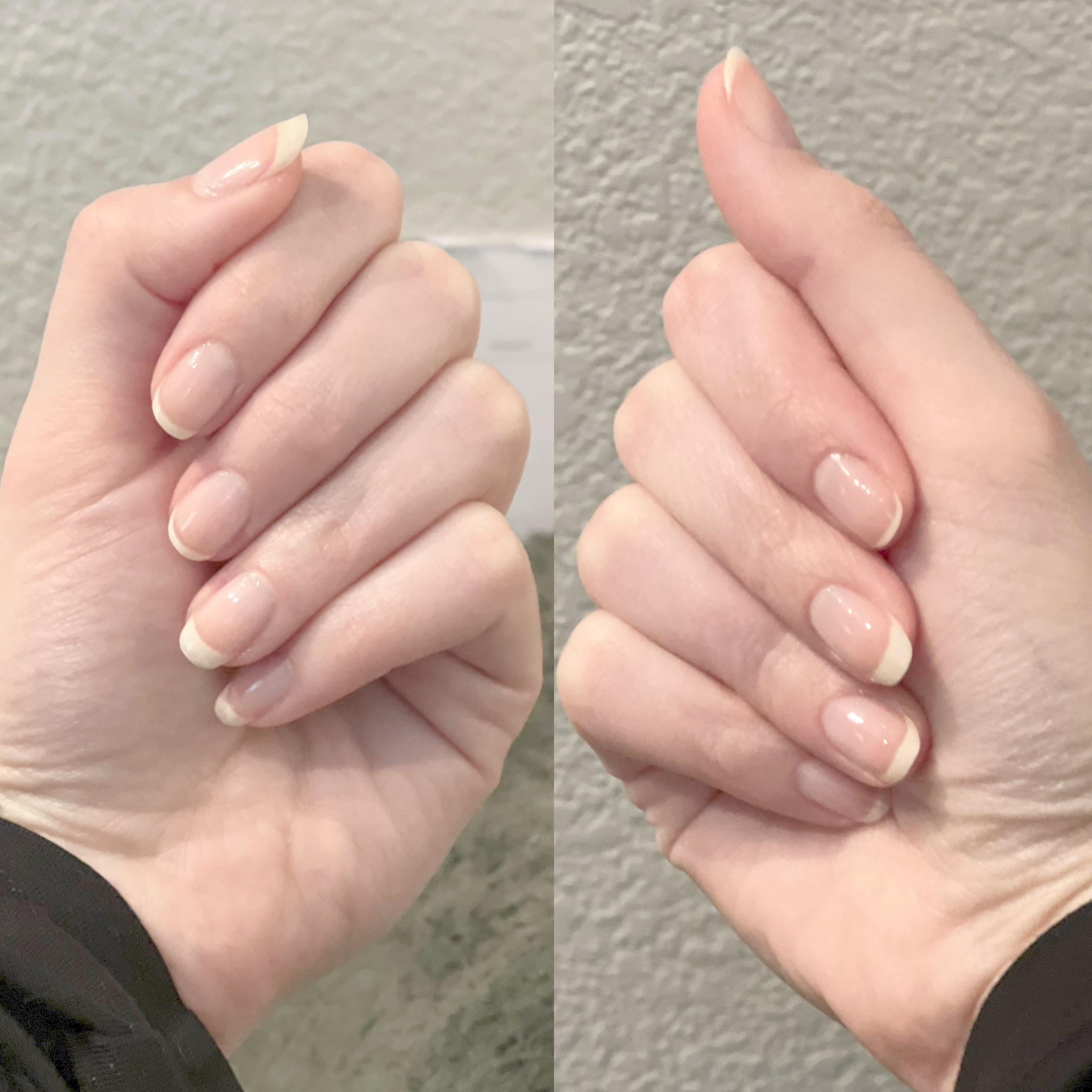
On average, fingernails grow about 3 millimeters per month, while toenails grow only about 1 millimeter. That is why you are clipping your fingers more often.
8. Your Tongue Print Is Unique

Just like fingerprints, every person has a unique tongue print. No two are alike, making it another potential biometric identifier.
Sign up for our newsletter
9. The Smallest Bone Is in Your Ear
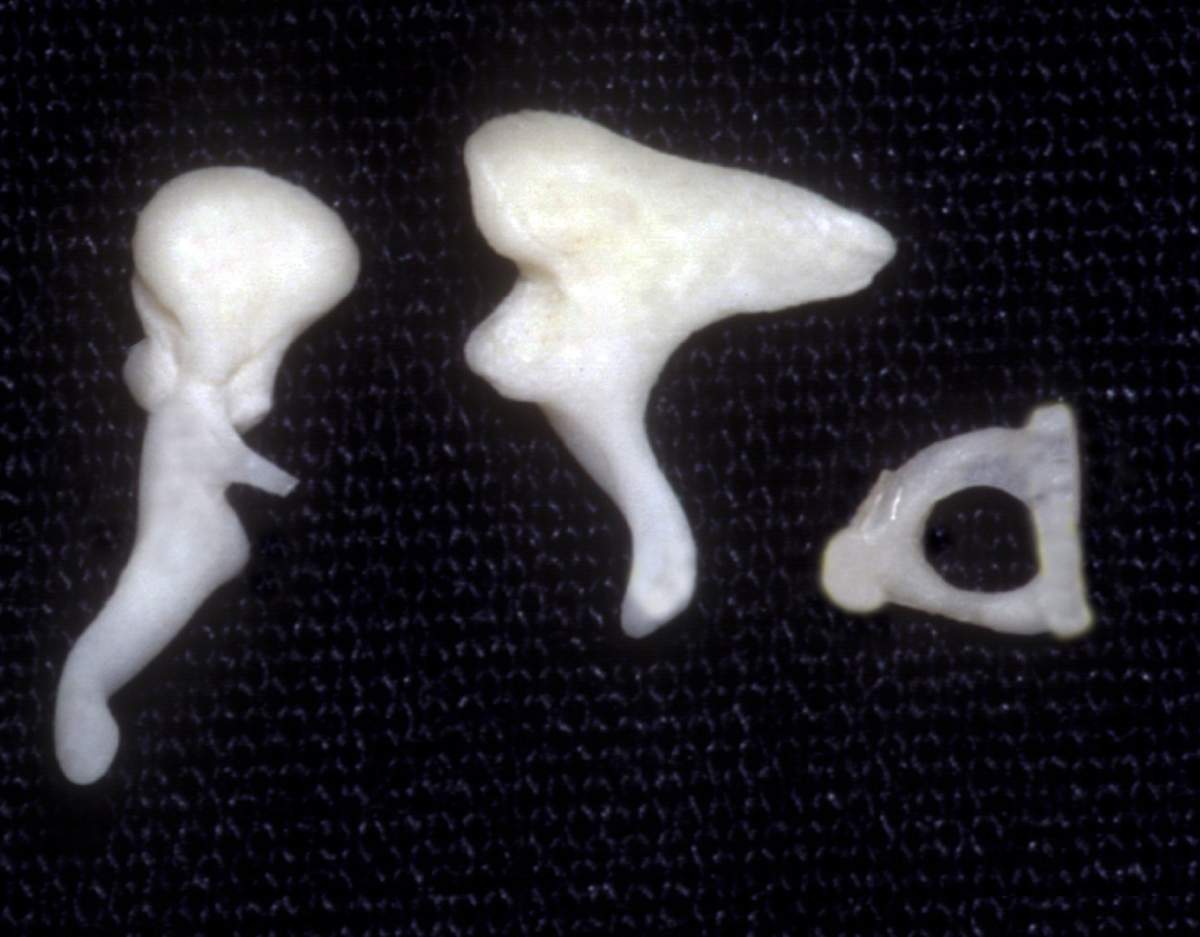
The stapes bone in the middle ear is the tiniest bone in the human body, measuring just 0.1 inches. Despite its size, it plays a crucial role in hearing.
10. Your Nose Can Detect Over a Trillion Scents

Scientists have discovered that the human nose is far more sensitive than once believed, capable of distinguishing more than a trillion different odors.
11. You Blink About 15–20 Times Per Minute
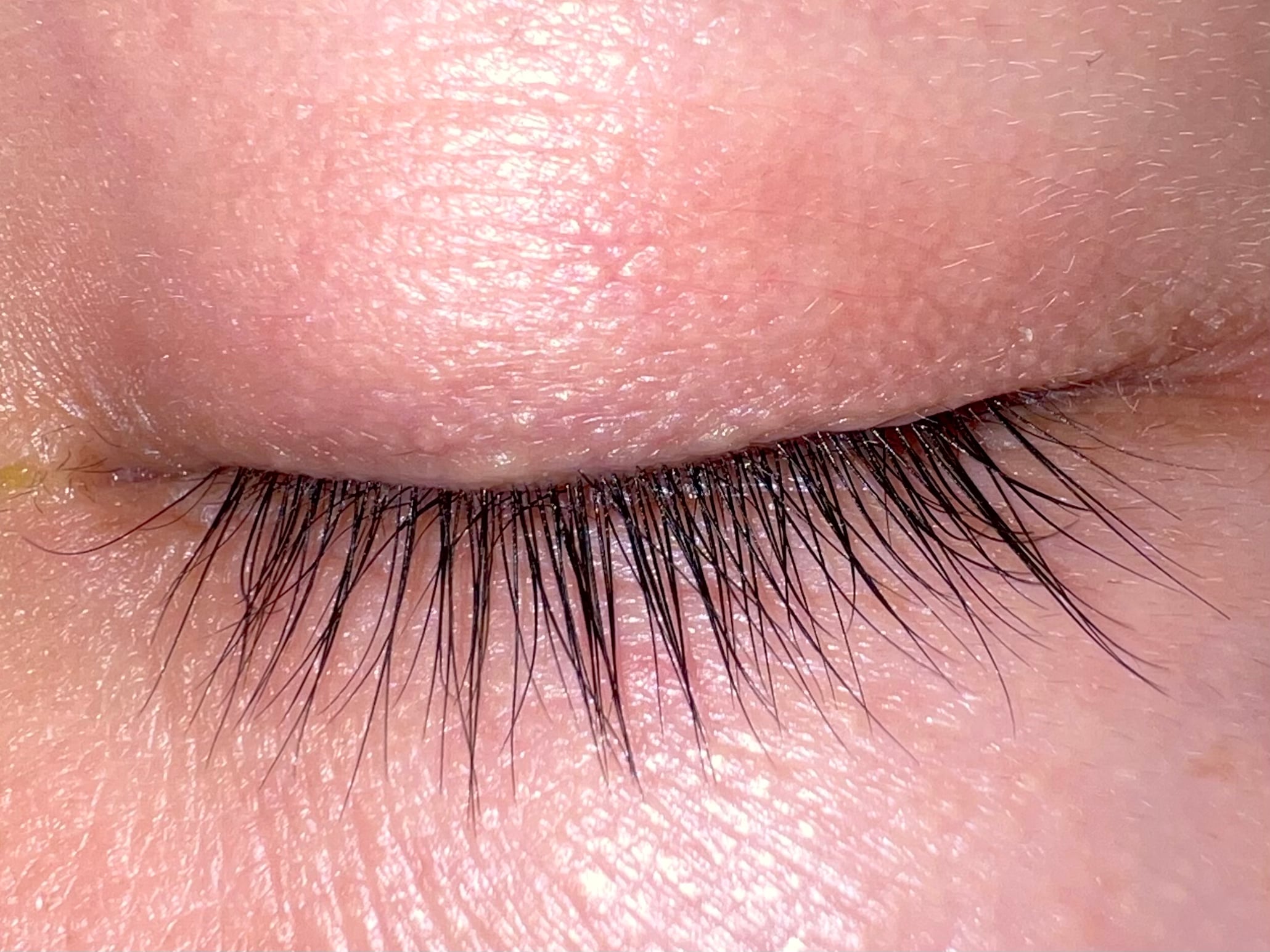
That adds up to around 10,000 blinks per day. Blinking keeps the eyes moist, clears away debris, and helps reset focus.
12. Your Body Has Enough Iron to Forge a Nail
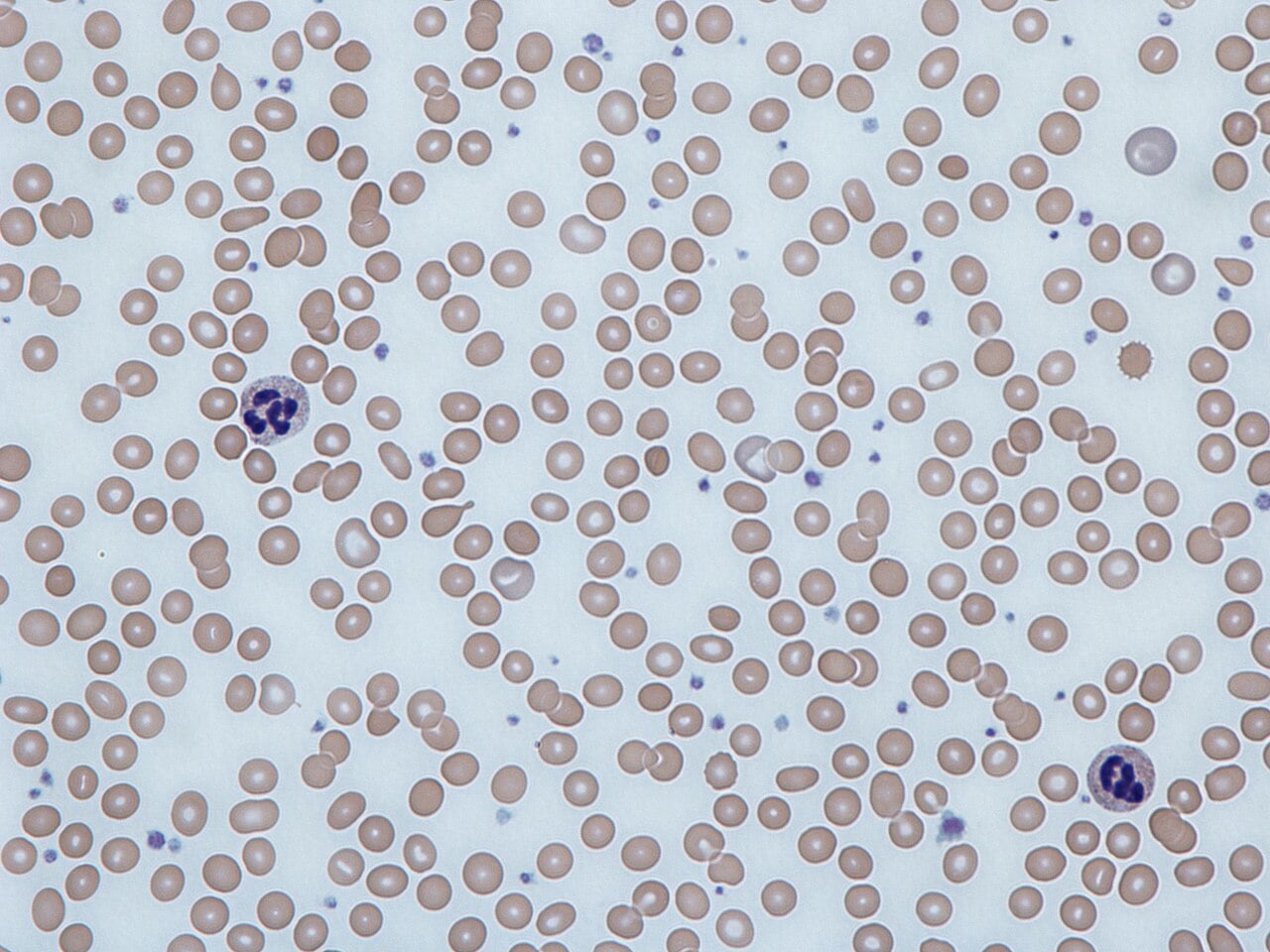
The iron in your blood is essential for carrying oxygen, and if collected, it would be enough to make a small metal nail about an inch long.
13. You are Taller in the Morning

Throughout the day, gravity slowly compresses the cushions between your spinal bones. This means you can be up to half an inch taller when you wake up than you are by bedtime.
14. You Rebuild Your Entire Skeleton Every 10 Years
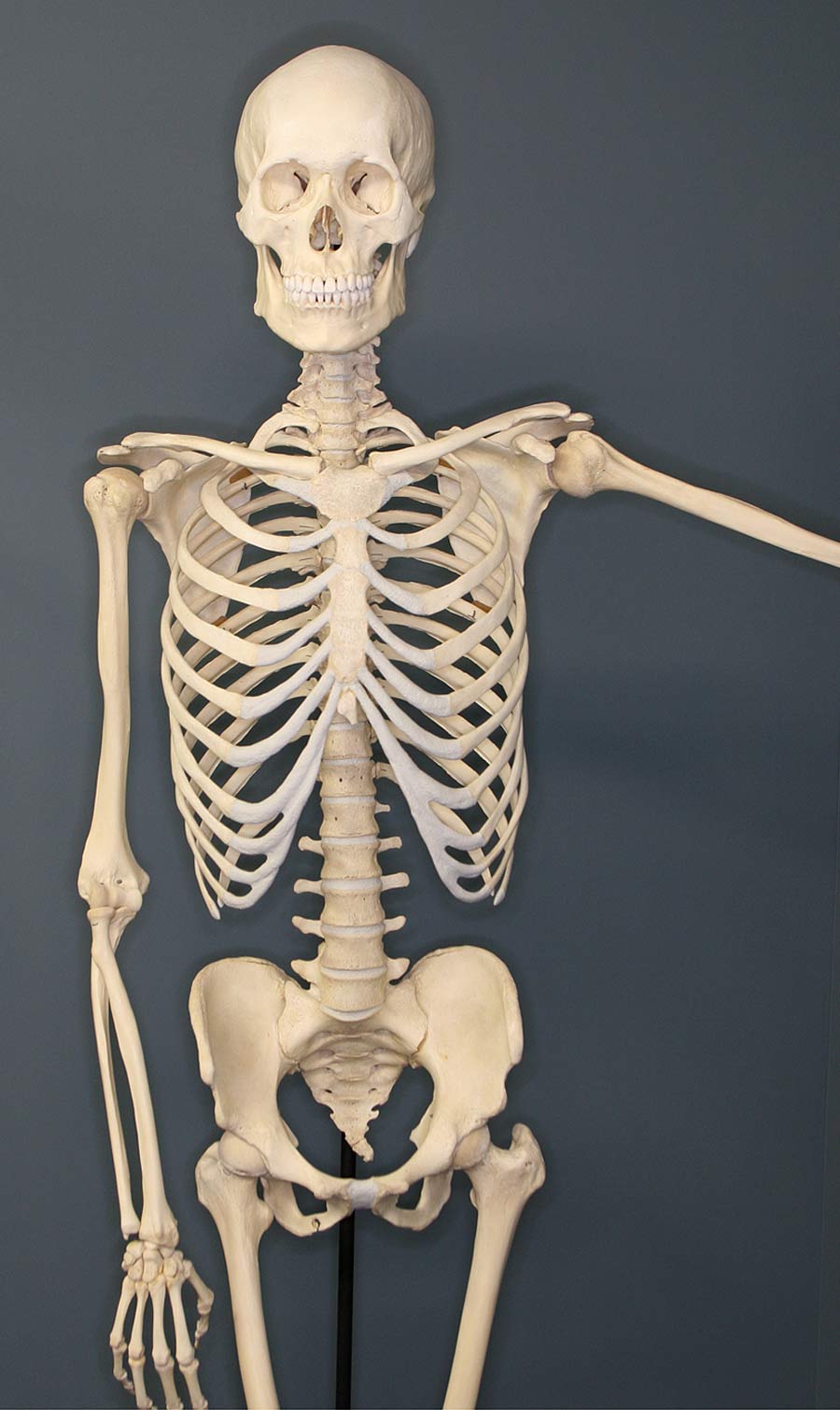
Bone might seem permanent, but it is not. Your body is constantly breaking down old bone and building new bone, so most of your skeleton gets fully replaced roughly once a decade.
15. You Can’t Tickle Yourself

Try it, and you’ll see it barely works. Your brain predicts your own movements, so it cancels out the sensation. Tickling only feels ticklish when the touch is a surprise.
You might also like:
- 19 Strange Facts About the Moon That Sound Fake: Rare lunar peculiarities that feel like sci‑fi but are backed by real science.
- 20 Fun Facts About Child Stars From the ’80s That No One Knows About: Unexpected behind‑the‑scenes stories revealing how wild and unpredictable ’80s kid fame really was.
- 12 Real University Degrees That Sound Made Up: Actual academic programs so bizarre and hyper‑specific they read like internet jokes but truly exist.