
There was a time when everyday life involved paying other people to handle tasks that now seem almost ridiculously simple. Entire jobs and services existed around things like booking a trip, developing photographs, pumping gas, or typing a document. Convenience often meant finding a professional who had the right equipment, knowledge, or access.
Technology, automation, and changing habits gradually moved many of those tasks into people’s own hands. Smartphones and the internet accelerated the shift, but self-service had already been transforming daily life for decades. These 16 examples show just how much work has quietly transferred from paid professionals to ordinary consumers.
1. Booking a Vacation

Travel agents once handled nearly every detail of a major trip, from comparing flights to reserving hotels and arranging rental cars. Today, travelers can research destinations, compare hundreds of options, read reviews, and book an entire vacation online without ever speaking to an agent.
2. Pumping Gas
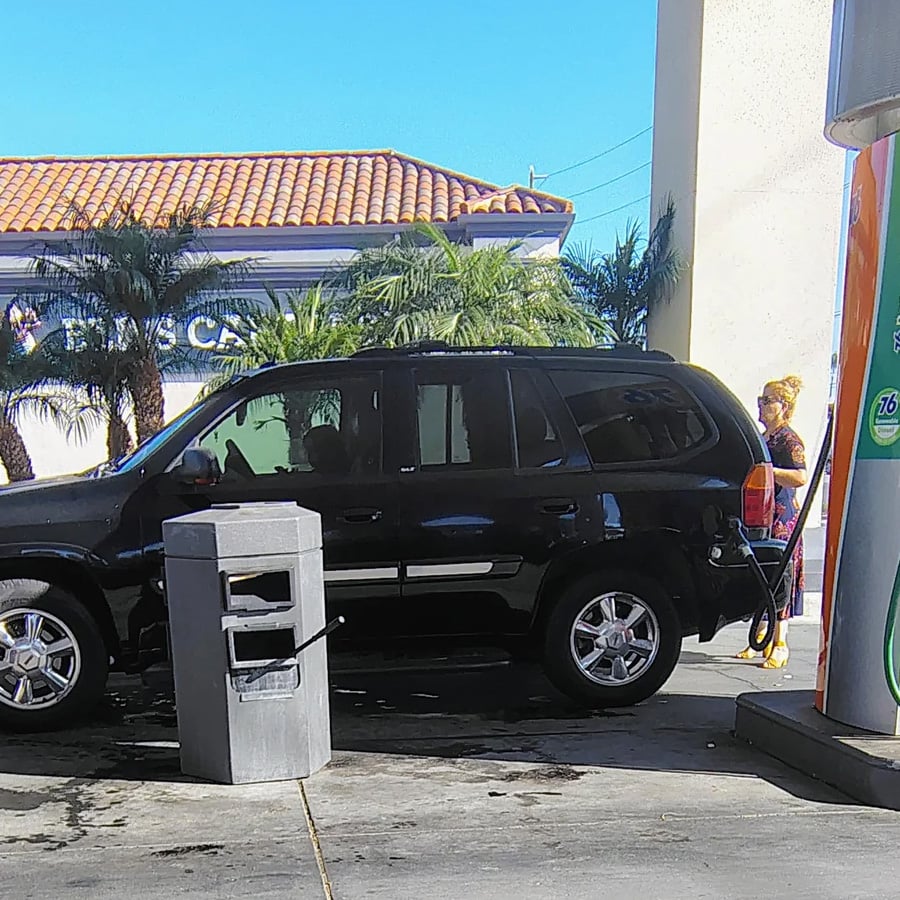
Full-service gas stations were once far more common, with attendants filling the tank, cleaning windshields, and sometimes checking oil and tire pressure. Self-service eventually became the standard across much of the United States, although a few states maintained restrictions on drivers pumping their own fuel for much longer.
3. Developing Photographs

Taking a roll of film to a photo lab was simply part of owning a camera. Customers paid someone else to develop the negatives and produce physical prints, often waiting days to see how the pictures turned out. Digital cameras and smartphones made it possible to view, edit, store, and print photos almost instantly.
4. Typing Documents
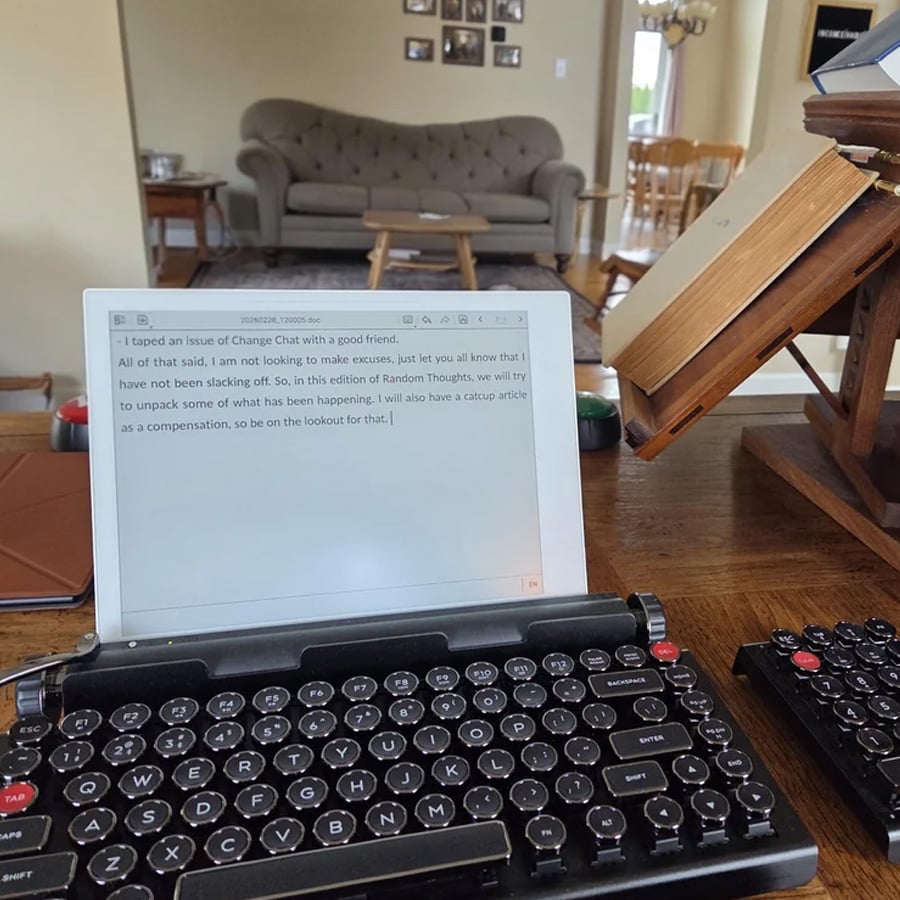
Professional typists and secretarial services were once hired to prepare everything from business correspondence to college papers. Personal computers and word-processing software put those capabilities directly into homes and offices, making professional typing services unnecessary for most everyday documents.
5. Filing Taxes

Accountants and tax preparers were once the default choice for many households because completing tax forms manually could be intimidating and time-consuming. Tax software and online filing services now guide users through the process step by step, allowing millions of people to prepare and submit relatively straightforward returns themselves.
Trending on Wealth Gang

6. Buying and Selling Stocks
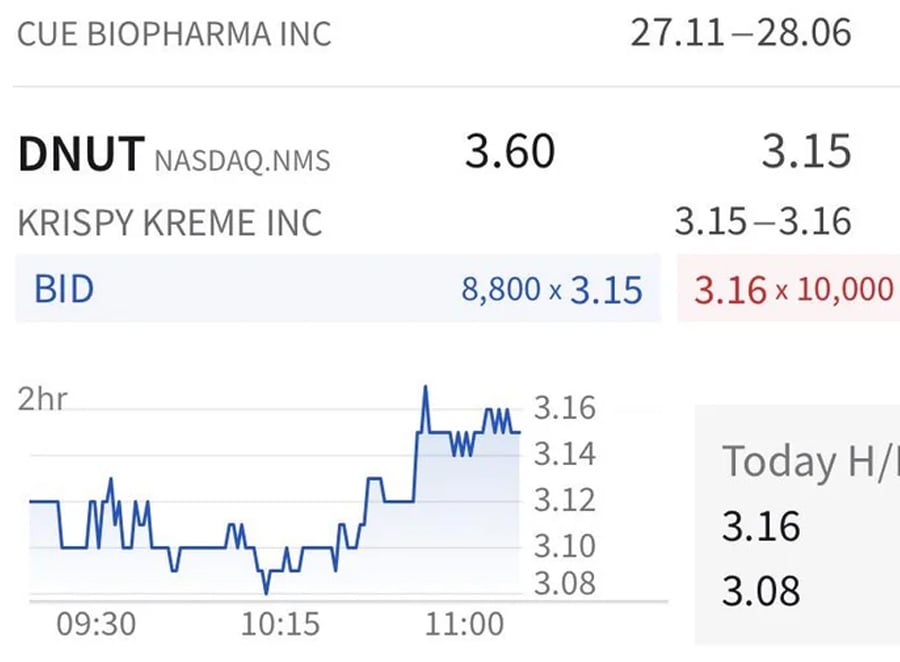
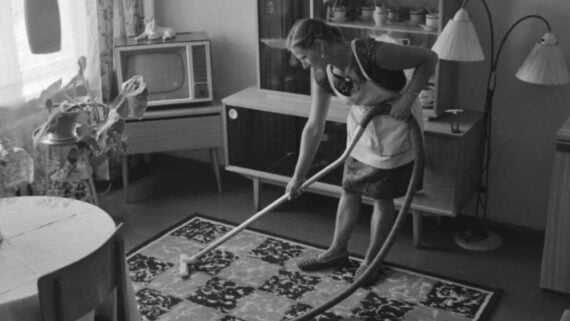
Investors traditionally called a stockbroker whenever they wanted to buy or sell shares, and commissions could make even simple transactions expensive. Online brokerage platforms changed the process dramatically, giving individuals the ability to research investments, monitor markets, and execute trades from a computer or phone.
7. Checking Out at a Store

Cashiers once handled virtually every retail transaction. Self-checkout machines gradually transferred scanning, bagging, and payment to shoppers themselves, turning a job that had always been performed by an employee into another routine self-service task.
8. Washing a Car
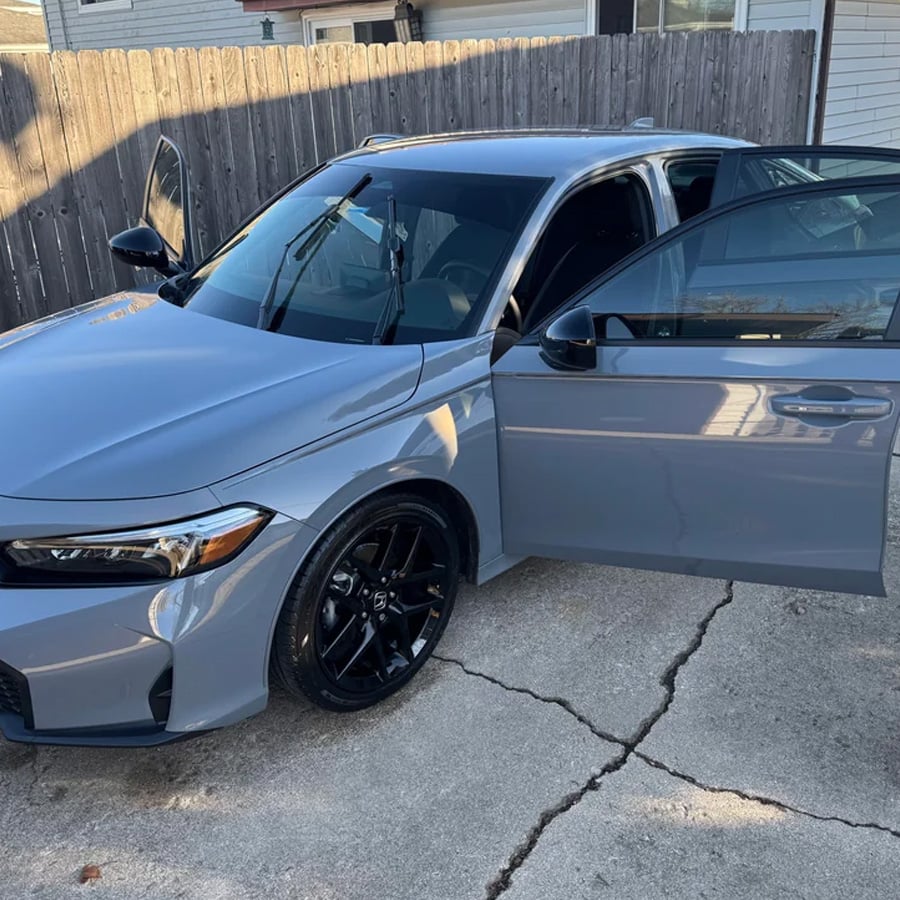
Full-service car washes and neighborhood attendants once did much of the cleaning for drivers who wanted a spotless vehicle. Automatic washes, self-service bays, pressure washers, and widely available detailing products have made it much easier for car owners to handle the entire process themselves.
Sign up for our newsletter
9. Making Long-Distance Phone Calls

Long-distance calls once sometimes required assistance from a telephone operator, particularly before direct dialing became widespread. Improvements in telephone networks gradually removed operators from ordinary calls, and smartphones and internet-based communication eventually made placing calls around the world effortless.
10. Preparing a Resume
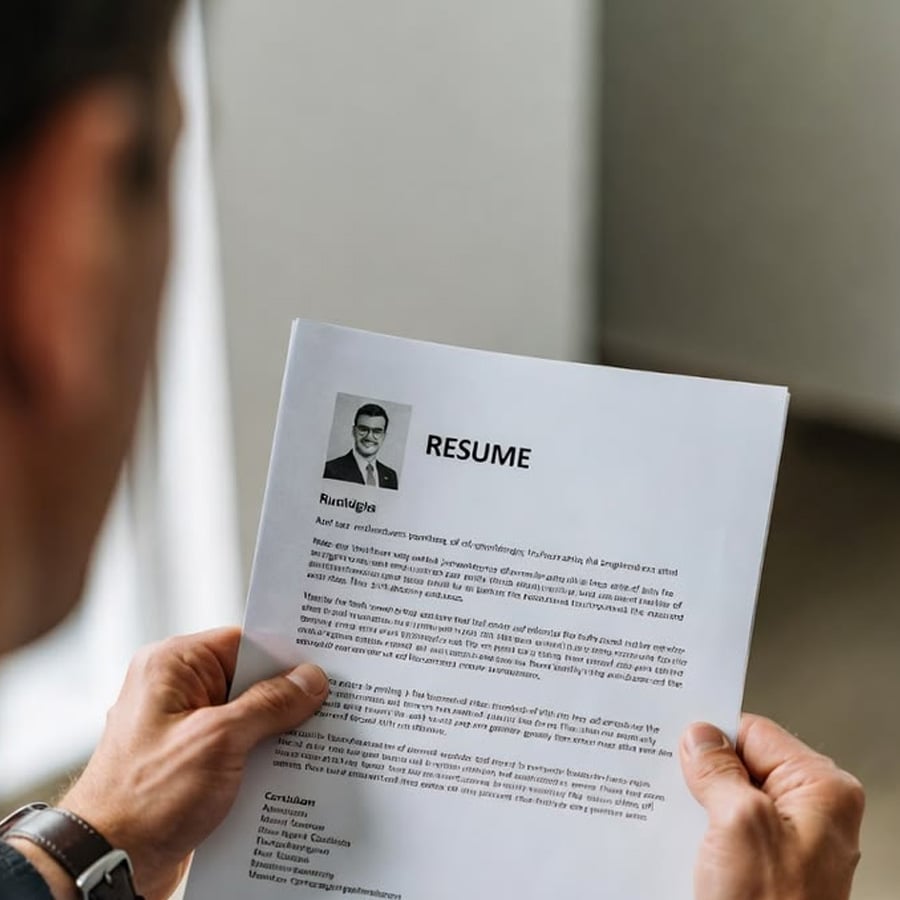
Professional resume writers and typing services were commonly used by job seekers who needed polished documents they could send to employers. Word-processing templates, online resume builders, and digital design tools now allow applicants to create professional-looking resumes themselves in a fraction of the time.
11. Paying Bills
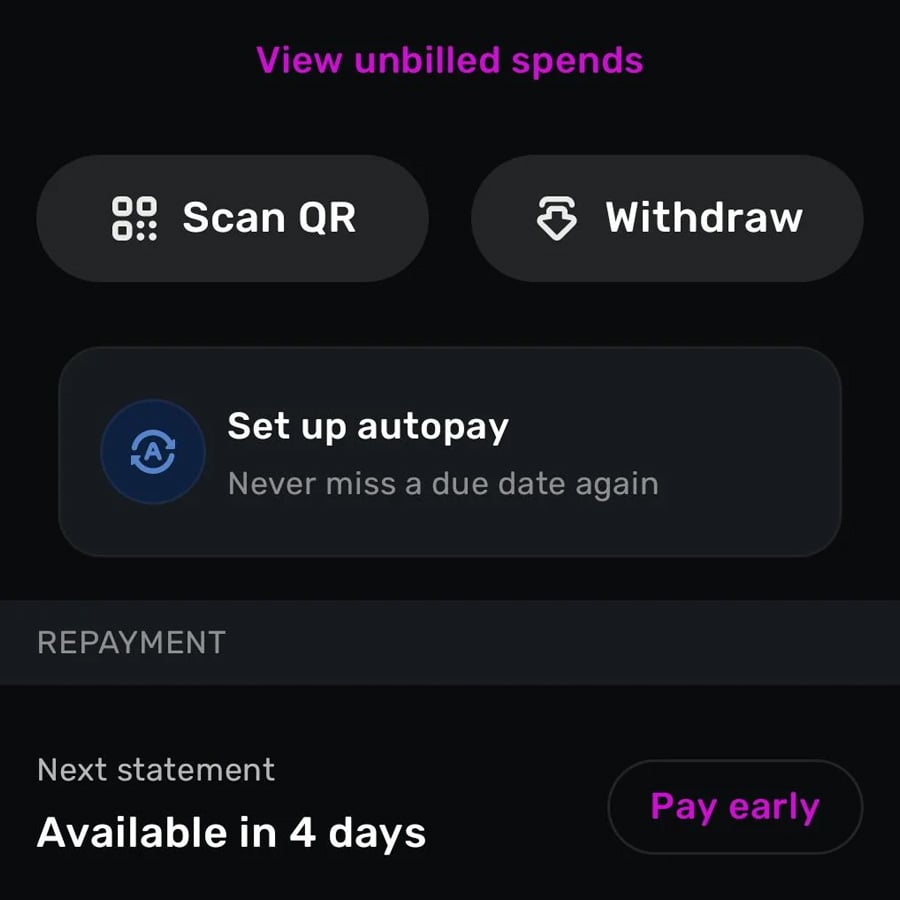
People once regularly visited banks, utility offices, or payment centers to have transactions processed by employees. Online banking and automatic payments transformed bill paying into something that can be completed from home in minutes, often without interacting with another person at all.
12. Getting Directions
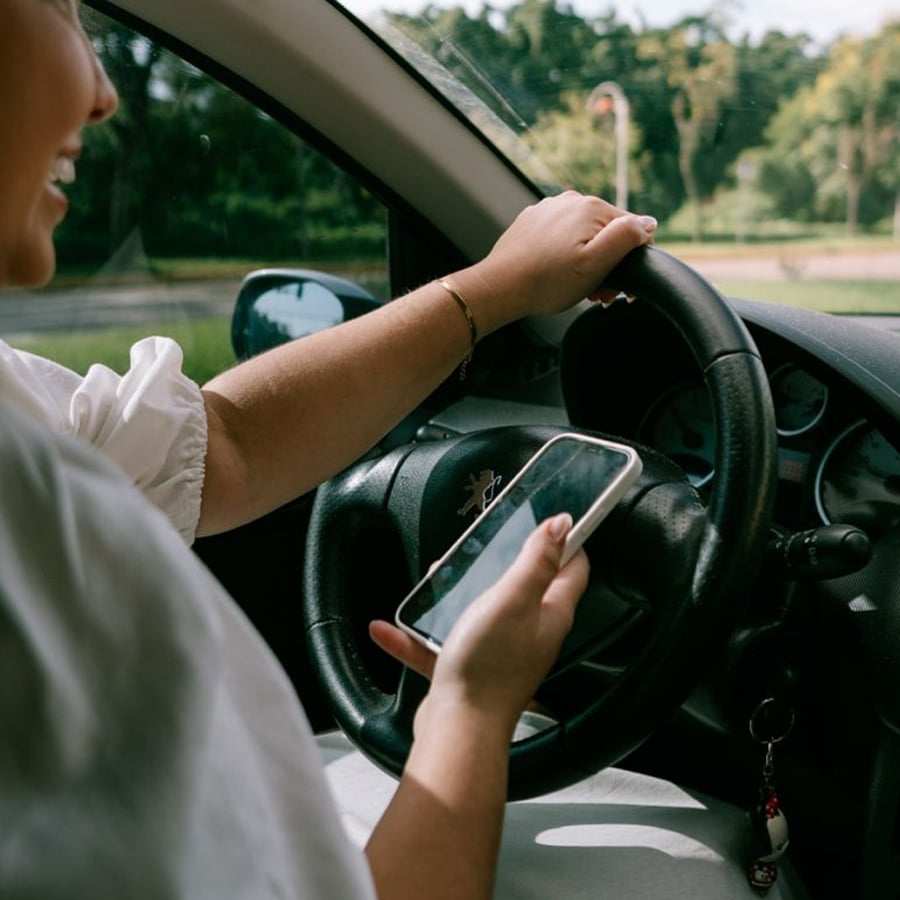
Before GPS became common, travelers frequently depended on gas station attendants, hotel employees, travel offices, or organizations such as AAA for directions and printed maps. Navigation apps now calculate routes, update traffic conditions, and reroute drivers automatically while they travel.
13. Editing Videos
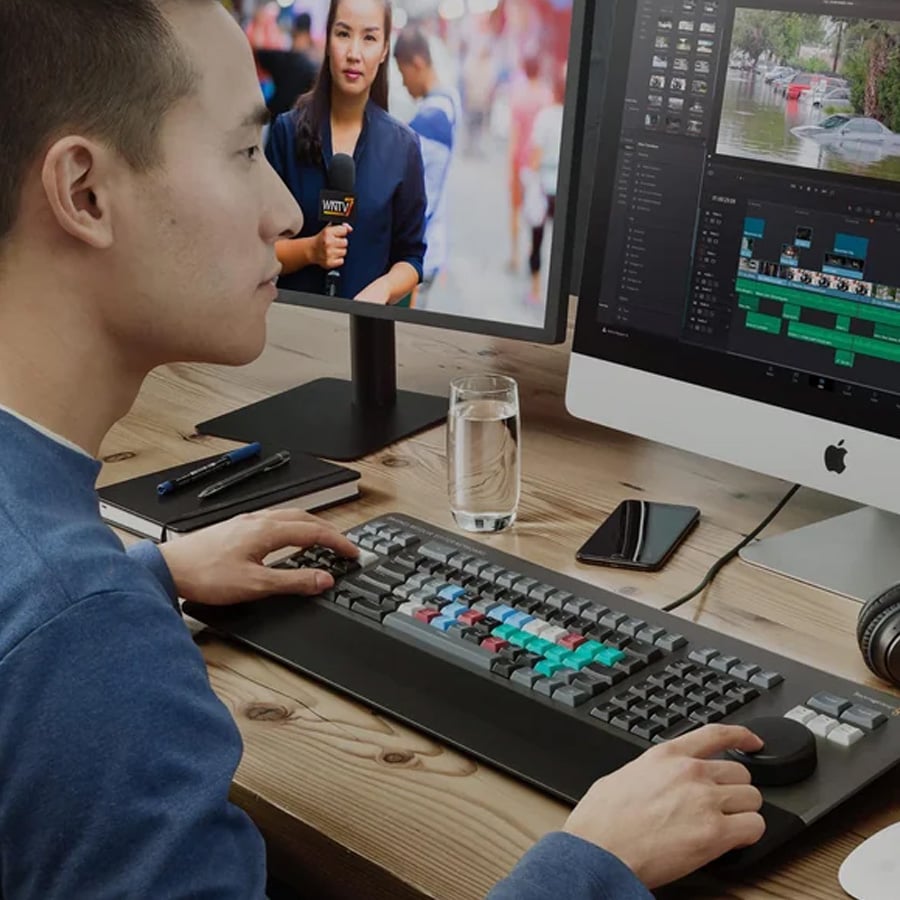
Video editing once required expensive equipment and specialized knowledge, so consumers often hired professionals to assemble footage from weddings, vacations, and other events. Modern computers and smartphones come with editing tools that allow almost anyone to cut clips, add music, insert effects, and produce finished videos at home.
14. Designing Invitations

Wedding invitations, party announcements, and other printed materials were traditionally ordered through printers or professional designers. Online templates and design platforms now let people choose layouts, customize typography, add photographs, and send the finished design to a printer without hiring a specialist.
15. Making Bank Deposits
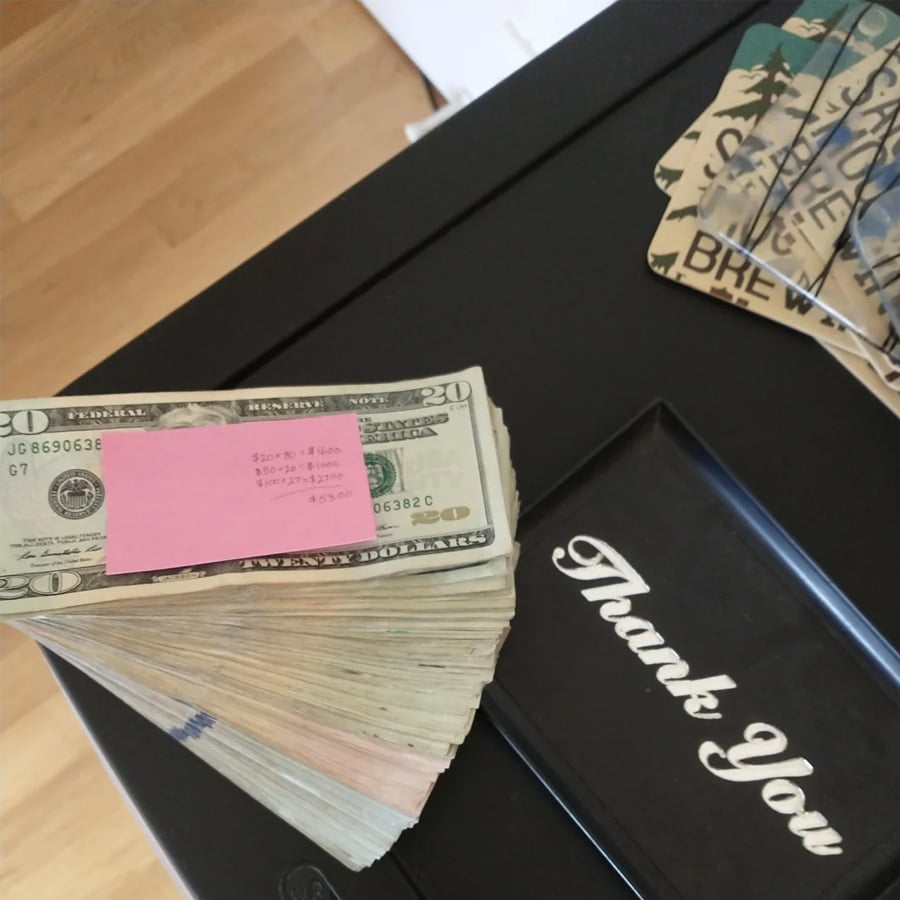
Depositing money once meant standing in line and handing cash or checks directly to a bank teller. ATMs reduced the need for that interaction, and mobile banking went even further by allowing customers to deposit many checks simply by photographing them with a smartphone.
16. Finding a Home to Buy

Homebuyers once depended heavily on real estate agents to discover which properties were available because agents controlled access to most listing information. Property websites and apps now allow buyers to browse listings, compare prices, study neighborhoods, view photographs, and even take virtual tours before contacting an agent.
More Related Notes
• 14 Jobs That Disappeared Because of Technology.
Explore the occupations that vanished as technology allowed people and businesses to handle tasks that once required specialized workers.
• 18 Everyday Objects That Smartphones Replaced.
See how smartphones consolidated dozens of tools and services, making it easier for people to complete everyday tasks without professional help.
• 10 Modern Habits That Didn’t Exist Just 15 Years Ago.
Discover how technology and changing lifestyles created new routines, including many tasks people now manage themselves with just a few taps or clicks.